May 15 in Art History
5 real events recorded on May 15, the earliest from 1628. 2 artists were born , 1 died on this date.
The day's biggest moments
Born on this day 2
- 1628 Born
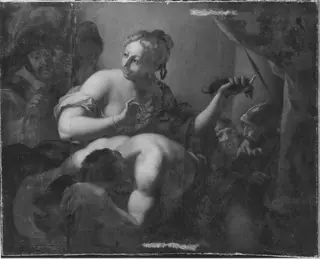
Born this day: Carlo Cignani
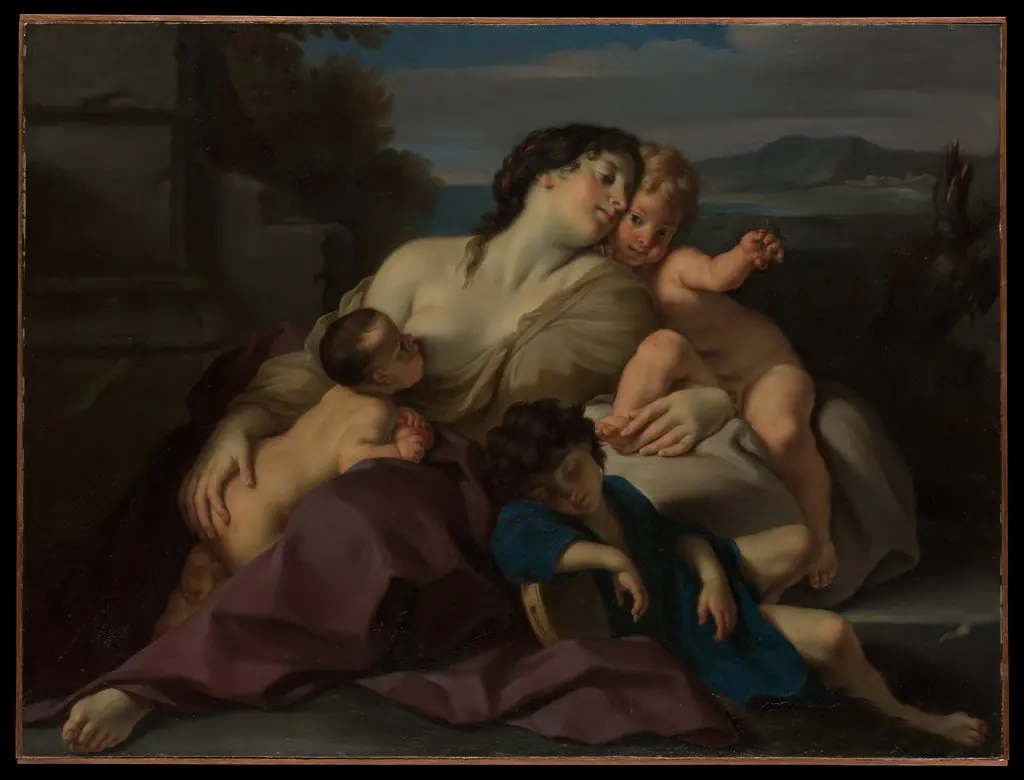
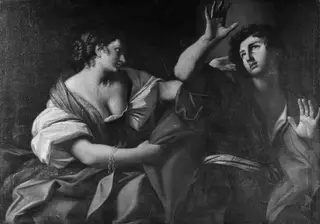
Carlo Cignani, born on May 15, 1628, was an Italian painter known for his innovative style, introducing a reflective and intimate mood to his works, such as 'Charity' and 'Joseph and Potiphar's Wife'. His 'new manner' broke with the energetic style of earlier Bolognese classicism, influencing later artists.
Carlo Cignani's legacy lies in his contribution to the evolution of the Bolognese School of painting with his distinctive gentle and intimate style.
- 1864 Born
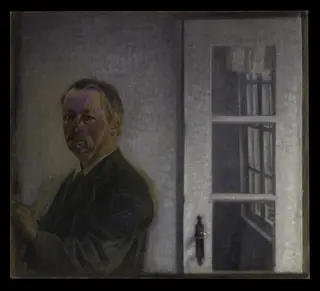
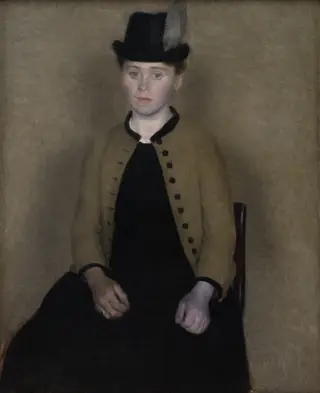
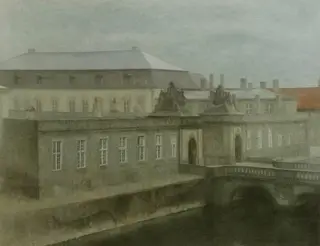
Born this day: Vilhelm Hammershøi
Vilhelm Hammershøi, a Danish painter, was born on May 15, 1864. He is known for his poetic and subdued portraits and interiors, which continue to captivate audiences with their quiet intensity. His work invites contemplation and reflection, making him a notable figure in the art world.
Hammershøi's legacy lies in his ability to convey the essence of art through his subtle and evocative paintings.
Died on this day 1
- 1908 Died
Died this day: Charles Frederick Ulrich
American artist Charles Frederick Ulrich, who died on May 15, 1908, was known for his captivating depictions of glassblowing scenes, particularly in his work 'Glass Blowers of Murano'. His unique approach involved meticulously studying the play of light on molten glass and the daily lives of craftsmen. Ulrich's smooth, brushstroke-concealing surfaces imbue his scenes with a sense of quiet intimacy and permanence.
Ulrich's work continues to captivate audiences with its serene and intimate portrayals of industrial life.
Exhibitions & salons 2
- 1863 Salon Landmark
Salon des Refusés
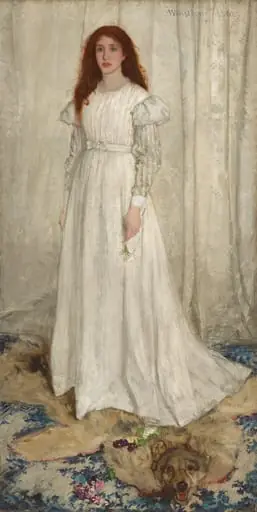
By order of Napoleon III, works rejected by the 1863 Paris Salon jury were shown in a parallel exhibition so the public could judge for itself. Crowds came to laugh — above all at Manet's Le Déjeuner sur l'herbe and Whistler's White Girl — but the show broke the Salon's monopoly on what counted as art.
The first institutional crack in the academic system: from here the path runs straight to the independent exhibitions of the Impressionists.
- 1886 Exhibition Landmark
Eighth (and Last) Impressionist Exhibition
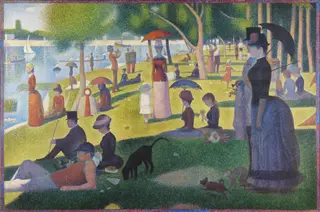
The final group exhibition of the Impressionists was also the debut of something new: Georges Seurat's A Sunday on La Grande Jatte hung in the last room, its dots of pure color announcing Neo-Impressionism to a baffled public. Monet, Renoir and Sisley stayed away; Degas, Pissarro, Morisot, Cassatt, Gauguin and Redon showed.
Impressionism's group identity dissolved at the very moment its successor movement stepped on stage — the torch passing visible in a single room.
Paul Signac , Georges Seurat , Mary Cassatt , Paul Gauguin , Edgar Degas , Marie Bracquemond