Subject
Modern Period
Modern Period is a subject in art. The gallery holds 91 works in this subject in art, including works by Thomas Phillips, Peter von Hess and Karl Bodmer.
In historical periodization, the "modern period" names the broad span of human history that follows classical antiquity and the Middle Ages. The term was first applied to European history and conventionally dated from around 1500, when upheavals such as the Reformation—which gave rise to Protestantism in Germany and across the continent—broke the medieval order. Since the 1990s, however, historians have tended to split this arc: the "early modern period" (c. 1500–1800) gathers the Renaissance, the Reformation, the Scientific Revolution, and the Enlightenment, while "modern" increasingly denotes the era from the 19th century to the present. No single date fixes its boundaries; candidates for its opening include the printing revolution of the 1440s, the Fall of Constantinople in 1453, and the Age of Discovery.
For the visual arts, the modern period is less a single style than a succession of them. Its early-19th-century phase was dominated by Neoclassicism, with its clarity of line and antique ideals, and by Romanticism, which prized emotion, drama, and the contemporary subjects of nation and revolution. These currents fed the era's defining preoccupation: the awakening of national consciousness, expressed through history painting that monumentalised recent events.
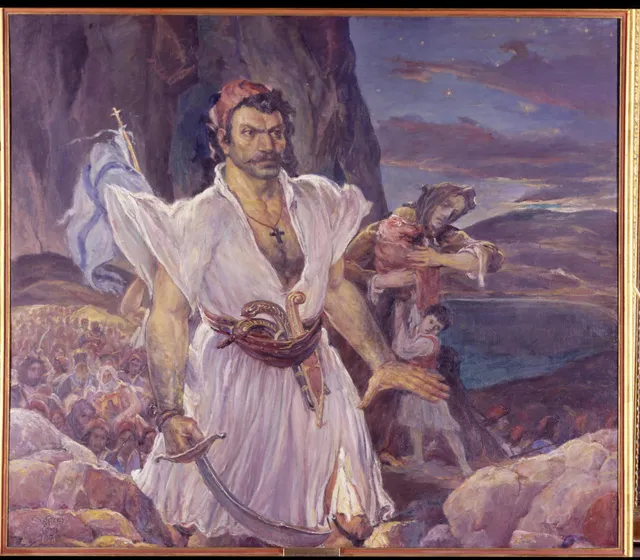
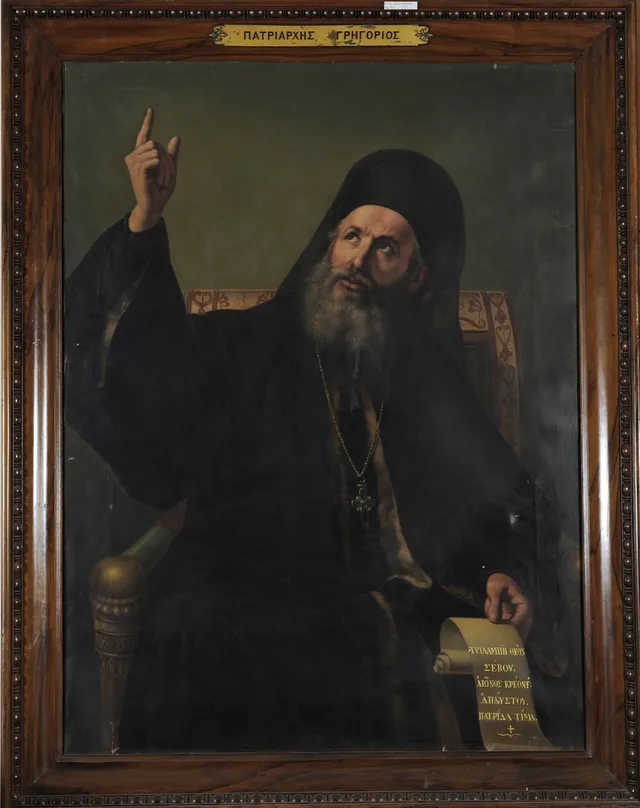
Nowhere is this clearer than in the birth of modern Greek art from the 1821 War of Independence. Many of its painters trained at the Academy in Munich—the so-called "Munich School"—blending academic realism and Neoclassical form with Romantic, patriotic themes, often idealising the Revolution rather than dwelling on its violence. This gallery holds characteristic examples: Dionysios Tsokos's 1861 portrait of Patriarch Gregory V of Constantinople, martyred in 1821; two scenes by Andreas Georgiadis (o Kris)—Ibrahim before the dead Papaflessas after Maniaki (1825) and a Scene from the Exodus of Messolonghi (1826); and a portrait by the Heptanese painter Spyridon Prosalentis (1830–1895). European Philhellenism produced parallel masterpieces, above all Eugène Delacroix's Romantic canvases on Chios and Missolonghi.
This national-revival art forms the bridge between Romanticism and the avant-gardes of later modernism, anchoring each emerging nation's modern artistic identity.
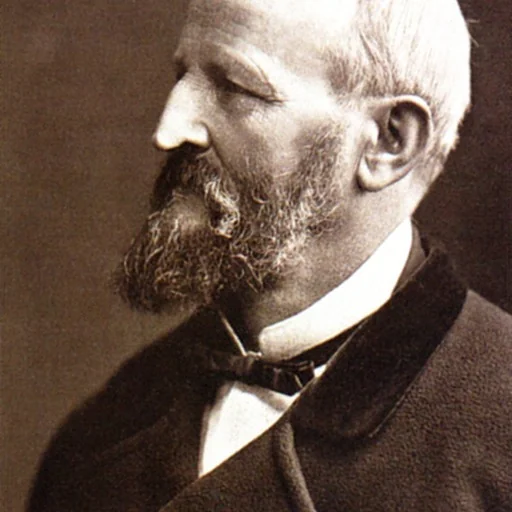
Key artists
Overview
The modern period is the current historical epoch of human history, originally defined in European historiography as the era following classical antiquity and the Middle Ages. Conventionally commencing around the year 1500, the period is anchored by transformative events such as the fall of Constantinople in 1453, the invention of moveable type printing, the European encounter with the Americas in 1492, and the onset of the Protestant Reformation in 1517. The term modern was coined shortly before 1585 to articulate this new era. Over time, historiographical practice has refined the periodization, frequently distinguishing an early modern phase from circa 1500 to 1800 from the modern period proper, which is today more commonly associated with the nineteenth century onward. The era is fundamentally characterized by rapid, systemic transformations across politics, industry, science, and culture, marking a definitive departure from medieval structures into a globally interconnected world.
Iconography & meaning
In visual culture, the modern period functions as a broad thematic signifier for the radical reordering of human experience. Artistic depictions of this era frequently center on the collapse of old regimes and the violent birth of new national and political identities. The iconography of modernity encompasses both the ideals and the brutal realities of progress. Representations of revolutionary upheaval, industrialization, and colonial expansion carry the weight of a new worldview rooted in individualism, capitalism, and technological advancement. Simultaneously, the iconography grapples with the loss of traditional religious and ethical norms, portraying the conflicts and displacement that accompanied the transition from feudal and monarchical systems to the liberal international order.
Across movements & periods
The artistic treatment of the modern period has shifted alongside its historiographical definition. Initially, the concept of a new era emerged during the Renaissance, when humanists positioned their own time of renewed artistic and scientific flourishing against the intervening middle age. By the twentieth century, modernist movements in art, politics, and culture came to dominate globally, reflecting the era's accelerated change and urbanization. This modernist optimism was subsequently challenged by postmodernism, which critiqued the belief in constant progress, and by postcolonial theory, which confronted the narrative of Western supremacy. Historiographically, the distinction between early modern and modern was crystallized by the French and Industrial Revolutions, while some scholars propose a global Sattelzeit, or transitional period, from 1750 to 1850, to better capture the worldwide realignment of the era.
Legacy
The legacy of the modern period is defined by its permanent alteration of global living conditions and its establishment of the institutional frameworks that govern contemporary society. The democratic and liberal ideas that replaced monarchical and feudal systems gave rise to the public museum, which evolved from private aristocratic collections into civic engines designed to educate the masses and foster national identity. However, the era's legacy is deeply contested. The same forces of industrialization and globalization that produced unprecedented technological and social advancement also fueled brutal conflicts, colonial exploitation, and environmental crises. Postmodern and postcolonial critiques continue to challenge the era's foundational optimism, questioning the narrative of linear progress and the cultural dominance of the West that the modern period inaugurated.
Works
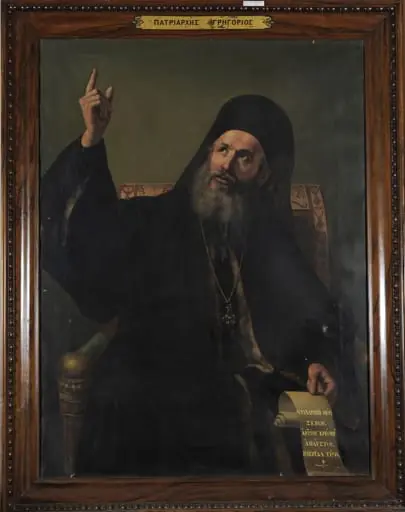 Προσωπογραφία του Γρηγορίου Ε' Πατριάρχη Κωνσταντινουπόλεως
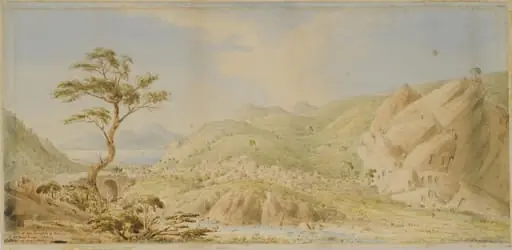 Αρχαία ερείπια κοντά στο Δαφνί
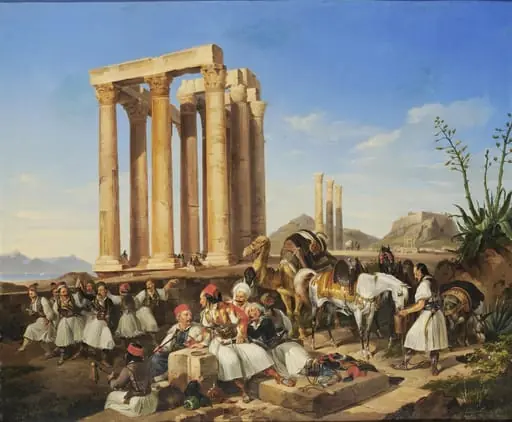 Εορτασμός της Καθαράς Δευτέρας στους στύλους του Ολυμπίου Διός στην Αθήνα
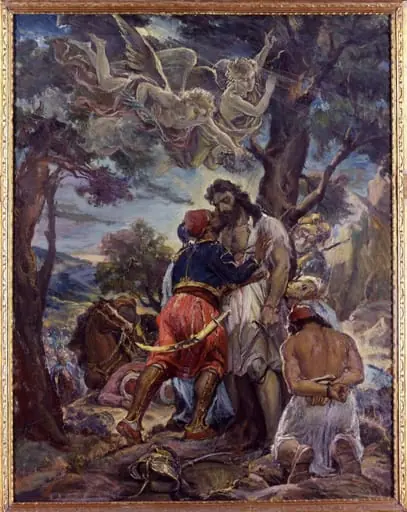 Ο Ιμπραήμ ασπάζεται το νεκρό Παπαφλέσσα μετά τη μάχη στο Μανιάκι
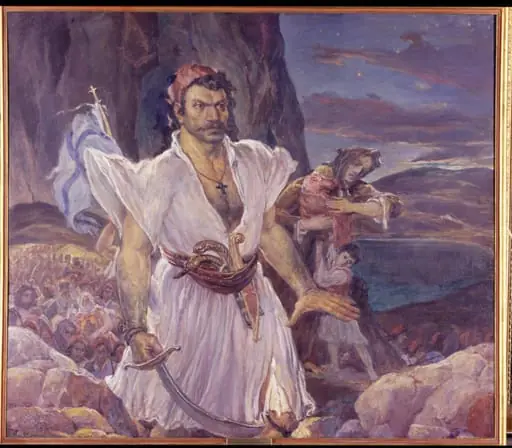 Σκηνή από την Έξοδο του Μεσολογγίου
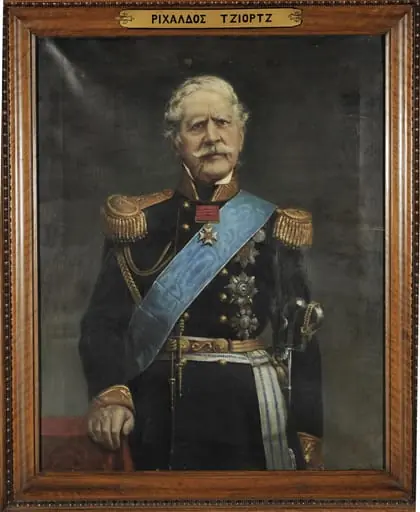 Προσωπογραφία του Ριχάρδου Τσωρτς
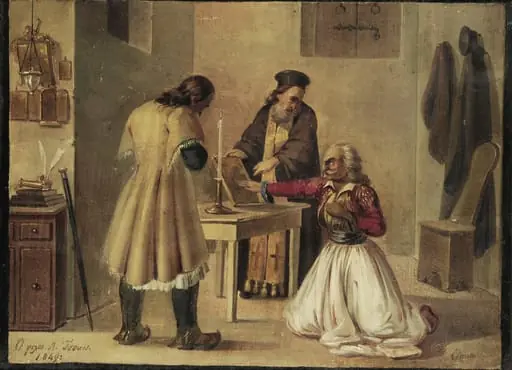 Όρκος
Όρκος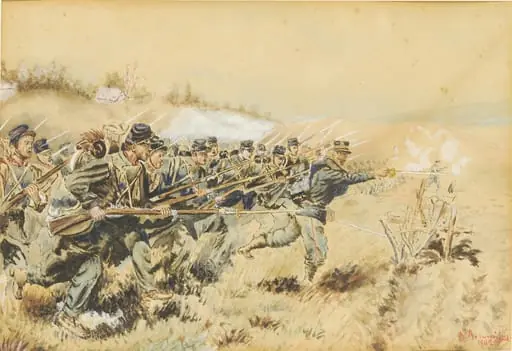 Υδατογραφία του ελληνικού στρατού κατά τον Ελληνοτουρκικό πόλεμο του 1897
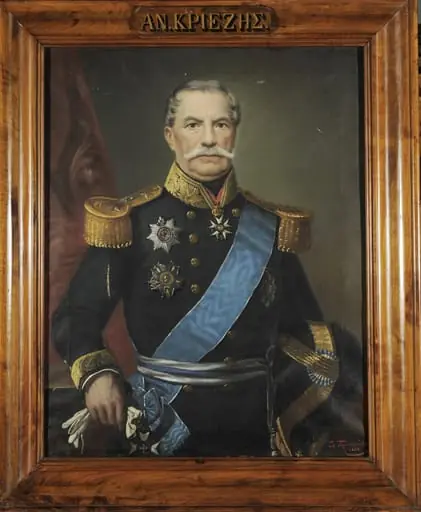 Προσωπογραφία του Αντωνίου Κριέζη
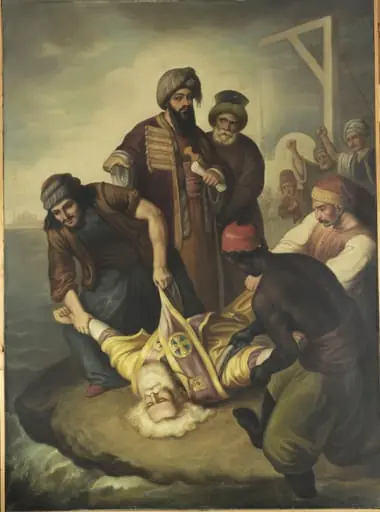 Το σώμα του Πατριάρχη Κωνσταντινουπόλεως Γρηγορίου Ε΄ ρίπτεται στο Κεράτιο κόλπο
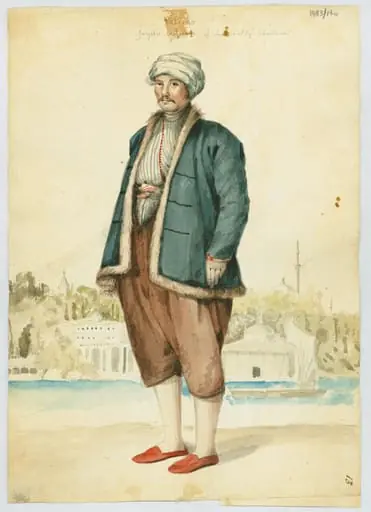 Πατρινός προξενικός γιασακτσής (σωματοφύλακας) "στην υπηρεσία του Κου Cartwright"
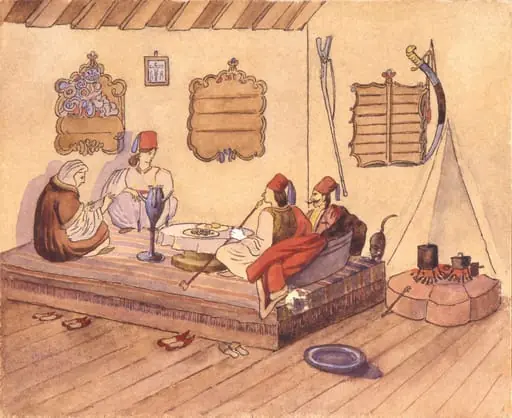 Γεύμα σε κατοικία στη Λαμία
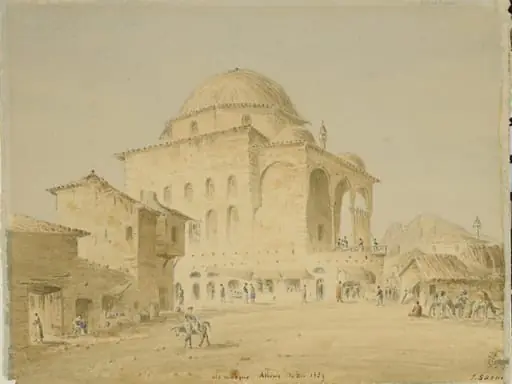 Το Τζαμί του Τζισδαράκη στο Μοναστηράκι
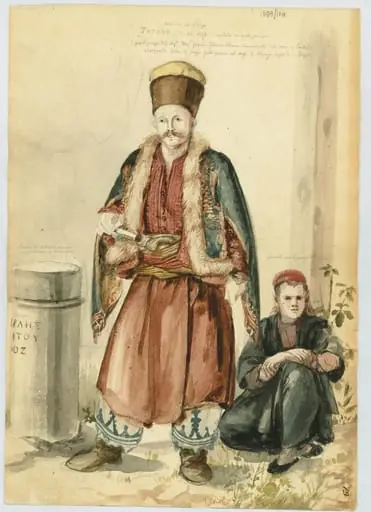 Ο τάταρος του Αλή Πασά "στην υπηρεσία του στρατηγού Adam" και ο νεαρός υπηρέτης του
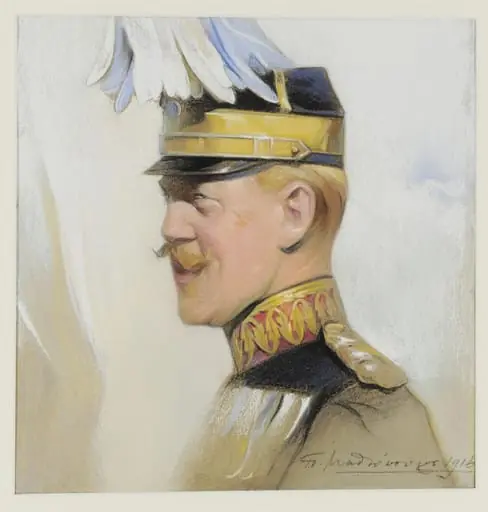 Προσωπογραφία του Κωνσταντίνου Α'
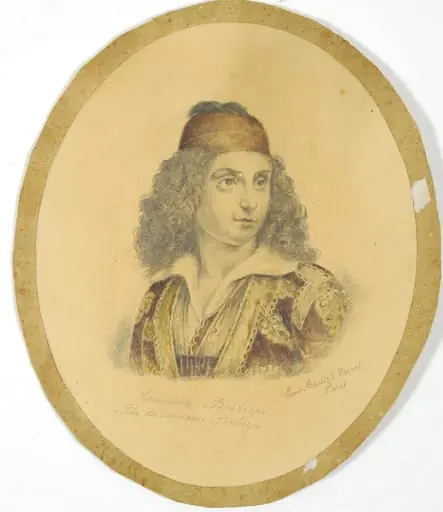 Προσωπογραφία του Θεμιστοκλή Βισβίζη
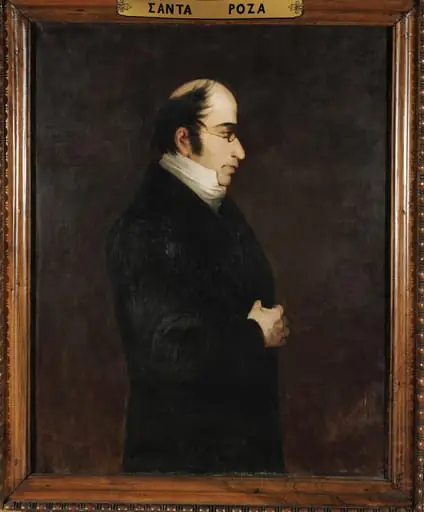 Προσωπογραφία του Σανταρόζα
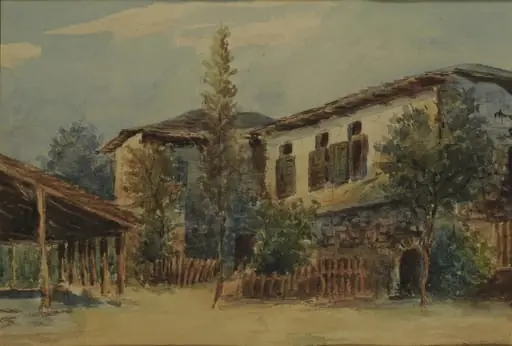 Το σχολείο της Ζαγοράς του Πηλίου
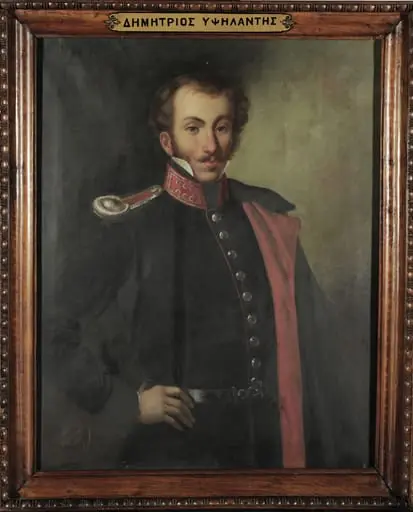 Προσωπογραφία του Δημητρίου Υψηλάντη
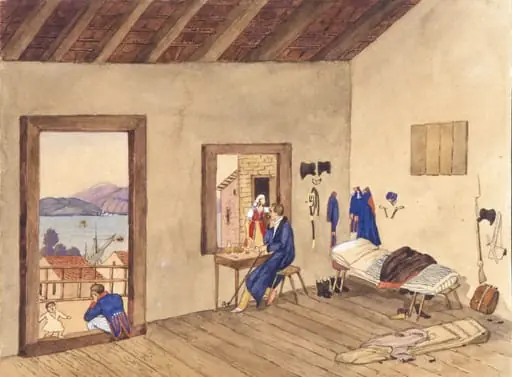 Το δωμάτιο του L. Kollnberger στη Ναύπακτο
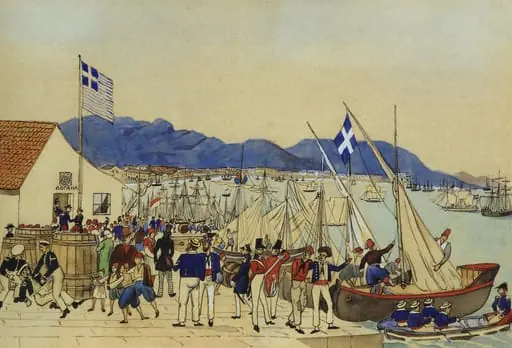 Η καθημερινή κίνηση μπροστα από το τελωνείο του Πειραιά
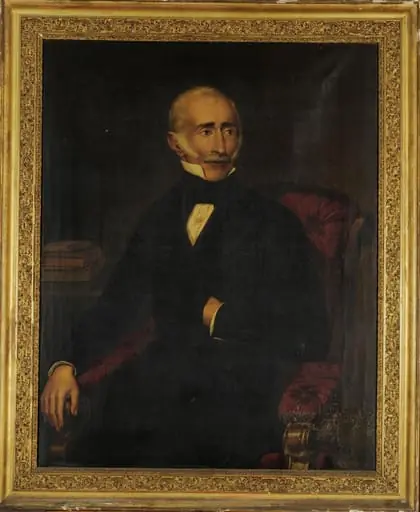 Προσωπογραφία του Ανδρέα Λουριώτη
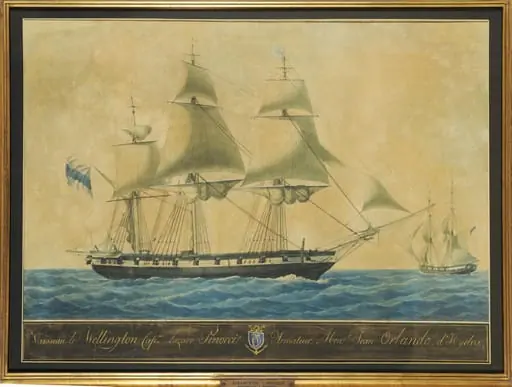 Το πλοίο "Ουέλιγκτον" του Ι. Ορλάνδου
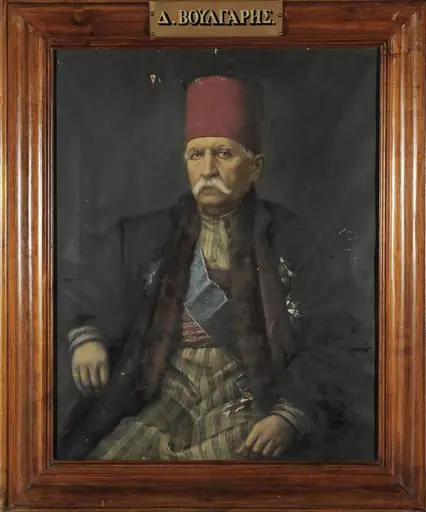 Προσωπογραφία του Δημητρίου Βούλγαρη
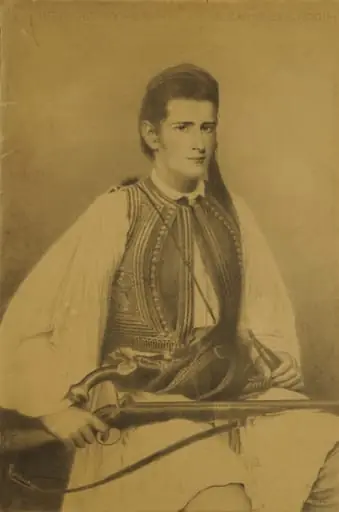 Προσωπογραφία του Σαμουήλ Γκρίντλεϋ Χάου
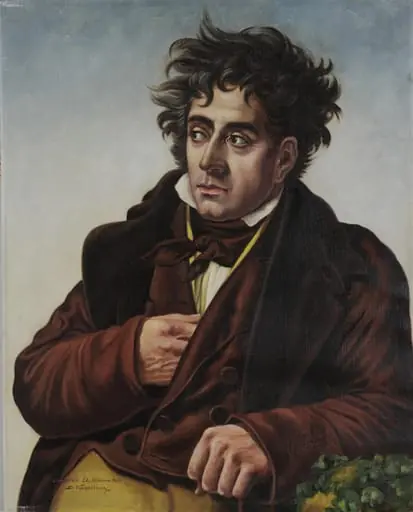 Προσωπογραφία του Chateaubriand
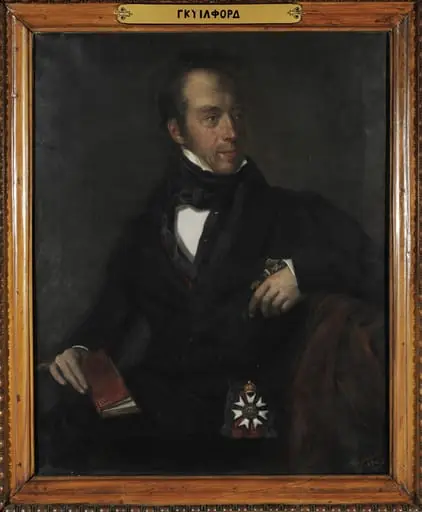 Προσωπογραφία του Frederick North
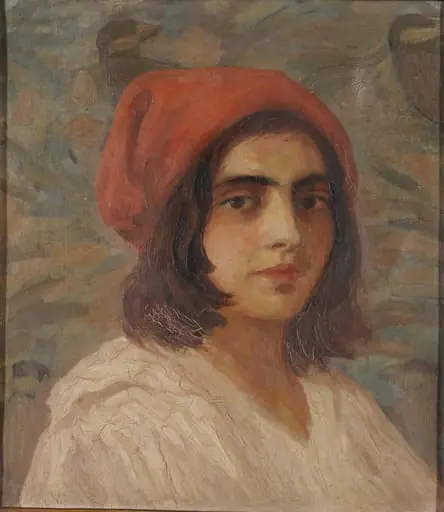 Προσωπογραφία της Φρόσως Σκουμπουρδή - Βυζαντίου
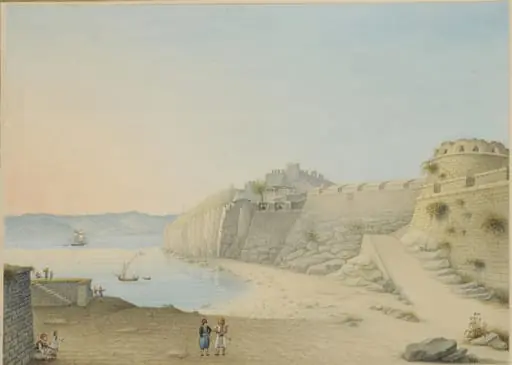 Η περιοχή Αρβανιτιά στο Ναύπλιο
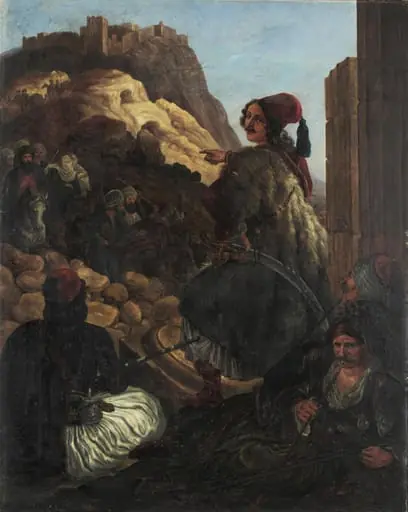 Ο Πανουργιάς Πανουργιάς κυριεύει τον Ακροκόρινθο (Η άλωση του Ακροκορίνθου, Ιανουάριος 1822)
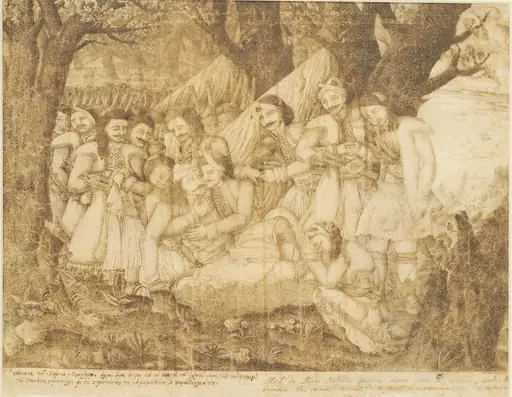 Ο θάνατος του Μάρκου Μπότσαρη
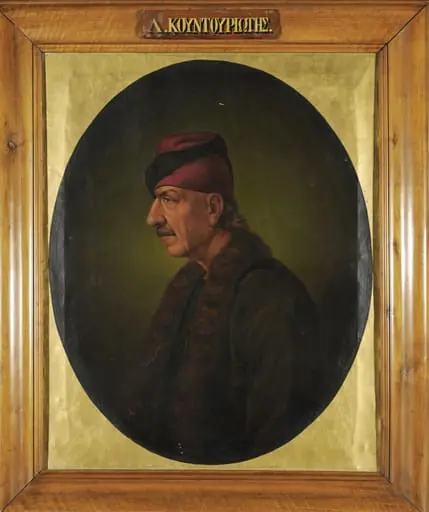 Προσωπογραφία του Λαζάρου Κουντουριώτη
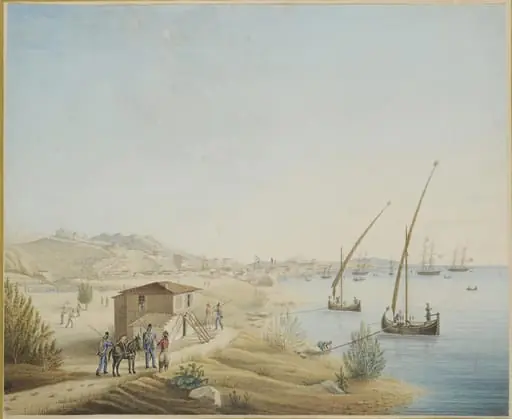 Το λιμάνι της Πάτρας
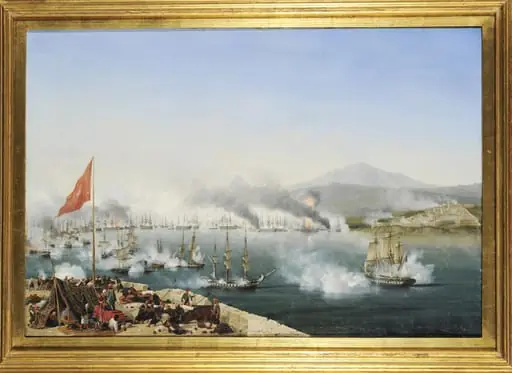 Η Ναυμαχία του Ναυαρίνου
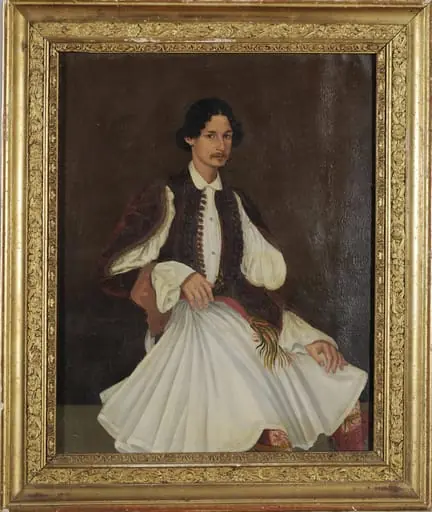 Προσωπογραφία του Αχιλλέα Αγγέλου Γέροντα
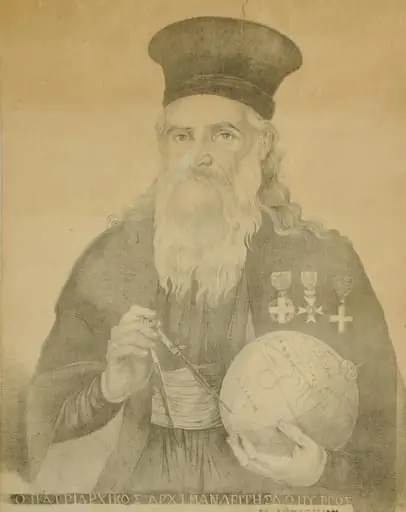 Προσωπογραφία του Διονυσίου Πύρρου
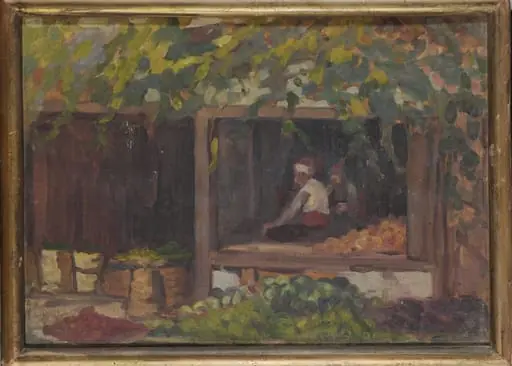 Άνδρες σε μαγαζί
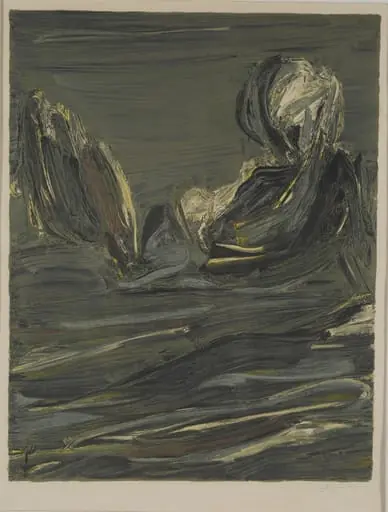 Traces Ouvertes
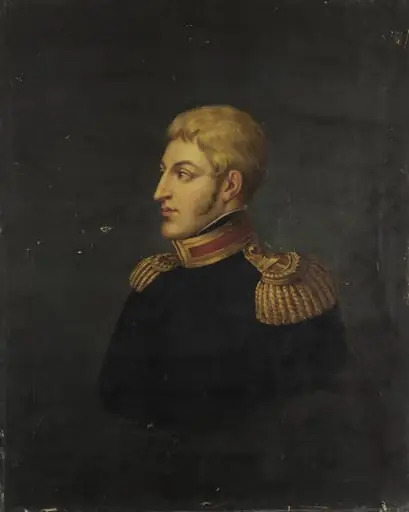 Προσωπογραφία αγνώστου νέου με στρατιωτική ενδυμασία
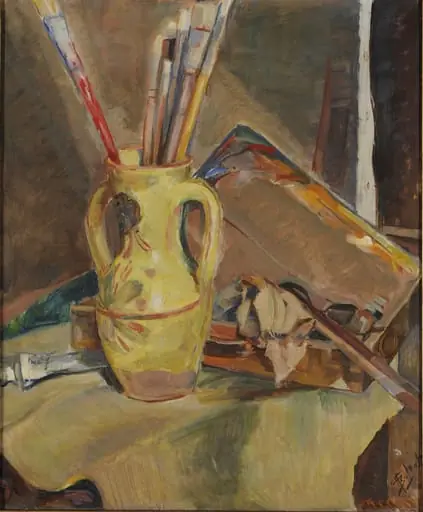 Πινέλα
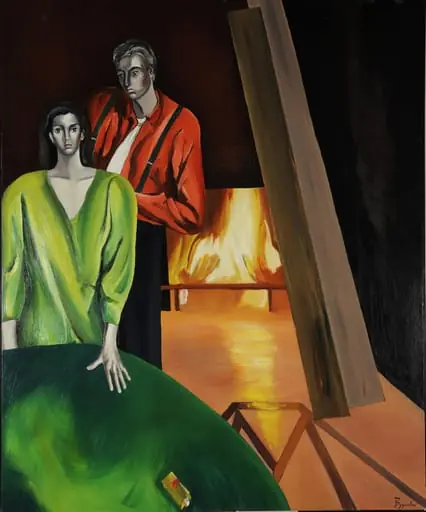 Week-end
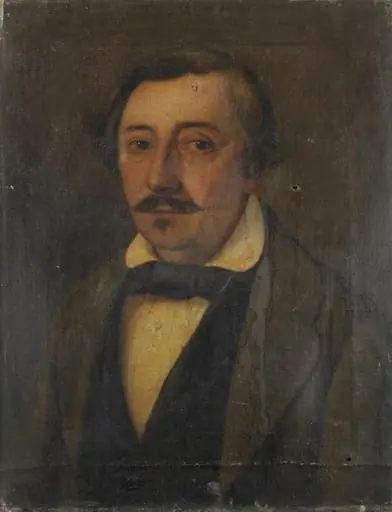 Προσωπογραφία του Ανδρέα Νικ. Λόντου
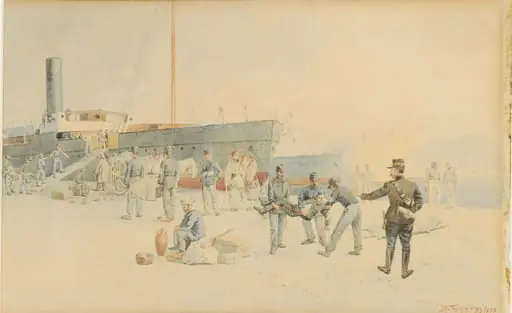 Μεταφορά τραυματιών κατά τον ελληνοτουρκικό πόλεμο του 1897
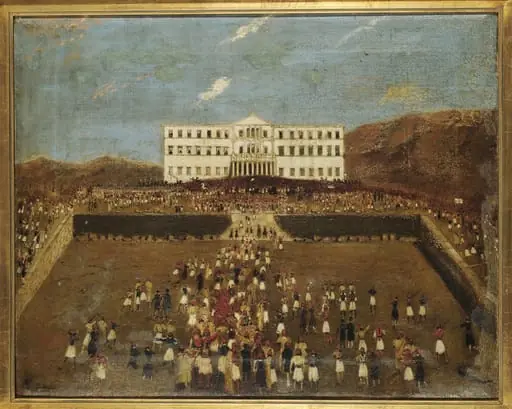 Η Επανάσταση 3ης Σεπτεμβρίου 1843
 Άποψη των Δαρδανελίων
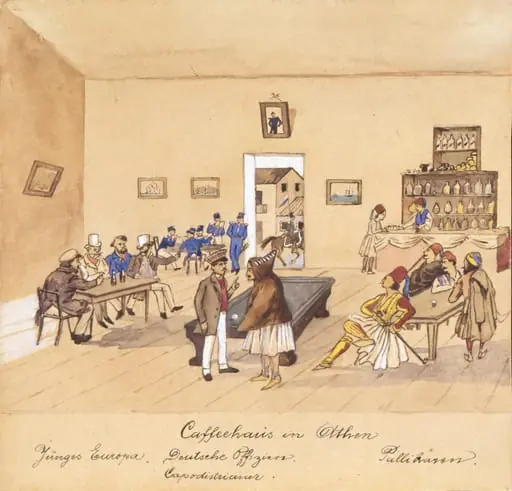 Καφενείο στην Αθήνα
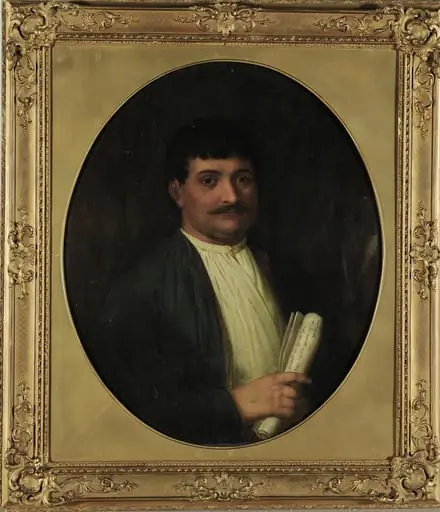 Προσωπογραφία του Ρήγα Βελεστινλή
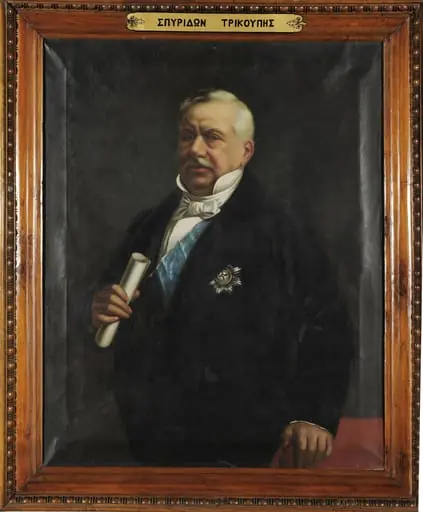 Προσωπογραφία του Σπυρίδωνος Τρικούπη
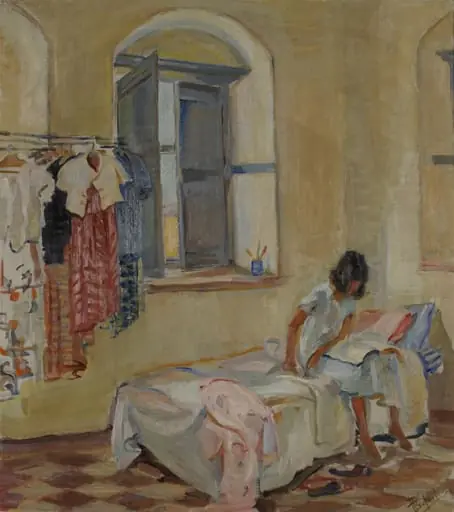 Σπουδαστικό δωμάτιο Σχολής Καλών Τεχνών Ύδρας
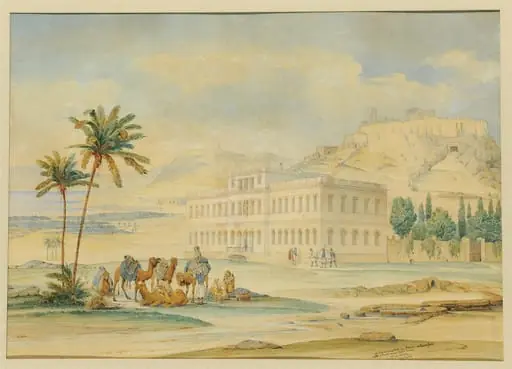 Το στρατιωτικό νοσοκομείο της Αθήνας (Κτήριο Weiler)
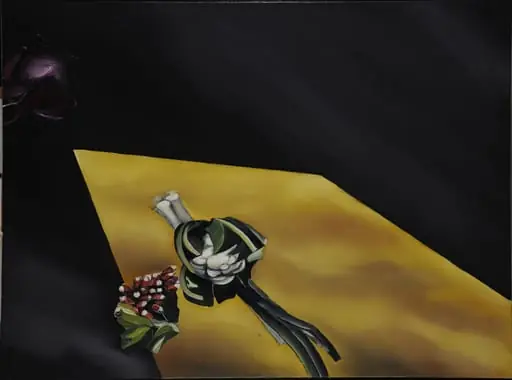 Rupture XVII
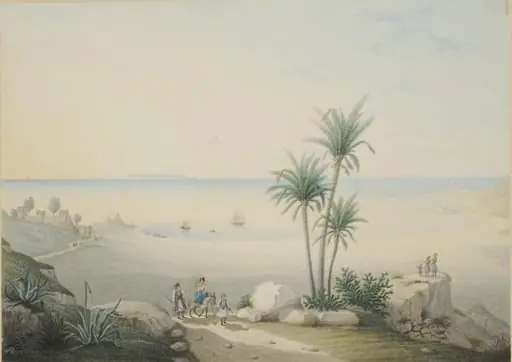 Λιμάνι της Πάρου
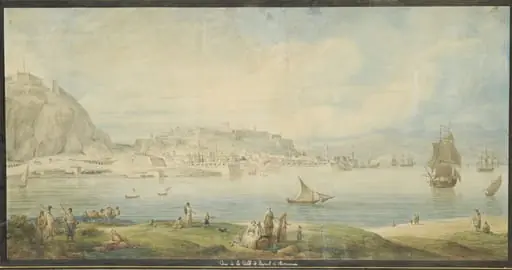 Ναύπλιο
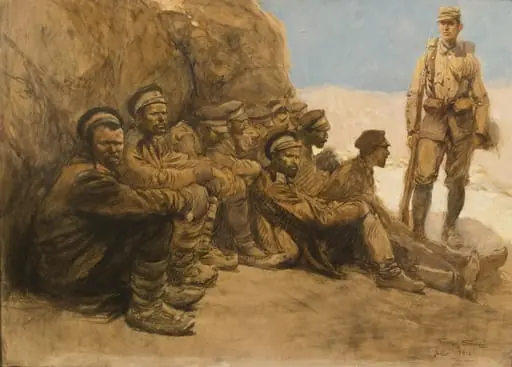 Υδατογραφία Βούλγαρων στρατιωτών, αιχμάλωτων του ελληνικού στρατού στην Κρέσνα
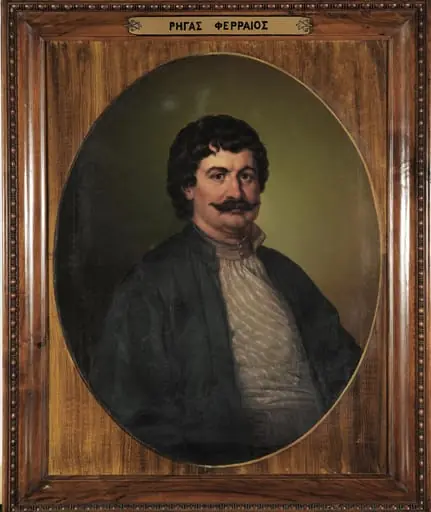 Προσωπογραφία του Ρήγα Βελεστινλή
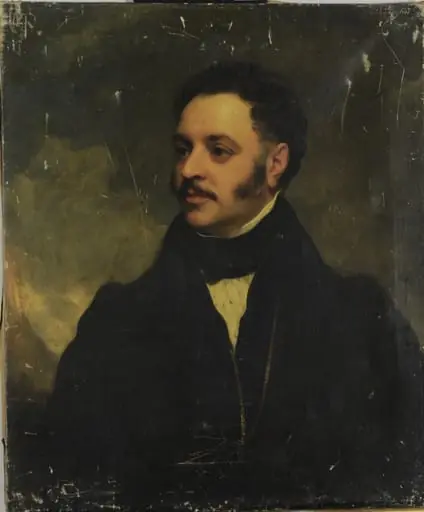 Προσωπογραφία αγνώστου άνδρα με δυτική ενδυμασία
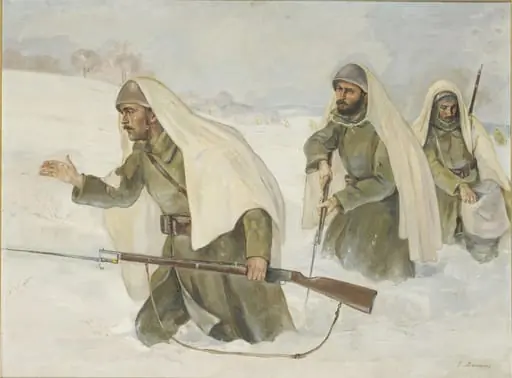 Πορεία στρατιωτών στα χιόνια κατά τον ελληνoϊταλικό πόλεμο
 Φως
Φως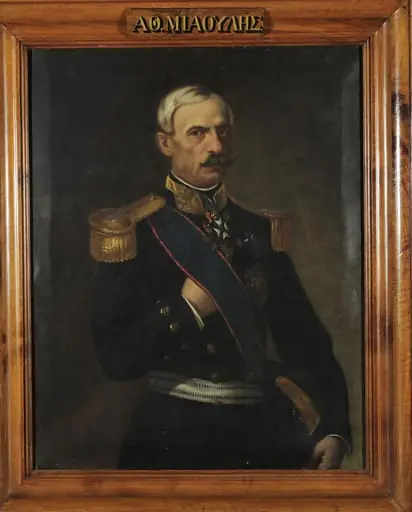 Προσωπογραφία του Αθανασίου Μιαούλη
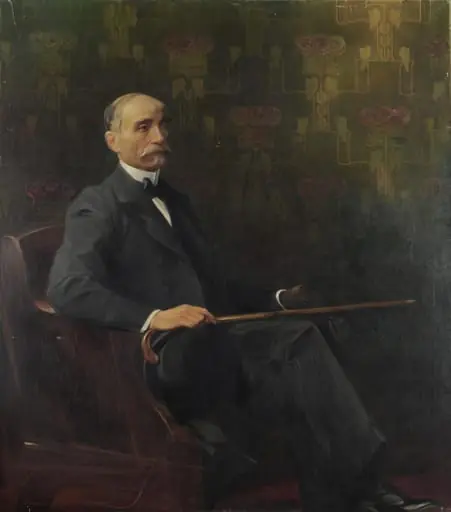 Προσωπογραφία του Ανάργυρου Σιμόπουλου
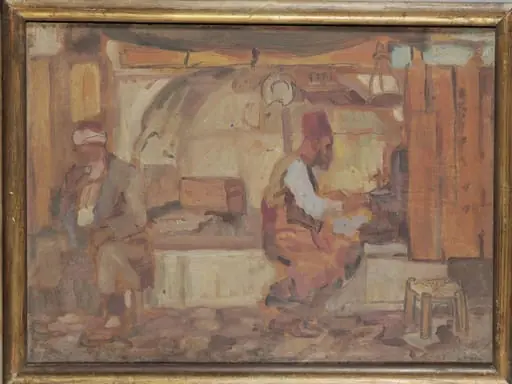 Εσωτερικό καφενείου
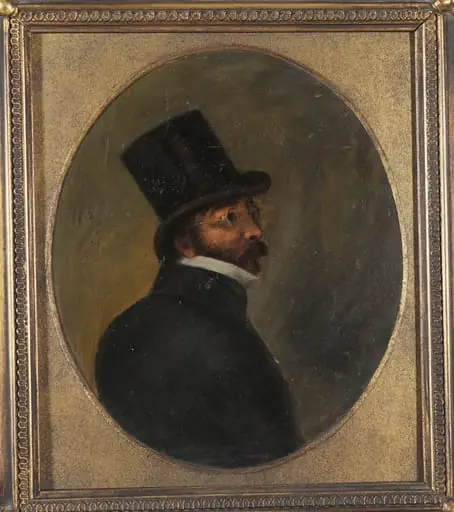 Προσωπογραφία του Αλεξάνδρου Μαυροκορδάτου
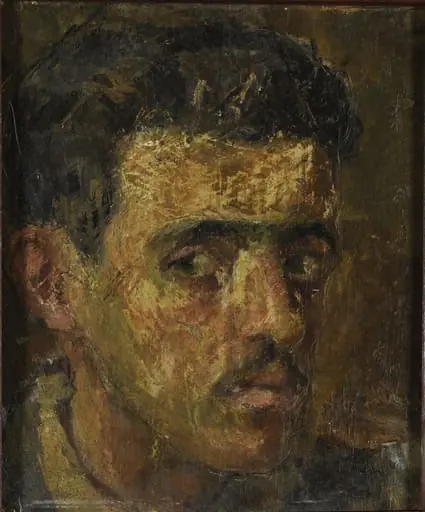 Αυτοπροσωπογραφία του Κωνσταντίνου (Ντίκου) Βυζάντιου
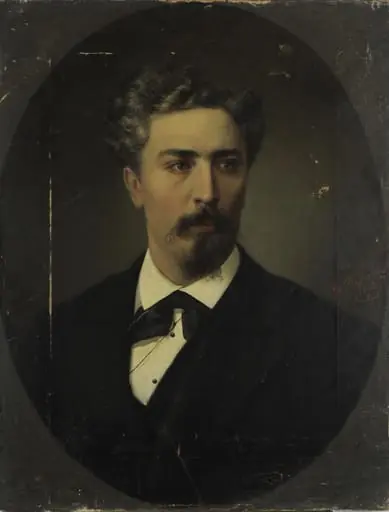 Προσωπογραφία του Στεφάνου Ν. Δραγούμη
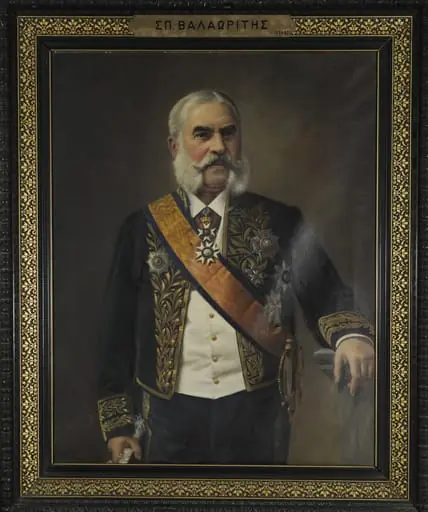 Προσωπογραφία του Σπυρίδωνος Βαλαωρίτη
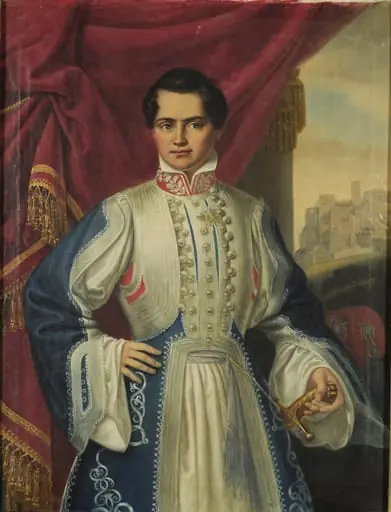 Προσωπογραφία του Όθωνος
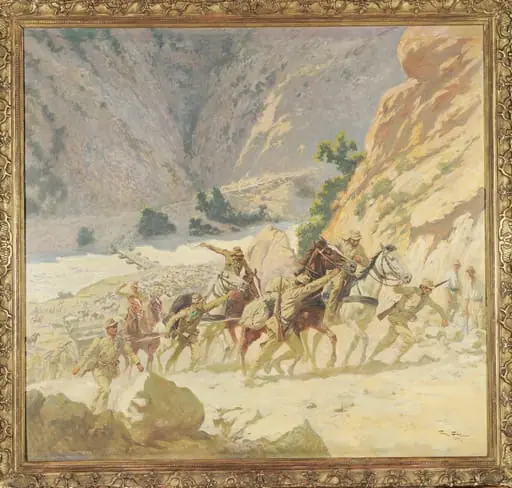 Διάβαση του Στρυμόνα από τον ελληνικό στρατό τον Ιούλιο 1913
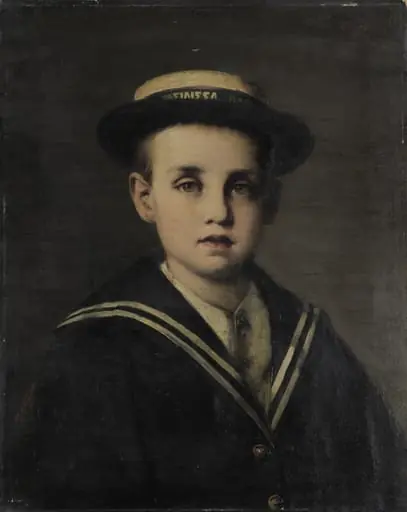 Προσωπογραφία του Κωνσταντίνου Α'
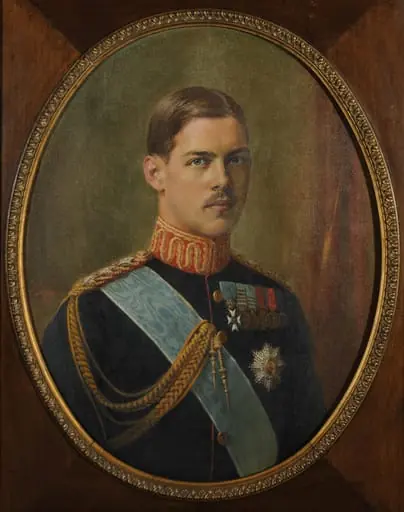 Προσωπογραφία του Αλεξάνδρου Α'
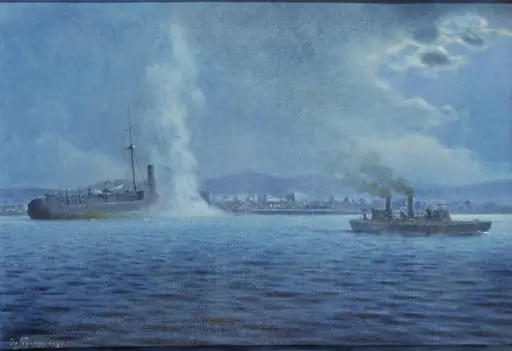 Τορπιλλισμός του τουρκικού θωρηκτού "Φετίχ- Μπουλέντ", στο λιμάνι της Θεσσαλονίκης το 1912
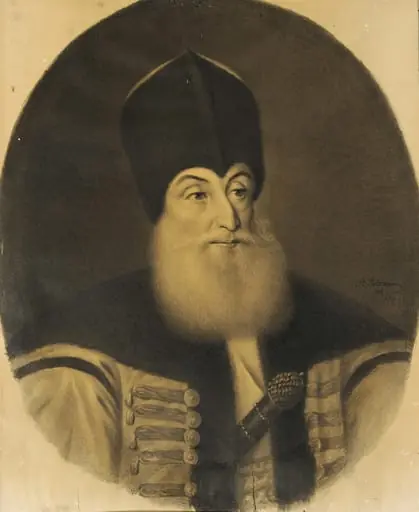 Προσωπογραφία του Αλεξάνδρου (Βόδα) Σούτσου
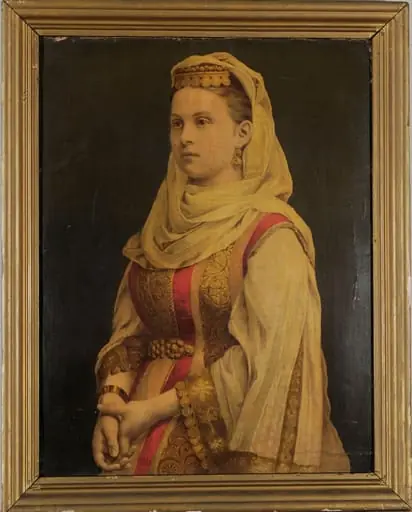 Προσωπογραφία της Όλγας
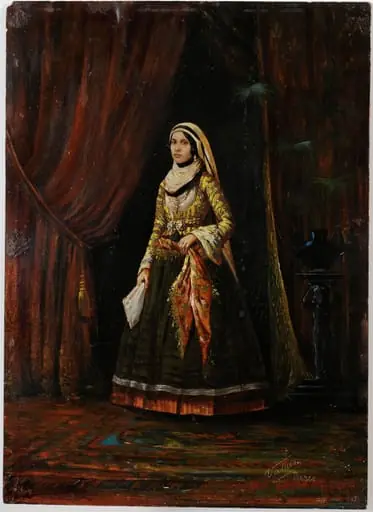 Προσωπογραφία της Κυριακούλας Αντωνίου Κριεζή
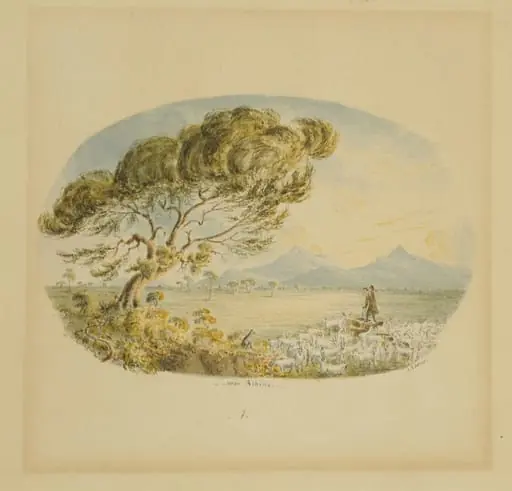 Τοπίο κοντά στην Αθήνα
 Προσωπογραφία γυναίκας ώριμης καθιστής
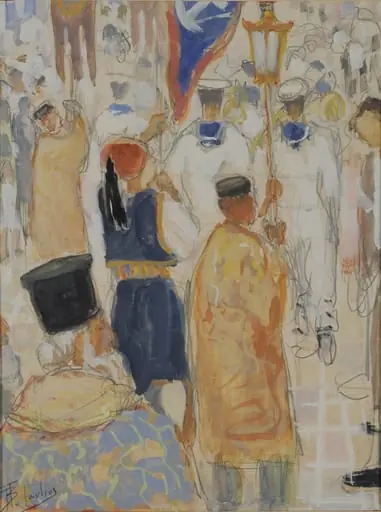 Λιτανεία
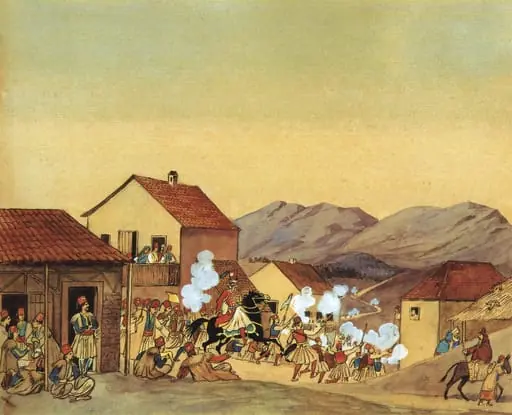 Ο Θεόδωρος Γρίβας αποχωρεί από την Αθήνα
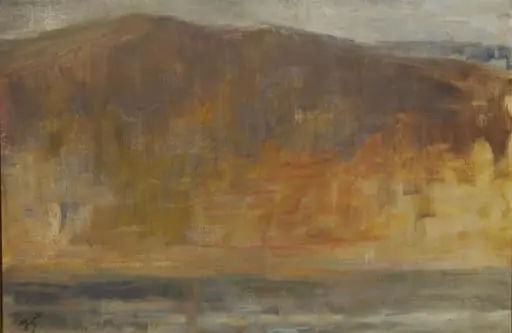 Μια άλλη άποψη της Ύδρας
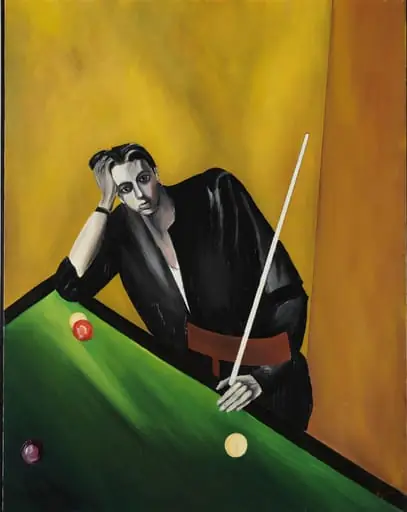 Το Μπιλιάρδο
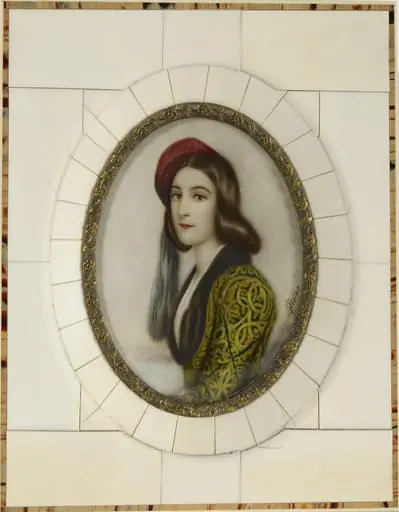 Προσωπογραφία της Αικατερίνης (Ρόζας) Μάρκου Μπότσαρη
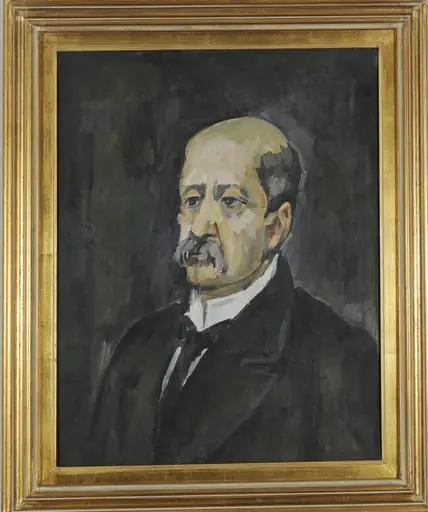 Προσωπογραφία του Χαριλάου Τρικούπη
 Σχέδιο
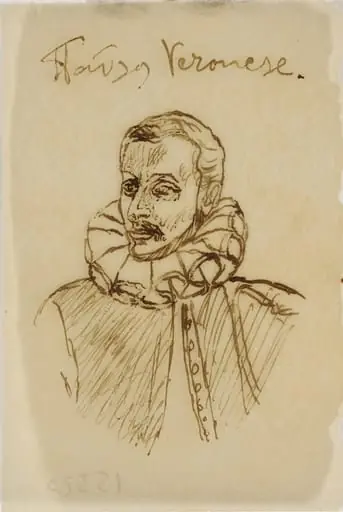 Προσχέδιο προσωπογραφίας του Παύλου Veronese
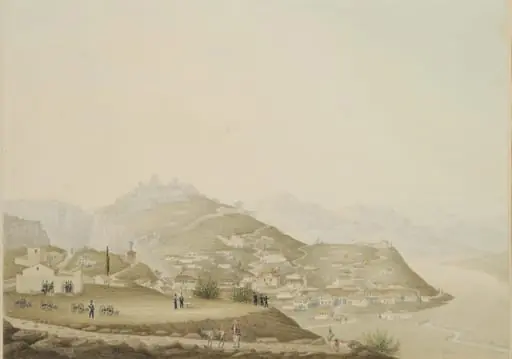 Η Λιβαδειά το 1833
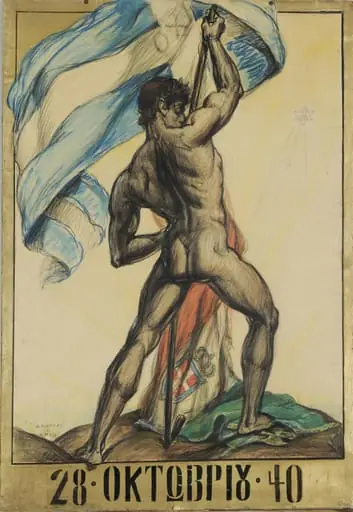 28 Οκτωβρίου 1940
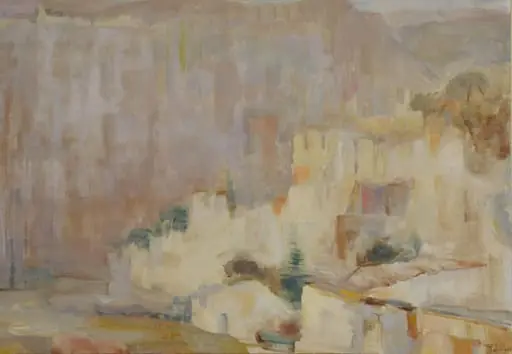 Ύδρα
Ύδρα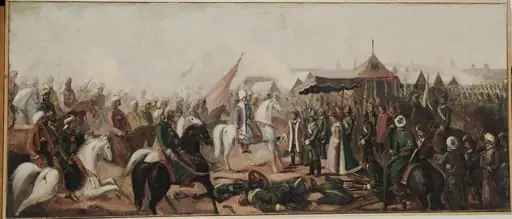 Συνθηκολόγηση Ρώσων και Τουρκών στον Ποταμό Προύθο το 1771
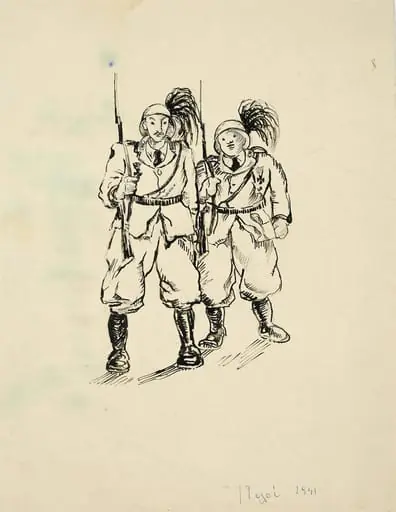 Σχέδιο δύο ιταλών στρατιωτών - "κοκορόφτερων"
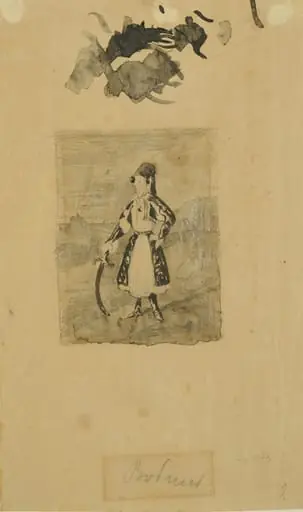 Ολόσωμη Προσωπογραφία του Όθωνος
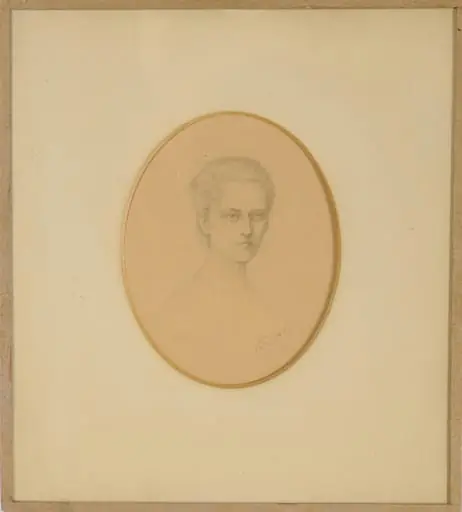 Προσωπογραφία της Ρωξάνης Καρατζά
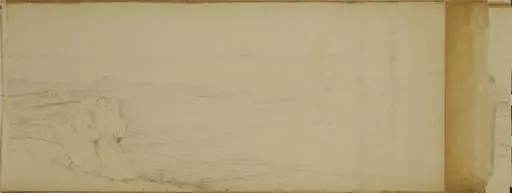 Πανοραμική άποψη της Αθήνας από τον Υμμητό
Frequently asked questions
What is Modern Period?
Modern Period is a subject in art. The modern era or the modern period is considered the current historical period of human history.
How many Modern Period works does Artifact World Gallery have?
Artifact World Gallery holds 91 public-domain Modern Period works, all free to view and download.
Who are the key Modern Period artists?
Key Modern Period artists in the collection include Thomas Phillips, Peter von Hess and Karl Bodmer.
Where can I see Modern Period works?
Modern Period works in the collection are held by Historical & Ethnological Society of Greece.