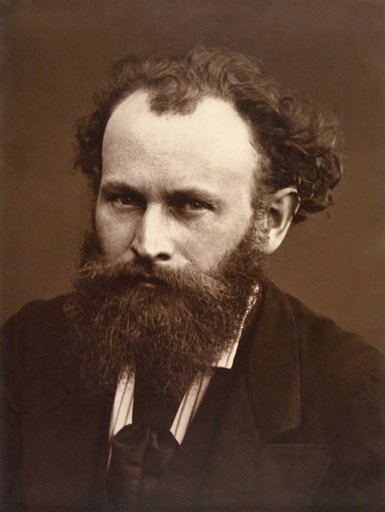
Artist
Subject
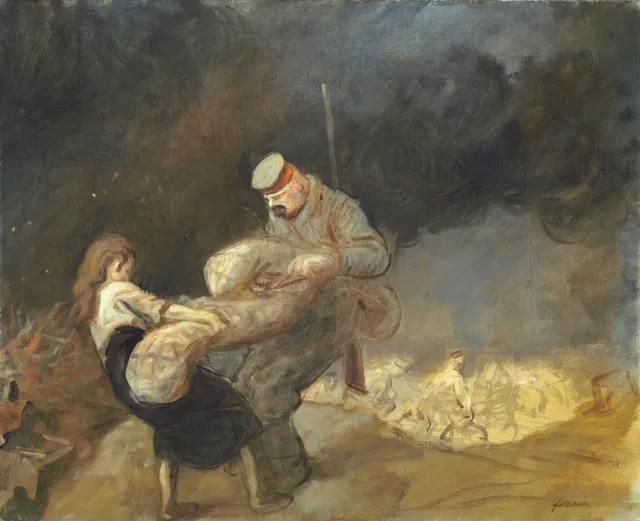
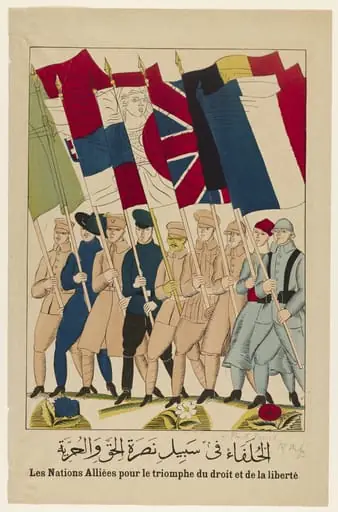
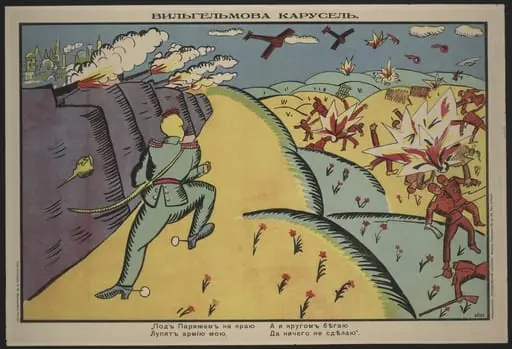
World War I is a subject in art. The gallery holds 92 works in this subject in art, including works by Édouard Manet, George Bellows and John Singer Sargent.
World War I (28 July 1914 – 11 November 1918), the "Great War" between the Allied Entente and the Central Powers, was the first conflict waged with the full machinery of the industrial age—massed artillery, the machine gun, poison gas, the tank and the aeroplane—and it shattered the heroic conventions inherited from earlier battle painting. As the fighting consumed Europe, the Middle East and beyond, combatant nations enlisted artists to record it. Britain created the role of official war artist in 1916, and in 1918 the British War Memorials Committee commissioned ambitious canvases for a planned national memorial; many of the most searching images, however, came from soldiers who had themselves served in the trenches.
The art of the war ranges from patriotic reportage to unflinching protest, and it absorbed the modernist languages then emerging. C. R. W. Nevinson adapted Futurism's hard, faceted forms to convey the mechanised, dehumanising rhythm of the front, while Paul Nash—appointed an official war artist in 1917—used a Cubist-inflected, near-abstract idiom to render blasted, cratered landscapes in which the destruction of nature stood for the destruction of men. Against these modernist treatments, John Singer Sargent's monumental realism gave the war its most famous documentary image.
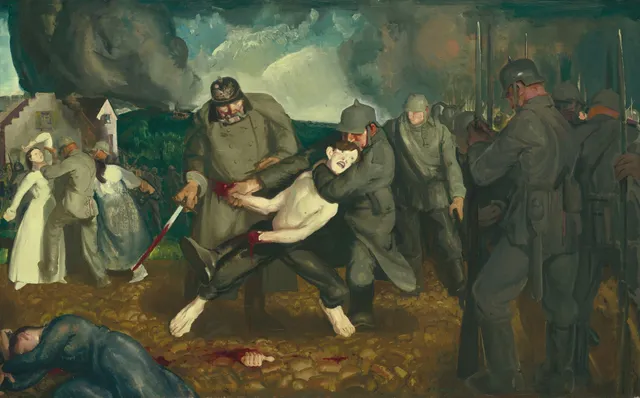
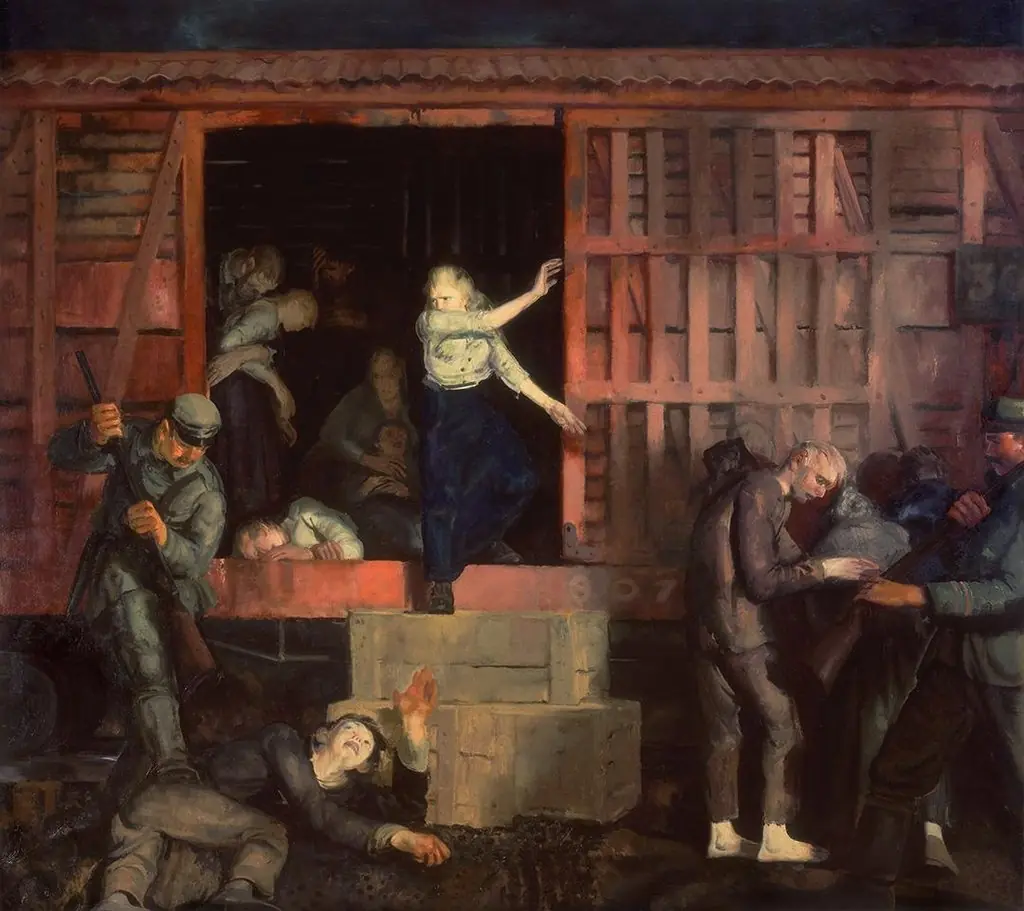
The canonical works span the belligerent nations. Nash's "We Are Making a New World" and "The Menin Road" (1919) defined the ruined-landscape mode; Sargent's vast "Gassed" (completed March 1919), depicting a file of mustard-gas casualties, was voted picture of the year at the Royal Academy. American Marsden Hartley's "Portrait of a German Officer" (1914), a Berlin elegy of badges and insignia for the lieutenant Karl von Freyburg, killed that October, is held in this collection, as are George Bellows's "The Germans Arrive" (1918), drawn from reported Belgian atrocities after the manner of Goya, and Jean-Louis Forain's mordant "The Requisition" and "Lost Illusions."
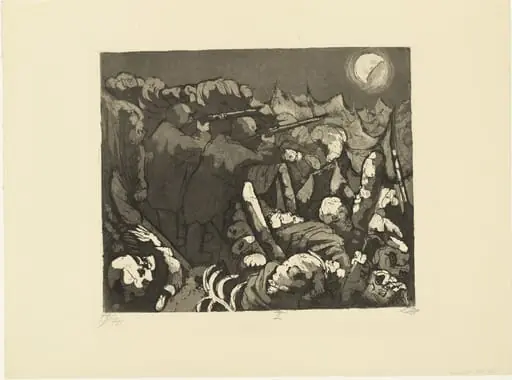
The war's deepest legacy was the loss of faith it provoked. In neutral Zurich, revulsion at the slaughter gave rise to Dada at the Cabaret Voltaire in 1916, an anti-art revolt against the rationalism that had produced the carnage. In Weimar Germany, veterans Otto Dix and George Grosz turned toward the pitiless realism of Neue Sachlichkeit (New Objectivity)—Dix's etching cycle "Der Krieg" foremost among them—shaping the visual memory of war for generations.
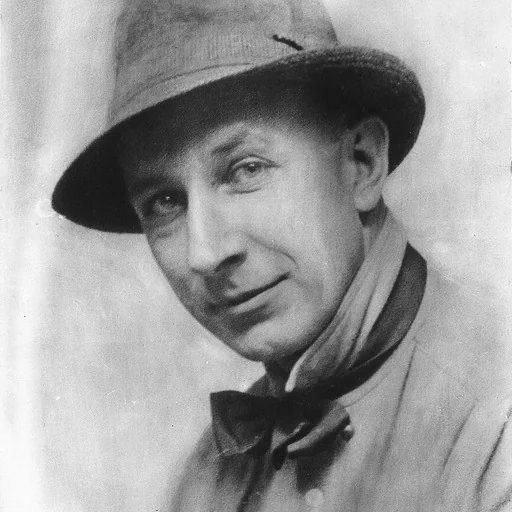
Artist
World War I, also known as the First World War or the Great War, was a global conflict fought between two coalitions, the Allies and the Central Powers, from 28 July 1914 to 11 November 1918. The war involved over forty states and mobilized approximately seventy million military personnel, making it one of the deadliest conflicts in history with an estimated fifteen to twenty-two million military and civilian casualties. Major areas of conflict included Europe, the Middle East, Africa, and the Asia-Pacific. The unprecedented scale of destruction, the collapse of four major empires, and the resulting geopolitical reshaping of the globe made the conflict a foundational catastrophe of the twentieth century. In art, the subject recurs because the war fundamentally disrupted visual and cultural traditions, forcing artists to confront mechanized slaughter, total war, and the collapse of nineteenth-century imperial order.
The iconography of World War I is dominated by the mechanization of death and the futility of traditional tactics against modern firepower. Trenches, barbed wire, and no man's land symbolize the static, exhausting nature of the conflict and the negligible territorial gains achieved at massive human cost. Chemical weapons and gas masks represent an escalation into total, indiscriminate warfare, while aircraft, tanks, and submarines signify the new, industrialized nature of combat. The war also carries the symbolism of shattered illusions, as the conflict dispelled prewar nationalist optimism. The devaluation of individual life under industrialized mobilization is a recurring visual theme, framing soldiers as mere human material consumed by the machinery of war.
Artistic treatments of World War I shifted dramatically as the conflict progressed and in its aftermath. Early in the war, official and popular art often embraced nationalist and imperialist sentiment, portraying the conflict as a noble and heroic endeavor. As the war devolved into a stalemate of trench warfare and material battles, these romanticized visions gave way to gritty realism and profound disillusionment. The cultural rupture caused by the war marked a profound caesura, as traditional forms seemed inadequate to represent the scale of mass death and the front line experience. Artists increasingly turned toward modernist and expressionist vocabularies to convey the absurdity and trauma of mechanized slaughter, rejecting the visual language of the imperial era that had led to the catastrophe.
The cultural and political afterlife of World War I was defined by the collapse of the German, Austro-Hungarian, Russian, and Ottoman empires, which were replaced by new national boundaries and independent states. The Treaty of Versailles imposed heavy reparations and territorial losses on Germany, creating grievances that later fueled National Socialism and led directly to World War II. The Russian Revolution and the rise of Leninism also emerged from the conflict. The war's unprecedented destructiveness led many to hope it would be the war to end all wars, resulting in the creation of the League of Nations. In art and culture, the conflict remained the primal catastrophe of the modern age, permanently altering the trajectory of the twentieth century and leaving a deep, unresolved trauma that continued to shape artistic production and historical consciousness.
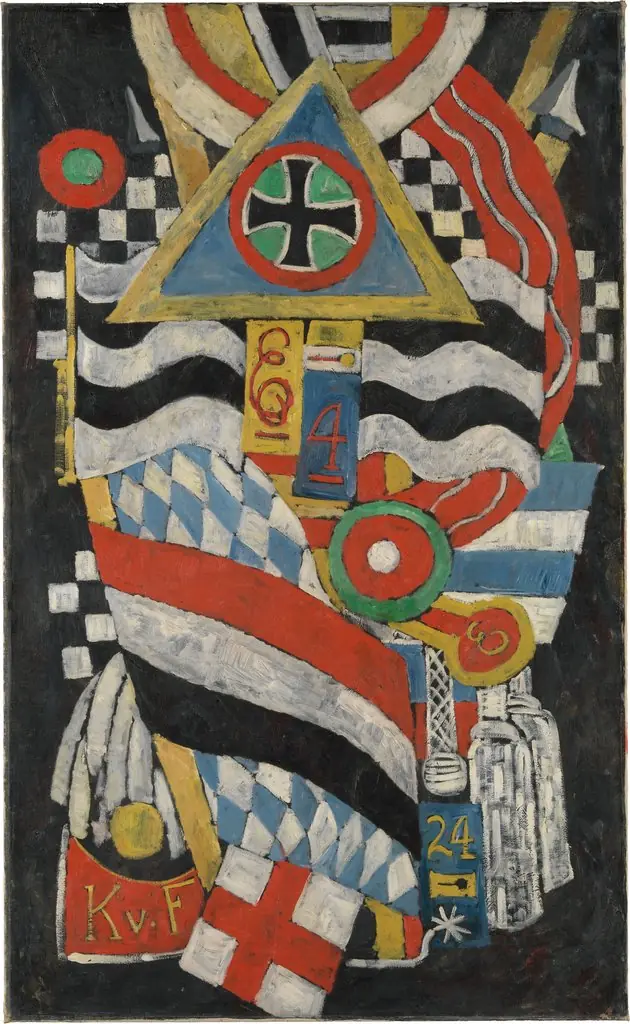 Portrait of a German Officer
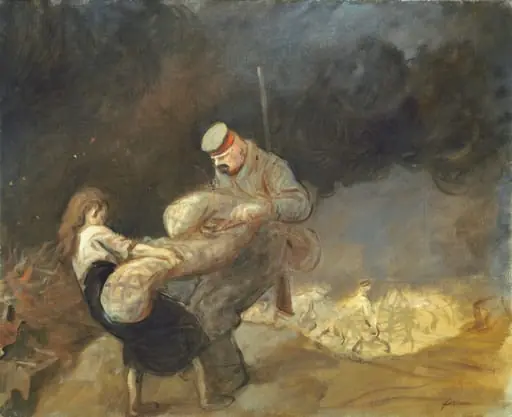 The Requisition
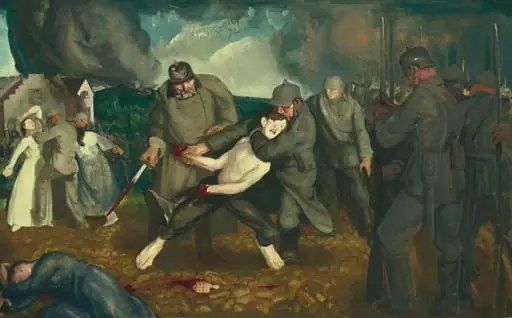 The Germans Arrive
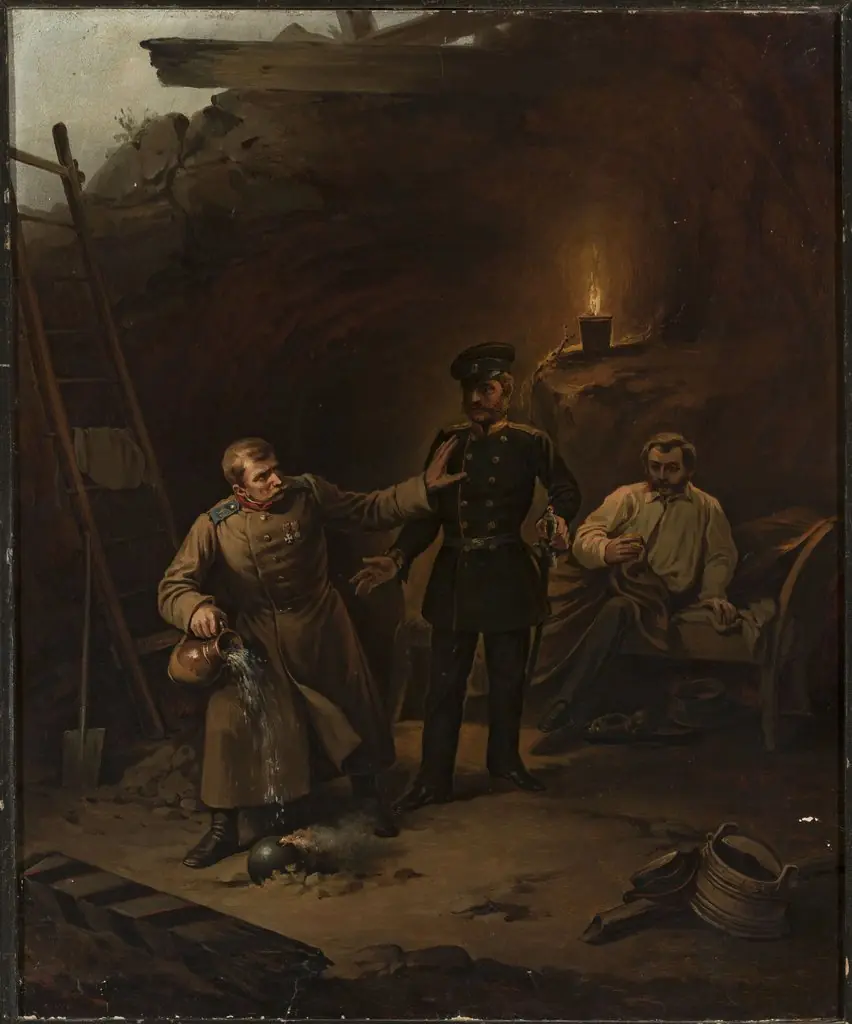 Episode from the Crimean Wars – Scene in prison
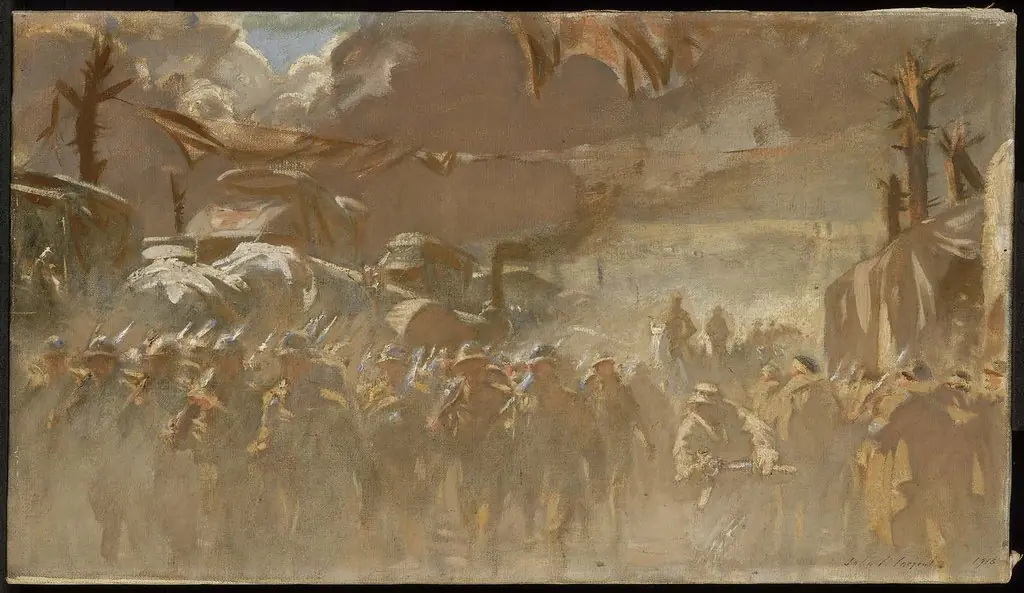 The Road
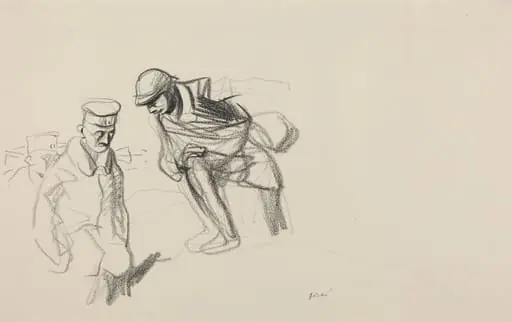 Lost Illusions
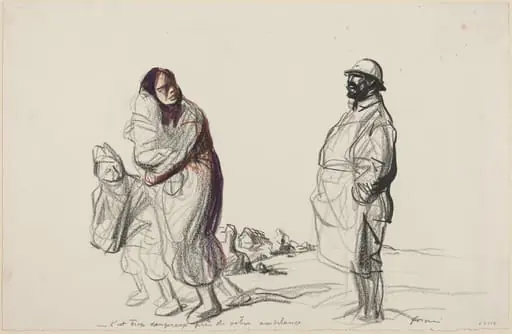 a) C'est trop dangereux pres de votre ambulance (recto); b) Study of Mother and Children (verso)
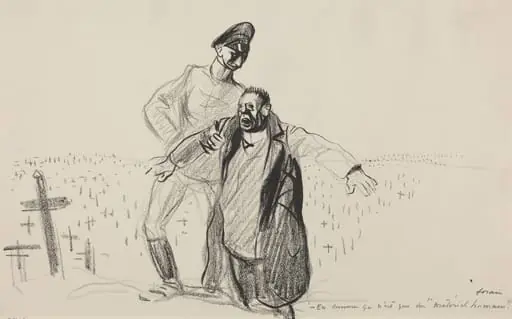 En somme ca n'est que du "materiel humain."
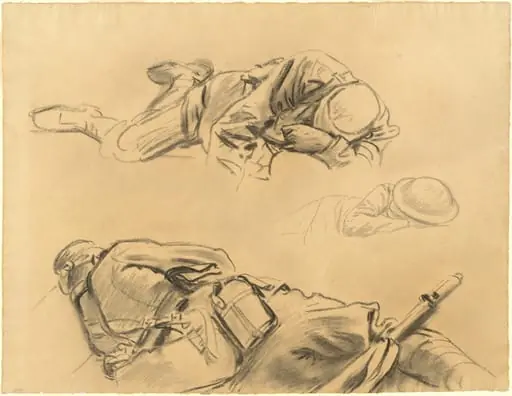 Studies for "Gassed"
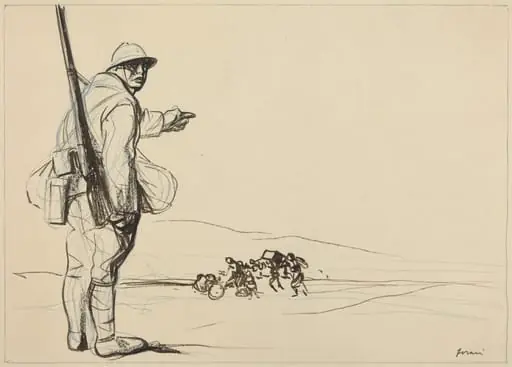 German Advance
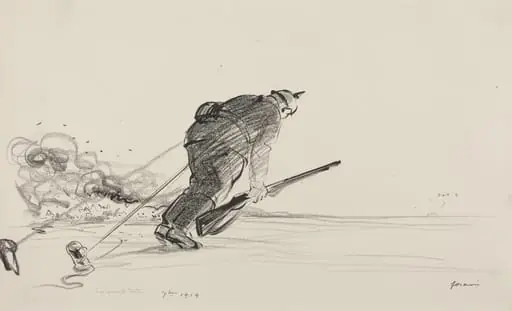 7me 1914
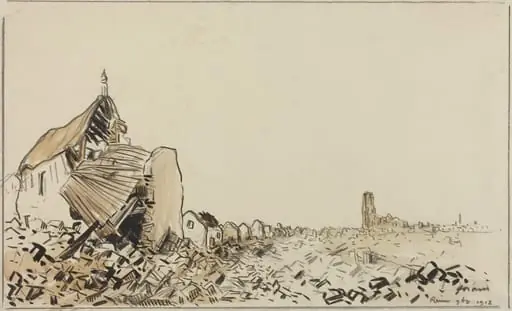 Reims 9bre 1918
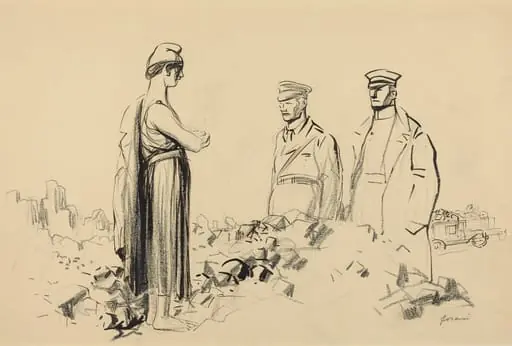 Toward Peace
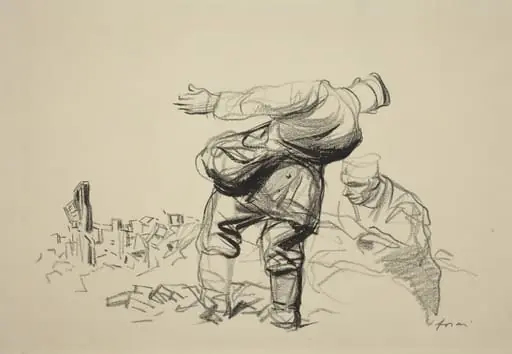 The Empire Destroys, The Republic Pays
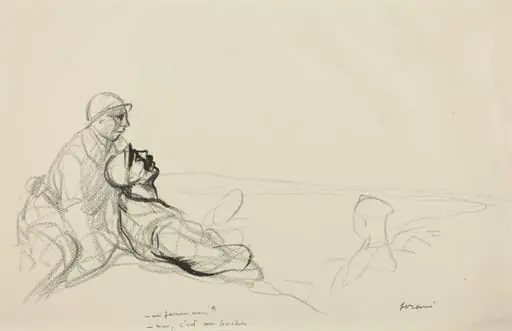 a) -Un farman? -non, c'est un boche. (recto); b) Sketch of Figure (verso)
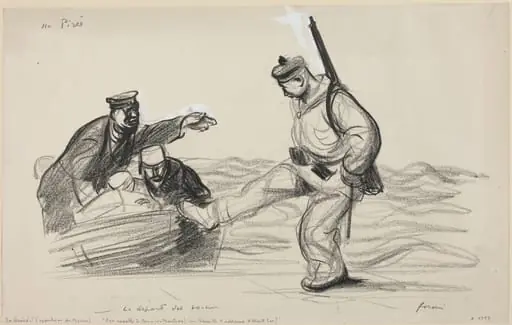 Au Pireê. -Le depart des boches.
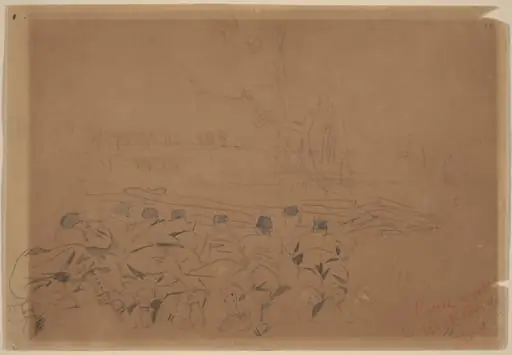 Rebel Works at Yorktown
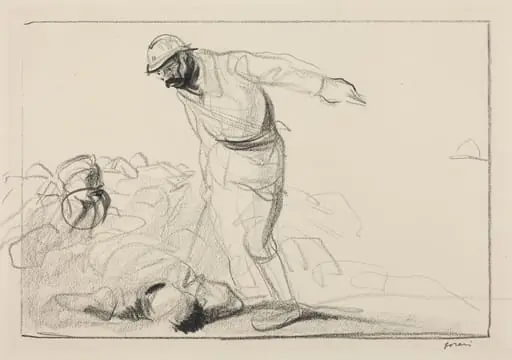 Lost Illusions
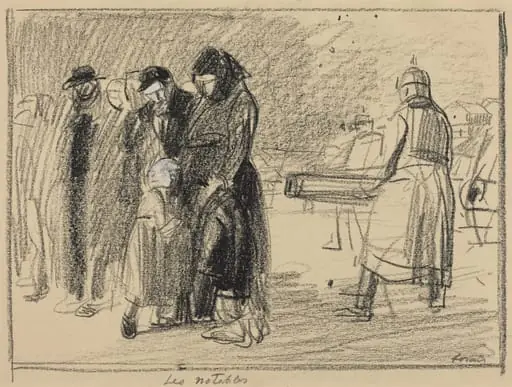 Les notables
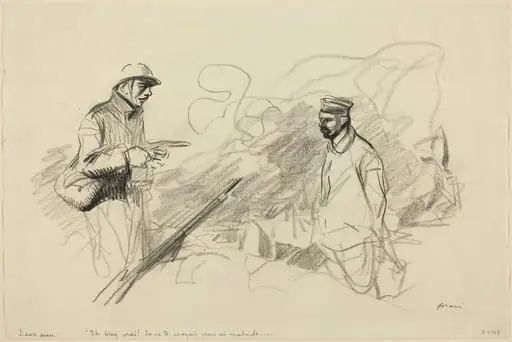 Poilu Acknowledging German Soldier
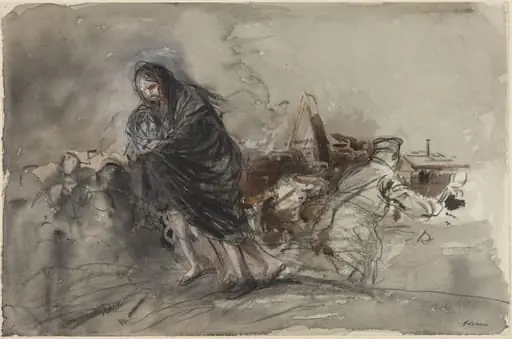 a) Après Douai (After Douai) (recto); b) Figure (verso)
![A Shell in the Trenches before Richmond [recto]](https://artifactworldgallery.com/img/winslow-homer--a-shell-in-the-trenches-before-richmond-recto--a1cef89257922648-w320.webp) A Shell in the Trenches before Richmond [recto]
A Shell in the Trenches before Richmond [recto]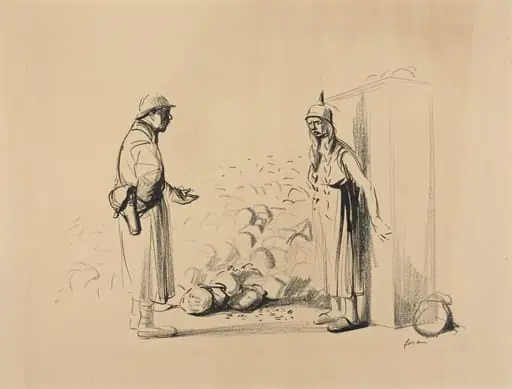 Hiding the "louis"
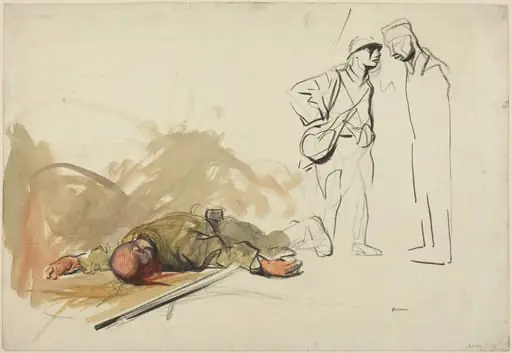 a) Dead German Soldier (recto); b) Head of a Soldier (verso)
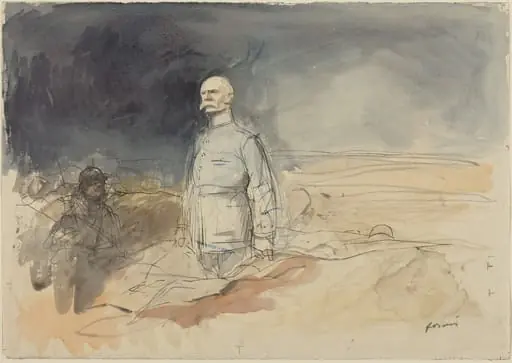 Marshal Petain
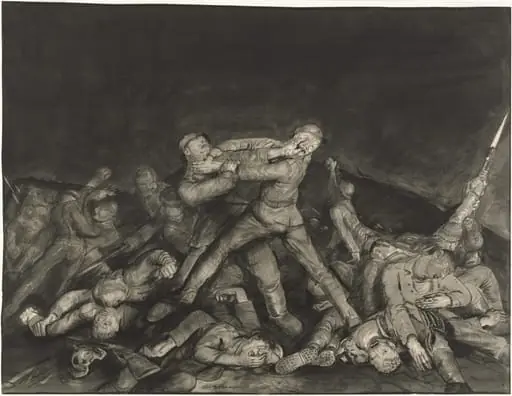 Ghost of Sergeant Pelly
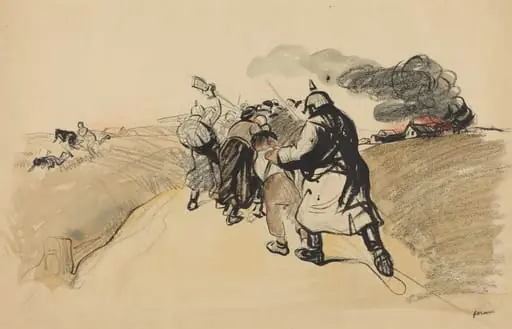 German Raid on a Village
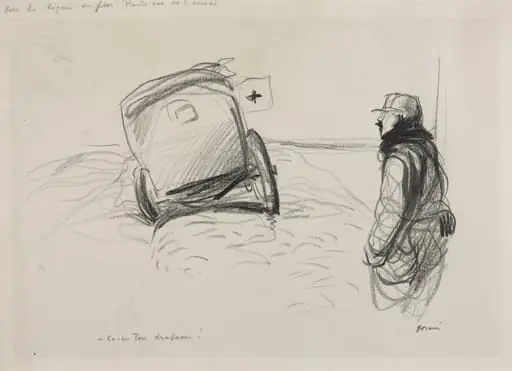 Sur la ligne de feu
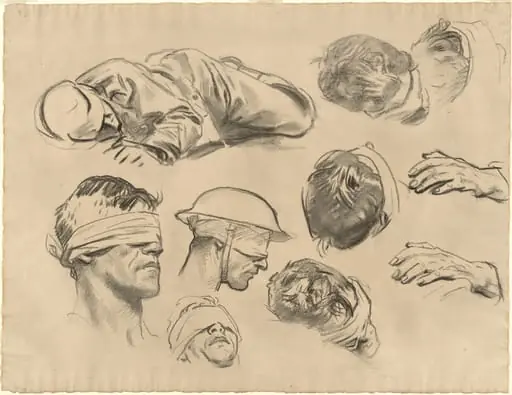 Studies for "Gassed"
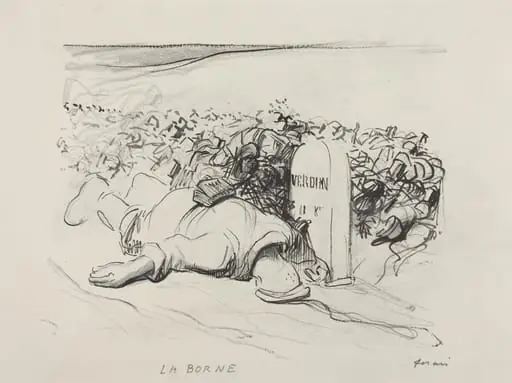 a) La Borne, Verdun (recto); b) Wounded Soldier and First-Aid Man (verso)
 Return of the Useless
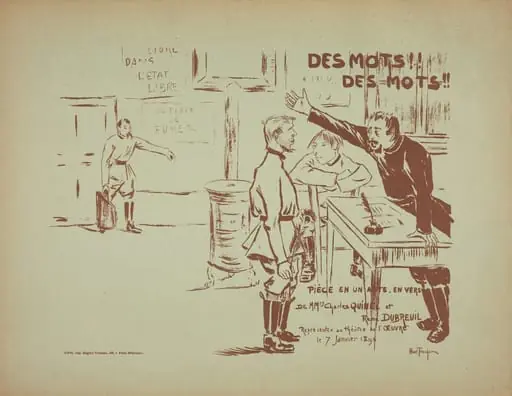 Des Mots! Des Mots!
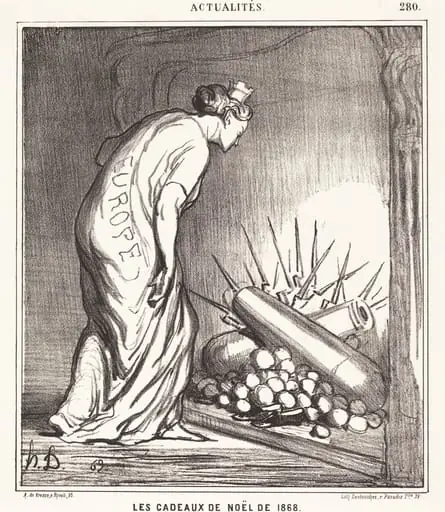 Les Cadeaux de Noël de 1868
![Un Miracle [A Miracle]](https://artifactworldgallery.com/img/mose-bianchi--un-miracle-a-miracle--274238d7058a4087-w320.webp) Un Miracle [A Miracle]
Un Miracle [A Miracle]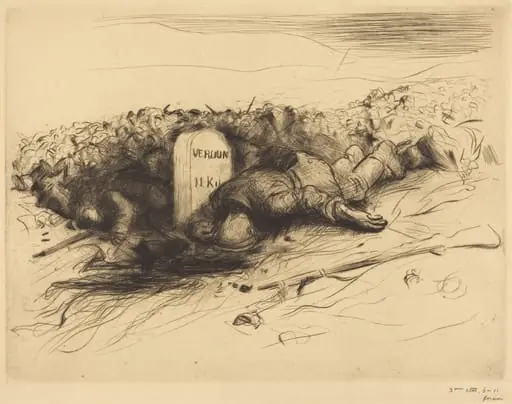 The End - Verdun
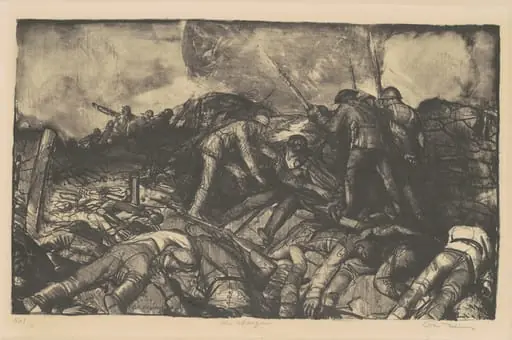 The Charge
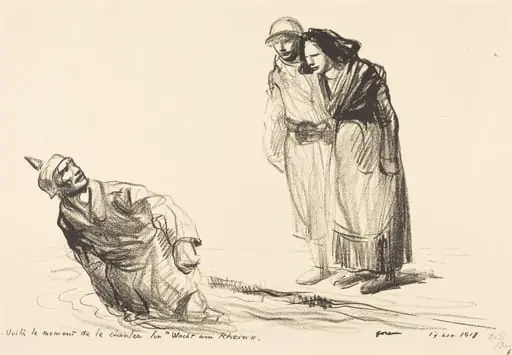 Voilà le Moment de le chantes tun "Wacht am Rhein"
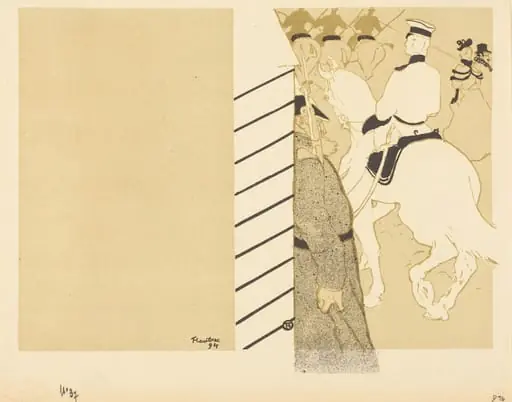 German Babylon (Babylone d'Allemagne)
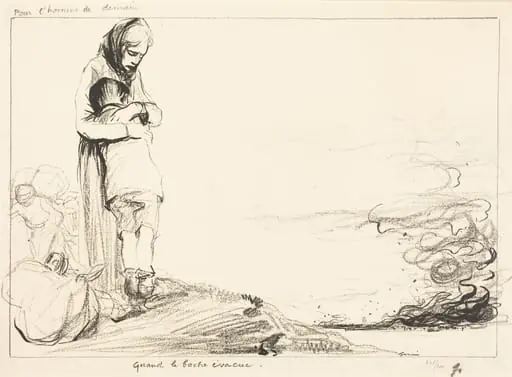 Pour l'homme de demain
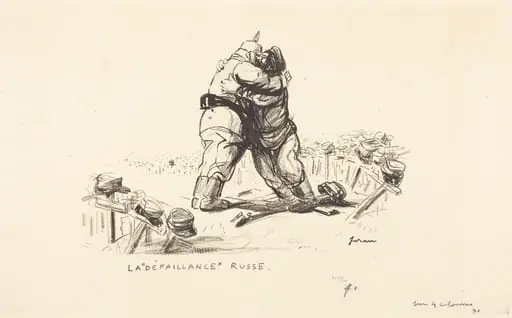 La Defaillance Russe
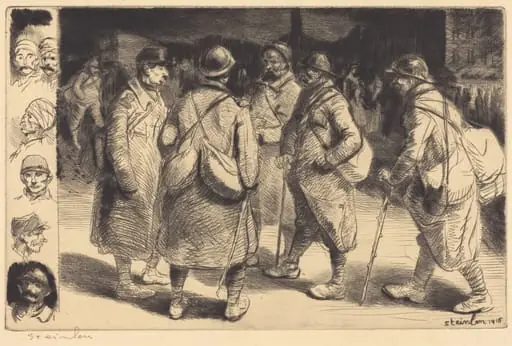 Soldiers on Leave - Night Scene (Permissionnaires - Effet de Nuit)
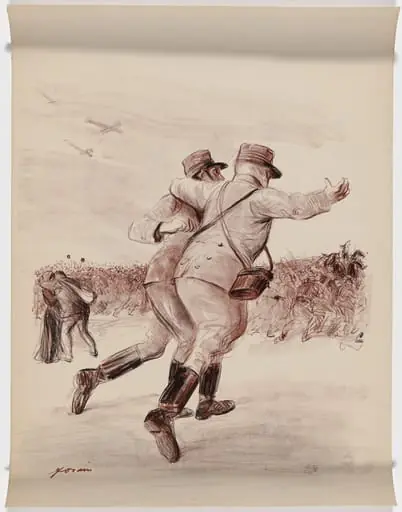 Servir (To Serve)
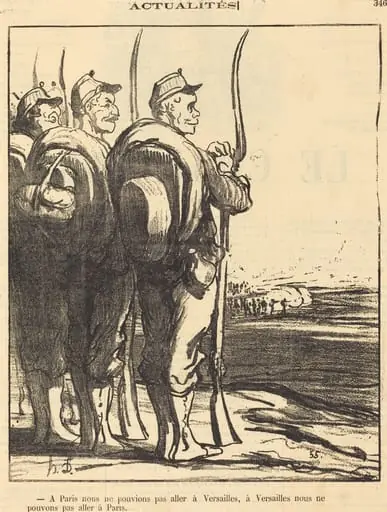 A Paris nous ne pouvions... aller a Versailles...
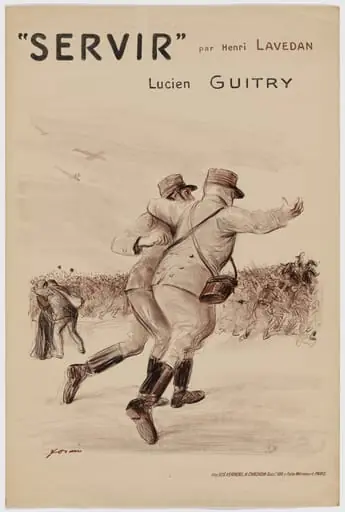 Servir (To Serve)
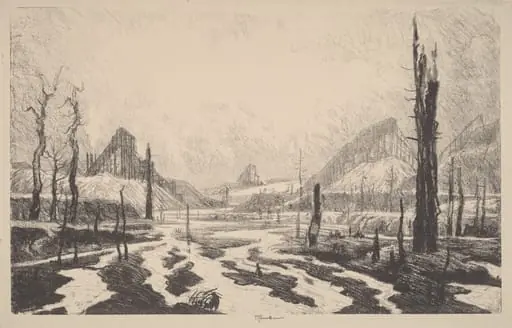 Valley of Desolation
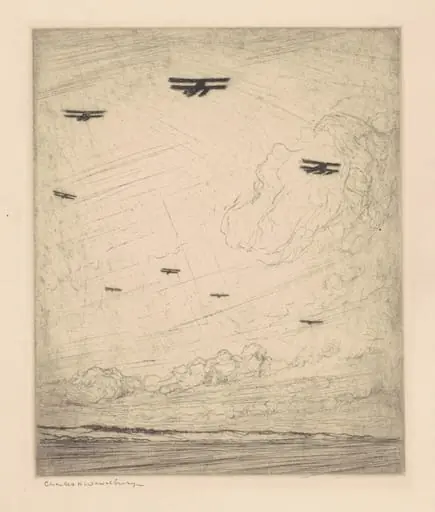 World Fliers, Portsmouth
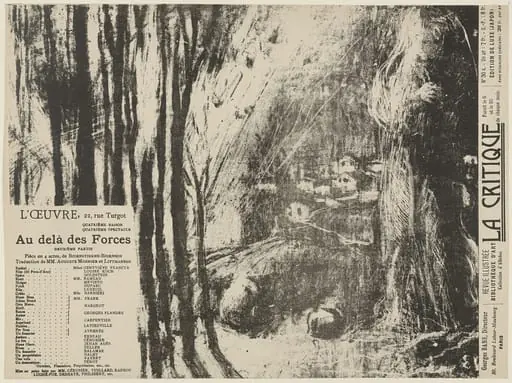
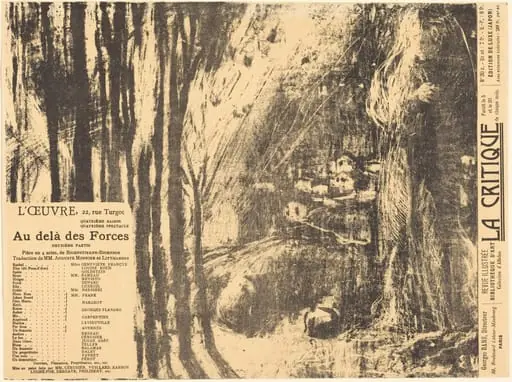 Au-delà des forces humaines
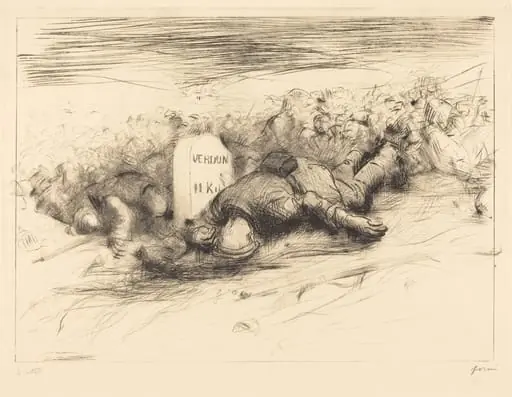 La Borne - Verdun (The End - Verdun)
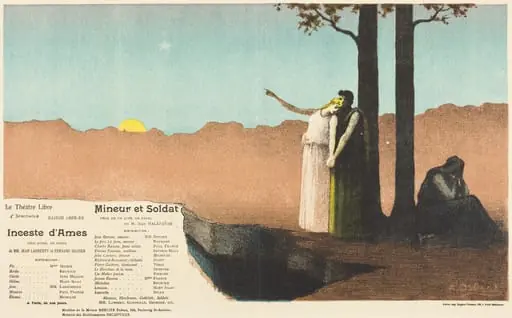 Inceste d'âmes; Mineur et soldat
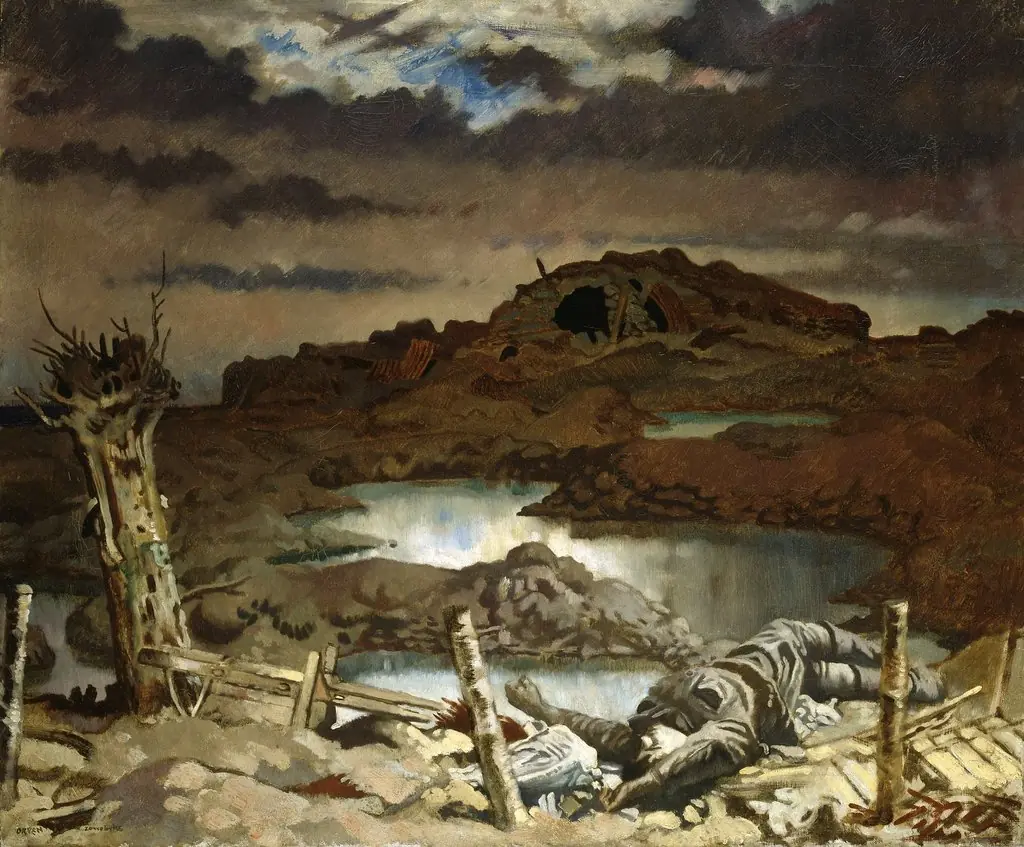 Zonnebeke
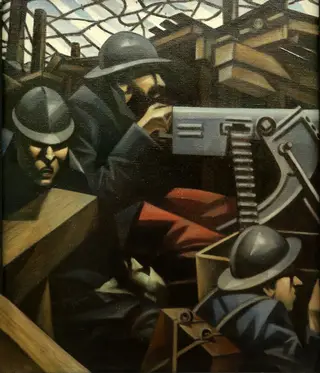 La Mitrailleuse
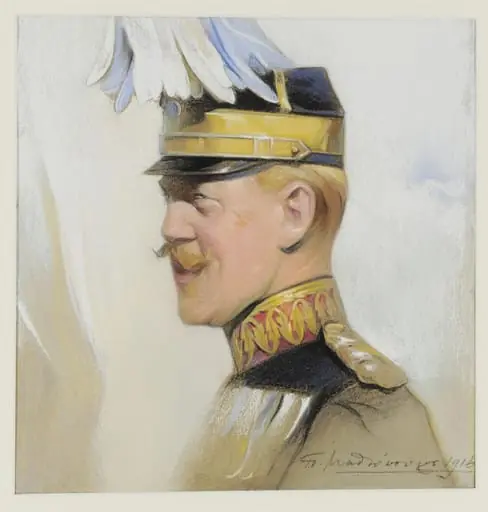 Προσωπογραφία του Κωνσταντίνου Α'
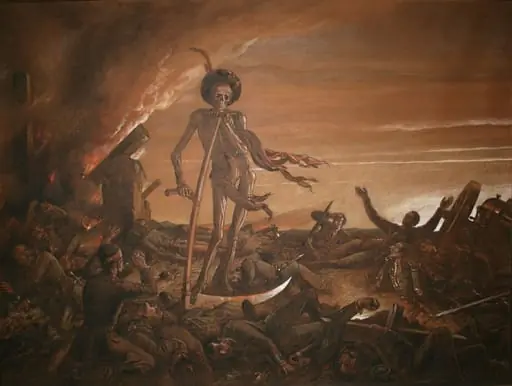 Karl Jauslin (1842-1904) - Malerei, Tod auf dem Schlachtfeld
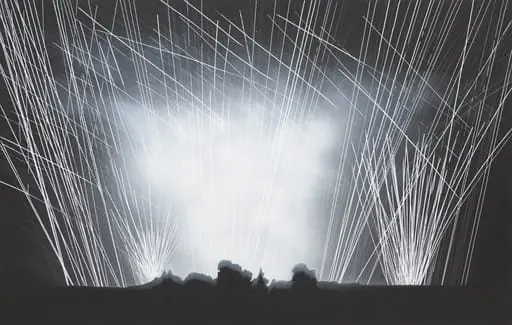 Untitled
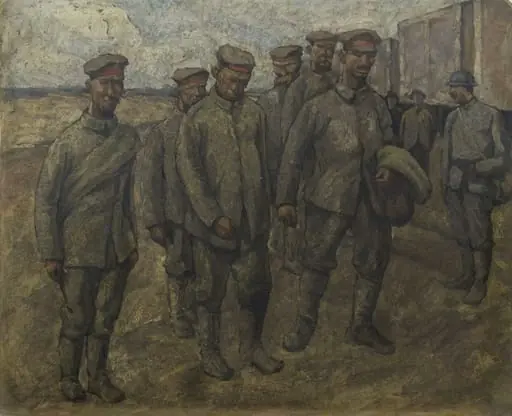 Prizonieri
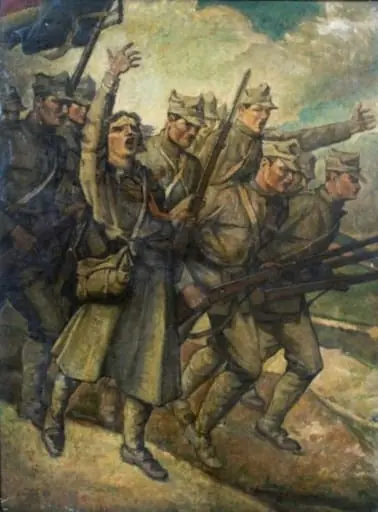 "Ecaterina Teodoroiu "
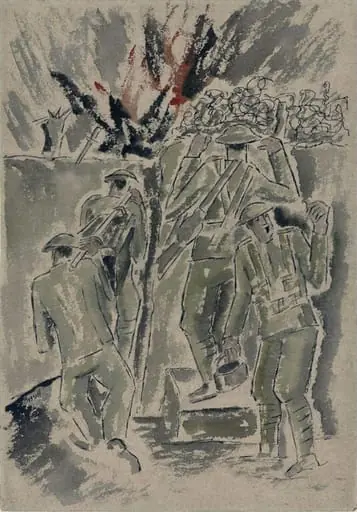 A Salient Under Fire
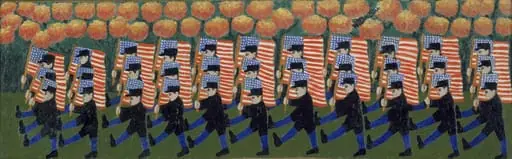 Untitled
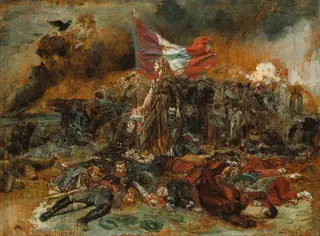 The Defense of Paris
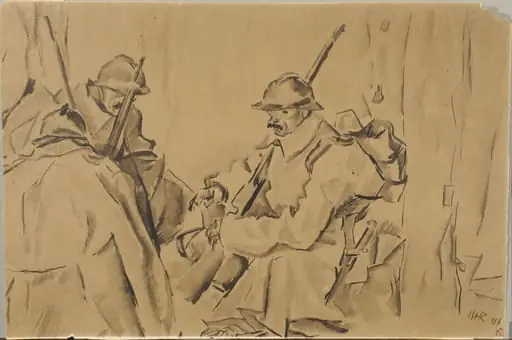 Soldați în tranșee
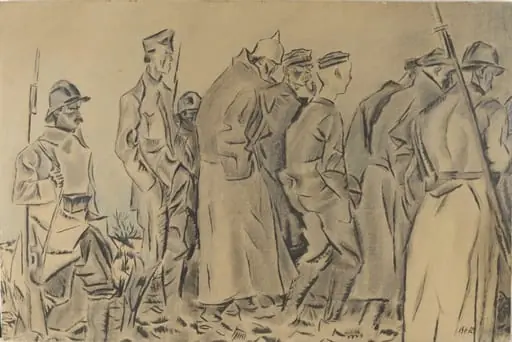 Prizonieri germani
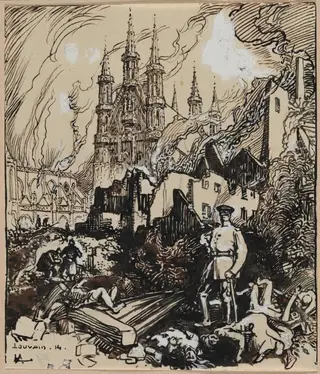 Louvain
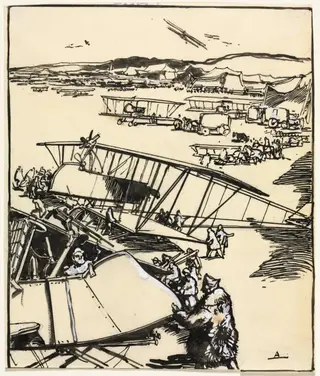 Avions reposant sur le terrain (recto)
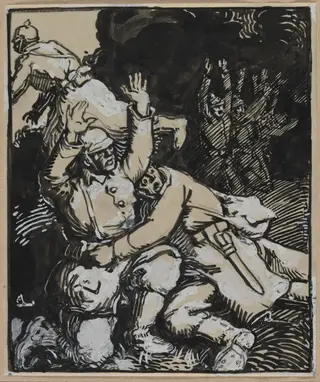 Dans une tranchée, des soldats allemands se rendent
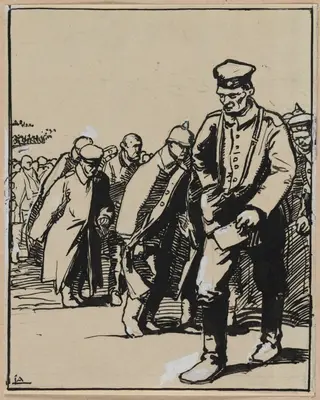 Marche d'un groupe de prisonniers allemands
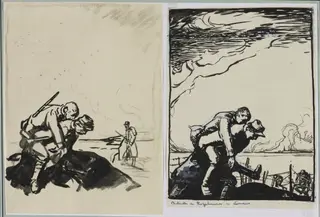 Bataille de Rozelieures en Lorraine
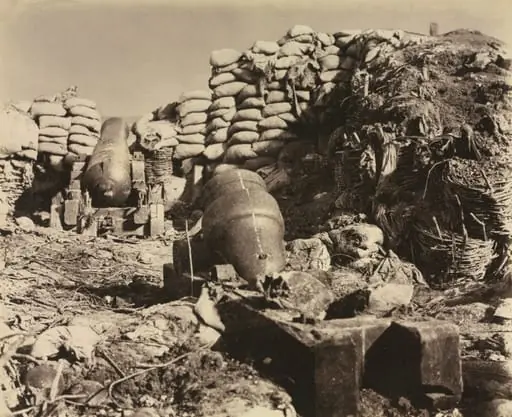 Battery, Malakoff
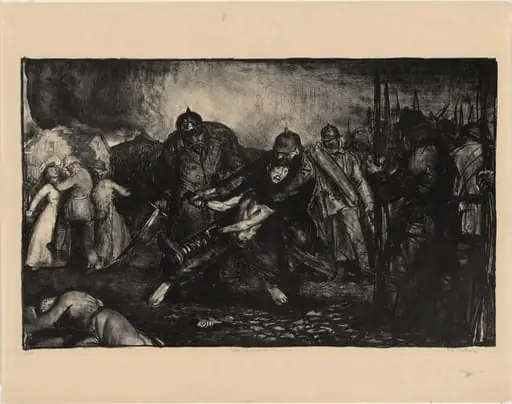 The Germans Arrive
 Tătari fugăriți de polonezi
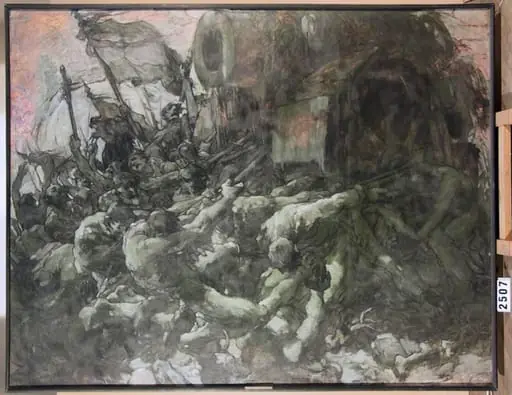 Dacă omul vrea să piară
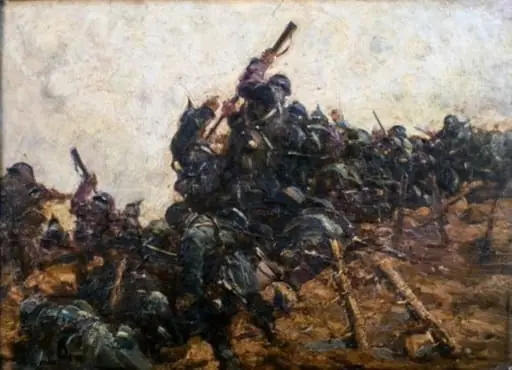 Lupta de la Mărășești
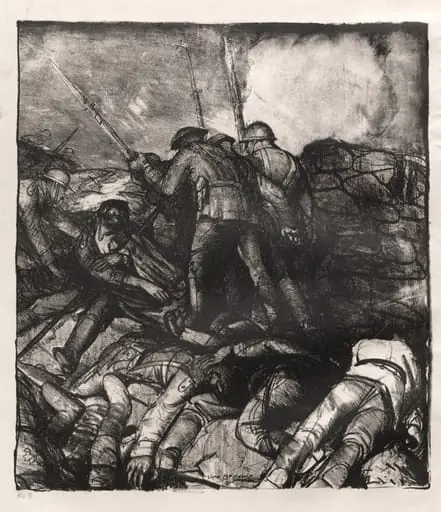 War Series: The Charge, Right Detail, first state
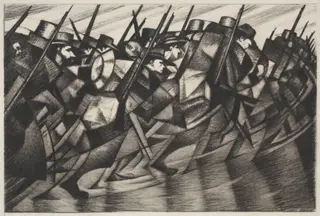 Returning to the Trenches
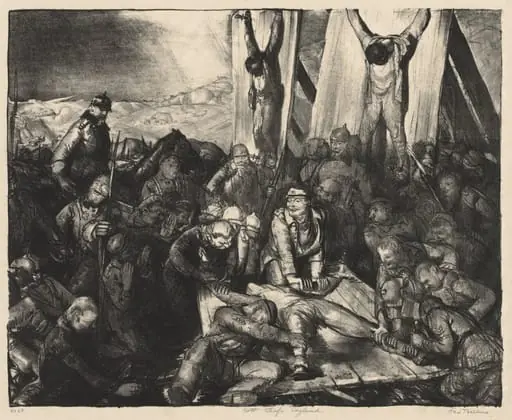 War Series: Gott Strafe, England
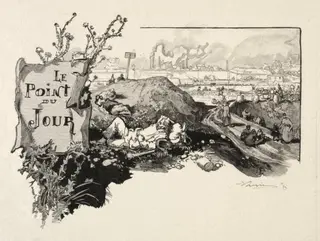 Le Point du Jour
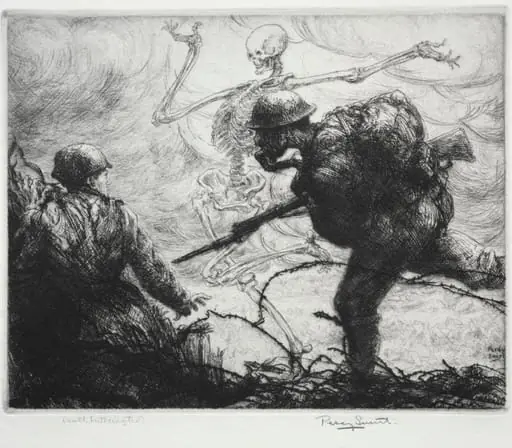 Dance of Death: Death Intoxicated
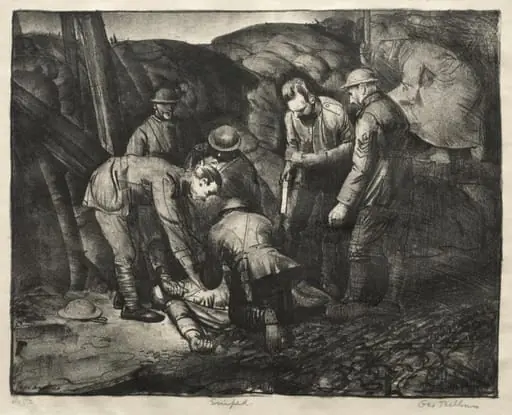 War Series: Sniped
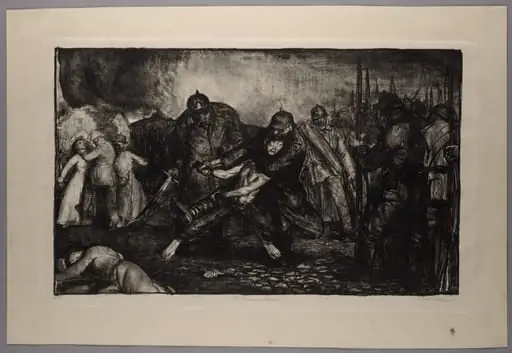 War Series: The Germans Arrive
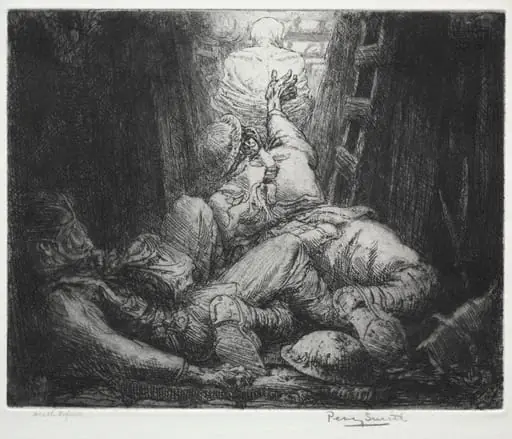 Dance of Death: Death Refuses
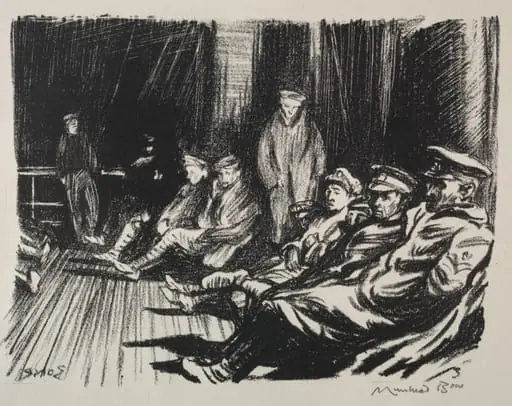 Walking Wounded on a Hospital Ship
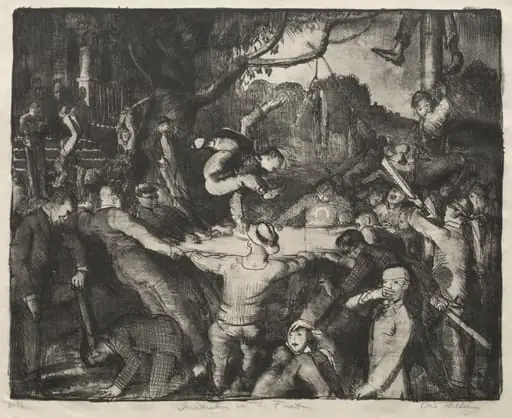 Initiation in the Frat
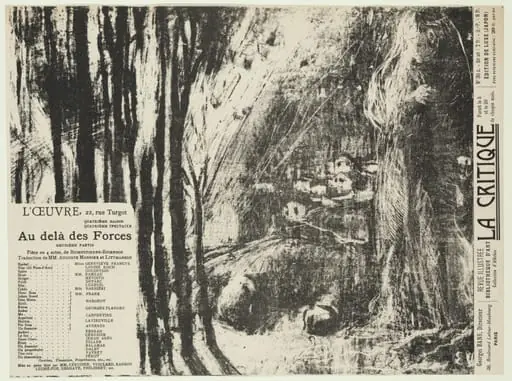 Beyond Human Forces (Part 2)
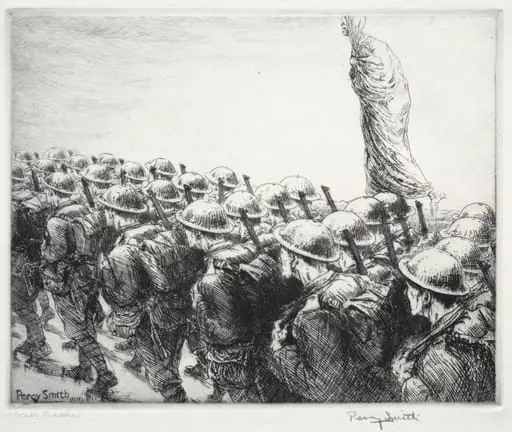 Dance of Death: Death Marches
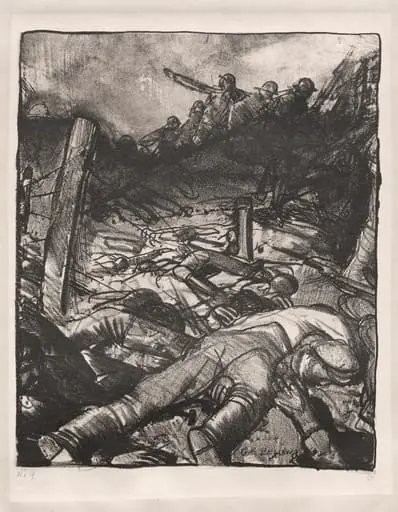 War Series: The Charge, Left Detail
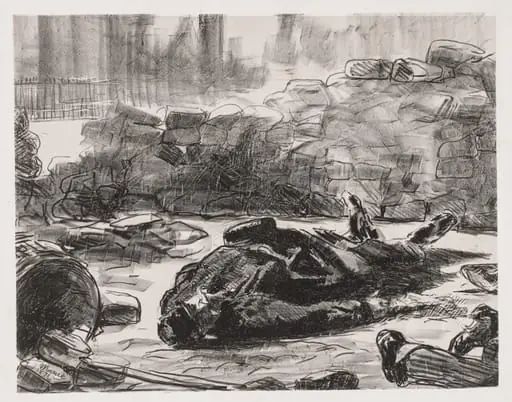 Civil War (Scene of the Commune of Paris)
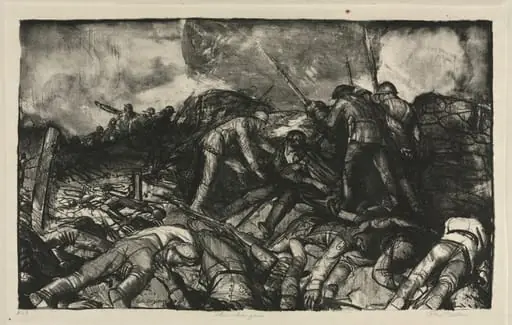 War Series: The Charge
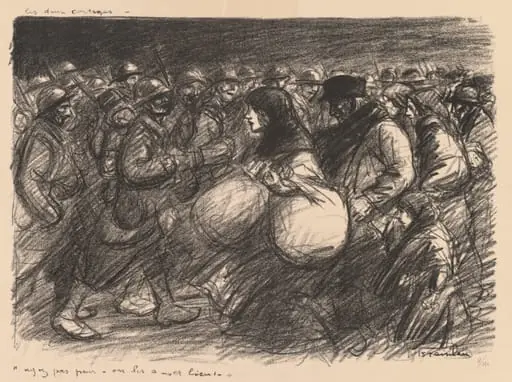 War Sketches: The Two Processions (Croquis de guerre: Les deux cortèges – “Ayez pas peur - on les a - et bien!”)
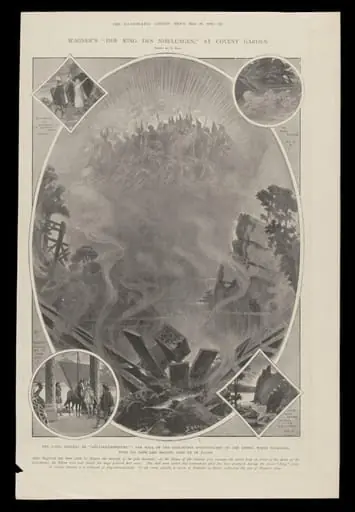 H Beard Print Collection
 Untitled
 Untitled
 Untitled
 Untitled
World War I, or the First World War (28 July 1914 – 11 November 1918), also known as the Great War, was a global conflict between two coalitions: the Allies (or Entente) and the Central Powers.
Artifact World Gallery holds 92 public-domain World War I works, all free to view and download.
Key World War I artists in the collection include Édouard Manet, George Bellows and John Singer Sargent.
World War I works in the collection are held by National Gallery of Art, Cleveland Museum of Art and Museum of Modern Art.
Your cart is empty
Browse artworks →