
Subject
Zhejiang Province
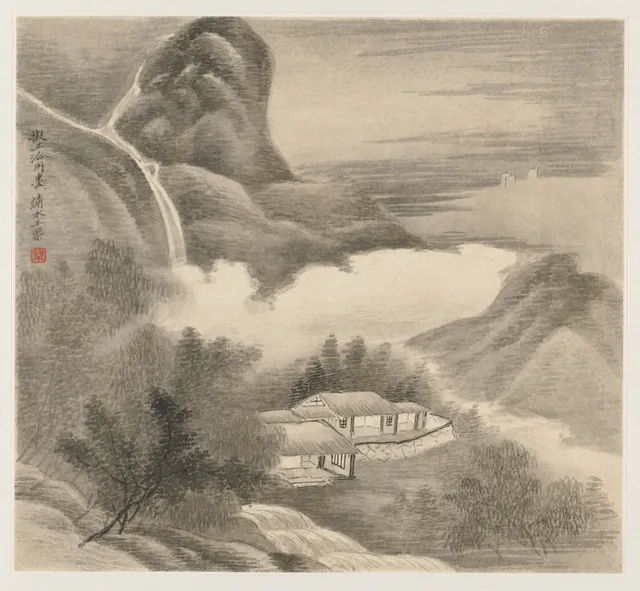
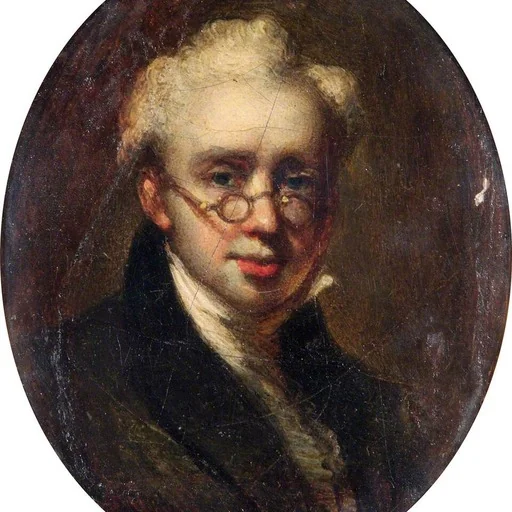
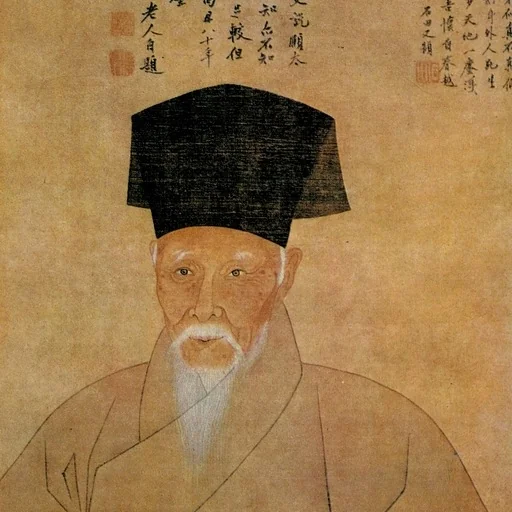
Zhejiang Province is a subject in art. The gallery holds 34 works in this subject in art, including works by Worthington Whittredge, George Chinnery and Tani Bunchō.
Zhejiang is a coastal province in East China. Its capital and largest city is Hangzhou, with other notable cities including Ningbo and Wenzhou.
Key artists

Overview
Zhejiang is a coastal province in East China, depicted in 68 works in the collection. Its capital and largest city is Hangzhou, with other notable cities including Ningbo and Wenzhou. The province derives its name from the Zhe River, the former name of the Qiantang River, which flows past Hangzhou and whose mouth forms Hangzhou Bay. The name is generally understood to mean crooked or bent river, though it more likely preserves a proto-Wu name of the local Yue people. Zhejiang consists mostly of hills, which account for about 70 percent of its total area, with higher altitudes towards the south and the west. It also has a longer coastline than any other mainland province of China and includes three thousand islands, the most in the country.
Iconography & meaning
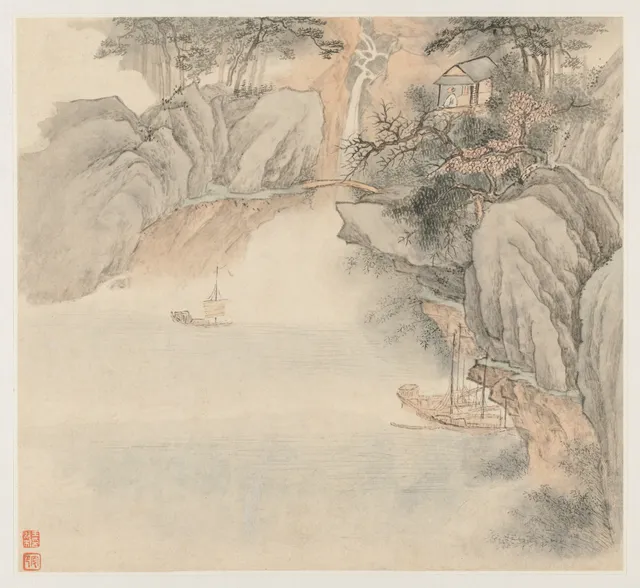
In visual art, Zhejiang carries iconographic significance tied to its rugged, mountainous terrain and extensive waterways. The province is characterized by a complex relief of mountain chains, such as the Tianmu Shan, Siming Shan, and Yandangshan, which create deep river valleys and rapids. This topography, combined with prominent water features like the Qiantang River, West Lake, and the Grand Canal terminating at Hangzhou, provides the foundational visual vocabulary for its depictions. The dramatic landscape, featuring sheer cliffs and winding rivers, symbolizes both the natural isolation that historically made the region a refuge for political exiles and the dynamic interaction of mountains and water central to Chinese landscape traditions.
Across movements & periods
The artistic treatment of Zhejiang has shifted alongside its historical and cultural transformations. During the Southern Song dynasty, when Hangzhou served as the imperial capital, the region's scenery became central to Chinese landscape painting. Under the late Ming and Qing dynasties, Zhejiang's ports evolved into vital centers of international trade, shifting some artistic focus toward maritime activity and coastal settlements. Following the establishment of the People's Republic of China, economic stagnation under Mao Zedong's policies altered the region's development. After the reform and opening up, rapid urbanization and economic growth transformed the province, changing the artistic context from a landscape of rural retreat and exile to one of modern port cities and industrial hubs.
Legacy
The legacy of Zhejiang in art and culture is deeply intertwined with its historical role as a bastion of Wuyue culture and a refuge for dissidents, which fostered a rich literary and artistic heritage. The province's mountainous terrain long delayed its urbanization compared to other coastal regions, preserving its rustic and monumental landscape imagery in the cultural imagination. Figures like the writer Lu Xun, whose critiques of late Qing society inspired generations, and the Nationalist leader Chiang Kai-shek emerged from this environment. Today, Zhejiang's economic resurgence, driven by port cities like Ningbo, Hangzhou, and Wenzhou, has recontextualized its historical landscape from a domain of exile and solitude into a powerhouse of modern Chinese commerce and research.
Works
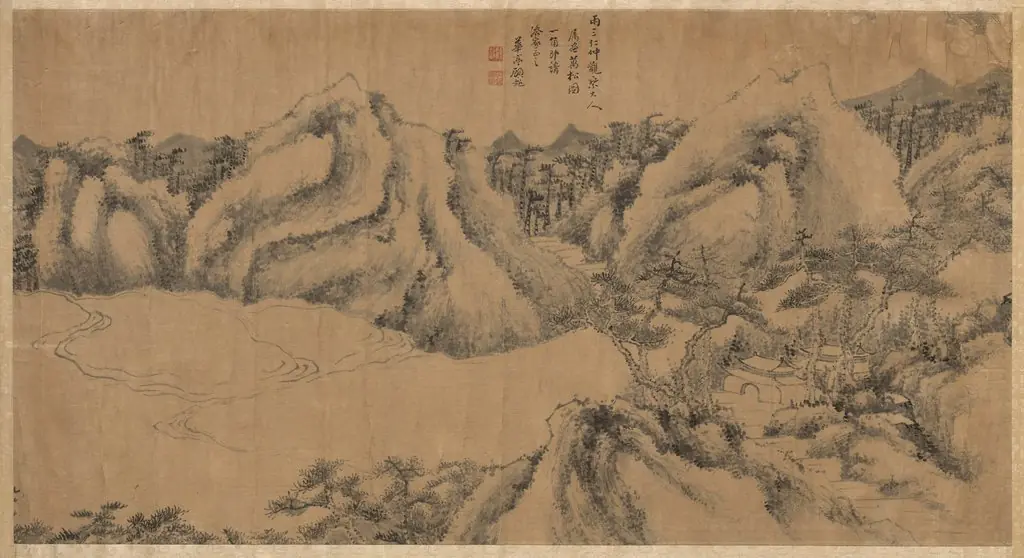 Pine-shaded Monastery on a Cloudy Mountain
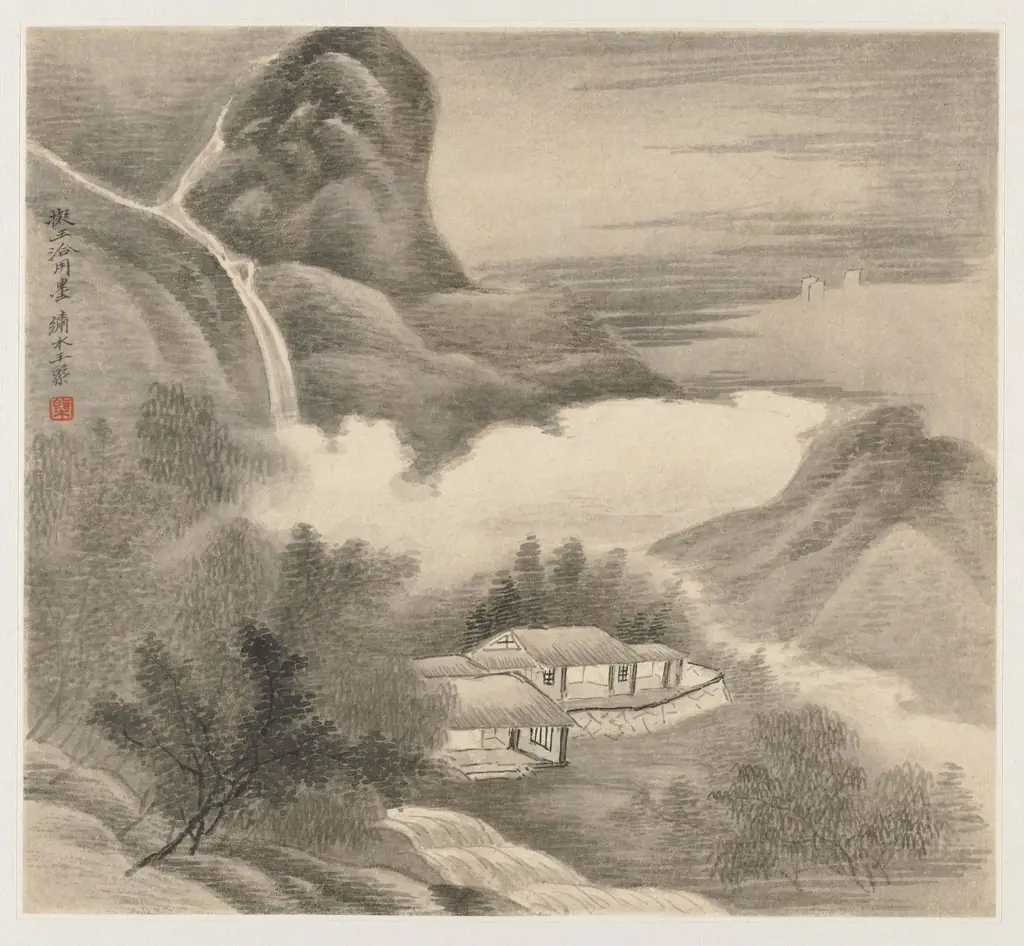 Album of Landscapes: Leaf 5
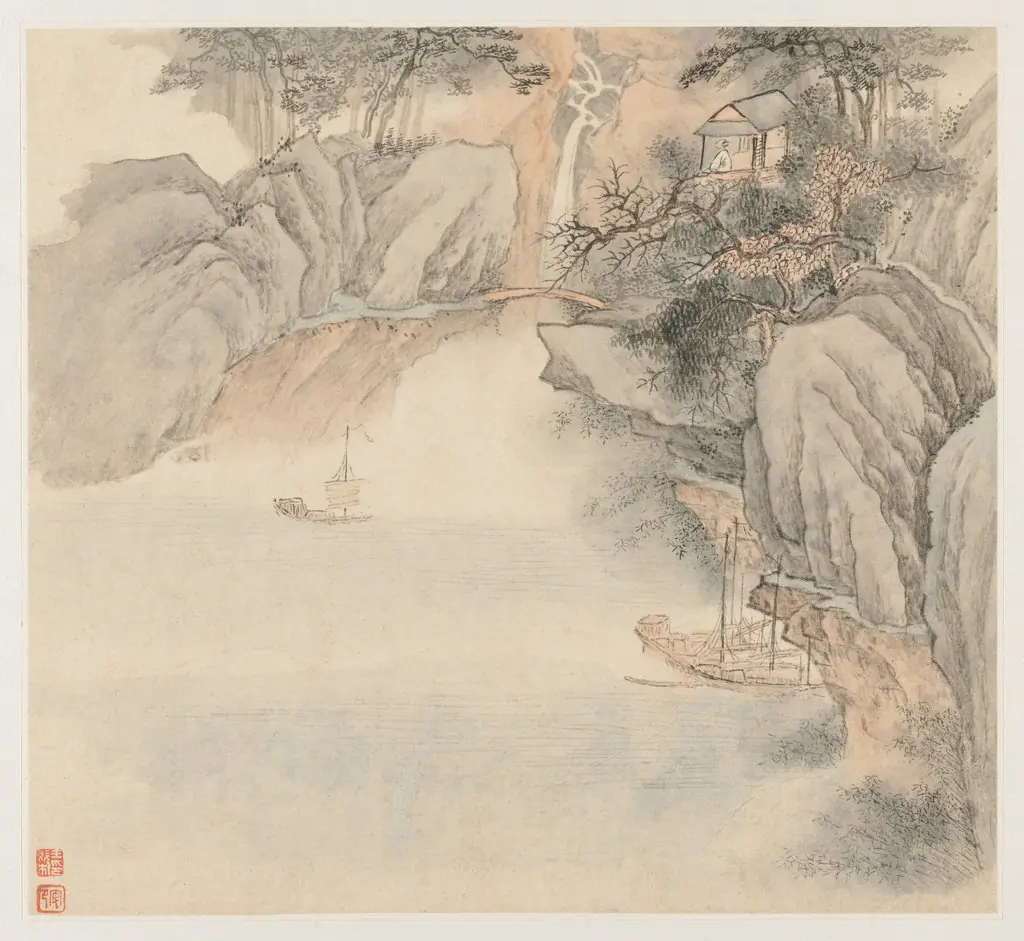 Album of Landscapes: Leaf 4
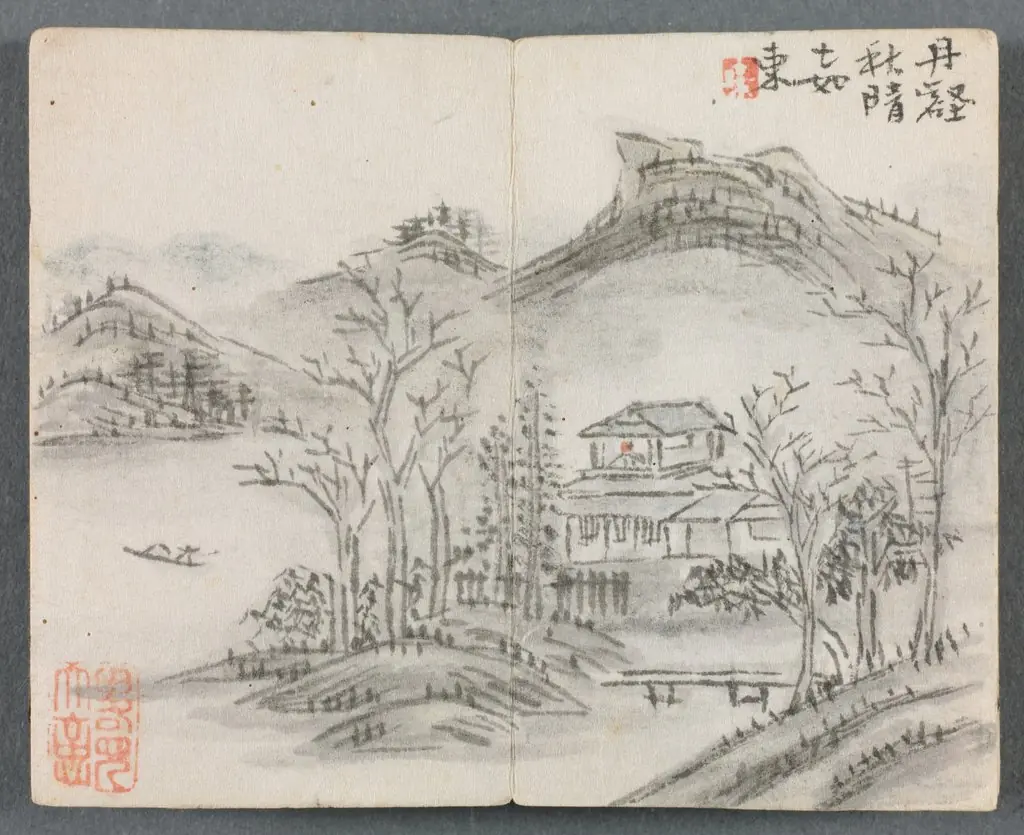 Miniature Album with Figures and Landscape (Landscape with Hill, House, Boat and Bridge)
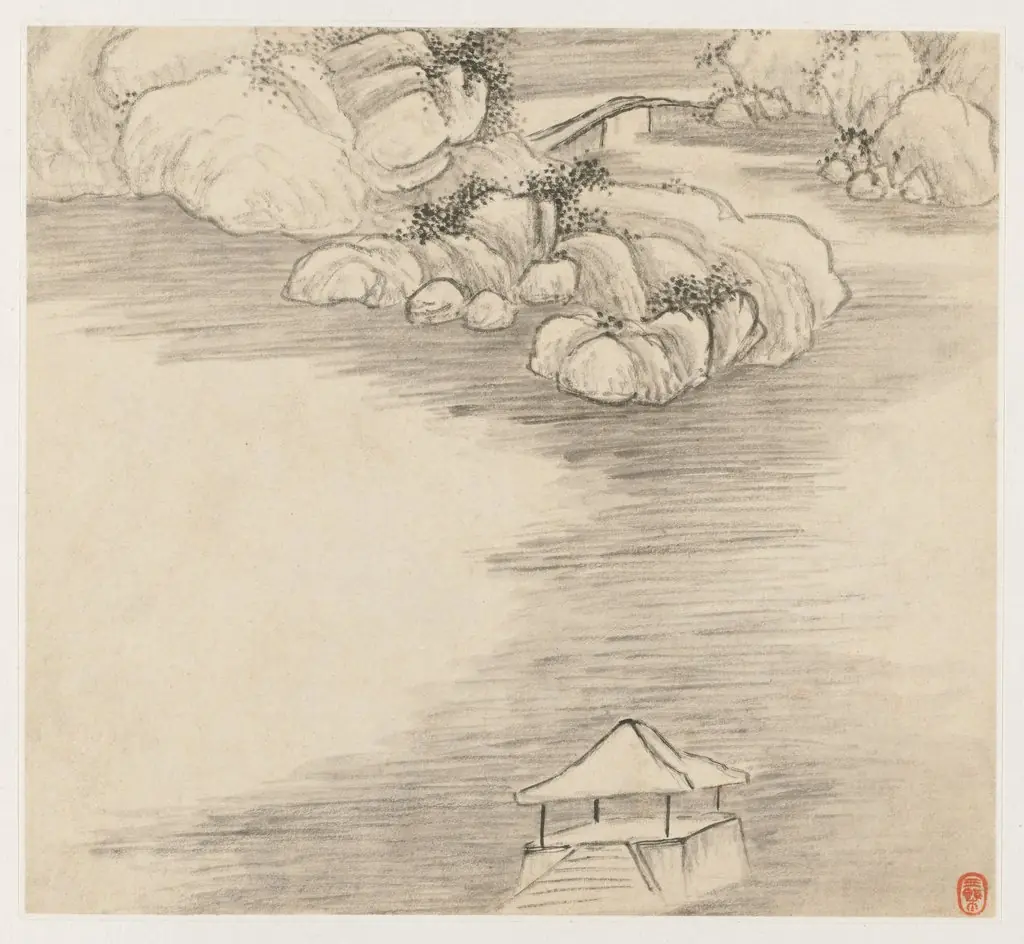 Album of Landscapes: Leaf 3
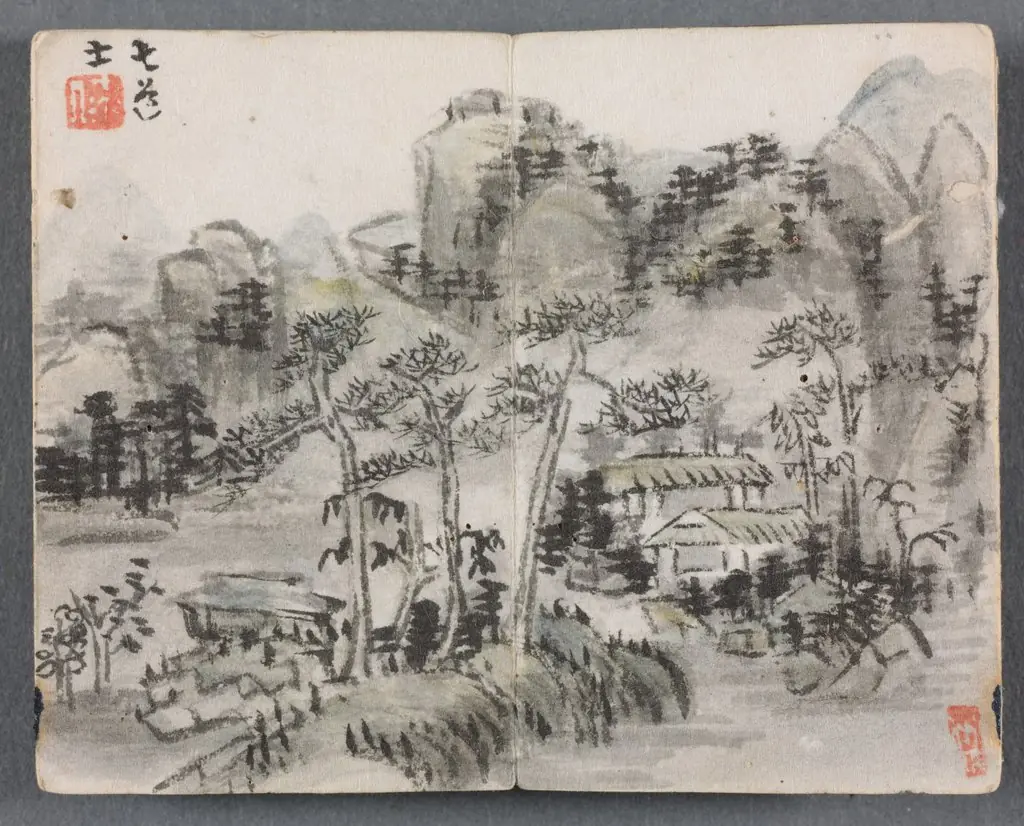 Miniature Album with Figures and Landscape (Landscape with Two Buildings)
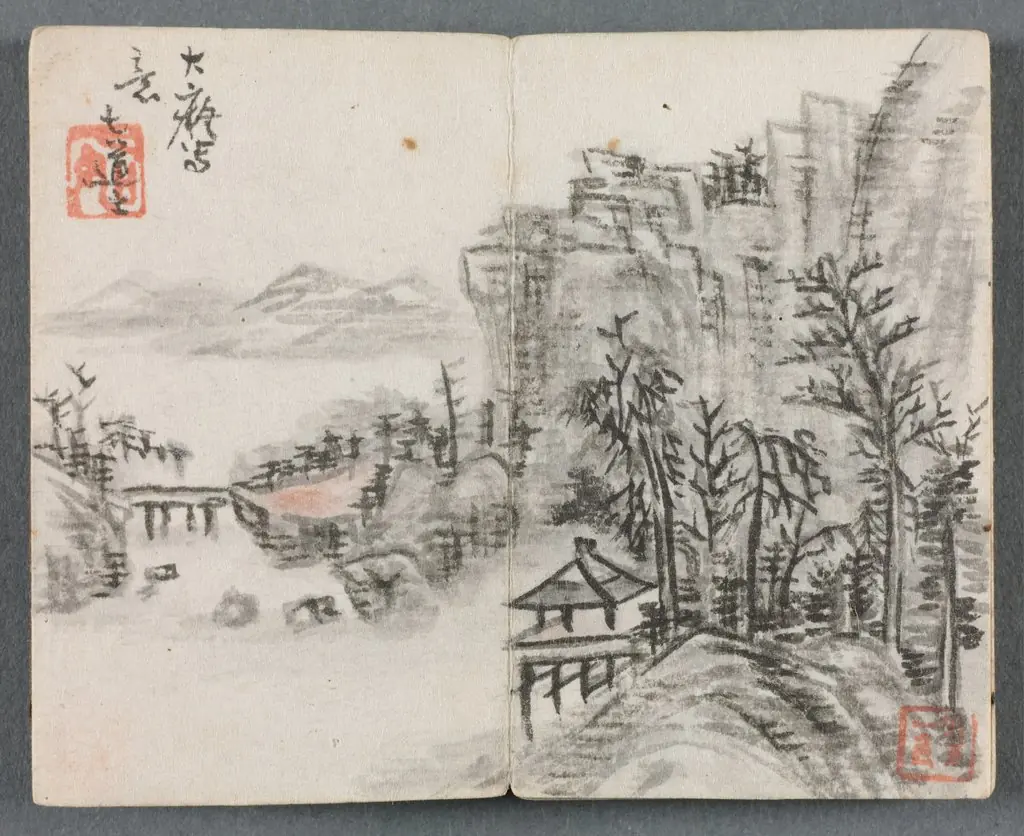 Miniature Album with Figures and Landscape (Cliff Landscape with Bridge)
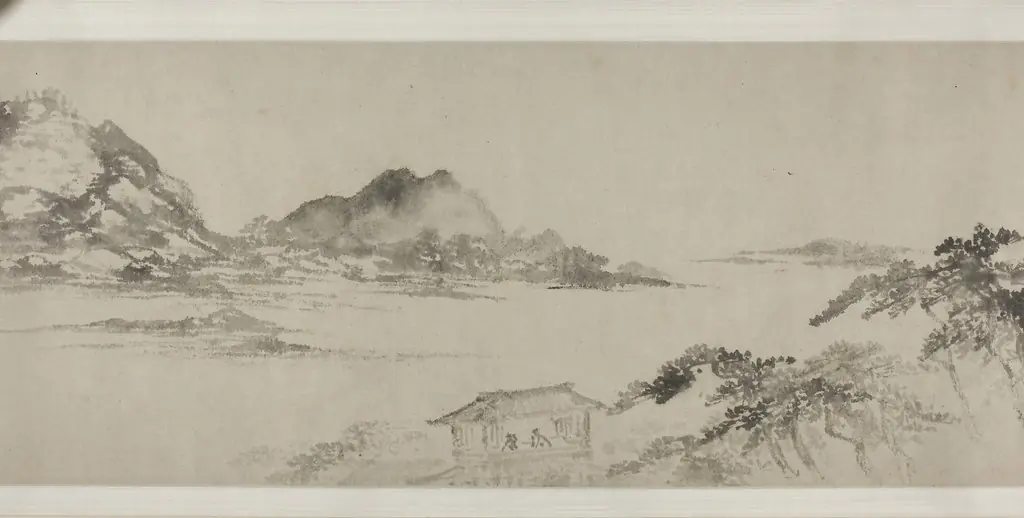 Pavilion of Eight Poems
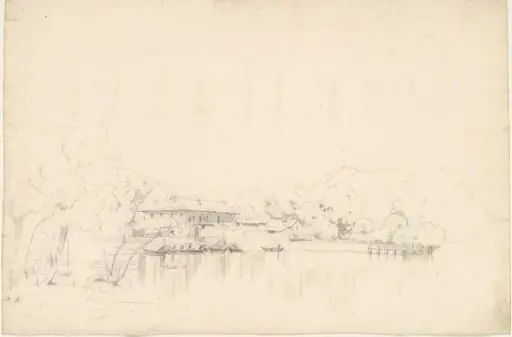 Lake Houses
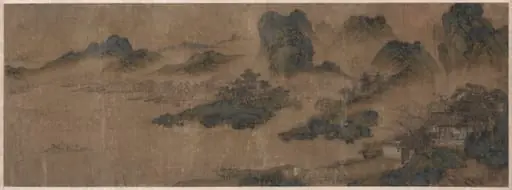 Visiting an Old Friend in the Spring Mountains
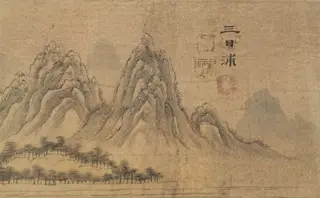 Samil-Po (Samil Harbor)
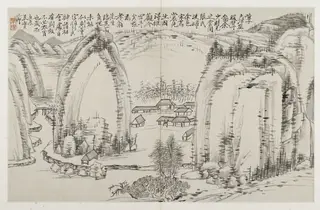 Landscape and Calligraphy from the Album of Three Perfections
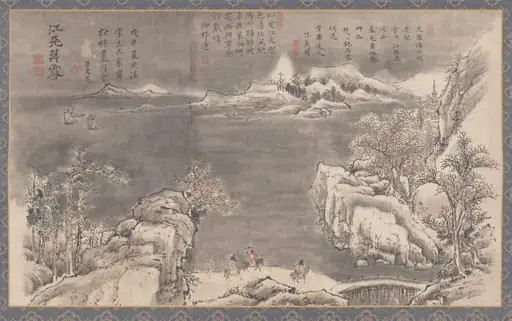 Evening Snow Blending River and Sky, from Eight Views of Xiao-Xiang
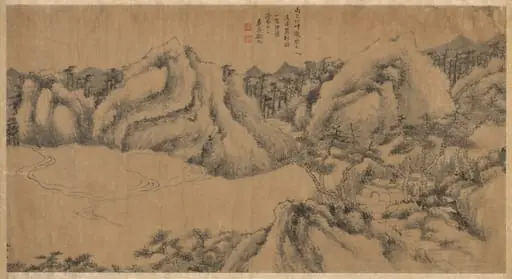 Pine-shaded Monastery on a Cloudy Mountain
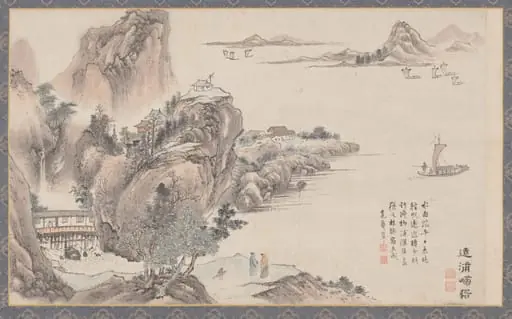 Returning Sails off a Distant Shores, from Eight Views of Xiao-Xiang
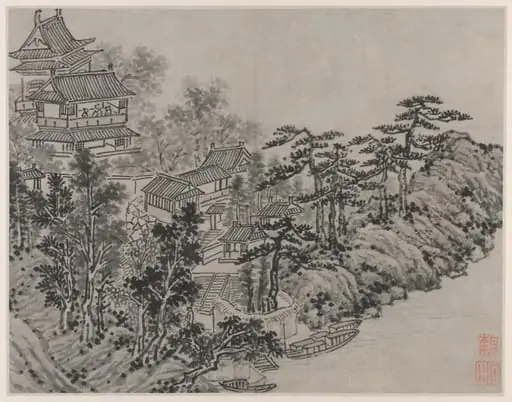 Cloud-Climbing Pavilion, from Twelve Views of Tiger Hill, Suzhou
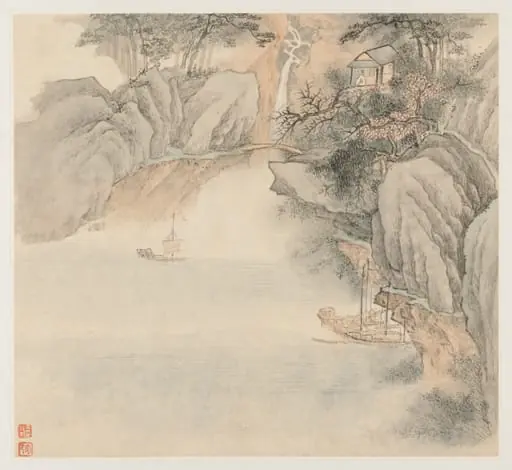 Album of Landscapes: Leaf 4
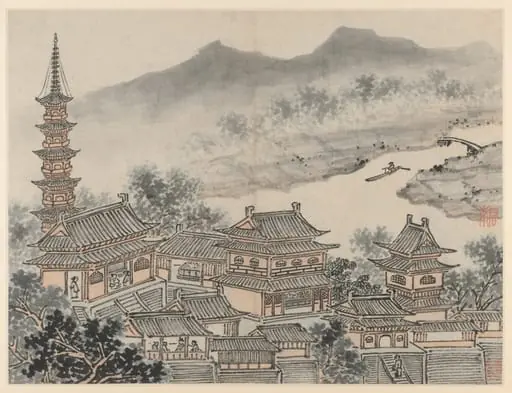 The Thousand Buddha Hall and the Pagoda of the "Cloudy Cliff" Monastery, from Twelve Views of Tiger Hill, Suzhou
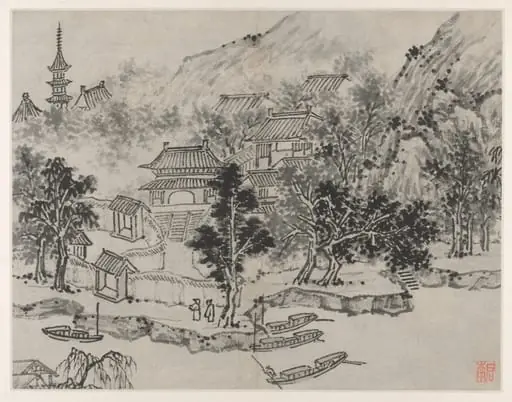 Distant View of Tiger Hill from the Canal Mooring, from Twelve Views of Tiger Hill, Suzhou
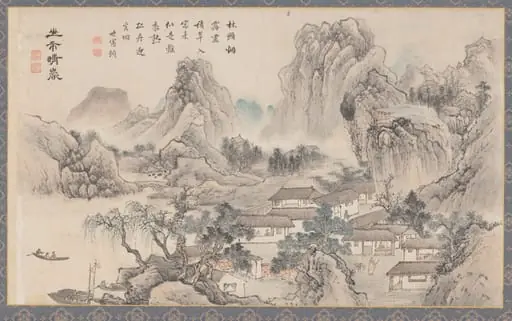 Mountain Market in Clearing Mist, from Eight Views of Xiao-Xiang
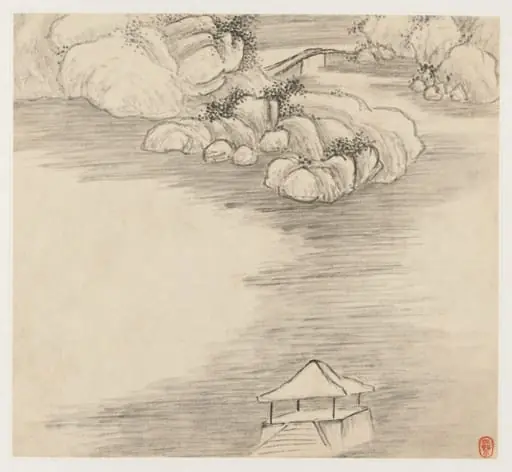 Album of Landscapes: Leaf 3
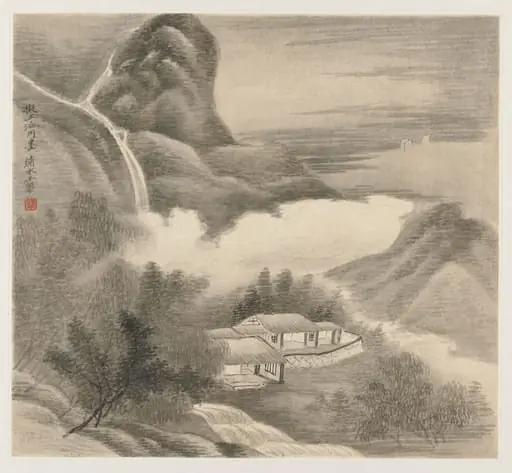 Album of Landscapes: Leaf 5
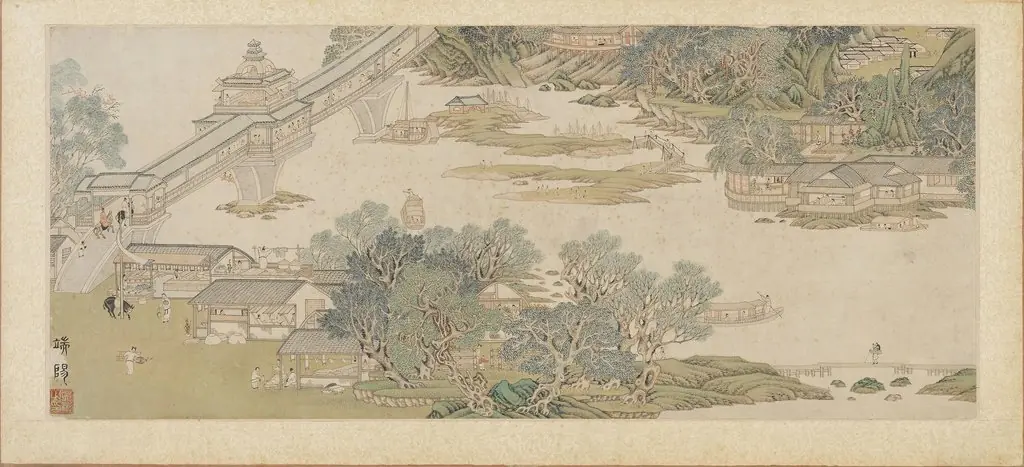 The Dragon Boat Festival
 Image of an Empire in Peace and Prosperity
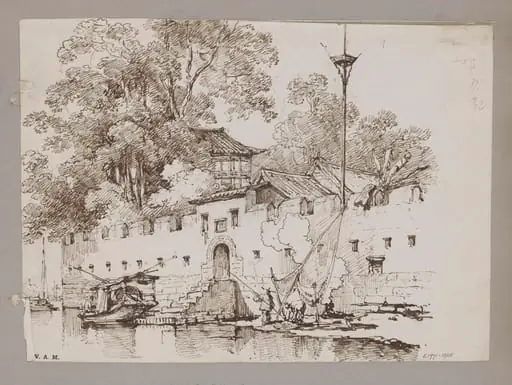 Part of the Dutch Folly, near Canton
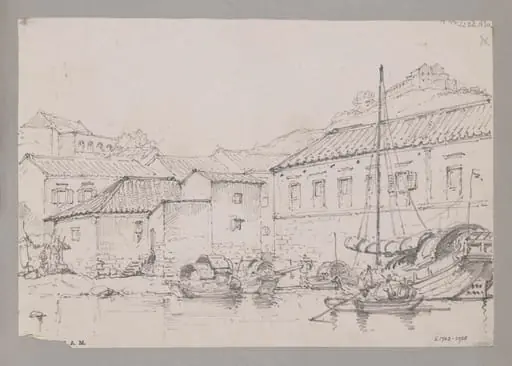 Waterside houses below Penha Hill, Macau
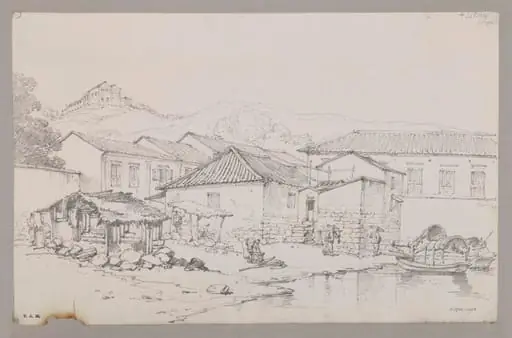 Part of the Praya Manduco and Penha Hill, Macao
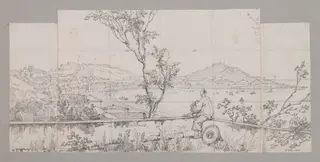 General View of Macao Bay from the Bishop's Gate
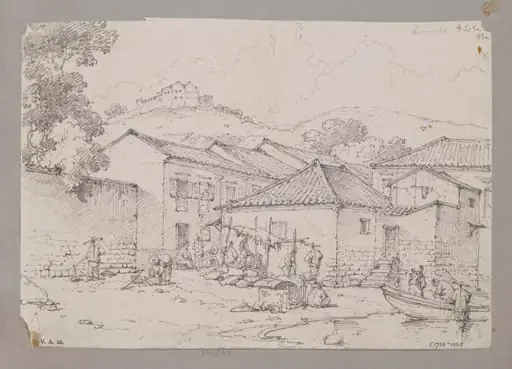 Part of the Praya Manduco, Macao
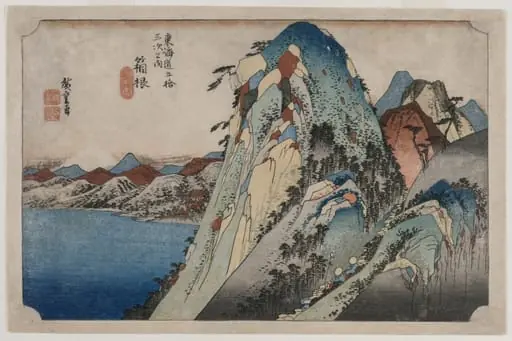 Picture of the Lake at Hakone, from the series 53 Stations of the Tokaido
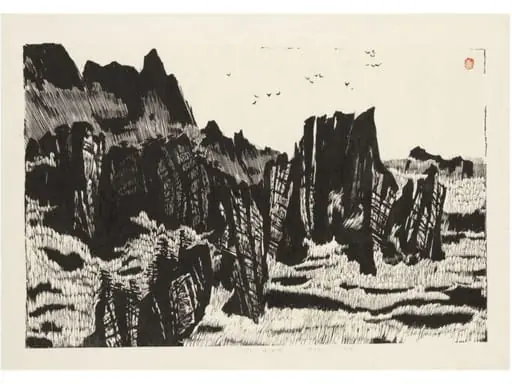 Diamond Mountain (Kumgangsan)
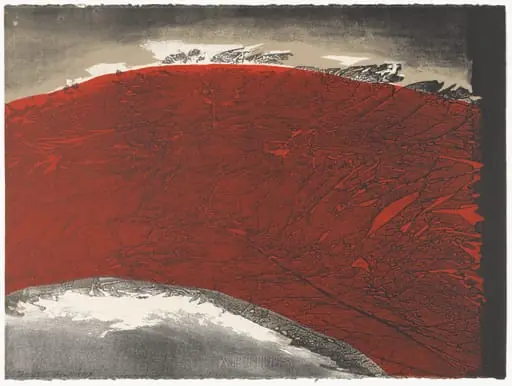 Untitled
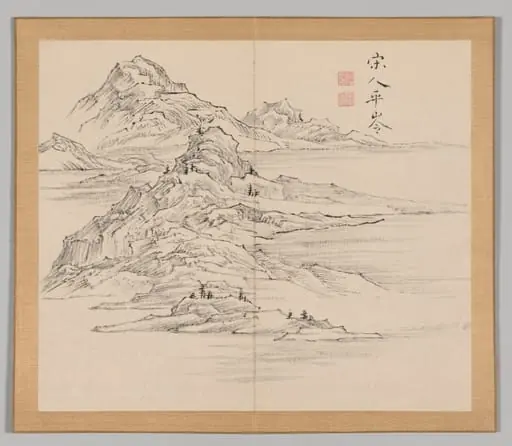 Reverberations of Taiga, Volume 1 (leaf 35)
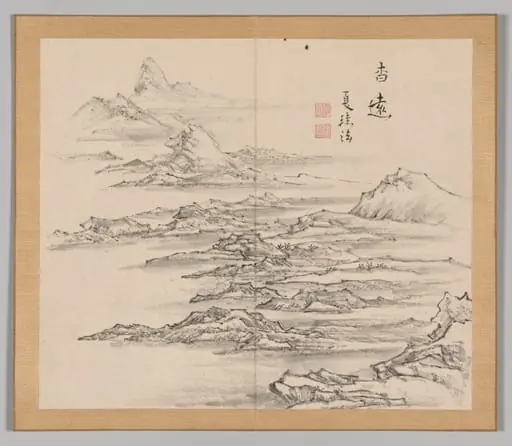 Reverberations of Taiga, Volume 2 (leaf 5)
Frequently asked questions
What is Zhejiang Province?
Zhejiang Province is a subject in art. Zhejiang is a coastal province in East China.
How many Zhejiang Province works does Artifact World Gallery have?
Artifact World Gallery holds 34 public-domain Zhejiang Province works, all free to view and download.
Who are the key Zhejiang Province artists?
Key Zhejiang Province artists in the collection include Worthington Whittredge, George Chinnery and Tani Bunchō.
Where can I see Zhejiang Province works?
Zhejiang Province works in the collection are held by Cleveland Museum of Art, Victoria and Albert Museum and Brooklyn Museum.