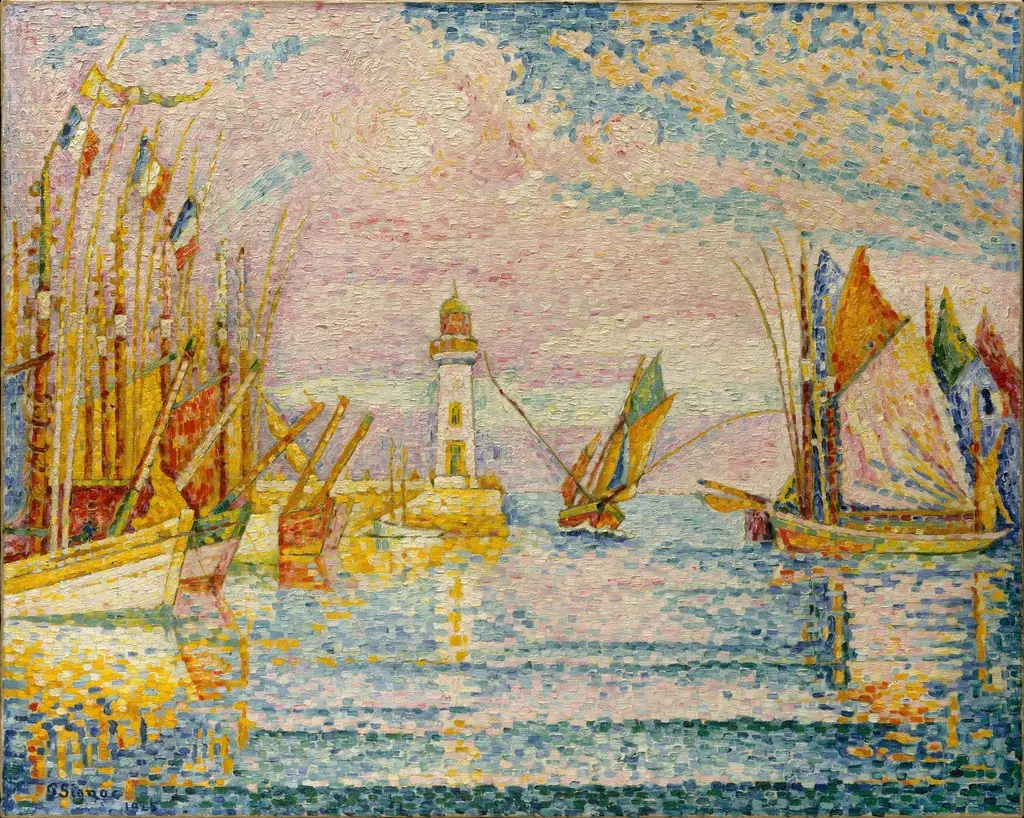
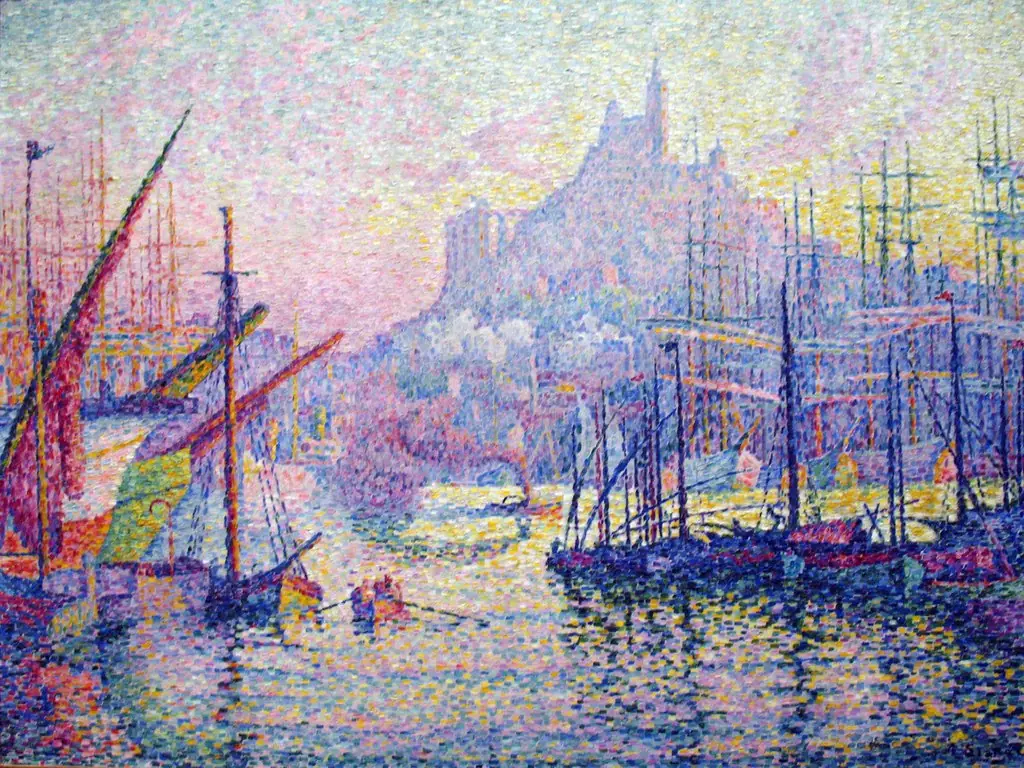
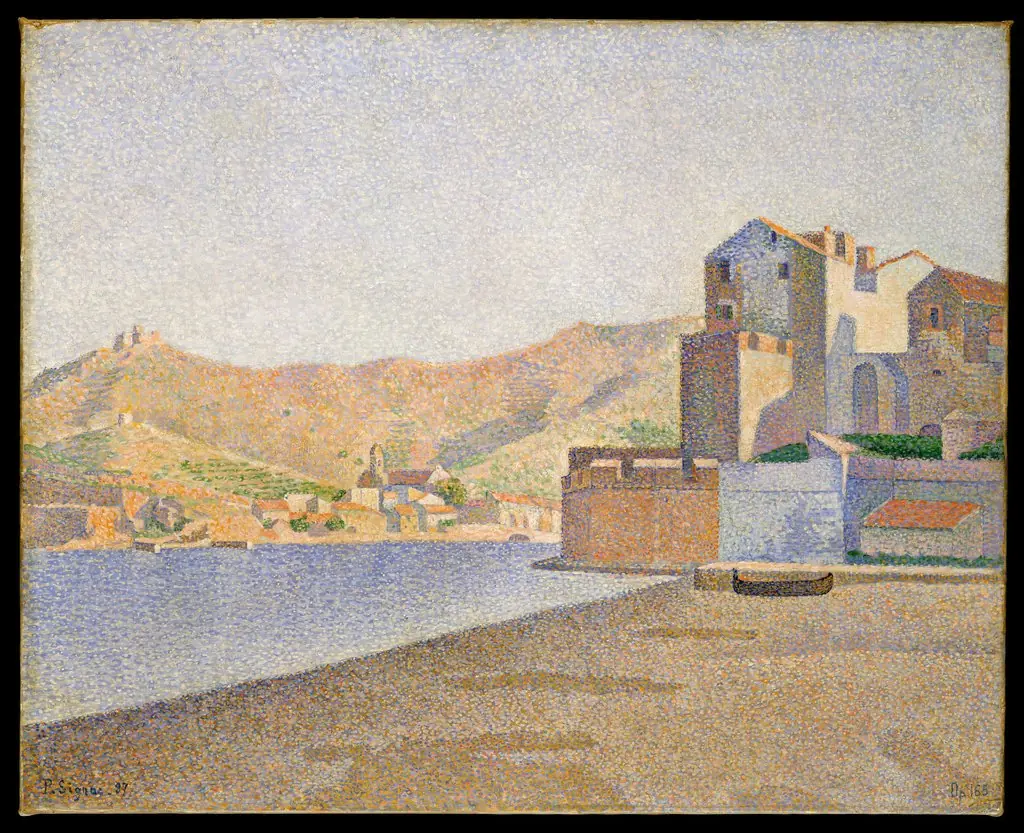
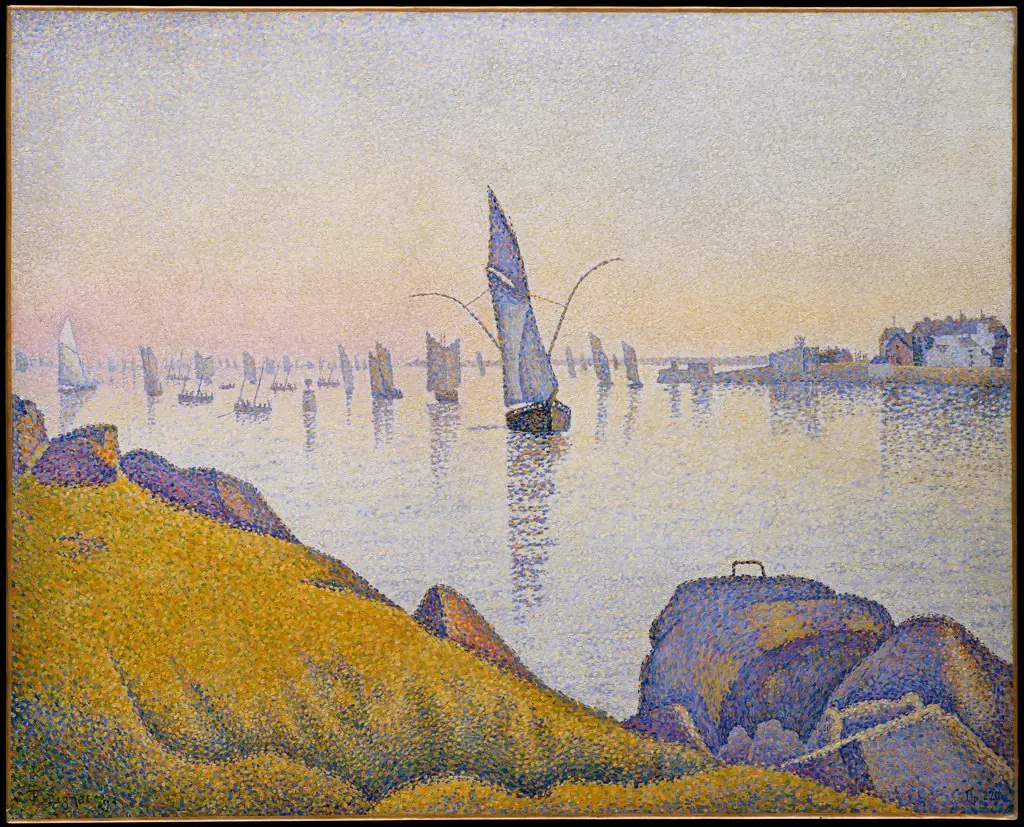
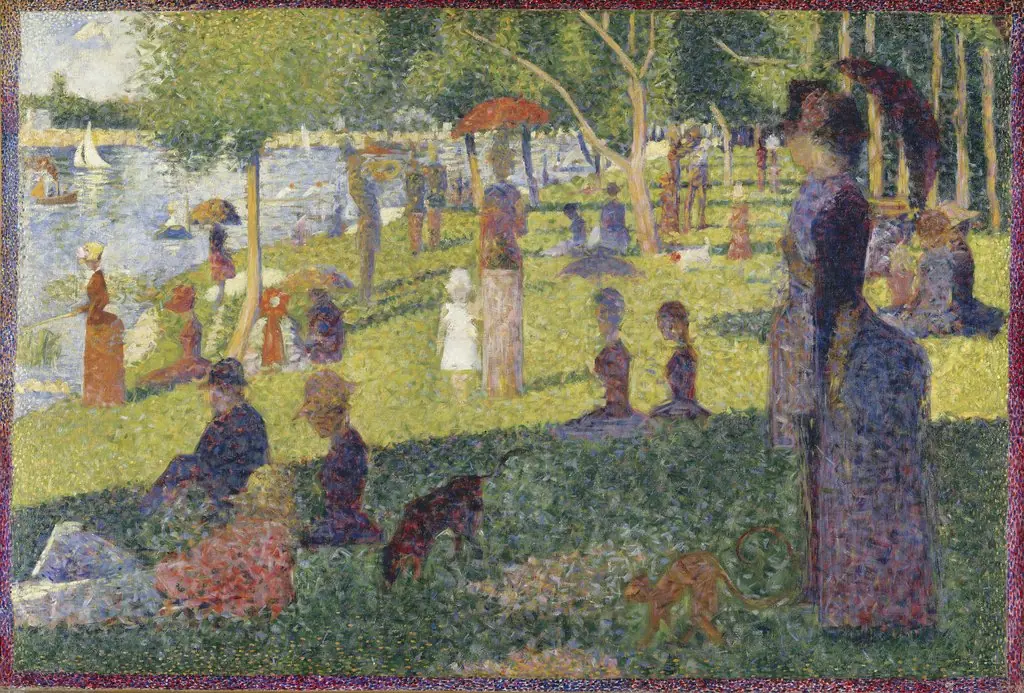
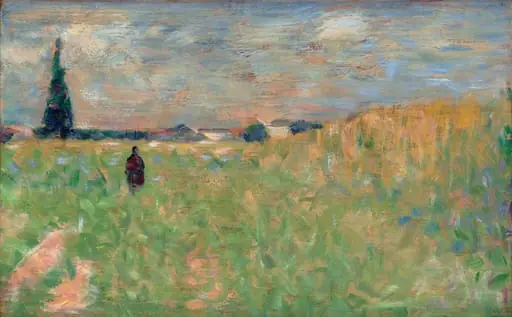
On December 29, 1884, the Société des Artistes Indépendants held its inaugural general assembly in Paris, formally establishing the Salon des Indépendants. Founded by artists including Albert Dubois-Pillet, Odilon Redon, Georges Seurat, and Paul Signac, the group rejected the traditional jury system of the official Paris Salon. Their founding manifesto declared that the new exhibition would operate without a jury or prizes, allowing any artist to exhibit upon payment of a small fee. This radical organizational structure provided a crucial platform for the emerging Neo-Impressionists and Symbolists, fostering an environment of artistic freedom that would define the avant-garde for decades.
It established the enduring model of the jury-free exhibition, fundamentally altering how modern art was displayed and critiqued.