Artist
Ubaldo Gandolfi
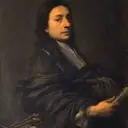
Ubaldo Gandolfi is a Rococo painting artist. 11 works are cataloged here, principally at National Gallery of Art.
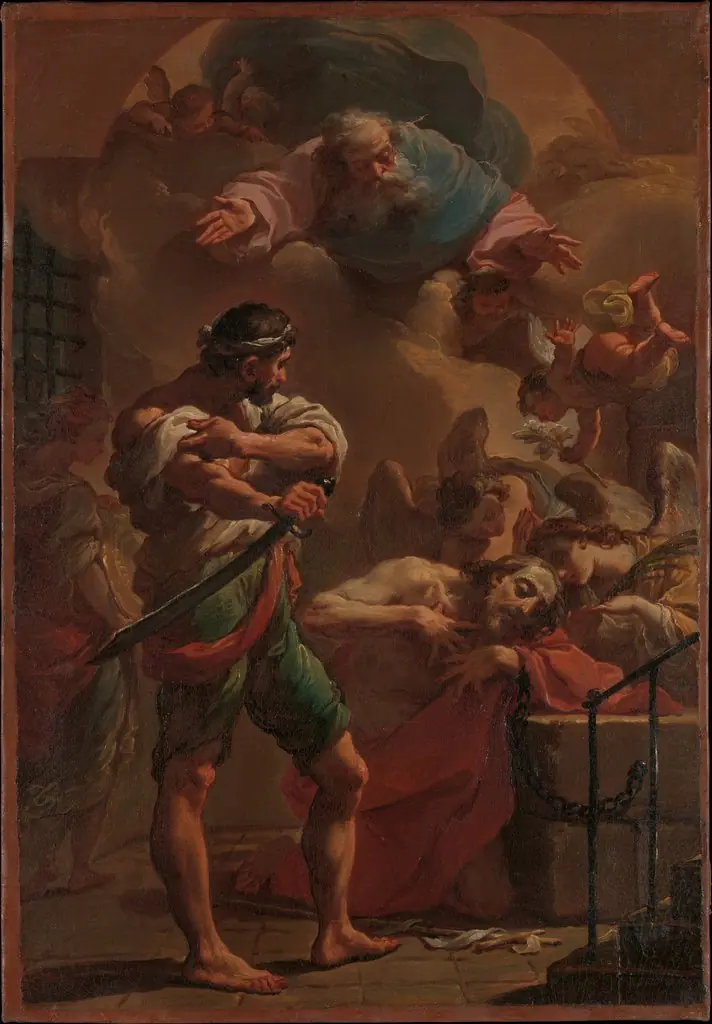
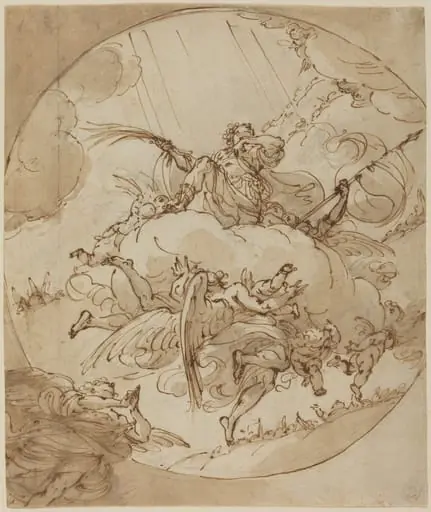
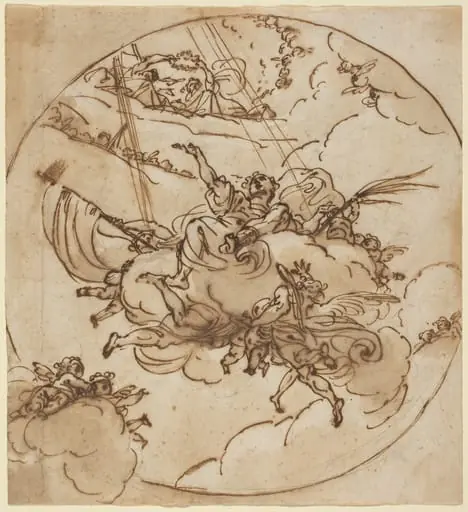
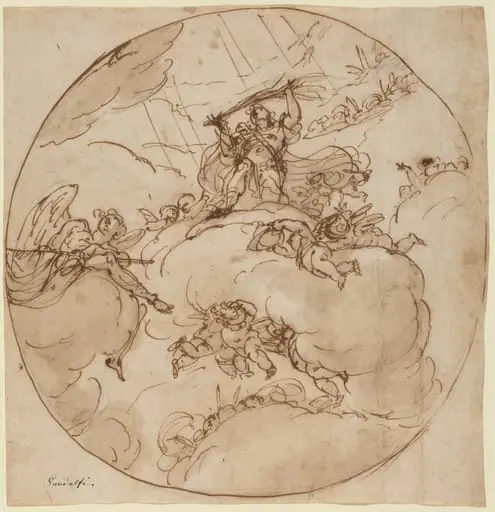
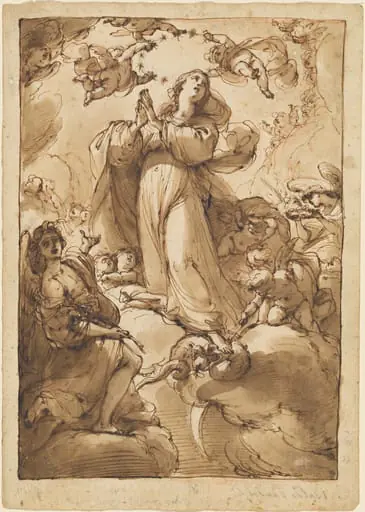
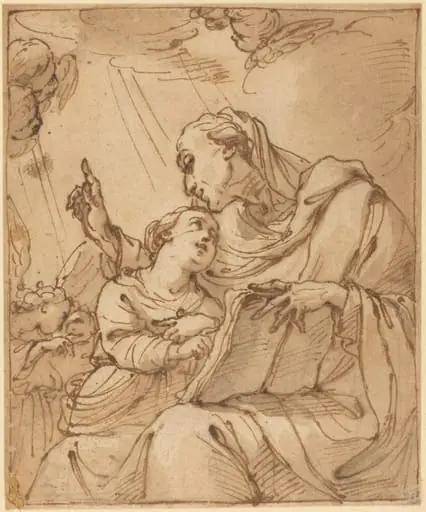
Ubaldo Gandolfi (1728–1781) was an Italian painter, draughtsman and sculptor of the late-Baroque period, mainly active in and near Bologna. He is known for his biblical, mythological and allegorical subjects as well as his portraits and nudes. Ubaldo and his brother Gaetano were during their lifetime among the first and most celebrated artists of Italy. This fame was gained by the excellent quality of their works, which lead to many and important commissions they had from courts and countries all over Europe.
Overview
Ubaldo Gandolfi (1728-1781) was an Italian painter, draughtsman, and sculptor of the late-Baroque period, mainly active in and near Bologna. He is known for his biblical, mythological, and allegorical subjects, as well as his portraits and nudes. Alongside his brother Gaetano, Ubaldo numbered among the most celebrated artists in Italy during his lifetime, securing major commissions from courts across Europe. His work represents a crucial bridge between the Baroque and Neoclassical styles, and he is recognized as one of the last great practitioners of the grand manner of the Bolognese school.
Biography & dates
Born on October 14, 1728, in San Matteo della Decima to Giuseppe Antonio and Francesca Maria Baldoni, Ubaldo moved to Bologna at the age of ten. By seventeen, he enrolled at the Accademia Clementina, where he studied under Ercole Graziani the Younger, Felice Torelli, and Ercole Lelli. He won three prizes for figure drawing between 1745 and 1749, and was later appointed a director of figure drawing in 1761. After a possible decade of travel across Italy, a pivotal 1760 trip to Venice with his brother significantly impacted his palette and brushwork. He married Rosa Spisani, with whom he had five children. He died on July 24, 1781, in Ravenna, shortly after moving there, a victim of malaria.
Style & movement
Gandolfi's style navigates from late-Baroque dynamism toward Neoclassical restraint, specifically recalling the emotive power and compositional harmony of Ludovico Carracci. Rooted in the Bolognese school's emphasis on disegno and realistic human anatomy drawn from live models, his early works showed a refined but conventional approach. Following his exposure to Venetian art, he adopted a brighter palette, looser brushwork, and more nuanced chiaroscuro, blending Roman, Venetian, and French influences. He demonstrated particular skill in religious painting, paying close attention to the fine details of vestments, profiles, and hands, while his mythological scenes feature dramatically posed figures and energetic compositions.
Major works
Between 1770 and 1775, Gandolfi completed a series of mythological canvases for the Palazzo Marescalchi in Bologna, two of which, Mercury Lulling Argus to Sleep and Mercury About to Behead Argus, are now in the North Carolina Museum of Art. Other significant works include the Annunciation (1777) in the Pinacoteca Civica in Cento, and St. Francis Receiving the Stigmata (1768) in the Pinacoteca di Brera. He painted altarpieces for the church of Santa Maria Maggiore in Castel San Pietro Terme and the basilica of San Domenico in Bologna. His late career included the 1780 fresco of the Glory of Saints Vitalis and Benedict in the cupola of the Basilica di San Vitale in Ravenna.
Influences & students
Gandolfi's primary artistic influences were his Accademia Clementina instructors, Ercole Graziani the Younger, Felice Torelli, and Ercole Lelli, alongside the foundational draftsmanship of the Carracci. He passed this Bolognese tradition to his own sons, Giovanni Battista and Ubaldo Lorenzo, and influenced his nephew Mauro. His documented pupils include Giuseppe Grimanti, Giovanni Lipparini, and Nicola Levoli. The Gandolfi family dynasty extended further through Mauro's children, including the sculptor Democrito, who studied under Antonio Canova, and the artist Clementina.
Legacy
Ubaldo, Gaetano, and Mauro Gandolfi are considered the final representatives of the grand manner of the Bolognese school, sustaining its emphasis on anatomical realism nearly two centuries after the Carracci founded the tradition. His independent drawings and character studies remain highly prized for their anatomical insight and vigorous style. The Gandolfi style maintained popularity across Europe and North America, in part through Mauro's later work. Modern scholarship has reevaluated the family's contributions through exhibitions such as Gaetano e Ubaldo Gandolfi: Opere scelte in Cento in 2002, and publications including Mimi Cazort's Bella Pittura: The Art of the Gandolfi.
Works by Ubaldo Gandolfi
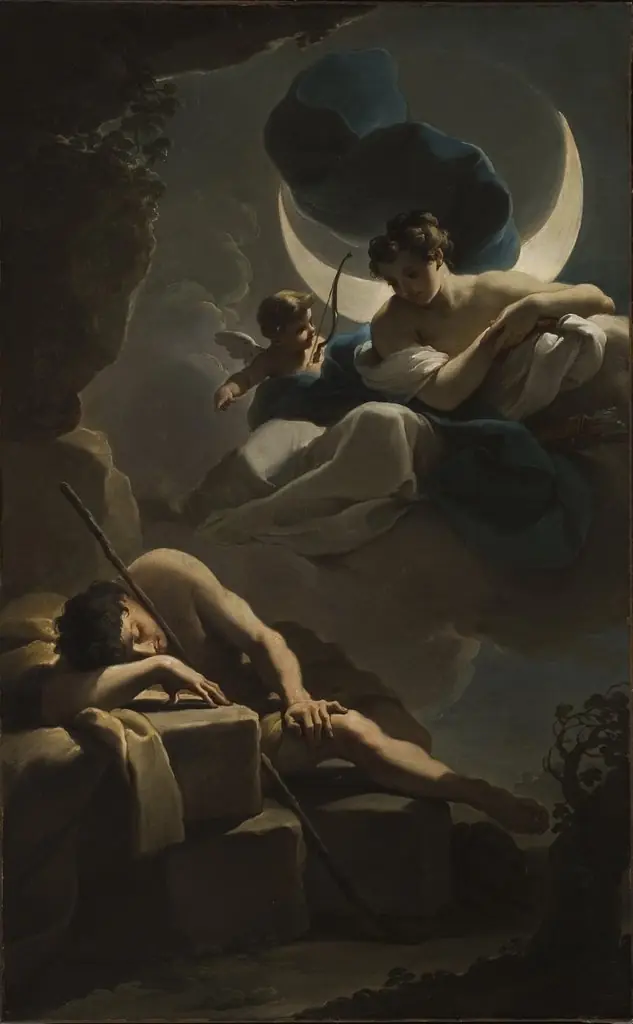
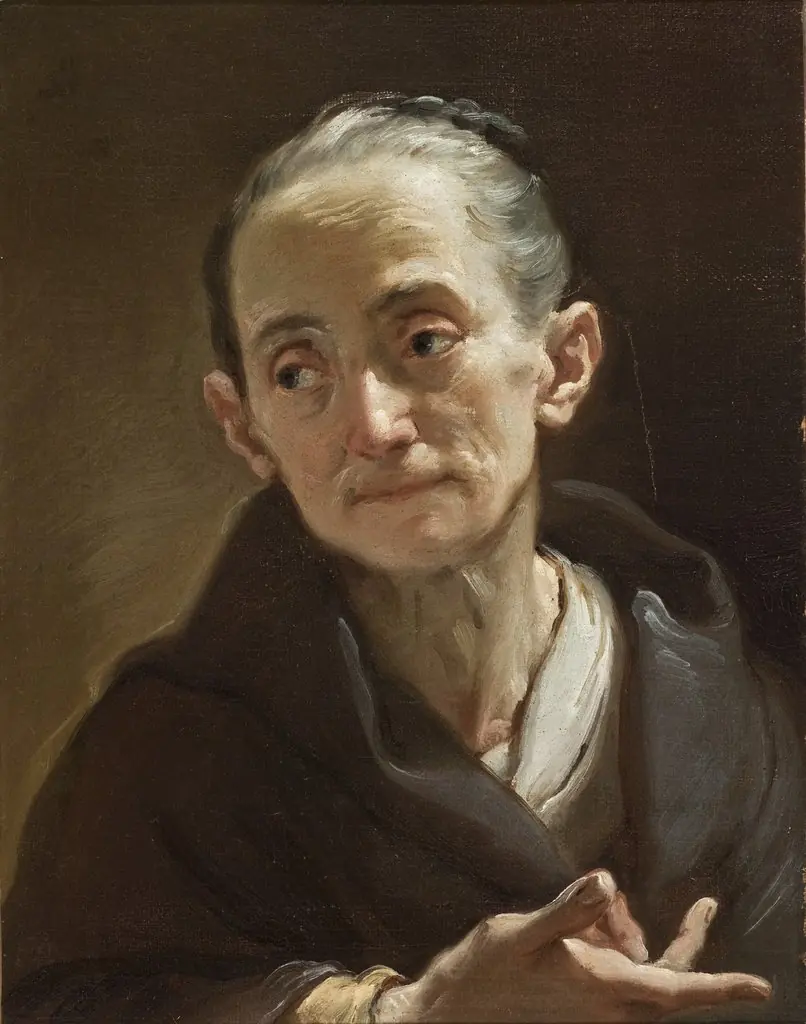
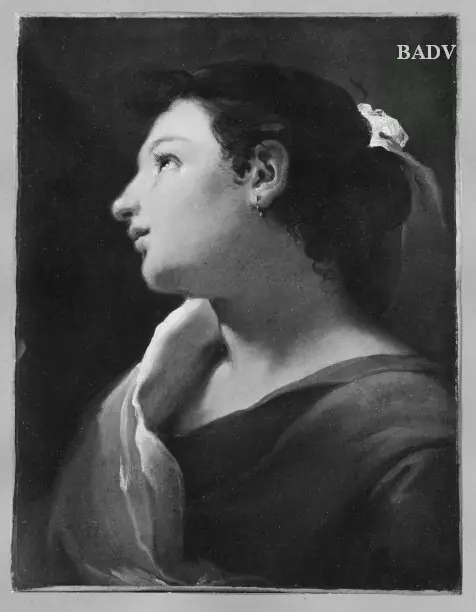
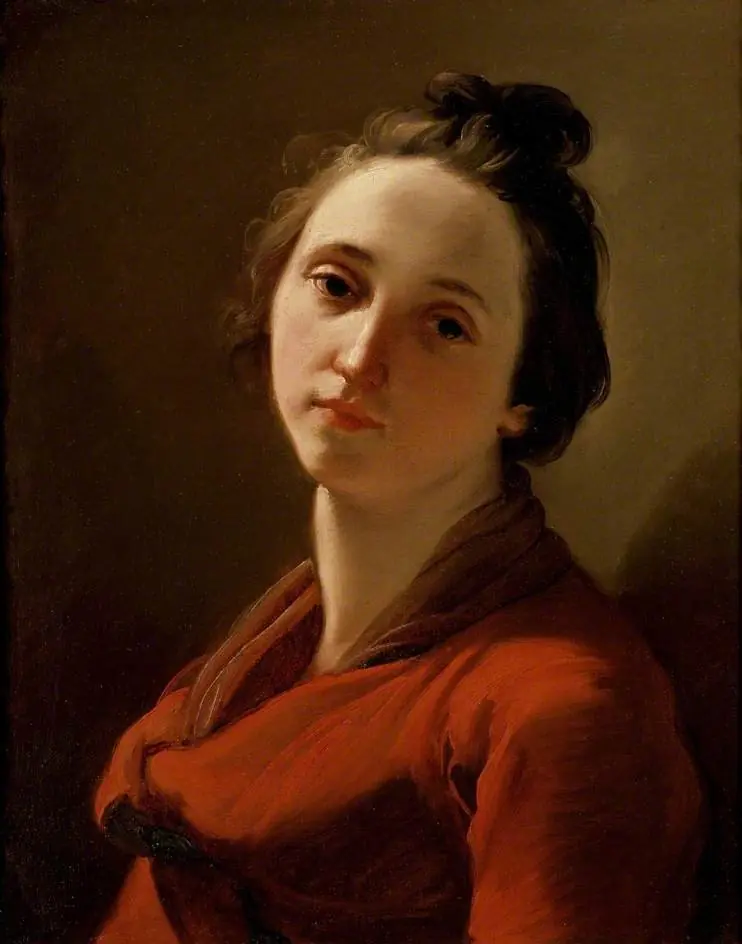
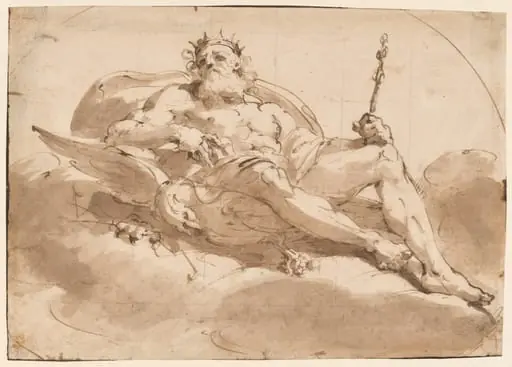
Collections represented


Artists in a similar vein