Artwork
本阿弥光悦書・俵屋宗達下絵 小倉百人一首和歌巻断簡|Two Poems from One Hundred Poems by One Hundred Poets
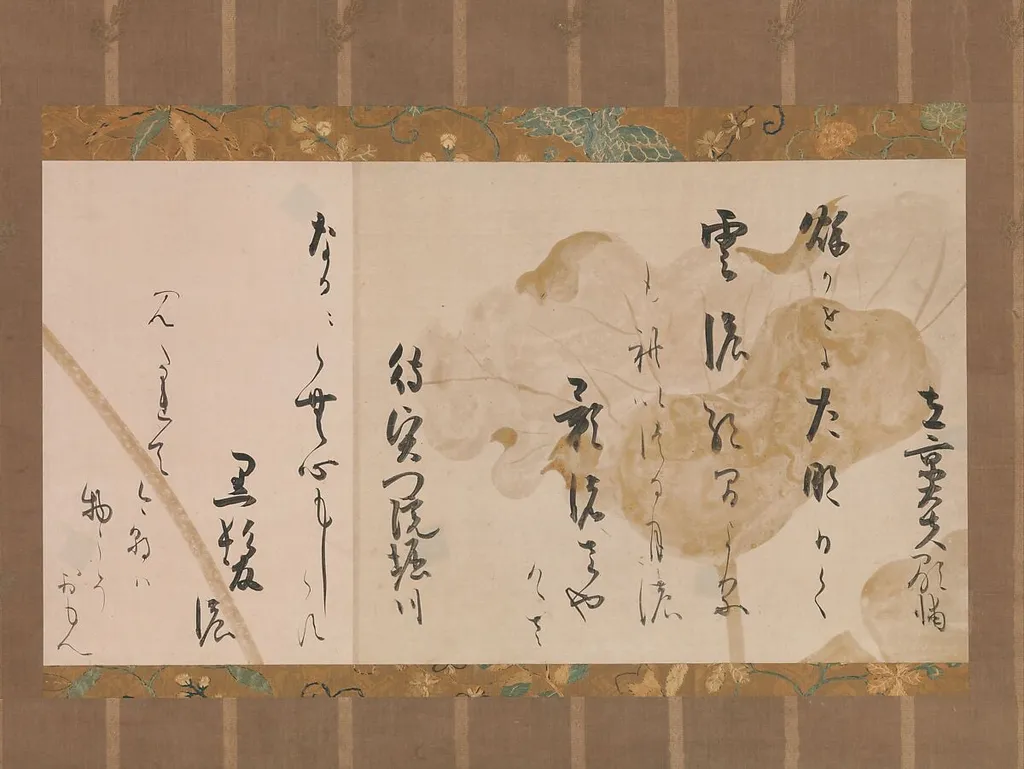
本阿弥光悦書・俵屋宗達下絵 小倉百人一首和歌巻断簡|Two Poems from One Hundred Poems by One Hundred Poets is an ink painting by the Baroque artist Tawaraya Sōtatsu. It dates from 1618 and is held in the collection of the Metropolitan Museum of Art.
- Accession no.
- 2015.300.86
- Credit line
- Mary Griggs Burke Collection, Gift of the Mary and Jackson Burke Foundation, 2015
About this work
Technique & Style
This combination of precious metals and ink on paper is characteristic of the high-style decorative painting produced in early 17th-century Japan.
Created in 1618, this work was originally a section of a handscroll that has been remounted as a hanging scroll. The artist employed ink, silver, and gold applied directly onto a paper support. This combination of precious metals and ink on paper is characteristic of the high-style decorative painting produced in early 17th-century Japan.
The piece integrates calligraphy and painting, reflecting the collaborative nature of its creation between Hon'ami Kōetsu and Tawaraya Sōtatsu. The use of silver and gold suggests an emphasis on luminosity and luxury, aligning with the poetic subject matter depicted.
History & Provenance
The work was produced in 1618 in Japan as a section of a handscroll later mounted as a hanging scroll, executed in ink with silver and gold on paper. The composition presents two poems from the Ogura Hyakunin Isshu, with calligraphy by Hon'ami Kōetsu and underdrawing by Tawaraya Sōtatsu. It is presently held by the Metropolitan Museum of Art in New York. No specific commission records, accession number, or exhibition history are documented in the available sources.
Overview
Hon'ami Kōetsu’s early‑17th‑century work, created around 1618, consists of a fragment of a handscroll that has been remounted as a hanging scroll. Executed in ink with applied gold and silver on paper, the piece presents two verses taken from the celebrated anthology of one hundred poems by one hundred poets.
Subject & Meaning
The scroll reproduces two waka poems from the Ogura Hyakunin Isshu, a medieval collection that pairs each poem with a corresponding image. By rendering the verses in elegant calligraphic script, the work underscores the close relationship between poetry and visual art in Japanese cultural practice.
Context
During the early 1600s, Japanese aristocratic circles revived interest in classical poetry, commissioning works that combined calligraphy with decorative painting. This piece illustrates that trend, linking the literary prestige of the Hyakunin Isshu with the visual refinement of the Rinpa school.
Artist & collection

Artist
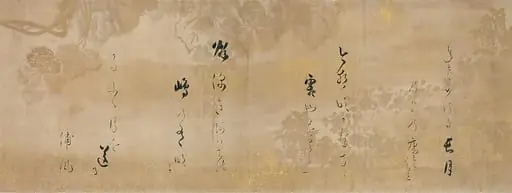
Tawaraya Sōtatsu (俵屋 宗達; c. 1570 – c. 1640) was a Japanese furniture designer and painter of the Rinpa school. Sōtatsu is best known for his decorations of calligraphic works by his partner Hon'ami Kōetsu (1558–1637),…

 伝俵屋宗達筆 源氏物語図「宿木」 |“Trees Encoiled in Vines of Ivy” (Yadorigi)
 本阿見光悦書・俵屋宗達下絵 桜下絵和歌色紙 鴨長明|Poem by Kamo no Chōmei with Underpainting of Cherry Blossoms
 Untitled
 Untitled
 Untitled
- 本阿弥光悦書 木版下絵和歌巻断簡|Twelve Poems from the New Collection of Poems Ancient and Modern
 Selections from the New Collection of Japanese Poems from Ancient and Modern Times (Shinkokin wakashū) with Printed Designs of Chinese Lions and Crab Finger Grass
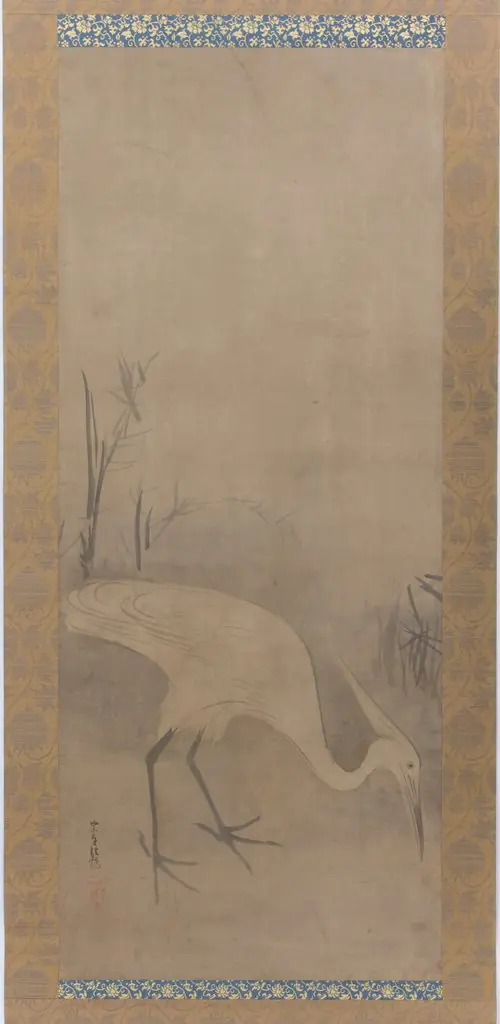 White Heron (Shirosagi zu)
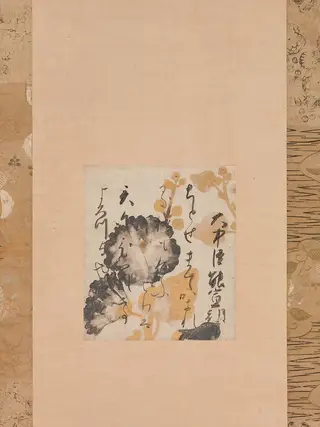 松花堂昭乗書・伝俵屋宗達下絵 和歌色紙 |Poem by Onakatomi Yoshinobu with Underpainting of Hollyhocks
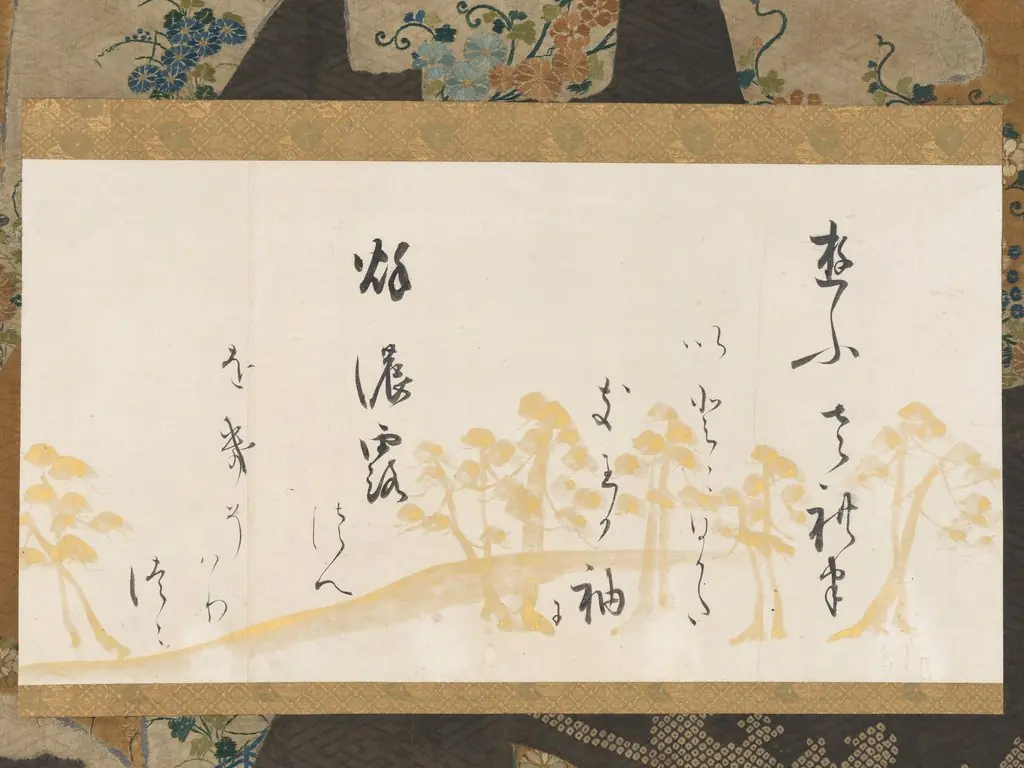 Section of a Handscroll with Waka and Underpainting of Pines
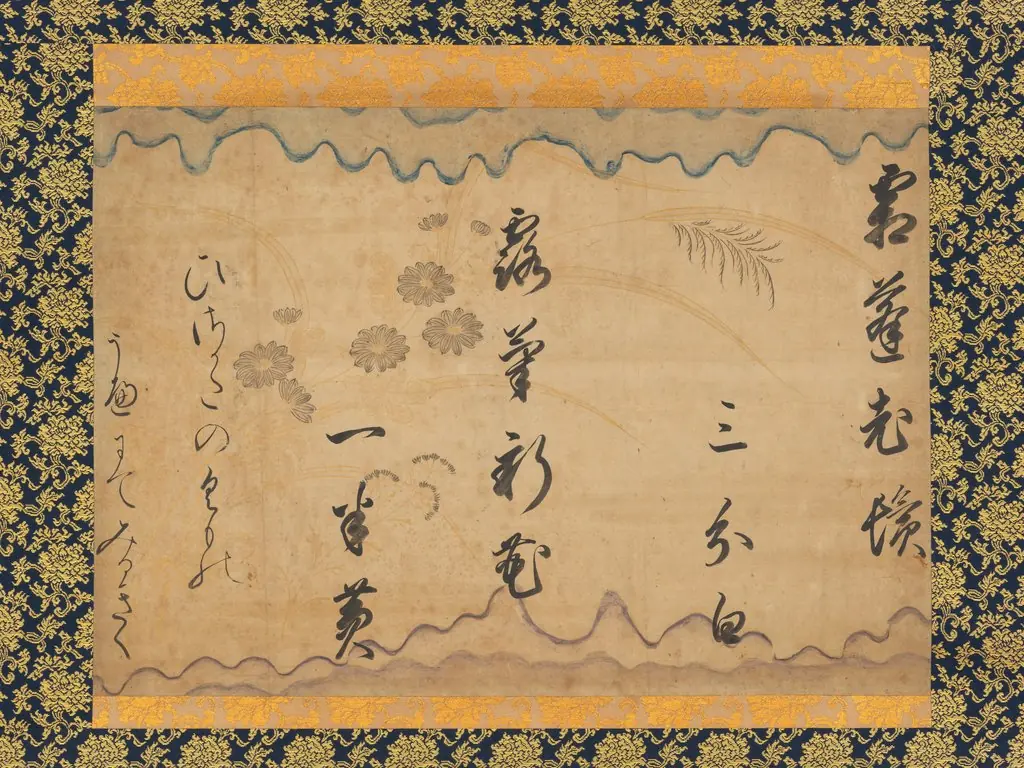 Chinese Couplet by Bai Juyi and Waka by Fujiwara no Toshiyuki (partial) from “Japanese and Chinese Poems to Sing” (Wakan rōeishū)
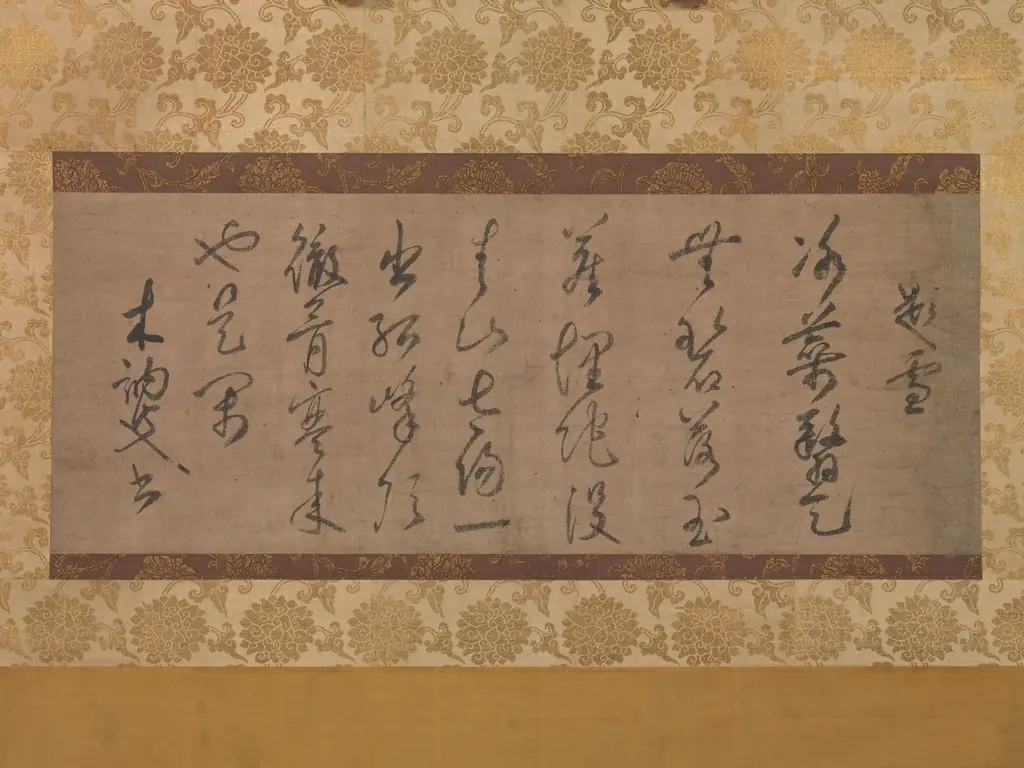 Poem on the Theme of Snow
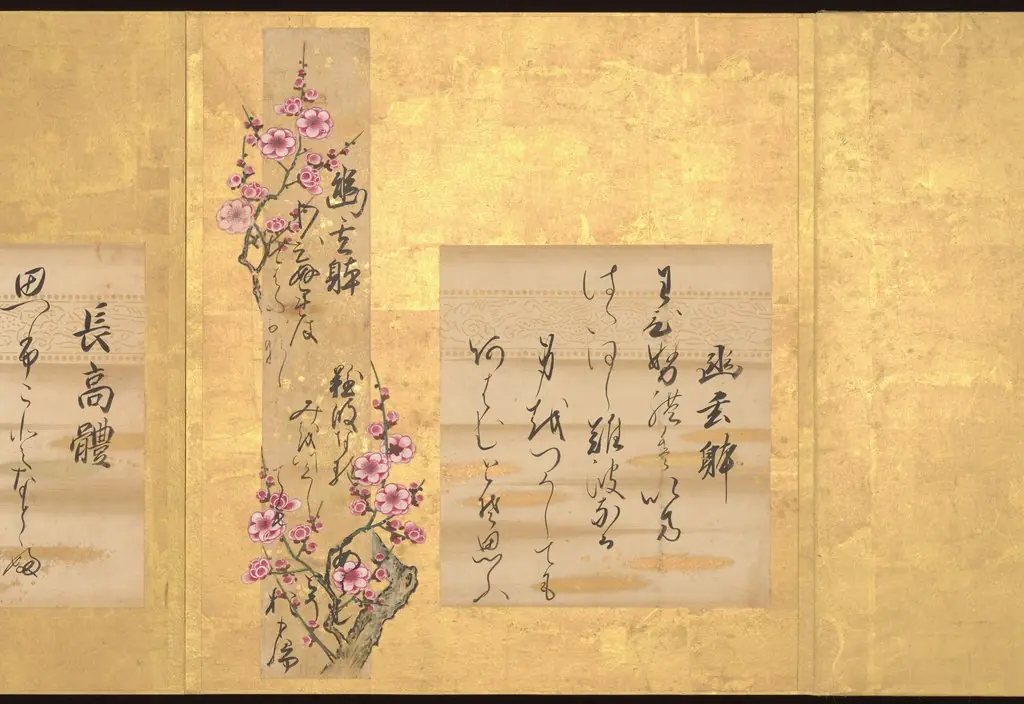 Teika’s Ten Styles of Japanese Poetry
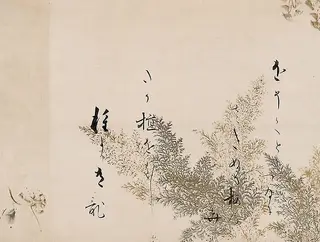 A Poem from the Shin Kokinshu with Design of Shinobugusa Grasses
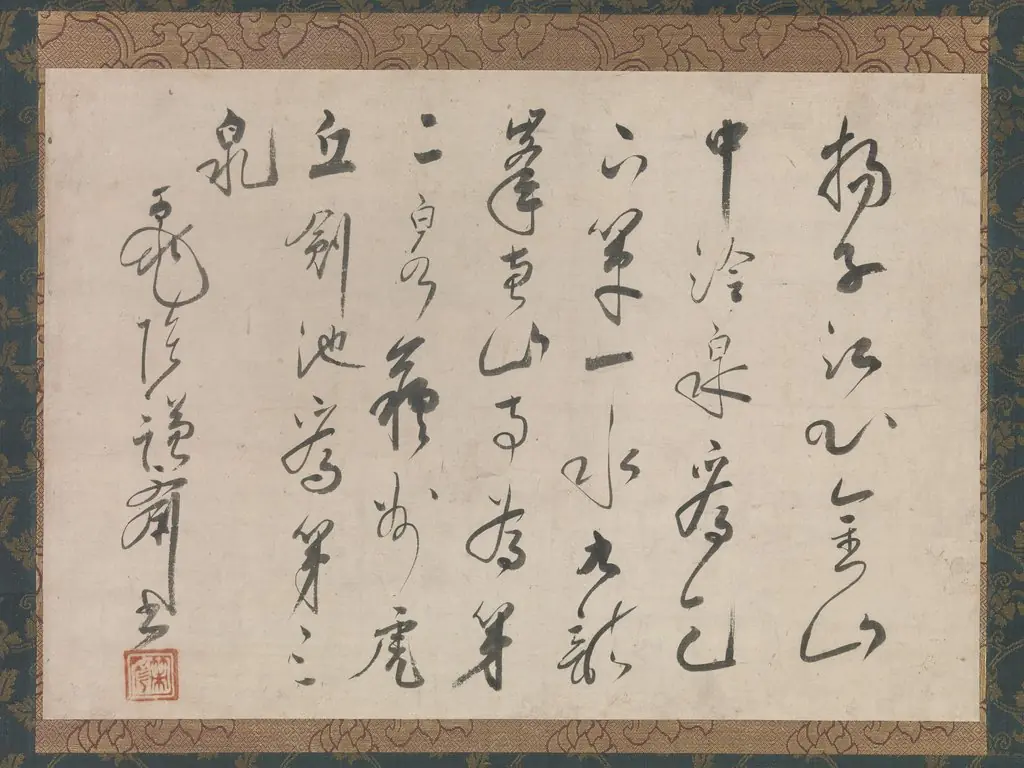 Account of the Three Springs of Jiangsu Province in China
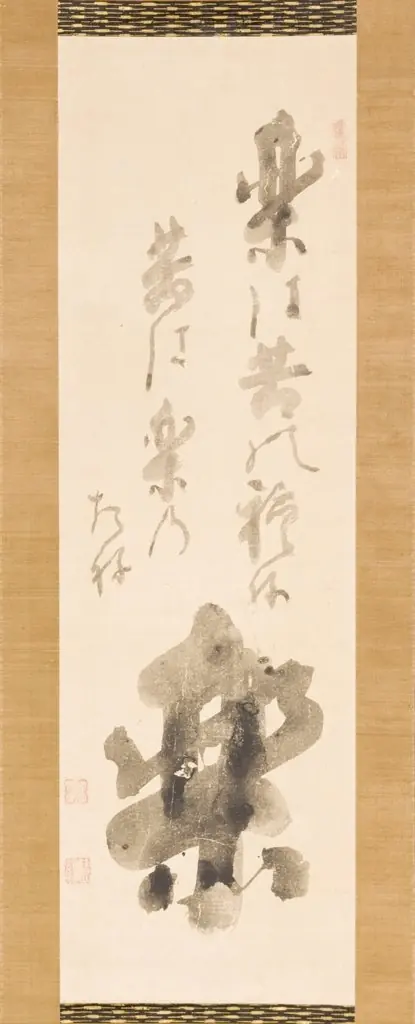 'JOY: In joy lie the seeds of sufferings; in sufferings lie the seeds of joy (RAKU: Raku wa kū no tane; Kū wa raku no tane)'
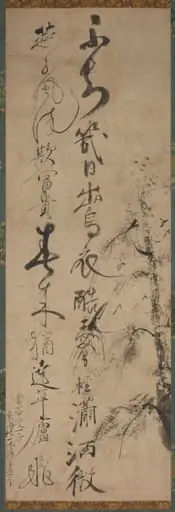 Calligraphy with Willow and Swallows