Artist
Nathaniel Hancock

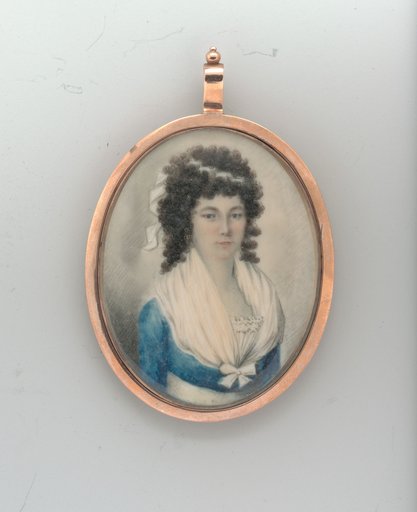
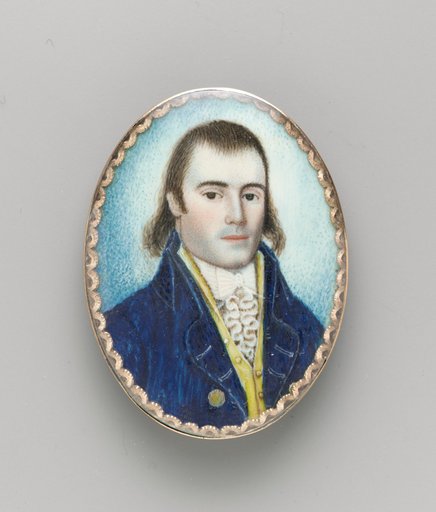
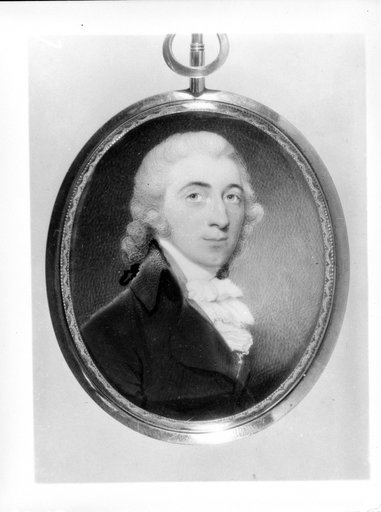
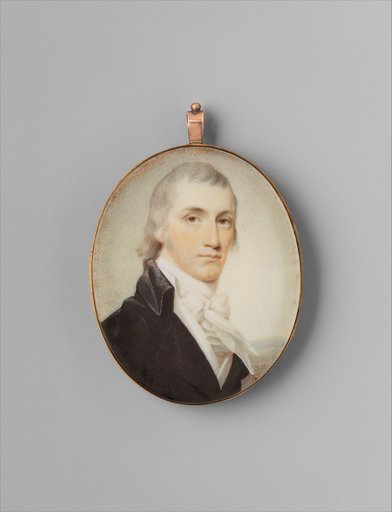
Nathaniel Hancock is a Romanticism painter. 4 works are cataloged here, principally at Metropolitan Museum of Art, most of them watercolors.
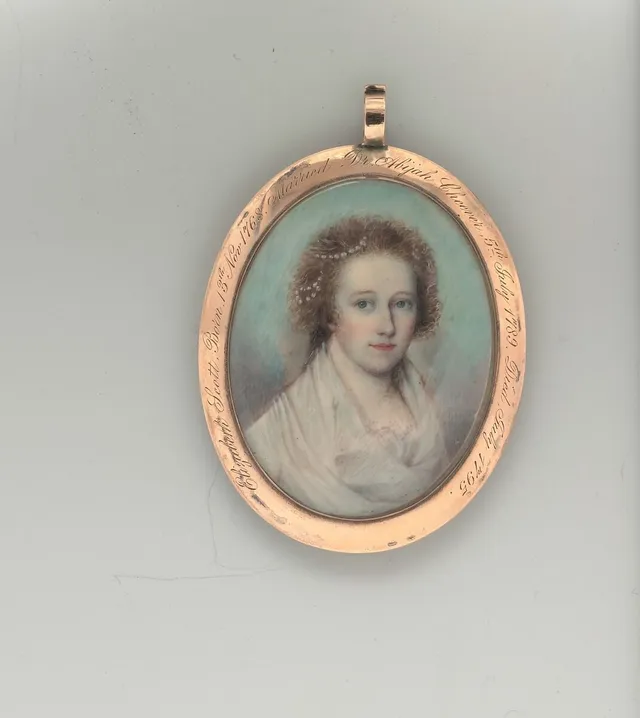
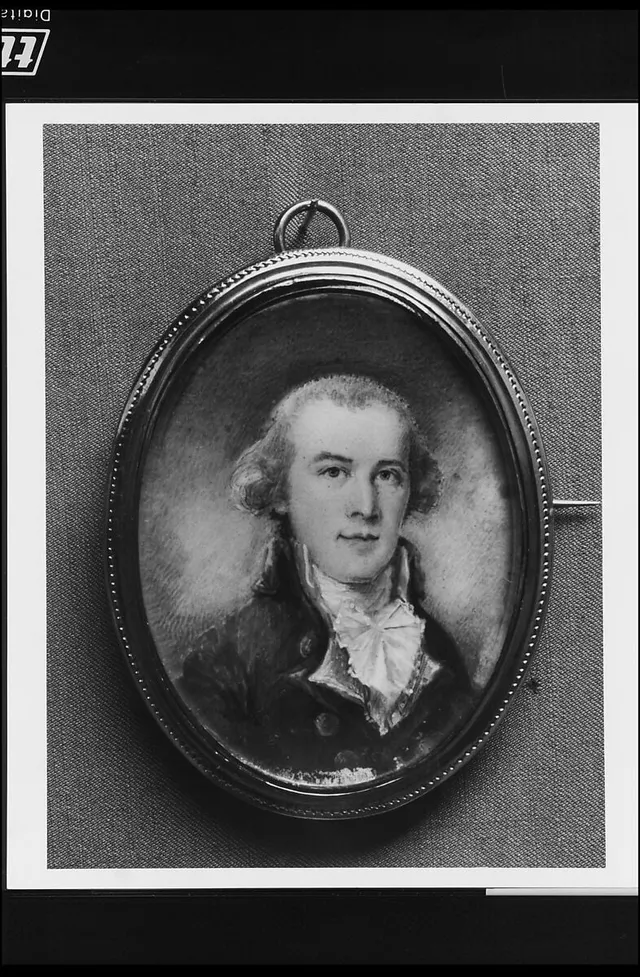
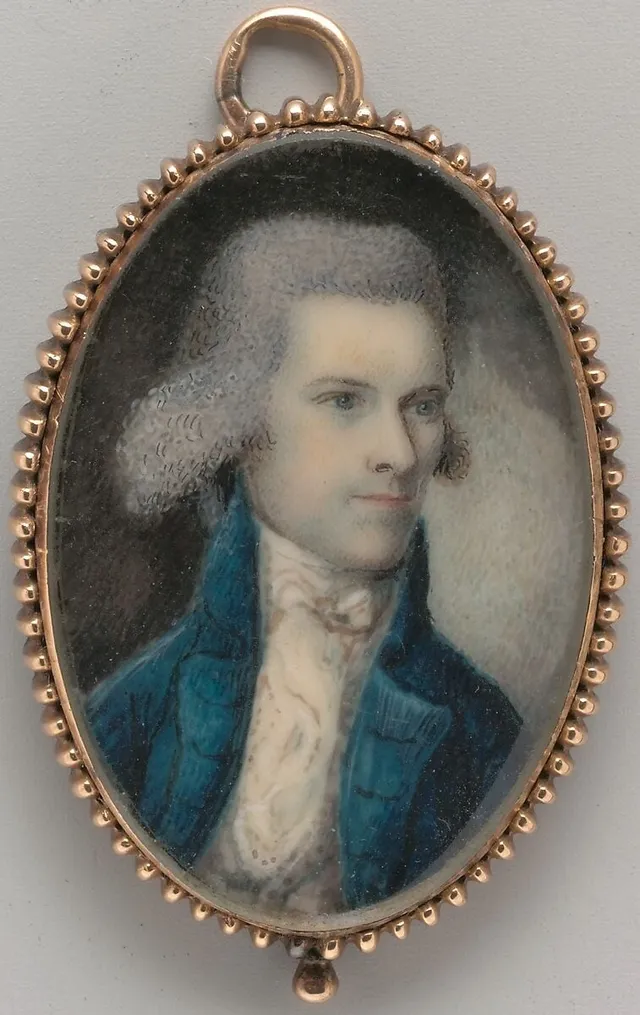
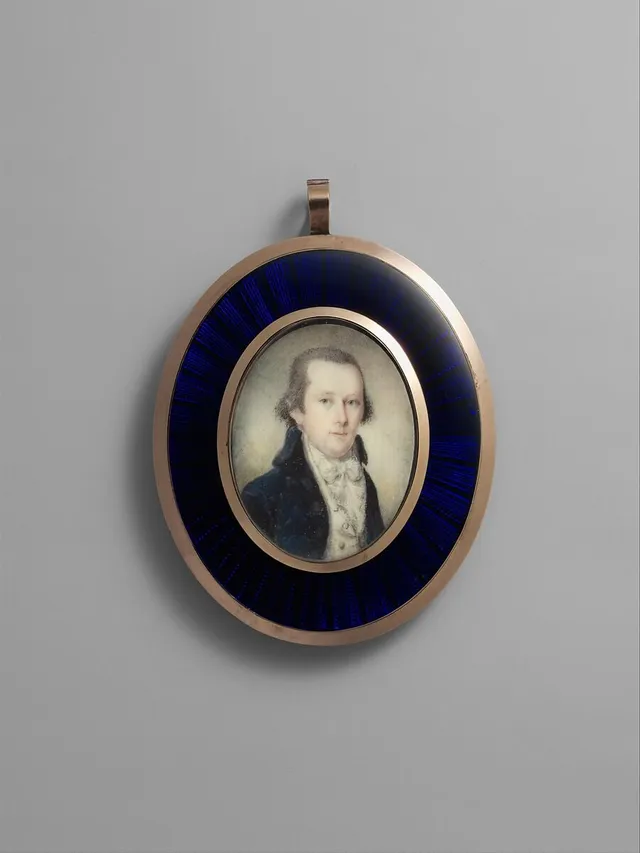
Nathaniel Hancock's origins and training remain obscure, but his presence as a painter first surfaces in Boston newspaper advertisements from December 1789, when he announced his return to the city and opened a studio on Federal Street offering miniature portraits, hairwork, and watercolor lessons. He married Elizabeth "Betsey" Welsh in May 1791, and scholars believe he painted his surviving self-portrait, now in the Yale University Art Gallery, concealed with a heart playing card behind the image, as a love token for her; after her death in 1792, he gave it to a family friend in Framingham. From 1795 onward, Hancock led an itinerant career, alternating between Boston and cities as distant as Petersburg and Richmond, Virginia, as well as Portland, Maine, and Portsmouth and Exeter, New Hampshire.
The Salem minister William Bentley recorded meeting Hancock in 1805 and noted that the miniaturist had conversed with Gilbert Stuart about his presidential portraits. In addition to painting, Hancock taught watercolor, designed needlework patterns, and likely worked as an engraver. His refined stipple technique and sensitive likenesses show the influence of the older Boston portraitist John Johnston, in whose Court Street building Hancock rented a chamber in 1794.
His last known advertisement appeared in the Newburyport Herald in March 1809, yet he resurfaces in the Boston directory of 1821 as a portrait painter. He died on March 25, 1833, at the McLean Asylum for the Insane in Charlestown, Massachusetts, and was buried in an unmarked grave in Boston's South End Burial Ground.
Works by Nathaniel Hancock
Collections represented

Artists in a similar vein