Artwork
Portrait of a Gentleman
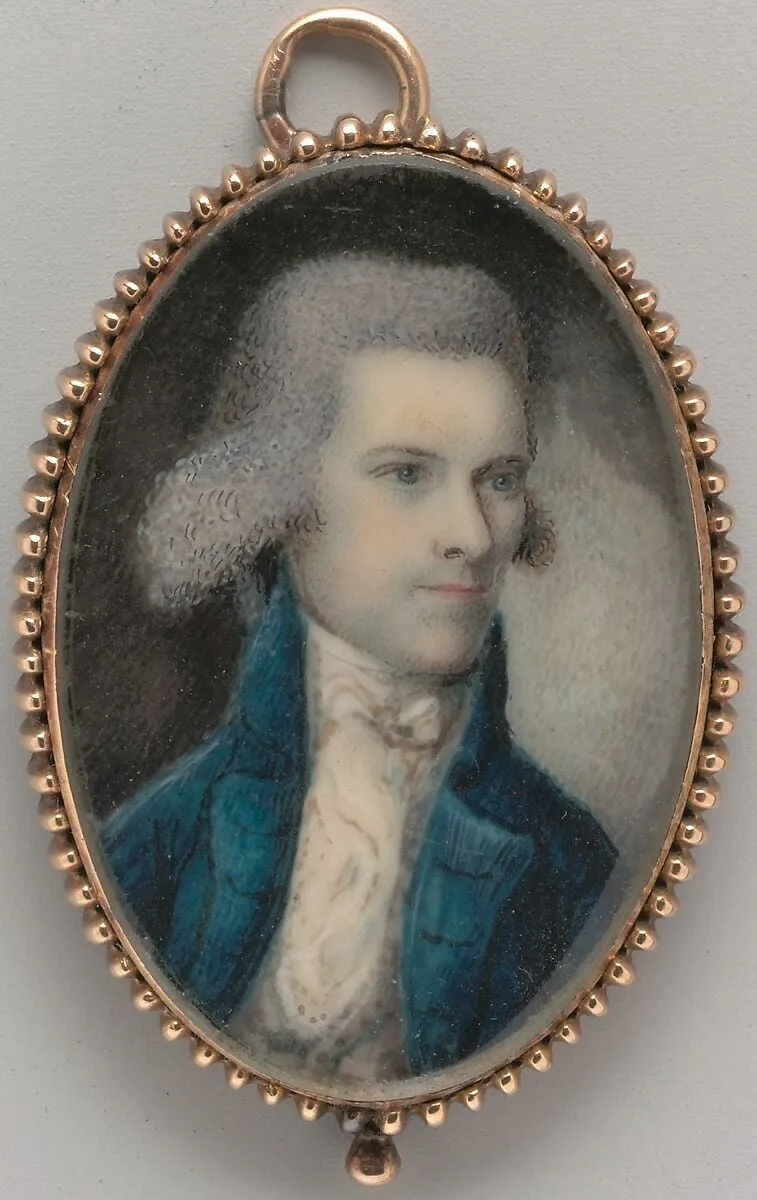
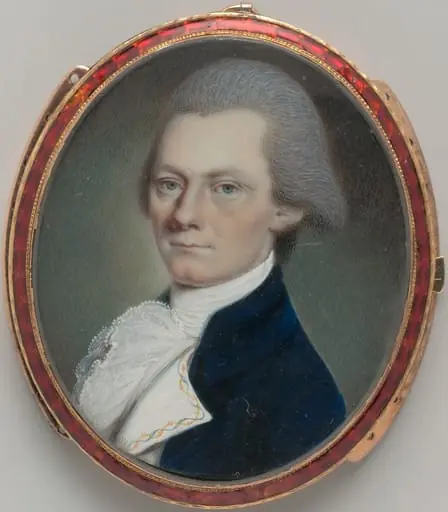
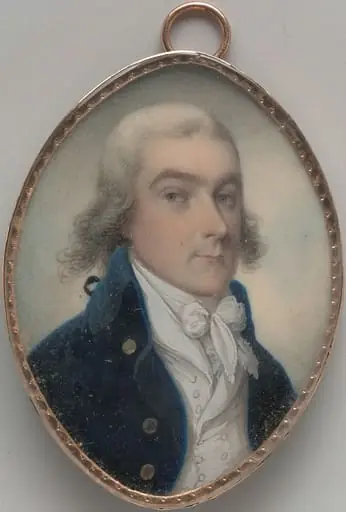
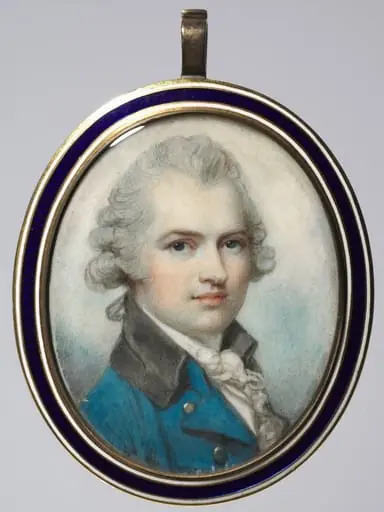
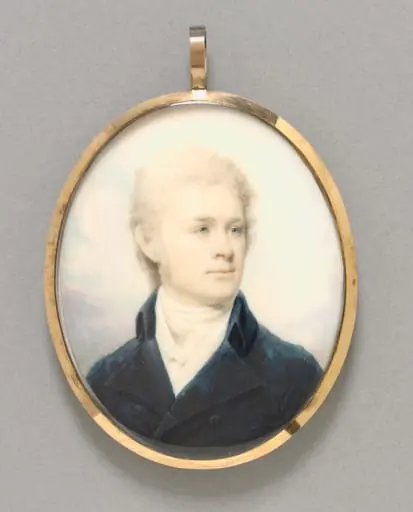
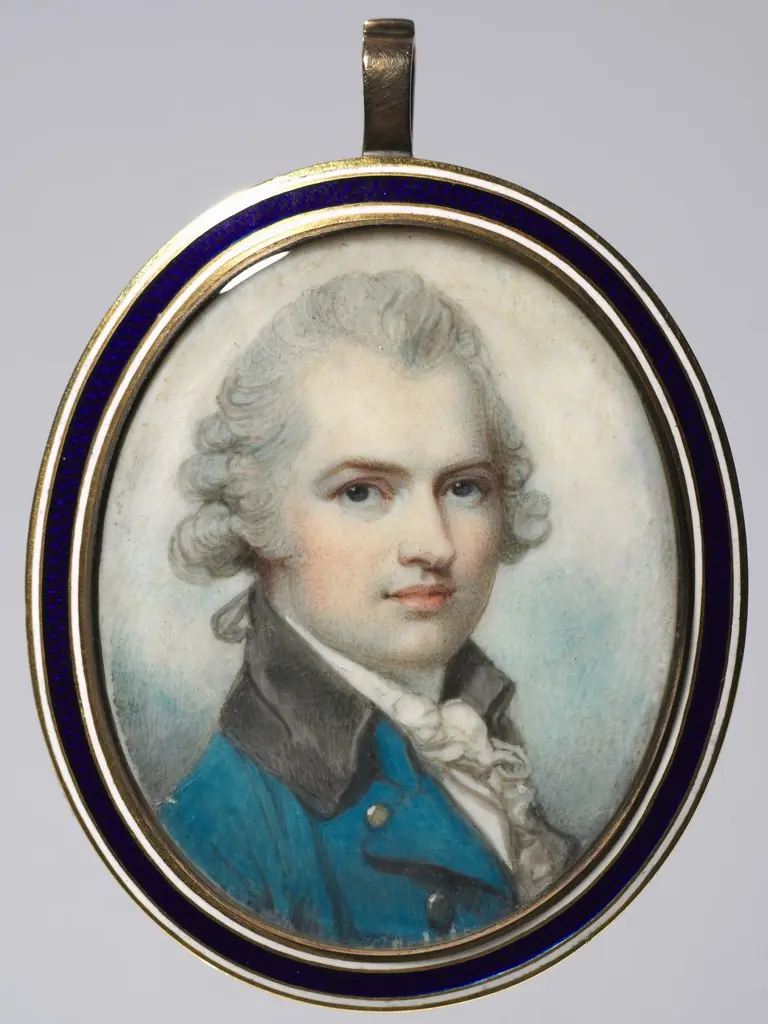
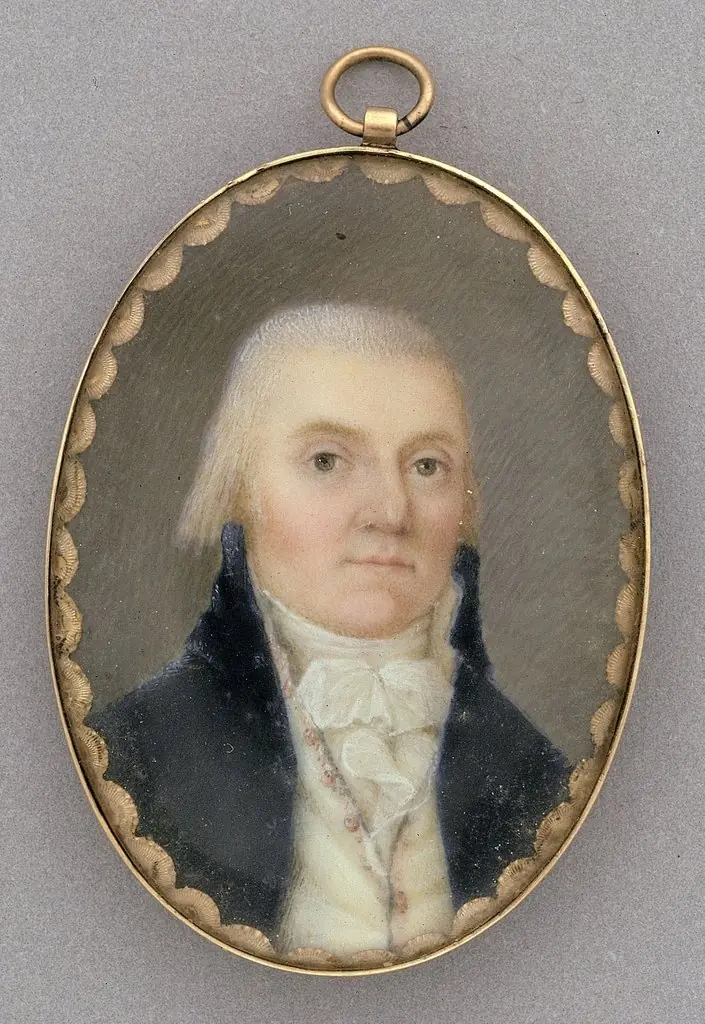
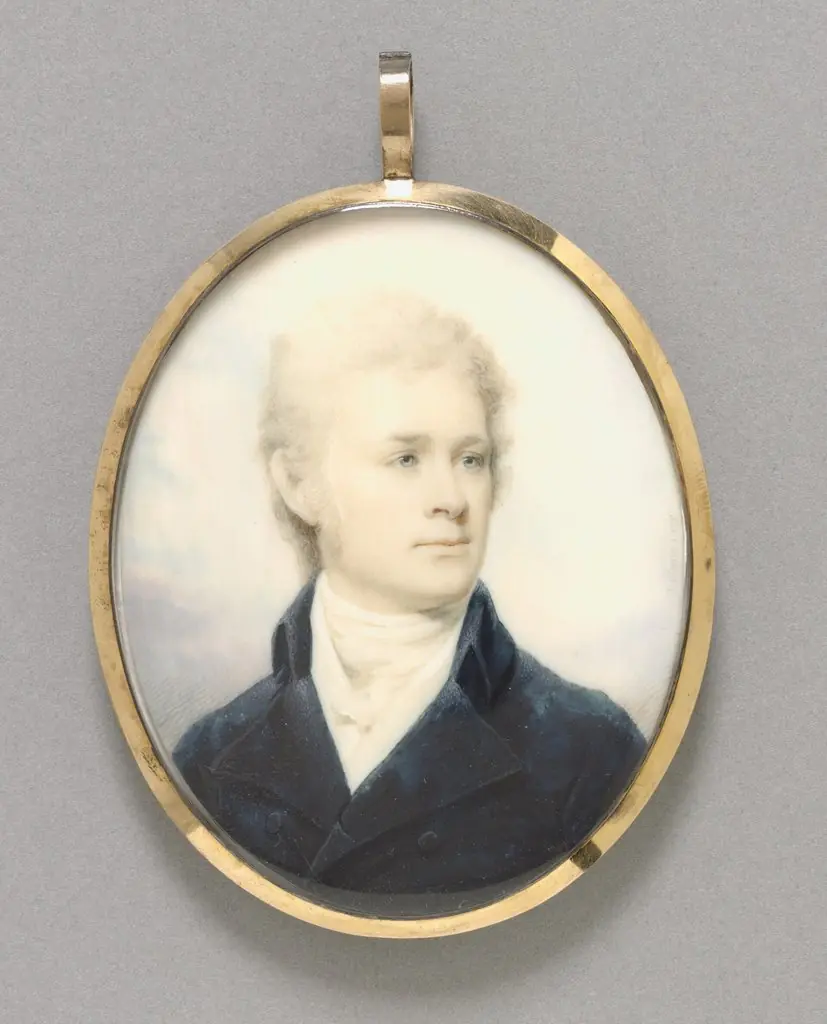
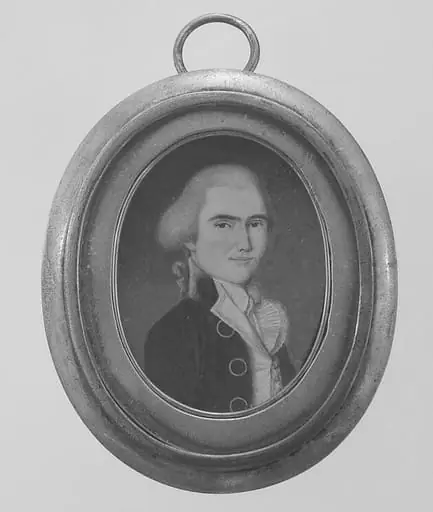
Portrait of a Gentleman is a watercolor painting by the Rococo painting artist Nathaniel Hancock. It dates from 1785 and is held in the collection of the Metropolitan Museum of Art.
- Accession no.
- 24.109.95
- Credit line
- Bequest of Charles Allen Munn, 1924
About this work
Subject & Meaning
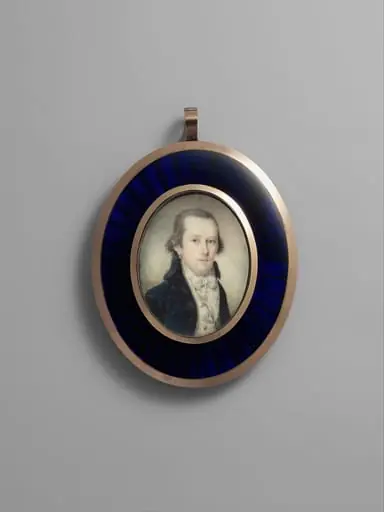
The painting depicts an unidentified 18th-century gentleman rendered in watercolour on ivory, a format typical of elite portraiture in the early United States.
The painting depicts an unidentified 18th-century gentleman rendered in watercolour on ivory, a format typical of elite portraiture in the early United States. The sitter is presented within the portrait genre, his formal appearance underscoring his status as an individual of refined social standing. The work's inclusion in The American Wing of the Metropolitan Museum of Art situates it as part of the narrative of American artistic heritage.
As a conventional portrait, it conveys the social aspirations and cultural values associated with gentlemanly identity in the late 1700s.
Technique & Style
Executed in 1785 by Nathaniel Hancock, this portrait utilises watercolour applied directly onto an ivory support, a medium characteristic of miniature painting during the late eighteenth century. The work measures approximately 3.5 inches in height by 2.2 inches in width, necessitating a highly refined and delicate handling of the brush to render details on such a small scale. The composition focuses on the bust of a male subject presented in a formal portrait genre typical of the period.
The choice of ivory as a ground allows for the luminous quality of the watercolour pigments to shine through, creating a smooth, porcelain-like surface finish.
History & Provenance
The miniature portrait was completed in 1785 and executed by Nathaniel Hancock in watercolour on ivory. Its early history remains undocumented until it entered the collection of The Metropolitan Museum of Art. No archival records link the sitter to a named individual or confirm the original patron who commissioned the work, and the painting's provenance prior to the twentieth century is therefore unrecorded.
The work is held in the Metropolitan Museum of Art in New York, catalogued within the American Wing's collection of early American portraiture. The specific accession number is not provided in the source documentation.
Legacy
The Portrait of a Gentleman (1785) by Nathaniel Hancock is housed in the Metropolitan Museum of Art's American Wing, where its status as an early American portrait has made it a reference point for scholarship on colonial-era portraiture. Its presence in the museum's permanent collection underscores its recognised importance within the narrative of American art history. The work's watercolour on ivory format exemplifies the material techniques and social conventions of representation in 18th-century American portraiture.
Overview
Nathaniel Hancock created this watercolor portrait, titled Portrait of a Gentleman, around 1785. Rendered on a small piece of ivory, the work depicts a man in formal attire. This miniature exemplifies a popular form of personal art from the late 18th century, offering an intimate glimpse into the period's portraiture practices.
Context
During the 18th century, miniature portraits like this one functioned much like modern photographs. Their diminutive size, often no larger than a playing card, made them suitable for personal keepsakes, carried in pockets or lockets. They provided a portable means for individuals to maintain a visual connection with family or to signify their social connections.
Artist & collection

Artist
Nathaniel Hancock's origins and training remain obscure, but his presence as a painter first surfaces in Boston newspaper advertisements from December 1789, when he announced his return to the city and opened a studio…