Artwork
Joseph Barrell, Jr. (1765-1801)
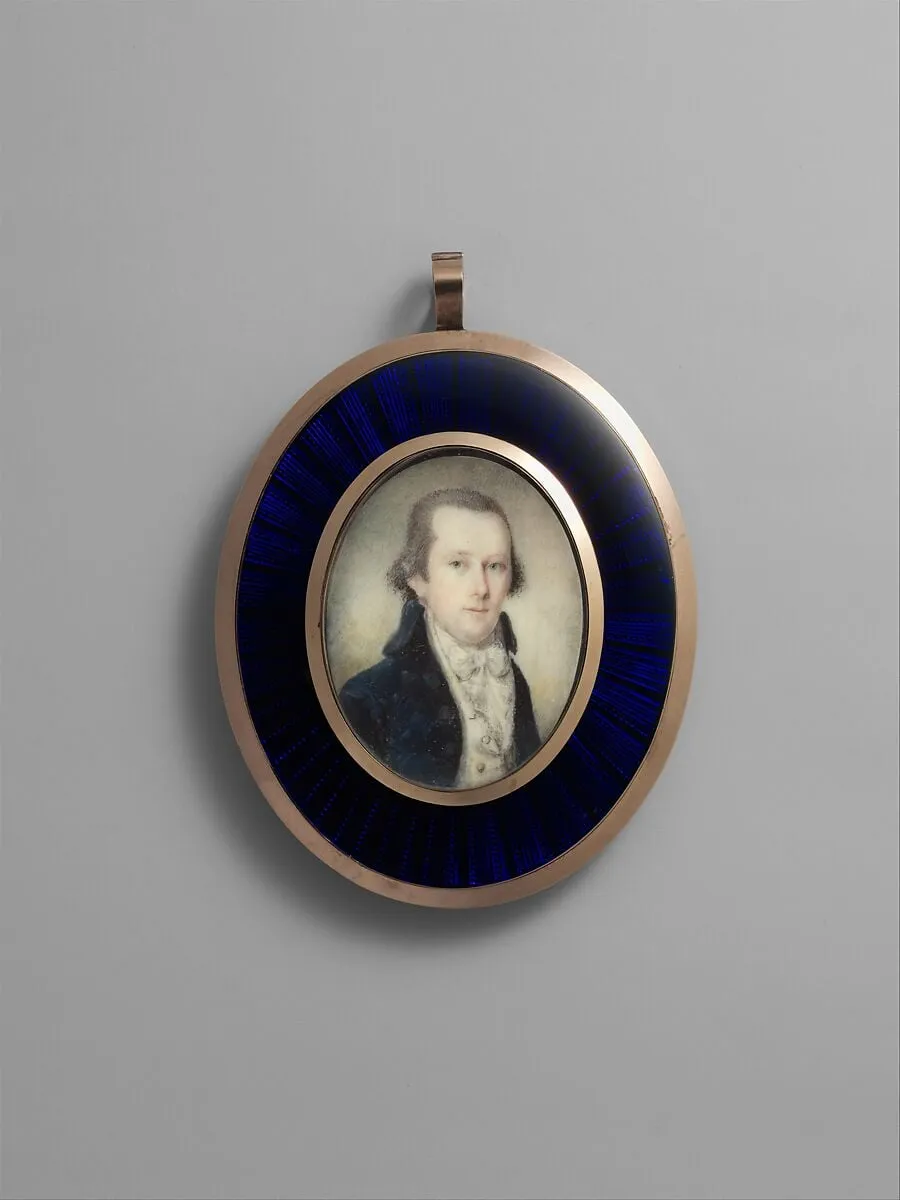
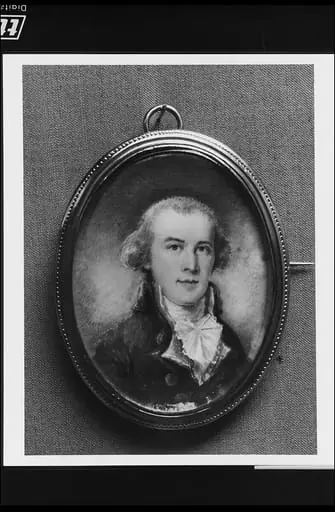
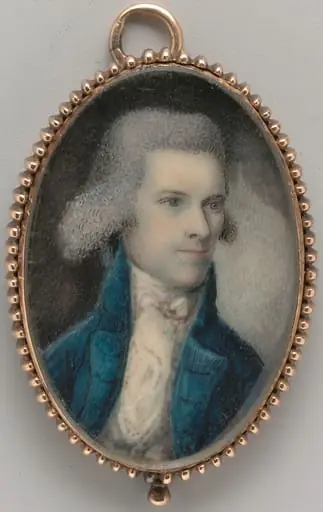
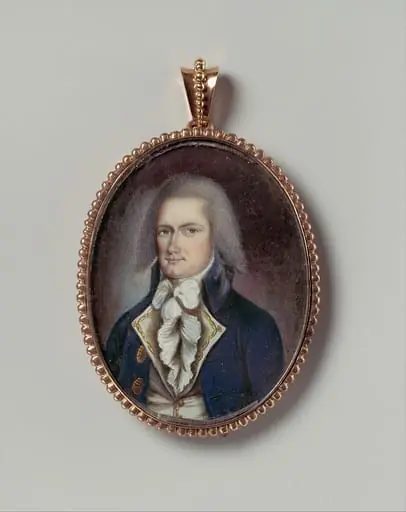
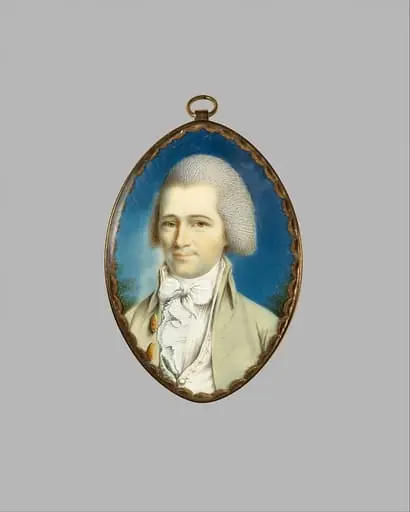
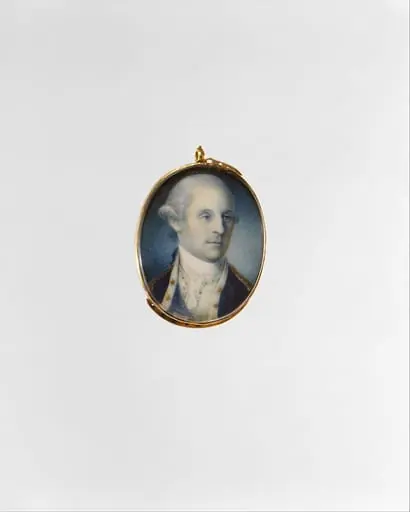
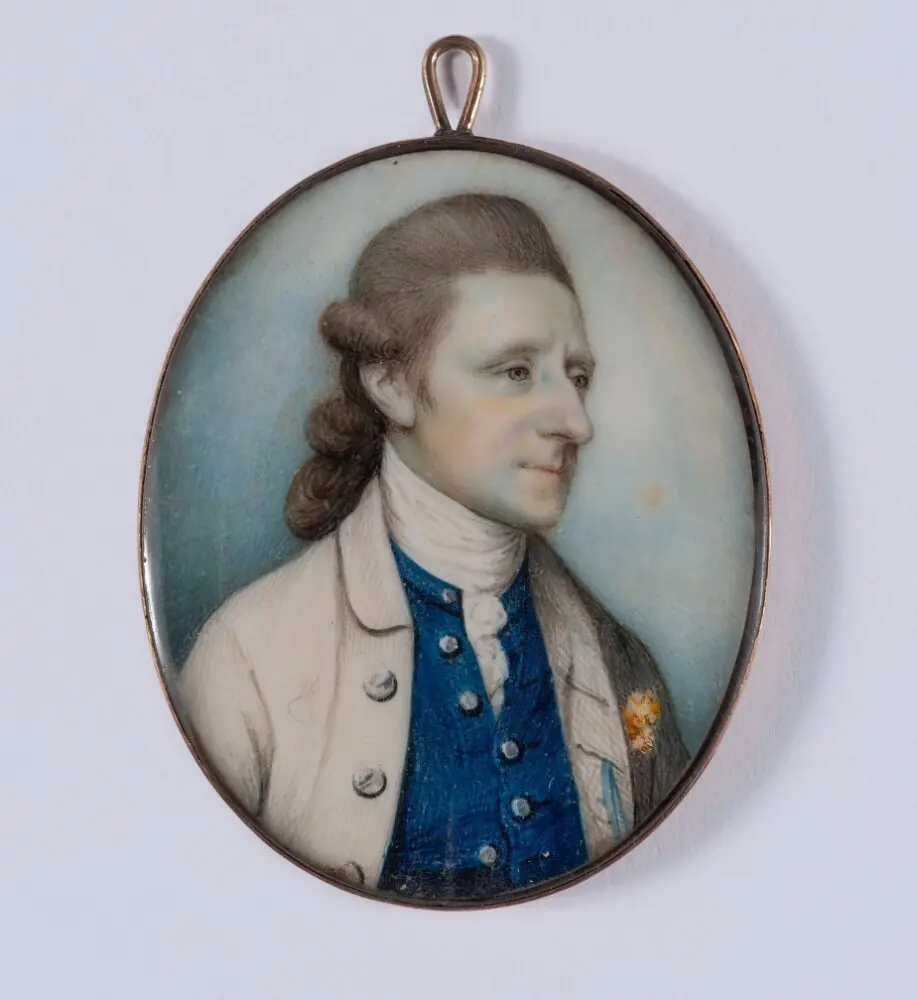
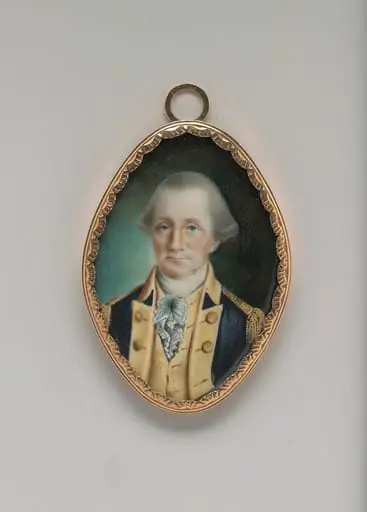
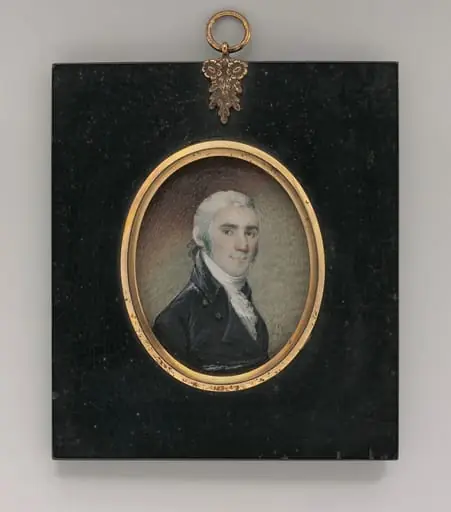
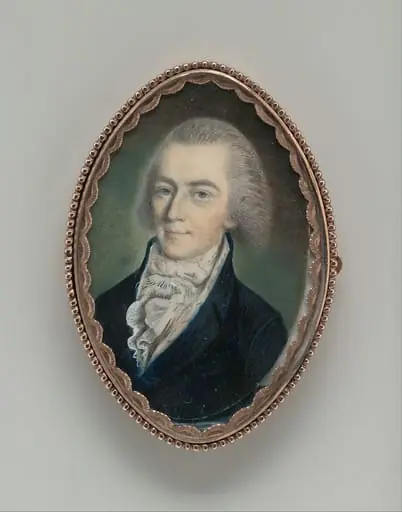
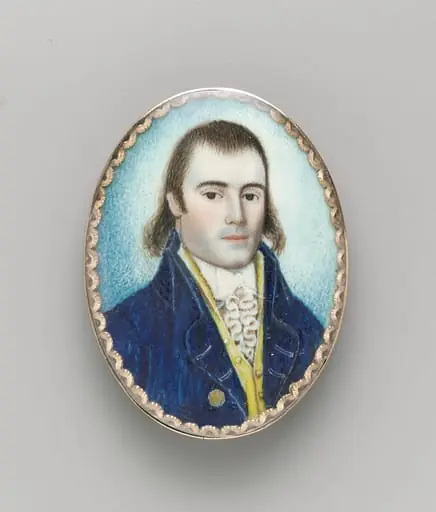
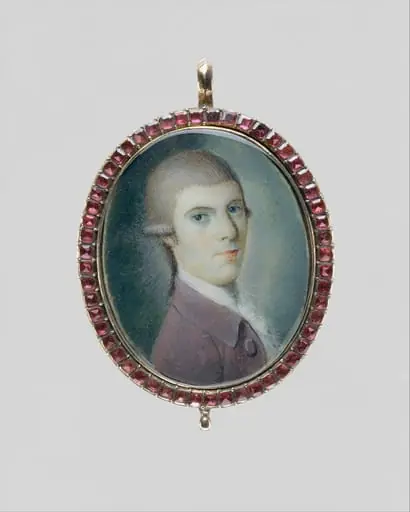
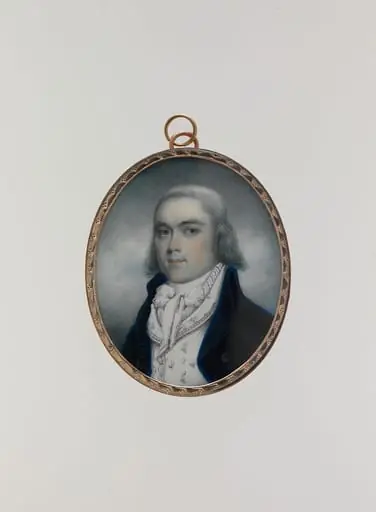
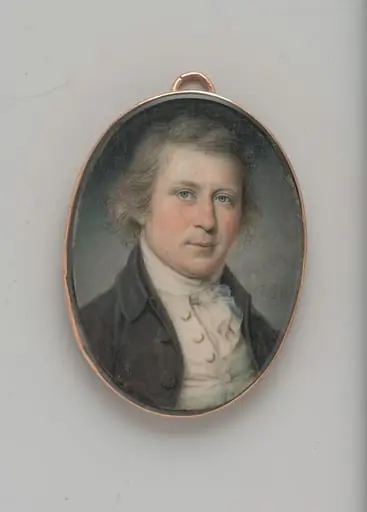
Joseph Barrell, Jr. (1765-1801) is a watercolor painting by the American Folk Art artist Nathaniel Hancock. It dates from 1790 and is held in the collection of the Metropolitan Museum of Art.
About this work
Subject & Meaning
As a genre piece, the artwork serves primarily as a documentary record of Barrell's appearance and social standing during his lifetime.
Executed in 1790, this watercolor on ivory functions as a formal portrait depicting Joseph Barrell, Jr. (1765–1801). The work's iconography is characteristic of late eighteenth-century miniature portraiture, focusing exclusively on the likeness of the male subject without additional allegorical figures or complex symbolic attributes. As a genre piece, the artwork serves primarily as a documentary record of Barrell's appearance and social standing during his lifetime.
The composition centers entirely on the individual, utilizing the intimate scale of the ivory medium to capture personal features rather than conveying broader narrative themes or abstract meanings beyond the representation of the sitter himself.
Technique & Style
The work is a watercolor portrait executed on a thin ivory support in 1790 by Nathaniel Hancock. The medium consists of delicate washes of watercolor applied to the polished ivory surface, a technique common for miniature portraiture of the period. Measuring roughly 7.5 cm by 6.1 cm, the piece belongs to the portrait genre and depicts a male sitter, reflecting the formal composition and restrained palette typical of early American portraiture.
It is housed in The American Wing of the Metropolitan Museum of Art, where it is catalogued as part of the museum's collection of colonial-era paintings.
History & Provenance
The portrait of Joseph Barrell, Jr. (1765–1801) was executed in 1790 by Nathaniel Hancock as a watercolor on ivory. It portrays the sitter as a man and belongs to the portrait genre. The work subsequently entered the collection of the Metropolitan Museum of Art, where it is housed in The American Wing.
Its dimensions measure 7.5 × 6.1 cm, and it carries an inception date of 1790. The painting remains part of the museum's permanent holdings.
Overview
This intimate watercolor portrait, created by Nathaniel Hancock around 1790, depicts Joseph Barrell, Jr. Rendered on a small slice of ivory, the artwork measures only three inches in height. Such miniature portraits were often designed to be worn or carried, functioning much like personal keepsakes or lockets. The piece offers a glimpse into the prevailing portraiture practices of late 18th-century America, emphasizing personal connection and detailed artistry.
Context
Miniature portraits like Joseph Barrell, Jr. were highly fashionable in the late 18th century, serving as cherished personal objects. Their small size made them ideal for private display or for being worn as jewelry, similar to a locket. These intimate artworks allowed individuals to carry the image of a loved one, reflecting a cultural emphasis on personal sentiment and close relationships during the period. They were often exchanged as tokens of affection or remembrance.
Artist & collection

Artist
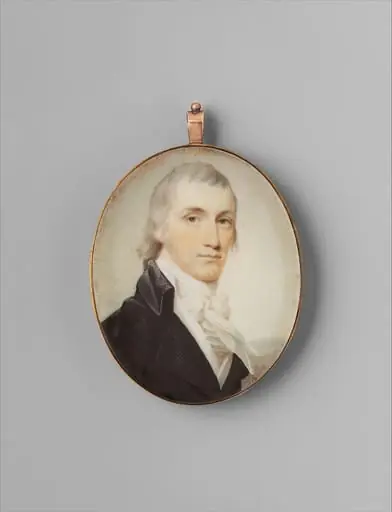
Nathaniel Hancock's origins and training remain obscure, but his presence as a painter first surfaces in Boston newspaper advertisements from December 1789, when he announced his return to the city and opened a studio…