Artwork
The rape of Europa
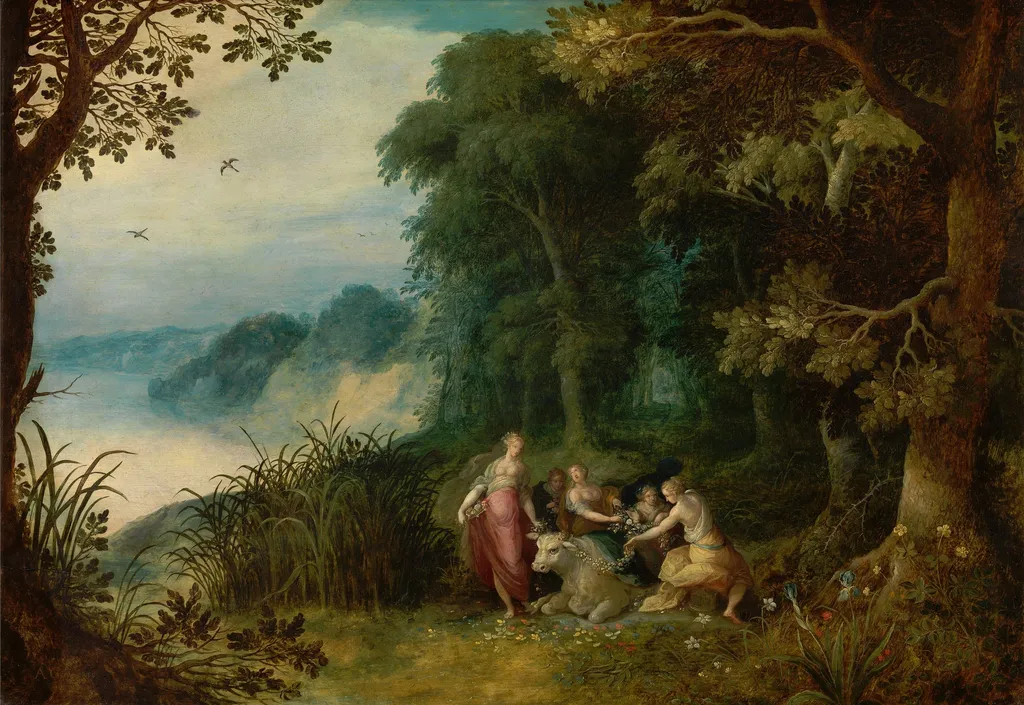
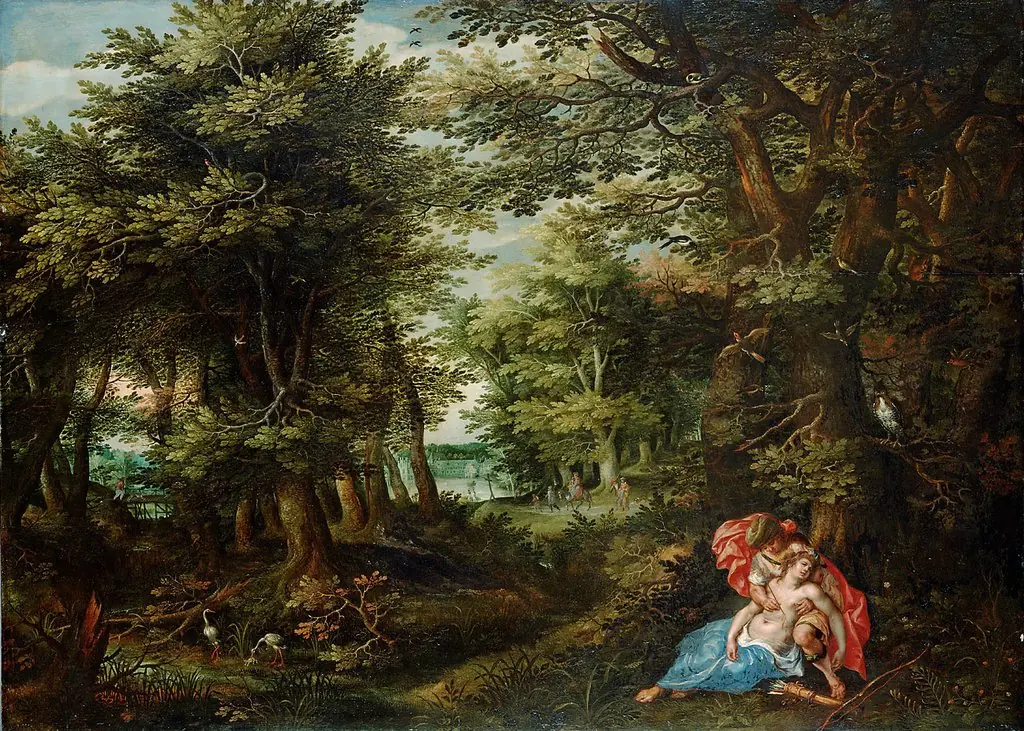
The rape of Europa is an oil painting by the Flemish Baroque painting artist Abraham Govaerts. It dates from 1621 and is held in the collection of the Royal Museum of Fine Arts Antwerp.
About this work
Subject & Meaning
Together these motifs transform a story of abduction into a meditation on the unpredictable force of love and the vulnerability of mortals before the gods.
The painting depicts the myth of the rape of Europa, a classical narrative in which the Phoenician princess Europa is abducted by Zeus, who has transformed himself into a white bull to approach her unnoticed. The work shows Europa together with a bull and a tree, the three elements that anchor the iconography of the episode: the animal form of the god, his mortal victim, and the shoreline setting from which she is taken. As a mythological painting, the image belongs to a long tradition of Ovidian subjects favored by early seventeenth-century Flemish artists, who used such stories to explore themes of transformation, seduction, and divine power.
The compact landscape format, with Europa carried off into a wooded environment, emphasizes the moment of seizure and the intrusion of the supernatural into the natural world.
The symbolism centers on the bull as a disguise for divine desire and on Europa as the embodiment of vulnerable beauty, while the tree alludes to the coastal grove where, according to the myth, she was gathering companions before being lured away. Together these motifs transform a story of abduction into a meditation on the unpredictable force of love and the vulnerability of mortals before the gods.
Technique & Style
The painting is executed in oil paint on canvas, measuring 54.5 cm by 86.5 cm. It depicts the mythological scene of Europa being abducted by a bull, rendered with the characteristic handling of 17th‑century Flemish oil technique. The work belongs to the mythological genre and is part of the Royal Museum of Fine Arts Antwerp's collection, where it is displayed in its original support and condition.
History & Provenance
The painting was created in 1621 by Abraham Govaerts, depicting the mythological scene of Europa's rape. It is executed in oil on canvas and measures 54.5 cm in height by 86.5 cm in width. The work entered the collection of the Royal Museum of Fine Arts Antwerp, where it remains part of the Flemish art collection.
Its creation is documented as part of the artist's output in that year, with the subject drawn from classical mythology.
The painting is held by the Royal Museum of Fine Arts Antwerp (KMSKA), where it is part of the collection of the Vlaamse Kunstcollectie. No accession number is recorded in the available sources.
No exhibition history is documented in the provided sources.
Context
Abraham Govaerts painted The rape of Europa in 1621, an oil on canvas work depicting the mythological scene of Europa and the bull within a mythological painting genre. The composition shows Europa seated on the bull amidst a tree, reflecting Baroque interpretations of mythological narratives. The painting is housed in the Royal Museum of Fine Arts Antwerp as part of the Vlaamse Kunstcollectie, underscoring its significance within Flemish artistic tradition and the broader context of 17th-century mythological painting.
Scholarly attention to the work focuses on its stylistic placement within Govaerts' oeuvre and its contribution to the evolution of mythological subjects in early Flemish art, though specific critical commentary remains sparse in available records.
Legacy
The painting The rape of Europa by Abraham Govaerts, executed in 1621, exerted influence through its mythological portrayal of the Europa bull narrative, shaping later interpretations of the subject within Flemish art circles. Its reputation persisted through inclusion in the Royal Museum of Fine Arts Antwerp's collection, where it remains on display, underscoring its enduring legacy as a representative work of 17th-century mythological painting. The work's composition and subject treatment contributed to the broader discourse on Baroque interpretations of classical myths in the region.
The painting's legacy is anchored in its physical presence within the museum's holdings and its role as a documented example of mythological genre painting from the period.
Overview
Abraham Govaerts painted The Rape of Europa in 1621 using oil on a small panel. The composition places a woman in a pink garment beside a white bull, surrounded by several attendants, within a densely wooded landscape that recedes into gentle hills. The scene is rendered with a calm yet slightly charged atmosphere, highlighted by vivid floral accents against the surrounding foliage.
Own this work as a print
Artist & collection
Artist
Abraham Govaerts (1589 – 9 September 1626) was a Flemish painter who specialized in small cabinet-sized forest landscapes in the manner of Jan Brueghel the Elder and Gillis van Coninxloo.

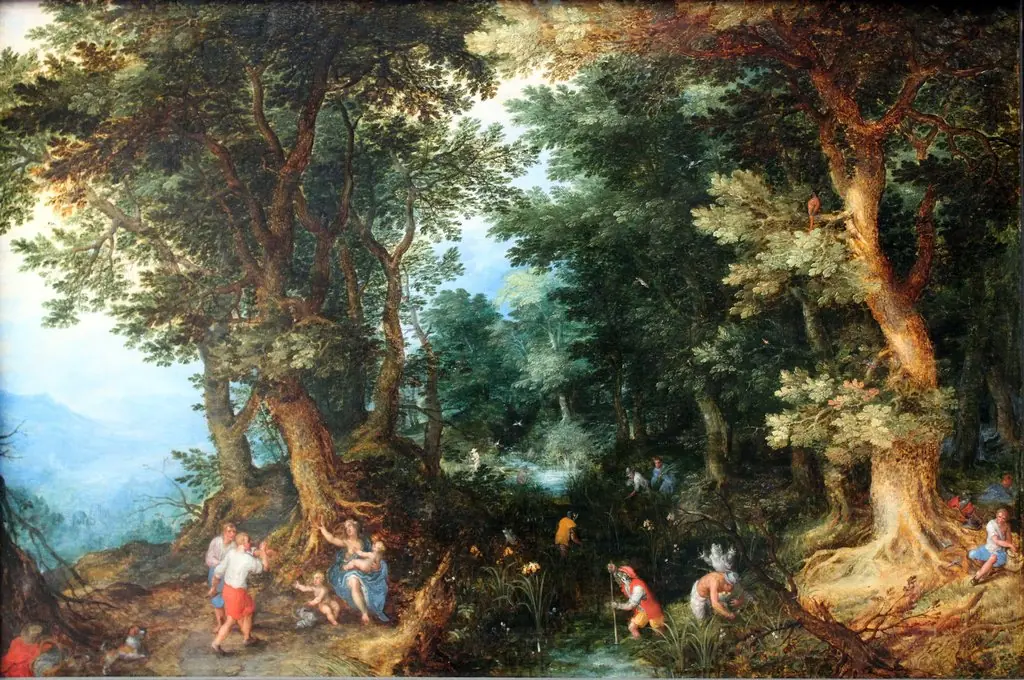
- The Mocking of Latona
 Finding of Moses
 Minerva Visits the Muses
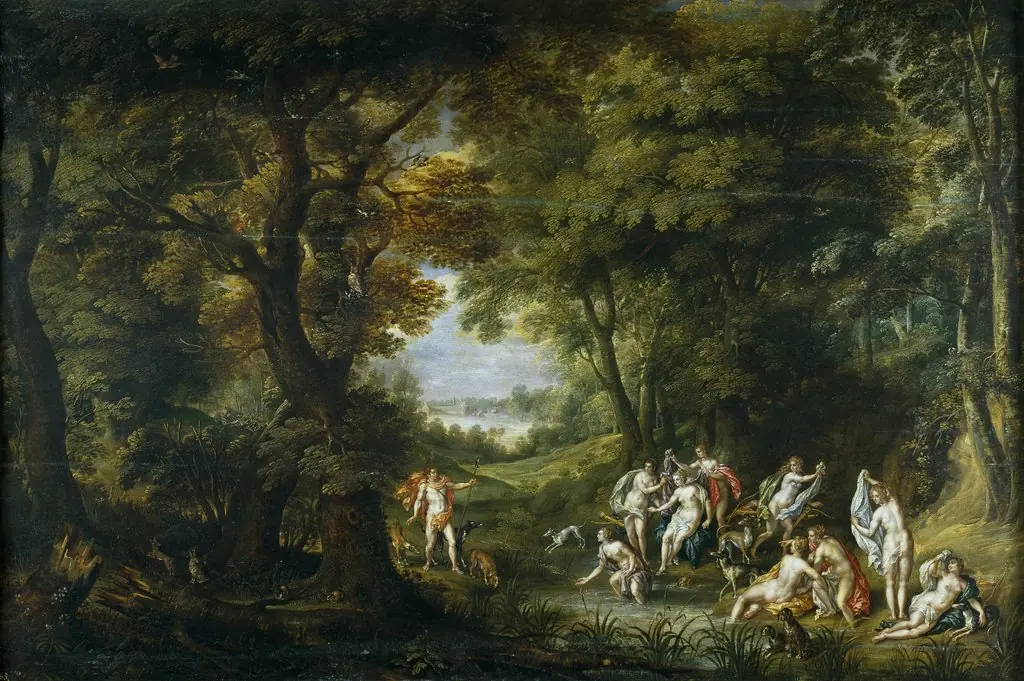 Landscape with Diana and Acteon
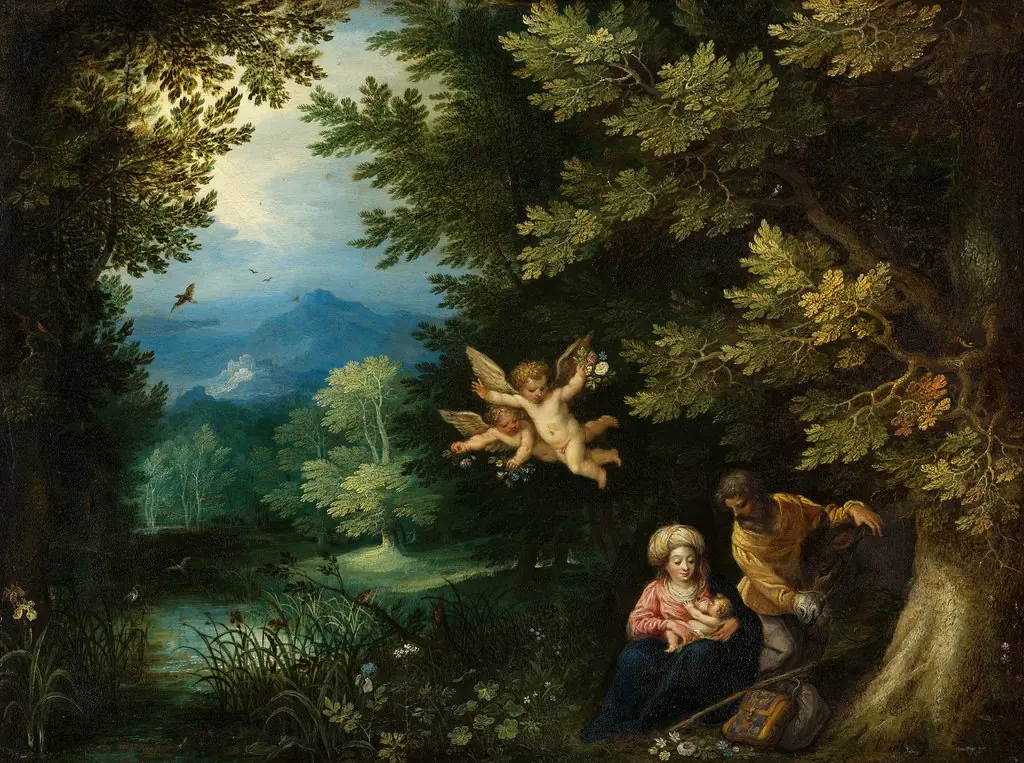 Rest on the Flight into Egypt
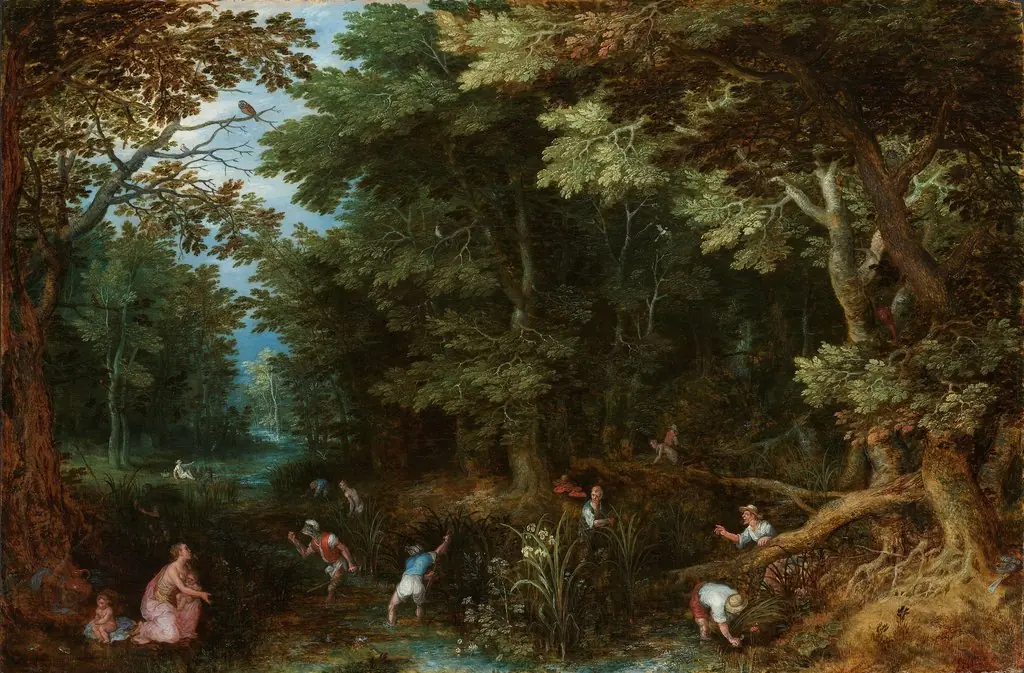 Latona and the Lycian Peasants
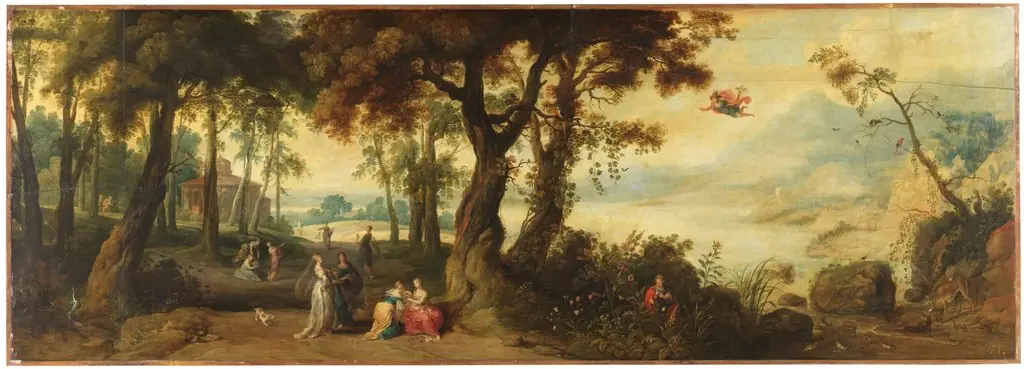 Landscape with Mercury and Herse
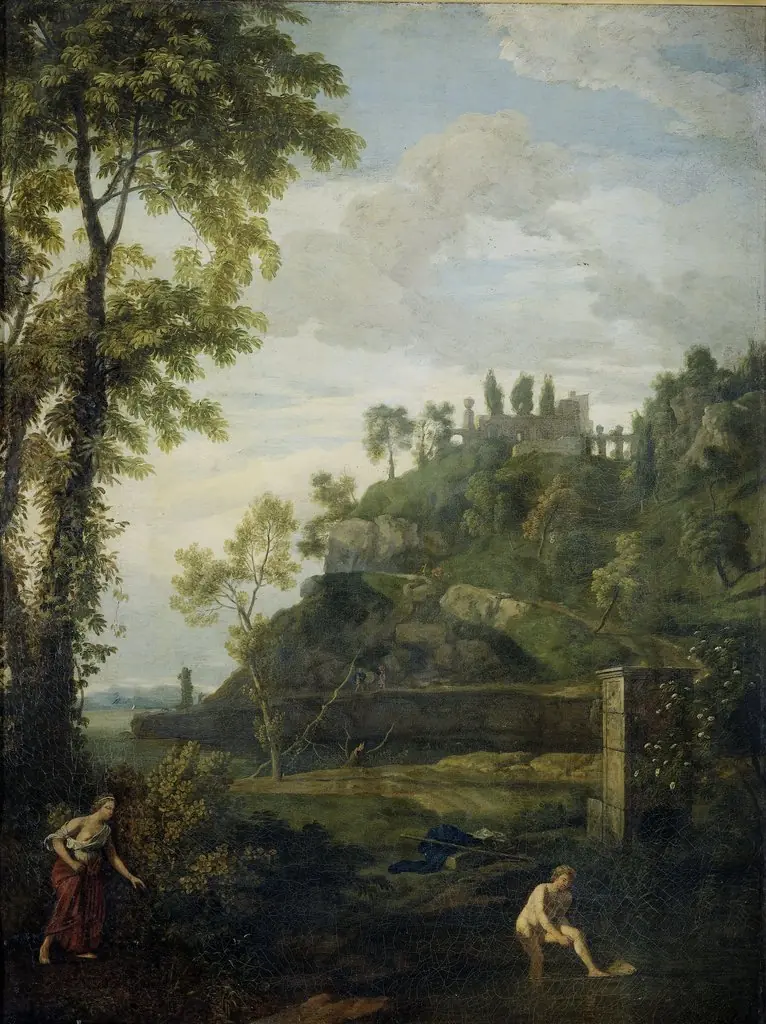 Arcadian landscape with Salmacis and Hermaphroditus
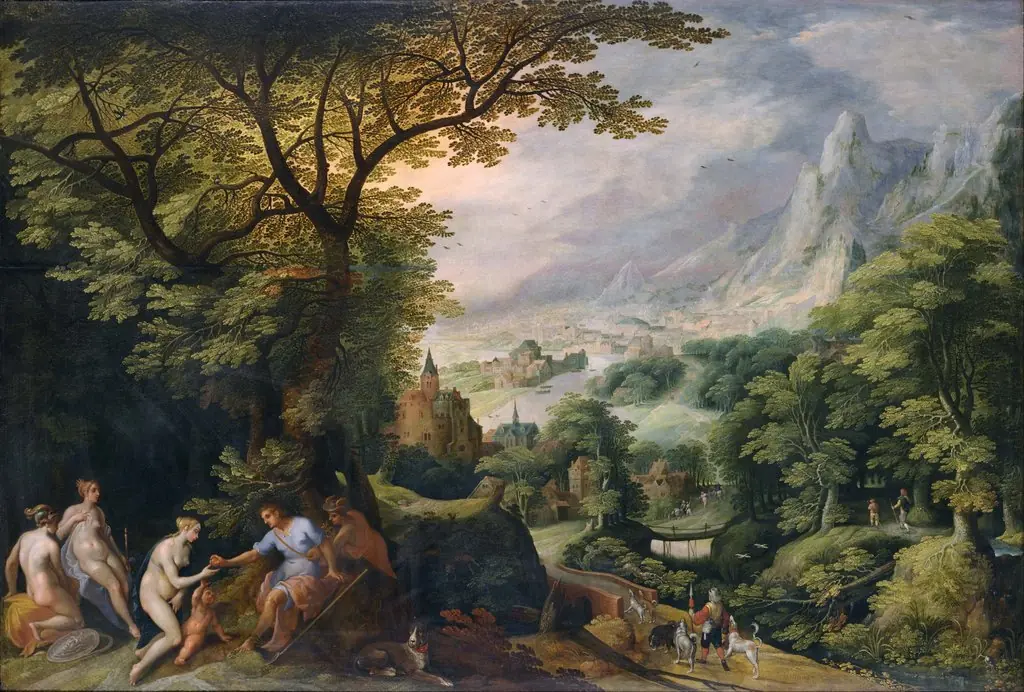 Landscape with the Judgement of Paris
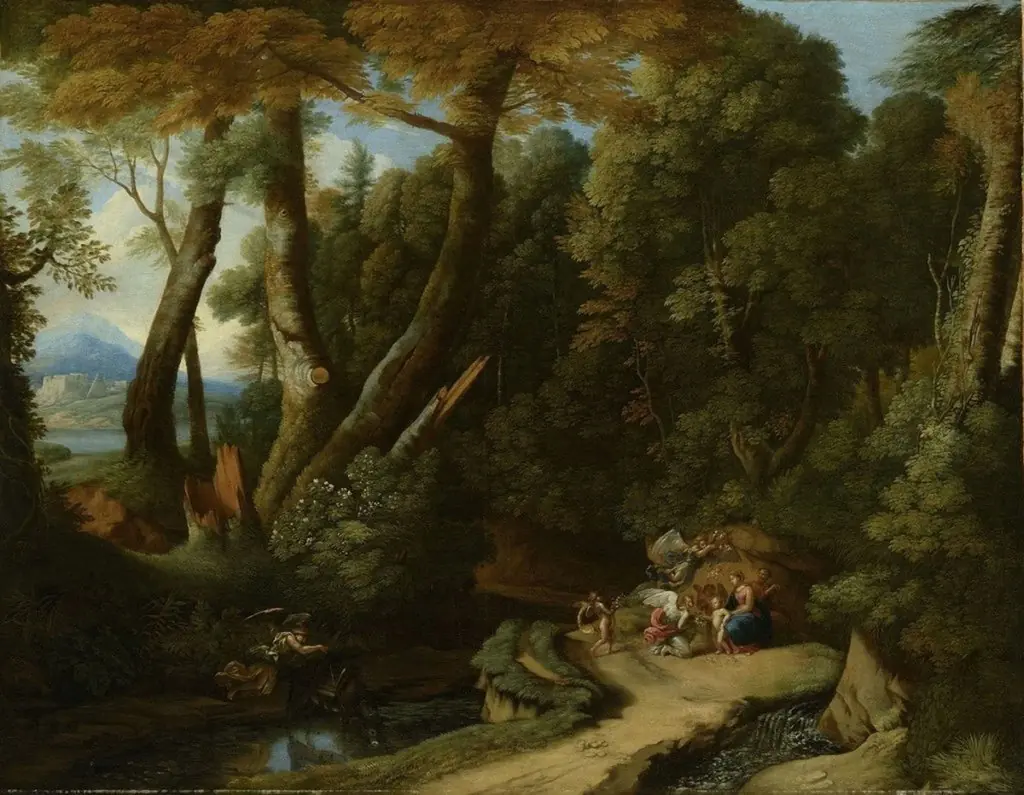 Landscape with the Flight into Egypt
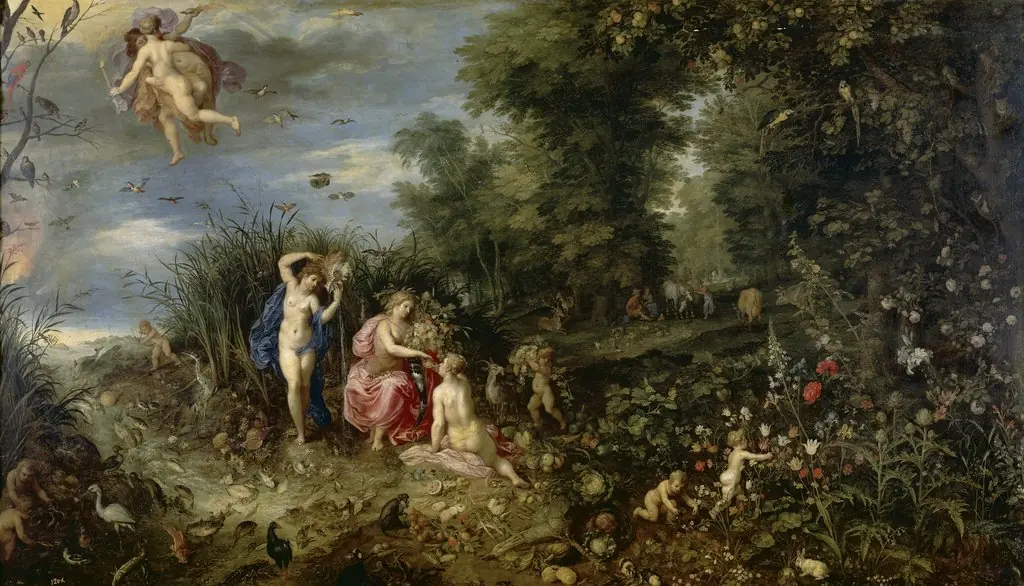 Abundance and the Four Elements
 Landscape with Cephalus and Procris