Artwork
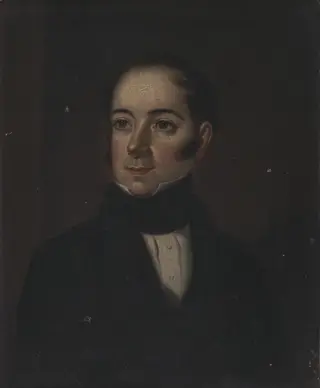
Portrait of Johannes Petrus Schouberg, Stamp Engraver at the Imperial Mint in Utrecht
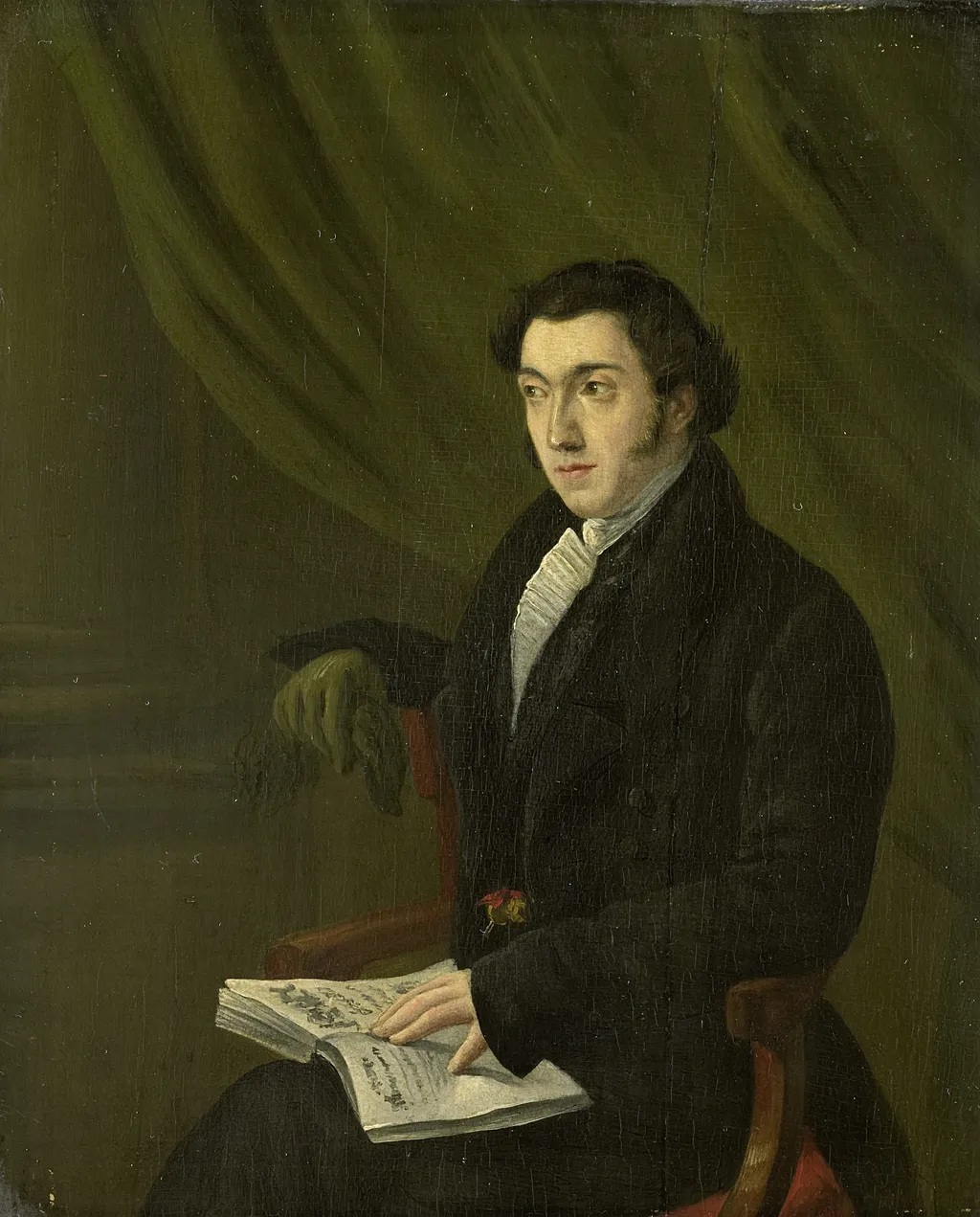
Portrait of Johannes Petrus Schouberg, Stamp Engraver at the Imperial Mint in Utrecht is an oil painting by the Realist artist Abraham Hendrik Winter. It dates from 1850 and is held in the collection of the Rijksmuseum.
About this work
Subject & Meaning
Winter places him in a formal pose that emphasizes his professional role, using muted tones and careful detail to convey the dignity of his trade.
The portrait shows Johannes Petrus Schouberg, who worked as a stamp engraver at the Imperial Mint in Utrecht. Winter places him in a formal pose that emphasizes his professional role, using muted tones and careful detail to convey the dignity of his trade. The painting thus represents both an individual likeness and a broader commentary on the skilled labor that underpinned the Dutch minting system in the mid‑nineteenth century.
Technique & Style
The portrait is executed in oil paint on a wooden panel support, a traditional combination consistent with mid-nineteenth-century Dutch portrait practice. The work is modest in scale, measuring 24.3 cm in height by 19.7 cm in width, an intimate format suited to a commemorative likeness of the sitter, the stamp engraver J.P.F. Schouberg. Classified simply as a painting and categorized within the portrait genre, the medium and small panel format suggest careful, controlled handling rather than the broader facture of a large canvas. The work is held in the Rijksmuseum collection.
History & Provenance
The portrait was painted in 1850 by Abraham Hendrik Winter, as indicated by the artist’s date and the work’s accession record.
It entered the collection of the Rijksmuseum, where it is held in 19th-century holdings. The painting depicts Johannes Petrus Schouberg, who served as stamp engraver at the Imperial Mint in Utrecht, aligning the subject’s profession with the work’s documented purpose.
Overview
Created around 1850, this oil portrait by Abraham Hendrik Winter presents Johannes Petrus Schouberg, who served as stamp engraver for the Imperial Mint in Utrecht. The work is part of the Rijksmuseum’s collection and exemplifies mid‑nineteenth‑century Dutch portraiture, focusing on the individual’s professional identity through a restrained, formal composition.
Context
During the mid‑1800s, Dutch institutions such as the Imperial Mint commissioned portraits to honor key officials. Winter’s work reflects this tradition, balancing realism with a modest, almost documentary approach, aligning with the period’s emphasis on representing professional stature rather than romanticized idealization.
Own this work as a print
Artist & collection

- Benjamin Roos, Parys
 Portrait of Jonas Daniel Meijer, Lawyer
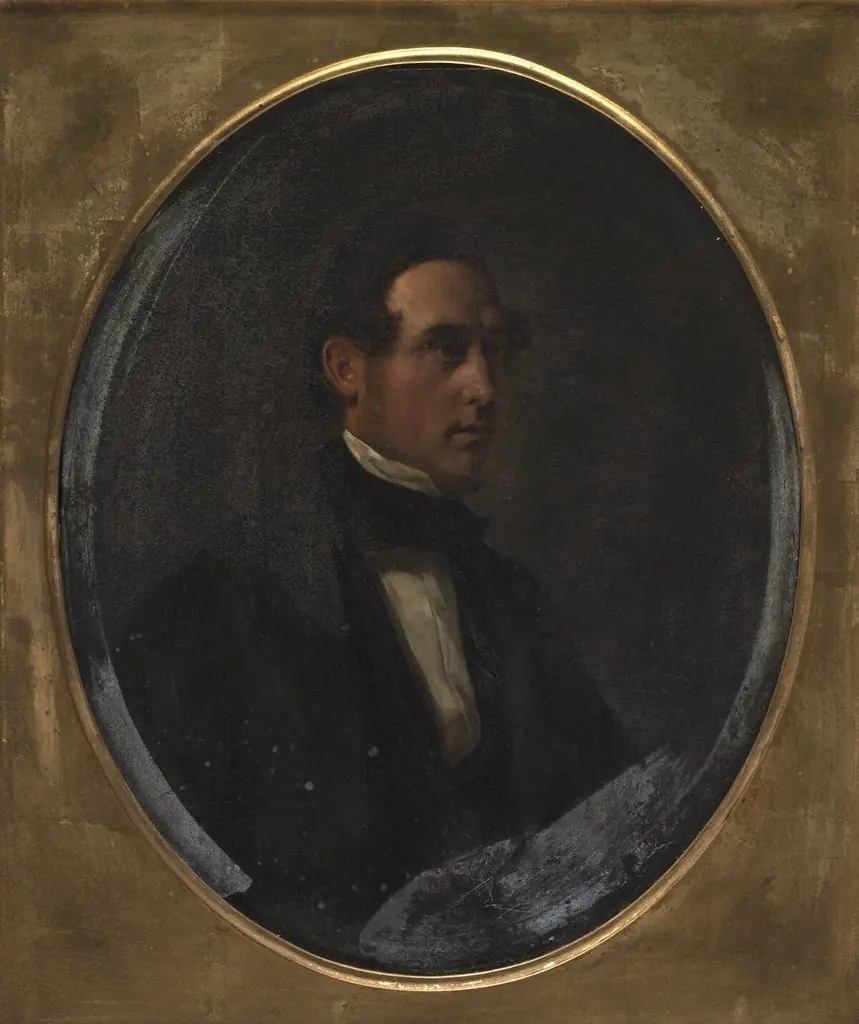 Portrait of a gentleman, aged 34
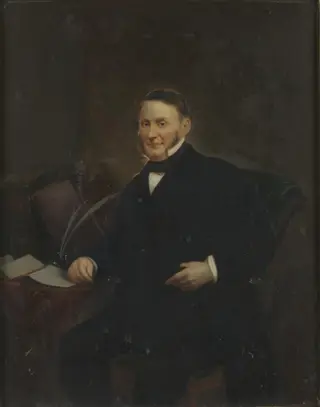 Ebenezer Cooper, Llangollen
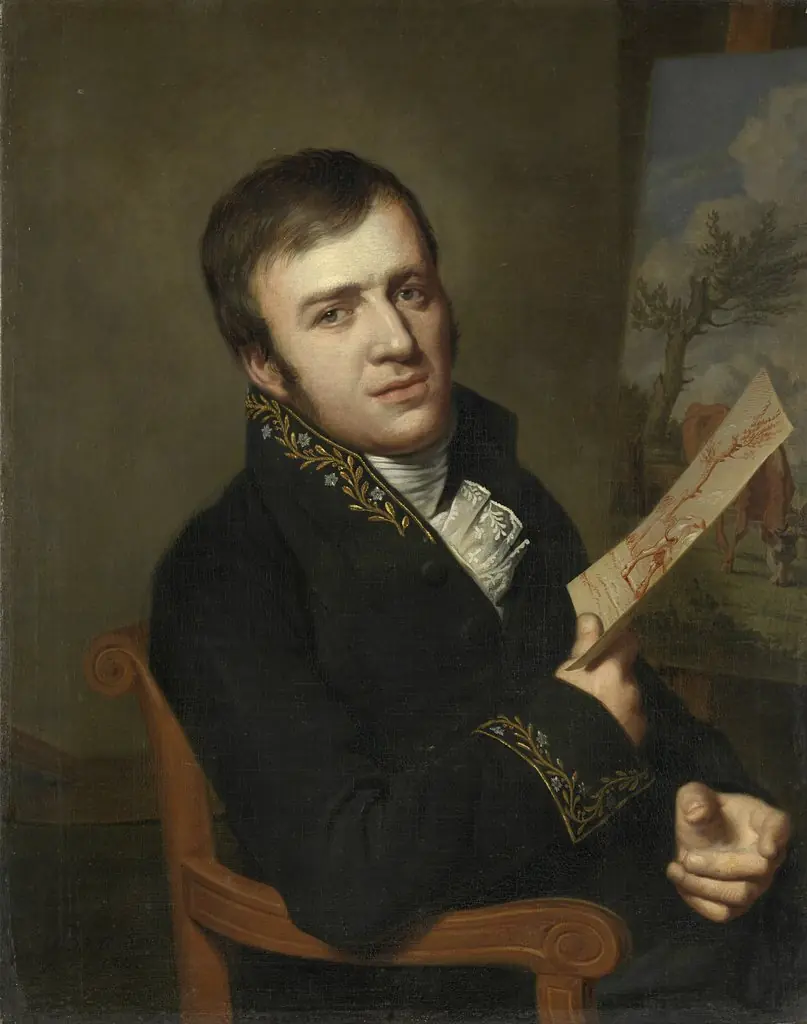 Jan Kobell II, Painter, in the Uniform of a Member of the Royal Institute of Sciences, Literature and Fine Arts
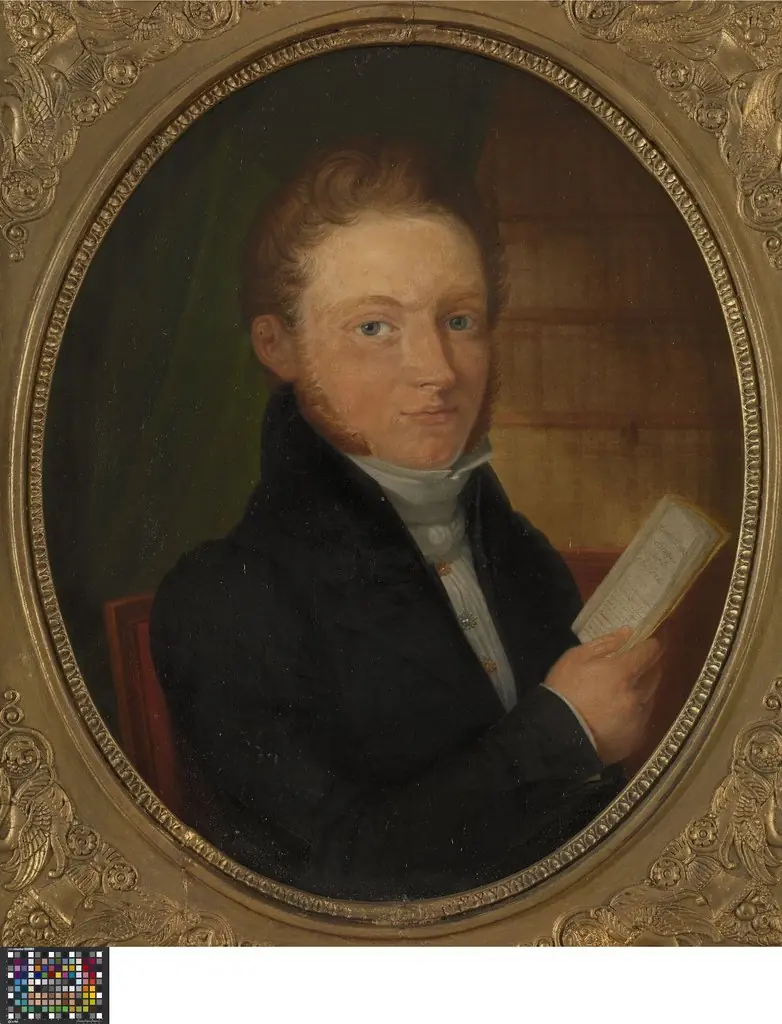 Portret van geneesheer Jacobus Lambrecht
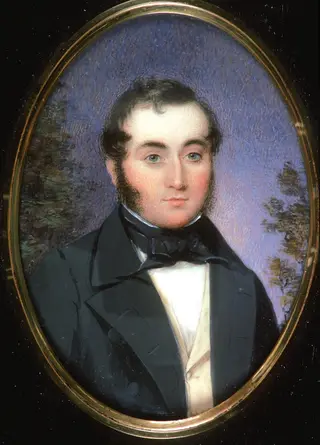 Gentleman in black coat
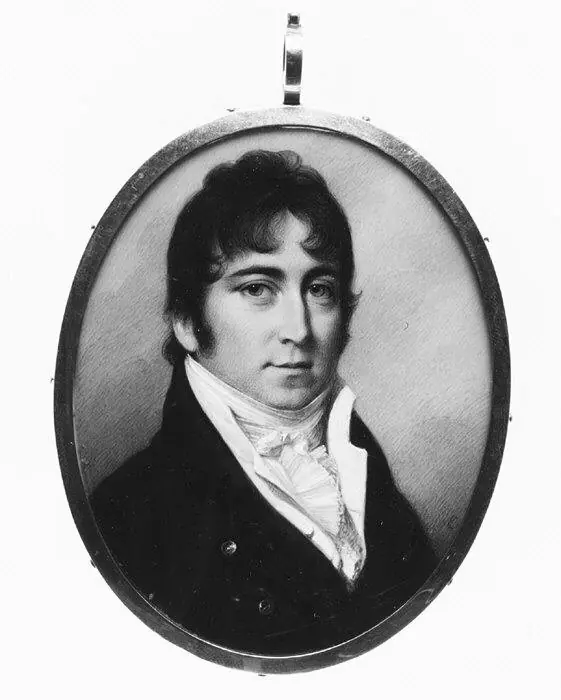 Portrait of a Man, Said to Be Mr. De Wolf
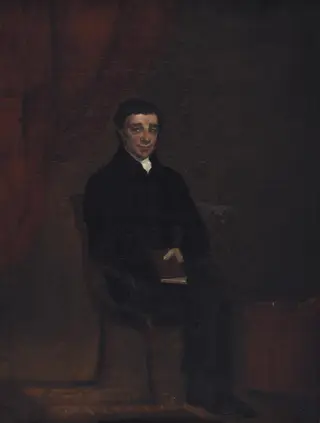 Rev. Morgan Howells
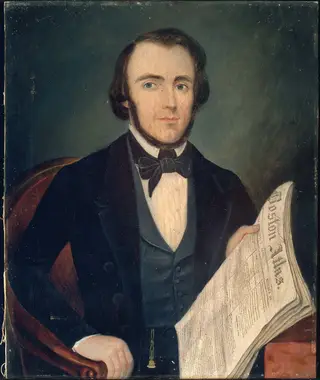 Portrait of a Man with Boston "Atlas"
 John Davies
 Gabriel V. Ludlow