Artwork
The Crucifixion
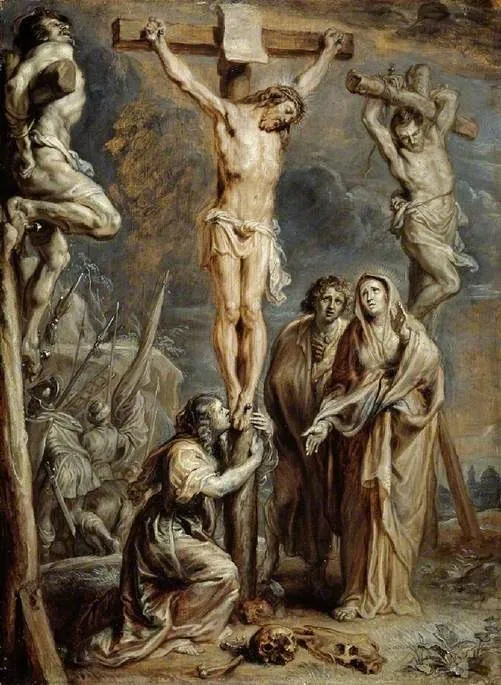
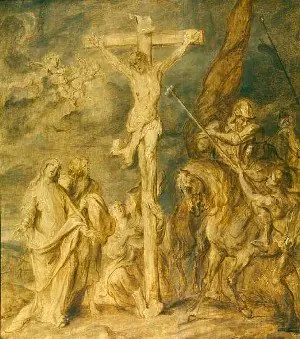
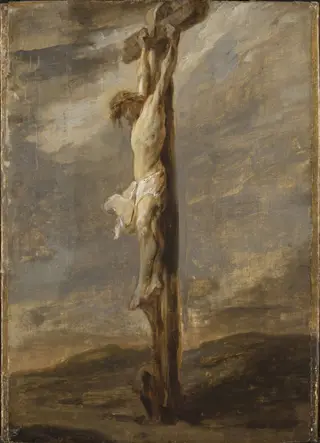
The Crucifixion is an oil painting by the Flemish Baroque painting artist Abraham van Diepenbeeck. It dates from 1650 and is held in the collection of the Fitzwilliam Museum.
About this work
Subject & Meaning
The painting depicts the Crucifixion of Jesus Christ, the central event of the Christian Passion narrative and the principal subject of the work.
The painting depicts the Crucifixion of Jesus Christ, the central event of the Christian Passion narrative and the principal subject of the work. According to the documented iconography, the scene includes the Virgin Mary, John the Evangelist, and Mary Magdalene gathered at the foot of the cross, alongside the two thieves crucified alongside Christ, the penitent and the impenitent, a grouping that establishes the moral contrast between salvation and damnation central to Crucifixion imagery.
Rendered in grisaille (monochrome oil on panel), the work adopts a restrained, sculptural palette that emphasizes devotional contemplation rather than dramatic spectacle, a format commonly used for private religious meditation in the mid-seventeenth century. The subject represents Christ's sacrificial death and the promise of redemption, with the assembled mourners and the two thieves serving as witnesses to both human suffering and divine grace.
Technique & Style
Executed in 1650, this work is a grisaille painting created with oil paints on a wooden panel support. The monochromatic technique relies on shades of grey to model the figures and simulate the appearance of sculpted relief rather than utilizing a full color palette. The composition depicts the Crucifixion of Jesus, flanked by the Virgin Mary, John the Evangelist, Mary Magdalene, and the two thieves.
Measuring 45 cm in height and 32.8 cm in width, the small-scale format suggests an intimate devotional function. The handling of the medium demonstrates a focus on tonal variation to define form and spatial depth within the religious scene.
History & Provenance
Abraham van Diepenbeeck painted The Crucifixion in 1650 as an oil on panel work measuring 45 by 32.8 cm. The Fitzwilliam Museum holds the painting in its collection and acquired it in 1972 through a purchase from the University Purchase Fund. The artwork depicts Jesus Christ, Mary, John the Evangelist, Mary Magdalene, and two thieves at the foot of the cross, rendered in grisaille technique. Its provenance traces to the University Purchase Fund acquisition, establishing the museum as its current owner.
The Crucifixion is held by the Fitzwilliam Museum in Cambridge, where it is catalogued under accession number PD.77-1972. The work entered the collection through purchase from the University Purchase Fund in 1972 and has been displayed in several exhibitions at the museum, most recently in the 2019 exhibition "Cambridge: The Creation of a City," which traced the institution’s development from its founding to the present day. The painting, executed in grisaille oils on panel, measures 45 cm by 32.8 cm and depicts the crucifixion of Jesus with figures including Mary, John the Evangelist, Mary Magdalene, and the penitent and impenitent thieves.
It was acquired by the museum in 1972 and has remained part of the permanent display of European religious art.
Overview
Created circa 1650, this oil painting portrays the crucifixion of Christ with a solemn, restrained palette of browns and grays. Central to the composition is the nailed figure of Jesus, flanked by two additional crucified men, while a gathering of mourners in long robes watches from below. The work’s quiet intensity invites contemplation of the biblical event.
Context
Van Diepenbeeck’s activity overlapped with the workshop of Peter Paul Rubens, situating him within the broader Flemish Baroque milieu of 17th‑century Flanders. The painting’s devotional subject aligns with contemporary church patronage, while its restrained aesthetic distinguishes it from the more exuberant Rubensian productions, illustrating the diversity of Antwerp’s artistic output.
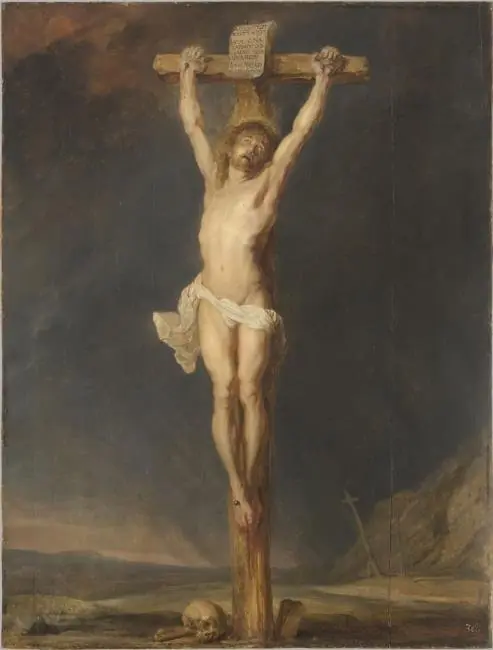
Artist & collection
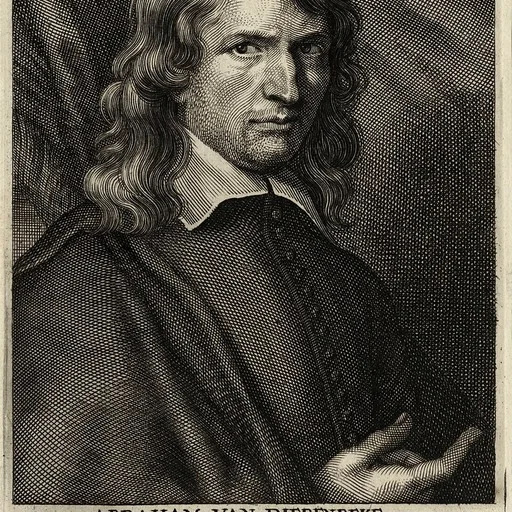
Artist
Abraham van Diepenbeeck (9 May 1596 (baptised) – between May and September 1675) was a Dutch painter, draftsman, glass painter, print maker and tapestry designer who worked most of his active career in Antwerp.

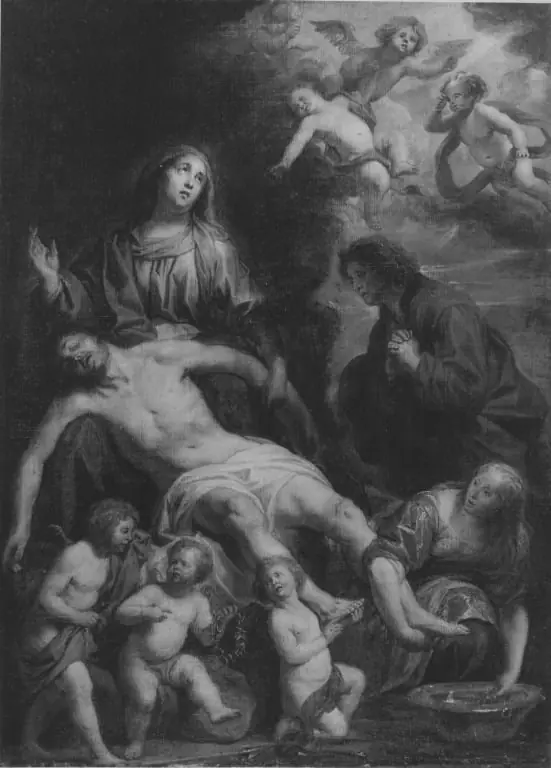
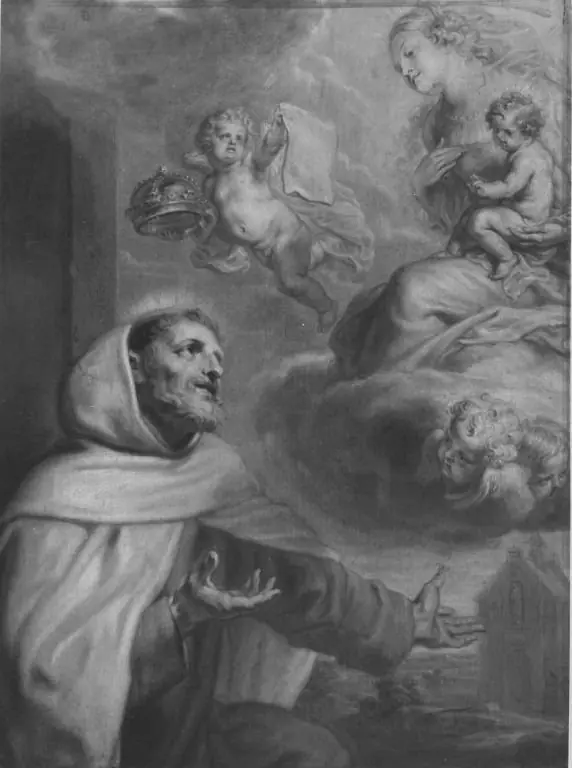
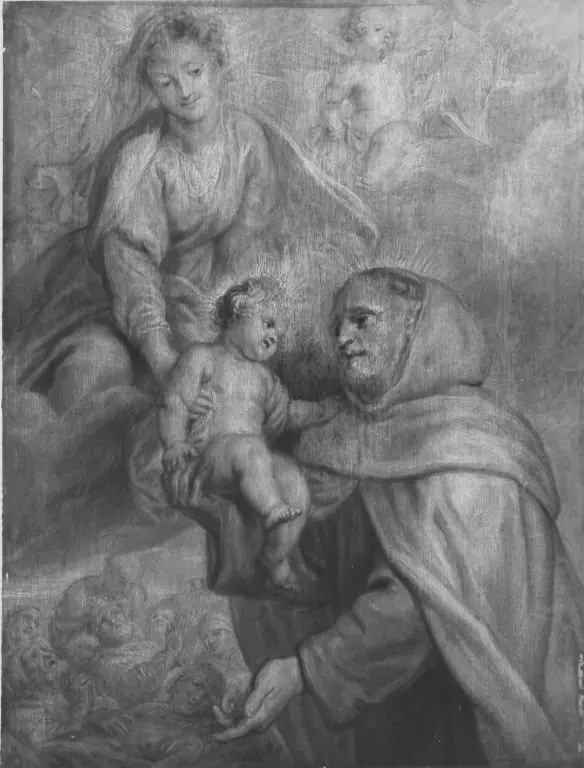
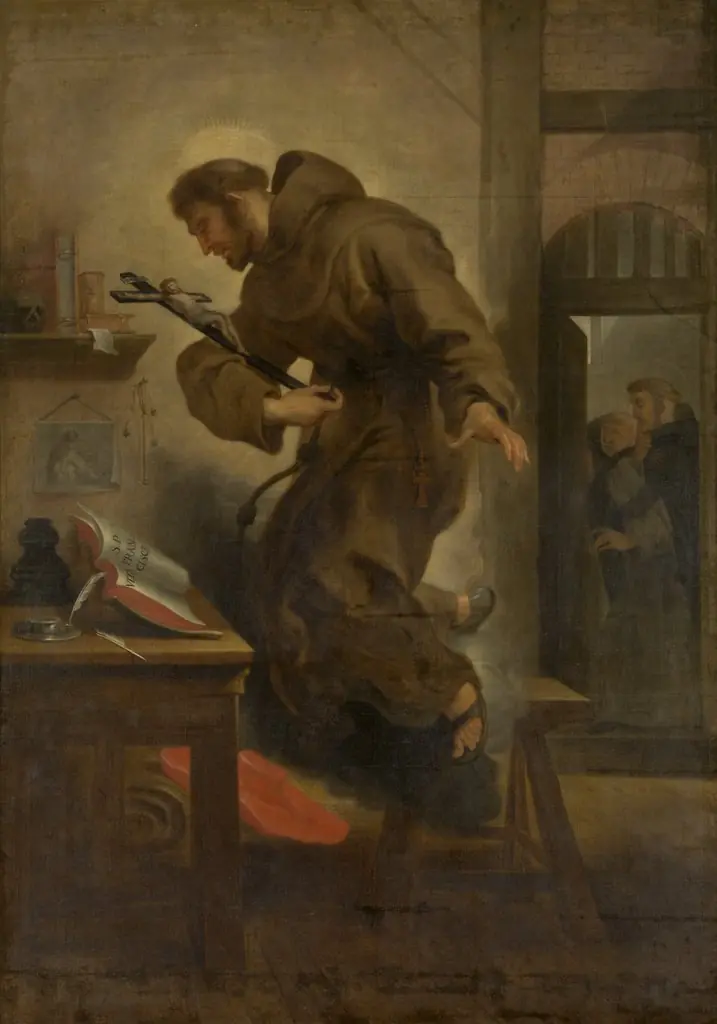
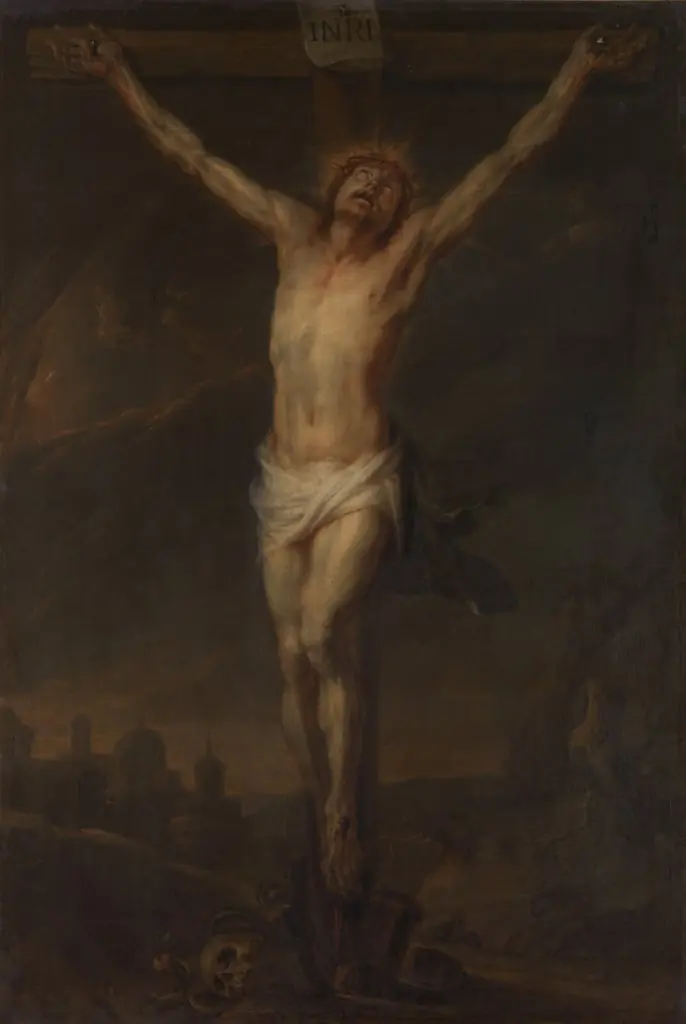
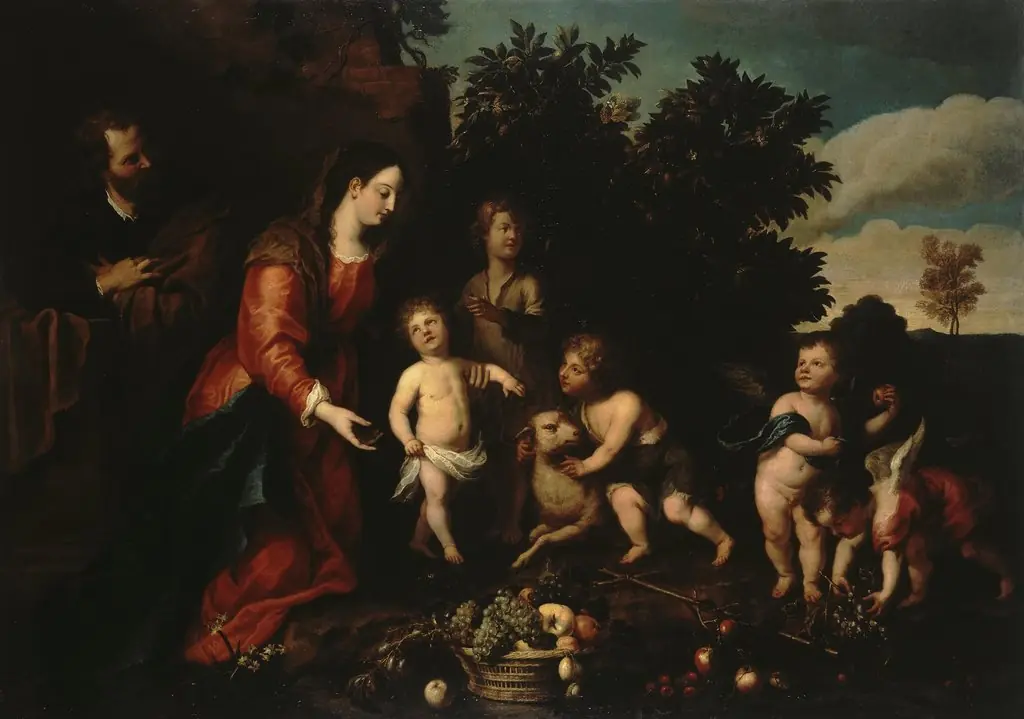
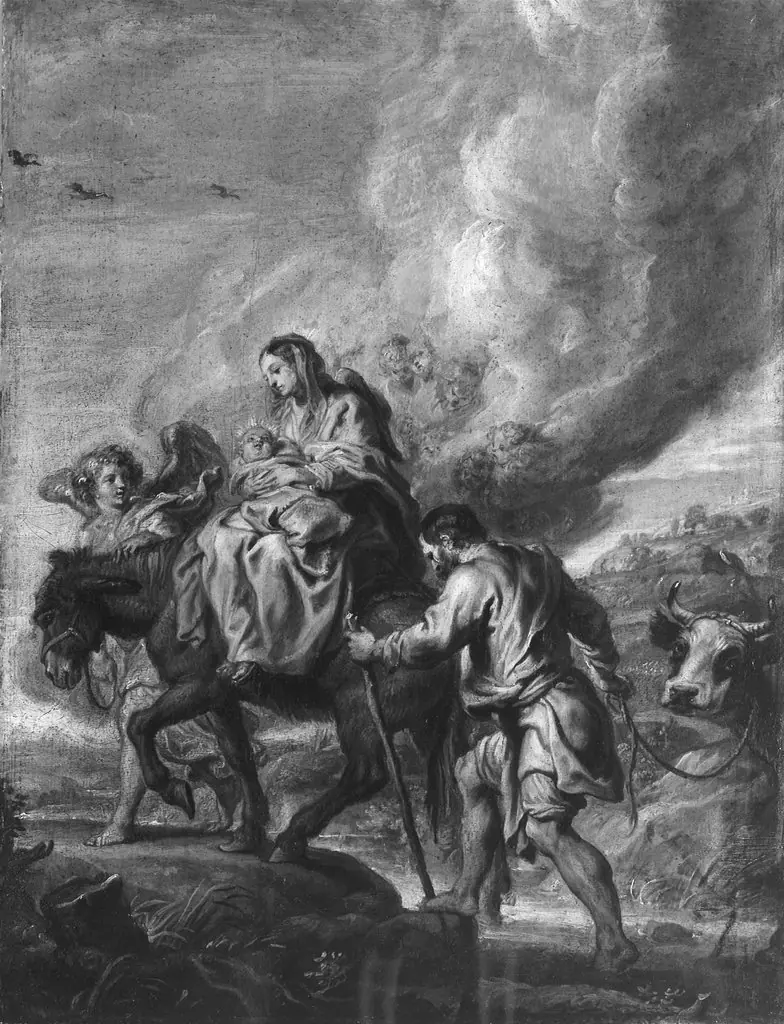
- The Crucifixion
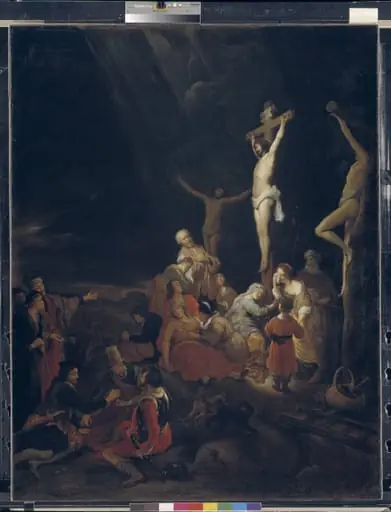 The Crucifixion
 Christ on the Cross with Mary Magdalene and Saints
 The Crucifixion with St Roch and St Sebastian
 The crucifixion
 Crucifixion
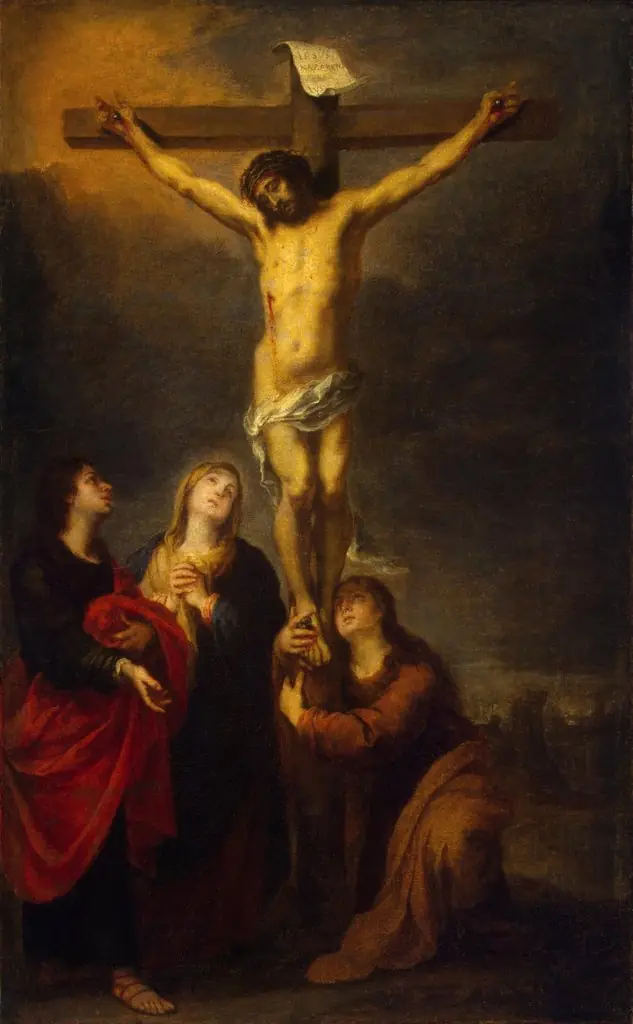 Crucifixion
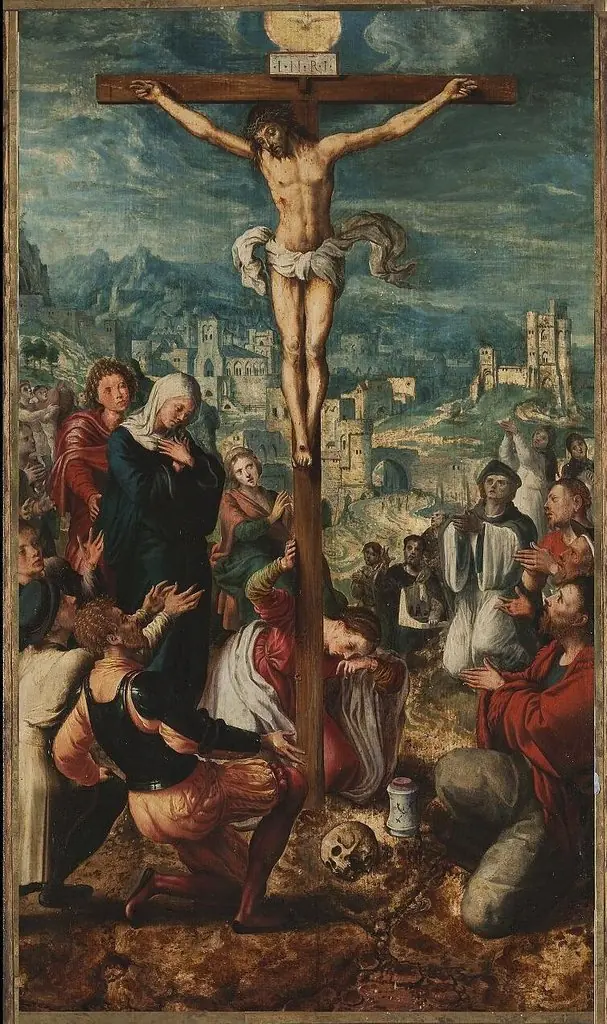 Triptych:Crucifixion of Jesus (central panel)
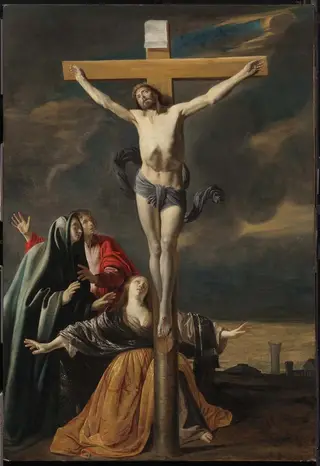 The Crucifixion with the Virgin, Saints John, and Mary Magdalen
 Crucifixion
 The Crucifixion with the Virgin Mary and St John
 The Crucifixion