Artwork
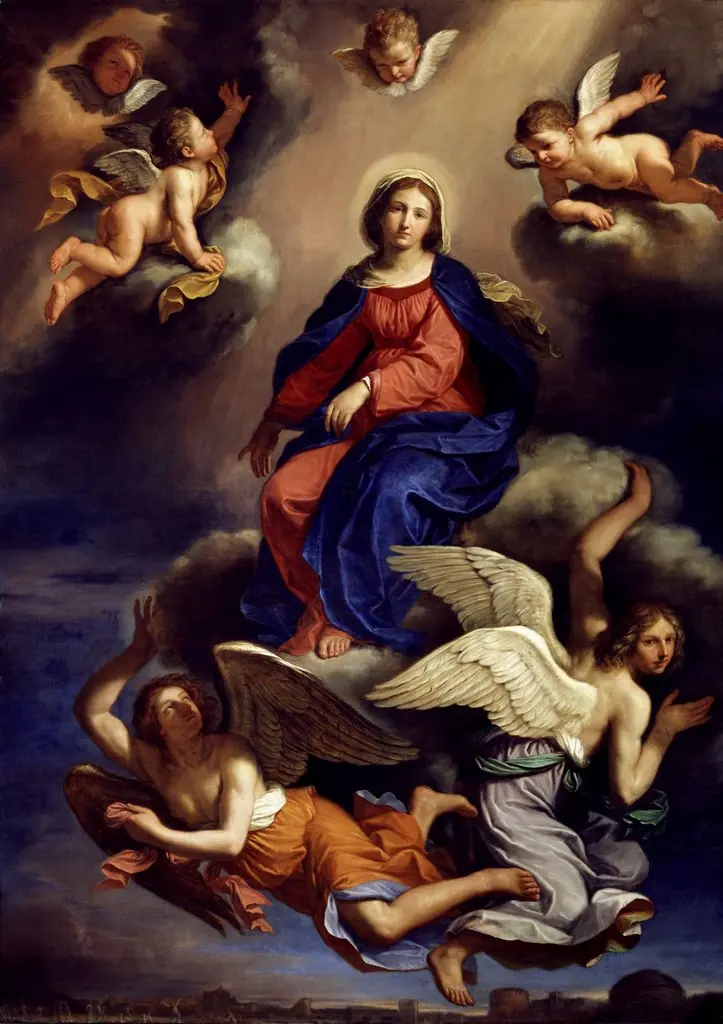
Assumption of Mary
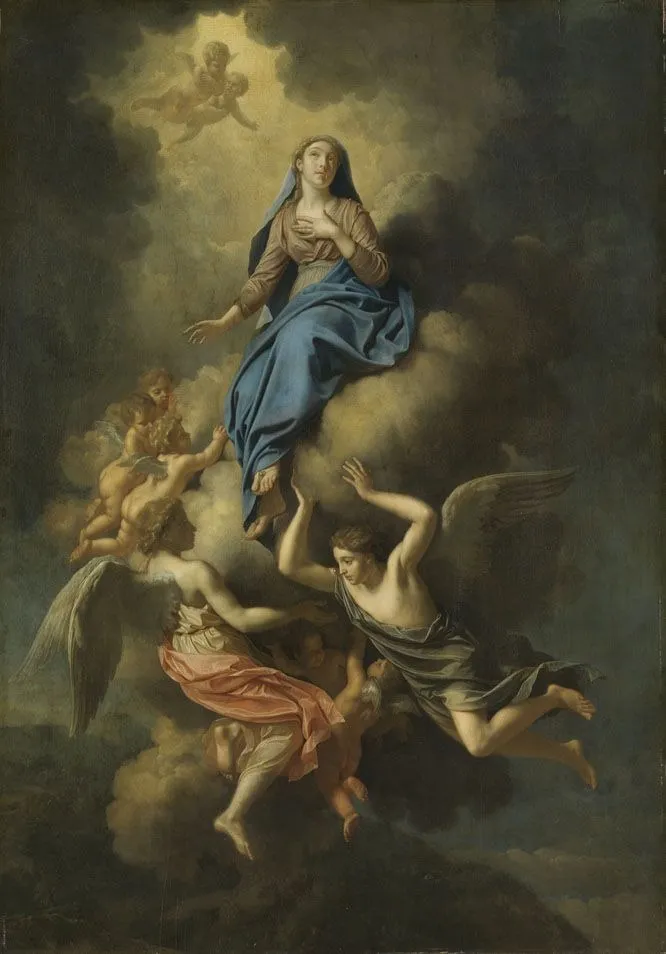
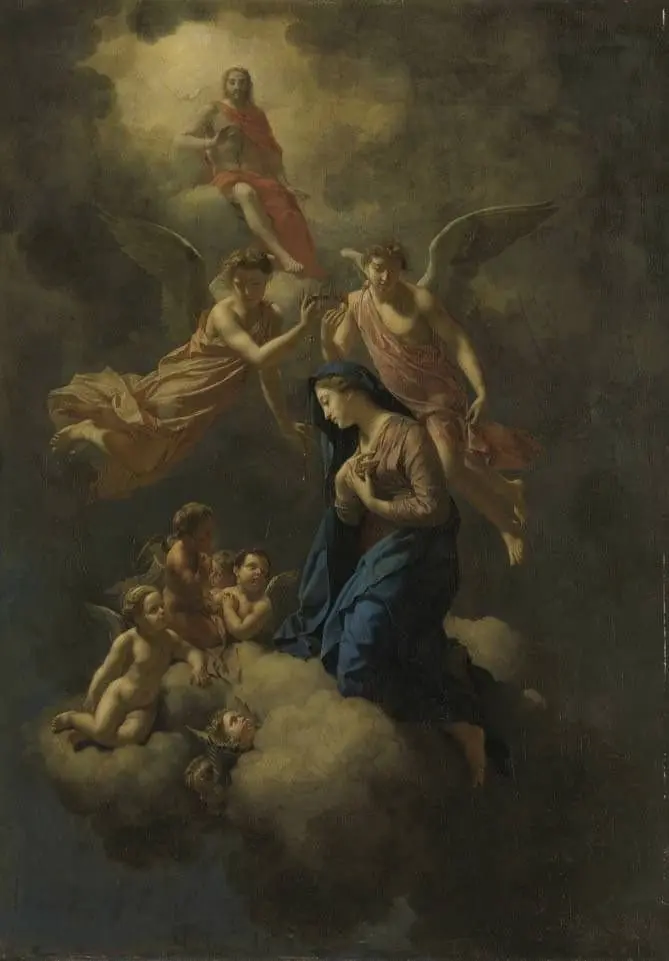
Assumption of Mary is an oil painting by the Rococo painting artist Adriaen van der Werff. It dates from 1714 and is held in the collection of the Bavarian State Painting Collections.
About this work
Subject & Meaning
The work’s iconography aligns with Counter-Reformation traditions, emphasizing Mary’s elevated status as intercessor and model of faith.
The subject of Adriaen van der Werff’s Assumption of Mary (1714) depicts the Catholic doctrine of the Virgin Mary’s bodily ascent into heaven at the end of her earthly life. The composition centers on Mary, robed in blue and white, ascending on a cloud while angels surround her. Below, the apostles gather around her empty tomb, their gestures of amazement and prayer underscoring the miraculous event.
The work’s iconography aligns with Counter-Reformation traditions, emphasizing Mary’s elevated status as intercessor and model of faith. Commissioned by Johann Wilhelm, Elector Palatine, the painting reflects the patron’s devotional priorities and the theological emphasis on Marian veneration in early modern Europe.
Technique & Style
Adriaen van der Werff painted Assumption of Mary in 1714 using oil paint on panel, depicting the Virgin Mary's ascension in a composition marked by soft modeling and delicate chiaroscuro. The work measures 82 cm in height and 58 cm in width, reflecting the artist's characteristic smooth brushwork and refined handling of light. It was created for Johann Wilhelm, Elector Palatine, and remains in the collection of the Alte Pinakothek in Munich.
History & Provenance
Adriaen van der Werff executed the oil painting Assumption of Mary on panel in 1714. The work was commissioned by Johann Wilhelm, Elector Palatine, who subsequently became its owner. Following its creation, the painting entered the Elector's personal collection, which later formed the basis of the Electoral Gallery in Dusseldorf.
Today, the artwork is held within the Bavarian State Painting Collections and is housed at the Alte Pinakothek.
The painting is held by the Bavarian State Painting Collections and is located at the Alte Pinakothek in Munich. It forms part of the Johann Wilhelm von der Pfalz collection, historically associated with the Electoral Gallery in Düsseldorf. The work was commissioned by and originally owned by Johann Wilhelm, Elector Palatine.
No exhibition history is documented in the available sources.
Context
Adriaen van der Werff's 1714 Assumption of Mary was created during the Dutch Golden Age's later phase, reflecting the ornate religious style favored by patrons like Johann Wilhelm, Elector Palatine. The work was commissioned for the Electoral Gallery in Düsseldorf and later entered the Bavarian State Painting Collections, where it remains displayed in the Alte Pinakothek. Its iconography aligns with Counter-Reformation emphases on Marian devotion, while van der Werff's meticulous technique and devotional focus situate it within the tradition of Dutch biblical painting, though it diverges from the realism of earlier masters like Rembrandt.
Overview
Adriaen van der Werff, a Dutch artist active in the early eighteenth century, completed the oil painting Assumption of Mary in 1714. The work exemplifies the Rococo style that was then spreading across Europe, and it is presently part of the Alte Pinakothek’s collection in Munich.
Artist & collection
Artist
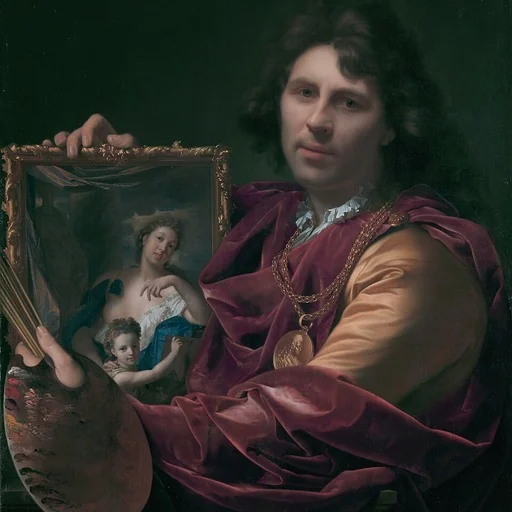
Adriaen van der Werff (21 January 1659 – 12 November 1722) was a Dutch painter of portraits and erotic, devotional and mythological scenes.

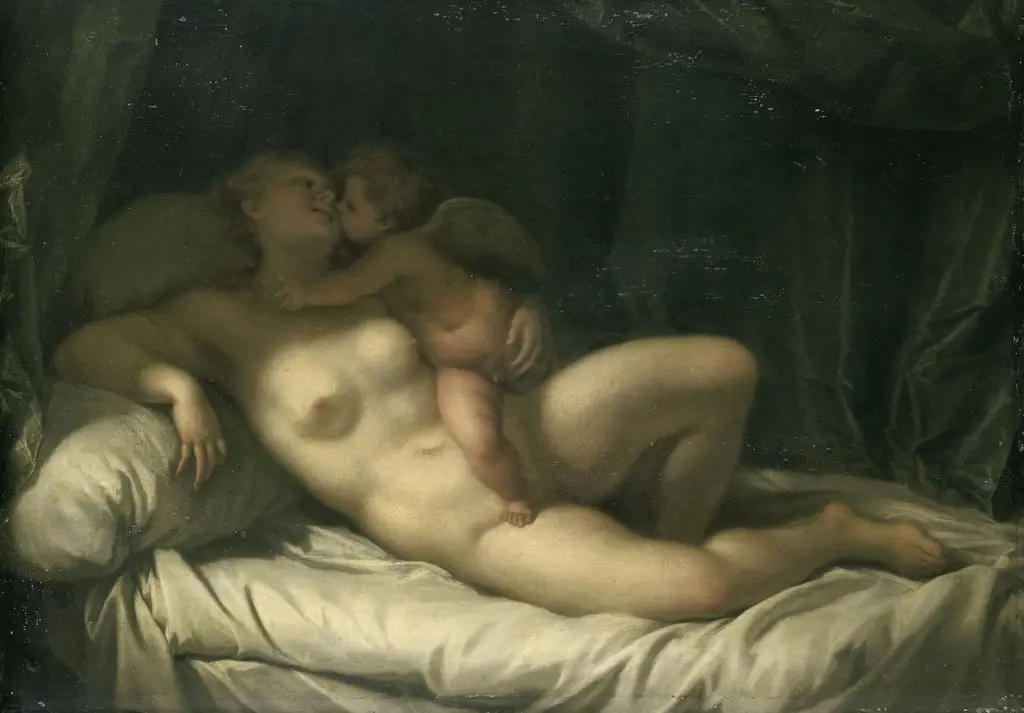 Cupid Kissing Venus (Venus Kissed by Amor)
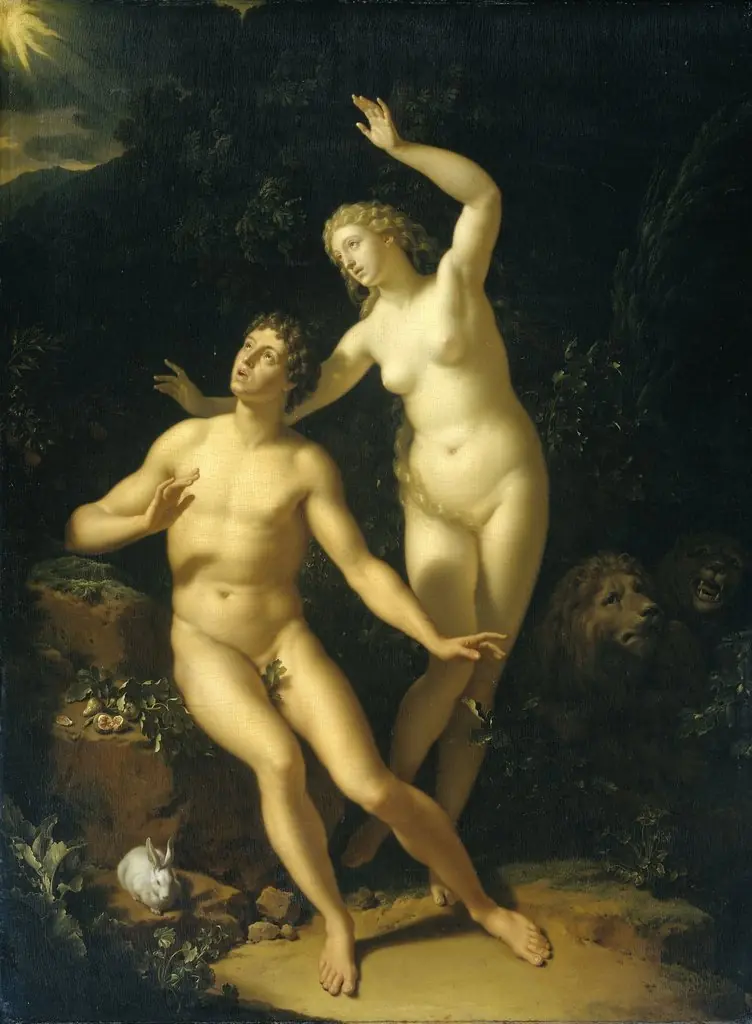 God Holds Adam and Eve Responsible
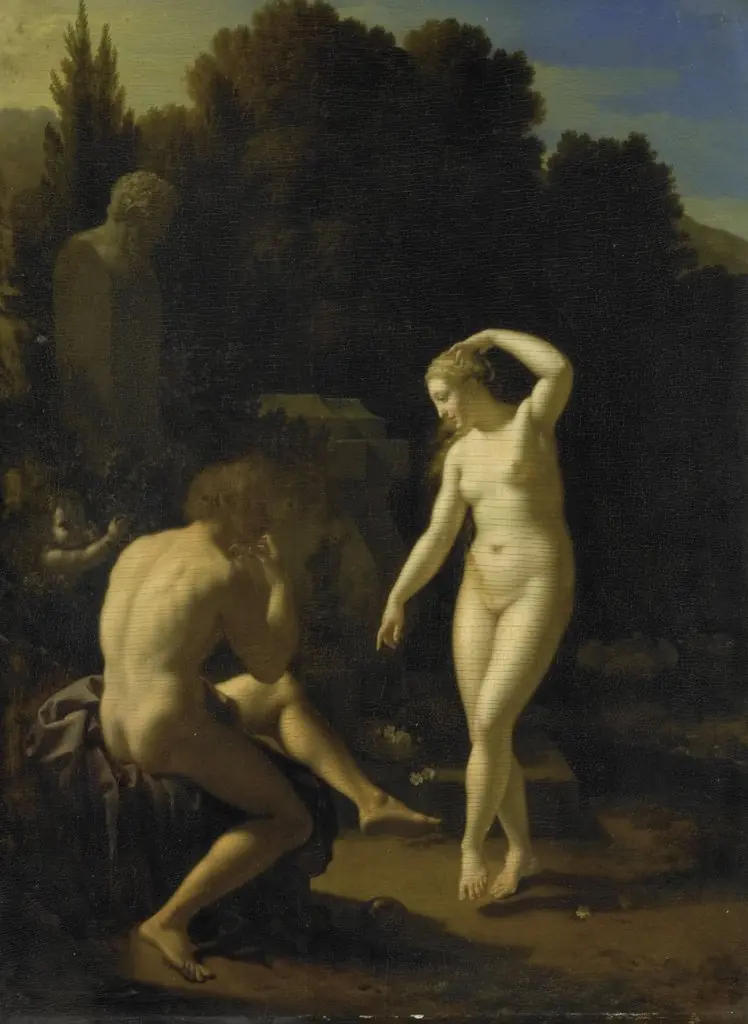 A Nymph Dancing to a Shepherd's Flute-Playing
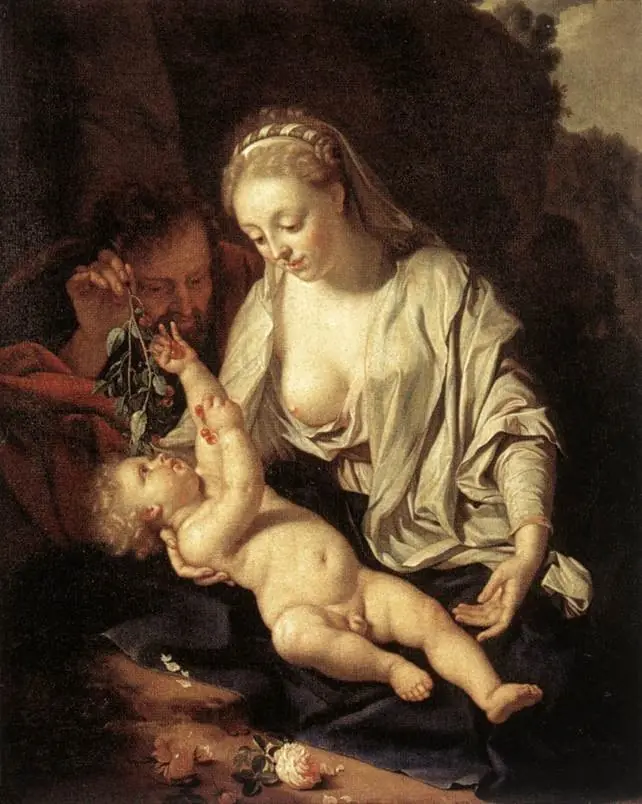 The Holy Family
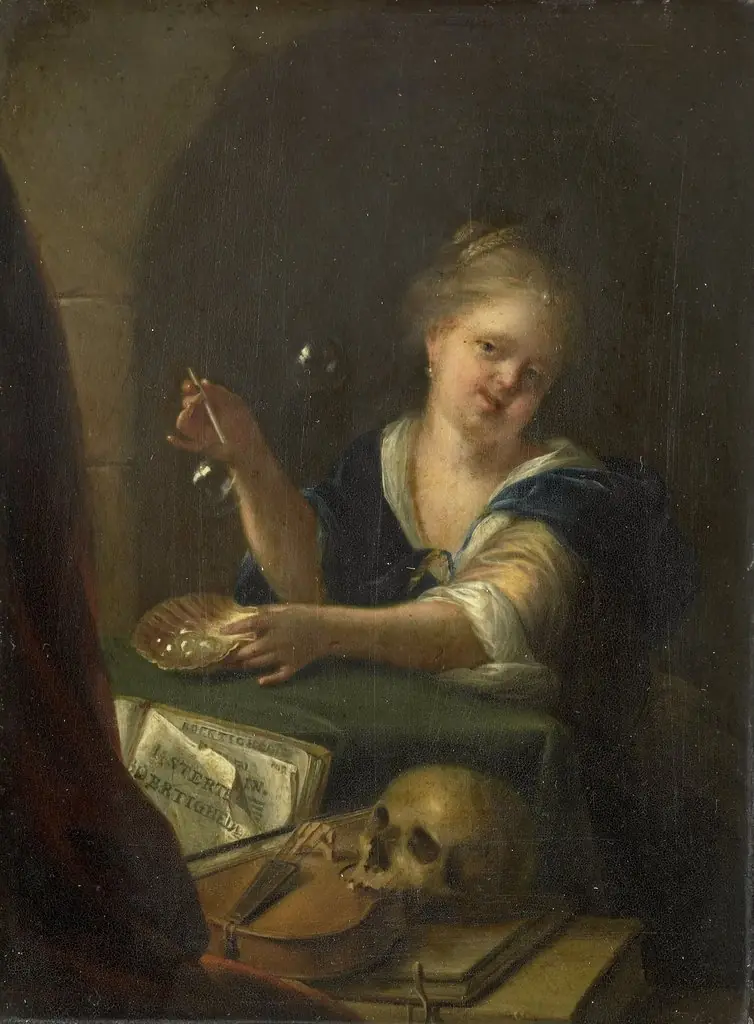 Bubble-blowing Girl with a Vanitas Still Life
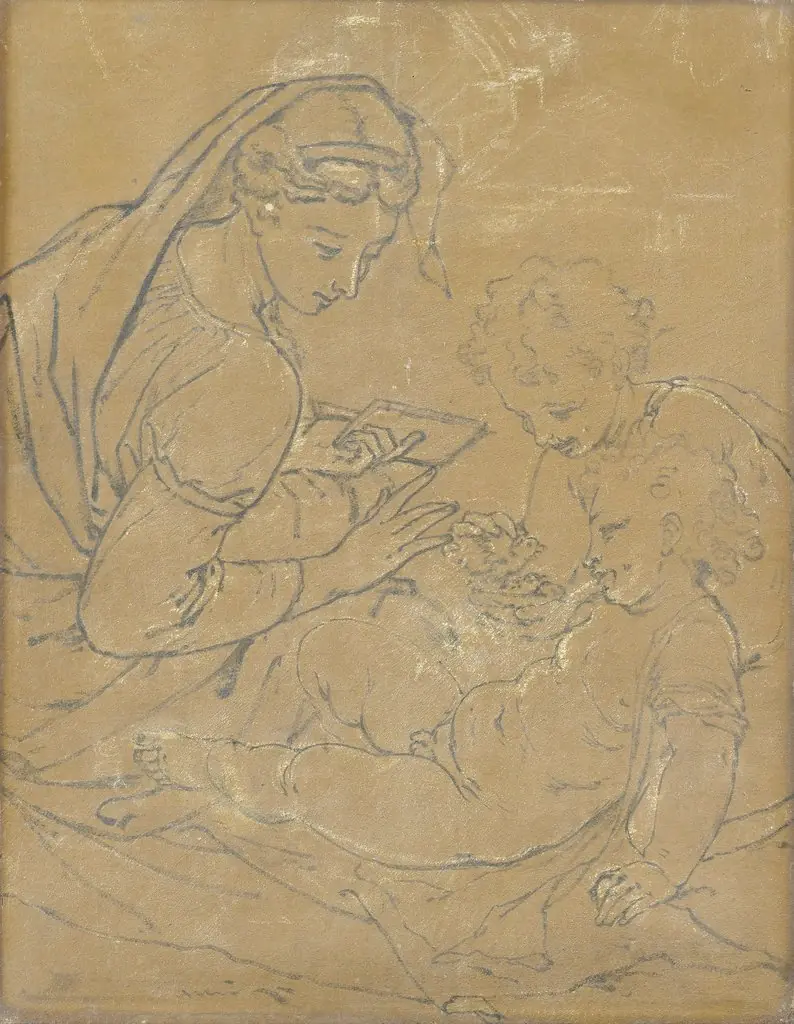 Virgin and Child with Saint John (chalk sketch)
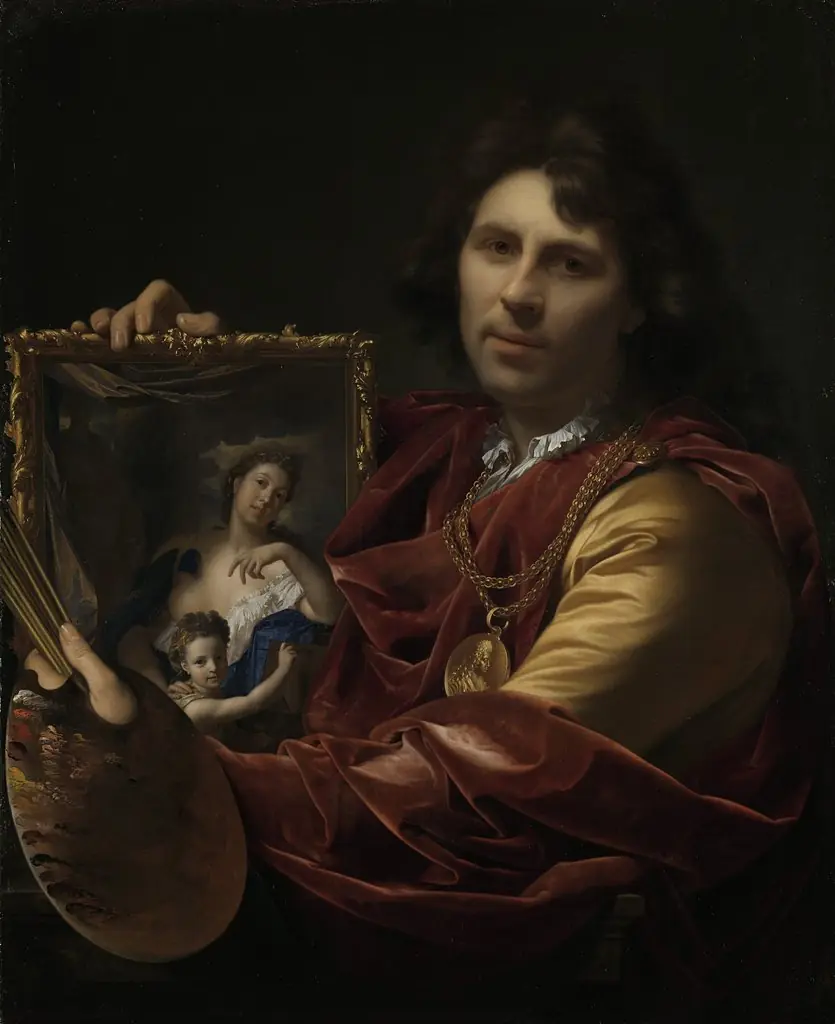 Self-portrait with the Portrait of his Wife, Margaretha van Rees, and their Daughter Maria
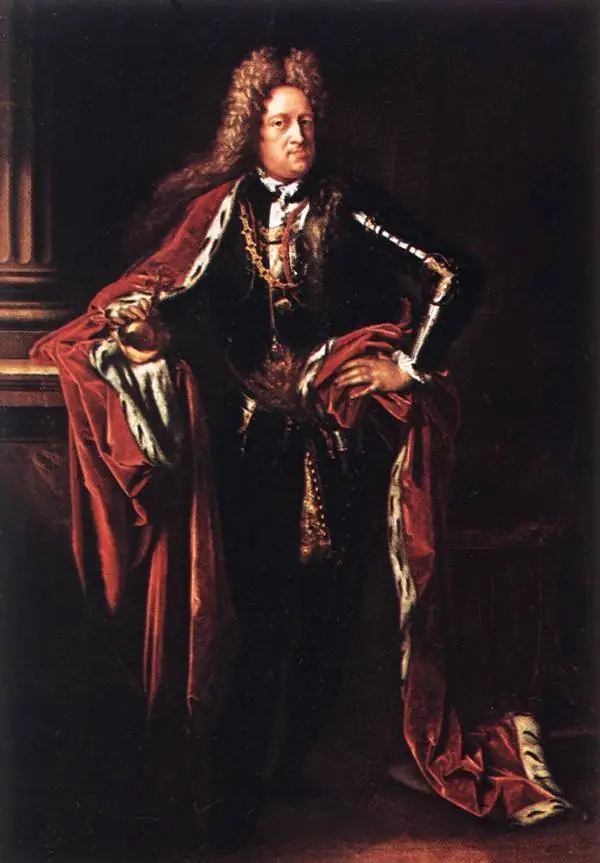 Portrait of Johann Wilhelm Elector of Palatine (1658-1716)