Artwork
The Sciences and Arts
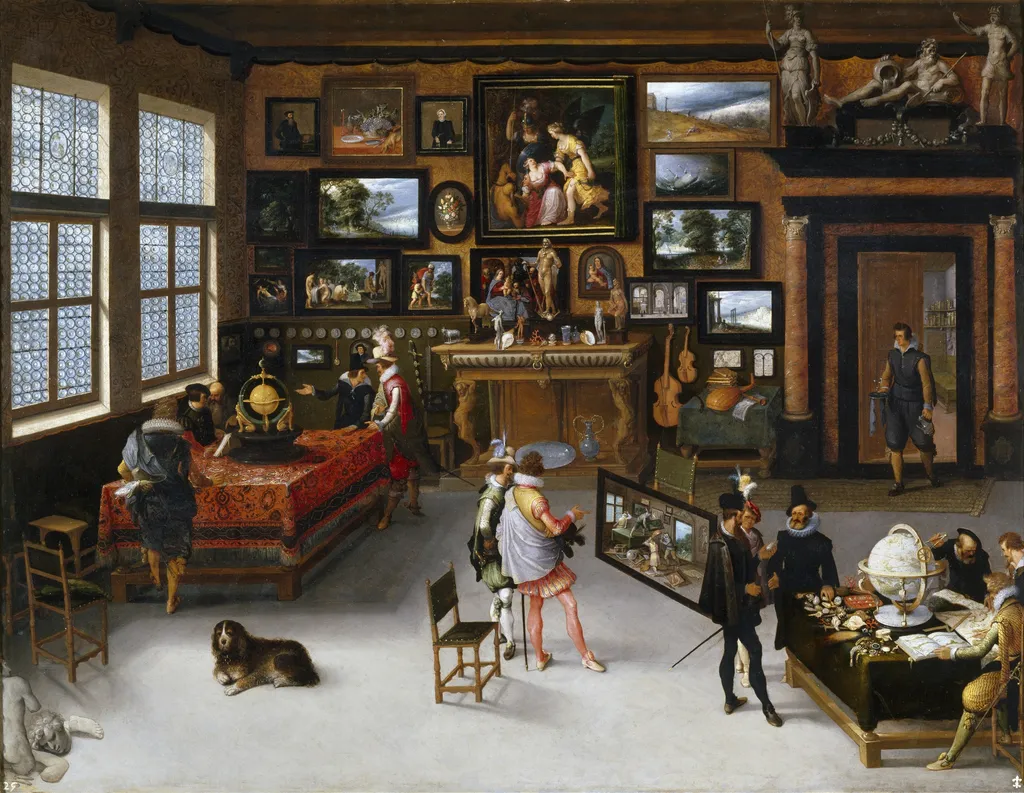
The Sciences and Arts is an oil painting by the Dutch Golden Age artist Adriaen van Stalbemt. It dates from 1650 and is held in the collection of the Museo del Prado.
About this work
Subject & Meaning
These elements together convey a propagandistic message of Catholic sponsorship of knowledge and artistic heritage.
The painting shows a learned assembly gathered around tables while another group observes artworks on the walls; at its centre two figures examine a chart illustrating the 16th‑century iconoclastic destruction of images by Protestant forces. A right‑hand table holds scientific and artistic objects, a lute, violin, books, a terrestrial globe, compasses and maritime maps, symbolising the intertwining of science and the arts. The composition functions as an allegory for the patronage of culture under the Spanish Habsburgs, emphasizing protection afforded to scholarship and artistic production in the Southern Netherlands, in contrast to the absence of such support in the northern Protestant United Provinces. These elements together convey a propagandistic message of Catholic sponsorship of knowledge and artistic heritage.
Technique & Style
The Sciences and the Arts is executed in oil paint on panel, a standard support for seventeenth-century Flemish cabinet pictures. The Prado version measures 89.9 cm in height by 117 cm in width, a horizontal format suited to the gallery-painting genre established by Frans Francken the Younger and Jan Brueghel the Elder in the 1620s. The composition is built around a deep interior space organized by several tables, including a wooden table on the right that bears albums, maritime maps, compasses, and a terrestrial globe, while the walls are hung with framed paintings.
The work belongs to the tradition of gallery paintings, in which large rooms display art objects, scientific instruments, and curiosities in elegant surroundings. The staffage, the figures of scholars and visitors, has been distinguished from the architectural and still-life elements, with most art historians now attributing the figures to unidentified figure painters rather than to the painter responsible for the gallery interior.
History & Provenance
The painting The Sciences and the Arts was created between 1607 and 1650, with 1650 cited as the specific date of inception. Traditionally attributed to the Flemish painter Adriaen van Stalbemt, the work has been re-attributed in recent scholarship to Hieronymus Francken II. The composition is one of five known versions of this subject, with the Madrid example currently held by the Museo del Prado.
Provenance records indicate the work entered the Spanish royal collection, passing through the ownership of Philip V, Elisabeth Farnese, Charles III, and Ferdinand VII before reaching its present institution. While the Prado version and a Parisian counterpart were historically assigned to van Stalbemt, modern consensus favors Francken II, noting that van Stalbemt's typical figure style differs from the staffage found in these gallery interiors.
The primary version of The Sciences and the Arts is held in the collection of the Museo del Prado in Madrid. Historically, the painting belonged to the Spanish royal collection, with ownership recorded under Philip V, Elisabeth Farnese, Charles III, and Ferdinand VII. Beyond the Prado exemplar, four other versions of the composition are documented.
One appeared at the Galerie Kugel in Paris in 1988, while another was recorded in the Hawkins Collection in London in 1951. A fourth version was located at the Galerie de Jonckheere in Paris in 2002. The fifth iteration, formerly at the Galerie Robert Finck in Brussels in 1955, was subsequently sold at Sotheby's on July 9, 2014, as lot 57.
While traditionally attributed to Adriaen van Stalbemt, recent scholarship often re-attributes these gallery paintings to Hieronymus Francken the Younger.
Context
The Sciences and the Arts belongs to the gallery painting genre, a category developed in the 1620s by Frans Francken the Younger and Jan Brueghel the Elder, who depicted art and curiosity collections in elegant interiors. The work was subsequently followed by artists such as Jan Brueghel the Younger, Cornelis de Baellieur, Hans Jordaens, David Teniers the Younger, Gillis van Tilborch, and Hieronymus Janssens. Traditionally attributed to Adriaen van Stalbemt, the painting has been re-attributed by more recent scholarship to Hieronymus Francken II, whose figure style is thought to match the staffage of these gallery interiors; some scholars nonetheless continue to associate van Stalbemt with the genre, including with the related Archdukes Albert and Isabella Visiting a Collector's Cabinet at the Walters Art Museum.
A reduced replica, The Geographer and the Naturalist, is also held at the Prado. The composition has been read as propaganda for the Spanish rulers of the Southern Netherlands, contrasting Catholic protection of culture with Protestant iconoclasm in the northern United Provinces.
Legacy
The Sciences and Arts has been reattributed from Adriaen van Stalbemt to Hieronymus Francken II by many art historians, reshaping its legacy within the genre of gallery paintings. Once grouped with van Stalbemt’s figures, the composition is now seen as part of Francken’s broader production of allegorical interiors that depict cultural protection under Catholic patronage in the Spanish Netherlands. The Prado’s version, along with others in Paris and London, anchors this reevaluation, while the genre itself, pioneered by Frans Francken the Younger and Jan Brueghel the Elder, remains influential in the study of 17th-century Flemish art.
Debate persists over the extent of van Stalbemt’s involvement in such gallery scenes, particularly in works like The Archdukes Albert and Isabella Visiting a Collector’s Cabinet, underscoring the layered authorship that defines the painting’s contested reception.
Overview
This 17th-century oil painting, titled The Sciences and Arts, is held in the Museo de Prado, Madrid. It depicts a richly detailed interior space, bustling with figures and an array of objects representing both artistic and intellectual endeavors. The work offers a glimpse into a world of learning and creativity, characterized by its intricate composition and warm palette.
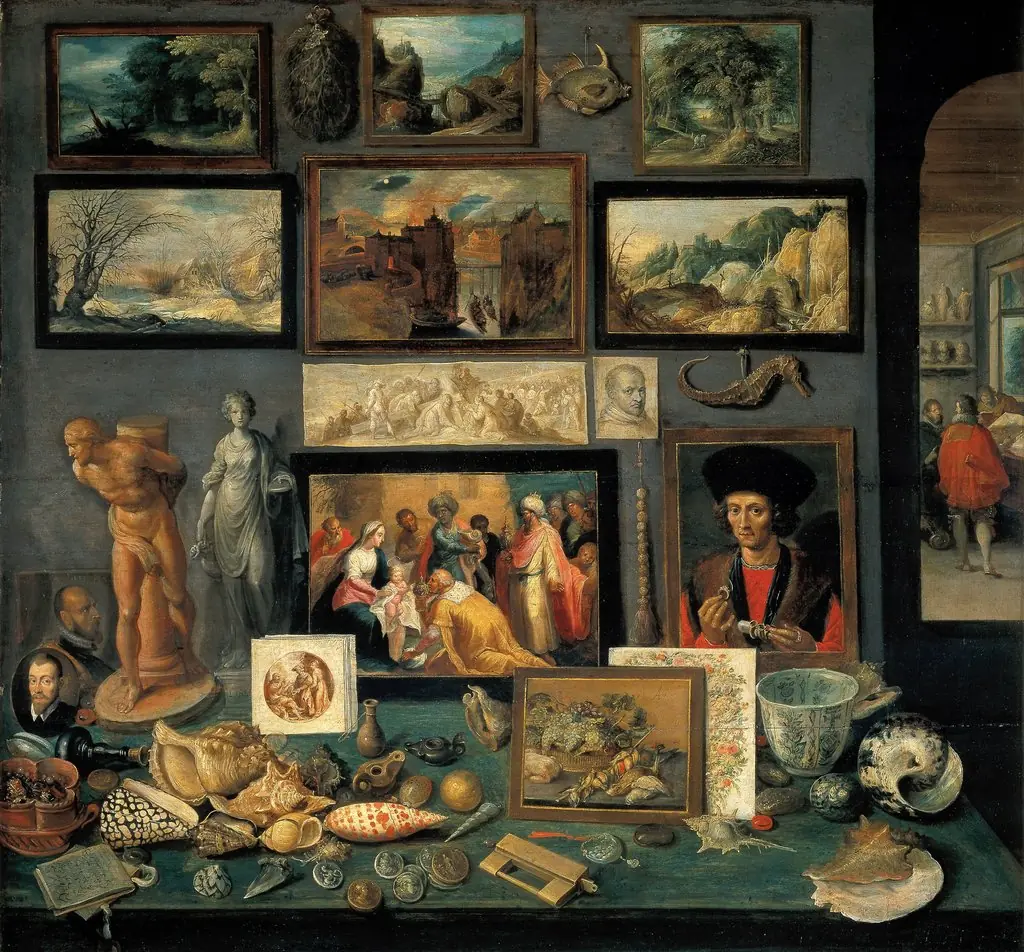
Own this work as a print
Artist & collection
Artist
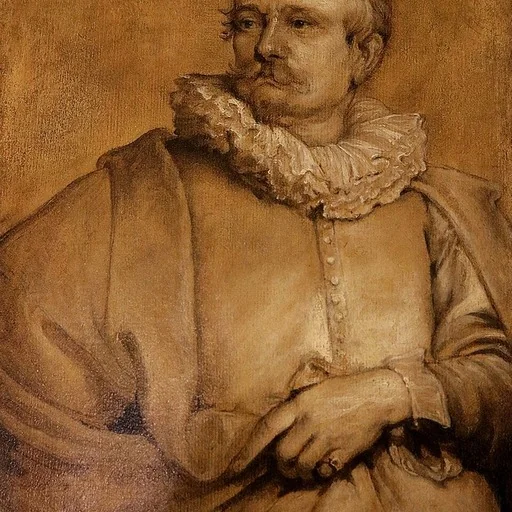
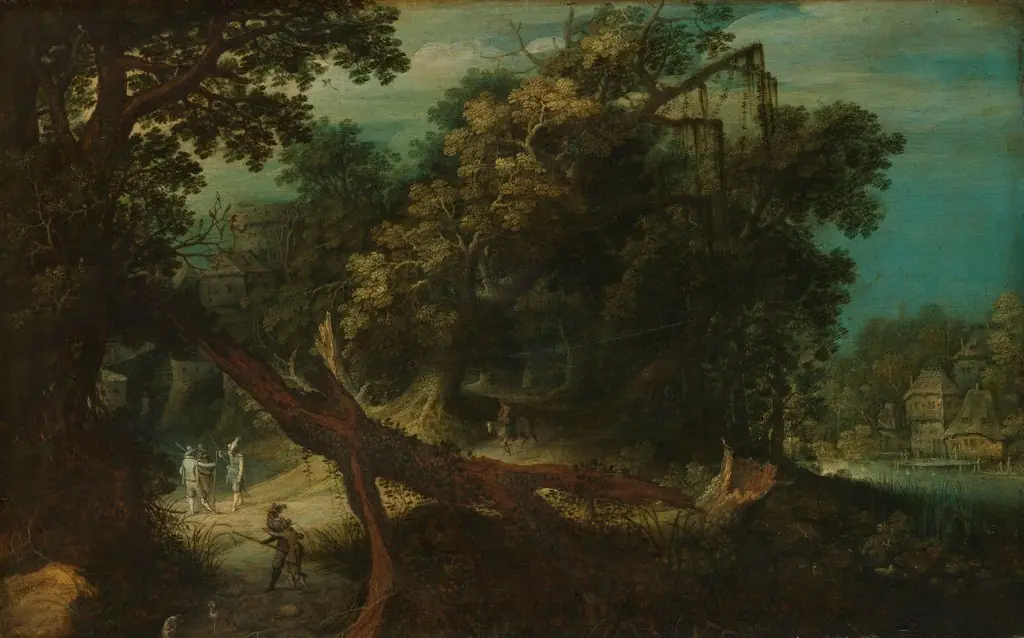
Adriaen or Adriaan van Stalbemt or Adriaen van Stalbempt (12 June 1580 – 21 September 1662) was a Flemish painter and printmaker who is known for his landscapes with religious, mythological and allegorical scenes.

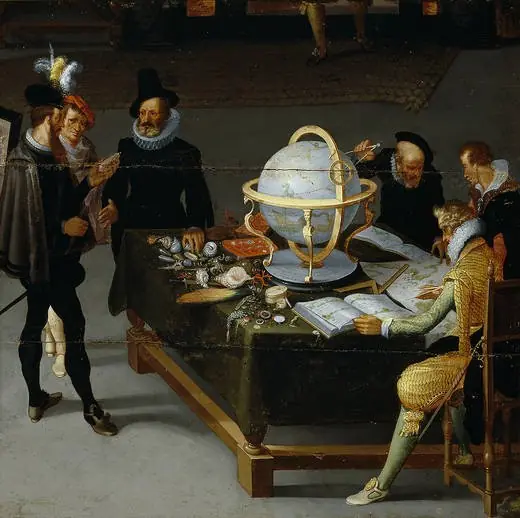
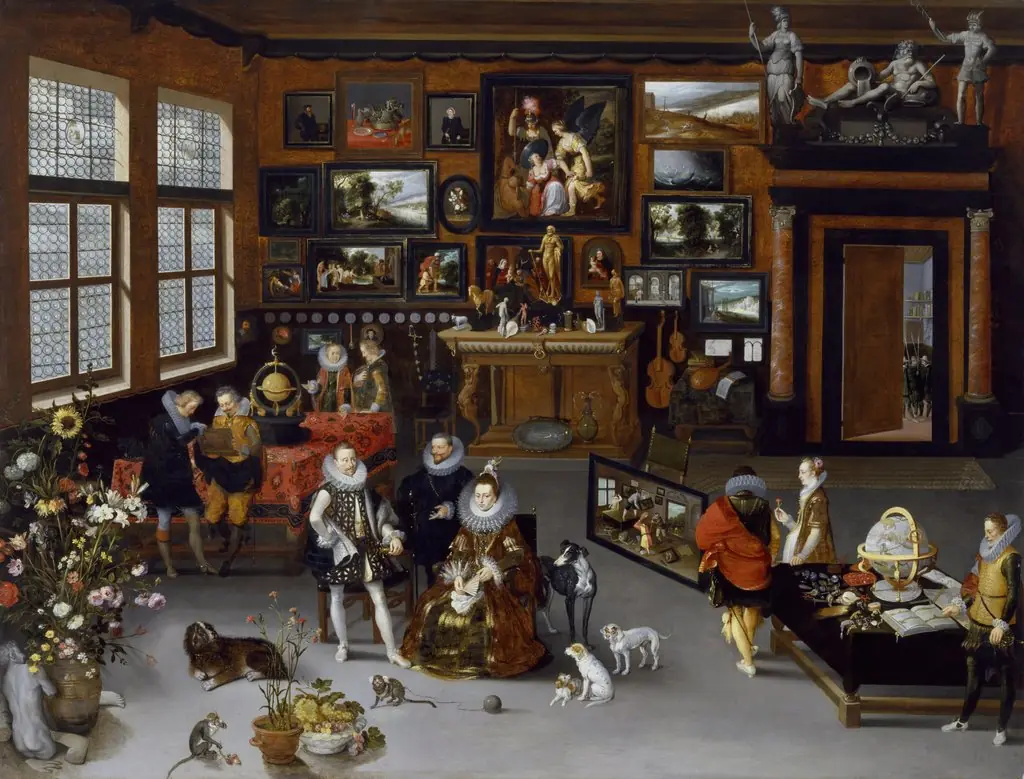 The Archdukes Albert and Isabella Visiting a Collector's Cabinet
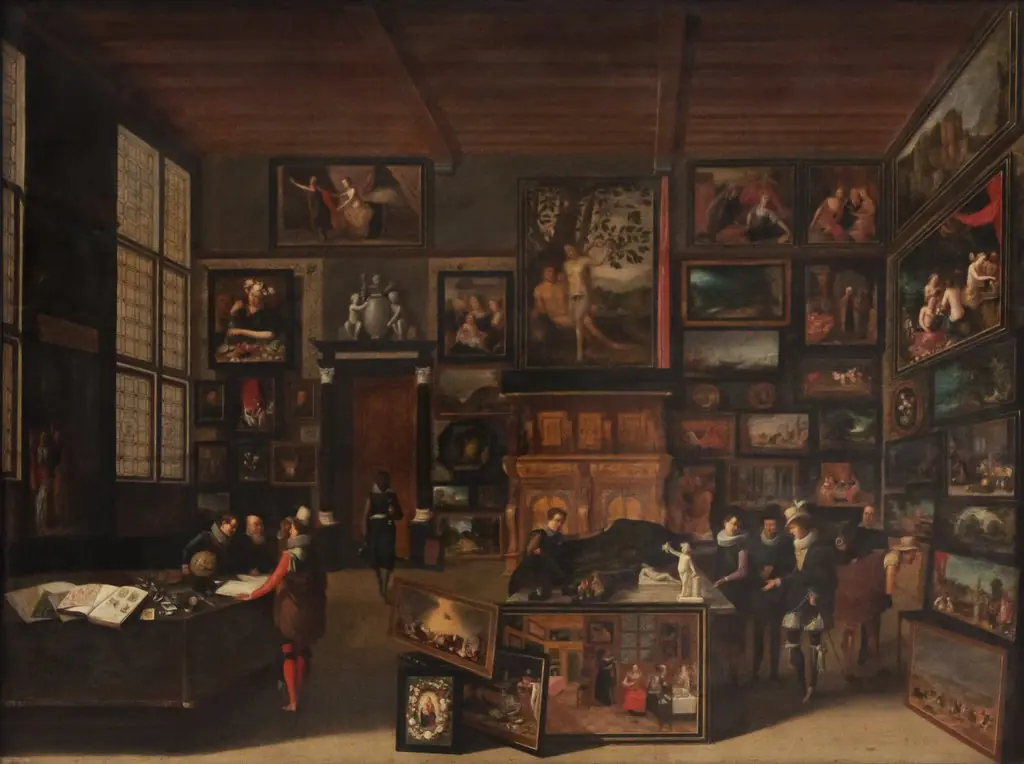 The Art Gallery of Jan Snellinck
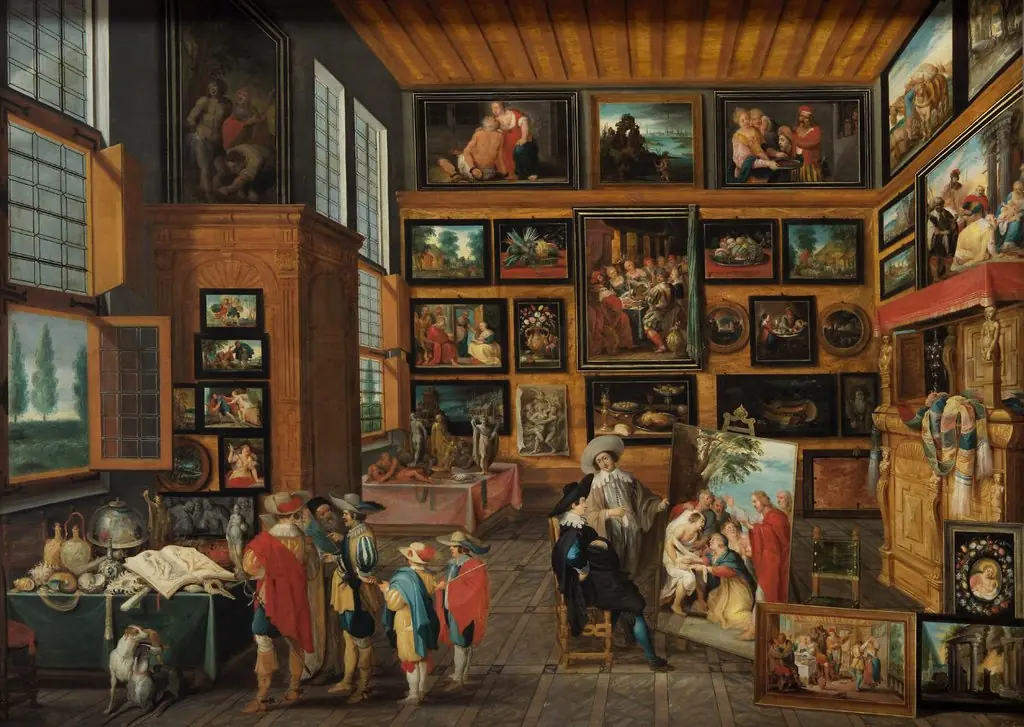 Art and Rarity Cabinet
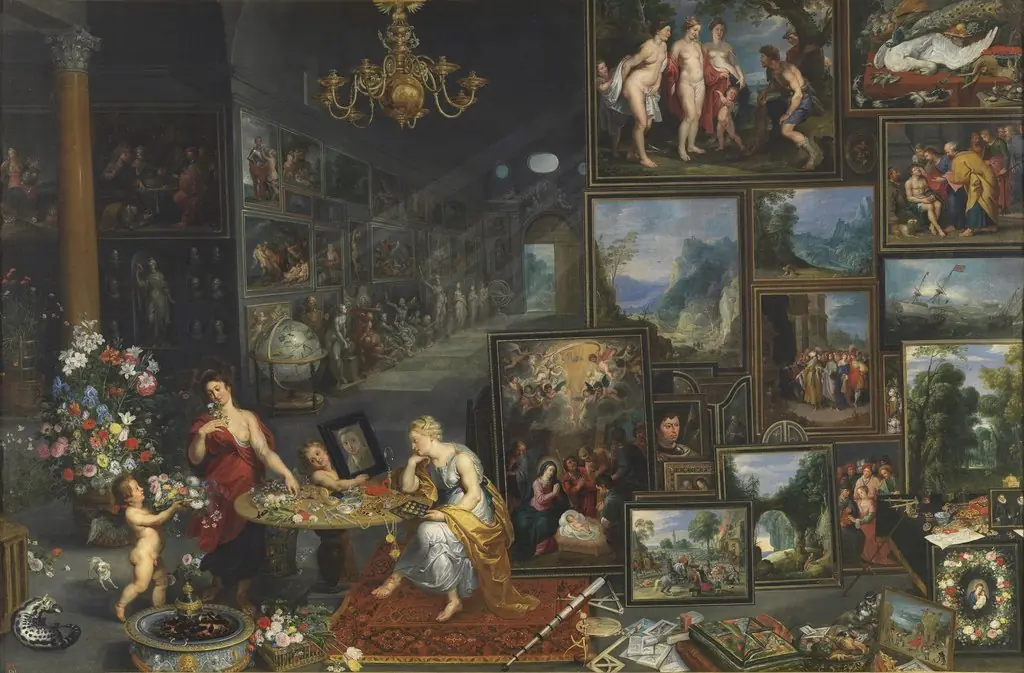 Allegory of Sight and Smell
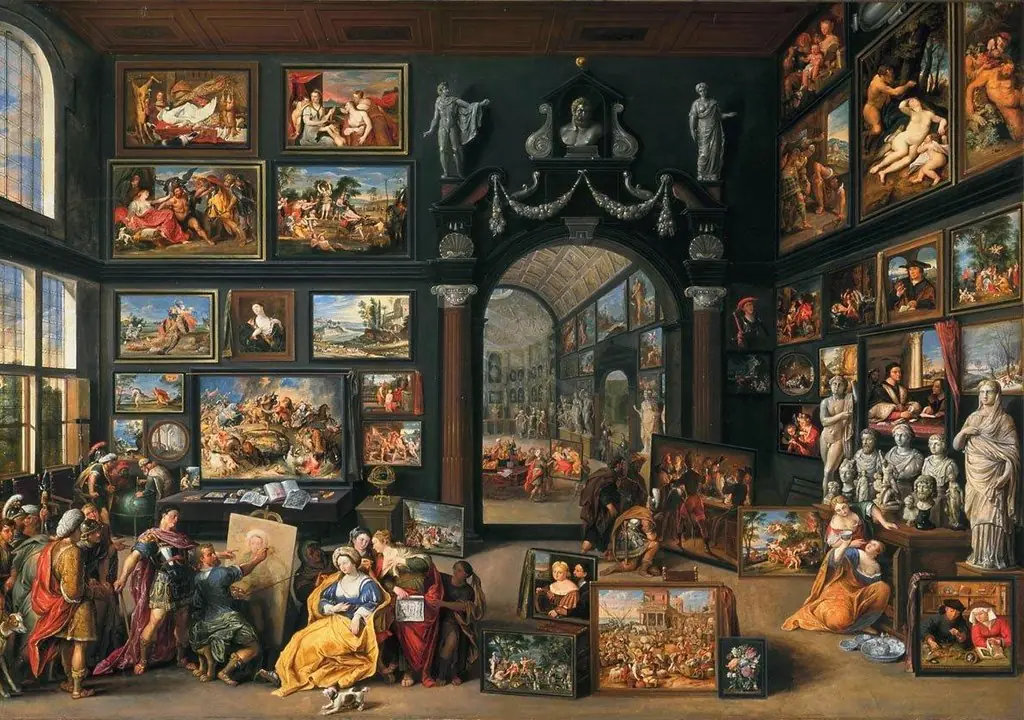 Appelles painting Campaspe
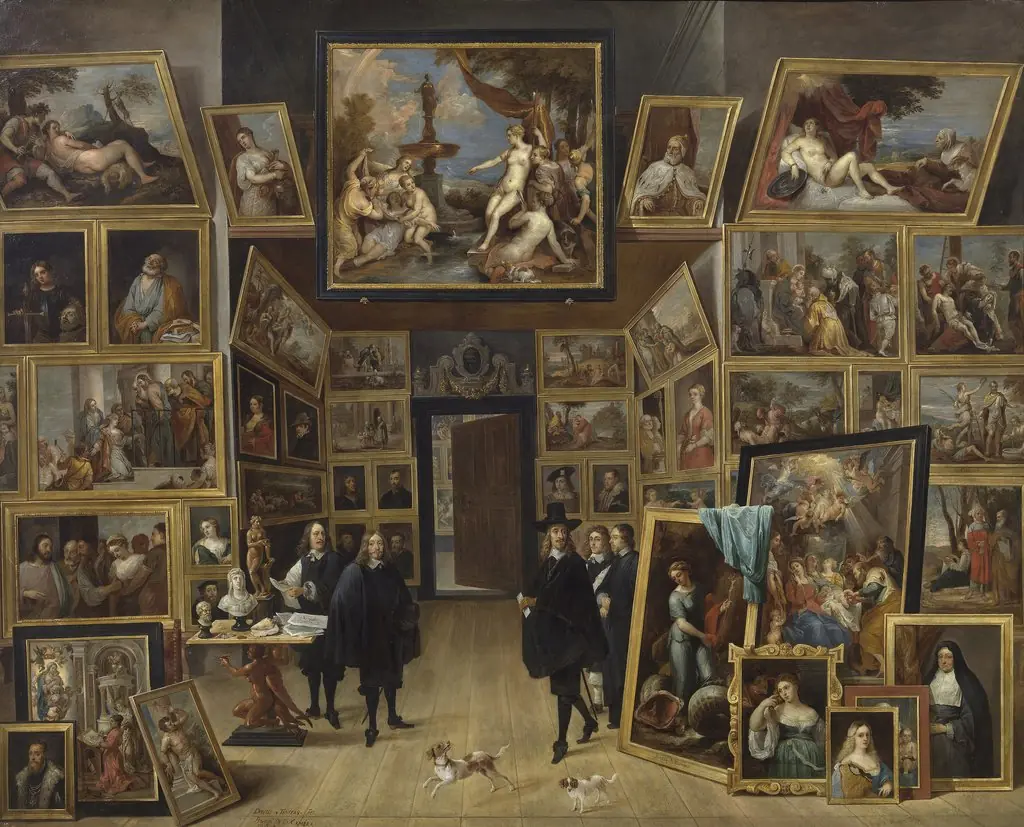 Archduke Leopold Wilhelm in his Gallery
 A Picture Gallery with an Artist Painting a Woman and a Girl. Allegory of the Art of Painting
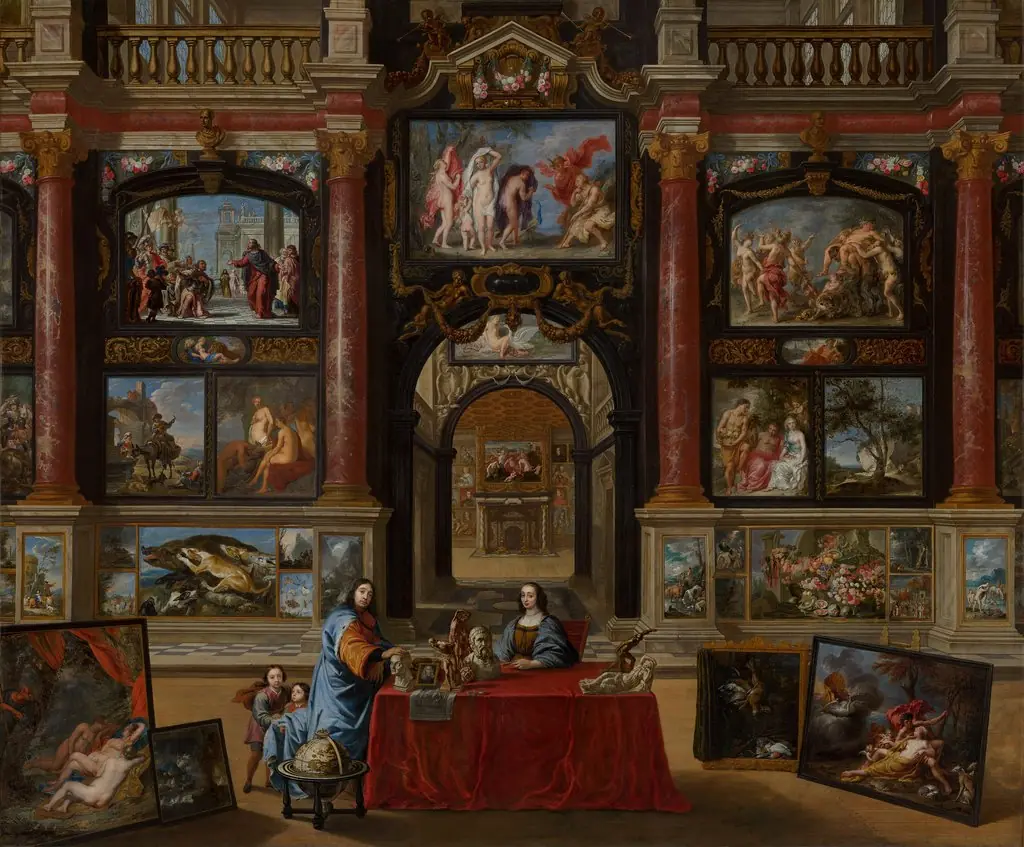 Intérieur avec personnages devant une collection de peintures
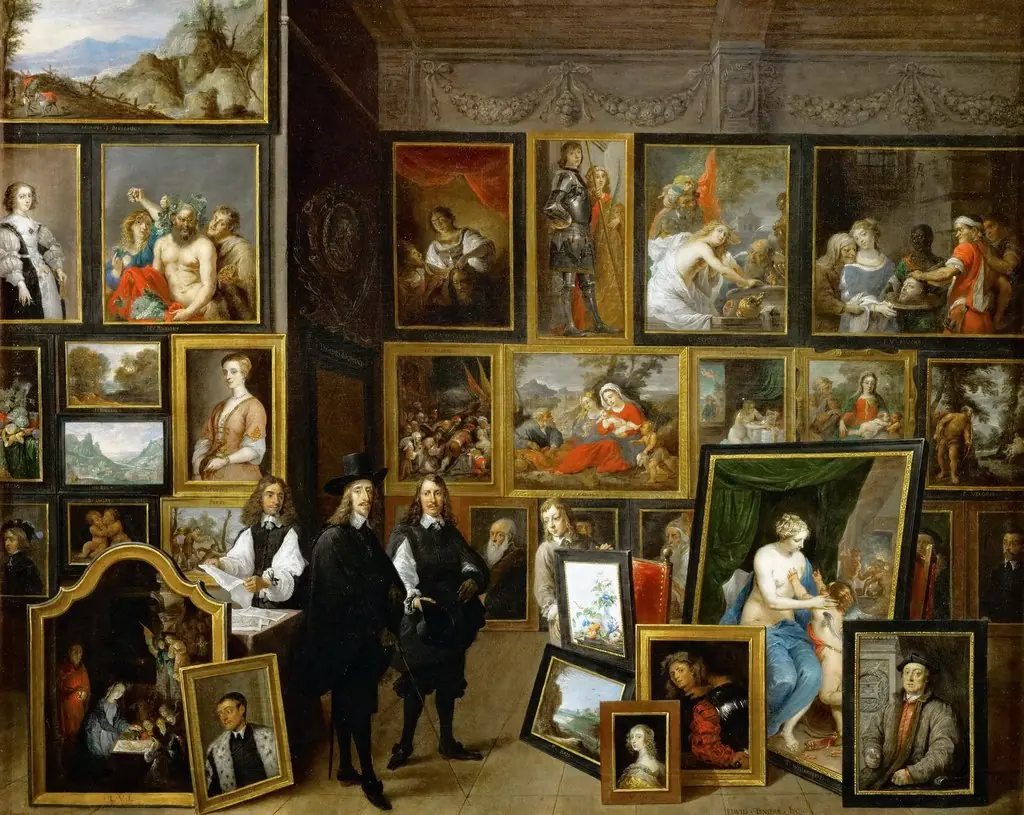 Archduke Leopold Wilhelm in his Gallery in Brussels
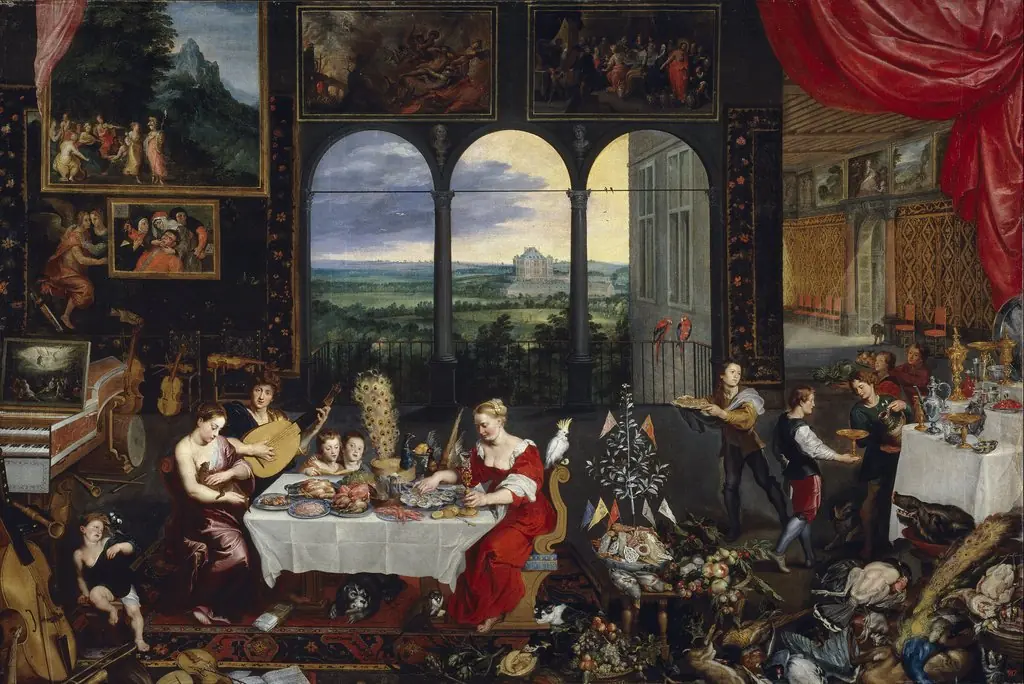 The Senses of Hearing, Touch and Taste
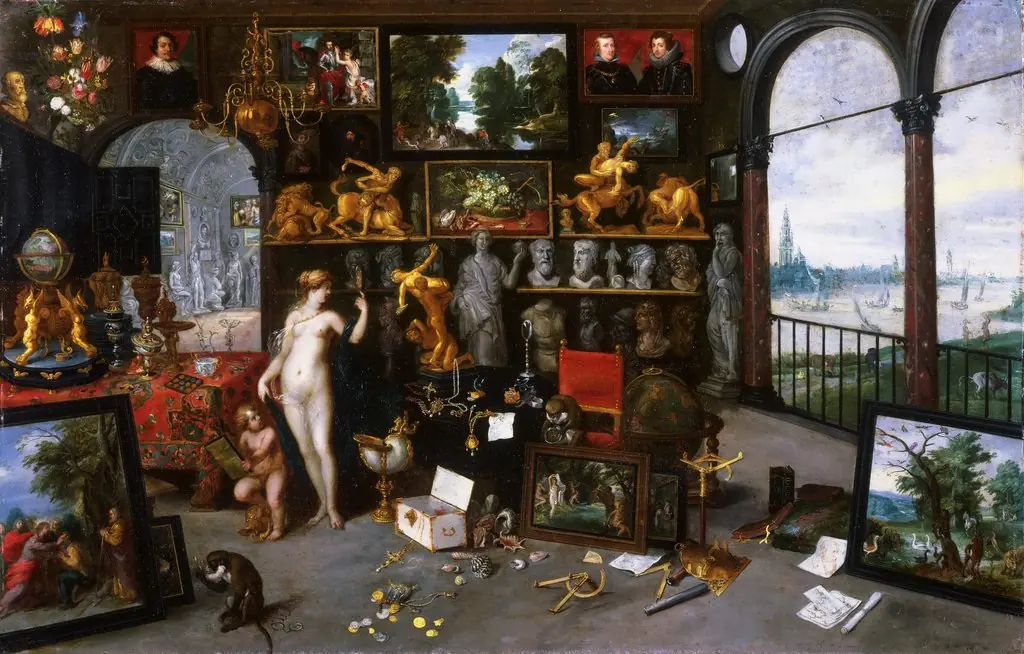 Allegory of Sight (Venus and Cupid in a Picture Gallery)
- Chamber of Art and Curiosities