Artwork
The First Chapter of the Order of the Golden Fleece
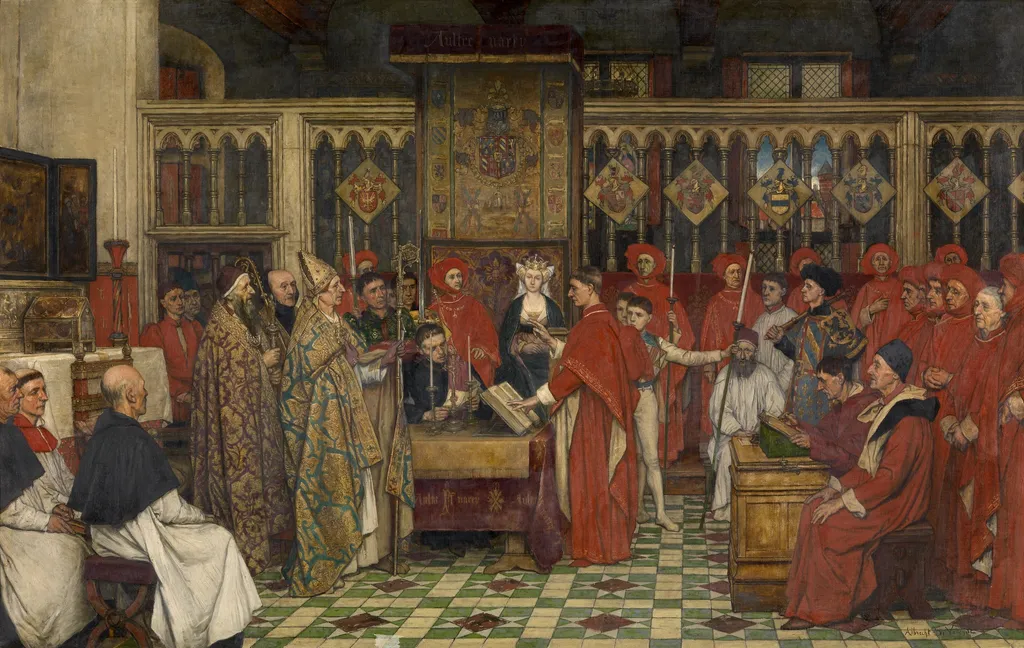
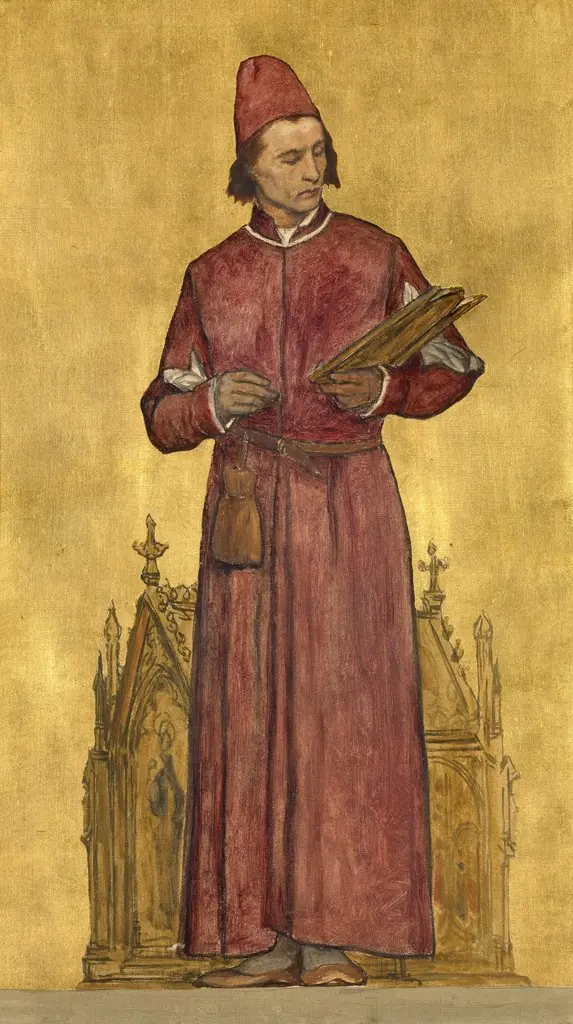
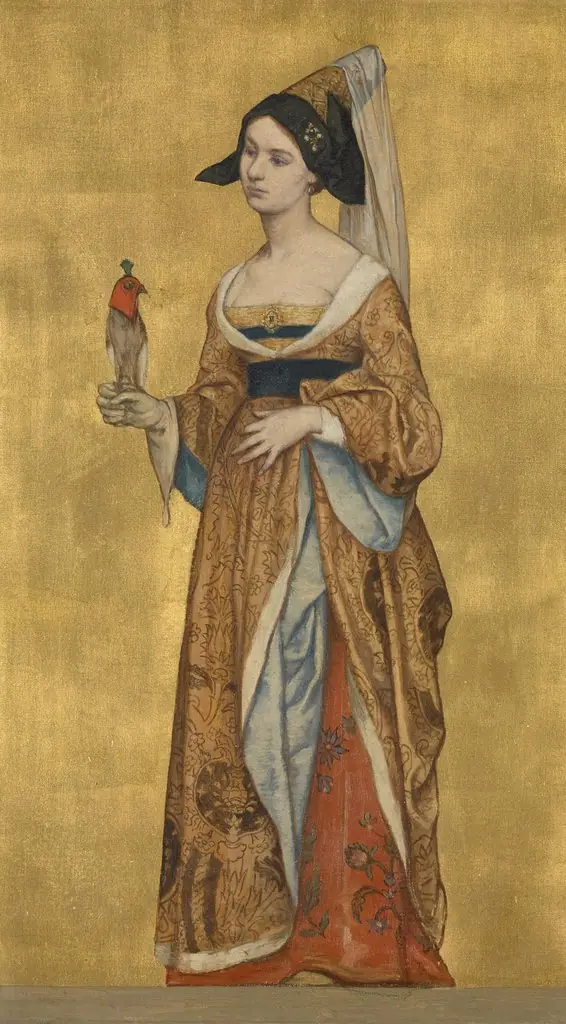
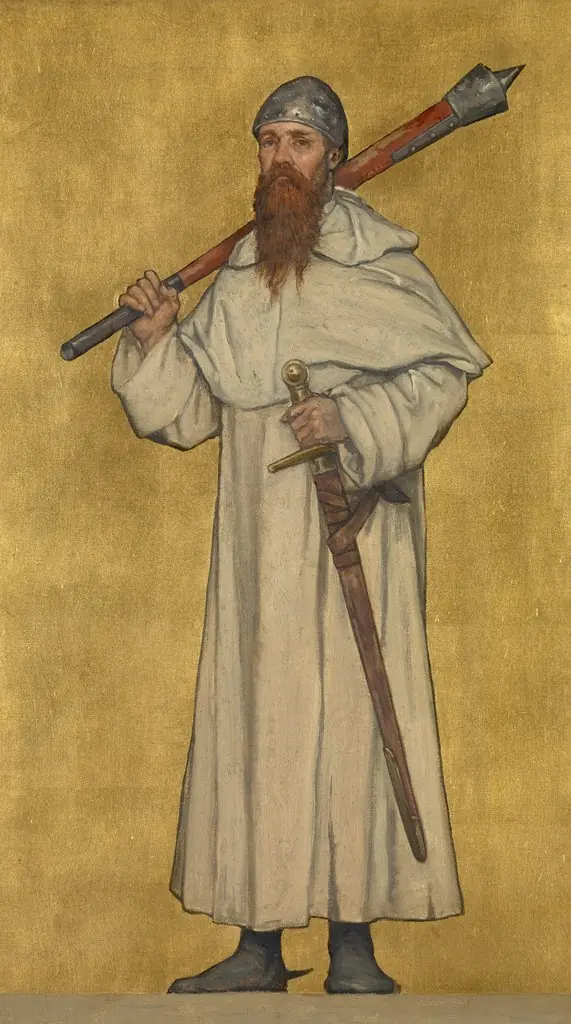
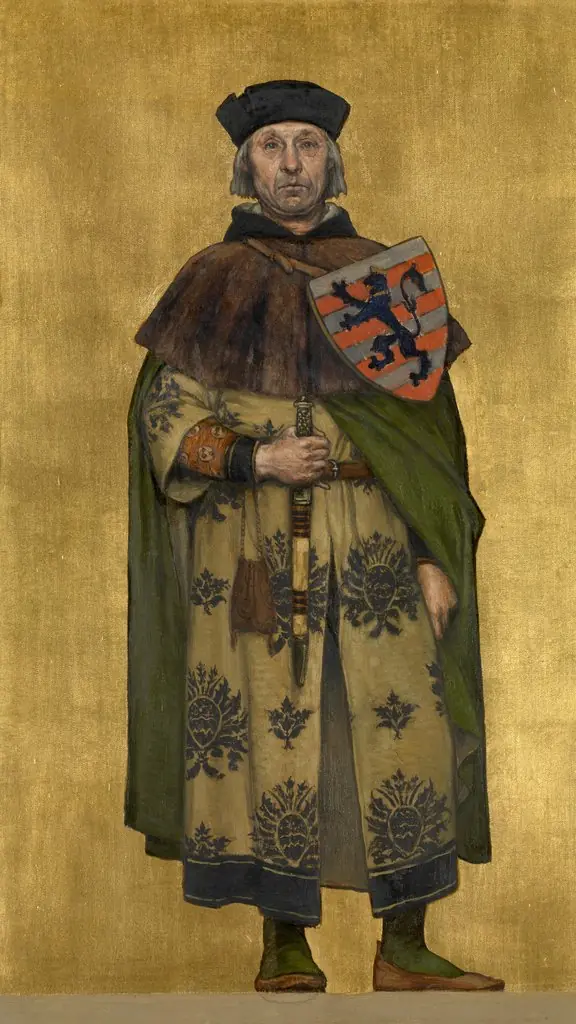
The First Chapter of the Order of the Golden Fleece is an oil painting by the Naïve art artist Albrecht De Vriendt. It dates from 1898 and is held in the collection of the Royal Museum of Fine Arts Antwerp.
About this work
Overview
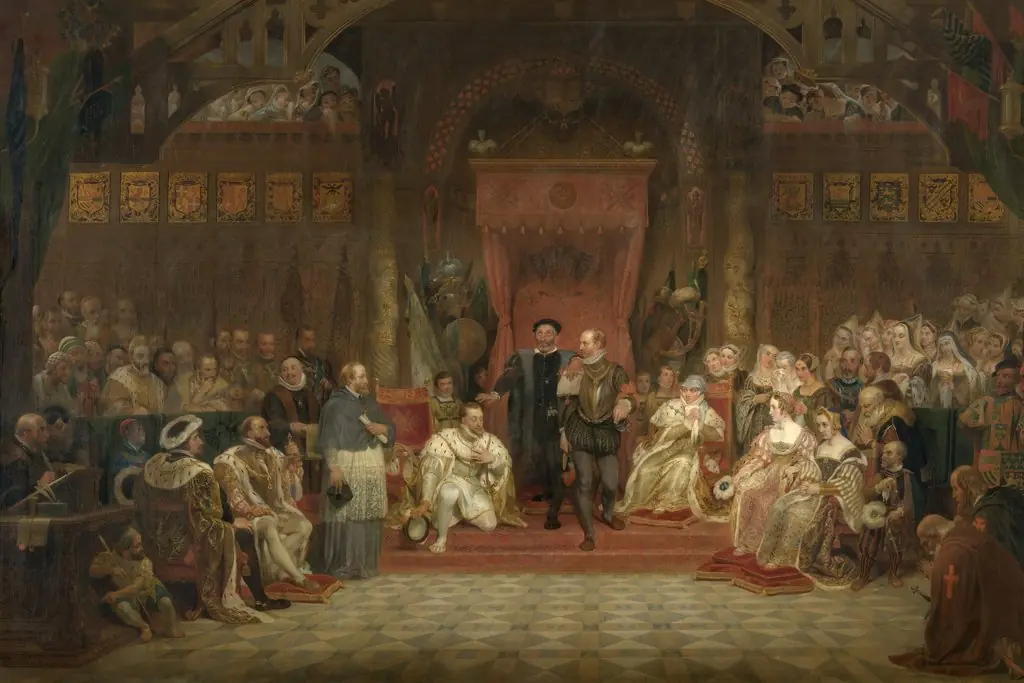
Painted in 1898 by Belgian artist Albrecht De Vriendt, this oil-on-canvas work depicts the inaugural meeting of the Order of the Golden Fleece.
Painted in 1898 by Belgian artist Albrecht De Vriendt, this oil-on-canvas work depicts the inaugural meeting of the Order of the Golden Fleece. De Vriendt, known for historical and genre subjects, rendered the scene with meticulous attention to detail and spatial depth. The painting resides in the Royal Museum of Fine Arts Antwerp, reflecting its significance within Belgium’s 19th-century artistic heritage.
Subject & Meaning
The scene captures the ceremonial founding of the Order of the Golden Fleece, a prestigious chivalric institution established in the 15th century. A central figure in a red robe, likely a sovereign or high-ranking official, holds a book, symbolizing the charter or rules of the order. Surrounding figures, dressed in period attire, convey solemnity and hierarchy, emphasizing the event’s political and dynastic weight.
Technique & Style
De Vriendt employed chiaroscuro to model forms and direct focus toward the central figure, enhancing the scene’s dramatic gravity. Rich textures in fabrics, wood, and metal reflect careful observation of material detail. The composition arranges figures and furnishings to create a sense of enclosed space, with warm tones and controlled lighting reinforcing the ceremonial atmosphere without theatrical exaggeration.
History & Provenance
Commissioned as part of Belgium’s broader 19th-century effort to visually reclaim its medieval past, the painting entered the Royal Museum of Fine Arts Antwerp shortly after completion. De Vriendt’s engagement with historical themes aligned with national efforts to construct cultural identity through art, positioning this work within a movement that valued historical continuity and institutional memory.
Context
Created during a period when Belgian artists revisited medieval and Renaissance subjects to affirm national heritage, the painting reflects the influence of Romantic historicism. De Vriendt’s approach, while detailed and orderly, diverged from overt romanticism by favoring restrained realism. His participation in monumentalist projects further situates this work within state-sponsored efforts to legitimize historical narratives through visual culture.
Legacy
Though not widely reproduced outside institutional circles, the painting remains a key example of late 19th-century Belgian historical painting. It illustrates how artists like De Vriendt contributed to public memory by translating institutional history into accessible visual form. Its preservation in Antwerp underscores its role in sustaining regional narratives of power and tradition.
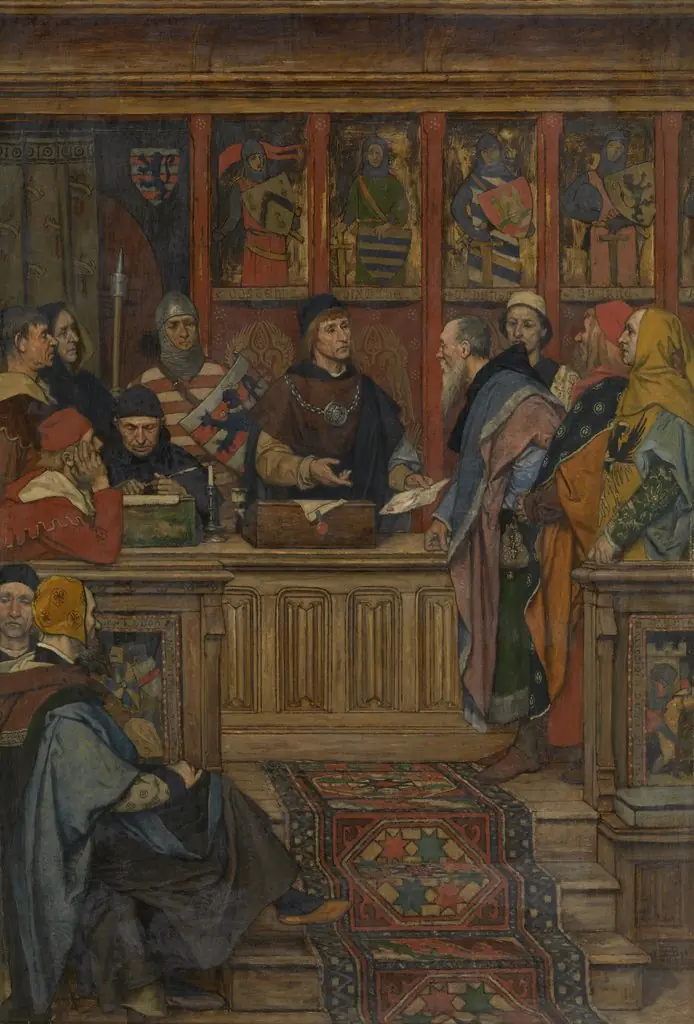
Own this work as a print
Artist & collection
Artist
Albrecht Frans Lieven De Vriendt or Albrecht De Vriendt (In French-language publications referred to as Albert De Vriendt or Albert François Lieven De Vriendt) (Ghent, 8 December 1843 – Antwerp, 14 October 1900) was a…

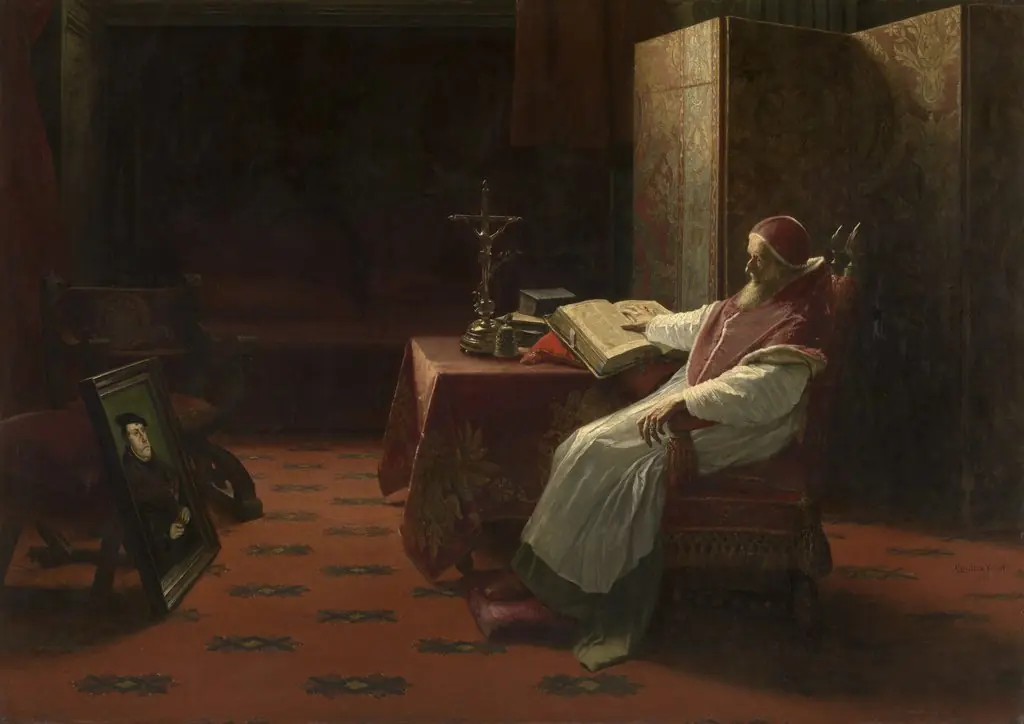
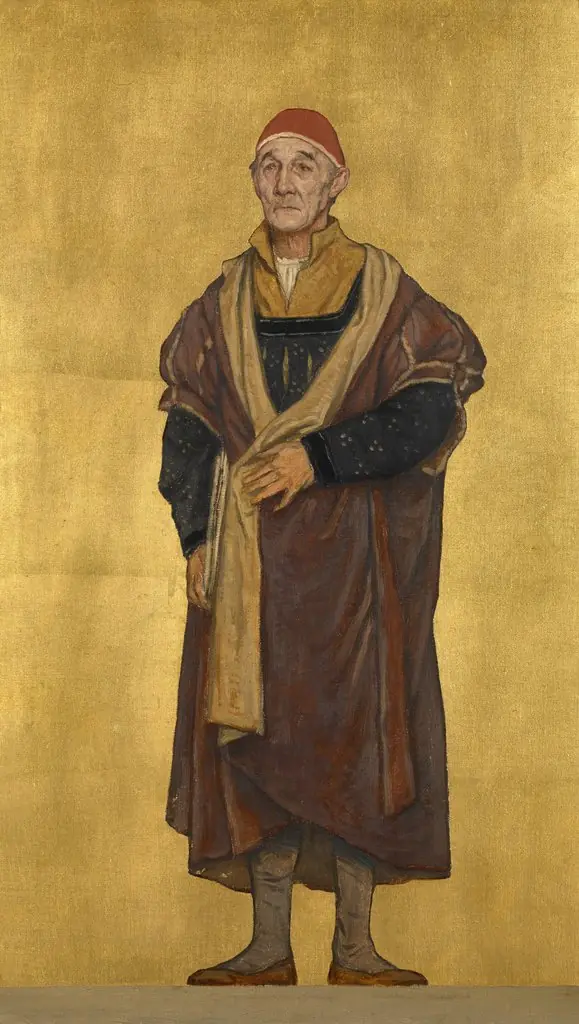
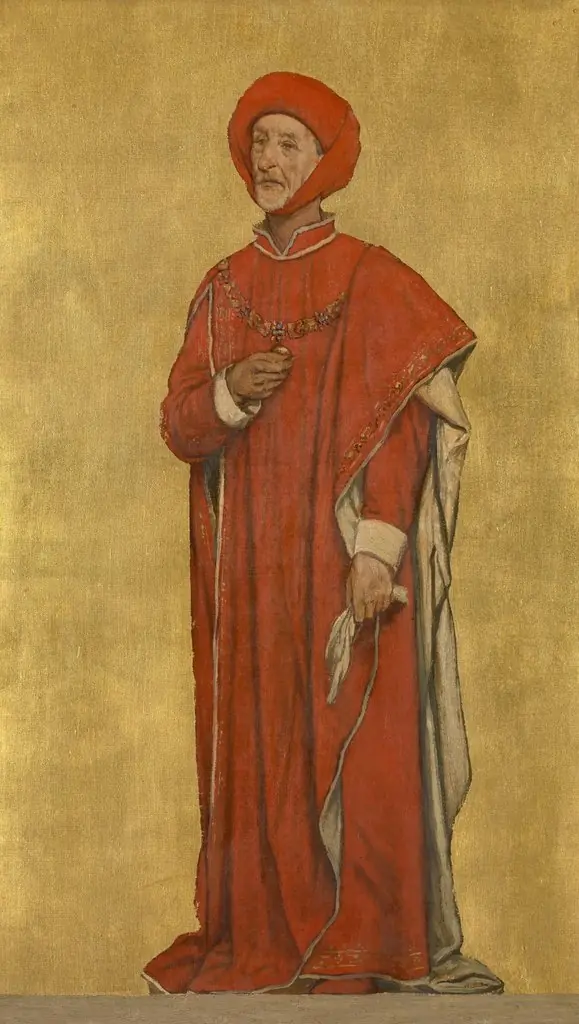
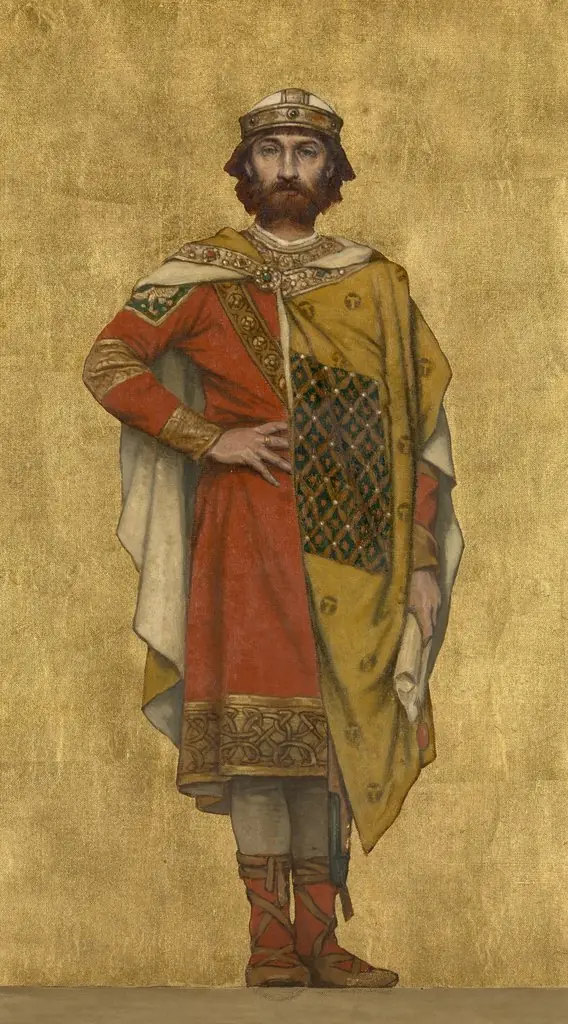
- The Hanseatic League receives its Charter
 Abdiction of Charles V
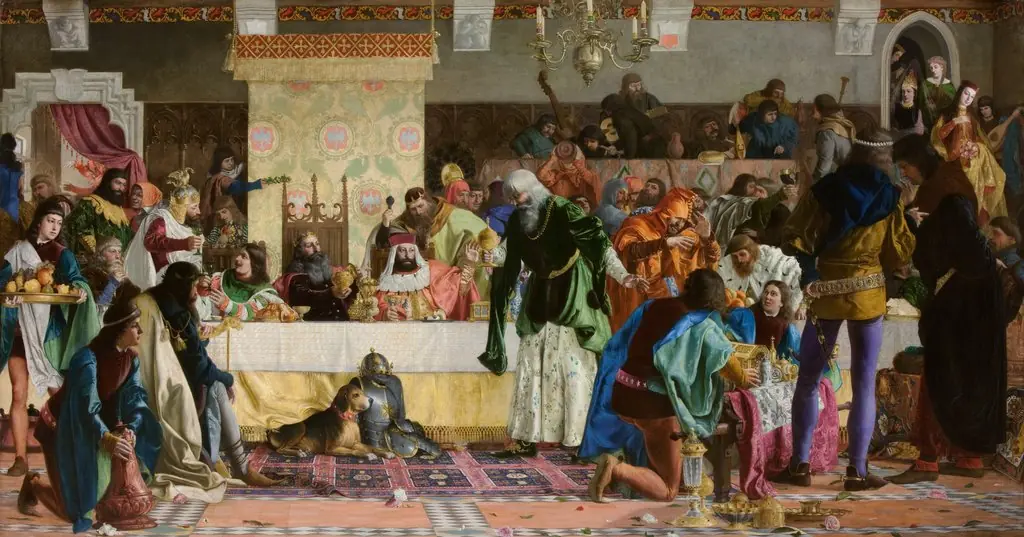 Feast at Wierzynek's
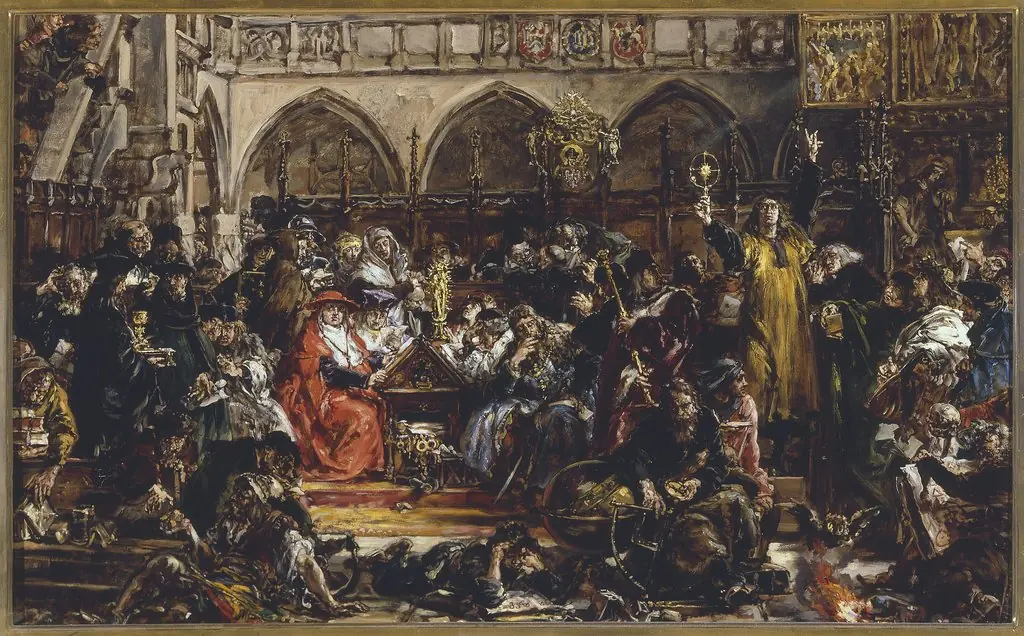 Influence of the university on the country, from the series “History of Civilization in Poland”
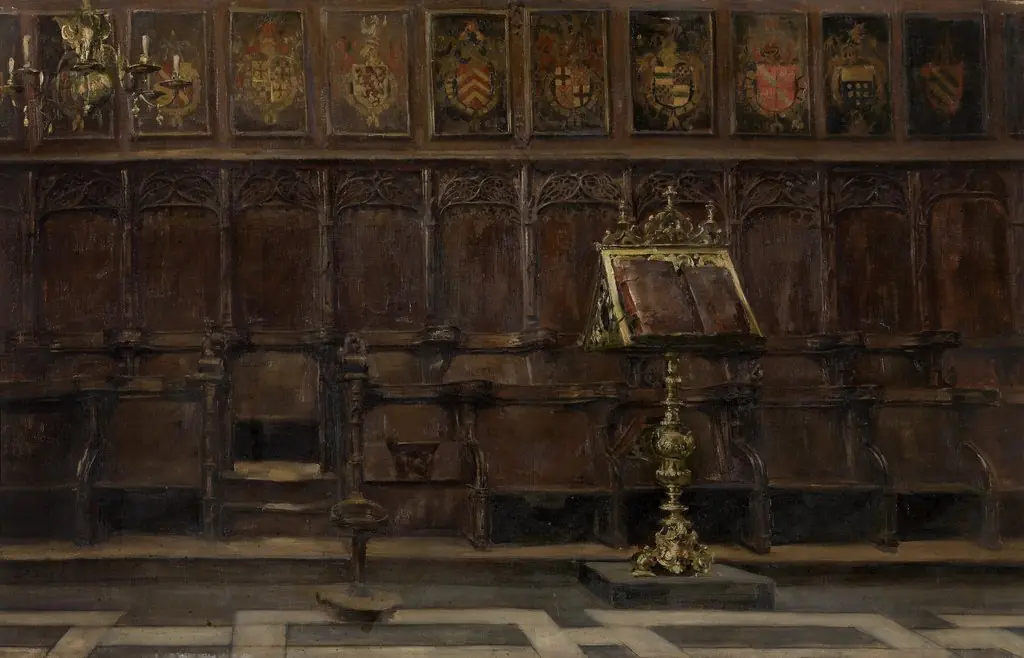 Choir Stalls in the Salvator Church in Bruges
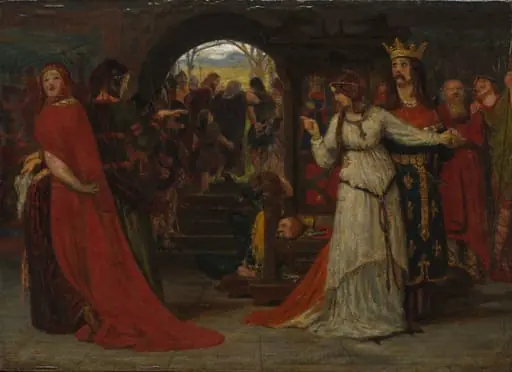 Cordelia Parting from her Sisters
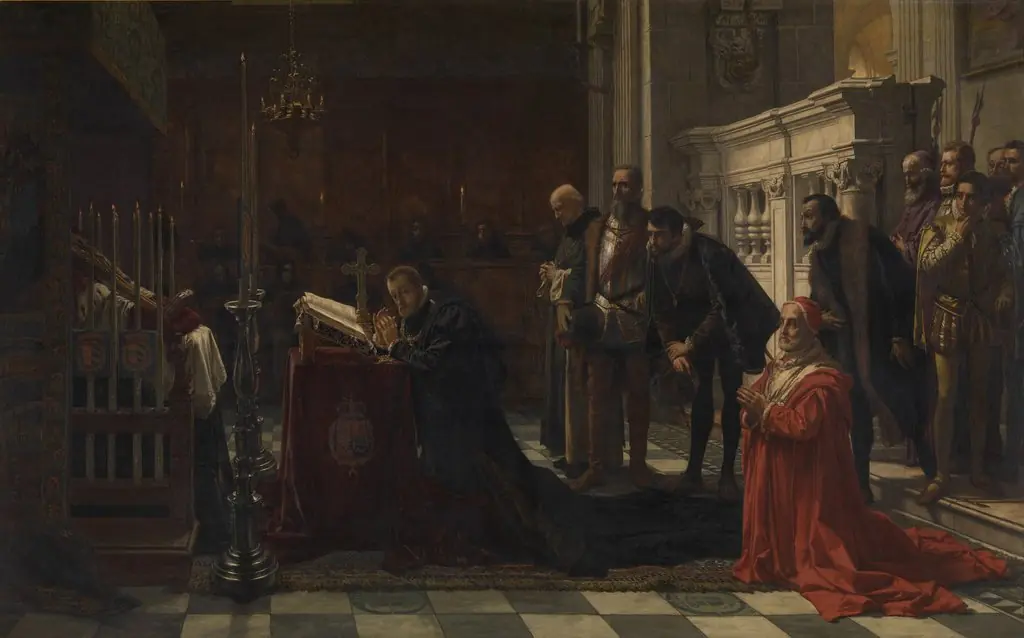 Philip II of Spain Honours Don John of Austria
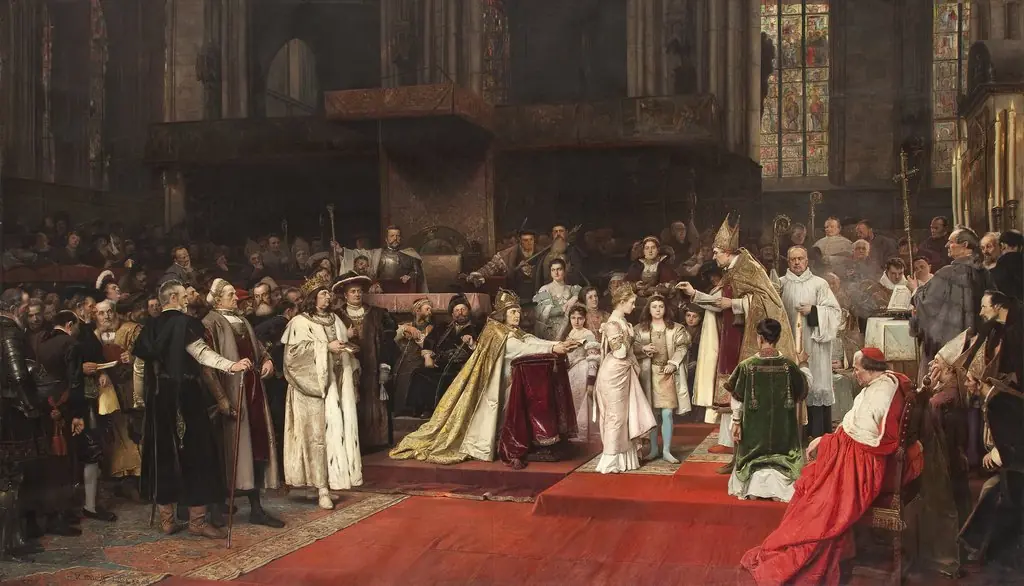 Tu felix Austria nube
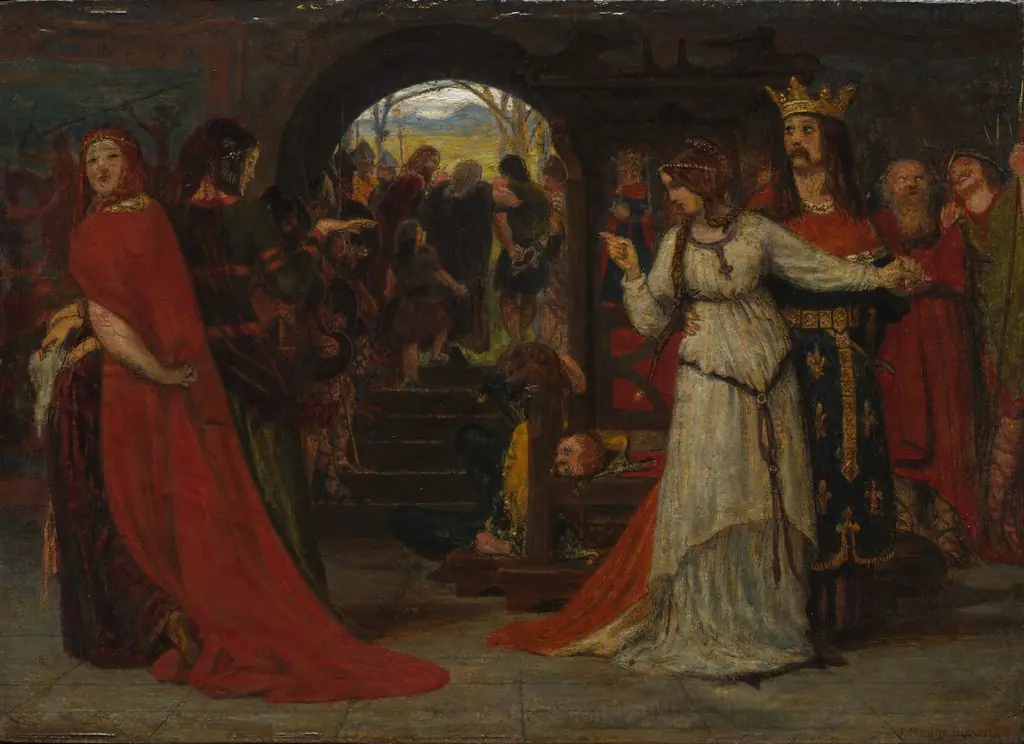 Cordelia Parting from her Sisters
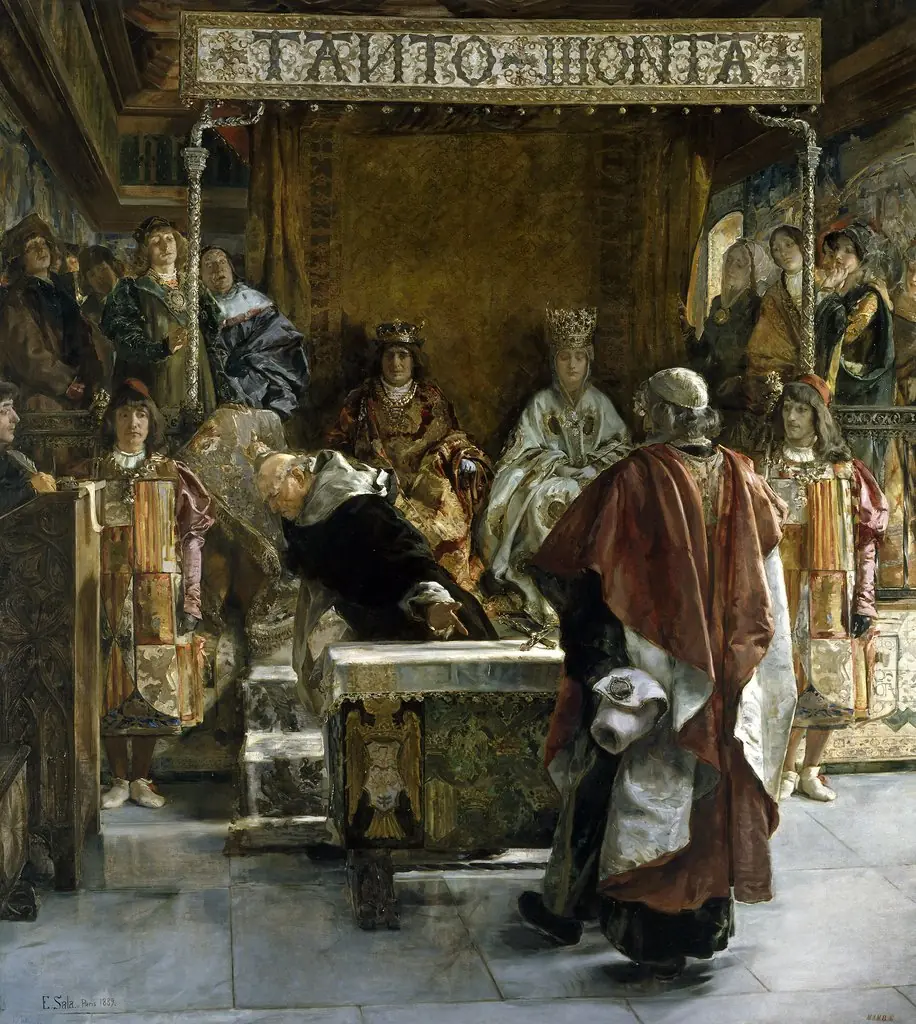 The Expulsion of the Jews from Spain (in the year 1492)
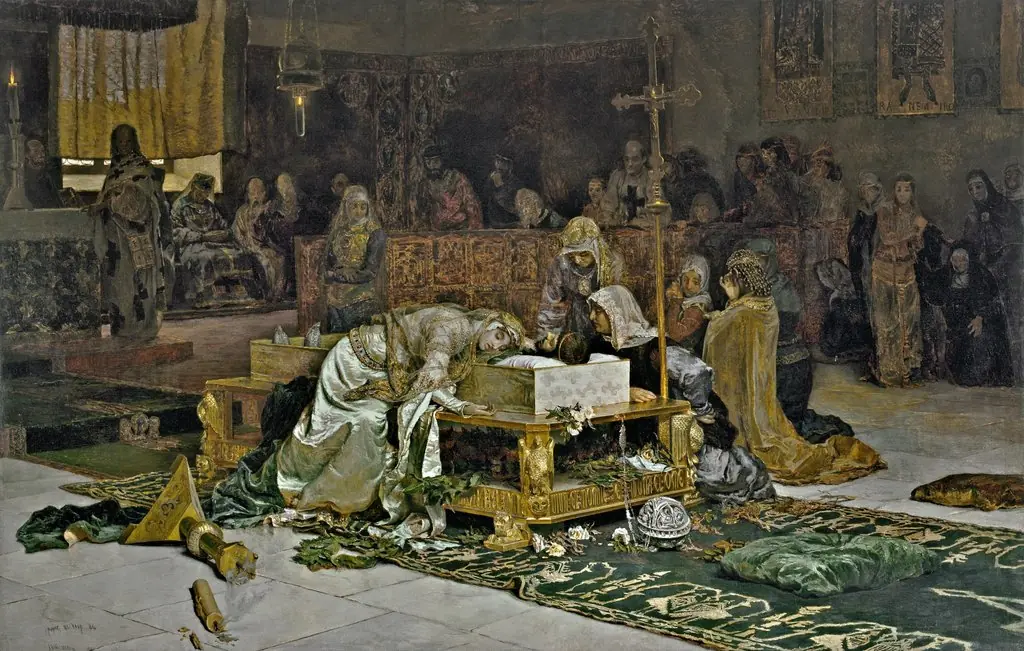 The Lovers of Teruel
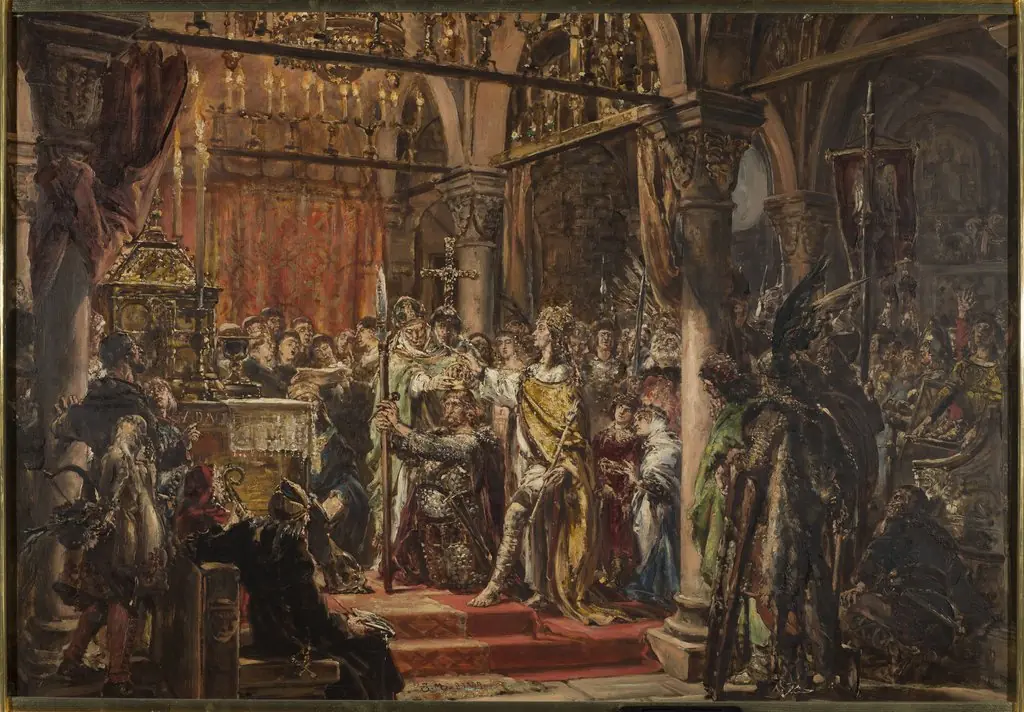 Coronation of the First King, 1001 AD, from the series “History of Civilization in Poland”