Artwork
Tu felix Austria nube
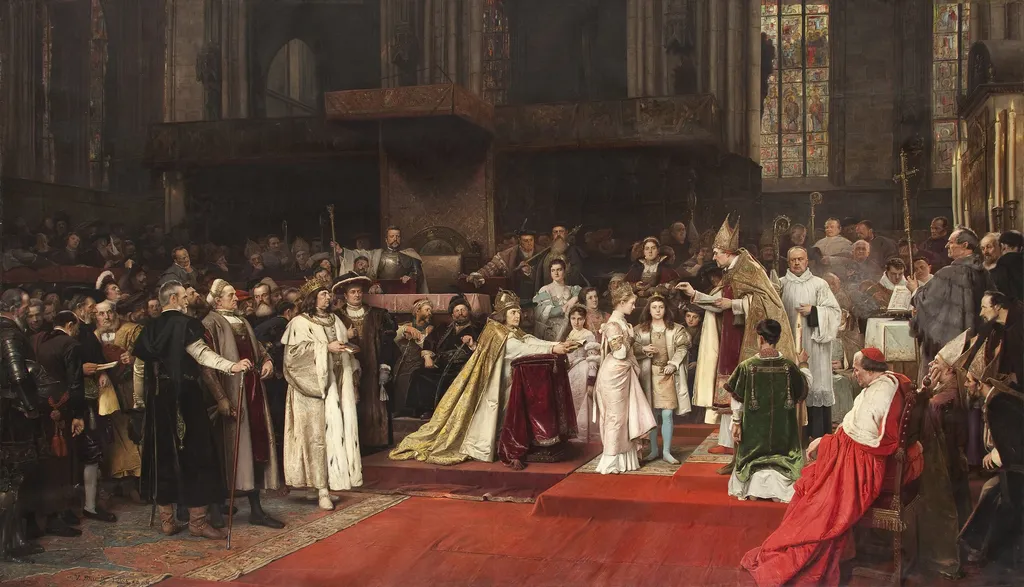
Tu felix Austria nube is an oil painting by the Impressionist artist Václav Brožík. It dates from 1898 and is held in the collection of the Kunsthistorisches Museum.
About this work
Subject & Meaning
The painting shows a church interior, reflecting the artist's focus on sacred spaces. It belongs to the church interior genre, a subject often explored in ecclesiastical contexts. The work was created in 1896 by Václav Brožík, a Czech painter known for his church interiors.
Technique & Style
The composition is arranged in a symmetrical, stage-like recession, guiding the viewer’s eye toward the central marriage ceremony beneath a vaulted ceiling.
Executed in oil on canvas in 1896, the work measures 430 cm in height and 730 cm in width.
Handling emphasizes smooth, blended brushwork to render the architectural interior and figures with a polished finish typical of academic history painting. The composition is arranged in a symmetrical, stage-like recession, guiding the viewer’s eye toward the central marriage ceremony beneath a vaulted ceiling.
The palette favors muted tones punctuated by rich crimson and gold accents, reinforcing the ceremonial grandeur and dynastic symbolism of the scene.
History & Provenance
The painting was created in 1896 by Václav Brožík as an oil on canvas depiction of a church interior. It entered the collection of the Belvedere, Kunsthistorisches Museum shortly after its completion and has remained in that institution's holdings. The work was commissioned as part of the museum's acquisition of contemporary religious interiors, reflecting the late‑19th‑century interest in ecclesiastical subjects.
The painting is part of the Belvedere collection at the Kunsthistorisches Museum, recorded under its inventory number and accession details as a work by Václav Brožík created in 1896. It has been exhibited in institutional presentations focusing on late 19th-century Austrian art, including displays at the Belvedere that highlight the artist’s ecclesiastical subjects and church interiors.
Context
The painting church interior was created by Václav Brožík in 1896 and is housed in the Belvedere collection in Vienna. Executed in oil on canvas, it measures 430 cm by 730 cm and depicts a sacred space rendered with attention to architectural detail and atmospheric light. Brožík, a Czech academic painter active in the late 19th century, frequently explored religious subjects within the tradition of Central European historicism.
This work reflects the broader European movement toward national romanticism in ecclesiastical art, aligning with contemporaries who sought to revitalize religious imagery through naturalistic representation and symbolic clarity. Contemporary reviews noted its devotional quality and technical proficiency, while modern scholarship positions it as an example of transitional style between historicist academicism and emerging modernist sensibilities in Austro-Hungarian painting.
The painting’s placement within the Belvedere underscores its significance as part of a curated narrative of Central European artistic identity, linking religious art of the 19th century to broader cultural currents in fin-de-siècle Vienna.
Overview
Tu felix Austria nube is an 1898 oil painting by Václav Brožík, currently housed at the Kunsthistorisches Museum. The work captures a solemn moment within a crowded church interior.
Legacy
While specific lasting impacts of 'Tu felix Austria nube' on broader art movements are not widely documented, it remains a notable example of Brožík's work and a window into the era's cultural practices.
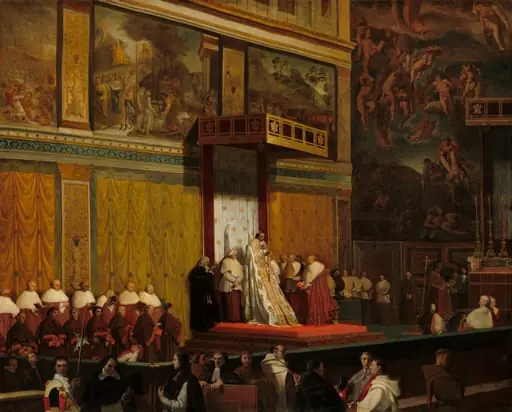
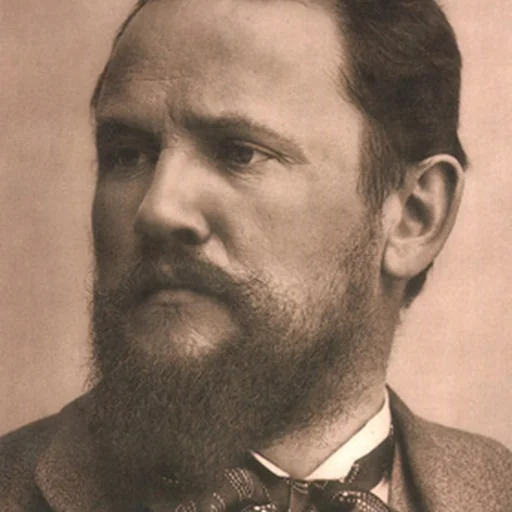
Artist & collection

- Pope Pius VII in the Sistine Chapel
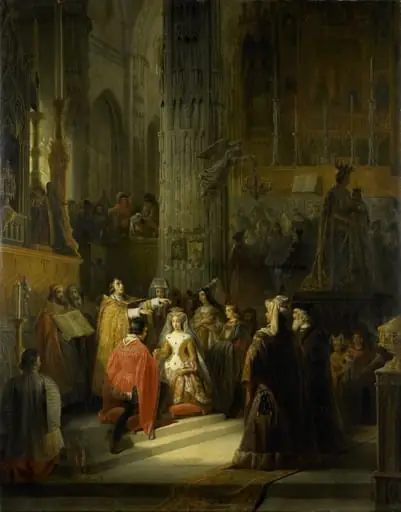 The Wedding of Jacoba of Bavaria, Countess of Holland, and Jan IV, Duke of Brabant, 10 March 1418
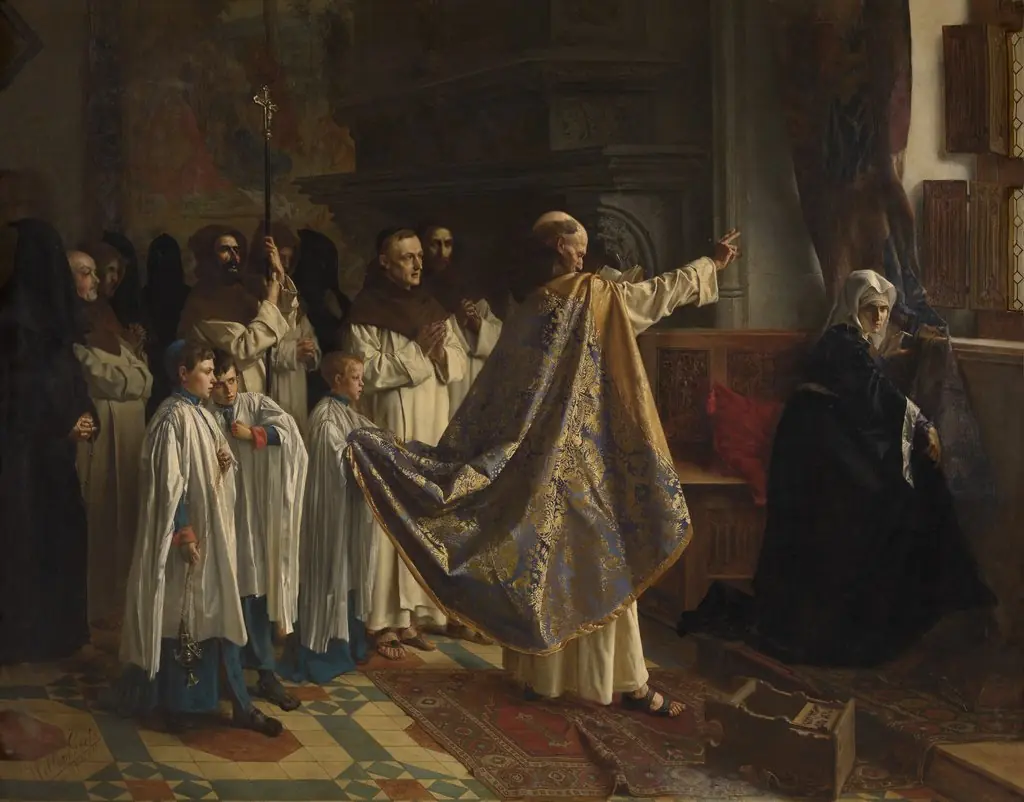 Exorcism of Joanna of Castile
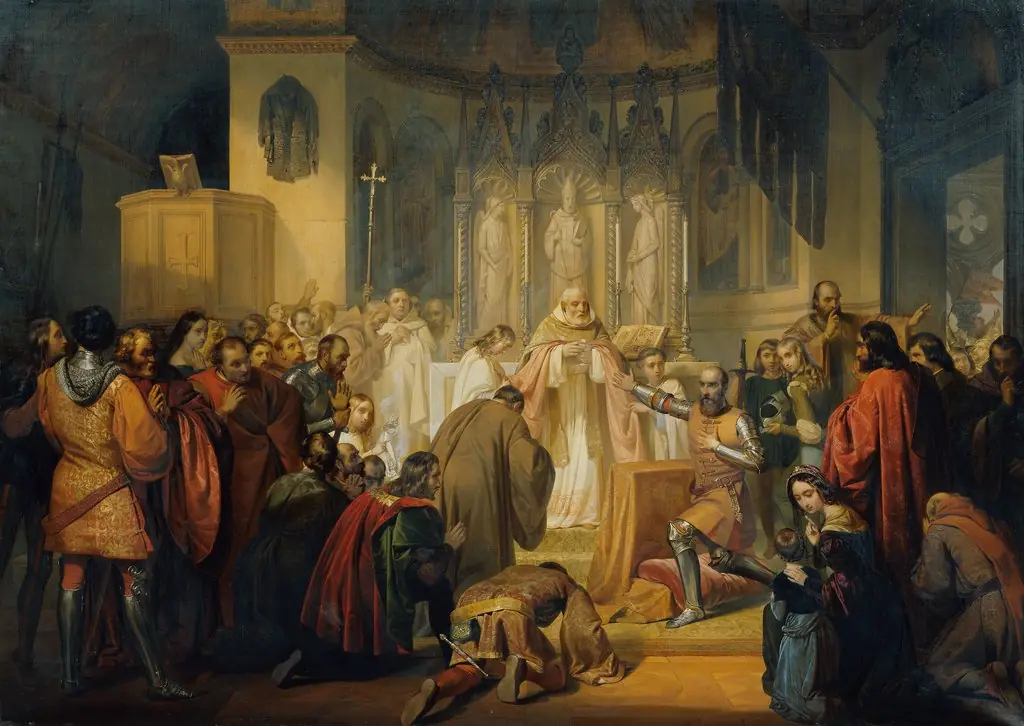 Vittore Pisani receives Holy Communion before taking command of an expedition against the Genoese
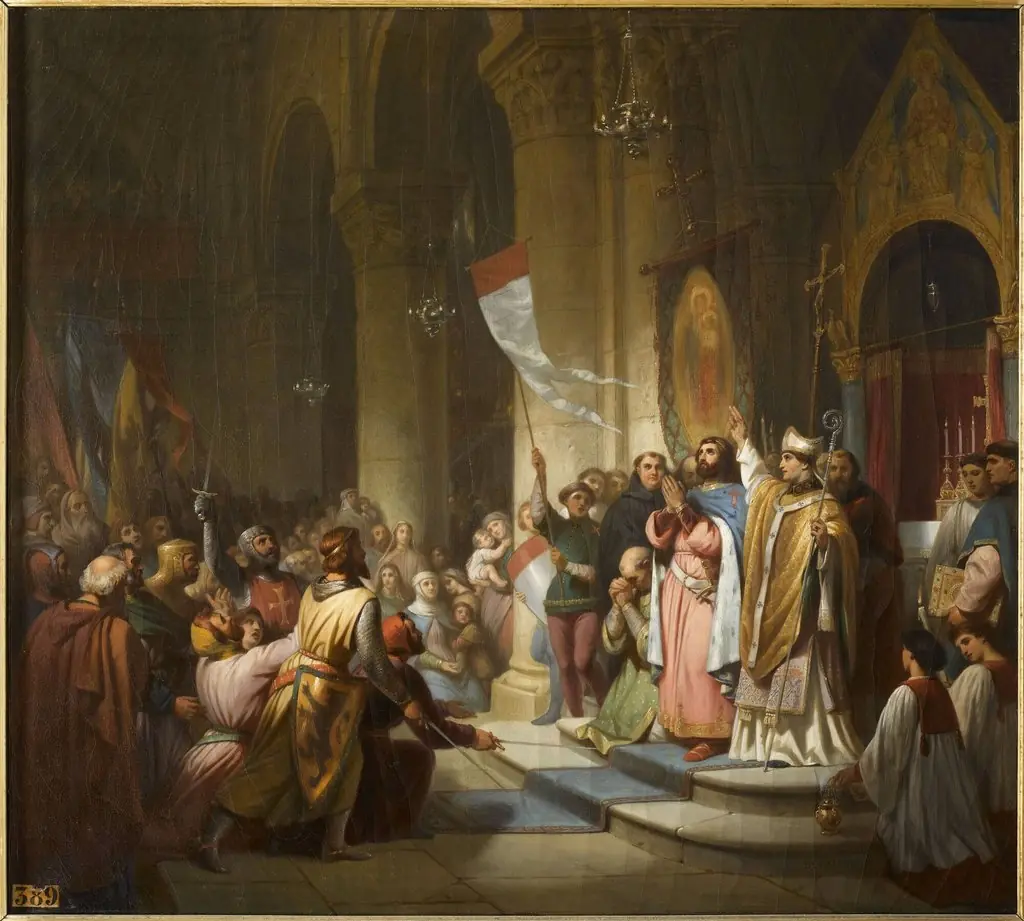 Election of Boniface of Montferrat as leader of the Fourth Crusade.
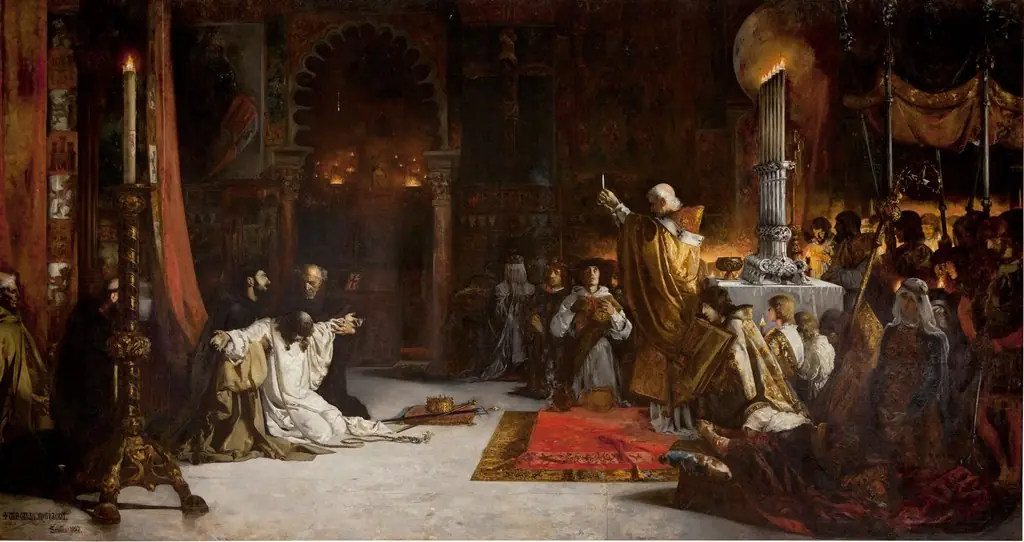 Las postrimerías de Fernando III el Santo
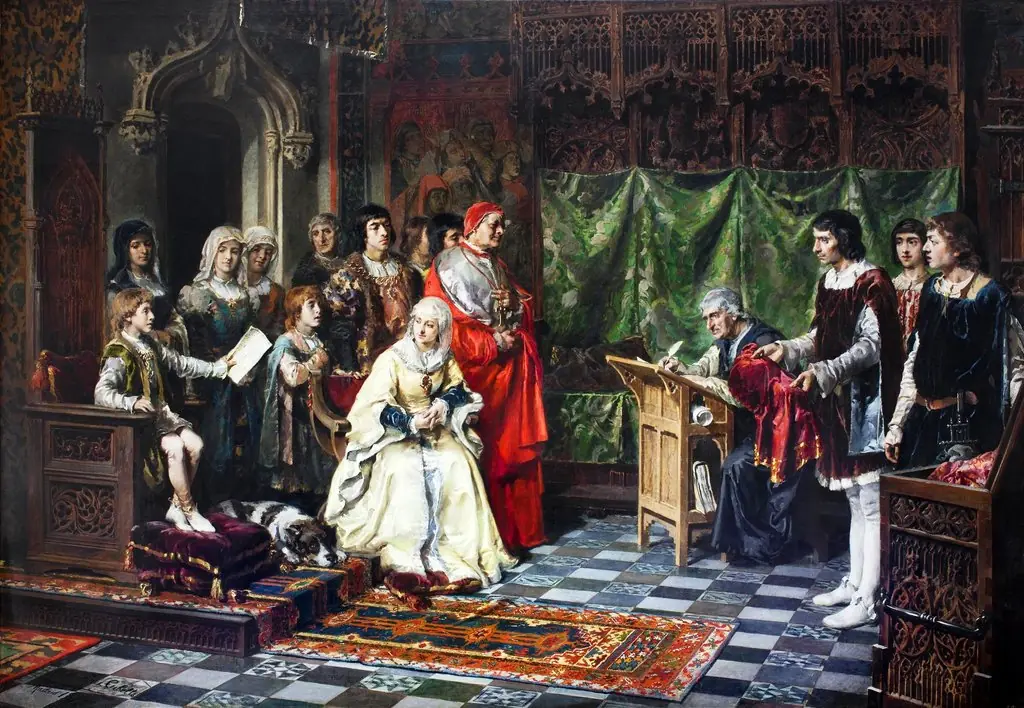 Educación del príncipe don Juan
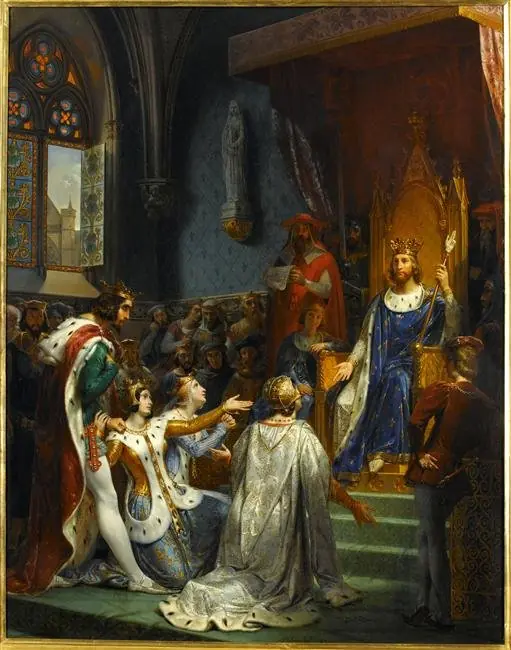 John II receives the submission of Charles II of Navarre
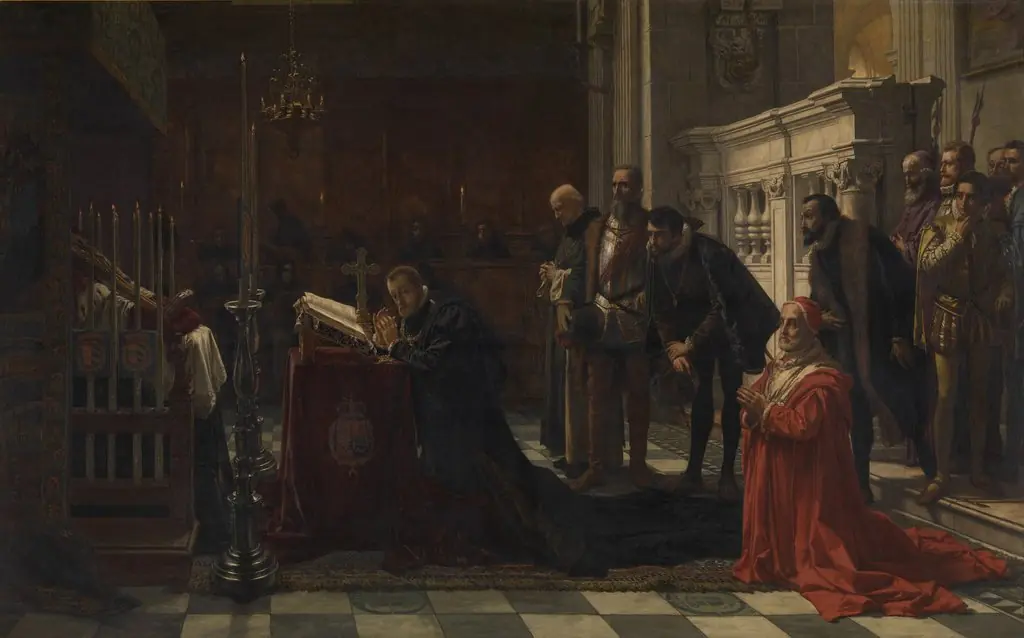 Philip II of Spain Honours Don John of Austria
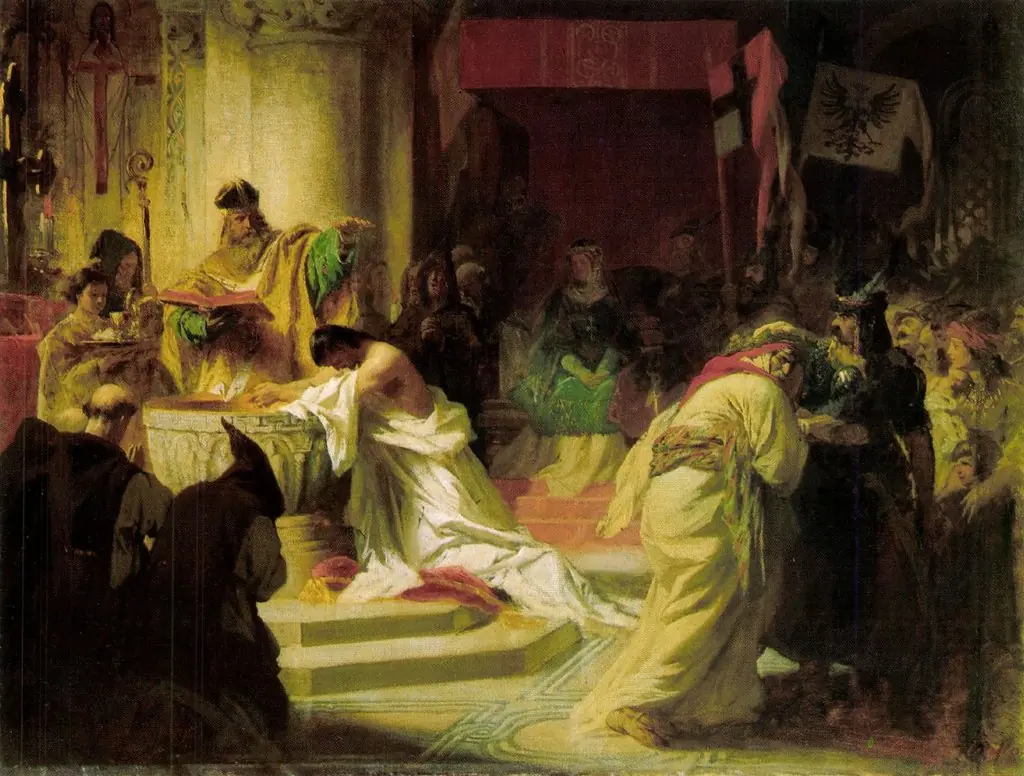 The Baptism of Vajk
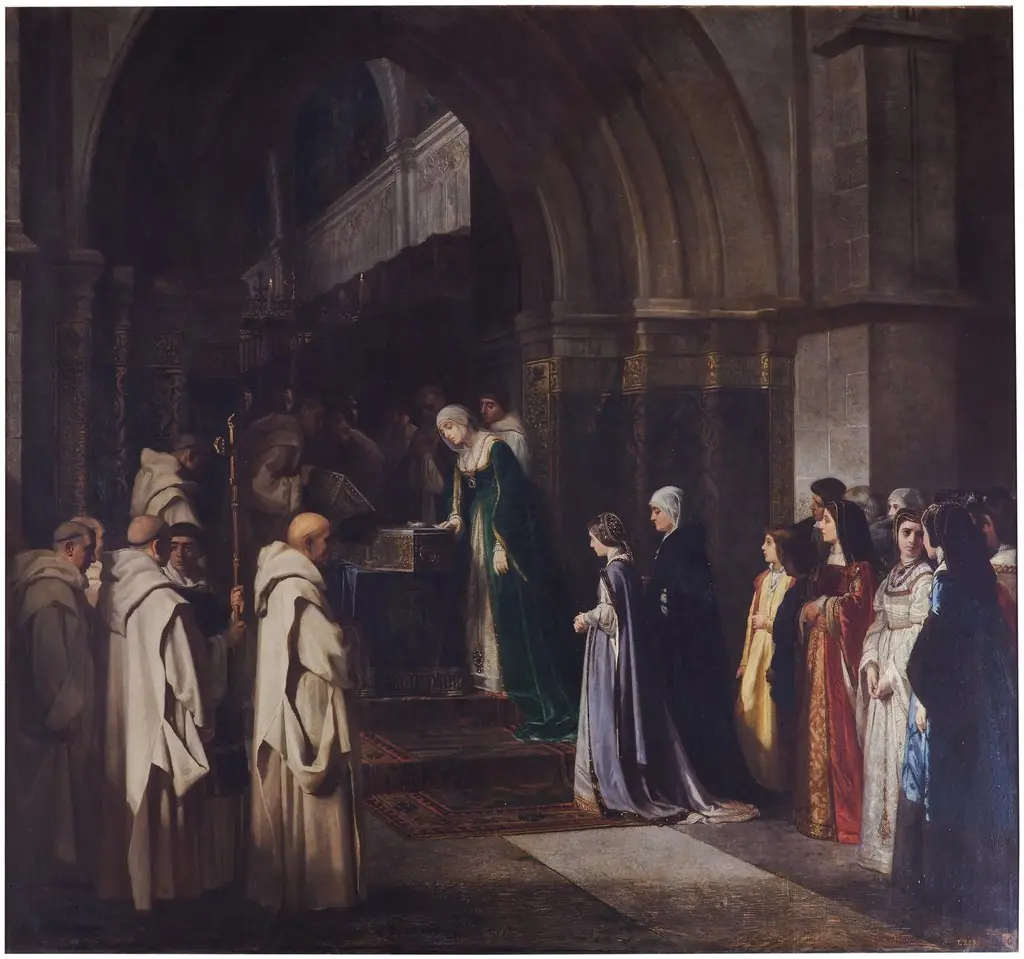 Doña Isabel la Católica en la cartuja de Miraflores
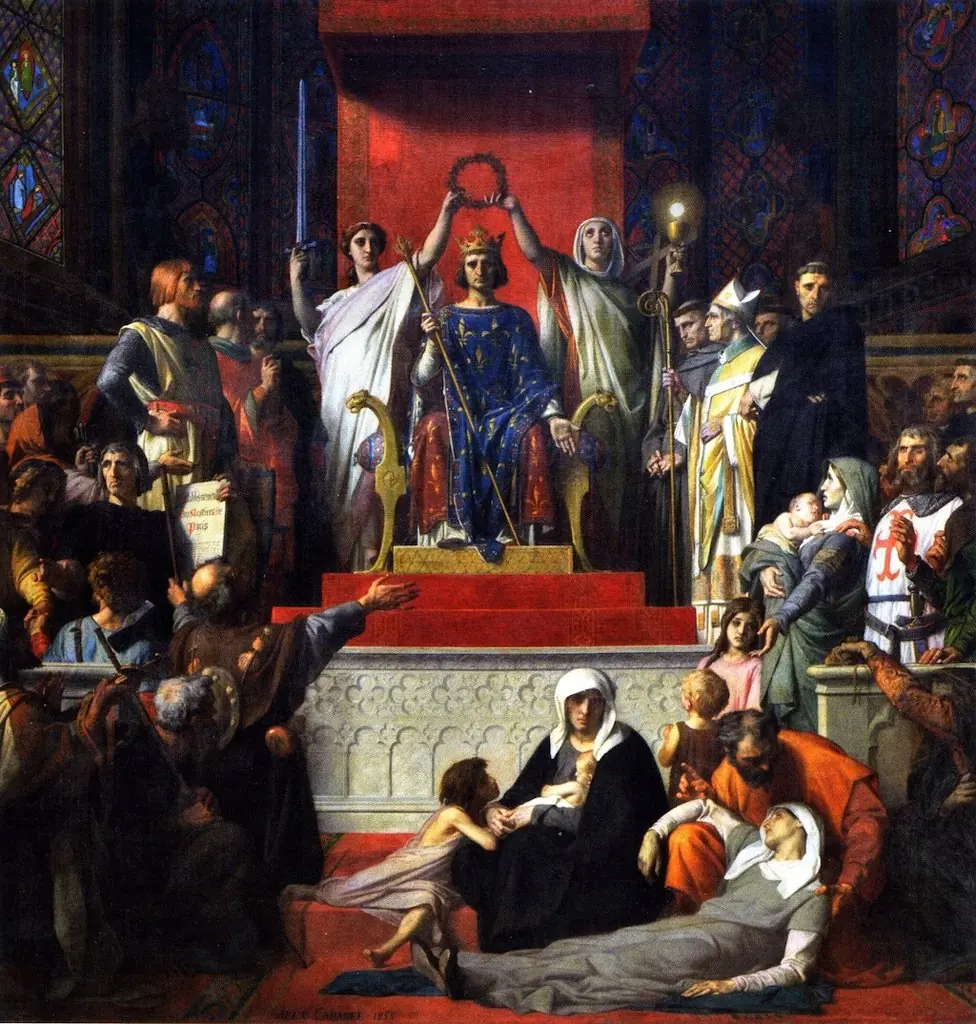 The Glorification of St. Louis