Artwork
Vittoria Marini
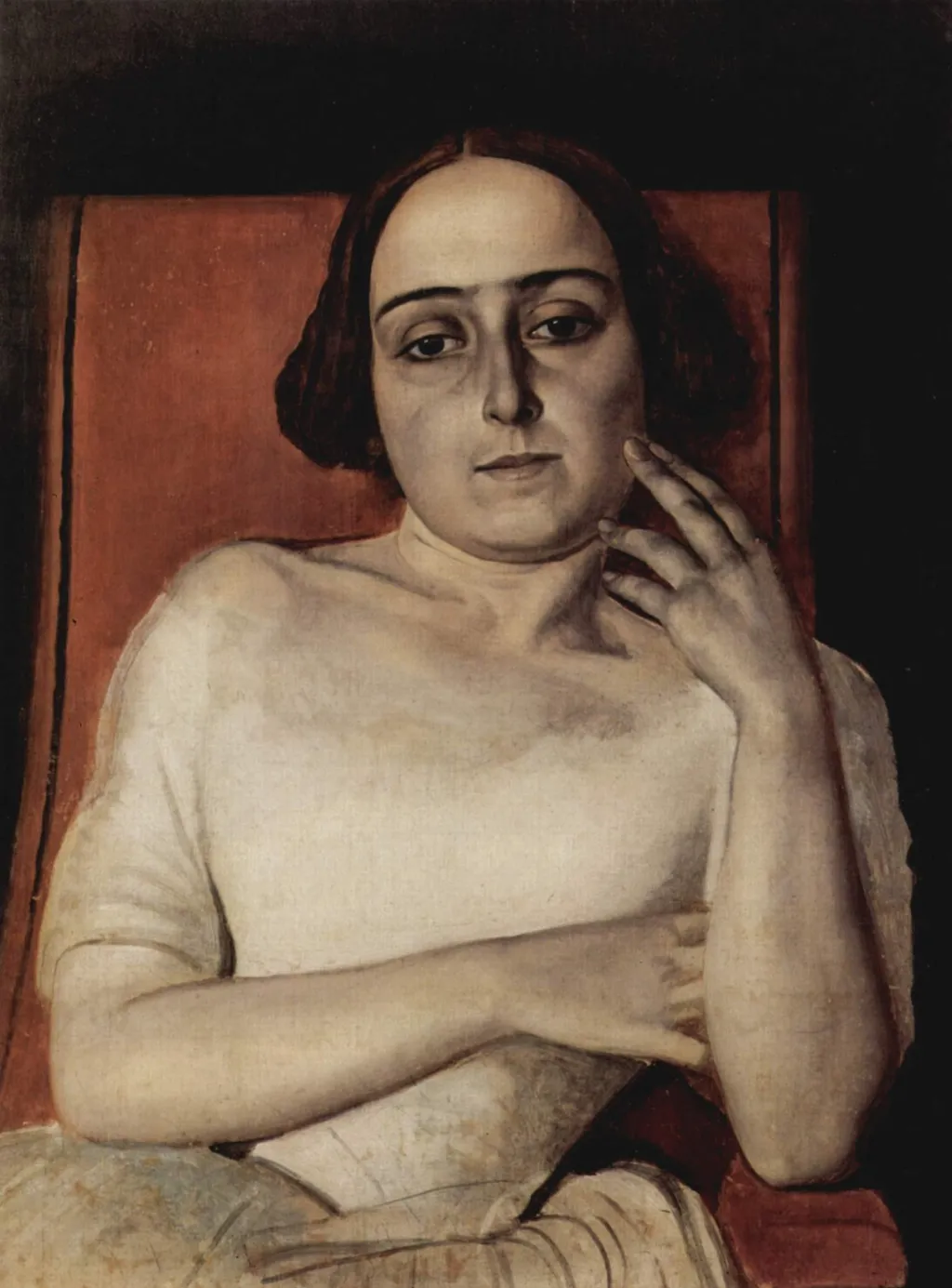
Vittoria Marini is an oil painting by the Russian Icon artist Alexander Ivanov. It dates from 1850 and is held in the collection of the Tretyakov Gallery.
About this work
Overview
Though Ivanov is better known for large-scale religious compositions, this intimate work reveals his skill in capturing quiet human presence.
Painted circa 1850, Vittoria Marini is an oil portrait by Russian artist Alexander Ivanov. Though Ivanov is better known for large-scale religious compositions, this intimate work reveals his skill in capturing quiet human presence. Executed with restrained precision, the painting stands apart from his more ambitious projects, offering a focused study of individual character through stillness and subtle tone.
Subject & Meaning
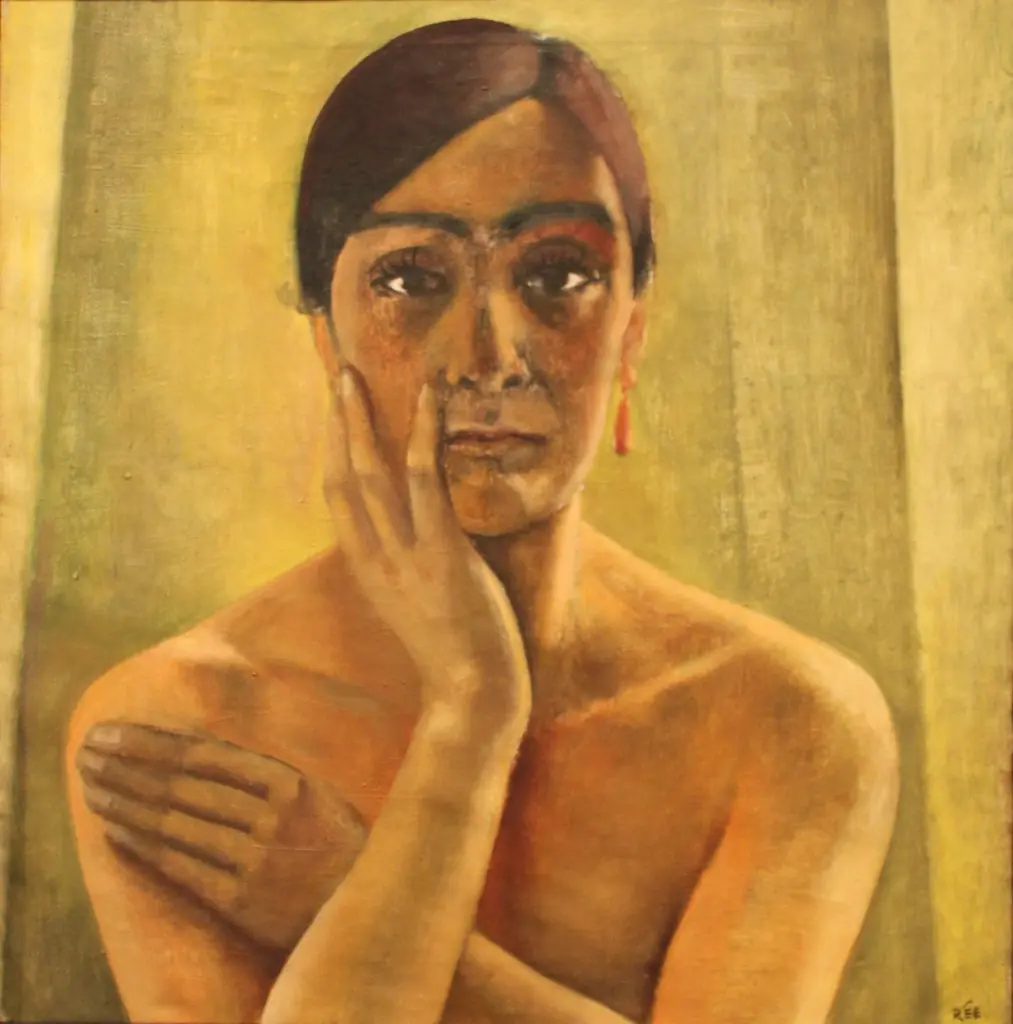
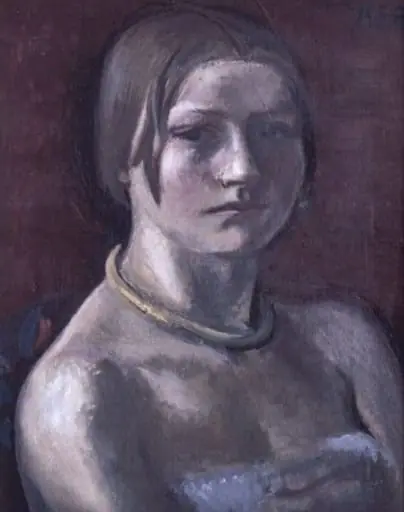
The subject, identified as Vittoria Marini, is depicted in a moment of inward reflection. Her hand rests gently against her cheek, eyes lowered, suggesting contemplation rather than performance. The absence of symbolic props or elaborate attire shifts focus to her demeanor, aligning the portrait with a tradition of psychological depth rather than social display. The calmness conveyed implies an inner life, not merely a likeness.
Technique & Style
Ivanov employs a muted, warm palette dominated by reddish-brown tones in the background, which softly frames the subject’s pale shirt and dark hair. Brushwork is controlled and smooth, avoiding dramatic contrasts or flourish. The composition is tightly centered, eliminating distractions to emphasize the sitter’s posture and expression. This method reflects a Neoclassical preference for clarity and emotional restraint.
History & Provenance
The painting has been held in the Tretyakov Gallery since at least the late 19th century, part of its collection of Russian portraiture. Its presence there suggests early recognition within national artistic circles, despite Ivanov’s relative obscurity during his lifetime outside of his monumental religious works. No documentation confirms the identity of the sitter beyond her name, leaving her background largely unrecorded.
Context
In mid-19th century Russia, portraiture often served aristocratic or religious functions, yet Ivanov’s approach here diverges from both. Unlike formal court portraits or iconographic figures, this work avoids hierarchy and symbolism, focusing instead on quiet individuality. It reflects a broader shift toward psychological realism in Russian art, even as the artist remained rooted in academic traditions.
Legacy
Though not widely exhibited or discussed, Vittoria Marini remains a quiet testament to Ivanov’s versatility. It demonstrates his ability to translate the discipline of large-scale historical painting into a personal, intimate scale. The work contributes to a lesser-known strand of Russian art that values subtlety over spectacle, influencing later generations interested in the emotional potential of the portrait.
Own this work as a print
Artist & collection
Artist
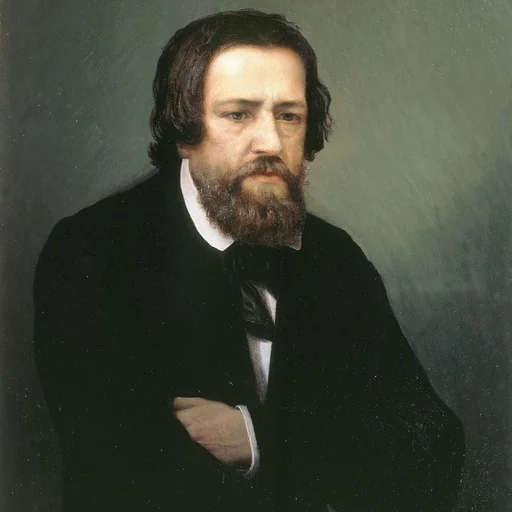
Alexander Andreyevich Ivanov (Russian: Алекса́ндр Андре́евич Ива́нов; 28 July 1806 – 15 July 1858) was a Russian painter who adhered to the waning tradition of Neoclassicism but found little sympathy with his contemporaries.