Artwork
Alexander Stewart Wetherill
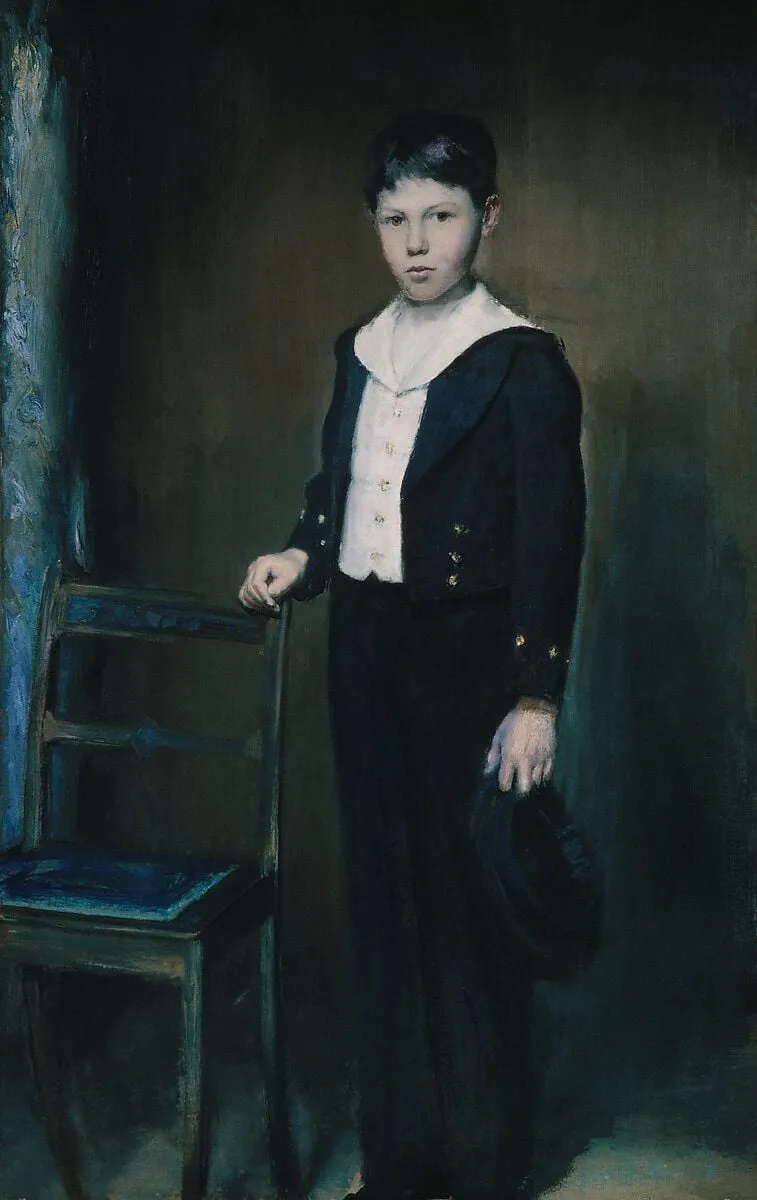
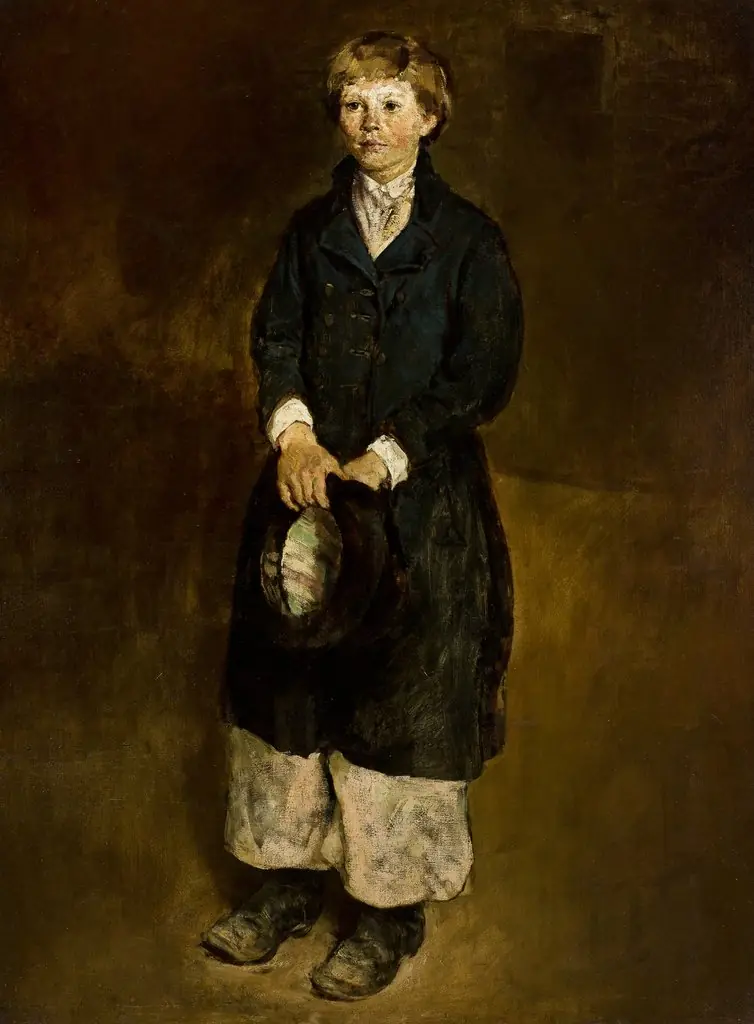
Alexander Stewart Wetherill is an oil painting by the American Impressionist artist Alfred Q. Collins. It dates from 1895 and is held in the collection of the Metropolitan Museum of Art. Alfred Q.
About this work
Subject & Meaning
As a formal portrait, the painting functions to record the sitter's appearance and to suggest his social standing within a prominent Philadelphia family.
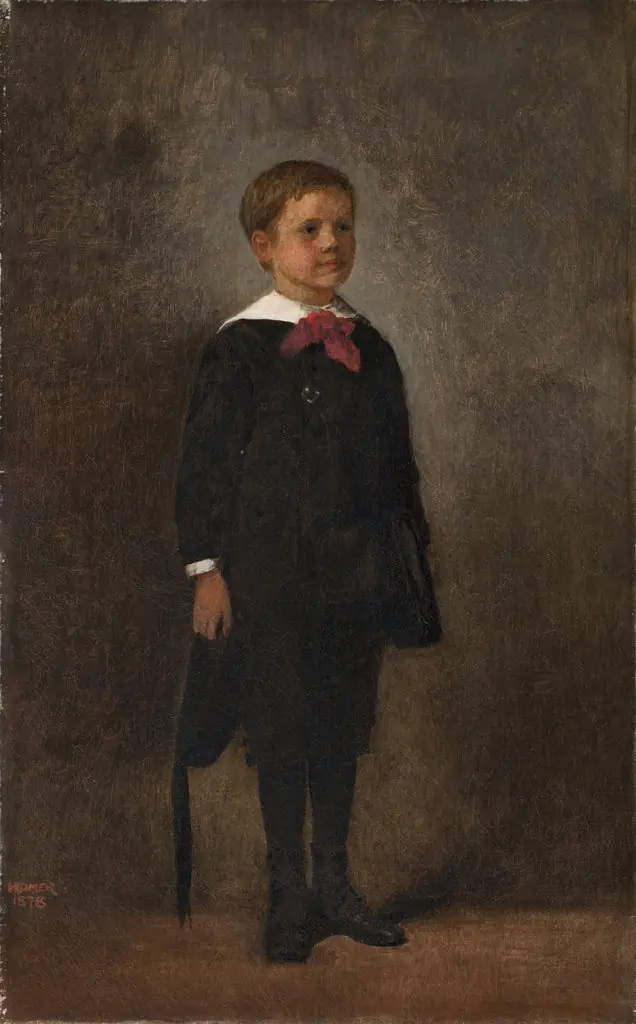
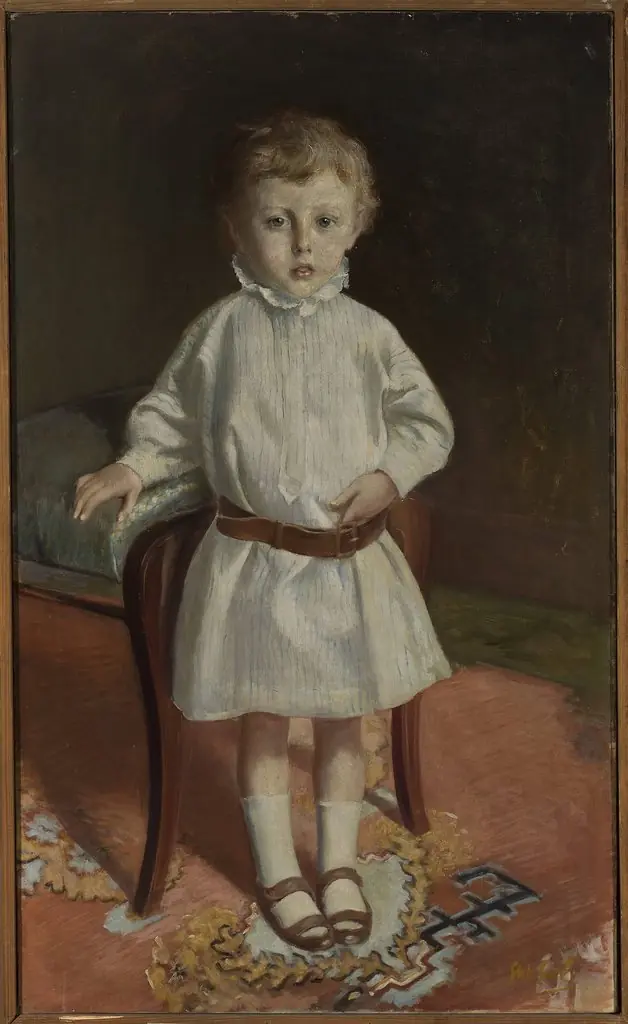
The portrait shows the young Alexander Stewart Wetherill, rendered by Alfred Q. Collins in 1895 as an oil on canvas work held in the Metropolitan Museum of Art. As a formal portrait, the painting functions to record the sitter's appearance and to suggest his social standing within a prominent Philadelphia family. The depiction of a boy in modest attire, without overt allegorical attributes, emphasizes personal identity rather than symbolic narrative, reflecting the late-19th-century American practice of commemorating children through straightforward likenesses.
The work's meaning is tied to its function as a family record and as an example of portraiture within The American Wing's collection.
Technique & Style
Alexander Stewart Wetherill is executed in oil paint on a canvas support, a traditional medium for late 19th-century portraiture. Created in 1895 by Alfred Q. Collins, the work measures approximately 151.8 centimeters in height and 95.9 centimeters in width. Classified within the American Wing, the piece functions as a formal portrait depicting a young boy.
The painting's physical construction relies on the standard application of oil pigments to a woven textile ground, characteristic of the era's academic portraiture. While specific brushwork handling is not detailed in the available records, the medium and dimensions align with the monumental scale often reserved for significant family commissions of the period. The work remains part of the Metropolitan Museum of Art's collection.
History & Provenance
Alexander Stewart Wetherill is an oil on canvas portrait painted in 1895 by Alfred Q. Collins. The work, measuring 151.8 cm by 95.9 cm, portrays a boy and is classified within The American Wing as a portrait. It was created by Collins and subsequently entered the collection of the Metropolitan Museum of Art, where it remains.
The painting's inception date is recorded as 1895, and its material consists of oil paint on canvas. Provenance records indicate that after its creation the work was acquired by the museum and has been part of its permanent holdings.
Legacy
The 1895 portrait Alexander Stewart Wetherill by Alfred Q. Collins exemplifies late-19th-century American portraiture and is part of the Metropolitan Museum of Art's The American Wing collection. Its presence in this major institutional space has allowed scholars to examine Collins's technique and his portrayal of youth within the broader context of American artistic development. As a documented work in the museum's permanent holdings, the painting contributes to the narrative of American portraiture of the period.
Overview
Alfred Q. Collins's Alexander Stewart Wetherill, painted in oil on canvas around 1895, captures the likeness of a young boy. This work is a notable example within The American Wing's collection, reflecting portraiture practices at the close of the 19th century. The artist presents his subject with a quiet dignity, inviting viewers to observe the boy's composed demeanor.
Context
Created around 1895, this portrait emerged during a period when photography was gaining prominence as a means of capturing likenesses. Despite the rise of the camera, artists like Collins continued to explore the unique qualities of painted portraiture. The boy's relaxed, almost candid pose, which evokes the immediacy of a photographic snapshot, reflects a contemporary sensibility in portraiture, moving away from more rigid, traditional stances.

Artist & collection