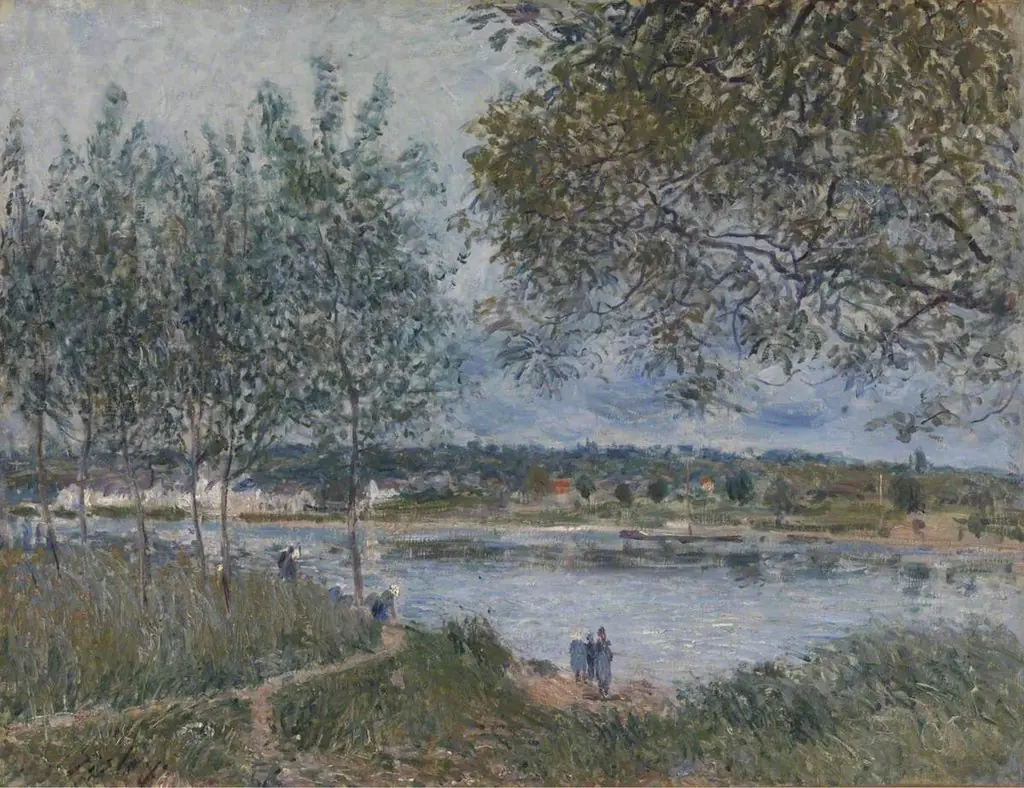
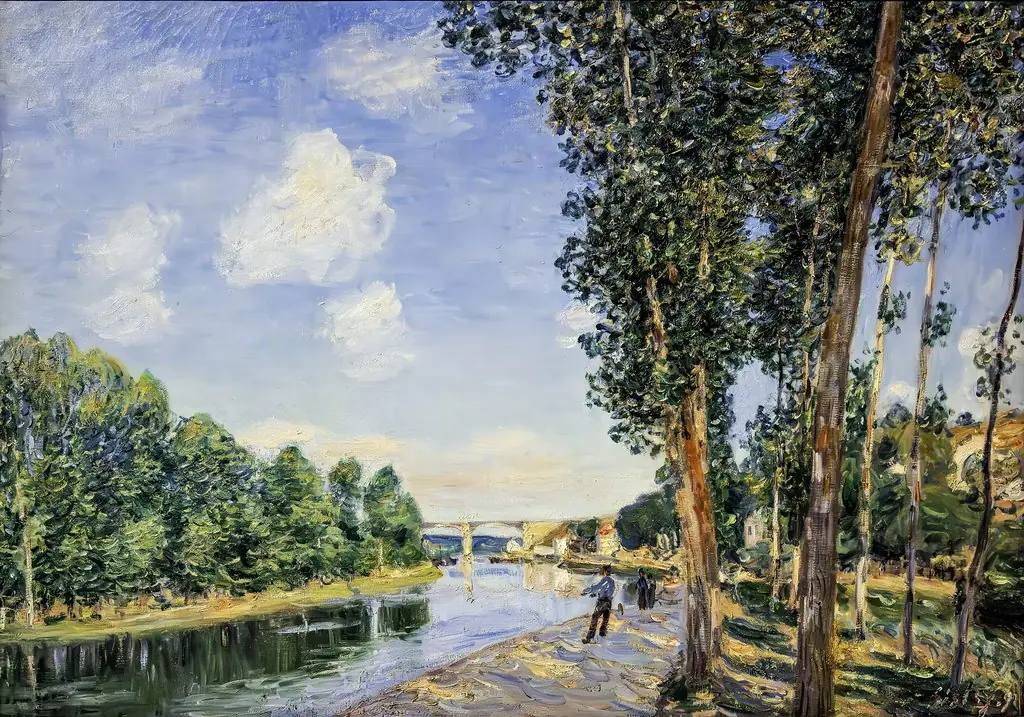
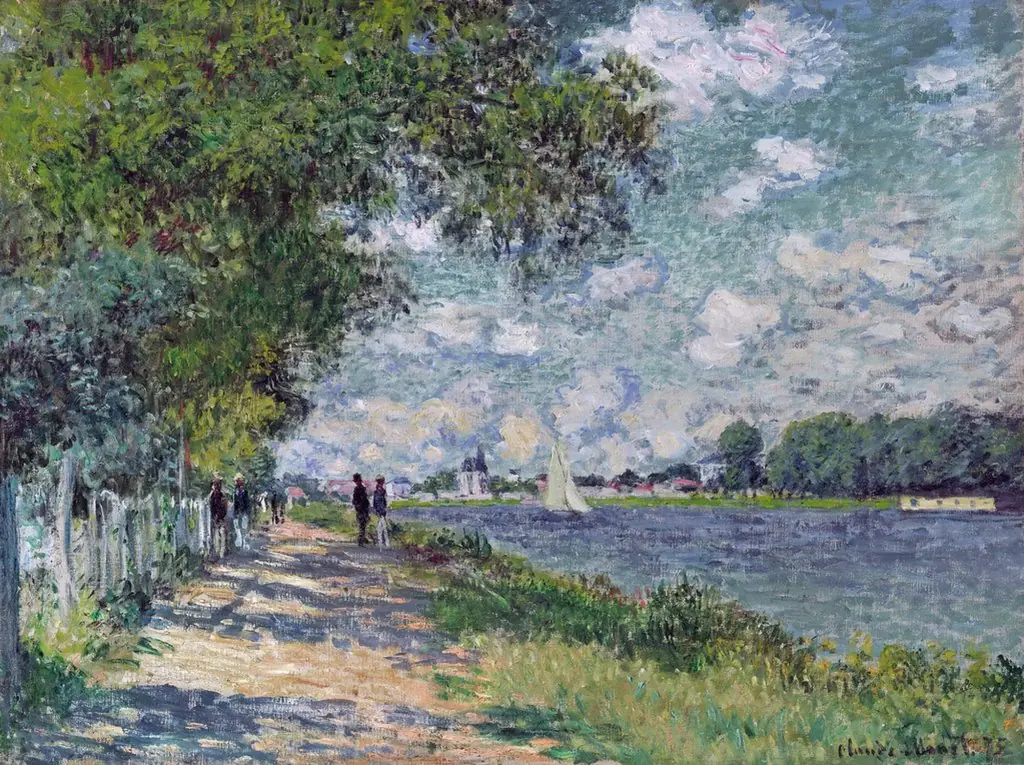
Artwork
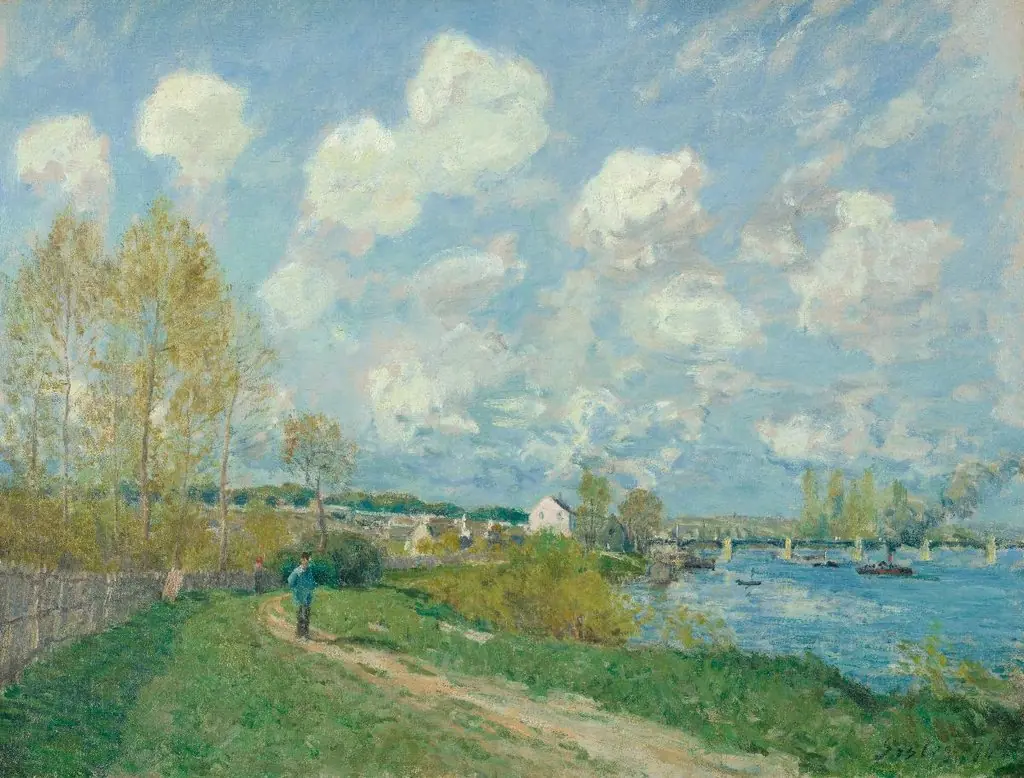
The Seine at Bougival
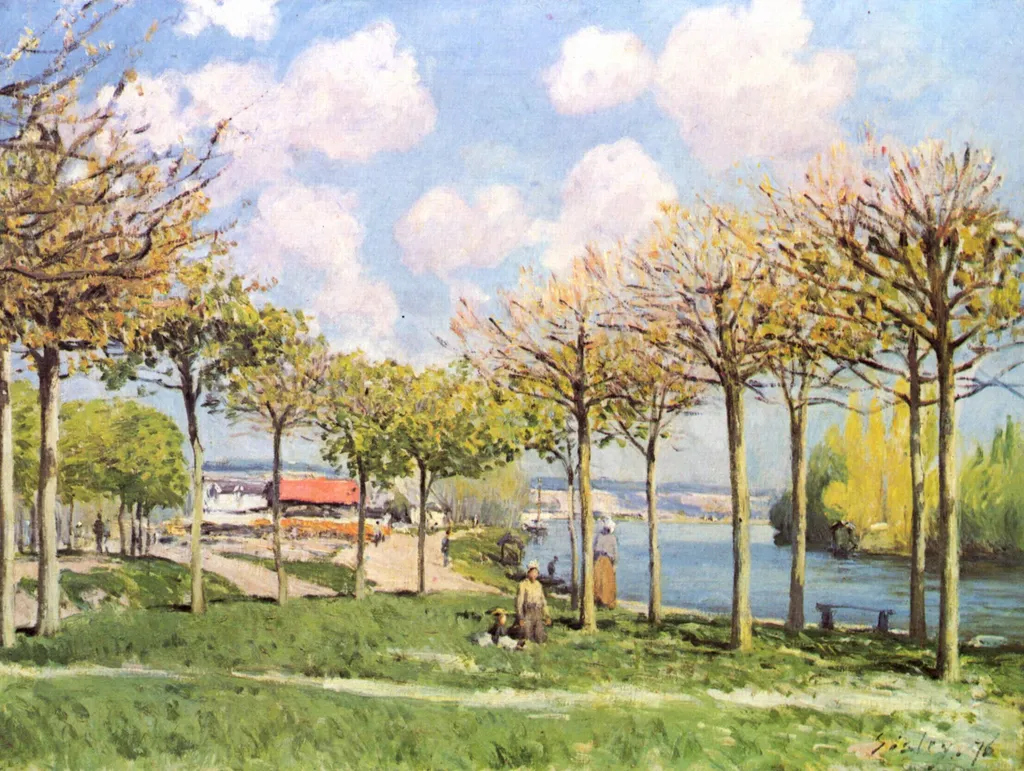
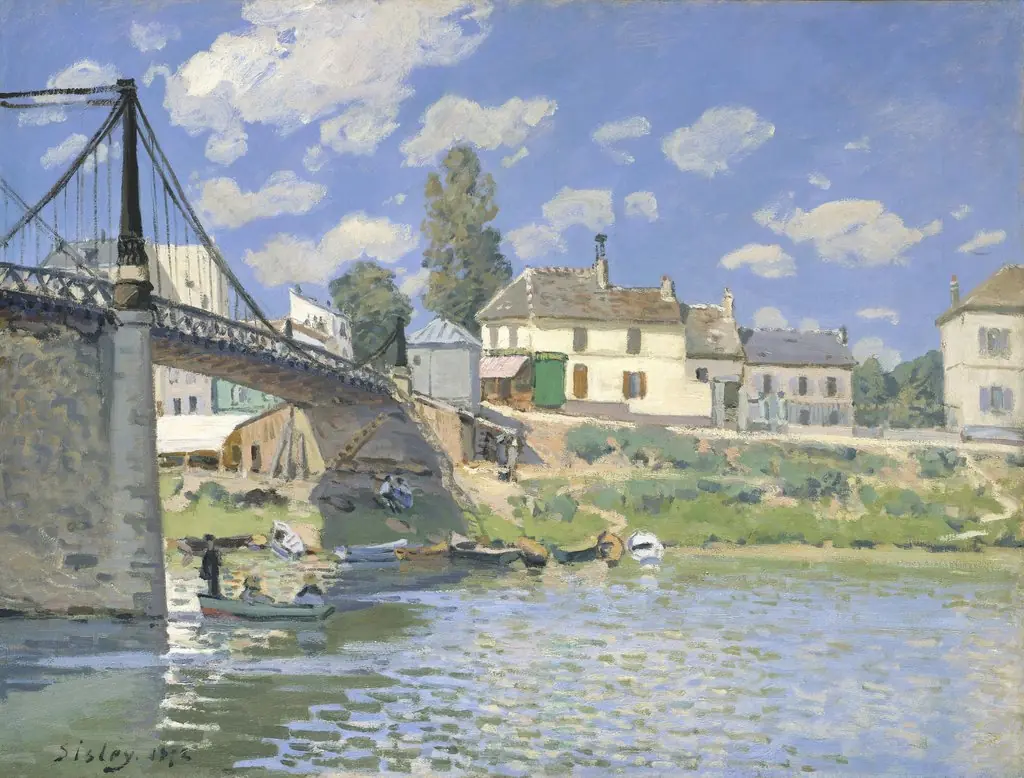
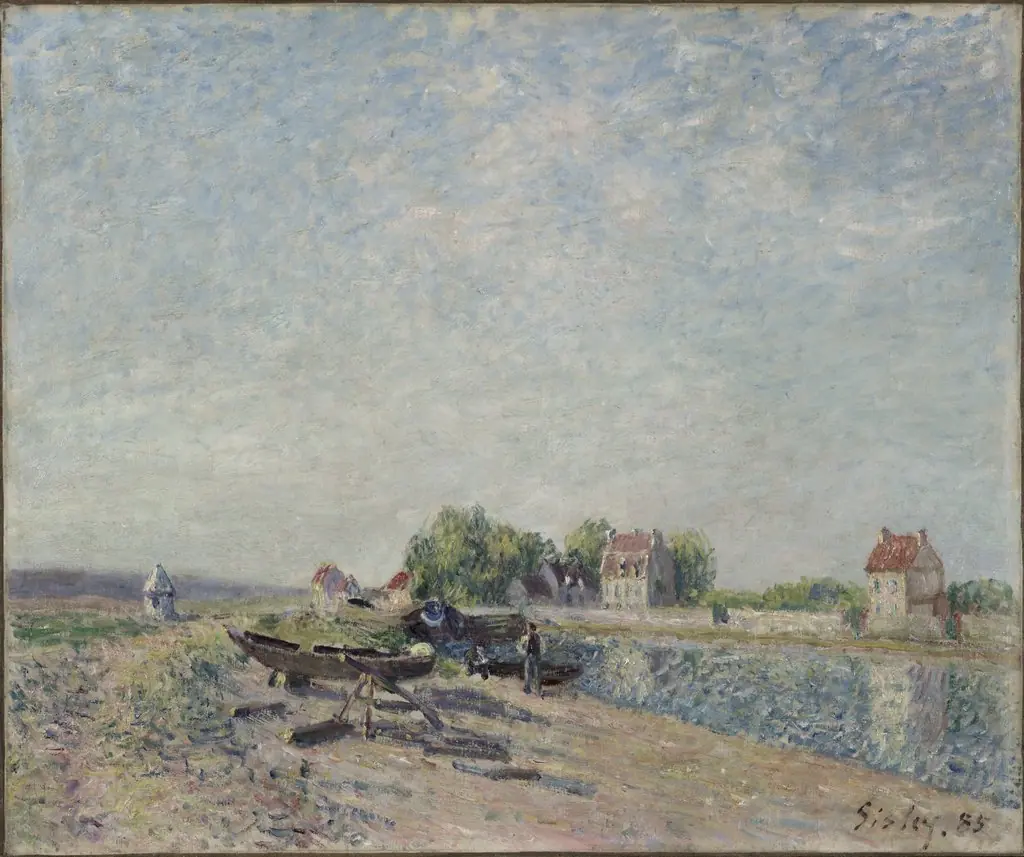
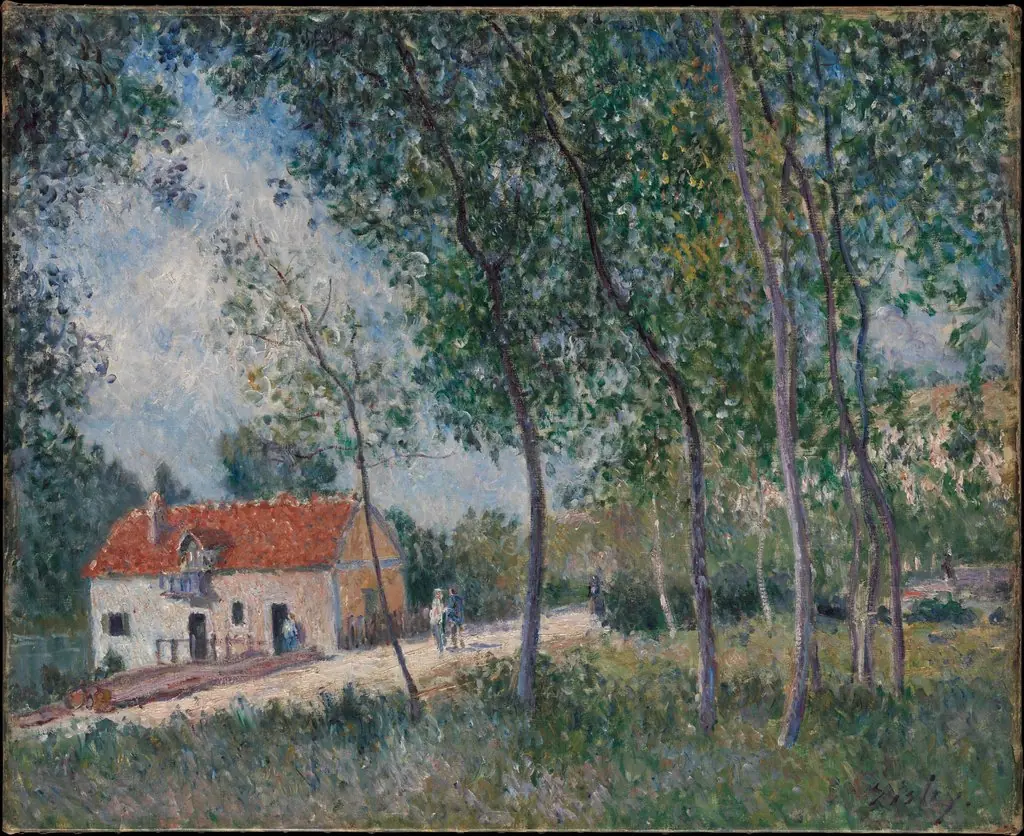
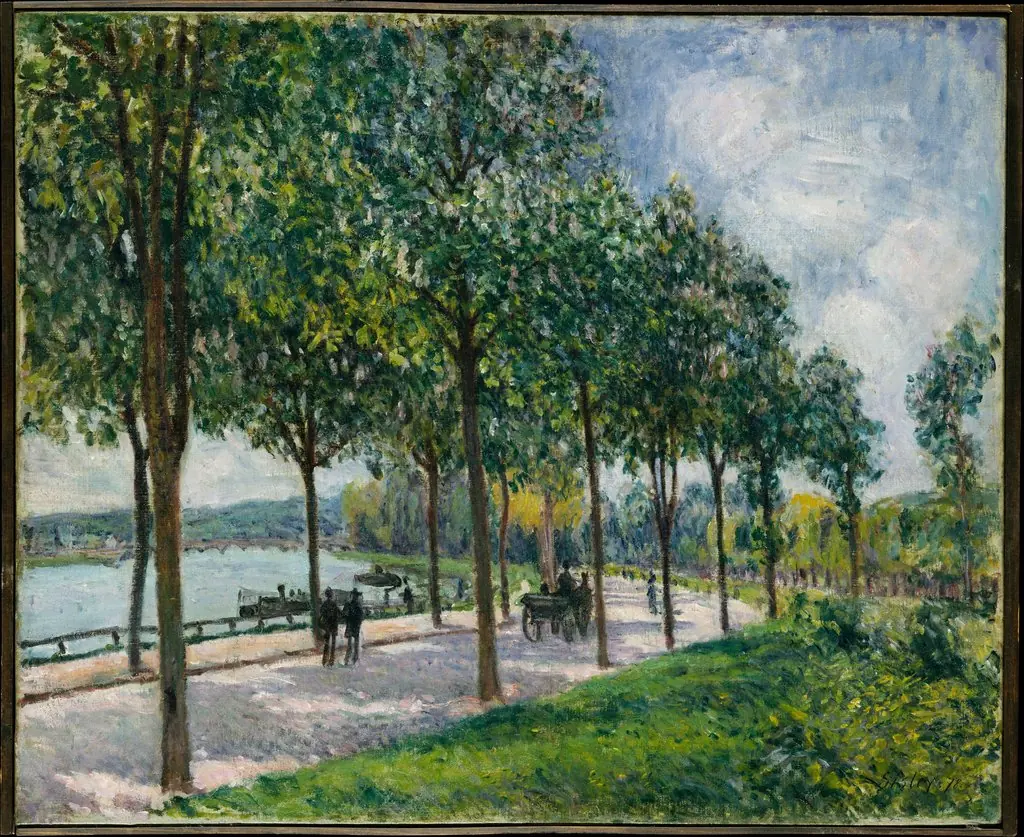
The Seine at Bougival is an oil painting by the Impressionist artist Alfred Sisley. It dates from 1888 and is held in the collection of the Metropolitan Museum of Art.
About this work
Alfred Sisley's oil painting shows a stretch of the Seine near the village of Bougival, a quiet glimpse of river life in nineteenth-century France. It hangs in the Impressionist wing of the Metropolitan Museum of Art, which received it in 1992 as a promised and partial gift from Mr. and Mrs. Douglas Dillon.
Subject & Meaning
As a landscape painting, the subject is the immediate environment of the French countryside rather than a narrative or allegorical composition.
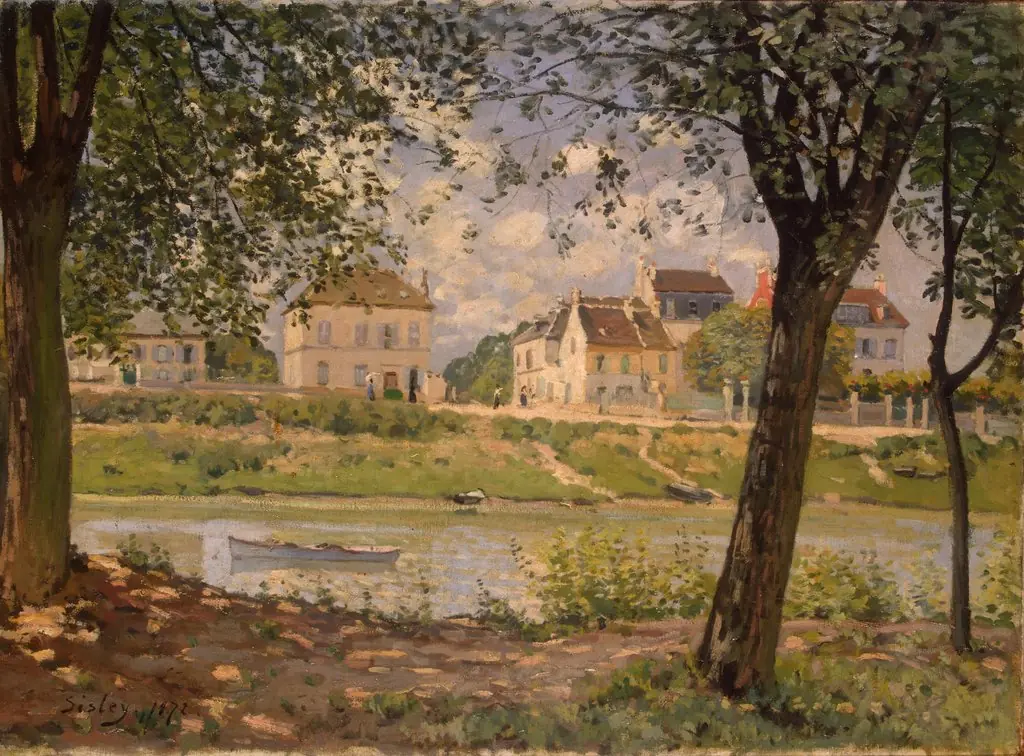
The Seine at Bougival depicts a specific landscape view of the Seine River near the town of Bougival. Created in 1876 by Alfred Sisley, the work focuses on natural elements including the river itself and surrounding trees, presenting a scene characteristic of the Impressionist movement. As a landscape painting, the subject is the immediate environment of the French countryside rather than a narrative or allegorical composition.
The artwork captures the visual qualities of this riverside location, emphasizing the interplay of light and atmosphere typical of Sisley's approach to the genre. The depiction centers on the physical presence of the water and the vegetative banks, offering a direct observation of the region's topography without additional symbolic layers or human figures mentioned in the available records.
Technique & Style
Created in 1876, The Seine at Bougival is an oil painting executed on canvas by Alfred Sisley. Measuring 45 by 61 centimeters, the work exemplifies the Impressionist movement through its landscape genre. The artist applied oil paint to depict the Seine river, trees, and the Bougival region, utilizing the medium to capture the specific light and atmosphere of the site.
As a representative piece of Sisley's output from this period, the painting relies on the traditional support of canvas to convey its formal qualities of a riverside scene. The work is currently held in the Metropolitan Museum of Art's Impressionist section, reflecting its status as a significant example of 19th-century French landscape painting.
History & Provenance
Alfred Sisley created The Seine at Bougival in 1876 using oil on canvas. The painting's ownership chain includes Georges Bernheim, Gallery Schmit, and Galerie Nathan. In 1992, the Metropolitan Museum of Art acquired the work as a promised and partial gift from Mr. and Mrs. Douglas Dillon. It is currently housed in the museum's Impressionist section.
The work is held by the Metropolitan Museum of Art in New York. It entered the museum's collection in 1992 as a promised partial gift from Mr. and Mrs. Douglas Dillon, a fact recorded in the museum's catalogue. The painting is listed in the Met's collection with the inventory details noted in the museum's records.
It is displayed in the museum's Impressionist galleries, as described in both English‑ and French‑language sources. No further exhibition history beyond its display in these galleries is documented in the provided references.
Overview
Alfred Sisley's 1876 oil painting, The Seine at Bougival, captures a tranquil segment of the river near the French commune of Bougival. This work exemplifies the artist's dedication to landscape painting, a central theme in his oeuvre. It is currently housed within the Impressionist collection of the Metropolitan Museum of Art.
Own this work as a print
Artist & collection
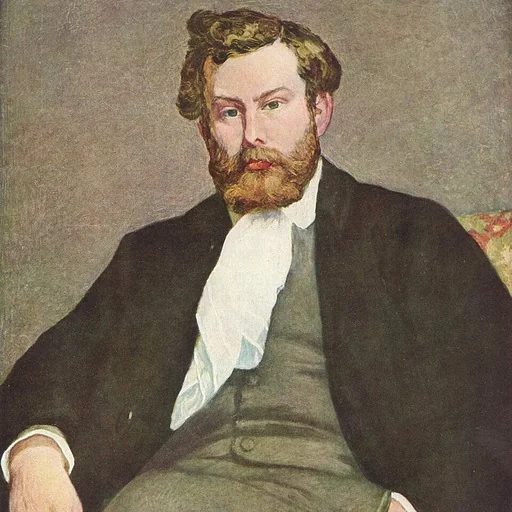
Artist
Alfred Sisley (; French:; 30 October 1839–29 January 1899) was a French-Born British Impressionist landscape painter who was born to British parents, but spent most of his life in France.