Artwork
The Road in the Woods
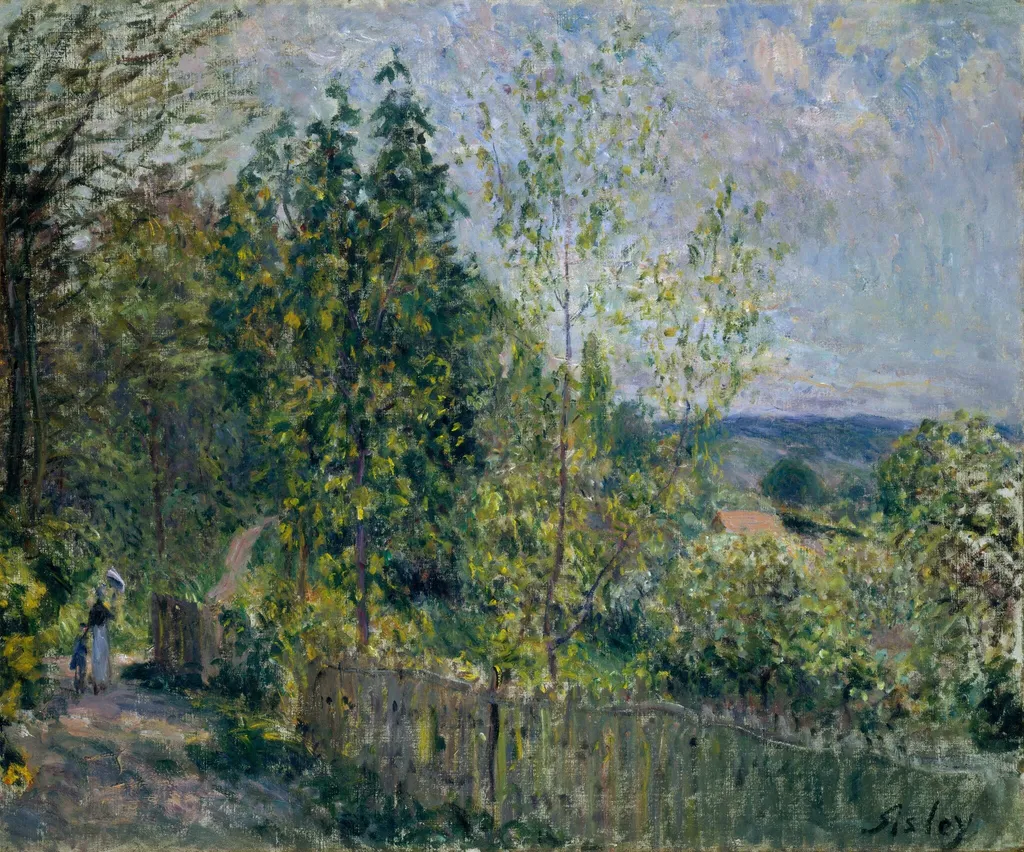
The Road in the Woods is an oil painting by the Impressionist artist Alfred Sisley. It dates from 1879 and is held in the collection of the National Gallery of Art.
- Inscription
- Inscribed:lower right: Sisley
About this work
Subject & Meaning
Alfred Sisley’s The Road in the Woods (1879) depicts a tranquil, sun-dappled forest path, emphasizing the interplay of light and shadow among dense foliage.
Alfred Sisley’s The Road in the Woods (1879) depicts a tranquil, sun-dappled forest path, emphasizing the interplay of light and shadow among dense foliage. The composition centers on a winding dirt road flanked by tall trees, their leaves rendered in loose, impressionistic brushstrokes that convey natural spontaneity (1, 2). The scene lacks human figures, focusing instead on the serene, almost meditative quality of the woodland environment.
While the work primarily explores the fleeting effects of light and atmosphere, the road may symbolize a journey or passage, evoking themes of solitude and the sublime in nature. Sisley’s choice of subject reflects the Impressionist fascination with capturing transient moments and the quiet beauty of unspoiled landscapes.
Technique & Style
The Road in the Woods is executed in oil on canvas, a support typical of Sisley’s mature landscapes. The work employs oil paint applied with loose, impressionistic brushwork that emphasizes atmospheric effects and the play of light across foliage. As a landscape painting from 1879, it portrays a solitary tree within a wooded scene, reflecting the genre’s focus on natural observation.
The composition is defined by a balanced arrangement of foliage and sky, rendered in a palette of muted greens and earth tones. The painting’s formal qualities align with Sisley’s consistent handling of light and texture, characteristic of French Impressionist practice.
History & Provenance
Alfred Sisley executed The Road in the Woods in 1879. The painting's documented ownership begins with Léon Payen of Paris. Following Payen's death, the work appeared in a sale at Hôtel Drouot on June 29, 1916, where it was acquired by the dealership Durand-Ruel.
In 1919, Durand-Ruel transferred the canvas to Bernheim-Jeune in Paris. Subsequent records indicate the piece passed through the Galerie Georges Petit before being sold to collector Chester Dale on June 9, 1926. Dale retained the work until his death in 1962, after which it entered the National Gallery of Art in Washington, D.C., as part of his 1963 bequest. This chain of custody is corroborated by curatorial files containing copies of Dale's personal papers.
Alfred Sisley's 1879 oil painting The Road in the Woods is held in the collection of the National Gallery of Art in Washington, D.C. The work entered the museum's holdings in 1963 as a bequest from Chester Dale, who had purchased it from Galerie Georges Petit in Paris on June 9, 1926. Prior to Dale's ownership, the painting passed through several dealers, including Durand-Ruel and Bernheim-Jeune, following its sale at the Léon Payen auction at Hôtel Drouot in 1916. While the provenance records detail these ownership transfers and sales, the available sources do not list specific public exhibitions or provide a distinct inventory accession number beyond its identification within the National Gallery of Art.
Overview
Alfred Sisley, a British painter born in France, created The Road in the Woods in 1879. This oil on canvas exemplifies his consistent dedication to landscape painting, a genre he explored almost exclusively throughout his career. The work captures a secluded woodland path, a subject frequently revisited by the artist, showcasing his commitment to rendering natural light and atmospheric conditions.
Context
As a key figure among the Impressionists, Alfred Sisley distinguished himself through his unwavering focus on landscape. Unlike some contemporaries who diversified their subjects, Sisley remained committed to capturing the nuances of the natural world. His practice of painting en plein air (outdoors) was central to his method, allowing him to directly observe and translate the subtle shifts in light and weather onto his canvases.
Own this work as a print
Artist & collection
Artist
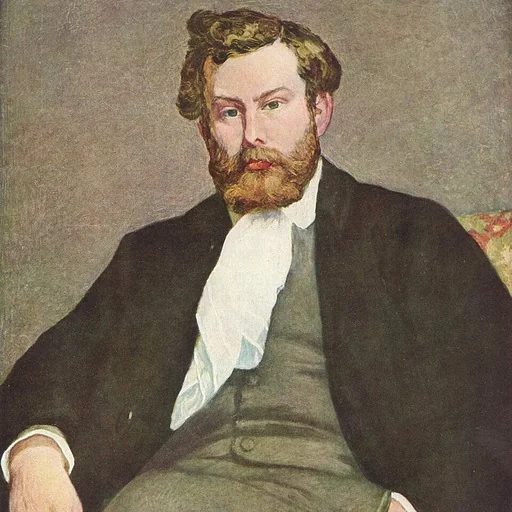
Alfred Sisley (; French:; 30 October 1839–29 January 1899) was a French-Born British Impressionist landscape painter who was born to British parents, but spent most of his life in France.

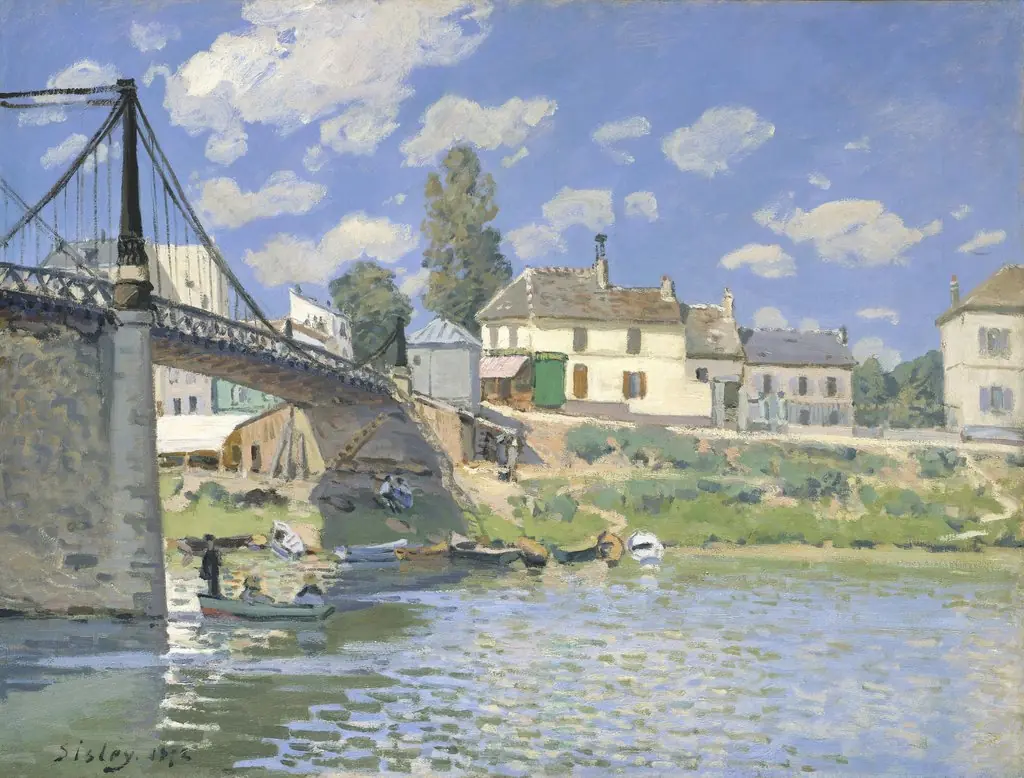
 Resting in the Woods (côte des Grouettes), Pontoise
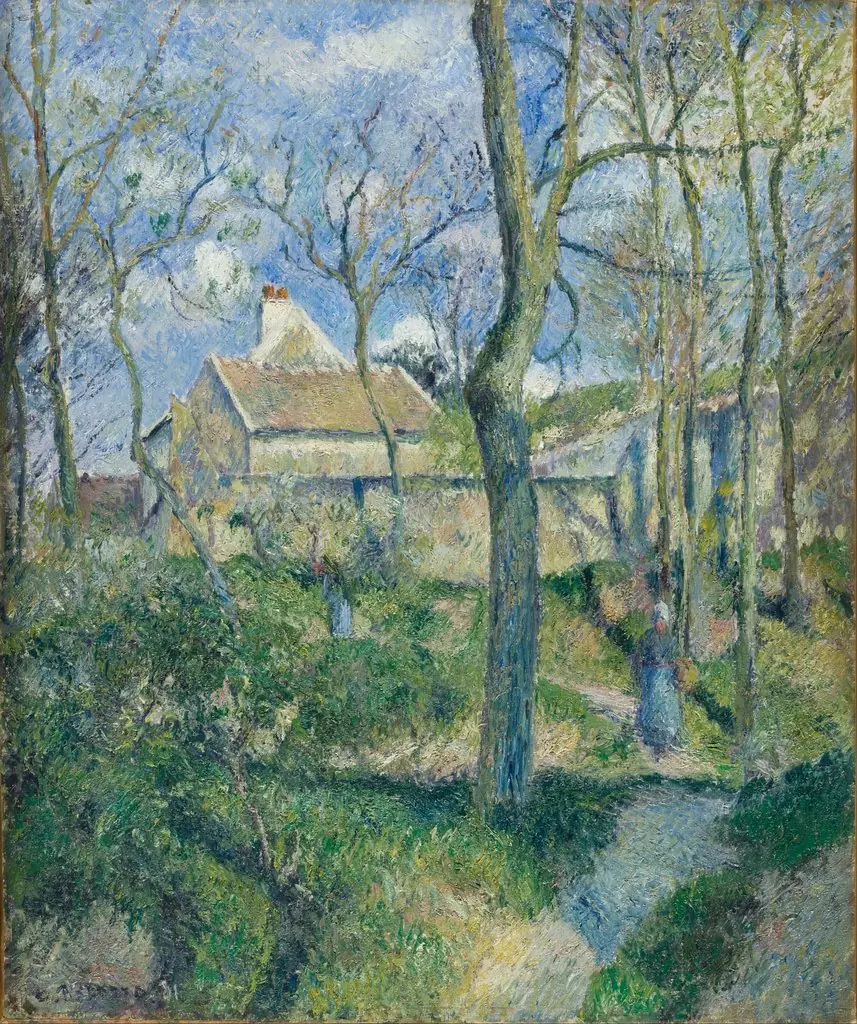 The Path to Les Pouilleux, Pontoise
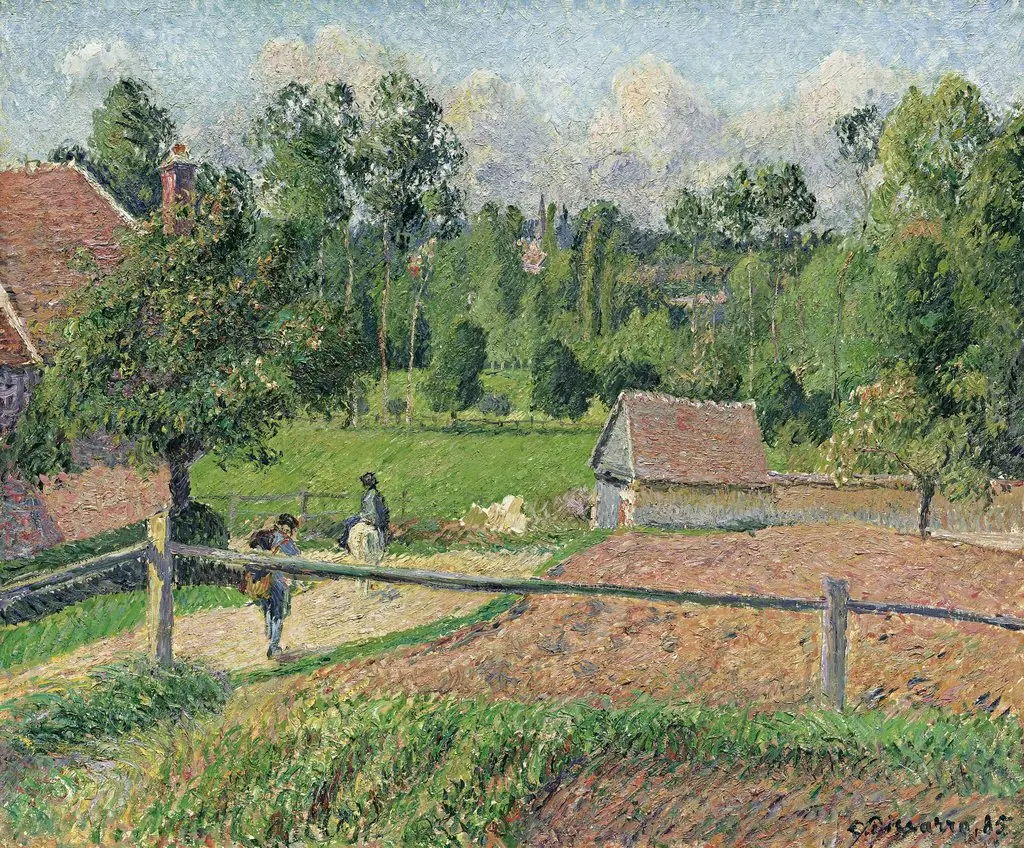 The Delafolie House, Éragny
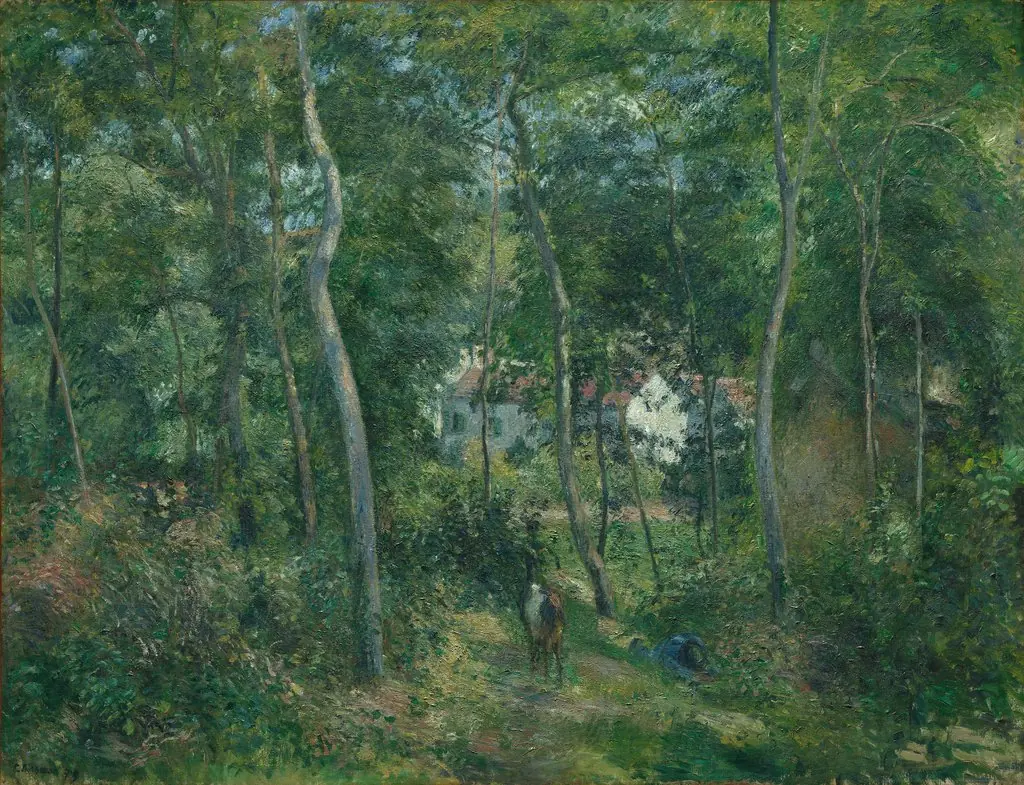 Edge of the Woods Near L'Hermitage, Pontoise
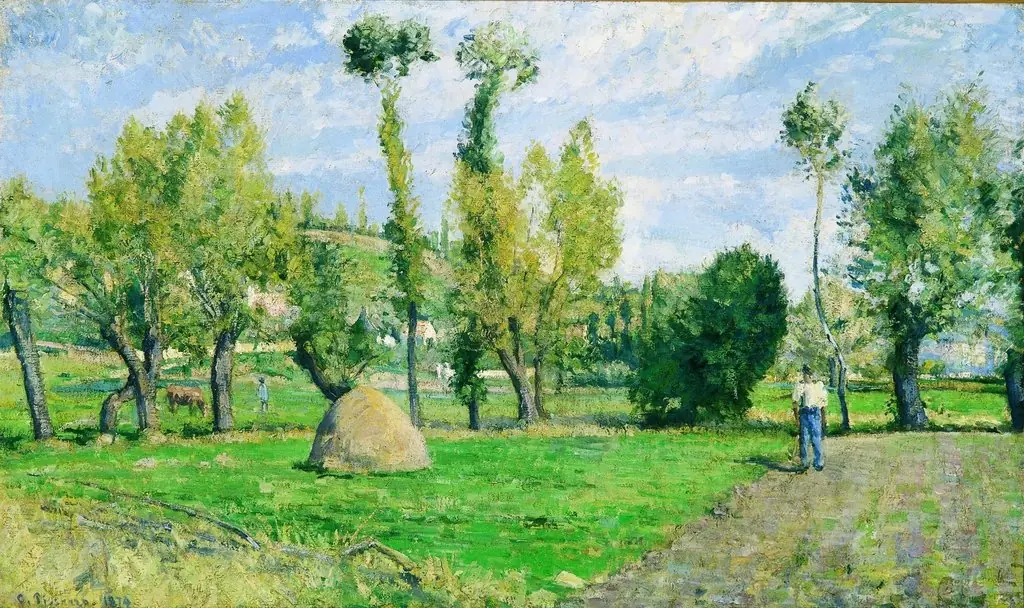 Meadows at Le Valhermeil, Auvers-sur-Oise
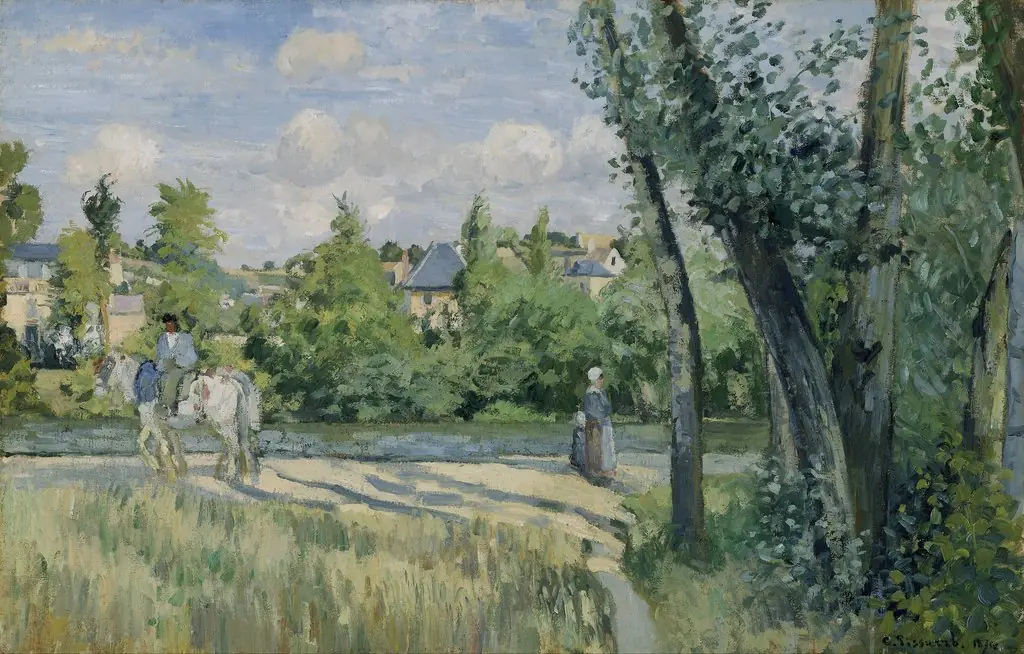 Sunlight on the Road, Pontoise
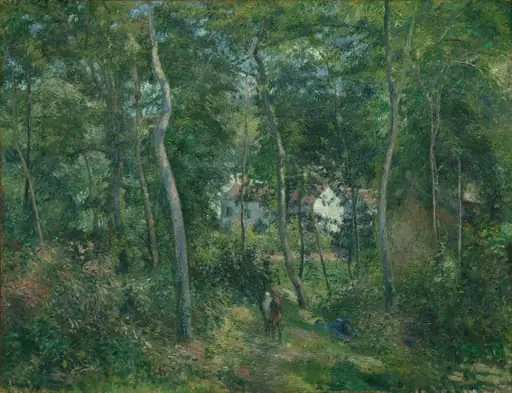 Edge of the Woods Near L'Hermitage, Pontoise
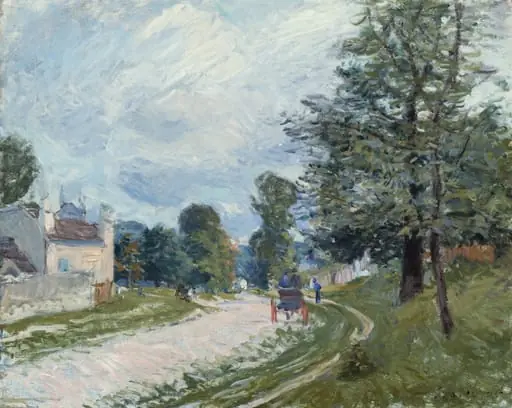 A Turn in the Road
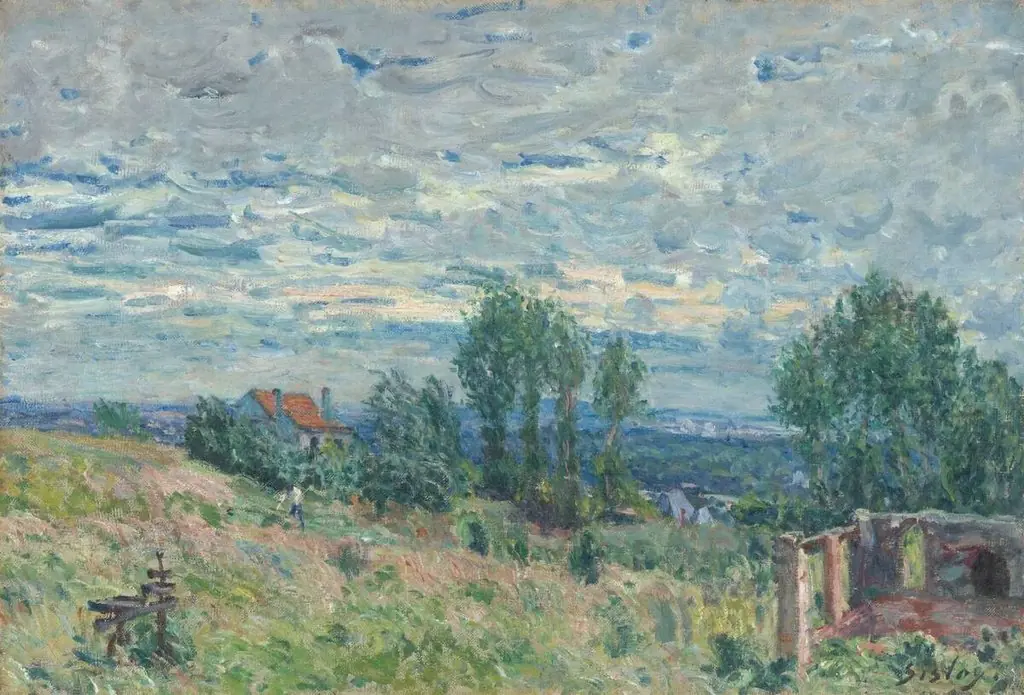 The Brickfield
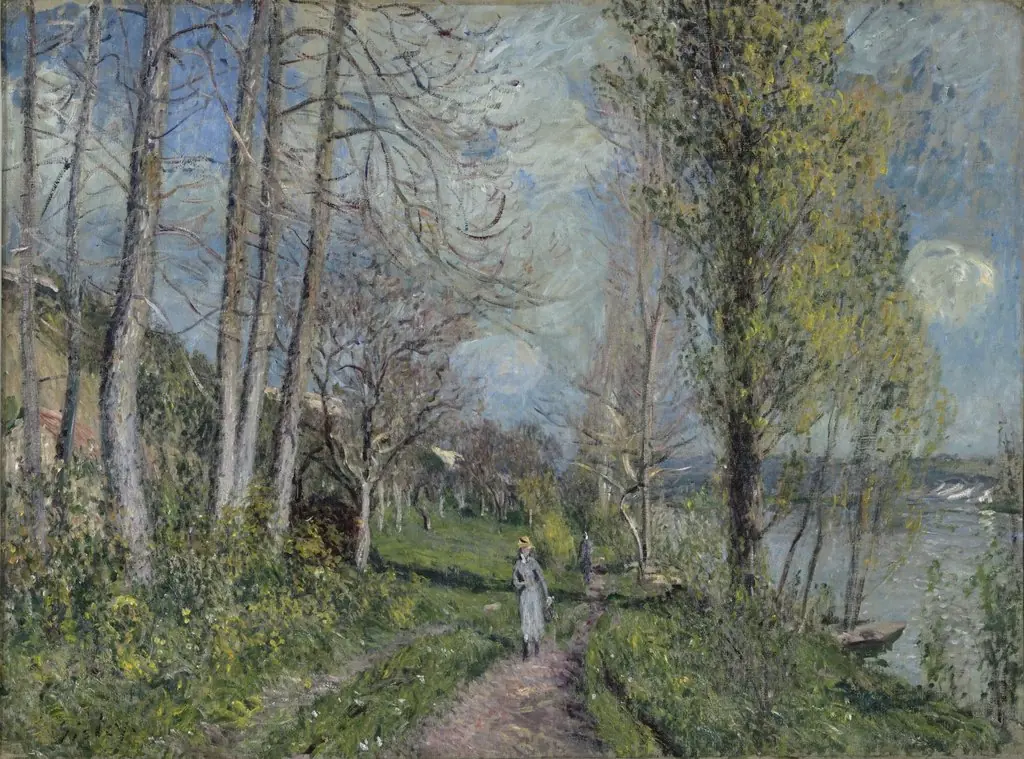 Banks of the Seine at By
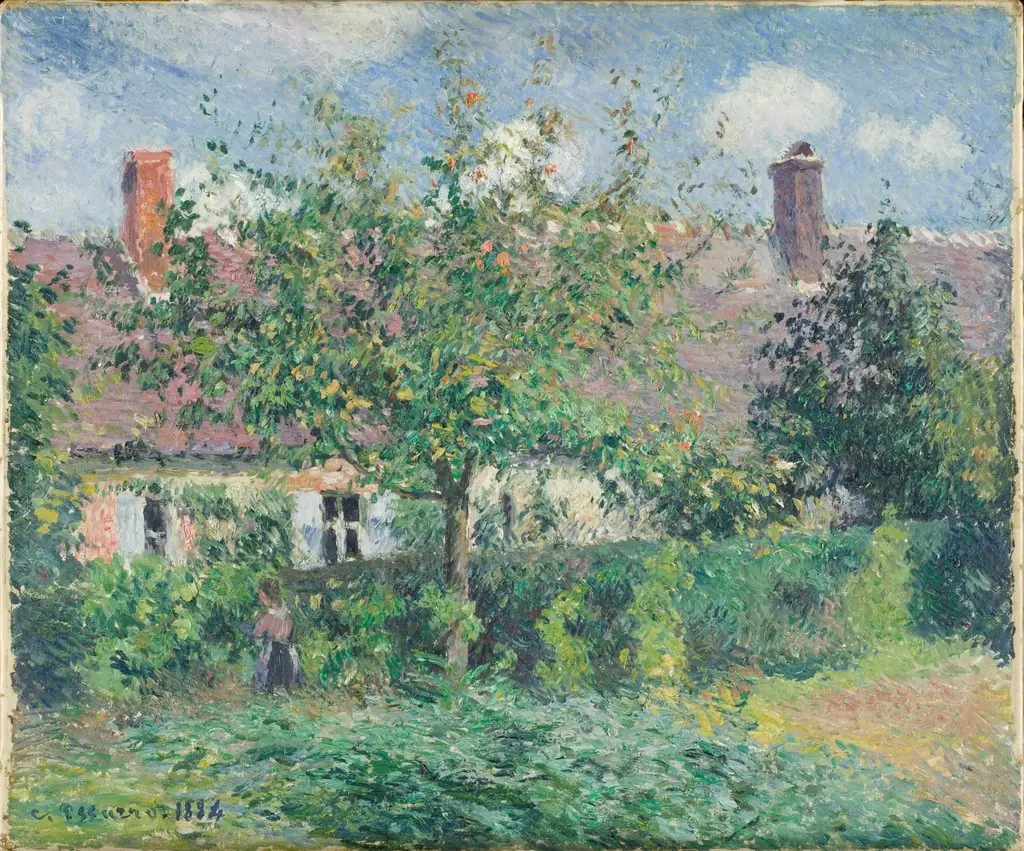 Peasant House at Éragny
- The Mussel Harvest