Artwork
Saint William of Aquitaine
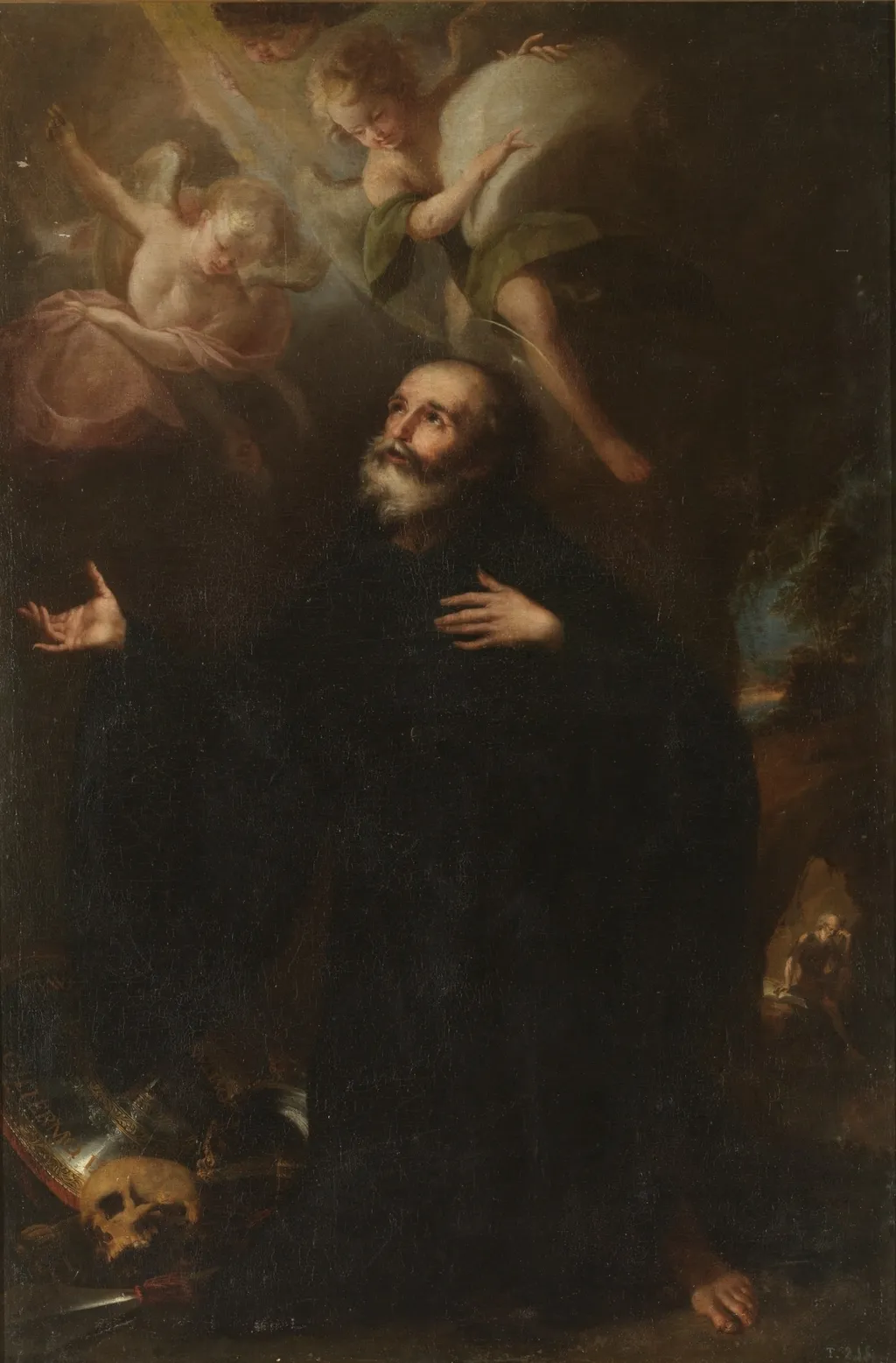
Saint William of Aquitaine is an oil painting by the Early Baroque Italian artist Alonso del Arco. It dates from 1601 and is held in the collection of the Museo del Prado.
About this work
Subject & Meaning
The iconography identifies the saint through specific attributes, including a weapon and a skull, which appear alongside the figure.
This religious painting by Alonso del Arco depicts William of Gellone, also known as Saint William of Aquitaine. The iconography identifies the saint through specific attributes, including a weapon and a skull, which appear alongside the figure. These elements serve as visual symbols within the work to represent the saint's identity and likely allude to his martial history and contemplation of mortality.
The composition functions as a devotional image, utilizing these traditional symbols to convey the spiritual significance of the subject within the context of religious art.
Technique & Style
The painting is executed in oil on canvas, measuring 165 cm by 110 cm, and depicts Saint William of Aquitaine alongside symbolic elements such as a weapon and a skull. It belongs to the religious genre and was created by Alonso del Arco in 1601. The work is part of the collections at the Museo del Prado and the Museo de la Trinidad, reflecting its significance within Spanish religious art.
The formal composition emphasizes devotional intensity through chiaroscuro and detailed rendering of texture in the fabric and background, typical of early Baroque religious painting. The use of oil paint allows for rich color depth and nuanced layering, contributing to the lifelike presence of the figure and the somber mood conveyed by the inclusion of mortality symbols.
History & Provenance
The painting Saint William of Aquitaine was created by Alonso del Arco. While one internal record assigns the date 1601 to the work, other data indicates an inception around 1700 or broadly within the 17th century. The artwork is executed in oil paint on canvas and measures 165 cm in height by 110 cm in width.
Regarding its ownership history, the piece was held in the collection of the Museo de la Trinidad. It is currently located in the Museo del Prado, which maintains the work within its holdings of religious art.
The painting Saint William of Aquitaine by Alonso del Arco is currently held in the collection of the Museo del Prado in Madrid. It was previously part of the Museo de la Trinidad before its transfer to the Prado. The work is cataloged as an oil on canvas painting measuring 165 cm in height and 110 cm in width.
The sources do not provide a specific inventory or accession number for the piece, nor do they list any details regarding its exhibition history.
Context
Alonso del Arco's 1601 oil painting Saint William of Aquitaine, housed in the Museo del Prado, depicts the saint amid symbolic elements including a weapon and skull, reflecting Counter-Reformation themes of martyrdom and spiritual contemplation. The work belongs to the religious art genre and demonstrates the artist's engagement with Counter-Reformation visual rhetoric, situating it within the broader trajectory of Spanish Baroque painting that emphasized didactic narratives and devotional intensity. Its composition and iconography have been analyzed in scholarship as exemplifying the period's fusion of naturalism with theological symbolism, reinforcing del Arco's significance in the development of Spanish religious art.
The painting's placement in the Museo del Prado's collection underscores its recognized importance within the canon of Spanish Golden Age art, where it is contextualized alongside works by contemporaries such as Zurbarán and Murillo, further establishing its role in narratives of Counter-Reformation artistic expression.
Legacy
The painting's legacy is anchored in its presence at the Museo del Prado, where it remains part of the museum's collection. Its religious genre and depiction of William of Gellone have contributed to scholarly discussions of Counter-Reformation imagery, though specific influence on later artists is not documented. The work's material and dimensions align with early 17th-century Spanish religious painting practices, as recorded in contemporary cataloguing.
Overview
Alonso del Arco’s 1601 oil on canvas presents Saint William of Aquitaine, a figure from early medieval hagiography, in a moment of prayerful supplication. The saint is rendered in a dark robe, barefoot, with a long white beard, his gaze lifted toward a group of angels that occupy the upper left of the composition. The work resides in the Museo del Prado.
Own this work as a print
Artist & collection

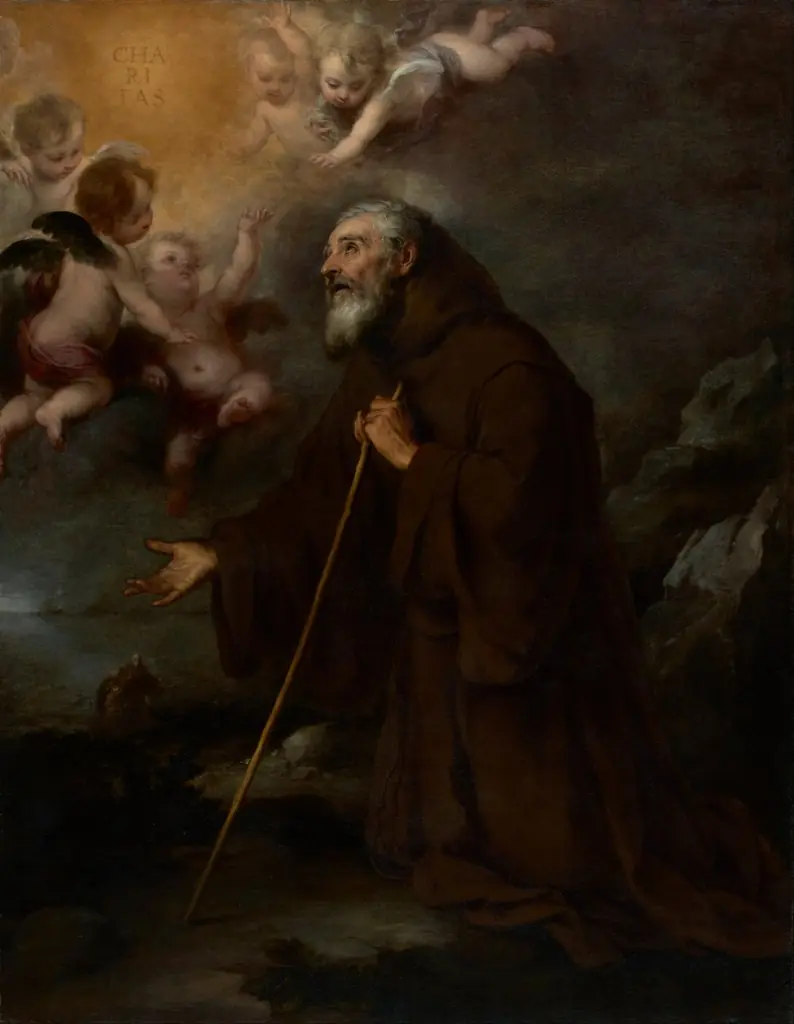 The Vision of Saint Francis of Paola
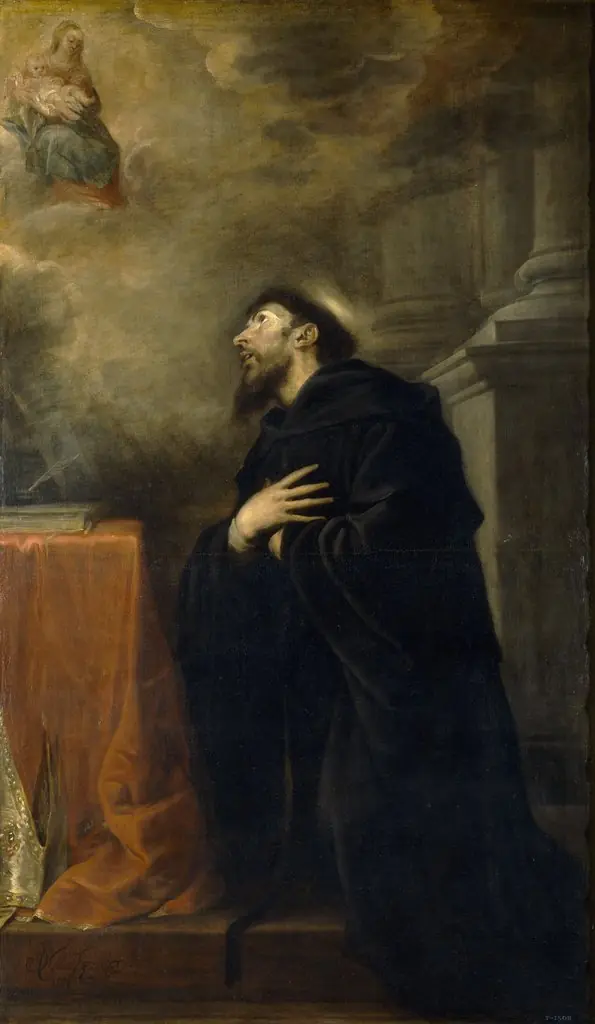 Visión de San Agustín
 Heilige, die eine Monstranz anbeten
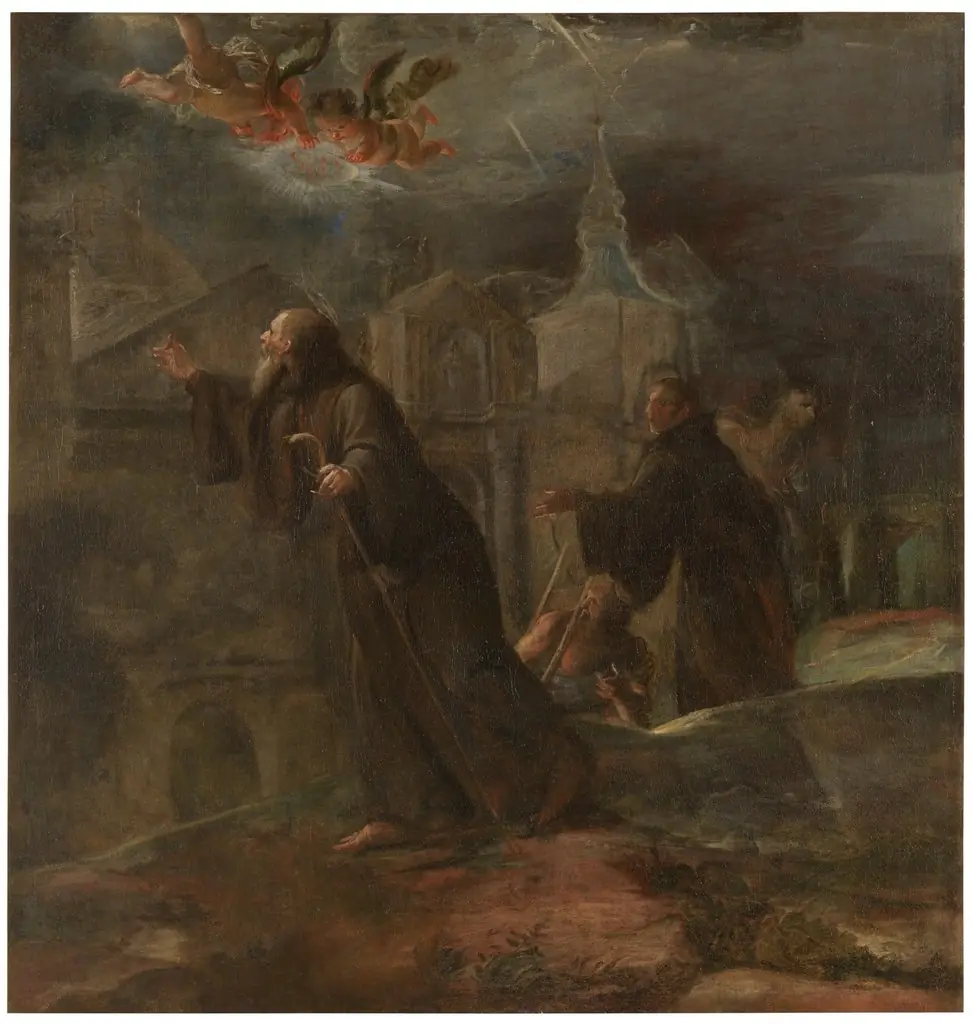 Visión de San Francisco de Paula
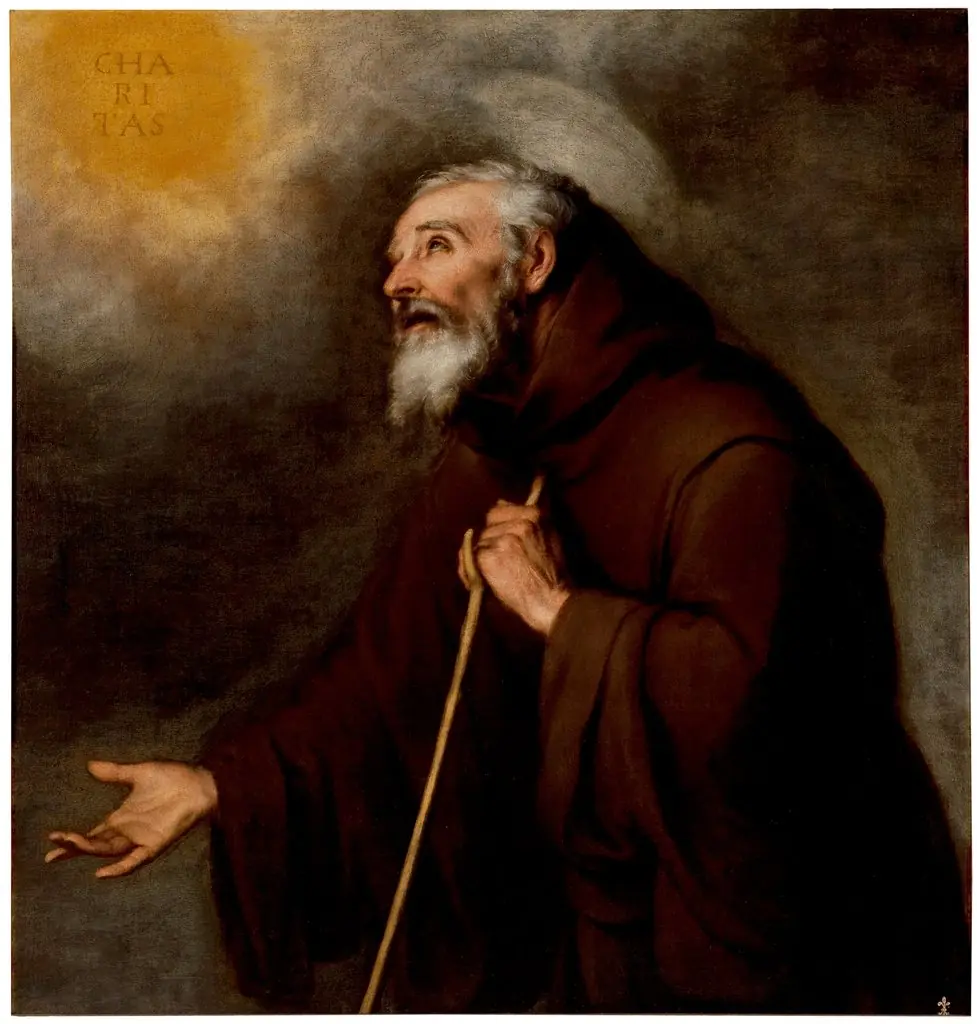 Saint Francis of Paola
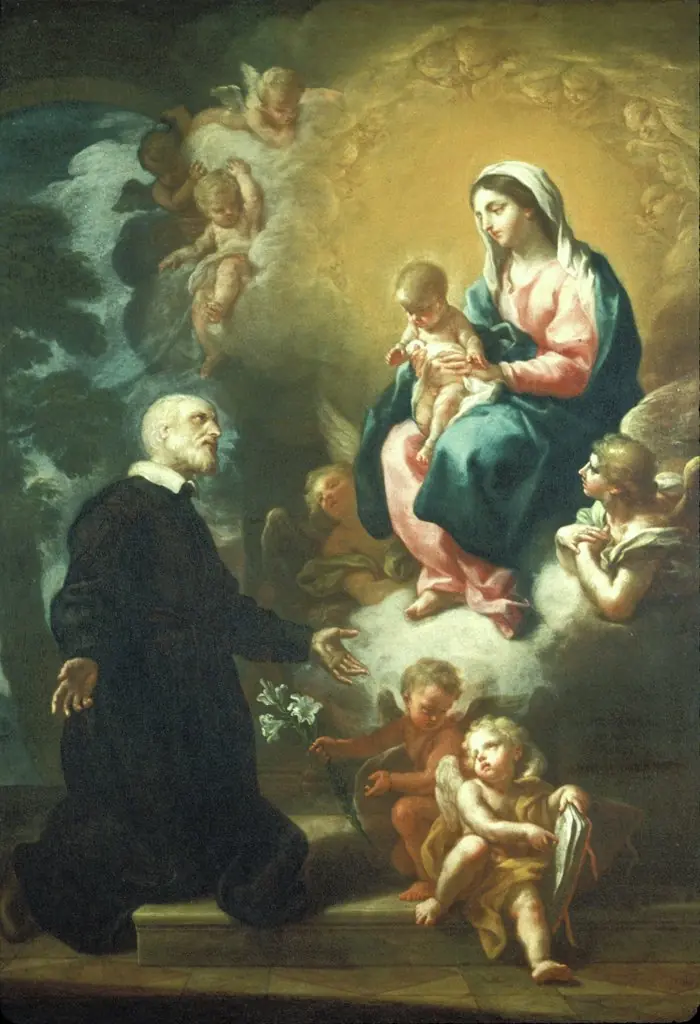 Apparition of the Virgin to Saint Philip Neri
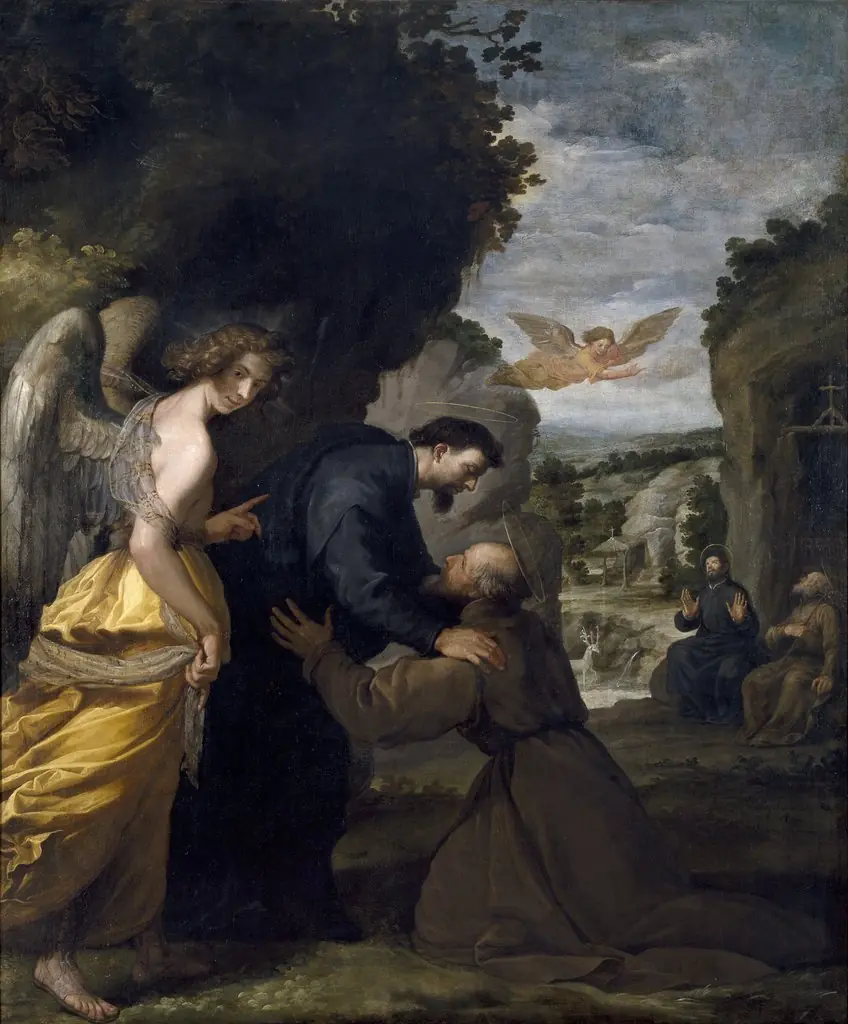 Encuentro de San Juan de Mata y San Félix de Valois
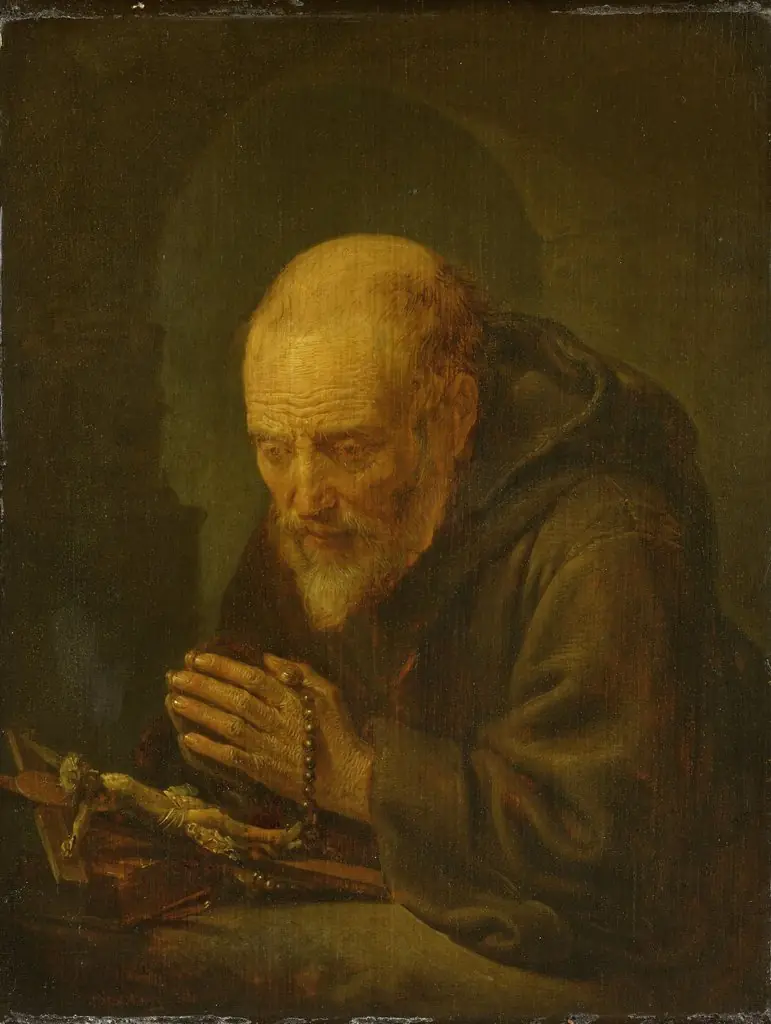 A Hermit in Prayer
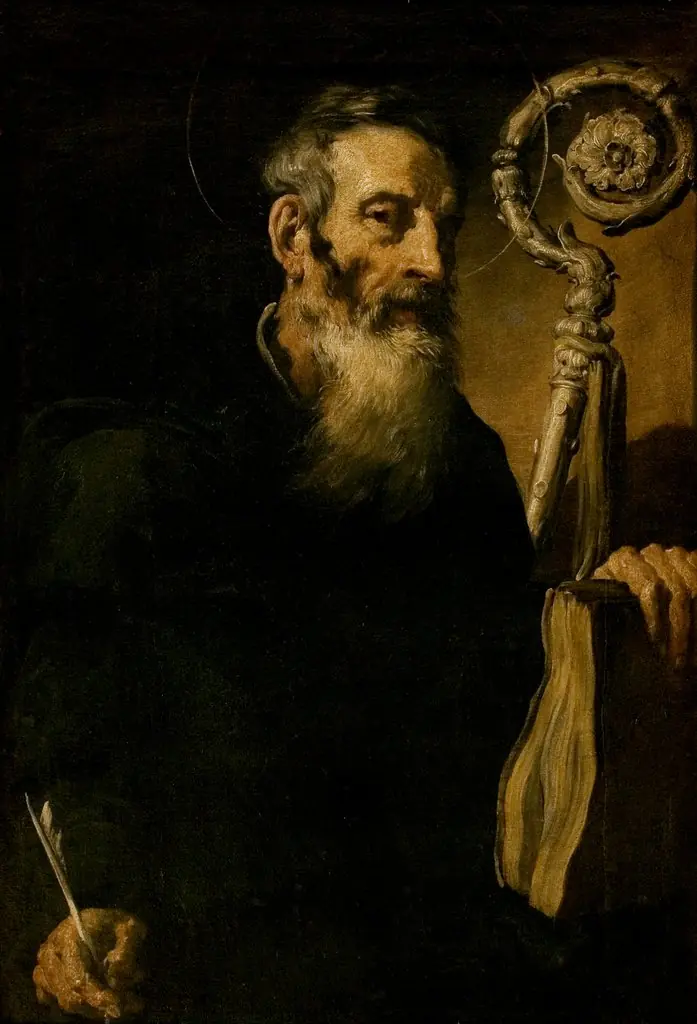 Unknown Saint Abbot (Saint Benedict?)
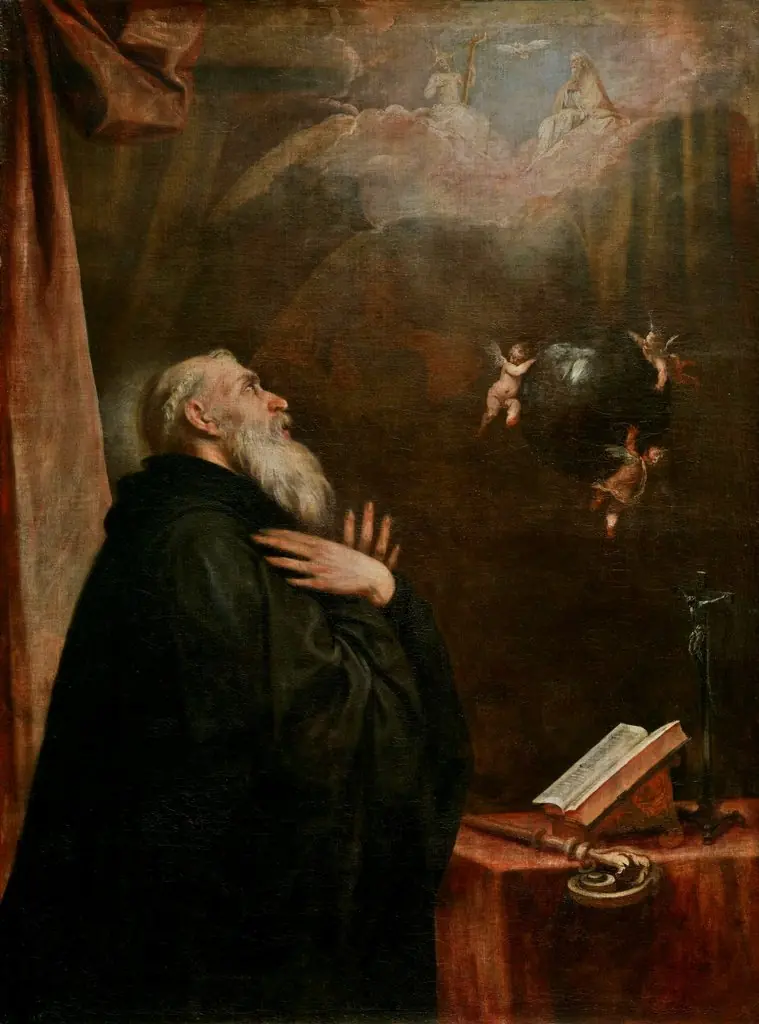 Saint Benedict's Vision of the Globe and the three Angels
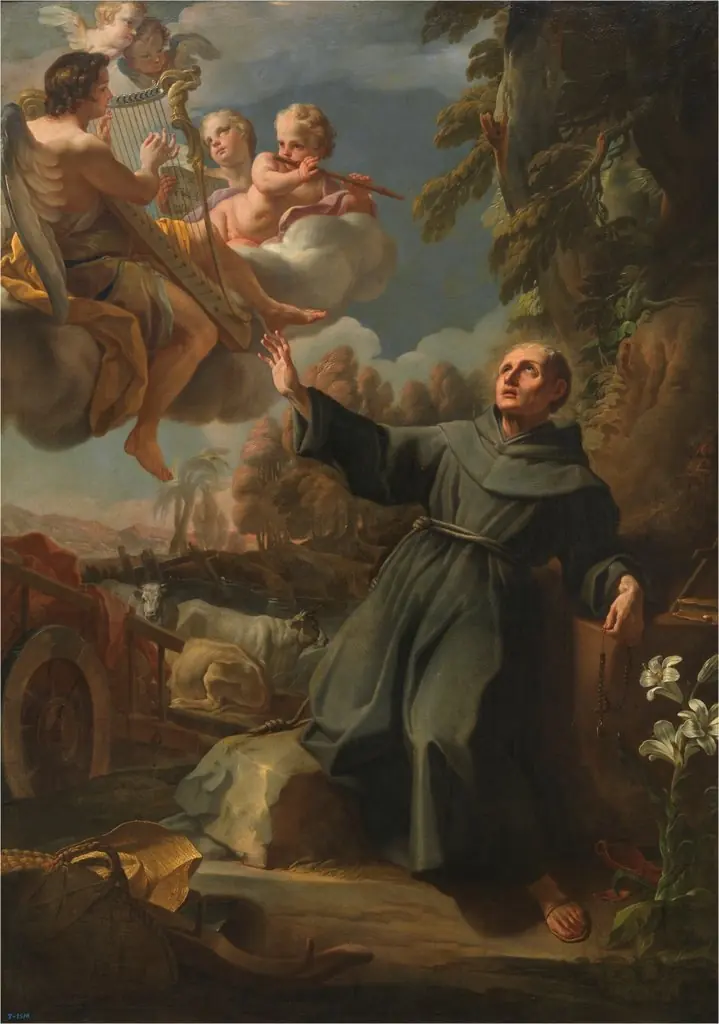 The Vision of the Blessed Sebastián Aparicio
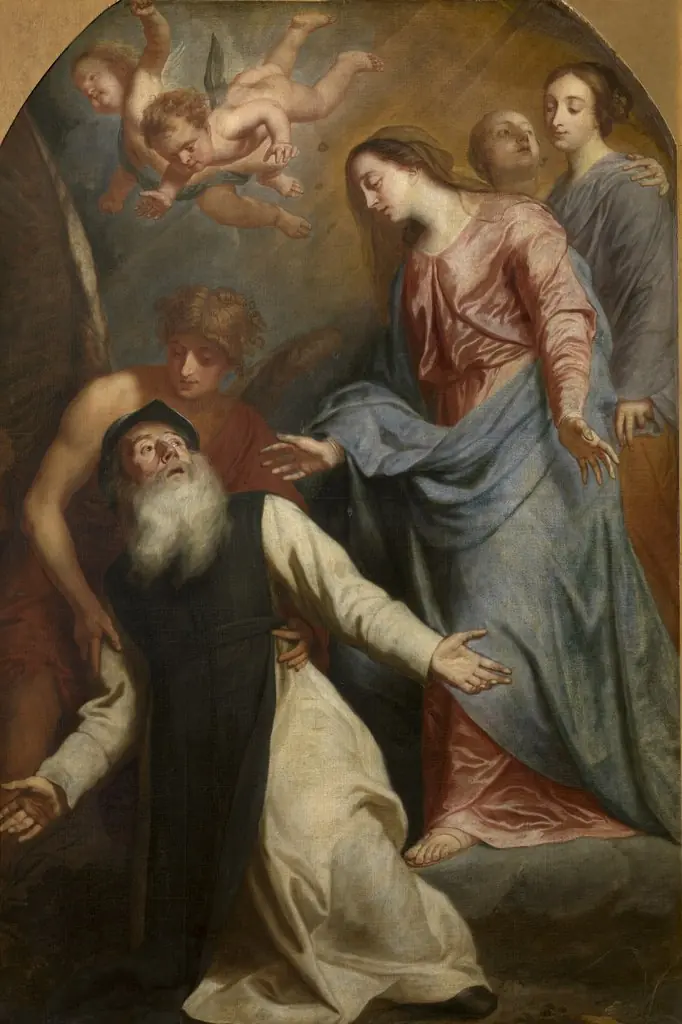
- Mary Appears to Saint William of Aquitaine