Artwork
Kaiser Ferdinand III. (1608-1657)
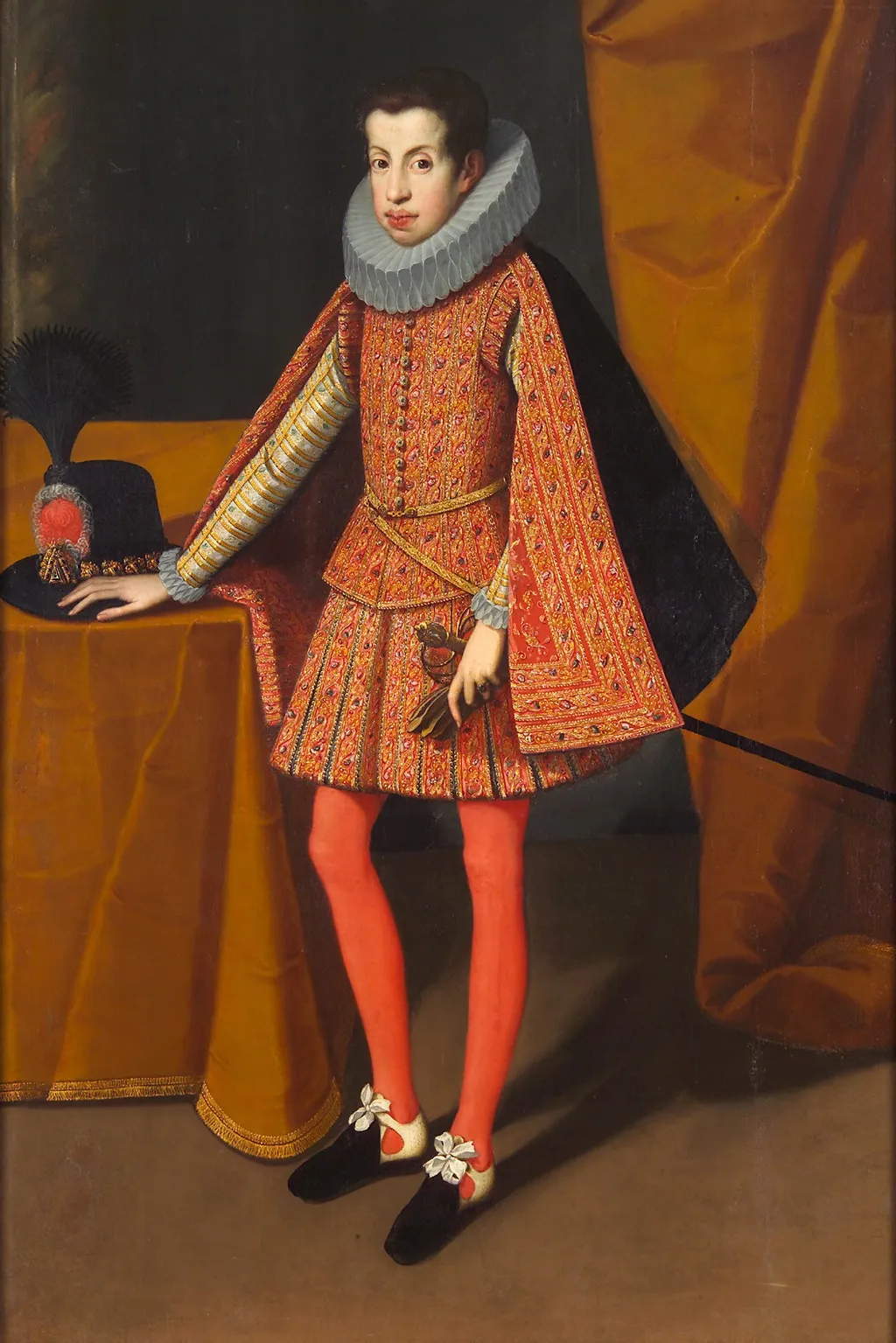
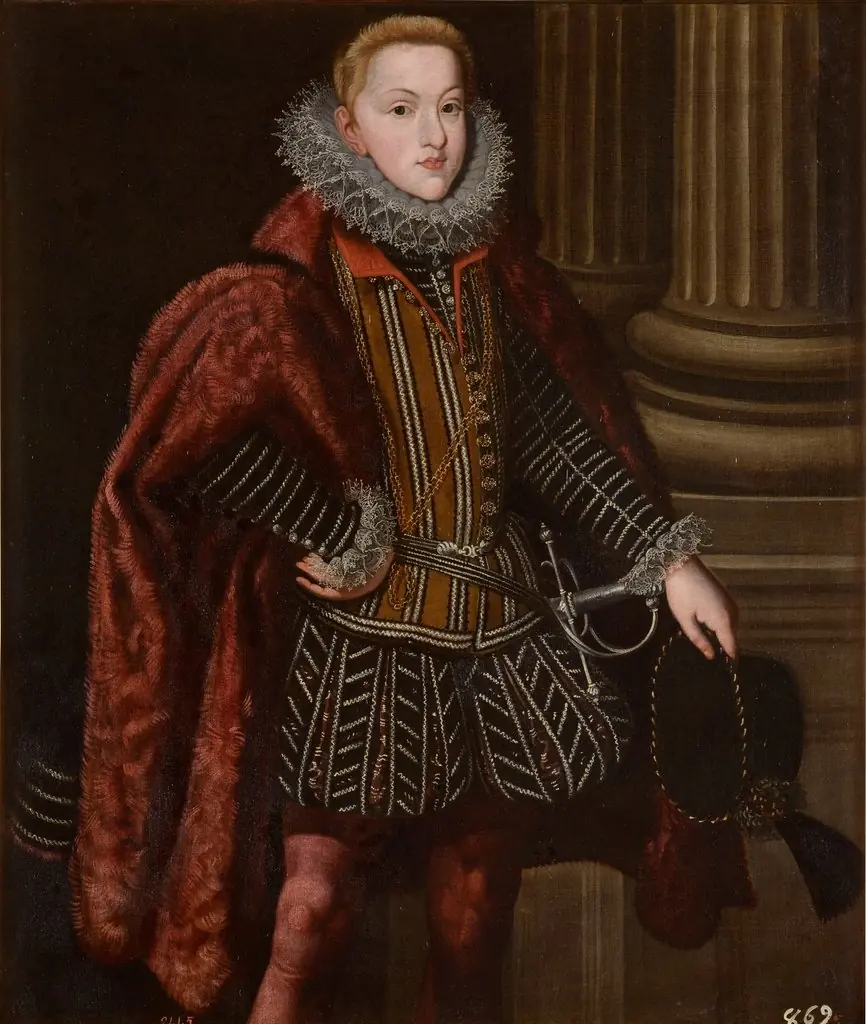
Kaiser Ferdinand III. (1608-1657) is an unspecified painting by the Flemish Baroque painting artist Unknown. It dates from 1628 and is held in the collection of the Kunsthistorisches Museum. The work is a painted portrait of the young Emperor Ferdinand III, rendered in a richly colored costume of red and gold.
About this work
History & Provenance
The work is attributed to an artist associated with Steiermark, potentially identified as the Steirischer Hofmaler (Styrian court painter).
Created in 1628, this portrait depicts Ferdinand III, Holy Roman Emperor. The work is attributed to an artist associated with Steiermark, potentially identified as the Steirischer Hofmaler (Styrian court painter).
The painting currently resides in the collection of the Kunsthistorisches Museum, where it is held as part of the institution's holdings. No further details regarding its original commission or intermediate ownership history are provided in the available records.
The portrait of Ferdinand III, Holy Roman Emperor, is held in the collection of the Kunsthistorisches Museum. The work, dated to 1628, is attributed to the Steirischer Hofmaler (Styrian Court Painter). While the source confirms the museum's location and the painting's presence within its holdings, no specific inventory or accession number is provided in the available records. Additionally, the provided documentation does not list any exhibition history for this specific artwork.
Context
The portrait of Ferdinand III, created in 1628, is attributed to the Steiermark court painter, a designation reflecting the specific regional artistic context of the Holy Roman Empire during the early seventeenth century. This work is currently held in the Kunsthistorisches Museum, where it serves as a key example of imperial portraiture from the artist's period of activity. Scholarship identifies the piece as a significant representation of the emperor's image-making during his lifetime, linking the work to the broader tradition of Habsburg court painting.
The attribution to the Steiermark Hofmaler underscores the regional networks of artistic production that supported the imperial court.
Overview
The work is a painted portrait of the young Emperor Ferdinand III, rendered in a richly colored costume of red and gold. He is positioned before a table, his posture confident, with a black hat and a sword at his side, creating a focal point that emphasizes his status.
Subject & Meaning
Ferdinand III, who reigned as Holy Roman Emperor from 1637 to 1657, is portrayed in regal attire that underscores his imperial authority. The inclusion of the sword and the elaborate garments signals both his military role and the ceremonial splendor associated with the Habsburg court.
Technique & Style
The artist employs a vivid palette, contrasting the deep reds and golds of the clothing with darker background tones. Fine brushwork renders the textures of fabric and metal, while strategic lighting highlights the figure’s face and accessories, lending the portrait a sense of three-dimensional presence.
Artist & collection









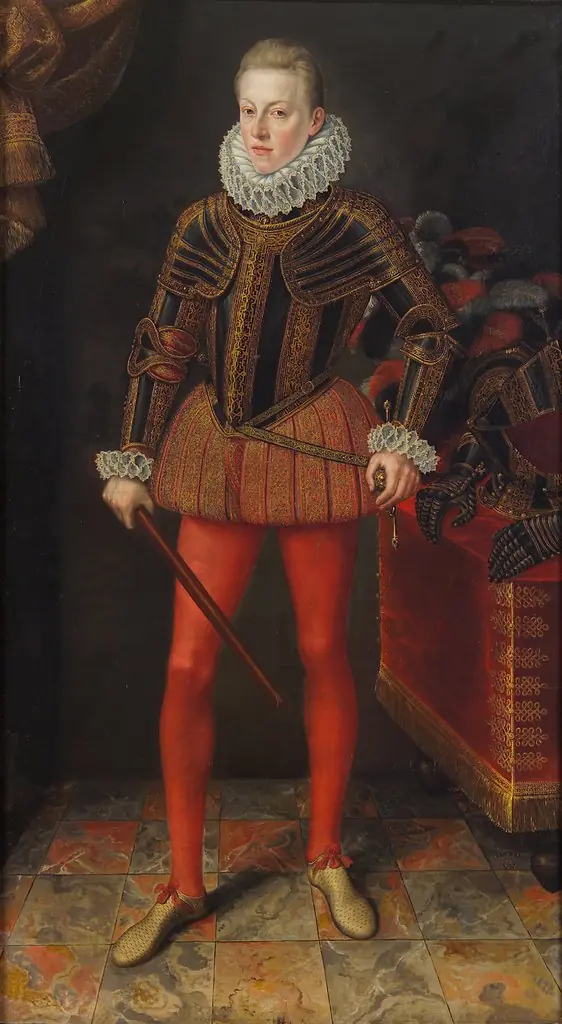 Portrait of Matthias II of Habsburg (1557-1619), the future Holy Roman Emperor
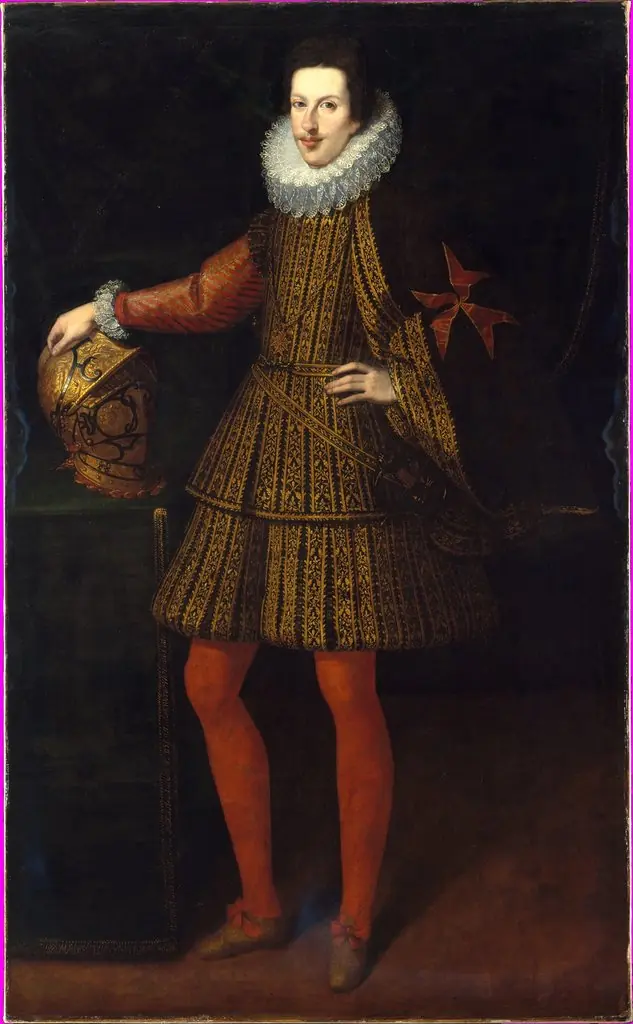 Portrait of Cosimo II de' Medici, Grand Duke of Tuscany
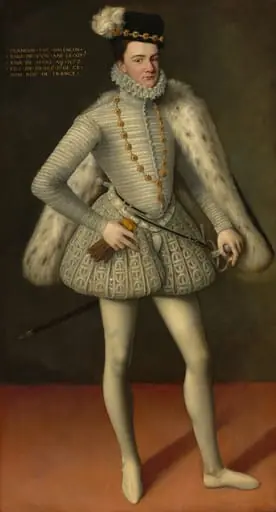 Prince Hercule-François, Duc d'Alençon
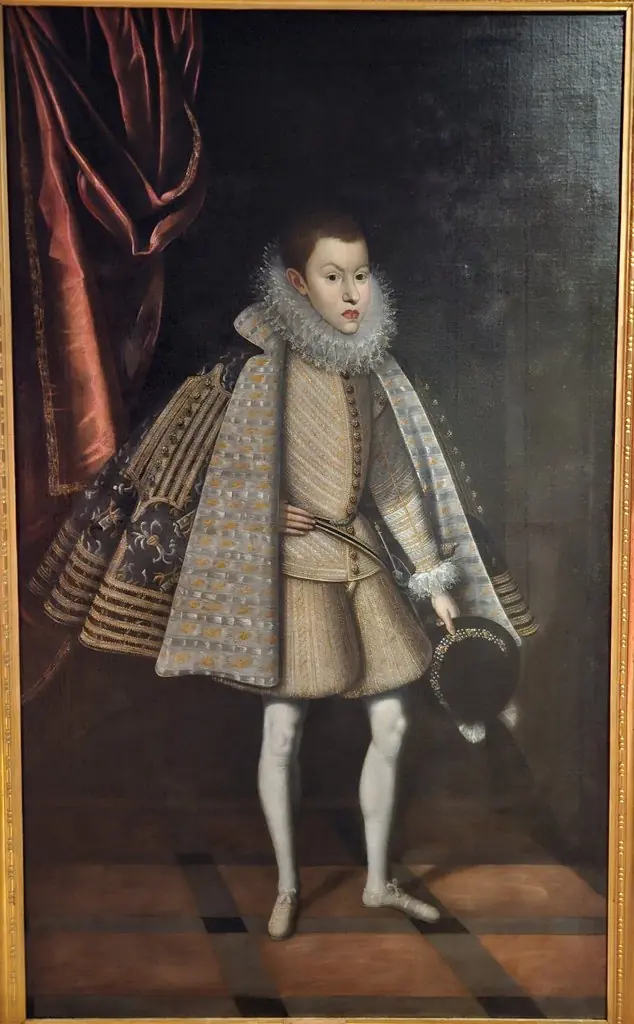 Retrato do Infante Carlos de Áustria
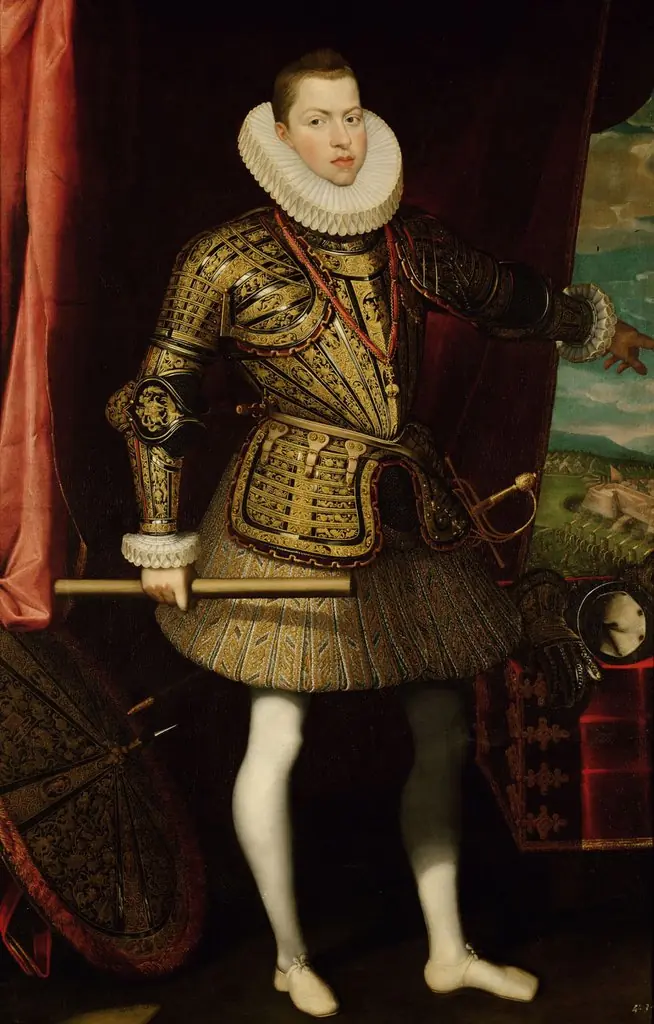
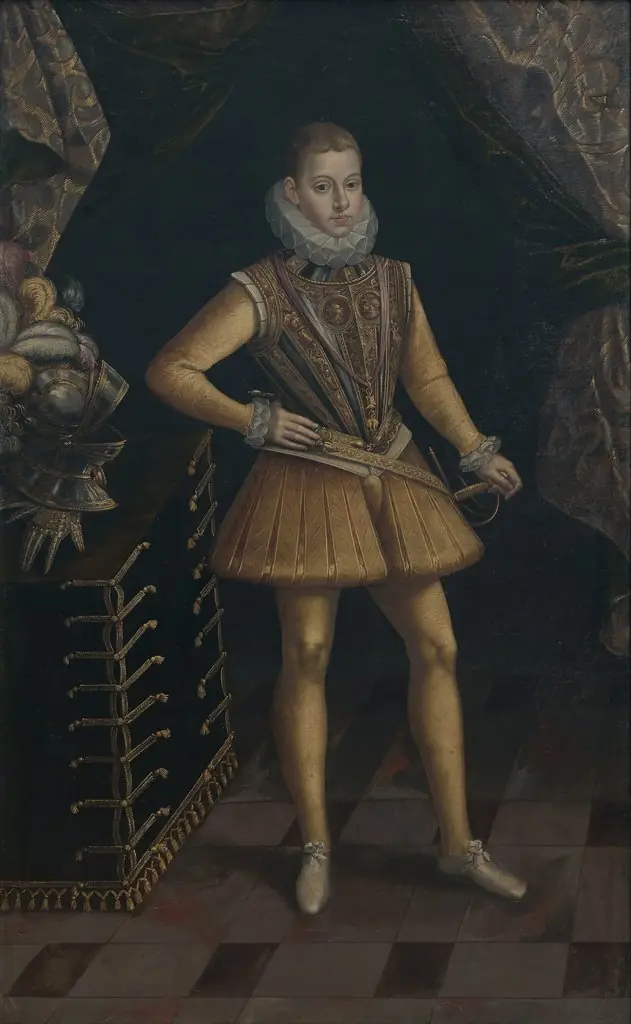 Philip of Asturias, later Philip III of Spain
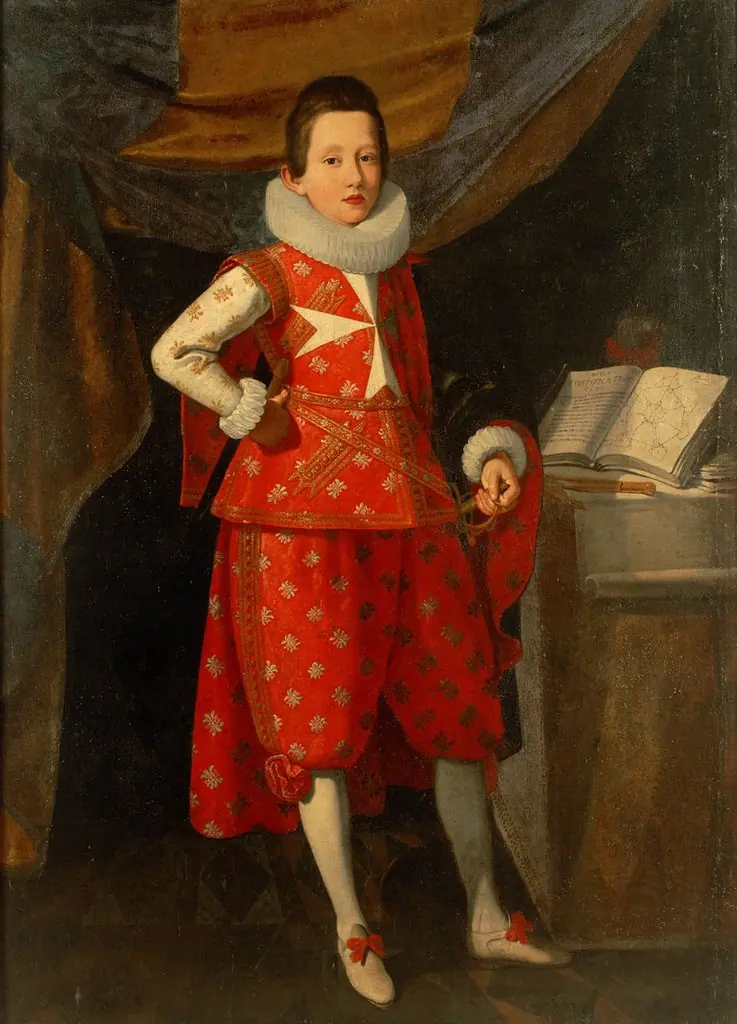 Giancarlo de' Medici (1611-1663), Cardinal, at the age of 10.
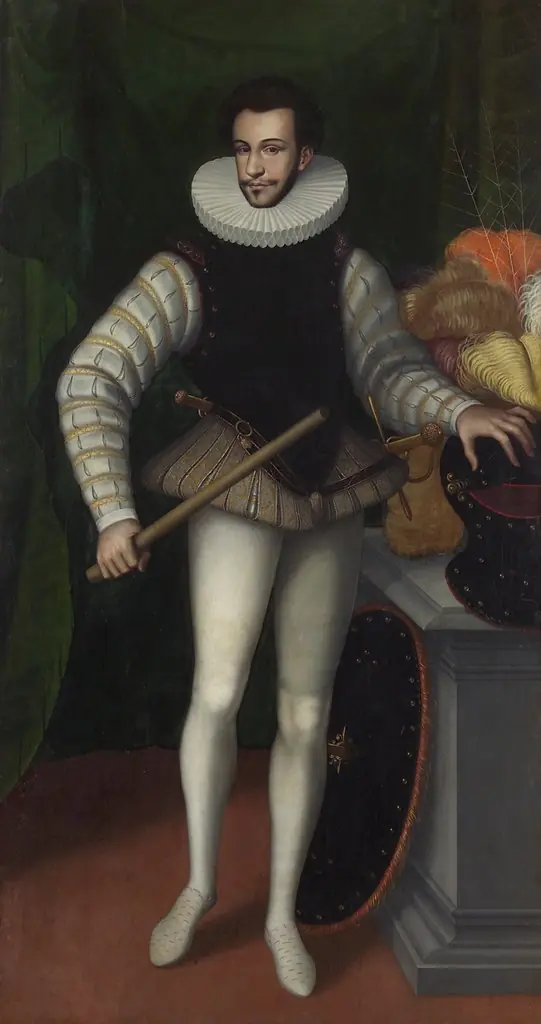 Herzog Francois von Alencon und Anjou (1555-1584)
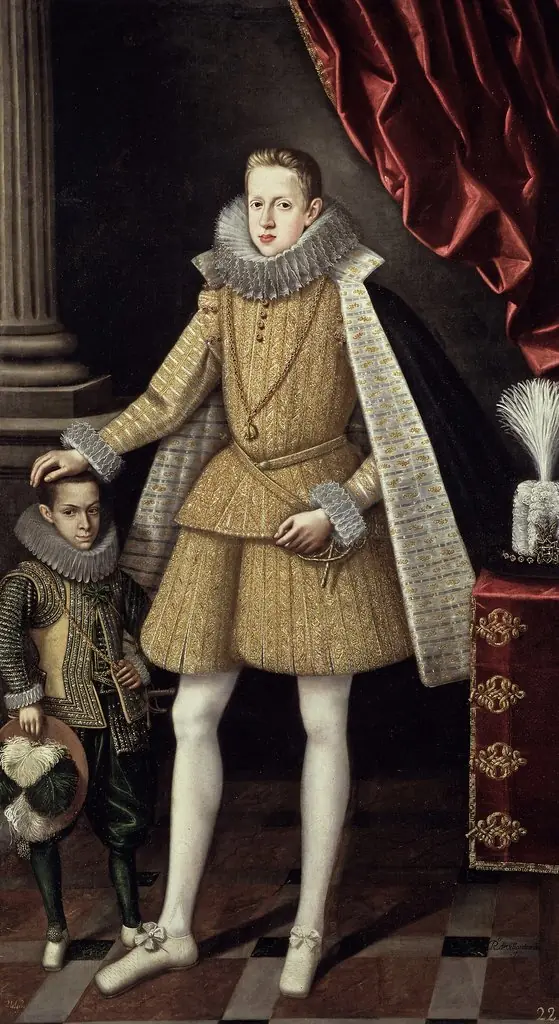 Prince Philip and the Dwarf, Miguel Soplillo
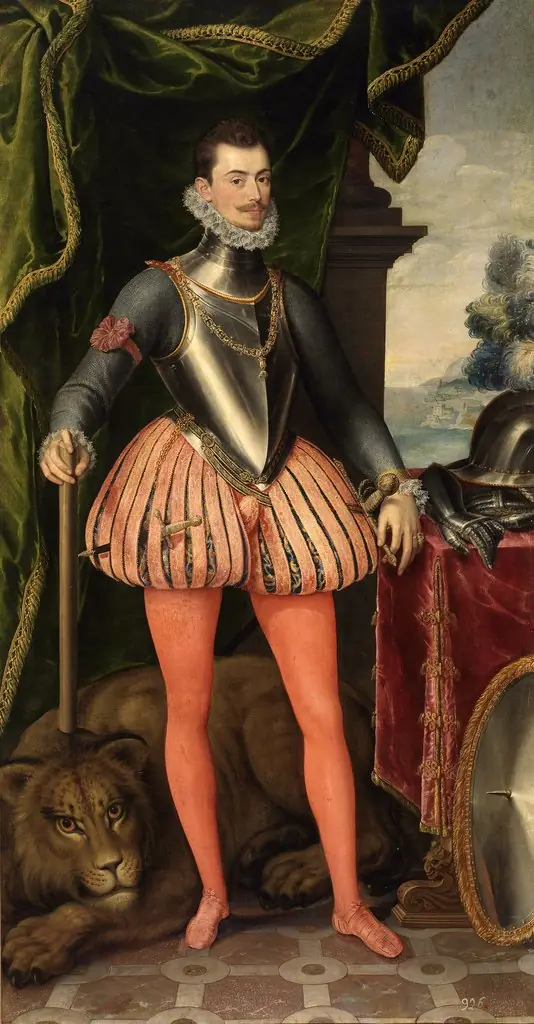 Don Juan de Austria
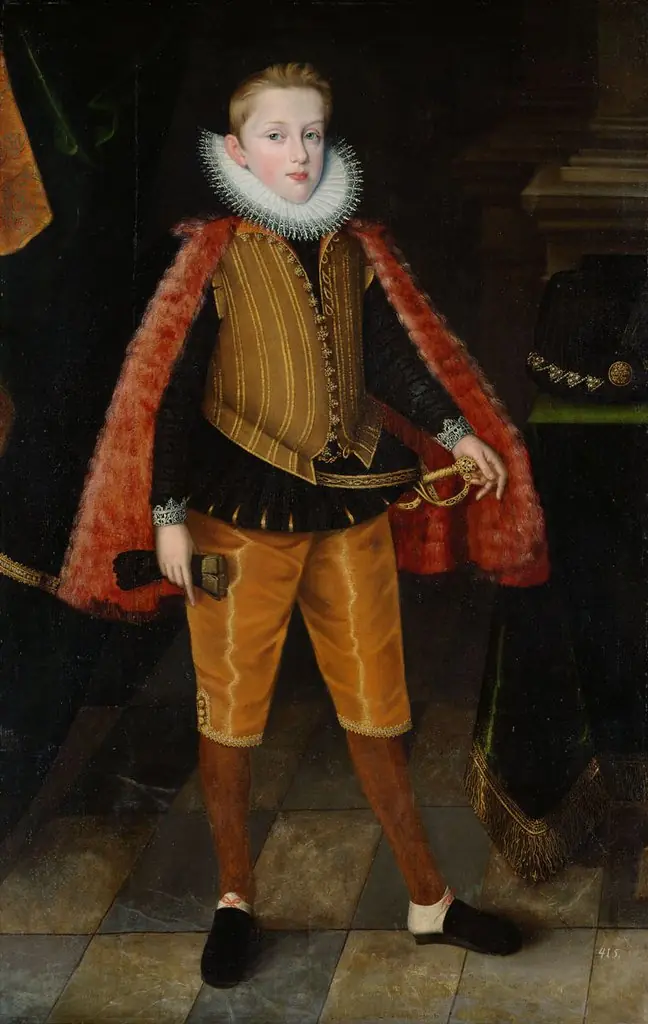 Kaiser Ferdinand II (1578-1637) at the age of 14
 El archiduque Leopoldo cuñado de Felipe III
- König Philipp III.(1578-1621) von Spanien, Bildnis in ganzer Figur als General der Infanterie (Im Hintergrund: Die Belagerung von Ostende 1601-1604)