Artwork
Portrait of a Lady
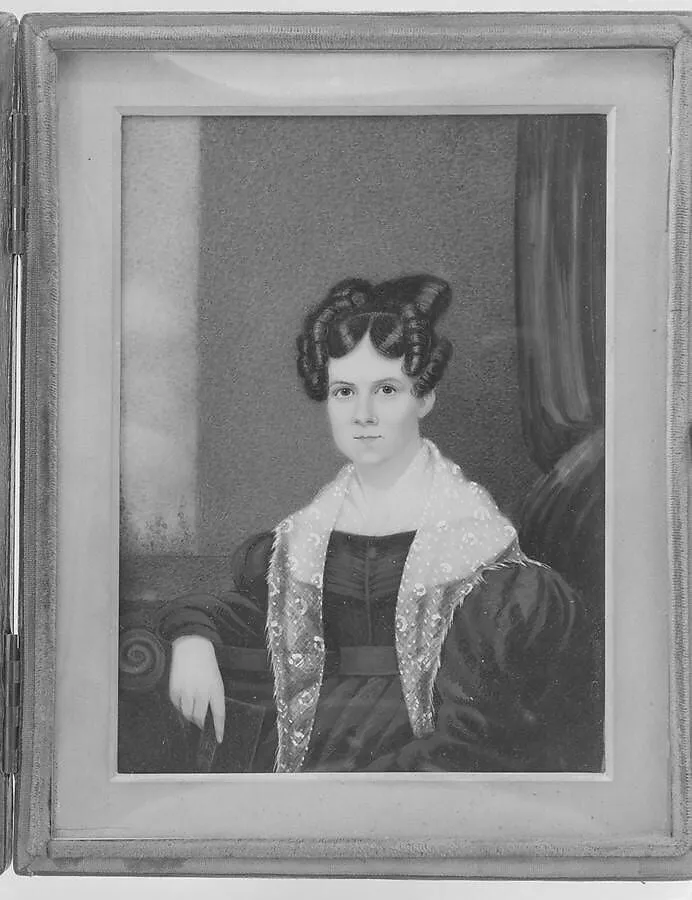
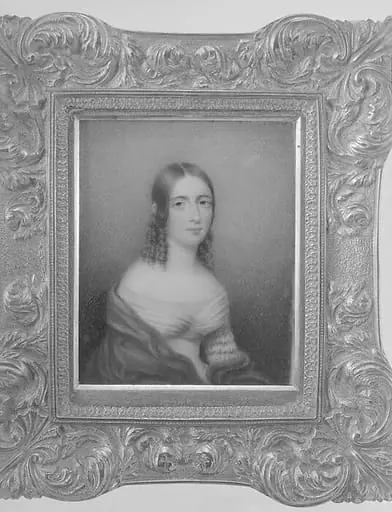
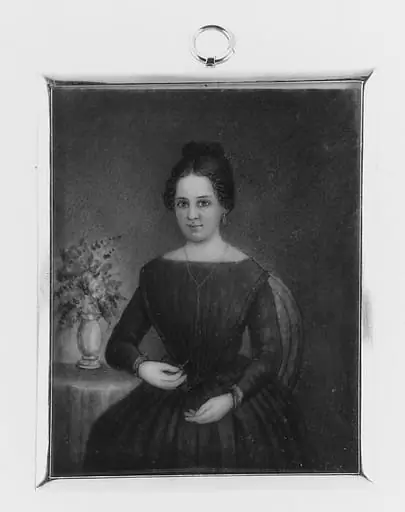
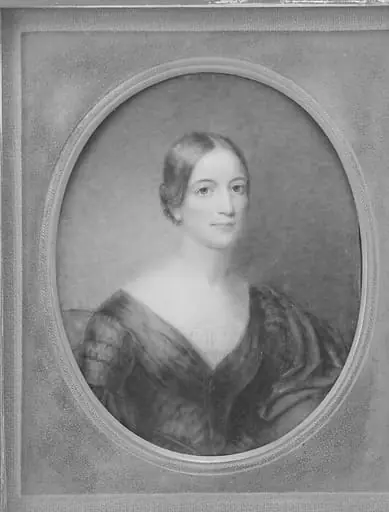
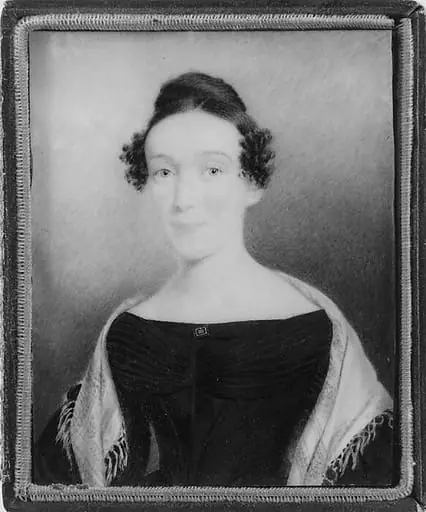
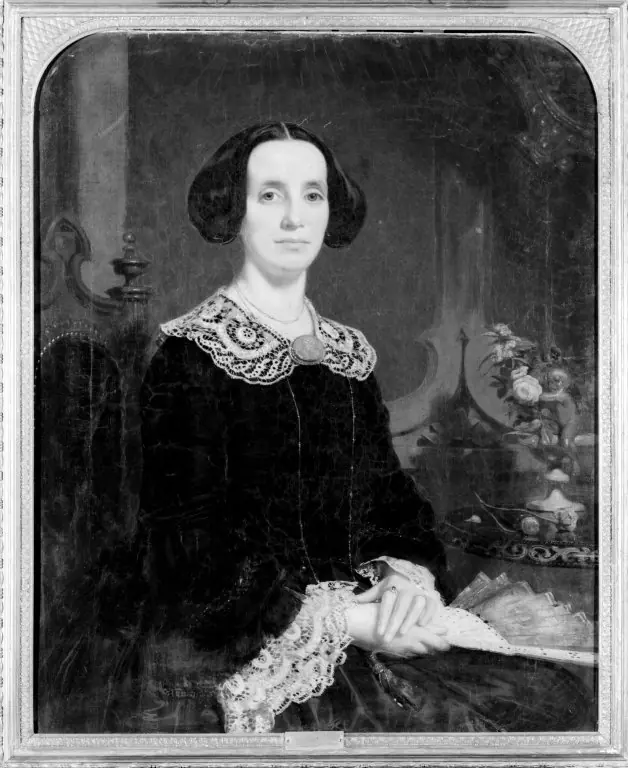
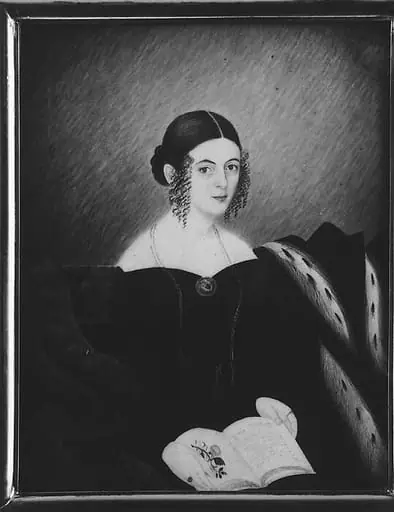
Portrait of a Lady is a watercolor painting. It dates from 1835 and is held in the collection of the Metropolitan Museum of Art.
About this work
Technique & Style
4 centimeters, provides a smooth, luminous surface that lends translucency to the watercolor washes and supports delicate handling of features.
Executed in watercolor on ivory, this 1835 portrait employs the miniature format traditionally associated with that support, yielding a small-scale, finely detailed likeness. The ivory ground, measuring 12.6 by 9.4 centimeters, provides a smooth, luminous surface that lends translucency to the watercolor washes and supports delicate handling of features. Such a combination of medium and support was characteristic of nineteenth-century portrait miniatures, allowing for precise, controlled brushwork and a refined finish suited to intimate depictions of the sitter.
The work is held in the collection of the Metropolitan Museum of Art and classified within The American Wing.
History & Provenance
Portrait of a Lady is a watercolor on ivory depicting an unidentified woman, dated to 1835; the artist remains unknown. The work entered the Metropolitan Museum of Art’s collection in 2006, where it is catalogued as accession 2006.235.256 and displayed in the American Wing. No earlier ownership, commission, or provenance details are recorded in the available sources.
Overview
This small-scale artwork, titled Portrait of a Lady, is rendered in watercolor on ivory. It depicts a woman in a dark dress, her hair neatly styled, gazing directly forward. The piece exemplifies the intimate nature of miniature portraits, designed for personal contemplation rather than public display. The delicate application of paint contributes to the subject's luminous appearance.
Subject & Meaning
The subject of this miniature is a woman presented in a dark garment, her hair drawn back from her face. Her direct gaze engages the viewer, creating an immediate, personal connection. The unadorned background emphasizes her features.
Such portraits were typically cherished privately, often held within lockets or protective cases, reflecting their role as intimate mementos rather than public declarations.
Context
Miniature portraits like this one were crafted to be exceptionally portable and personal. Their diminutive size made them suitable for inclusion in lockets or small decorative cases, intended for private viewing rather than exhibition on a wall. This format underscored their function as cherished keepsakes, often exchanged between loved ones or carried as a constant reminder of an absent individual.
Artist & collection