Artwork
Life of Instruments
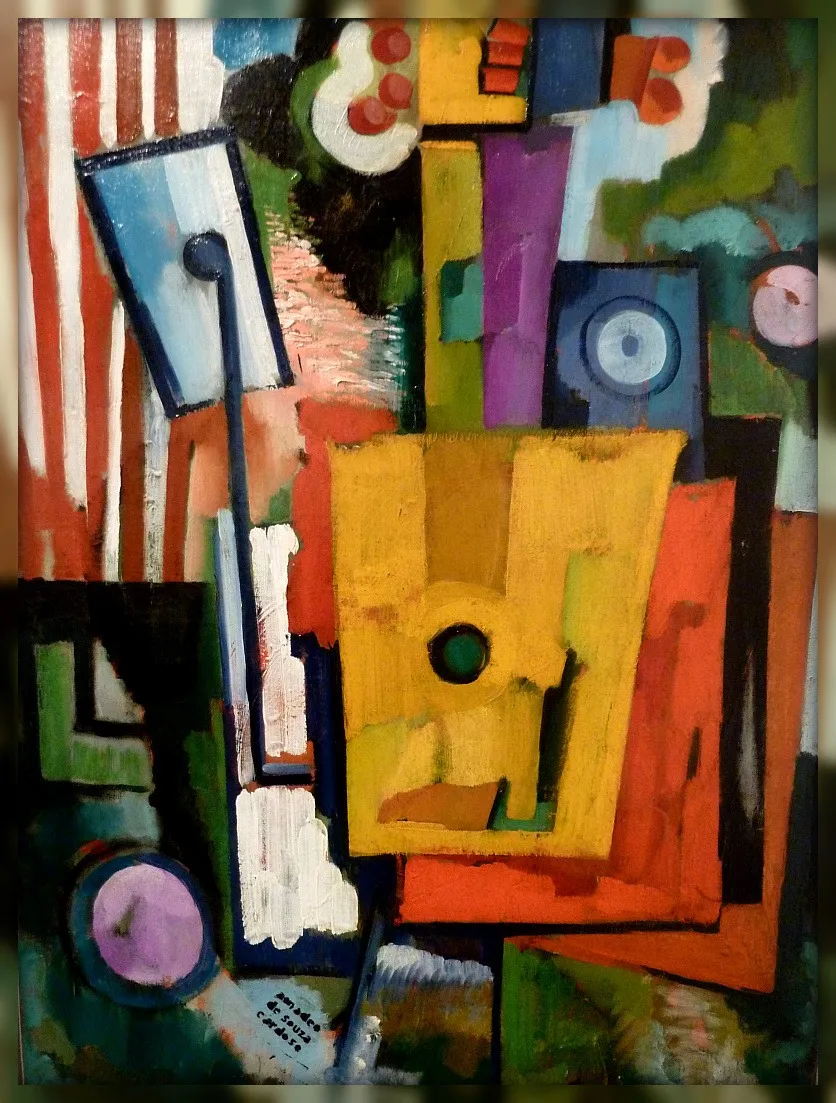
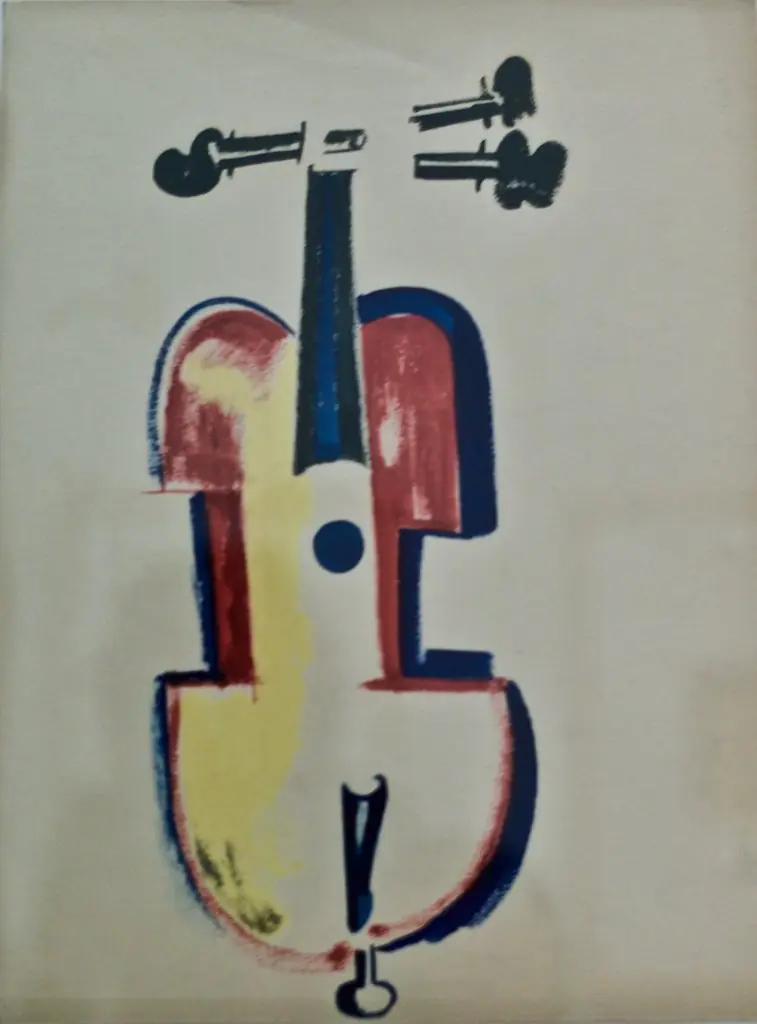
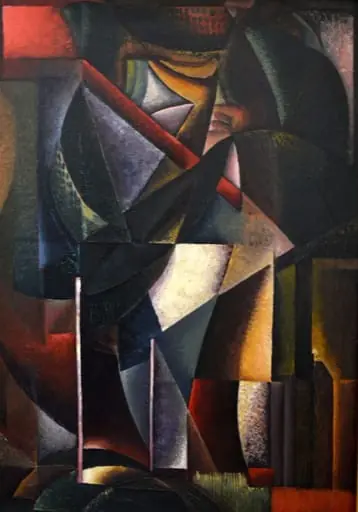
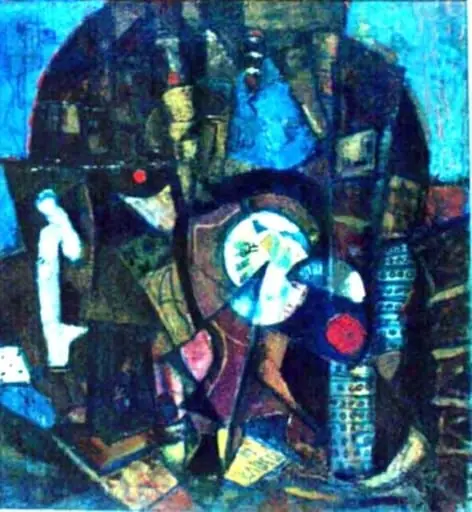
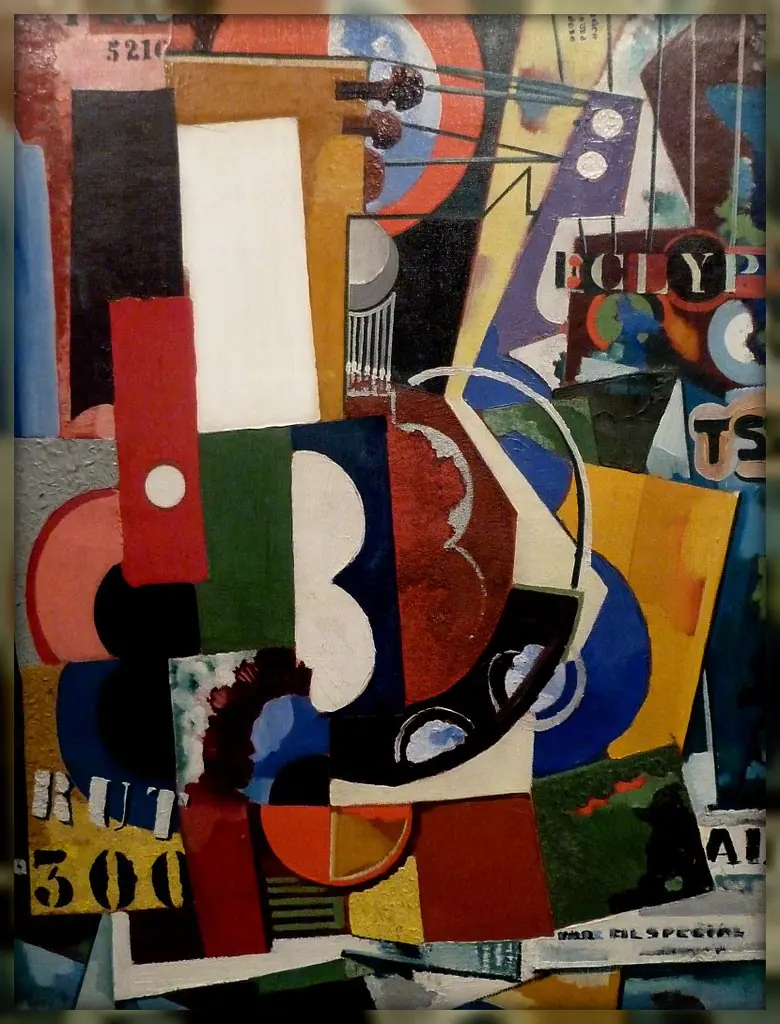
Life of Instruments is an unspecified painting by the Cubism Synthetic artist Amadeo de Souza Cardoso. It dates from 1916 and is held in the collection of the Calouste Gulbenkian Museum.
About this work
Overview
Created in 1916 by Amadeo de Souza-Cardoso, a pivotal figure in Portugal's early modernist movement, Life of Instruments embodies the artist's unique synthesis of Cubist influences with a burgeoning modernist style.
Subject & Meaning
The painting's title, Life of Instruments, suggests an abstract representation of musical elements, though the work prioritizes formal experimentation over direct representation, emphasizing geometric fragmentation and spatial interplay.
Technique & Style
Characterized by a vibrant palette (including yellow, orange, blue, green, and white) and diverse geometric forms (rectangles, circles, lines), the painting showcases layered composition, textured brushwork, and varied edge treatments, blending sharp overlaps with softer, blended boundaries.
History & Provenance
Part of the synthetic Cubist output from de Souza-Cardoso's period of exchange between Paris and his Manhufe estate, Life of Instruments is now permanently held in the Calouste Gulbenkian Museum's collection.
Context
Reflecting the artist's engagement with European avant-garde movements, particularly Cubism, while cultivating a distinct voice, the work situates de Souza-Cardoso at the forefront of Portugal's modernist awakening in the early 20th century.
Legacy
As a key work by de Souza-Cardoso, Life of Instruments influences subsequent Portuguese modernist artists and continues to attract viewers who appreciate the intersection of Cubist principles with innovative, expressive abstraction.
Artist & collection
Artist
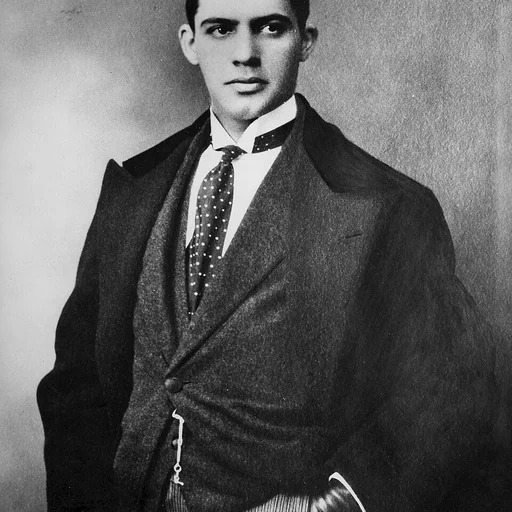
Amadeo de Souza-Cardoso (14 November 1887 – 25 October 1918) was a Portuguese painter.