Artwork
Christ on the Road to Emmaus
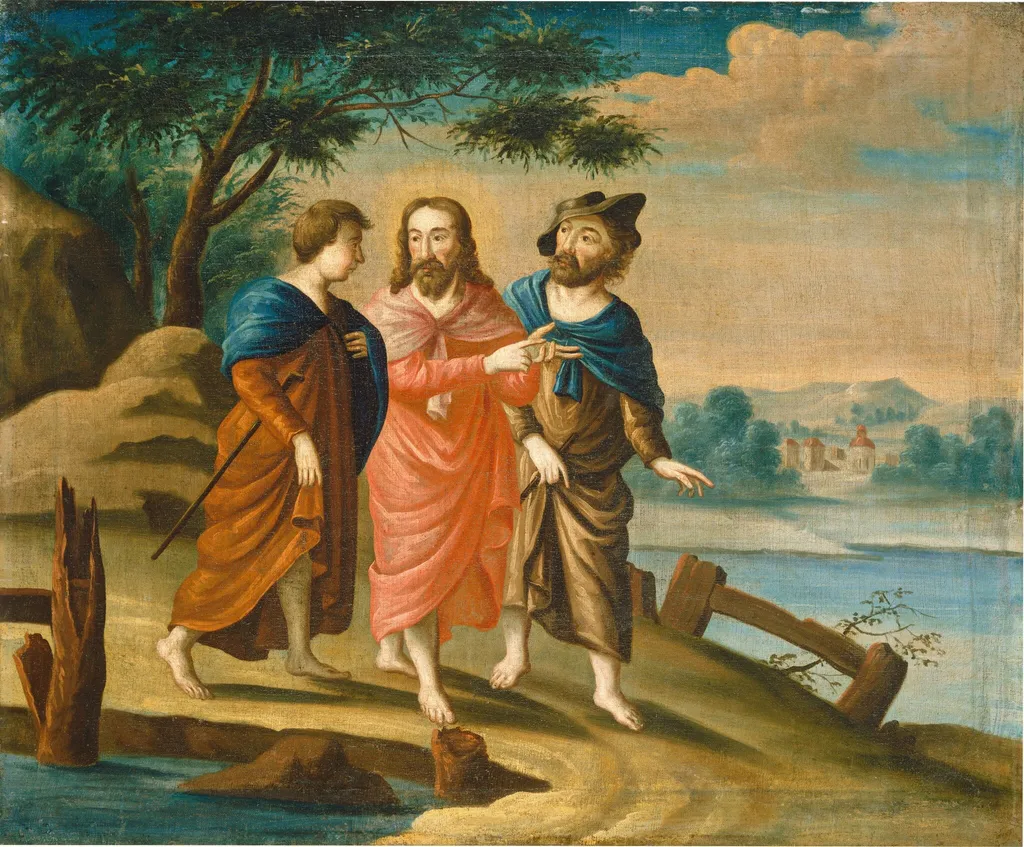
Christ on the Road to Emmaus is an oil painting. It dates from 1728 and is held in the collection of the National Gallery of Art.
About this work
Subject & Meaning
This 1728 American interpretation of the scene serves as a visual meditation on faith and the sudden clarity of spiritual understanding.
The painting depicts the biblical episode known as the Road to Emmaus appearance, a scene from the Gospel of Luke where the resurrected Jesus reveals himself to two disciples during a journey. As a work of religious art, the subject focuses on the moment of recognition and spiritual revelation central to this narrative. The iconography represents the theological concept of Christ's post-resurrection presence among his followers, emphasizing the theme of divine recognition in everyday life.
This 1728 American interpretation of the scene serves as a visual meditation on faith and the sudden clarity of spiritual understanding.
Technique & Style
The work is painted in oil on canvas, executed in 1728 by an artist associated with the American eighteenth century. Its dimensions are 64.2 cm in height by 77.1 cm in width.
The handling is characterized by a restrained palette and controlled brushwork, aligning with provincial colonial traditions. Figures are modeled with subtle chiaroscuro, and spatial recession is suggested through shallow stage-like staging rather than deep perspective. The composition centers on the post-resurrection encounter between Christ and the two disciples, with the latter shown in profile and three-quarter views that emphasize narrative clarity over illusionistic depth.
History & Provenance
The work was painted in 1728 by an anonymous American artist of the eighteenth century. It entered the record as originating in New York State and was held by a Dutch family near Kingston, New York, before passing to Thurston Thacher of Hyde Park, New York.
In 1952 the painting was sold by Thacher to collectors Edgar William and Bernice Chrysler Garbisch. The Garbischs later donated it to the National Gallery of Art, Washington, D.C., in 1966, where it remains.
The painting Christ on the Road to Emmaus, dated 1728, is held in the collection of the National Gallery of Art in Washington, D.C. It entered the museum as a gift from Edgar William and Bernice Chrysler Garbisch in 1966. Prior to this donation, the work was sold to the Garbisches in 1952 by Thurston Thacher of Hyde Park, New York; earlier provenance traces the piece to a Dutch family in the vicinity of Kingston, New York. The artwork remains part of the National Gallery of Art's permanent holdings.
Overview
This oil painting, titled "Christ on the Road to Emmaus," depicts a pivotal biblical narrative. It portrays three men walking along a path, with the central figure engaged in conversation and gesturing to his companions. The artist employs a traditional medium to render this significant religious event, setting the figures within a landscape that includes natural elements and distant architectural forms under a partly cloudy sky.
Artist & collection

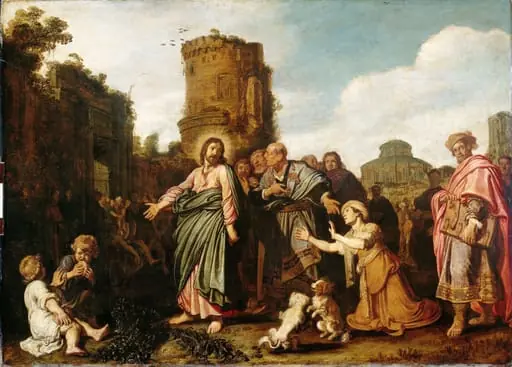 Christ and the Woman of Canaan
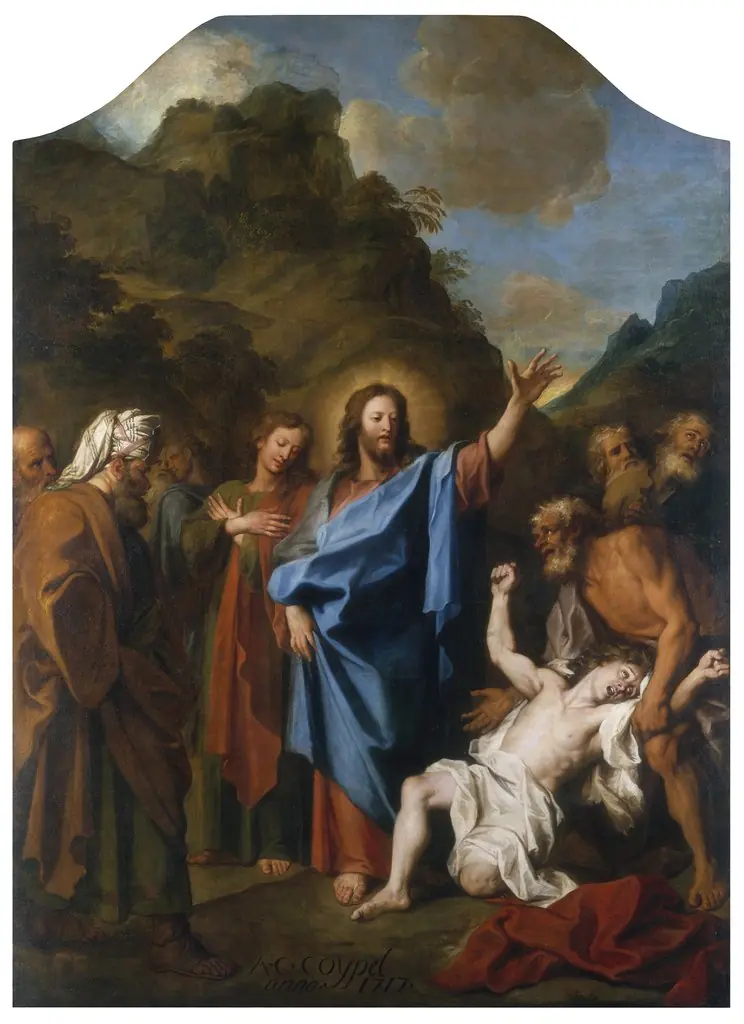 Christ Curing a Possessed Man
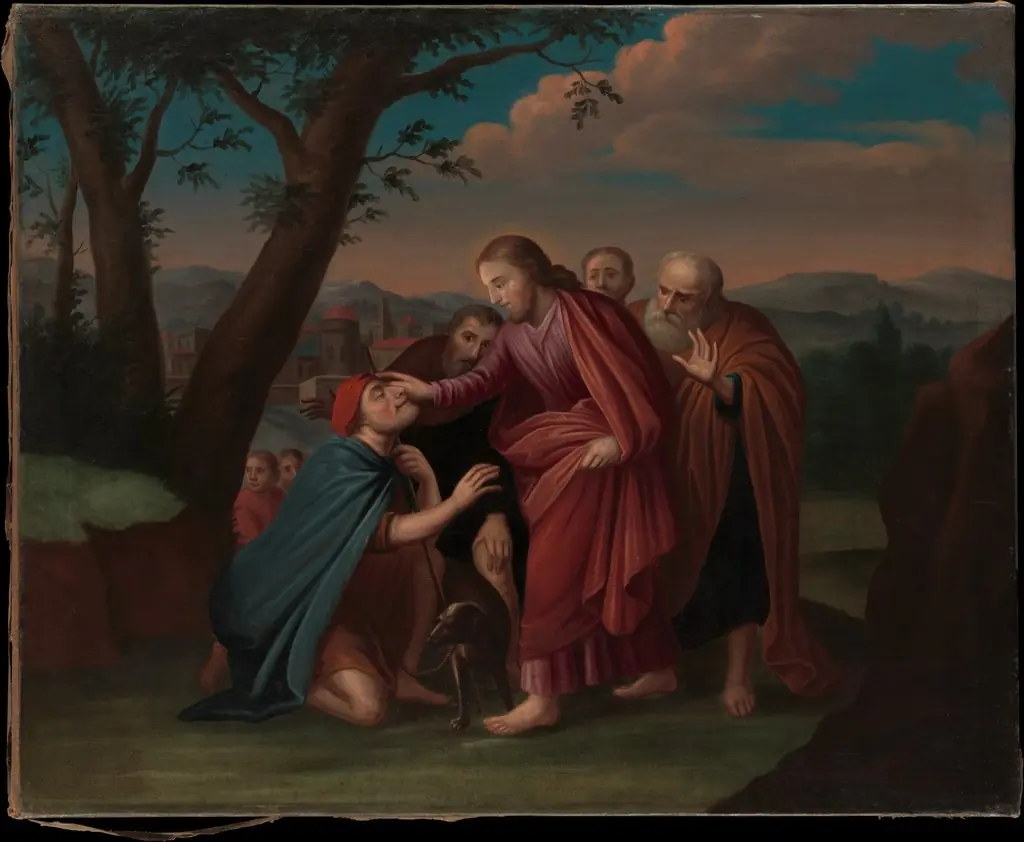 Christ Healing the Blindman
 Christ Arrives on the Mount of Olives
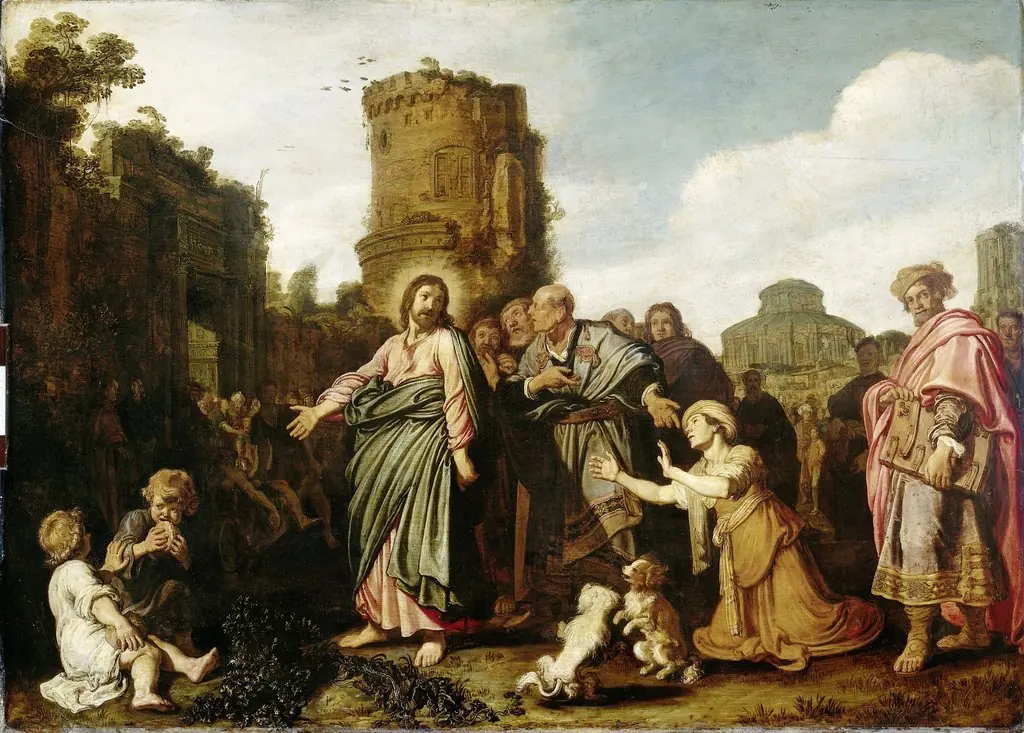 Christ and the woman of Canaan
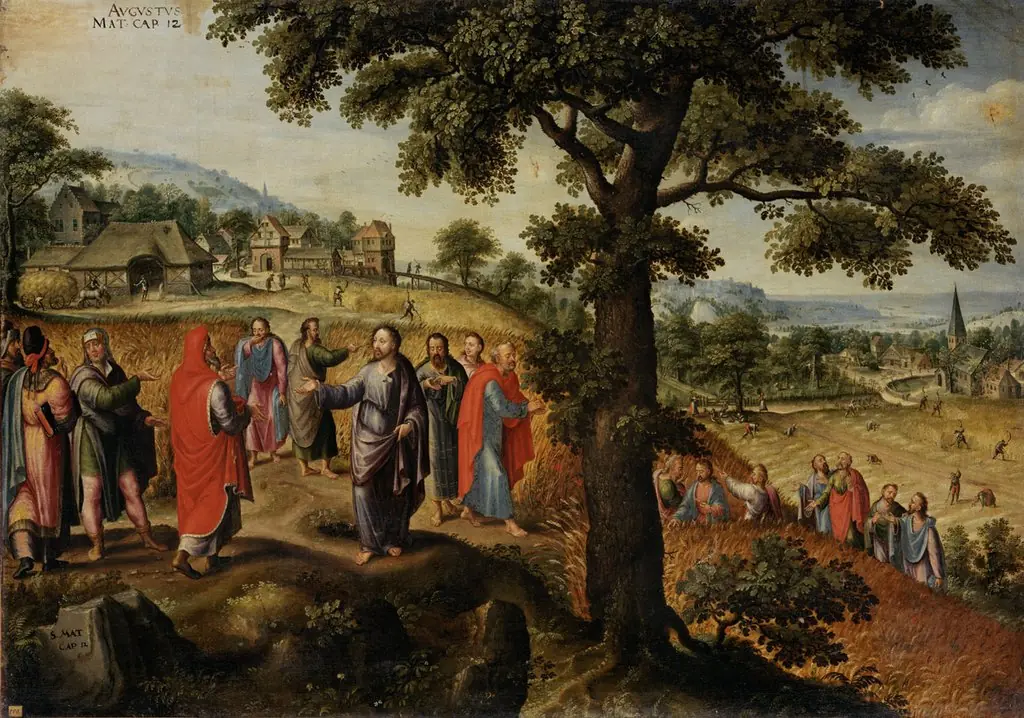 Christ defends the plucking of the ears of grain on the Sabbath (August)
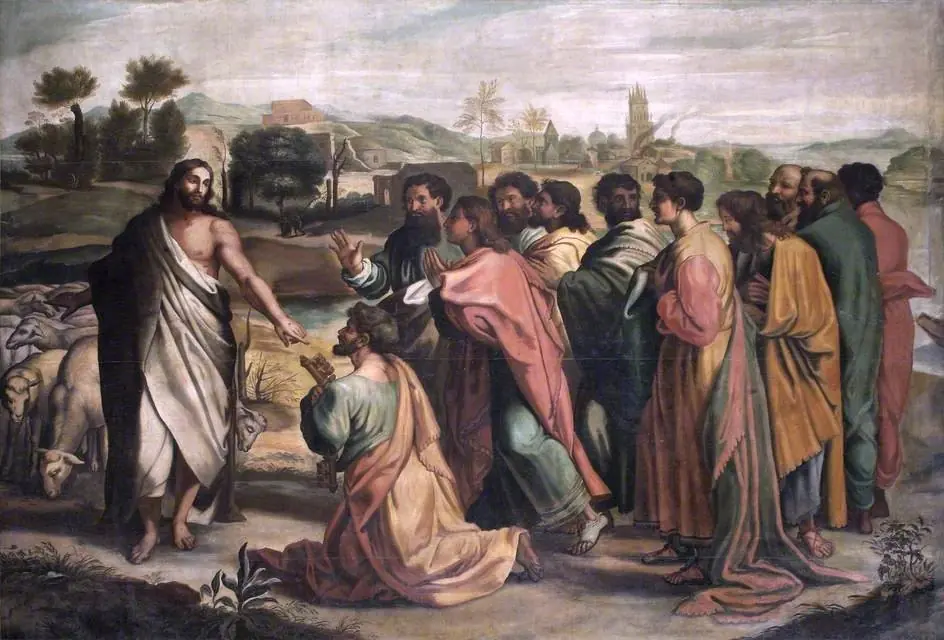 Christ's Charge to St Peter
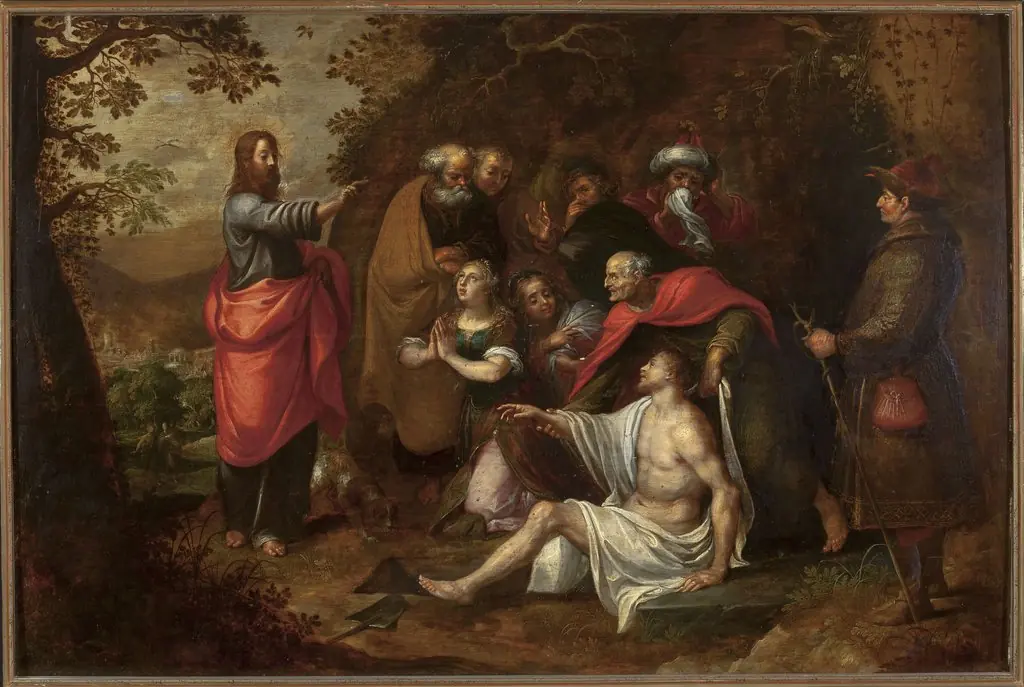 Raising o Lazarus
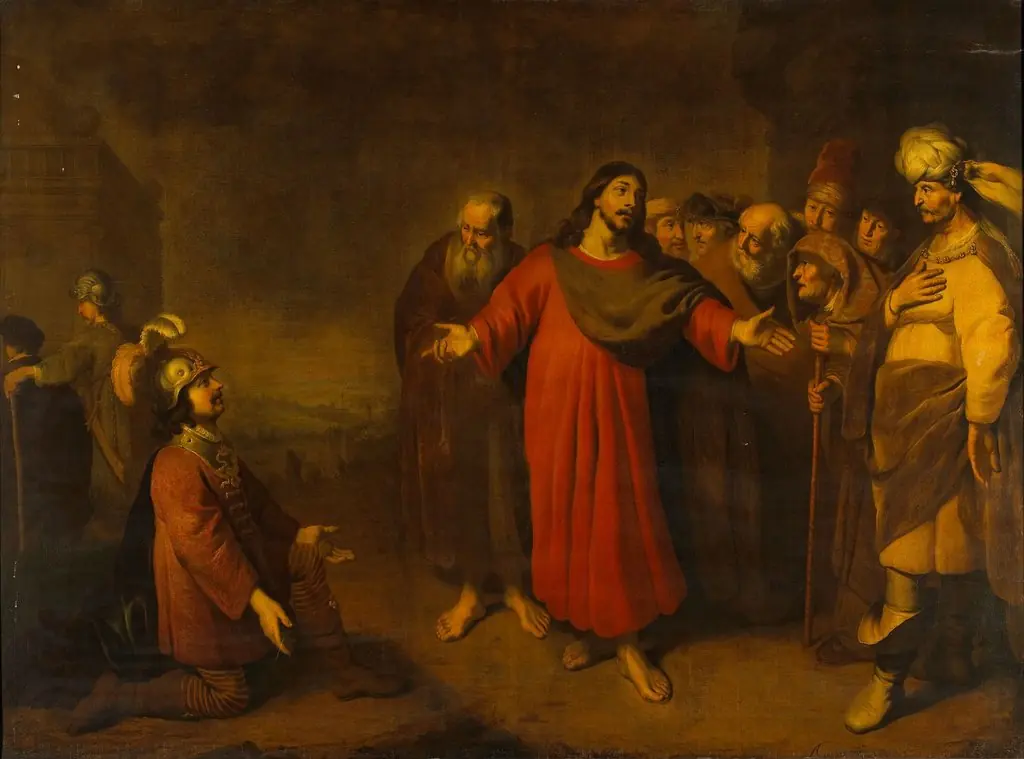 Christ and the Centurion
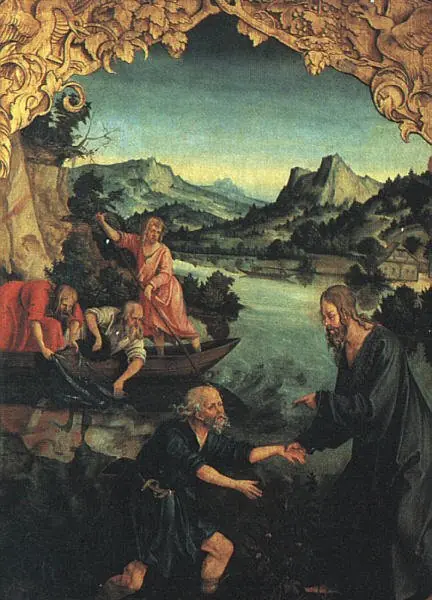 The Calling of St Peter
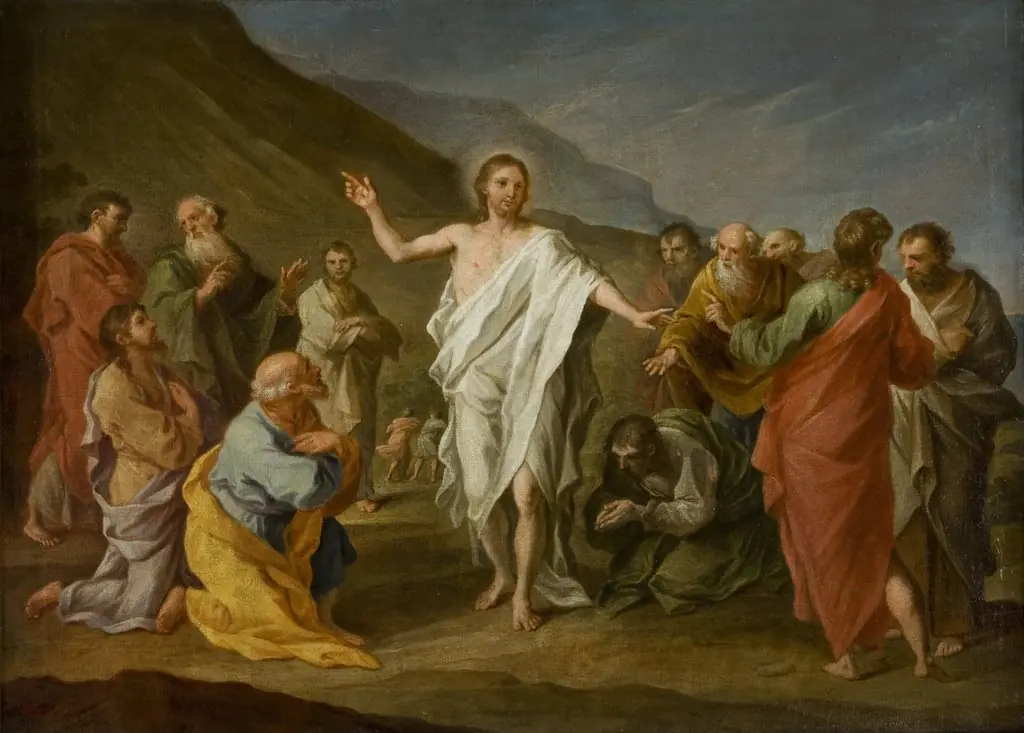 Christ Appearing to the Apostles after the Resurrection
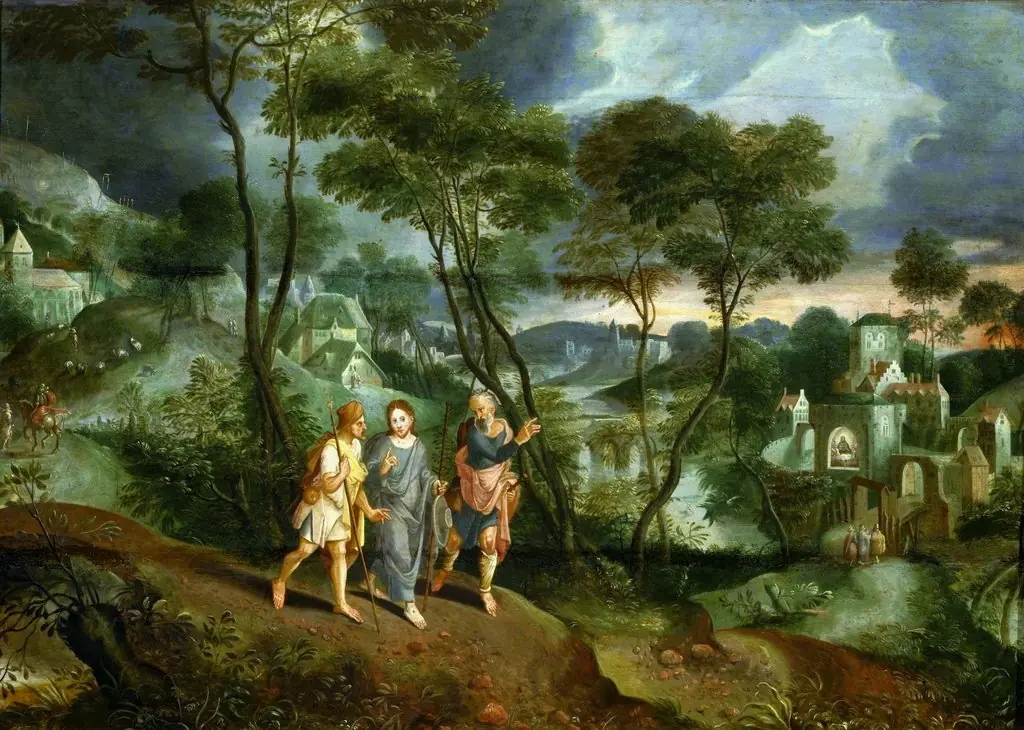
- Christ with disciples on the way to Emmaus