Artwork
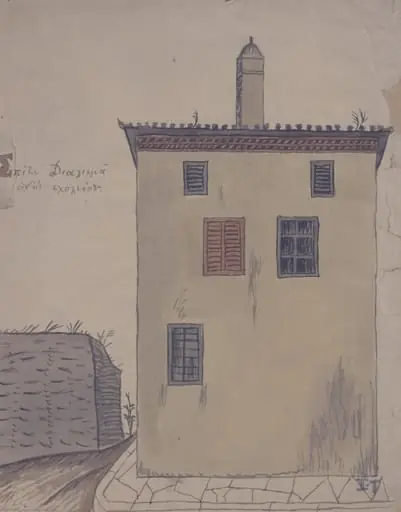
Fraktur House
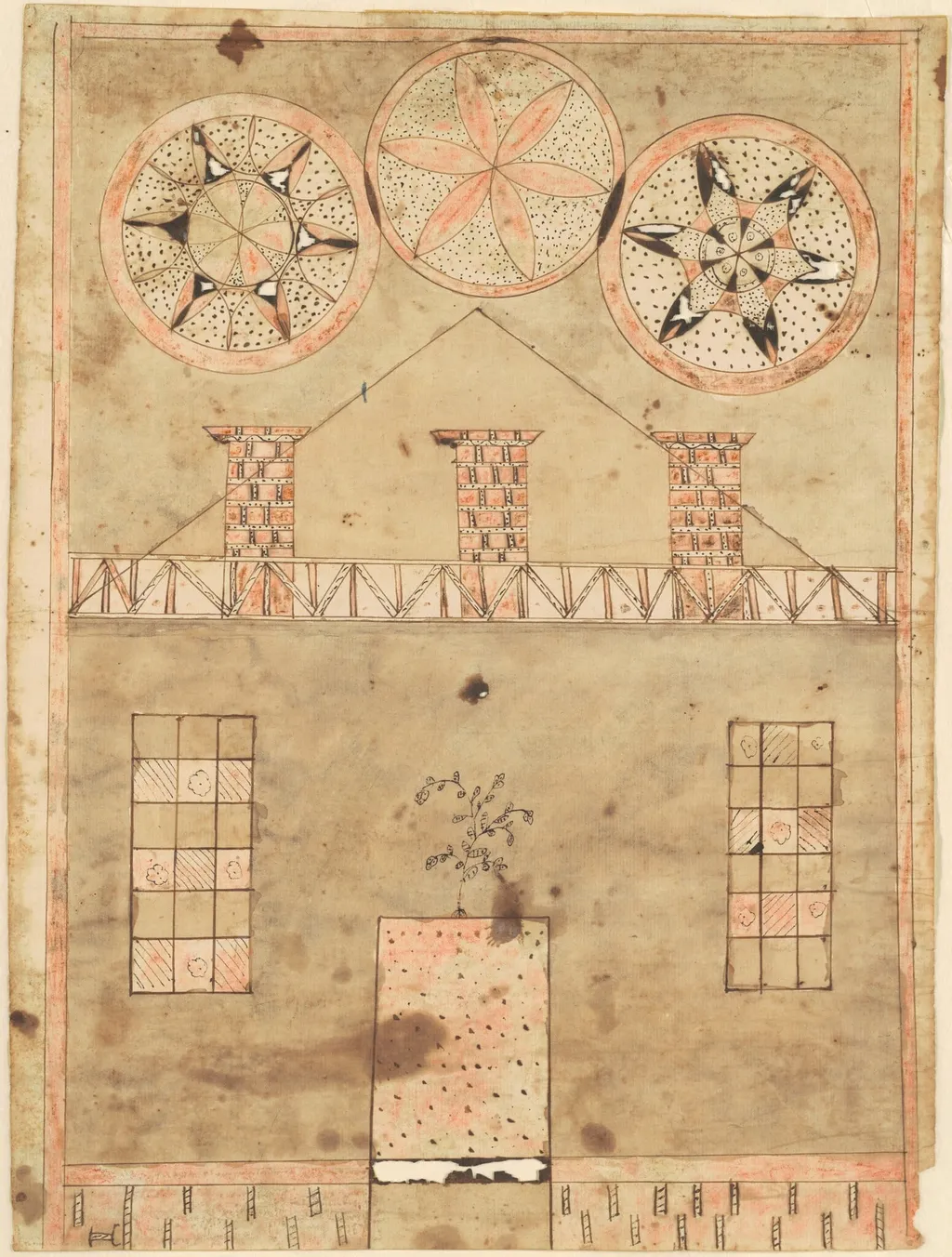
Fraktur House is an ink drawing by the Romanticist artist American 19th Century. It dates from 1801 and is held in the collection of the National Gallery of Art.
About this work
You can learn more about this style by looking at the work of the artist: American 19th Century.
This drawing shows a simple house with two big windows and a door in the middle. The house has circular patterns above the roof. The colors are mostly pink and black. It looks like a folk art drawing. The artist used simple lines to draw the house.
The house in the drawing looks stylized, not like a real house. It has a naive feel to it.
You can learn more about this style by looking at the work of the artist: American 19th Century.
Overview
Fraktur House is a pen and iron‑gall ink drawing on laid paper, accented with watercolor. The composition presents a stylized façade featuring two prominent square windows, a central doorway, and a row of circular motifs positioned above the roofline. The limited palette, primarily pink and black, contributes to its straightforward, folk‑art character.
Subject & Meaning
The work portrays an imagined dwelling rather than a specific architectural model, emphasizing symmetry and decorative simplicity. The circular patterns above the roof serve as ornamental accents, reinforcing the piece’s decorative intent and its alignment with naïve visual language.
Technique & Style
Executed with precise line work in pen and iron‑gall ink, the drawing incorporates modest watercolor washes that highlight the pink and black scheme. The use of laid paper provides a subtle texture, while the overall flatness and unmodulated color fields reflect a folk‑art aesthetic rooted in 19th‑century American visual traditions.
Context
Fraktur House belongs to a broader tradition of American folk drawing where everyday subjects are rendered with decorative motifs and a naïve sensibility. Its stylistic affinities can be compared to other 19th‑century American works that blend utilitarian illustration with ornamental design, illustrating the period’s interest in accessible, vernacular art forms.
Artist & collection

Artist
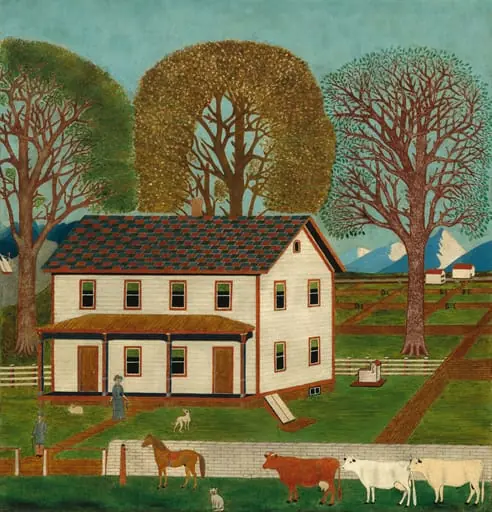
Scenes of everyday American life in the 1800s. Farmhouse in Mahantango Valley is a quiet, sunlit view of rural Pennsylvania; Boy and Girl shows two children standing close, faces turned outward. A small woodcut, The…


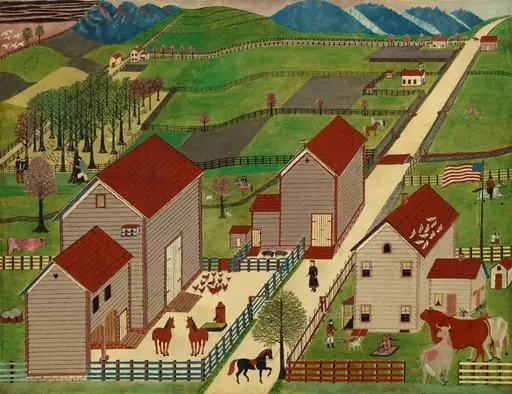
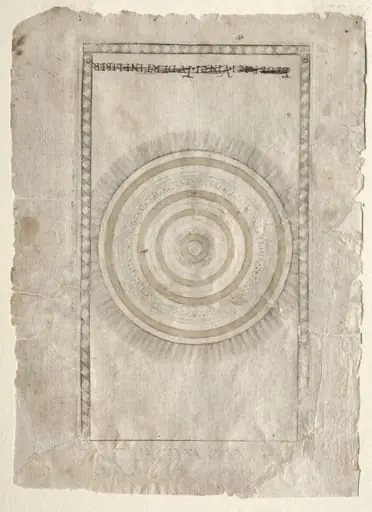
- The Empyrean Sphere (from the Tarocchi, series A: Firmaments of the Universe, #50)
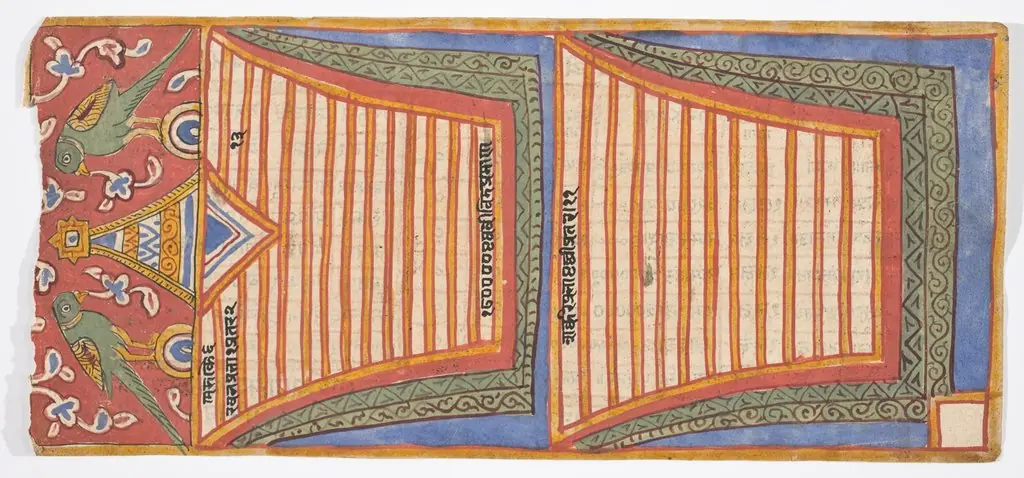 Tantric Manuscript "Sangrahani Sutra"
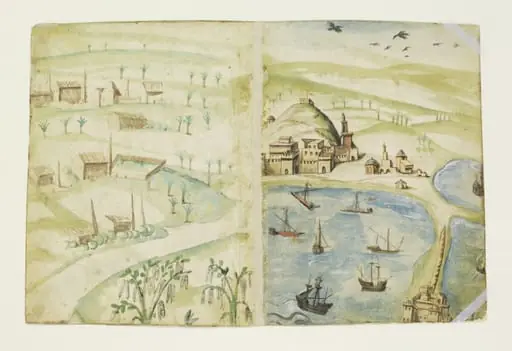 Untitled
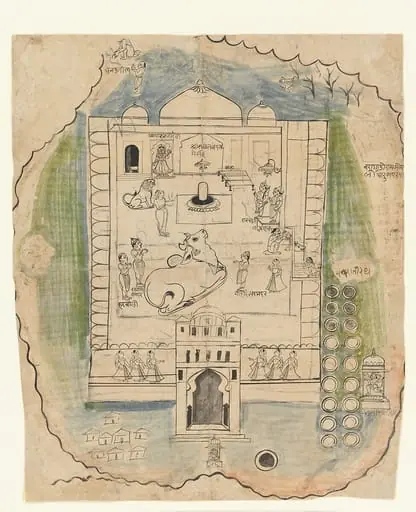 Untitled
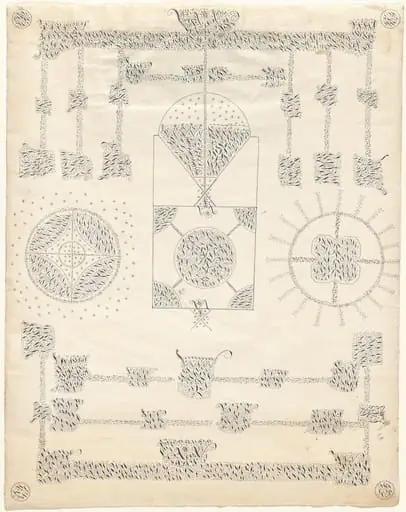 A Sacred Sheet Sent from Holy Mother Wisdom by Her Angel of Many Signs
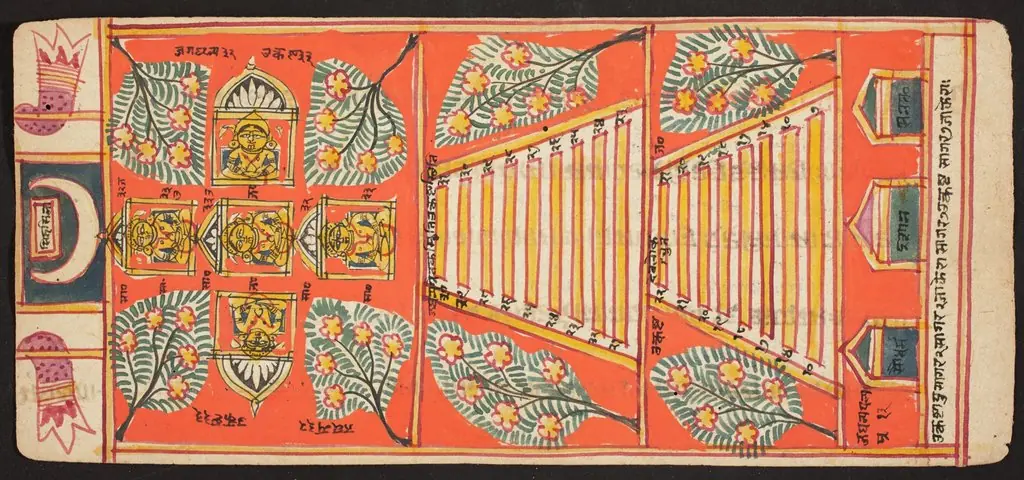 Tantric Manuscript "Sangrahani Sutra"
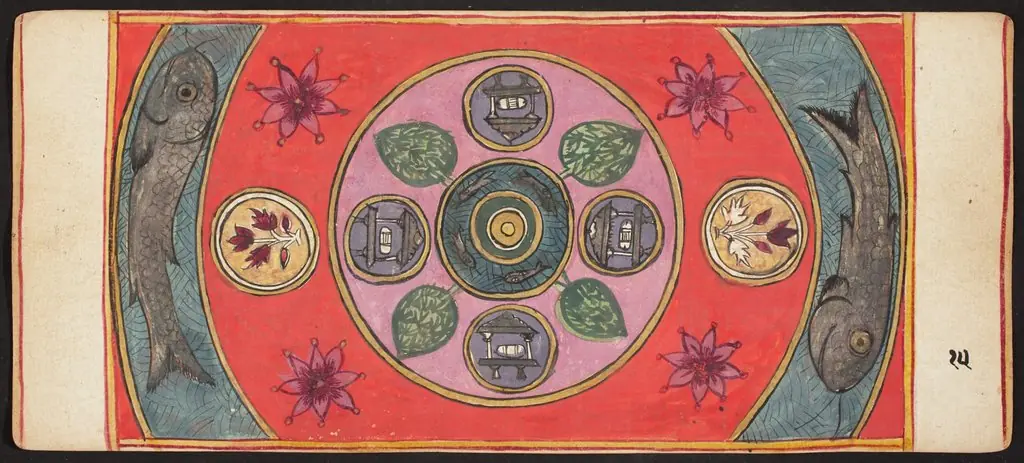 Tantric Manuscript, "Sangrahani Sutra"
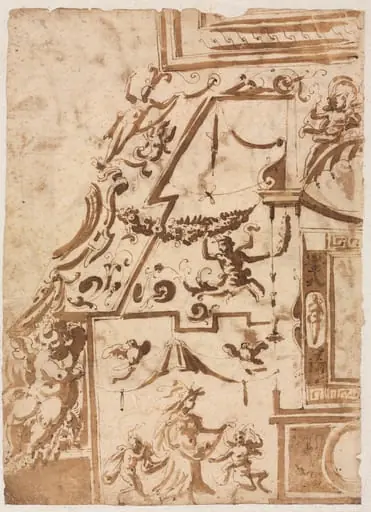 Grotesque with a Leaping Centaur (verso)
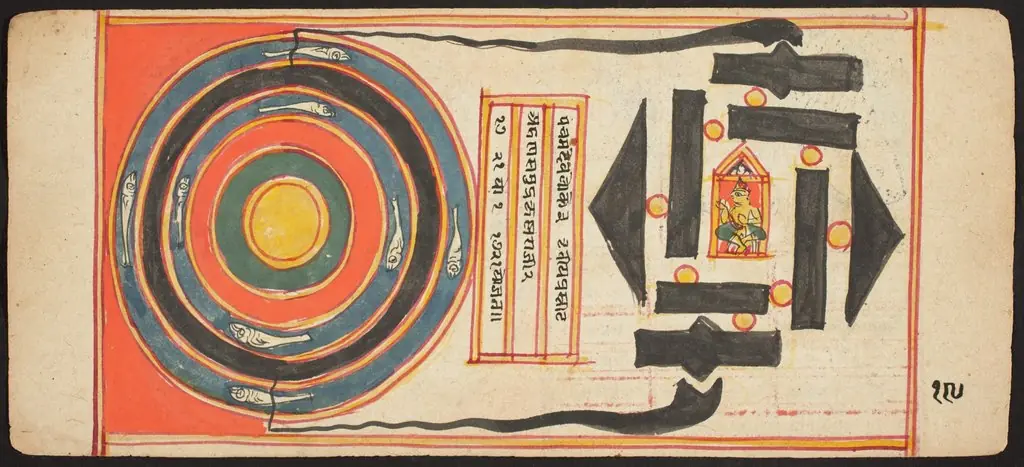 Tantric Manuscript "Sangrahani Sutra"
 "Σπίτι Διαλισμά, Οδός Σχολείου", Αθήνα
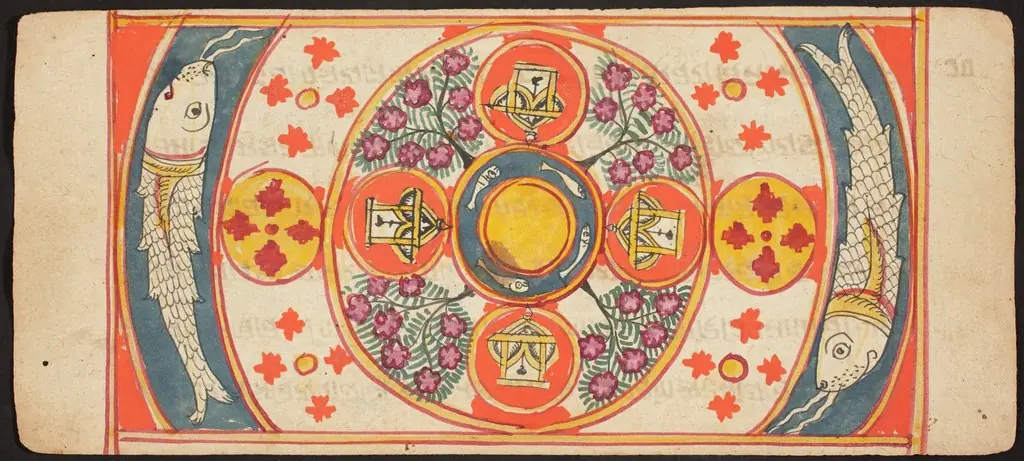 Tantric Manuscript "Sangrahani Sutra"
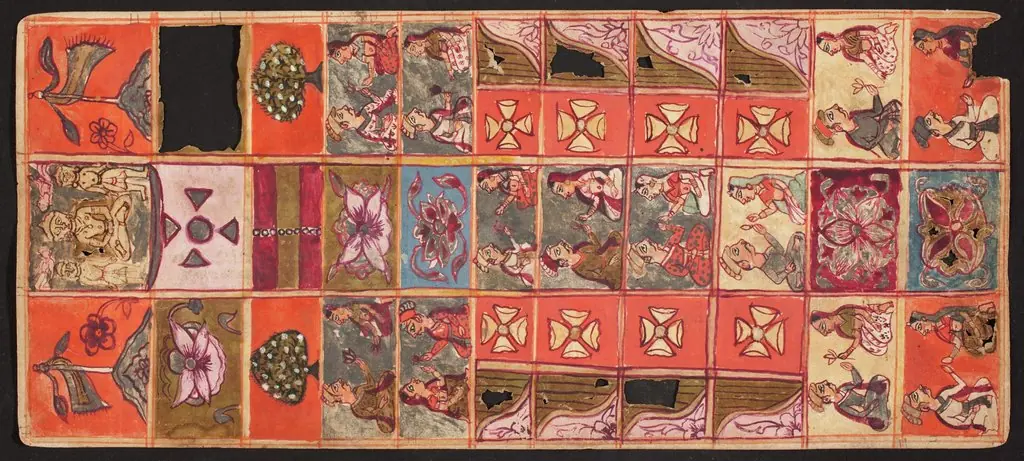 Tantric Manuscript, "Sangrahani Sutra"