Artwork
Martha
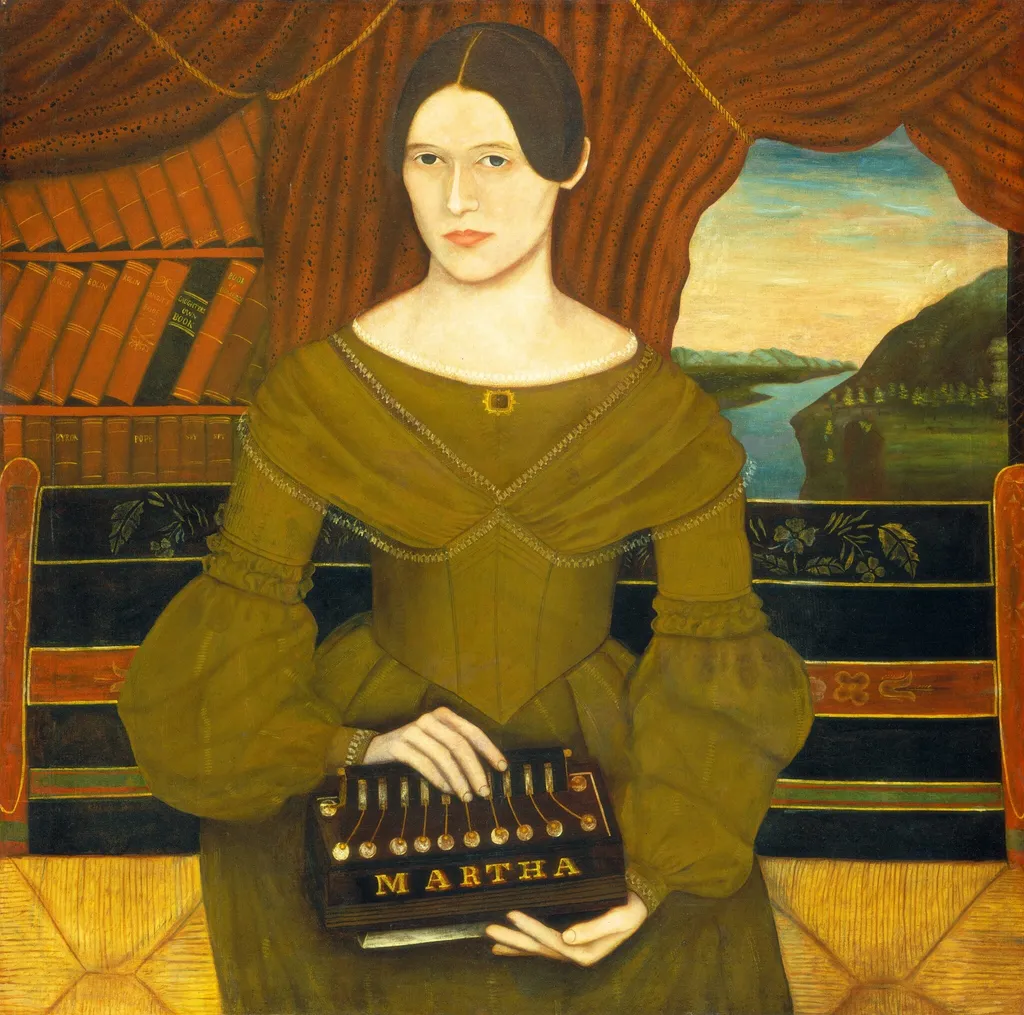
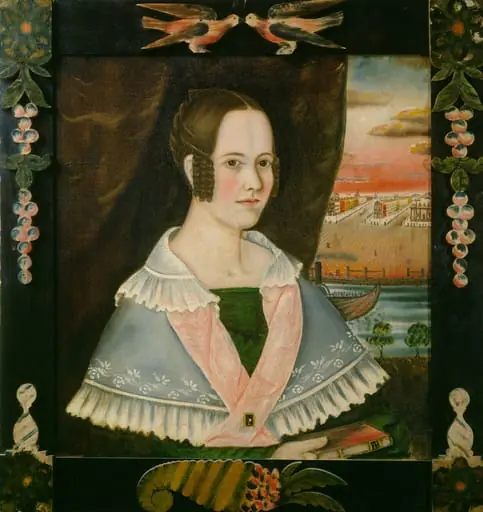
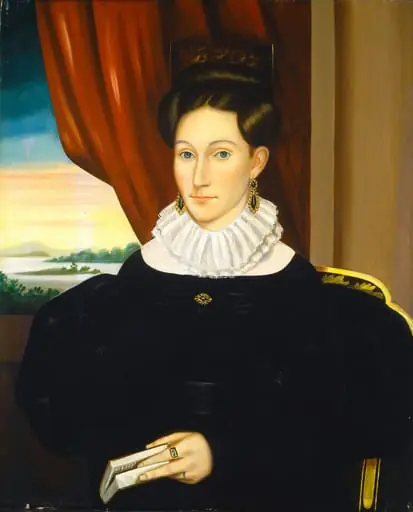
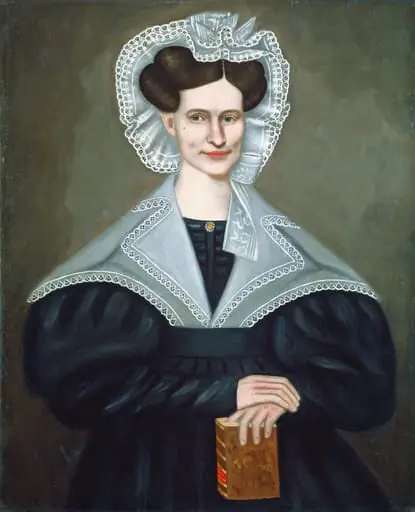
Martha is an oil painting. It dates from 1835 and is held in the collection of the National Gallery of Art. The work is an oil painting on canvas portraying a seated woman before a window.
- Inscription
- Inscribed:on accordion: MARTHA
About this work
Technique & Style
Created in 1835, this portrait is executed in oil paint on a canvas support. The work measures 91.5 cm in height and 92.3 cm in width. Stylistically, the piece functions as a genre portrait attributed to an American artist active during the nineteenth century.
The composition originates from western New York State before entering the collection of the National Gallery of Art in Washington, D.C.
History & Provenance
While the artwork dates to 1835, the provided records do not list specific inventory accession numbers or detail any public exhibition history.
Martha is an oil on canvas portrait painted in 1835 by an American artist of the 19th century. The work entered the collection of the National Gallery of Art in Washington, D.C., having been acquired by Edgar William and Bernice Chrysler Garbisch in 1953 and subsequently gifted to the museum in 1958.
The painting measures 91.5 cm in height and 92.3 cm in width.
The painting is held in the collection of the National Gallery of Art in Washington, D.C. Its provenance indicates an origin in western New York State before being acquired in 1953 by Edgar William and Bernice Chrysler Garbisch. The couple subsequently donated the work to the museum in 1958. While the artwork dates to 1835, the provided records do not list specific inventory accession numbers or detail any public exhibition history.
Overview
The work is an oil painting on canvas portraying a seated woman before a window. She holds a small dark box bearing the name "Martha," and wears a long green dress with puffed sleeves and a gold brooch at the neckline. The scene includes red curtains, a bookshelf, and a distant view of water and mountains, rendered in muted tones and gentle light.
Subject & Meaning
The figure’s neutral expression and the modest composition suggest a moment of quiet reflection. The presence of the labeled box may imply personal identity or a narrative focus on the individual named Martha, while the surrounding interior and landscape frame her in a contemplative domestic setting.
Artist & collection