Artwork
Portrait of a Lady
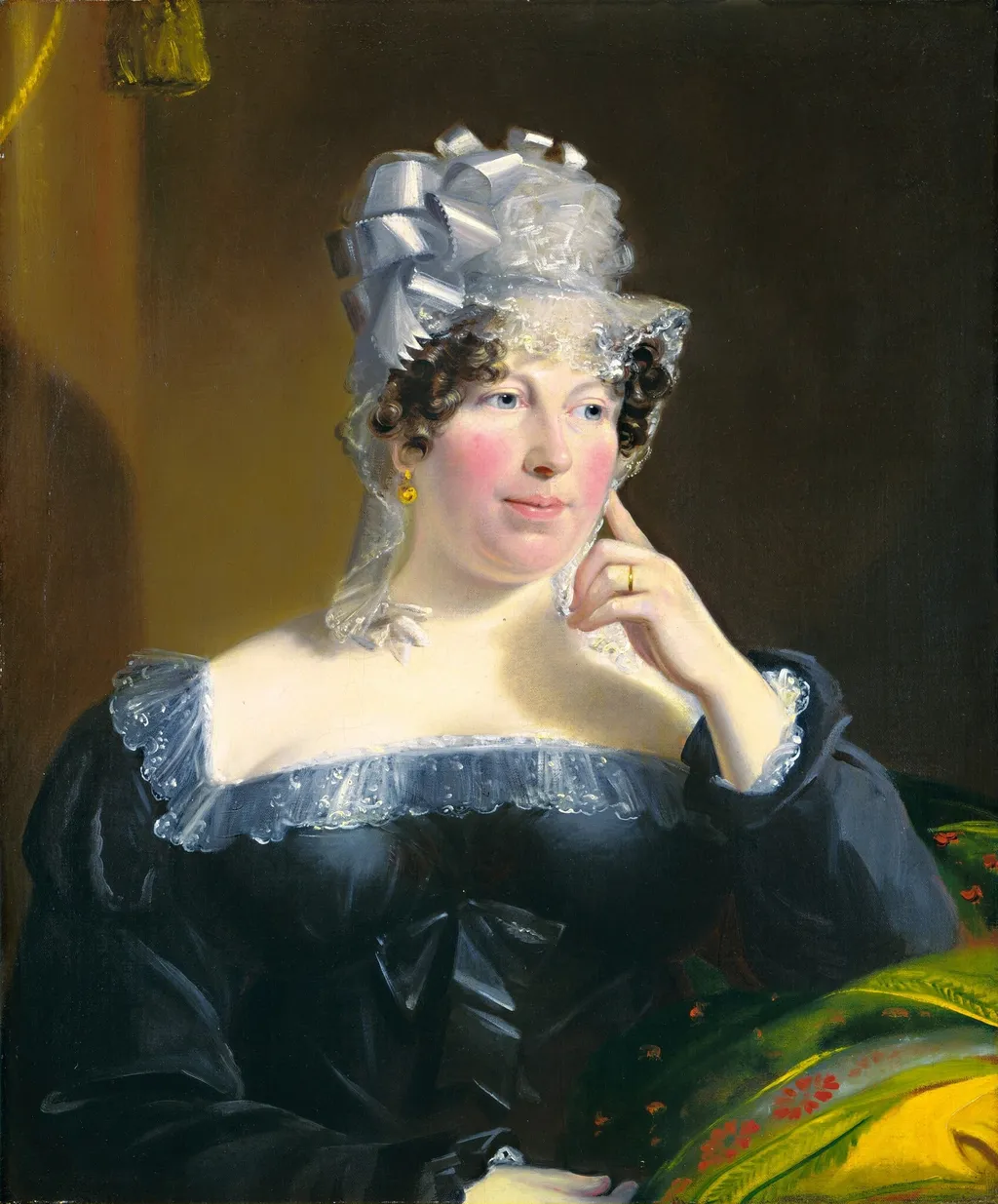
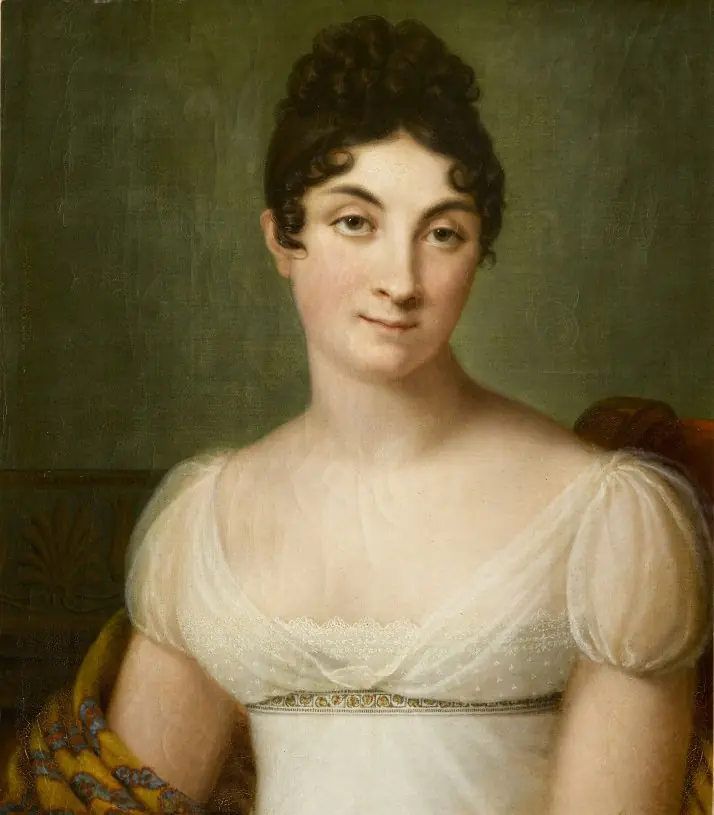
Portrait of a Lady is an oil painting. It dates from 1825 and is held in the collection of the National Gallery of Art.
About this work
Subject & Meaning
The composition follows conventional portraiture of the period, presenting the sitter in a straightforward manner without additional iconographic attributes.
The painting titled Portrait of a Lady depicts a solitary female sitter, identified in the catalog records as a woman. The work is classified as a 19th‑century American portrait, executed in oil on canvas, and its primary subject is a woman, as recorded in the National Gallery of Art’s collection data. The composition follows conventional portraiture of the period, presenting the sitter in a straightforward manner without additional iconographic attributes.
Provenance documents indicate the piece passed through the hands of Julius H. Weitzner, Ehrich Galleries, and Chester Dale before being gifted to the National Gallery in 1943. No further symbolic elements or narrative meaning are specified in the available sources.
Technique & Style
Portrait of a Lady is executed in oil paint on canvas, a standard support for American portraiture of the early nineteenth century. The work measures 76 by 64 centimeters, a modest, intimate scale appropriate to a single sitter. Classified simply as a painting in the genre of portraiture, it depicts a woman as its main subject.
The medium and dimensions are consistent with small-scale likenesses produced in the United States around 1825, when the work was created. No further technical details regarding underdrawing, brushwork, condition, or stylistic handling are documented in the available records.
History & Provenance
Portrait of a Lady was created in 1825 by an unidentified American 19th-century artist in oil on canvas. The earliest documented owner on record was an unnamed Philadelphia collector from whom Julius H. Weitzner (1896–1986) acquired the painting. Weitzner subsequently sold it to Ehrich Galleries in New York.
Ehrich Galleries consigned the portrait to the American Art Association, Anderson Galleries, Inc., in New York, where it appeared in a sale on 18 and 19 April 1934 as lot 126. Collector Chester Dale (1883–1962) of New York purchased the work at that sale, and in 1943 he gave it to the National Gallery of Art, where it remains in the collection.
The work is held by the National Gallery of Art in Washington, D.C., where it entered the collection as a 1943 gift (accession 1943.1.6). Its documented ownership includes Julius H. Weitzner, Ehrich Galleries (New York), and a 1934 sale at the American Art Association, Anderson Galleries, Inc., New York (sale no. 126), after which Chester Dale acquired it and later gifted it to the museum. The painting was displayed in the 1934 exhibition of the American Art Association sale and has remained in the NGA’s permanent collection.
Context
The 1825 oil on canvas portrait, attributed to an American 19th‑century painter, exemplifies early United States portraiture and is housed in the National Gallery of Art, Washington, D.C.. Its provenance records trace the work from an unidentified Philadelphia owner to Julius H. Weitzner, then to Ehrich Galleries, and finally to Chester Dale, who gifted it to the NGA in 1943. Scholarly attention to the piece is reflected in its inclusion in the museum’s collection files and Wikidata entry, underscoring its role in documenting American artistic practice. No contemporary critical commentary is cited in the available documentation.
Overview
This oil on canvas work, titled Portrait of a Lady, presents a seated female figure. The subject gazes directly forward, her composed expression framed by a hat and period attire. The painting offers insight into historical fashion, capturing the details of her dress with precision, thereby providing a visual record of the era's sartorial trends.
Artist & collection

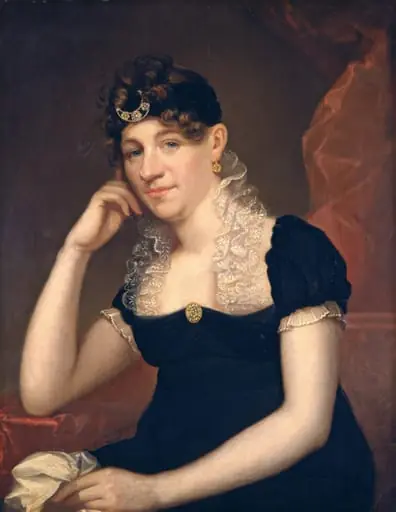
- Maria Gansevoort Melvill (Mrs. Allan Melvill)
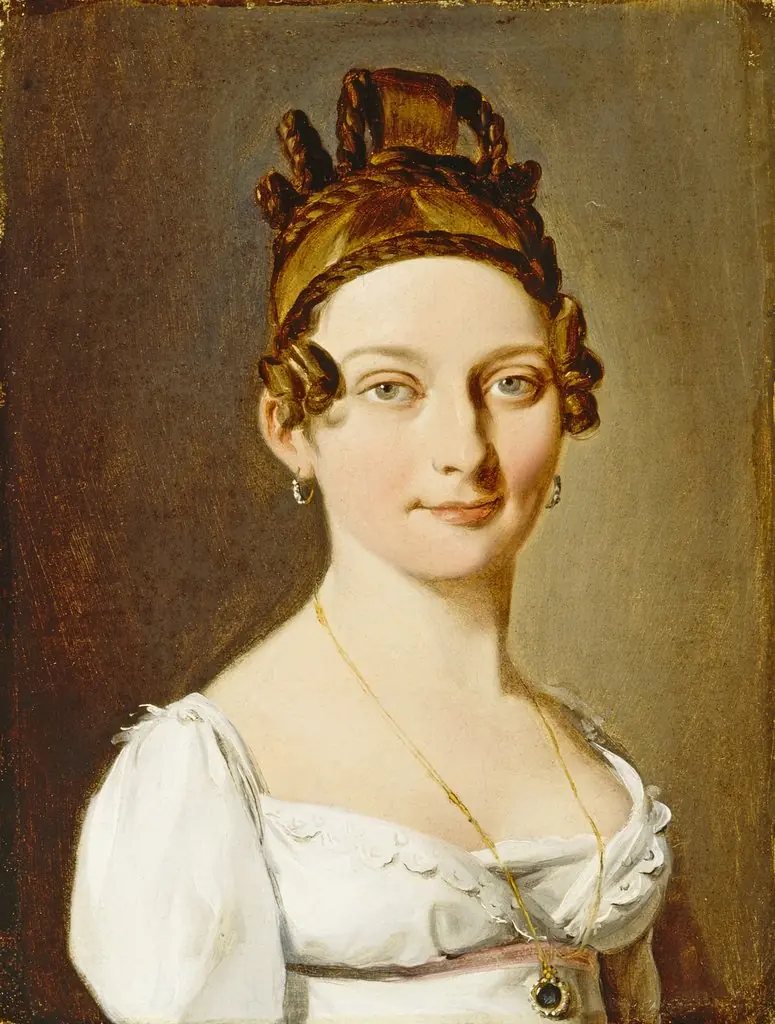 Portrait of a Lady
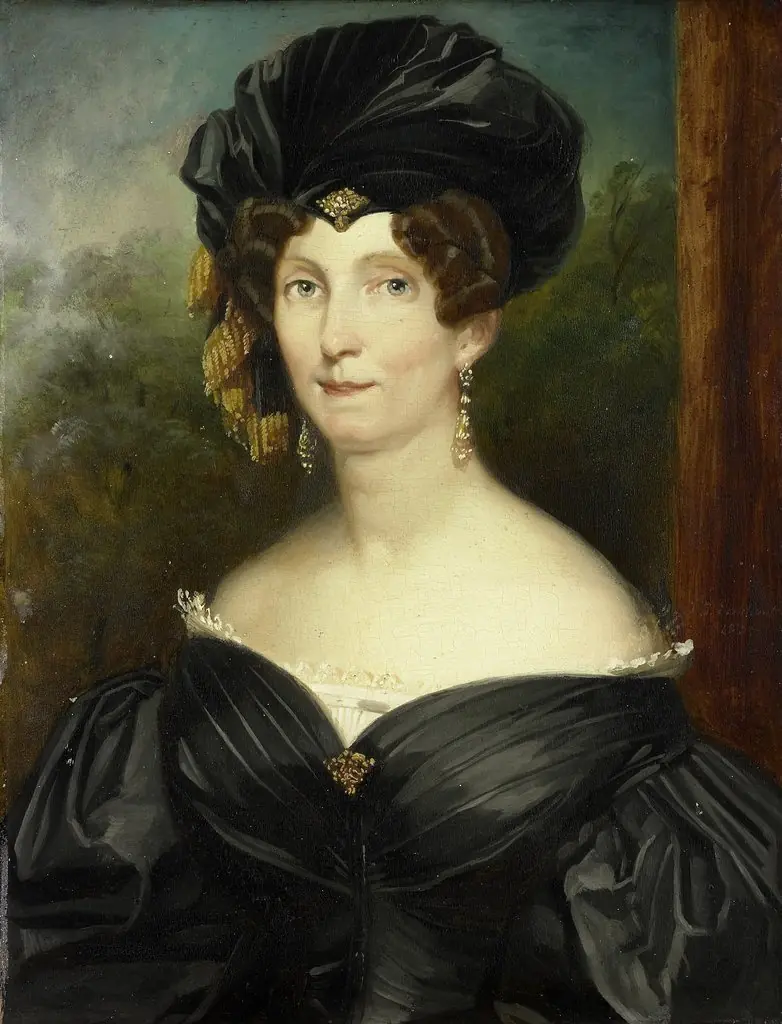 Portrait of Petronella de Lange, Wife of Theodorus Frederik van Capellen
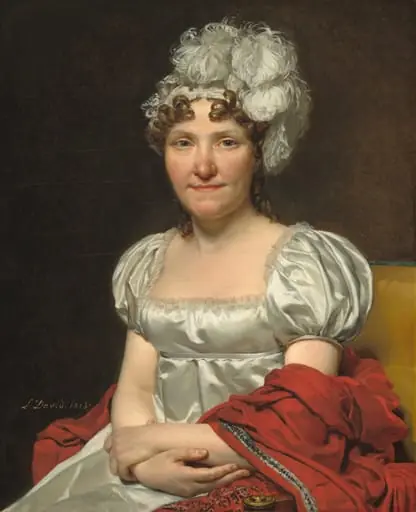 Madame David
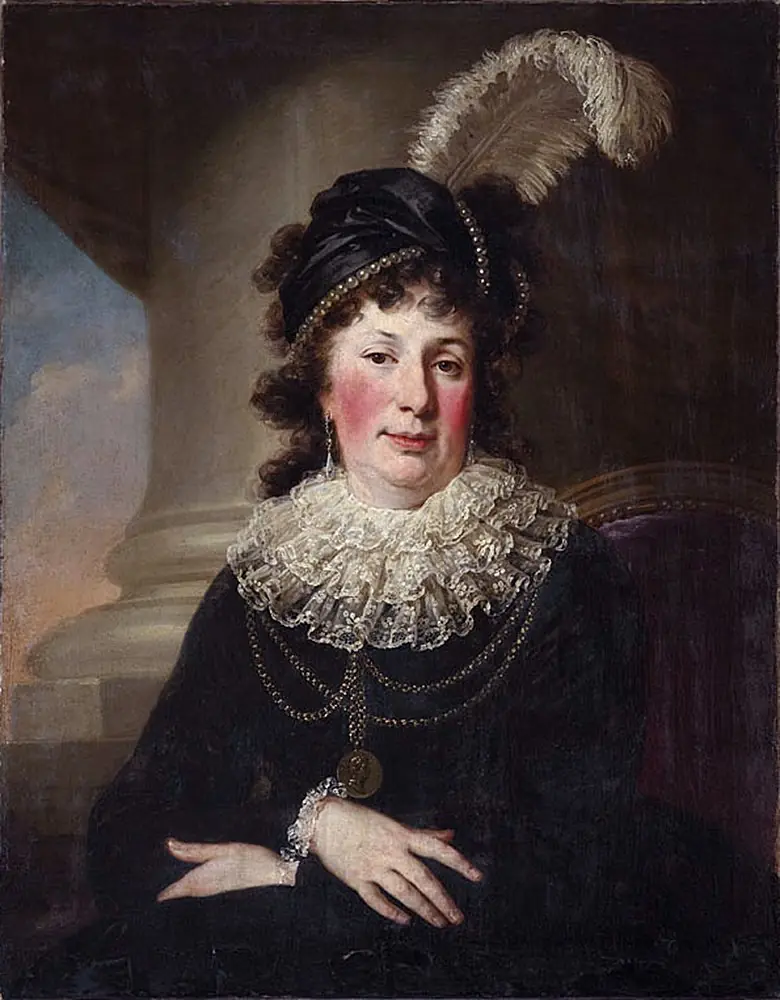 Portrait of Karolina née Sapieha 1.v.Potocka 2.v.Sołtyk
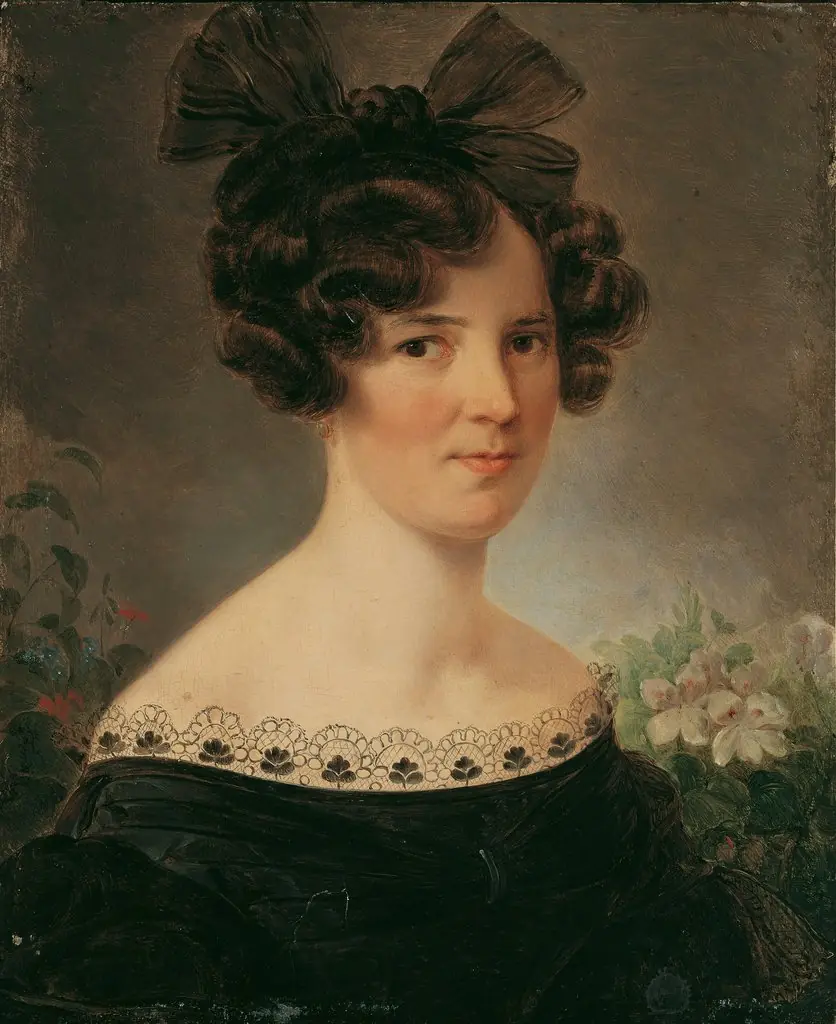 Therese Rockert
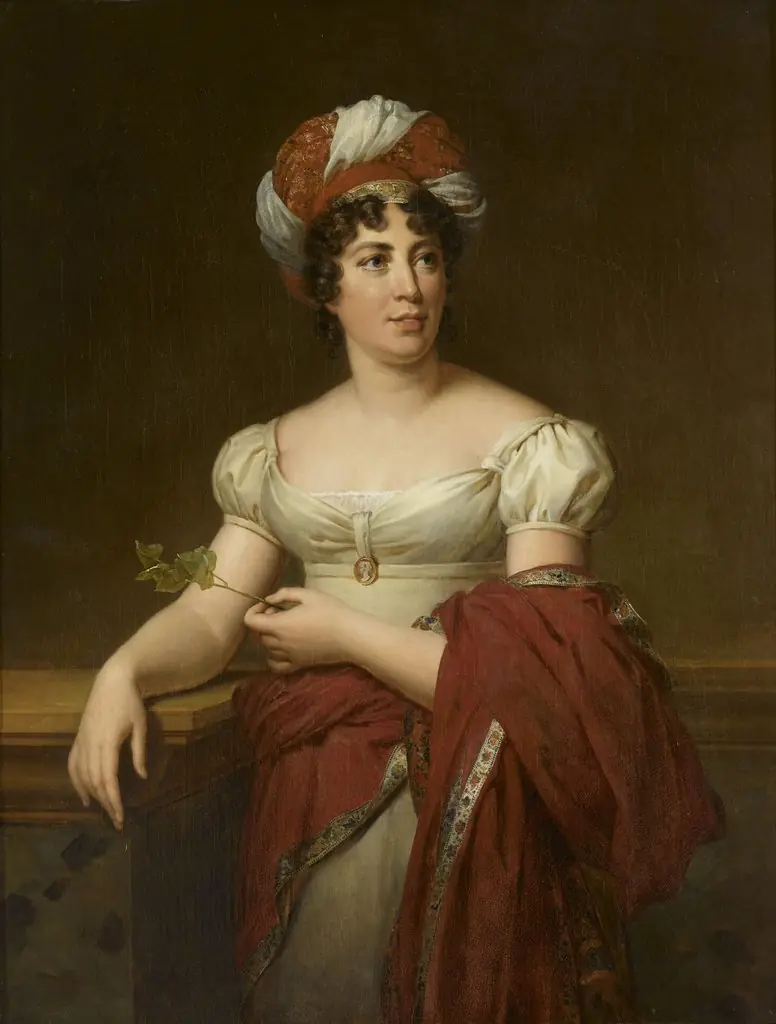 Portrait of Mme de Staël
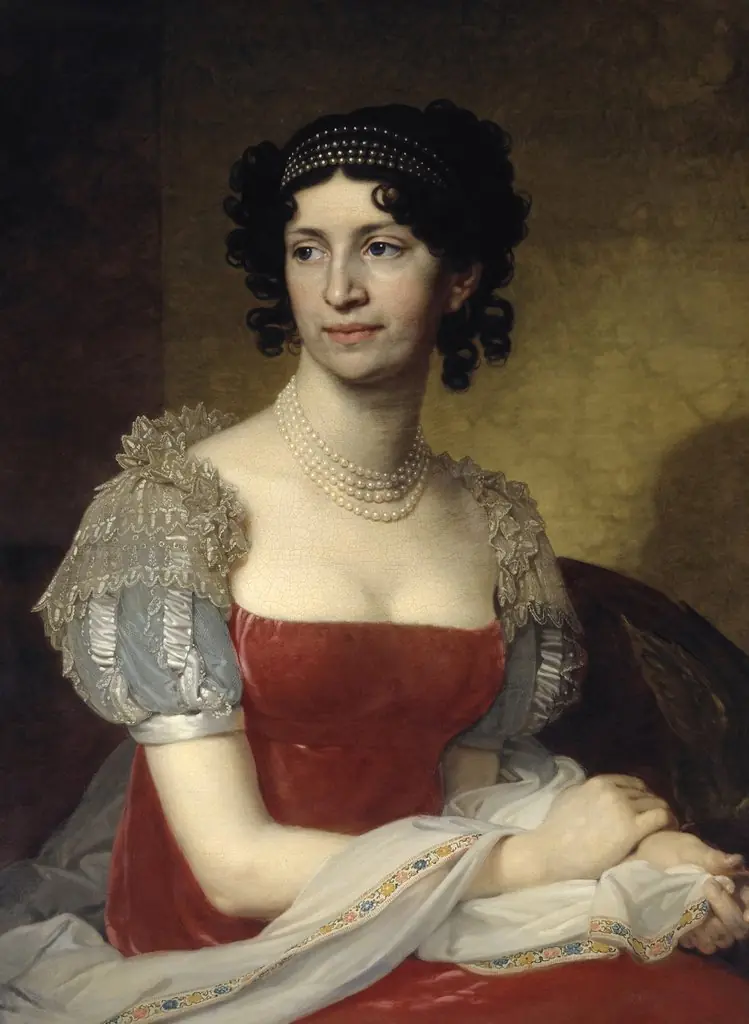 Porträt der Princess Margaret Dolgorukaya
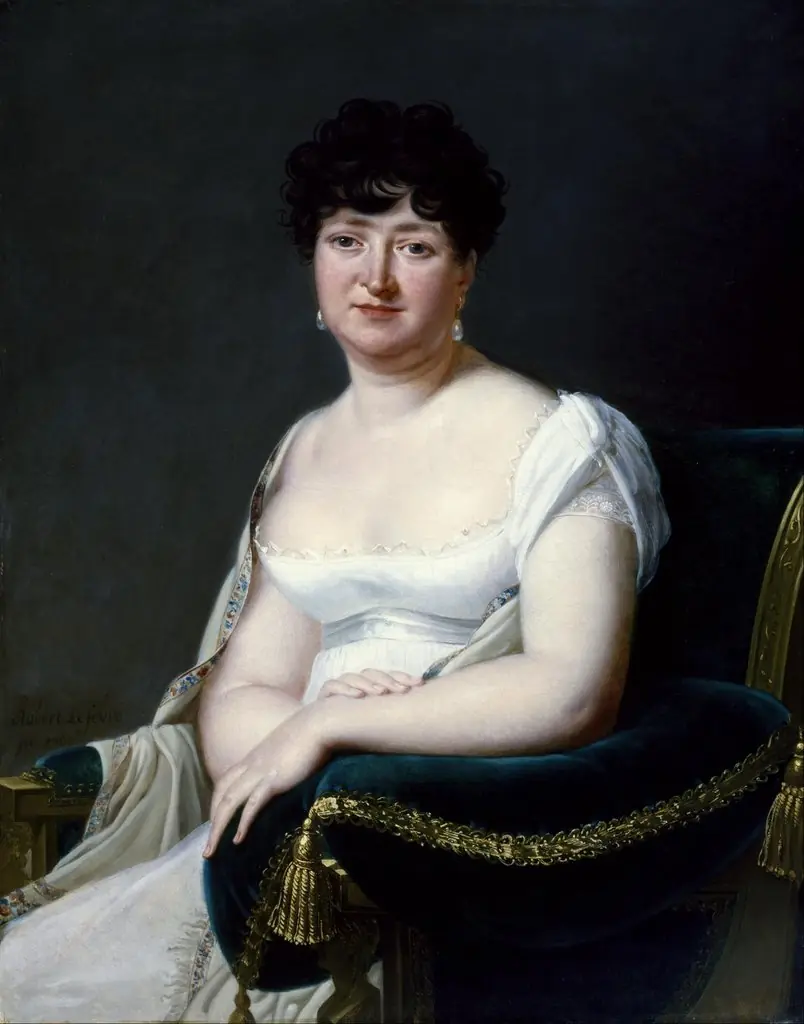 Portrait of a Woman
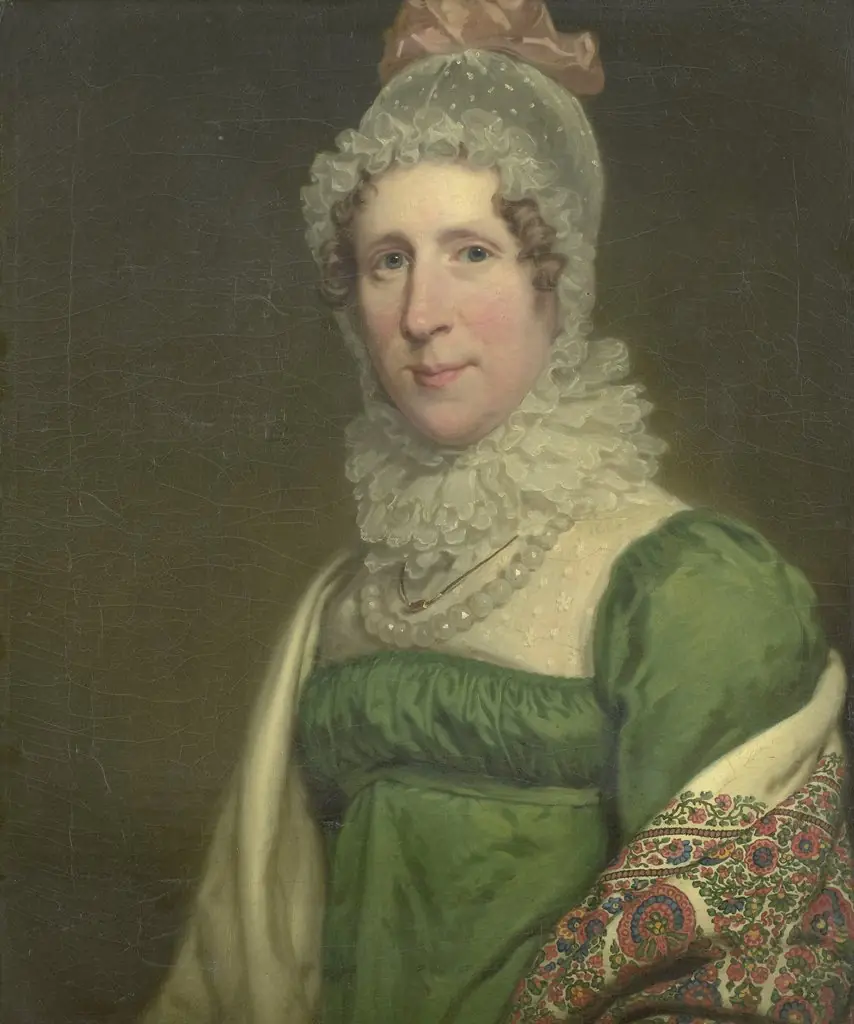 Portrait of Suzanna Maria Crommelin, Wife of Egbert Johannes Koch
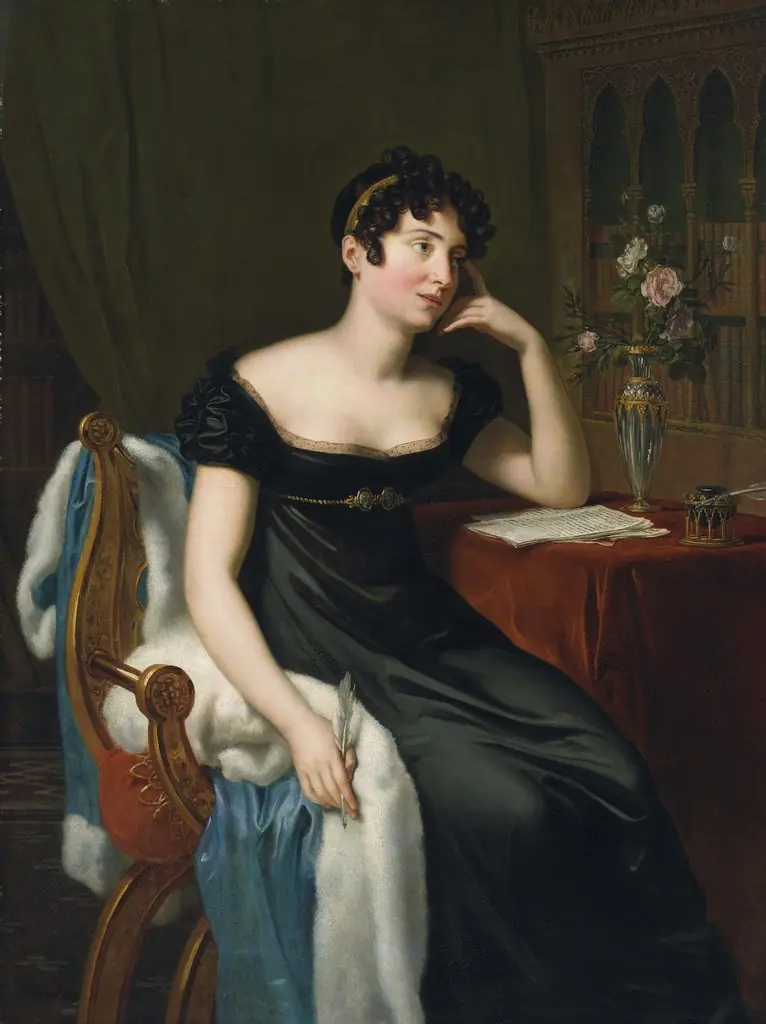 Portrait of Lady Morgan (Sydney Owenson) (1776-1859), Writer
 Portrait de Claire Élisabeth de Vergennes, Comtesse de Rémusat