Artwork
View of Concord
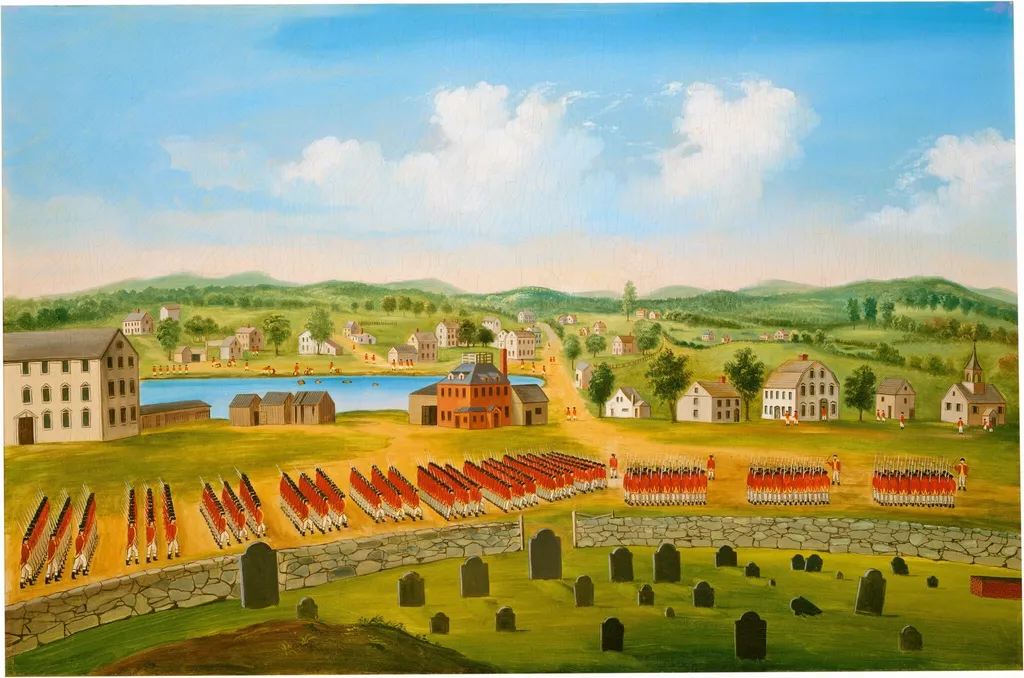
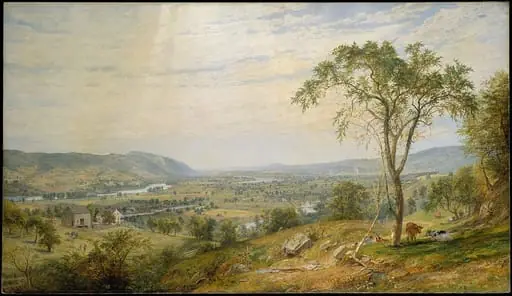
View of Concord is an oil painting. It dates from 1830 and is held in the collection of the National Gallery of Art.
About this work
Subject & Meaning
The inclusion of a house anchors the scene in human habitation, while the tree signals the rural or semi-rural character of the New England setting.
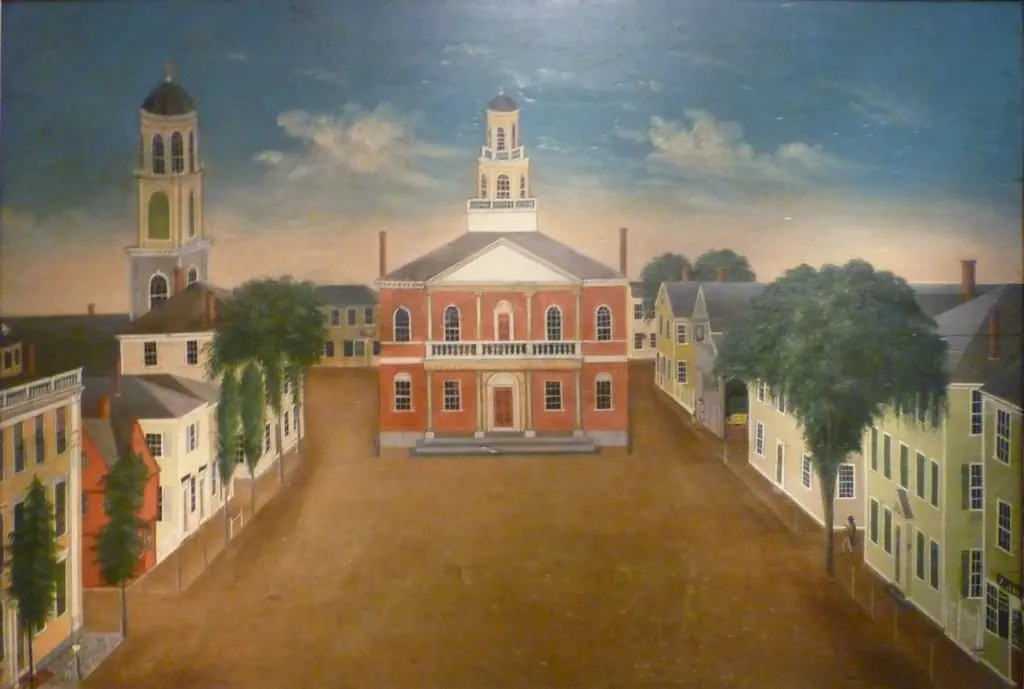
View of Concord is a cityscape that presents a built and natural environment, with the catalogued subject matter limited to a house and a tree. The pairing of a dwelling with surrounding vegetation situates the work within the conventions of early American topographical painting, in which domestic architecture and landscape elements together convey a sense of place. The inclusion of a house anchors the scene in human habitation, while the tree signals the rural or semi-rural character of the New England setting.
Together these two motifs, shelter and foliage, function as the principal iconographic components, standing in for the broader community of Concord rather than depicting any specific event or allegory. The painting thus represents the town through its everyday built and natural features rather than through symbolic or narrative content.
Technique & Style
Executed in 1830, View of Concord is an oil painting on canvas measuring approximately 66.1 by 99.4 centimeters. The work functions as a cityscape, formally characterized by the depiction of architectural structures, specifically houses, situated alongside natural elements such as trees. As a product of an unidentified American artist from the 19th century, the piece utilizes traditional oil paints applied to a woven canvas support.
The composition balances built environments with organic forms, reflecting the genre's focus on documenting settled landscapes. While specific details regarding the artist's brushwork or the current physical condition of the paint layer are not explicitly detailed in the available records, the medium and dimensions confirm its status as a modestly sized easel painting intended for indoor display.
History & Provenance
View of Concord, an oil on canvas dated 1830, was recorded as originating in Connecticut. The painting passed through the hands of Mary Allis of Southport, Connecticut, who sold it in 1949 to Edgar William and Bernice Chrysler Garbisch. The Garbisches subsequently gave the work to the National Gallery of Art in 1978, where it remains in the collection. No commission details are documented in the available records.
View of Concord is held in the collection of the National Gallery of Art in Washington, D.C. The painting entered the museum's holdings in 1978 as a gift from Edgar William and Bernice Chrysler Garbisch. Prior to this acquisition, the work was owned by Mary Allis of Southport, Connecticut, who sold it to the Garbisches in 1949. Earlier provenance records indicate the artwork originated in Connecticut.
While the National Gallery of Art serves as its current location, the provided sources do not list specific inventory accession numbers or detail a history of public exhibitions for this piece.
Overview
"View of Concord" is an oil on canvas painting that captures a serene domestic scene. The artwork presents a New England house nestled beside a prominent tree, bathed in a gentle light. The composition evokes a sense of quietude and natural warmth, inviting contemplation of a peaceful moment in a specific American landscape.
Artist & collection

 Civil War Battle
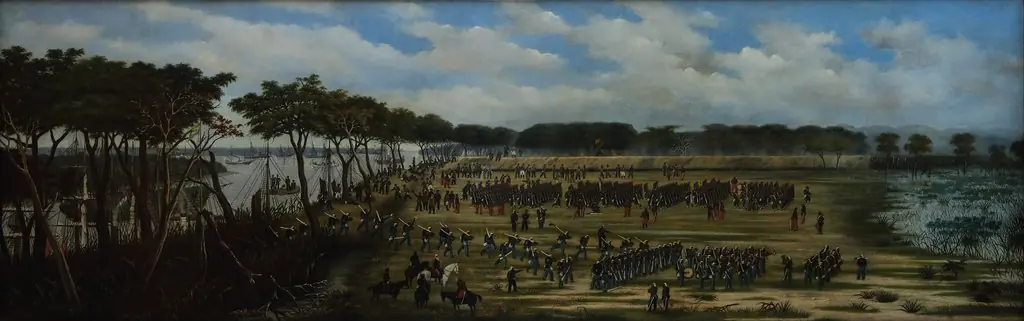 Desembarco del Ejército Argentino frente a las trincheras de Curuzú
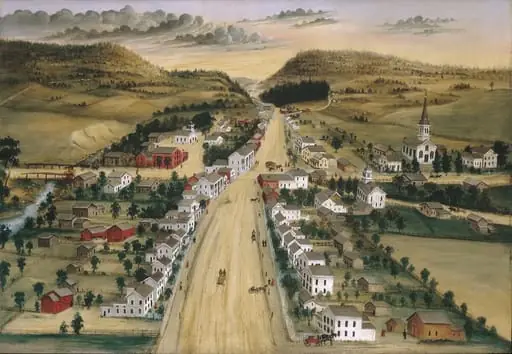 View of Poestenkill, New York
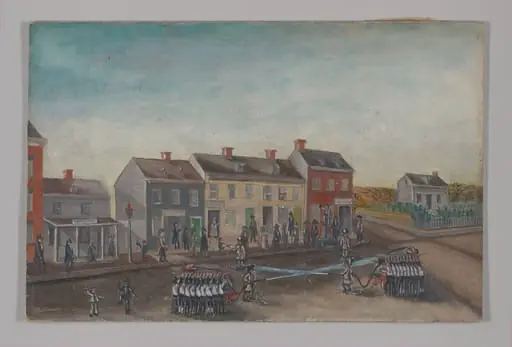 Firemen's Washing Day
 The End of the Hunt
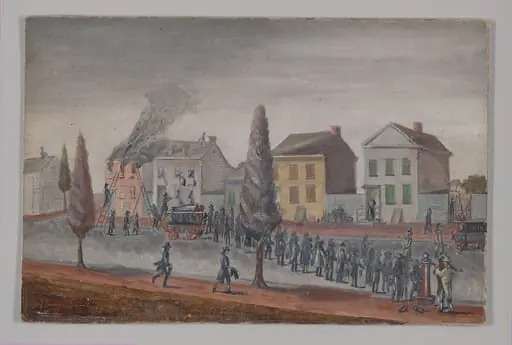 Fighting a Fire
 War Dance of the Saukies
 The Army of the Potomac
 Ball-Play Dance - Choctaw
 View of Courthouse Square
 Exchange of Fire on the Vaartse Rijn near Jutphaas
- View of Roxbury