Artwork
The Holy Family
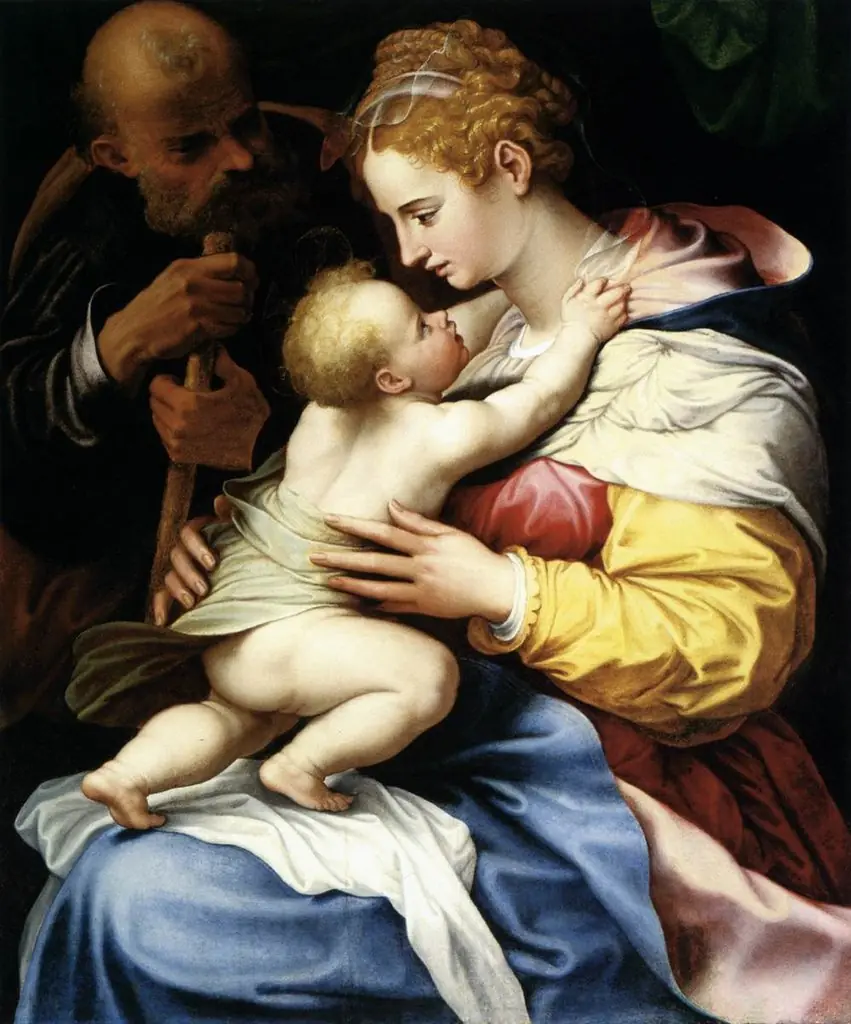
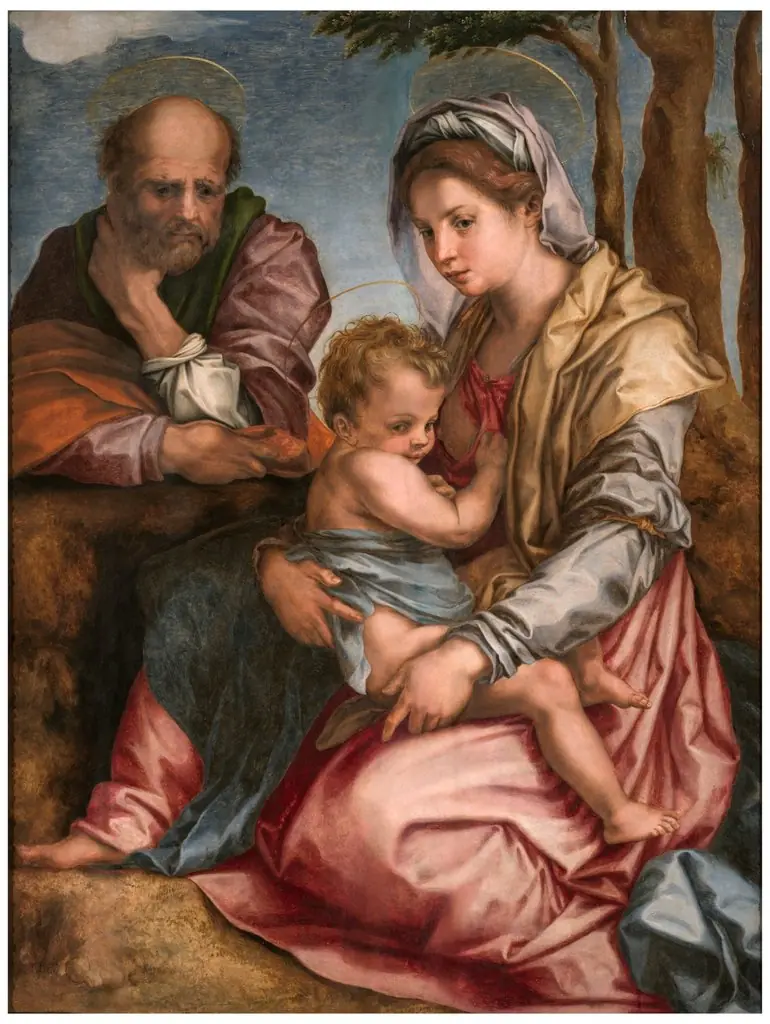
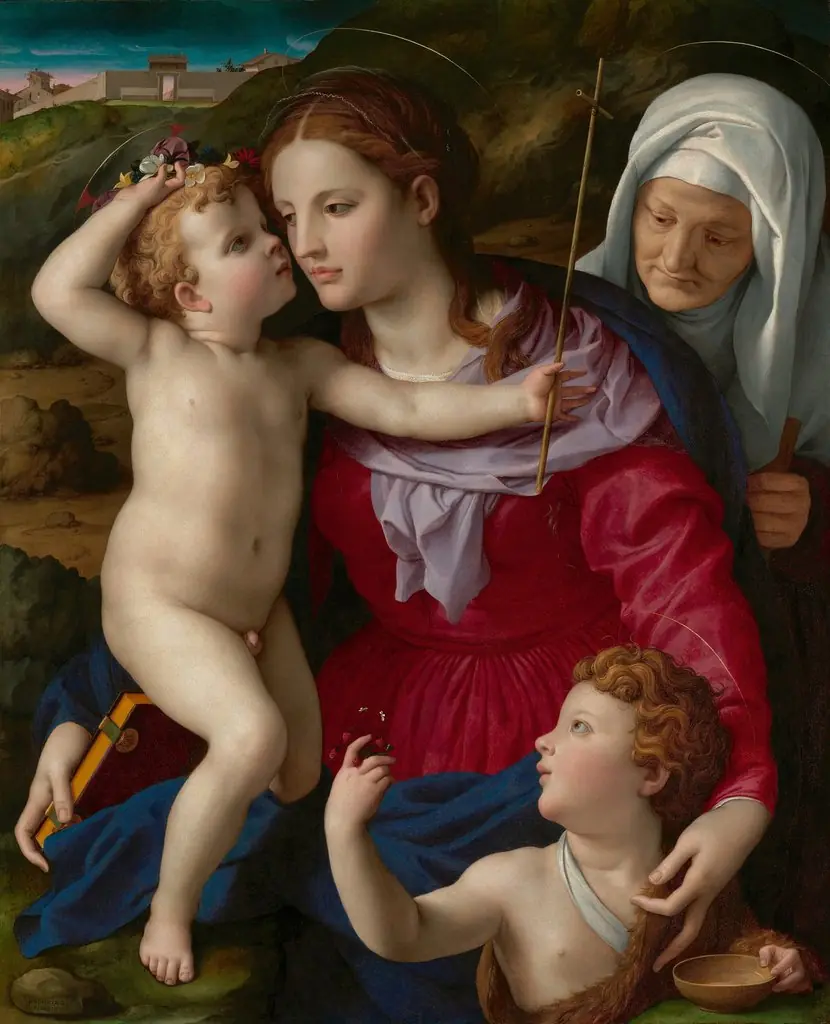
The Holy Family is an oil painting by the High Renaissance artist Andrea del Sarto. It dates from 1514 and is held in the collection of the Bavarian State Painting Collections.
About this work
Subject & Meaning
The artwork depicts the central Christian group known as the Holy Family, featuring the Virgin Mary, the Christ Child, and Joseph. As a work of religious art created in 1514, the painting focuses on this biblical triad as its main subject. The composition serves as a traditional representation of the family unit within a sacred context, emphasizing the roles of Mary, Joseph, and the infant Jesus.
Technique & Style
Executed in 1514, this religious painting by Andrea del Sarto utilizes oil paint applied to a wooden panel support. The work measures 137.2 cm in height and 104.3 cm in width. Visually, the composition depicts the Holy Family, featuring the figures of Mary, the Christ Child, and Joseph. The piece is classified as a painting within the genre of religious art.
History & Provenance
It entered the collection through the Electoral Gallery in Düsseldorf, the historical provenance that supplied the holdings of the Bavarian state museums.
The Holy Family was painted by Andrea del Sarto in 1514 as an oil work on panel. It entered the collection of the Bavarian State Painting Collections, Electoral Gallery Dusseldorf, and remains on view in the Alte Pinakothek. The composition shows Mary, the infant Christ, and Joseph, reflecting the religious subject typical of the period. The painting measures 137.2 cm in height and 104.3 cm in width, confirming its large-scale devotional format.
The Holy Family by Andrea del Sarto is held by the Alte Pinakothek in Munich as part of the Bavarian State Painting Collections. It entered the collection through the Electoral Gallery in Düsseldorf, the historical provenance that supplied the holdings of the Bavarian state museums.
No specific inventory or accession number is recorded in the available sources, and no exhibition history beyond its current institutional placement is documented.
Context
Andrea del Sarto's 'The Holy Family' (1514) exemplifies High Renaissance religious painting through its compositional balance and devotional intimacy. Art historians situate the work within the artist's mature period, characterized by a synthesis of Florentine draftsmanship and Venetian colorism, reflecting broader stylistic currents of early 16th-century Italy. Its placement in the Bavarian State Painting Collections at the Alte Pinakothek underscores its significance within German museum acquisitions of Italian Renaissance art, where it is studied as both a devotional image and a technical achievement in oil on panel.
Legacy
Andrea del Sarto's 1514 painting The Holy Family entered the Bavarian State Painting Collections, Electoral Gallery Dusseldorf, where it remains on display at the Alte Pinakothek. The work is recorded in scholarly references as a key example of High Renaissance religious composition, noted for its balanced arrangement of Mary, Joseph, and the infant Christ. Its provenance and physical dimensions are documented in the Bavarian State Painting Collections' catalog and the Alte Pinakothek's collection database.
The painting's enduring presence in a major public collection has contributed to sustained scholarly discussion of del Sarto's role in the development of Florentine altarpiece painting in the early 16th century.
Overview
Andrea del Sarto’s oil on canvas, dated 1514, presents a conventional representation of the Holy Family. Executed during the early phase of the artist’s Florentine career, the work now belongs to the collection of Munich’s Alte Pinakothek, where it is displayed among other Renaissance pieces.
Artist & collection

Artist
Andrea del Sarto was an Italian painter from Florence, whose career flourished during the High Renaissance and early Mannerism.

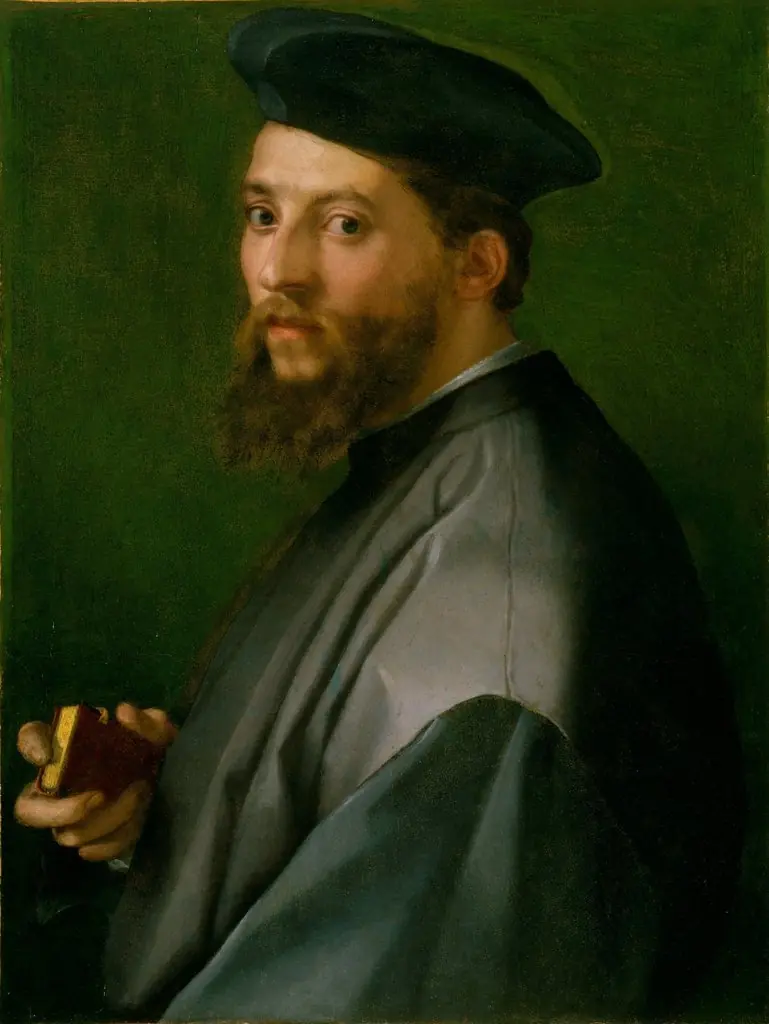
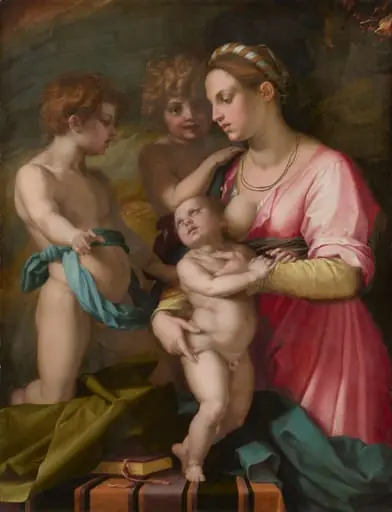
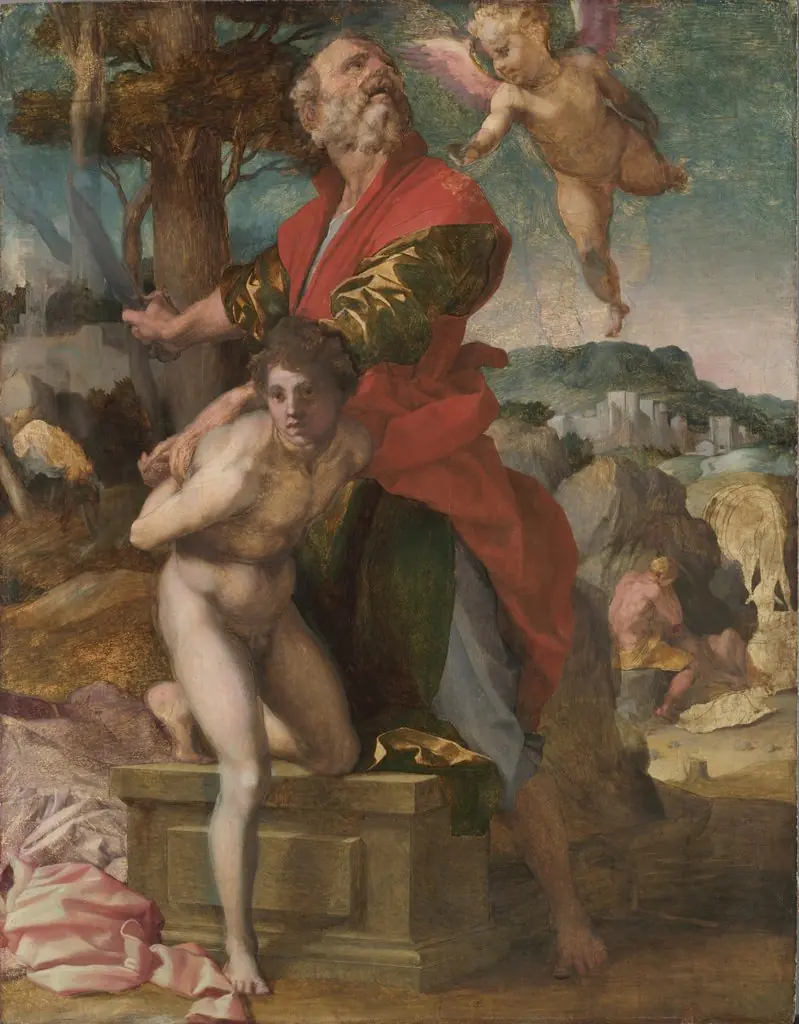
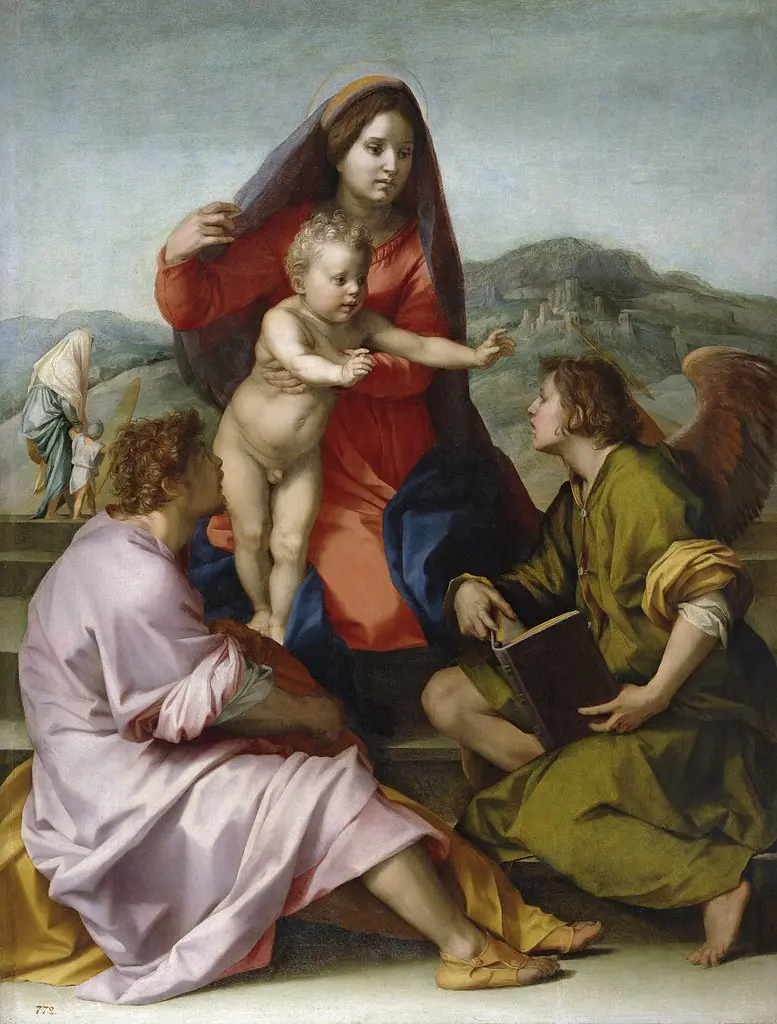
- The Holy Family
 Holy family
 The Holy Family
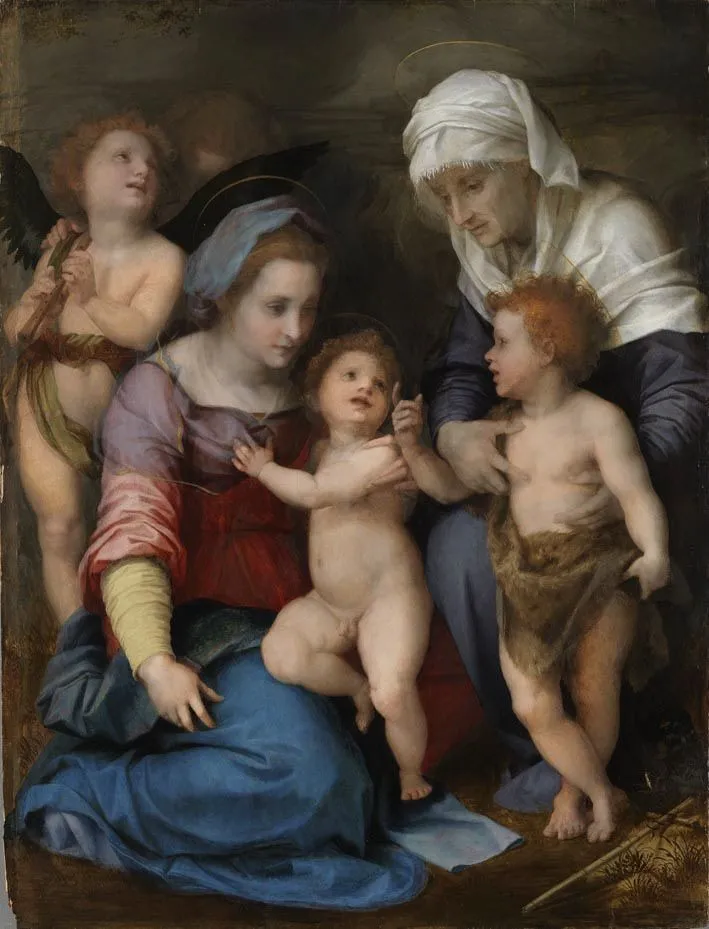
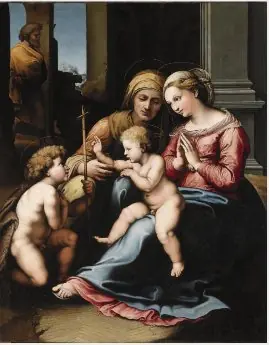 The Holy Family with Saints John the Baptist and Elizabeth
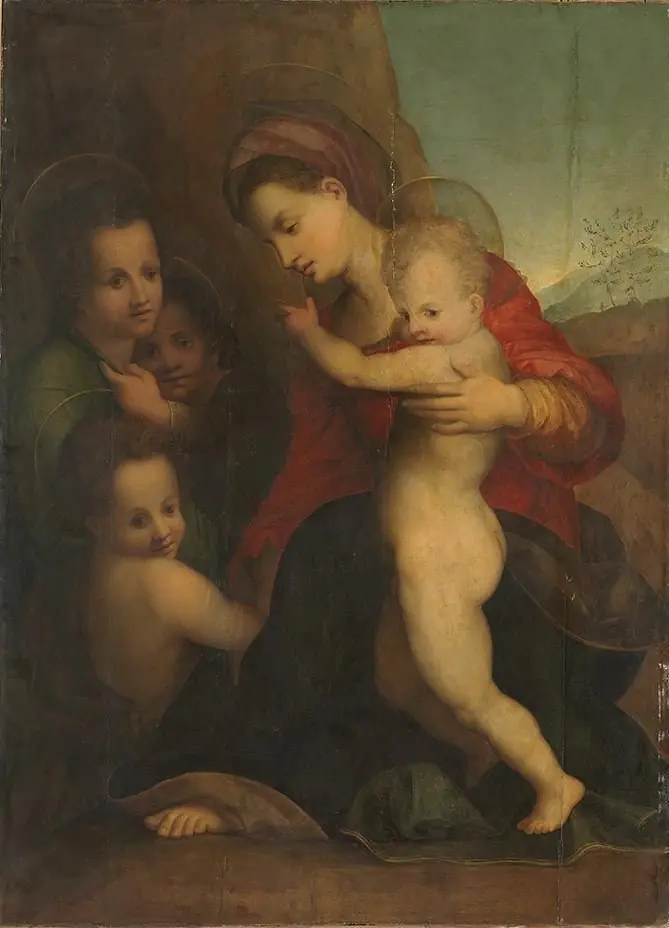 Mary with Child, John the Baptist, and Angels
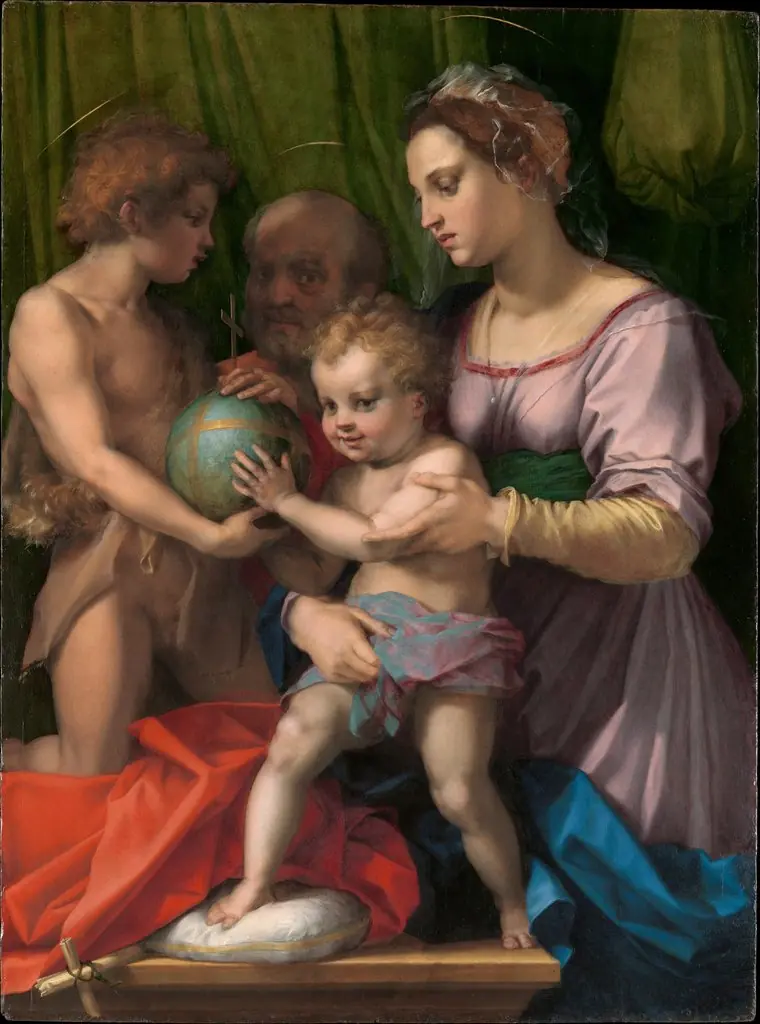
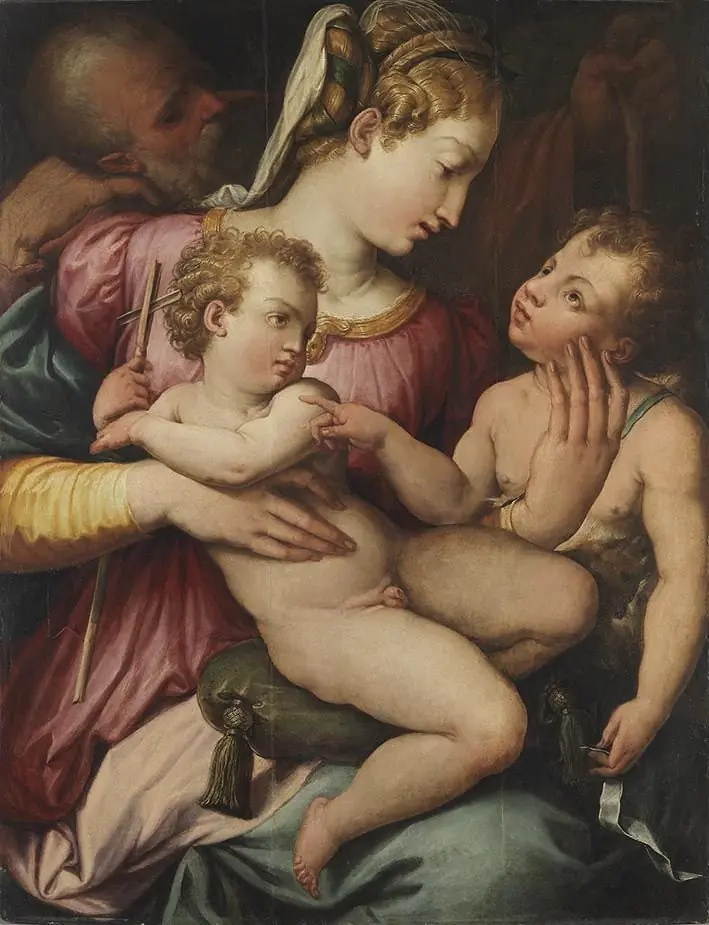 Holy family with little John the Baptist
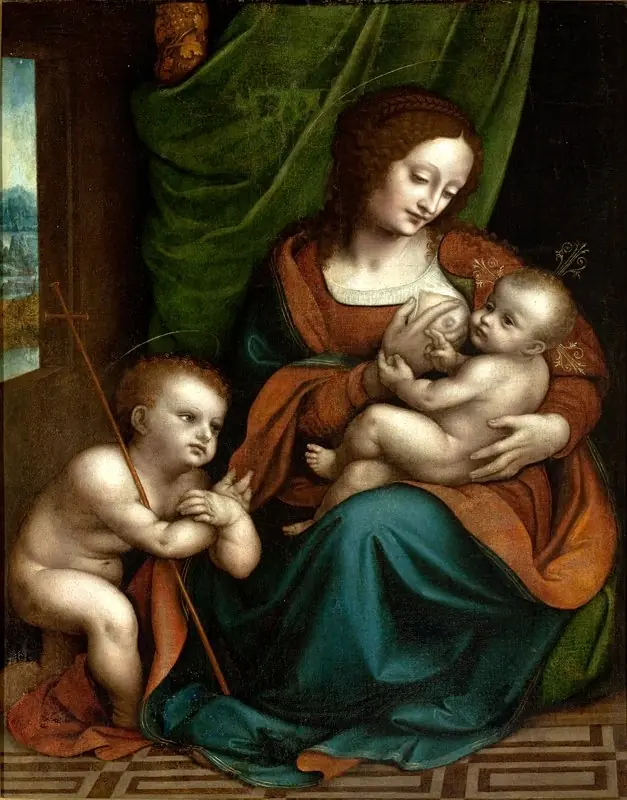 The Virgin Nursing the Child with Saint John the Baptist in Adoration attributed to Giampietrino
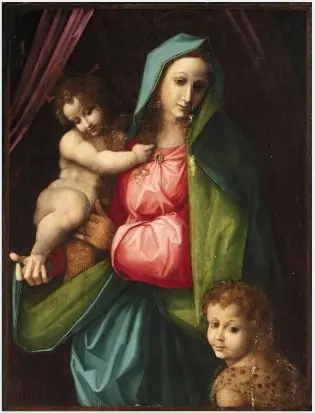 The Virgin and Child with Saint John the Baptist
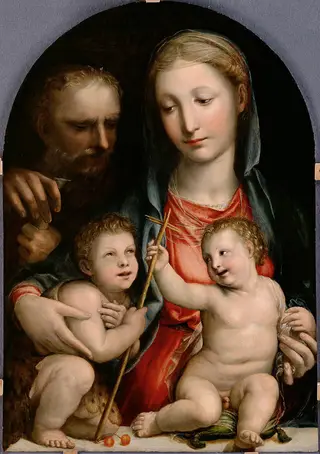 Holy Family with St. John the Baptist as child
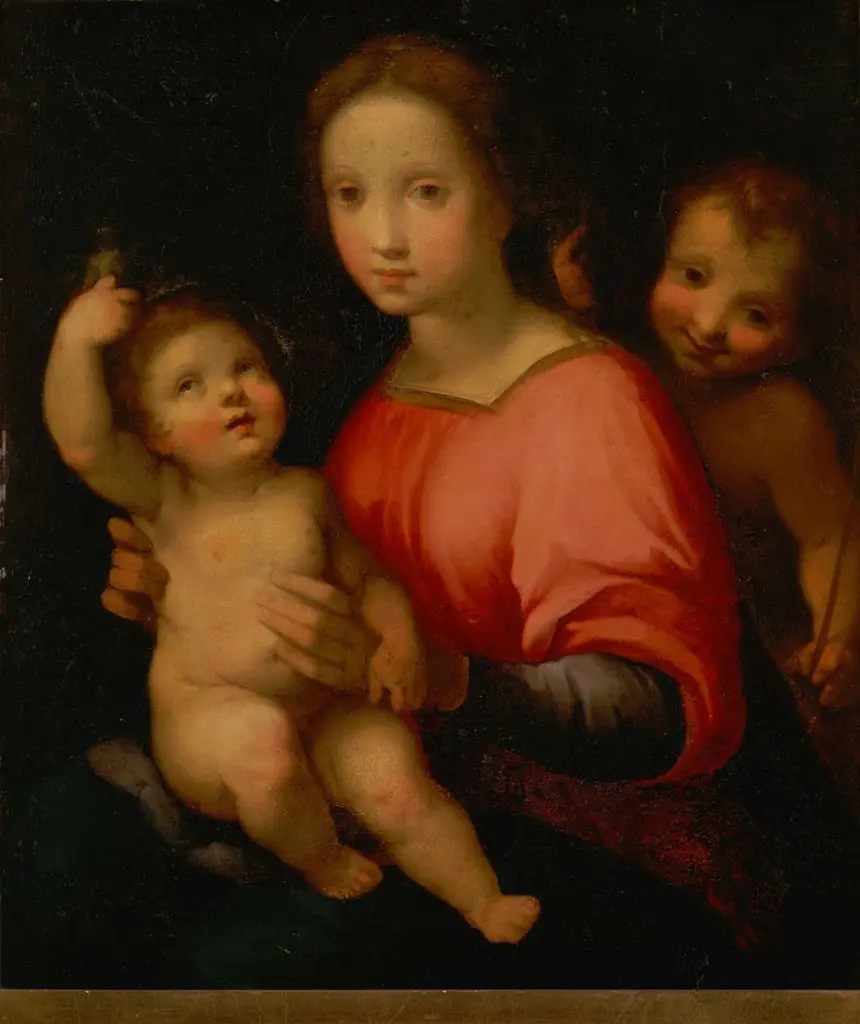 Madonna and Child with Saint John
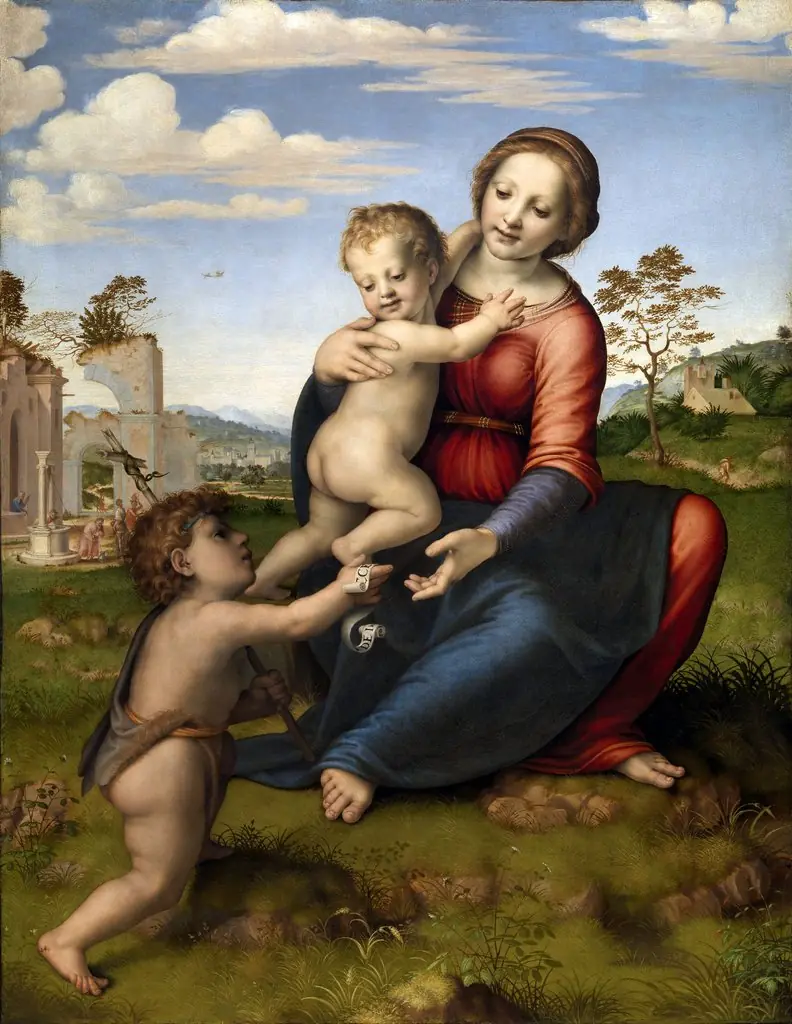 Madonna of the Well or Madonna and Child with the young St. John the Baptist
 Virgin and Child with Saint Elizabeth and Saint John the Baptist