Artwork
The Holy Family
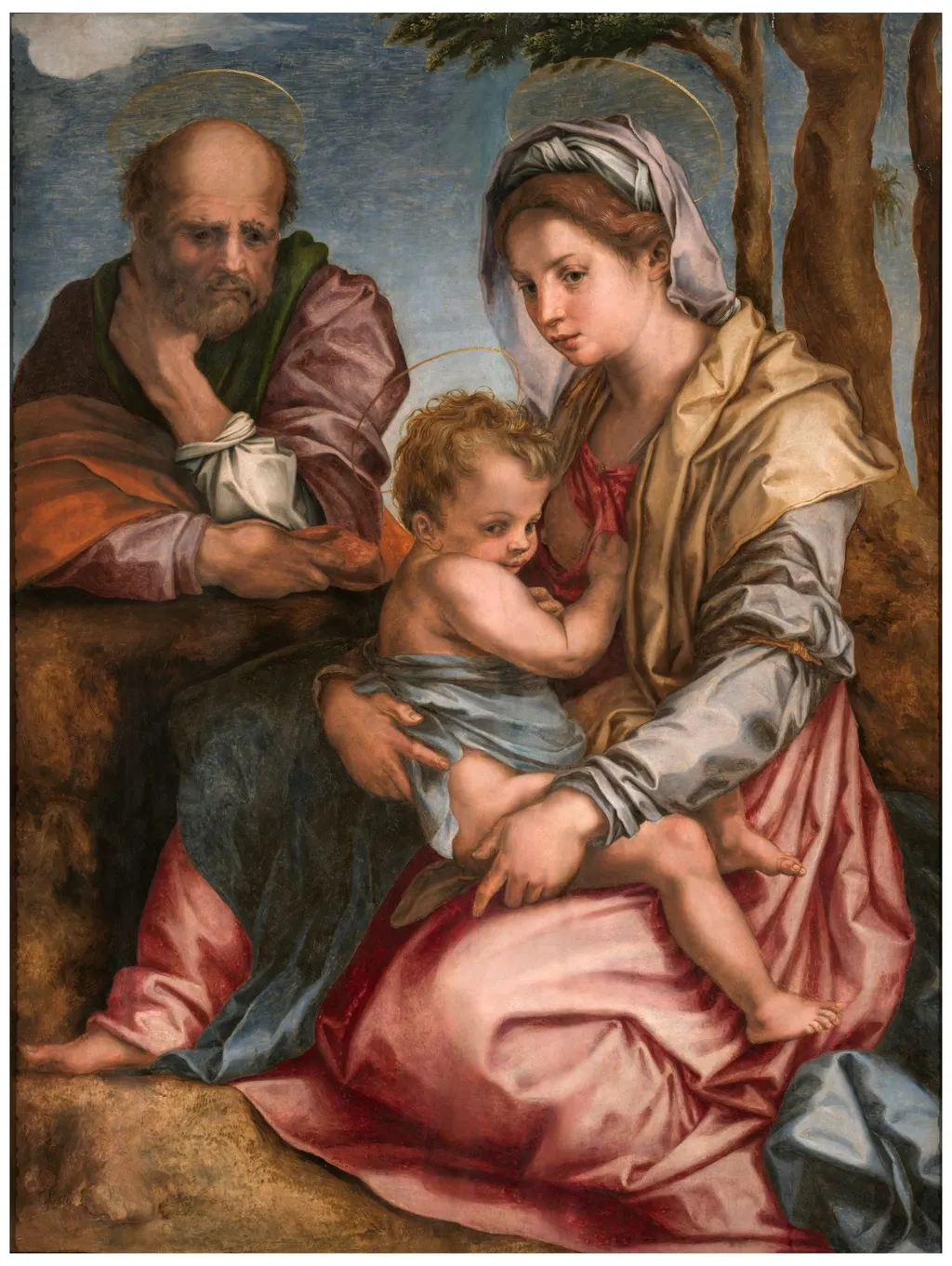
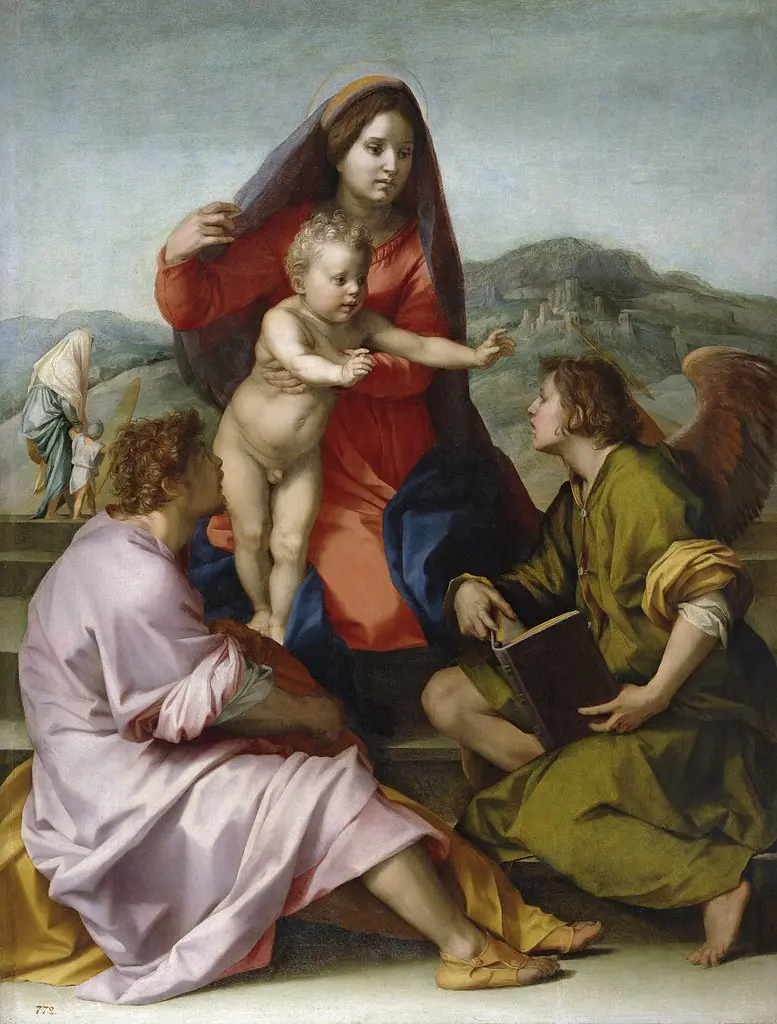
The Holy Family is an oil painting by the High Renaissance artist Andrea del Sarto. It dates from 1529 and is held in the collection of the Museo del Prado.
About this work
Subject & Meaning
Andrea del Sarto's 1529 oil painting depicts the Holy Family, a central subject in Christian religious art.
Andrea del Sarto's 1529 oil painting depicts the Holy Family, a central subject in Christian religious art. The composition features the Virgin Mary, the Christ Child, and Saint Joseph as the primary figures. As a representation of the domestic life of Jesus, the work embodies the theological significance of the Incarnation and the sanctity of the family unit within the Catholic tradition.
The inclusion of these three specific individuals adheres to standard iconographic conventions for this theme, emphasizing their roles in salvation history without the addition of extraneous saints or symbolic attributes noted in the available records.
Technique & Style
Executed in 1529, this religious painting by Andrea del Sarto utilizes oil paint applied to a wooden panel support. The work measures 140 cm in height and 112 cm in width. Visually, the composition depicts the Holy Family, featuring the figures of Mary, the Christ Child, and Joseph. The piece is currently held in the collection of the Museo del Prado.
History & Provenance
Andrea del Sarto created the oil painting The Holy Family in 1529. Executed in oil on panel, the work depicts the Virgin Mary, the Christ Child, and Saint Joseph, and measures 140 cm in height and 112 cm in width. It is held in the collection of the Museo del Prado in Madrid.
While the specific commission details and early ownership chain are not detailed in the provided sources, the work's inception is firmly dated to 1529, and no specific accession number or exhibition history is recorded in the available sources.
Overview
Andrea del Sarto’s 1529 oil painting titled The Holy Family presents a compact group of three figures rendered in a naturalistic outdoor setting. The work is part of the collection of the Museo del Prado, where it remains on display as an example of early‑sixteenth‑century religious art.
Context
Created during the High Renaissance, the work aligns with contemporary trends toward balanced composition and naturalistic representation. Andrea del Sarto, known for his refined draftsmanship, integrates the devotional subject with a calm, humanized portrayal that reflects the period’s theological and artistic concerns.
Own this work as a print
Artist & collection
Artist
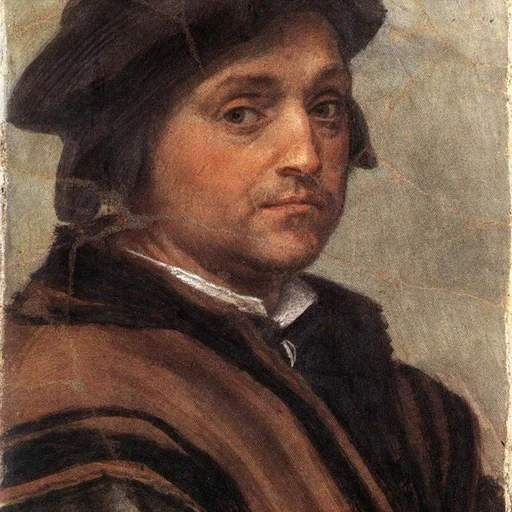
Andrea del Sarto was an Italian painter from Florence, whose career flourished during the High Renaissance and early Mannerism.

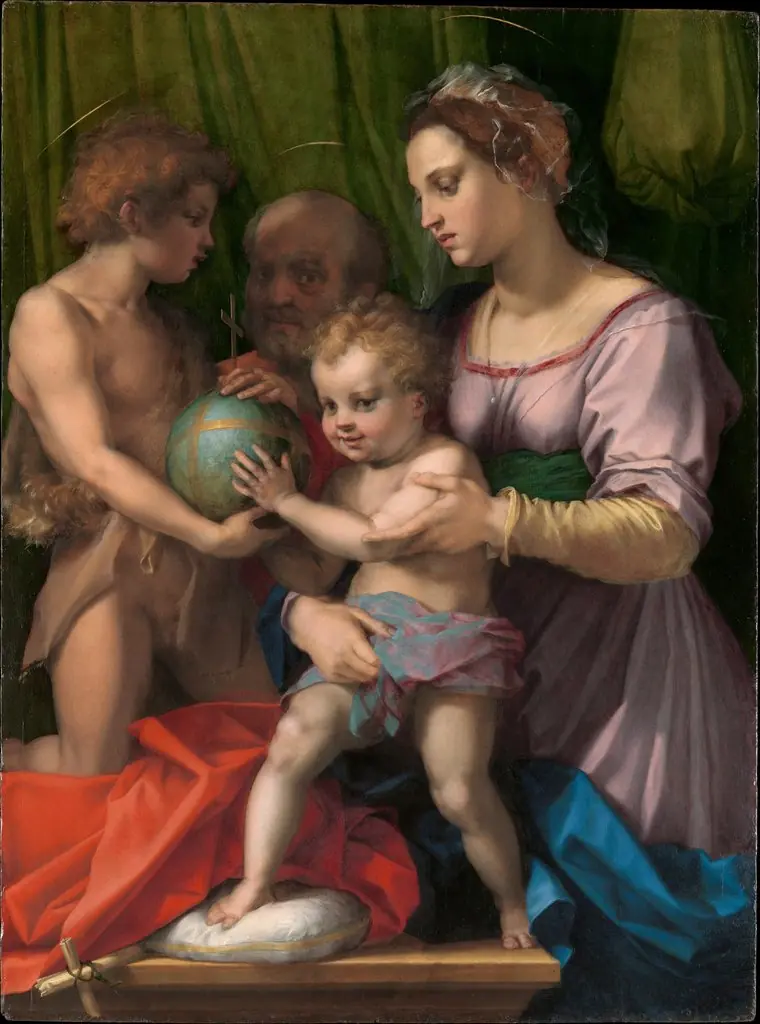
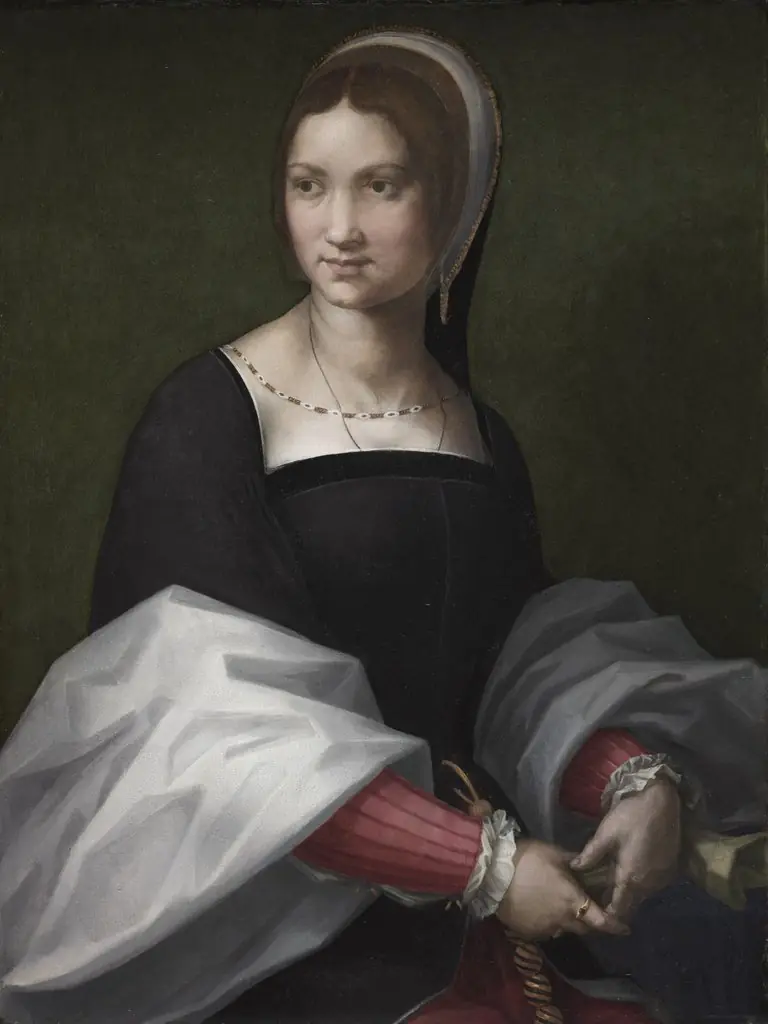
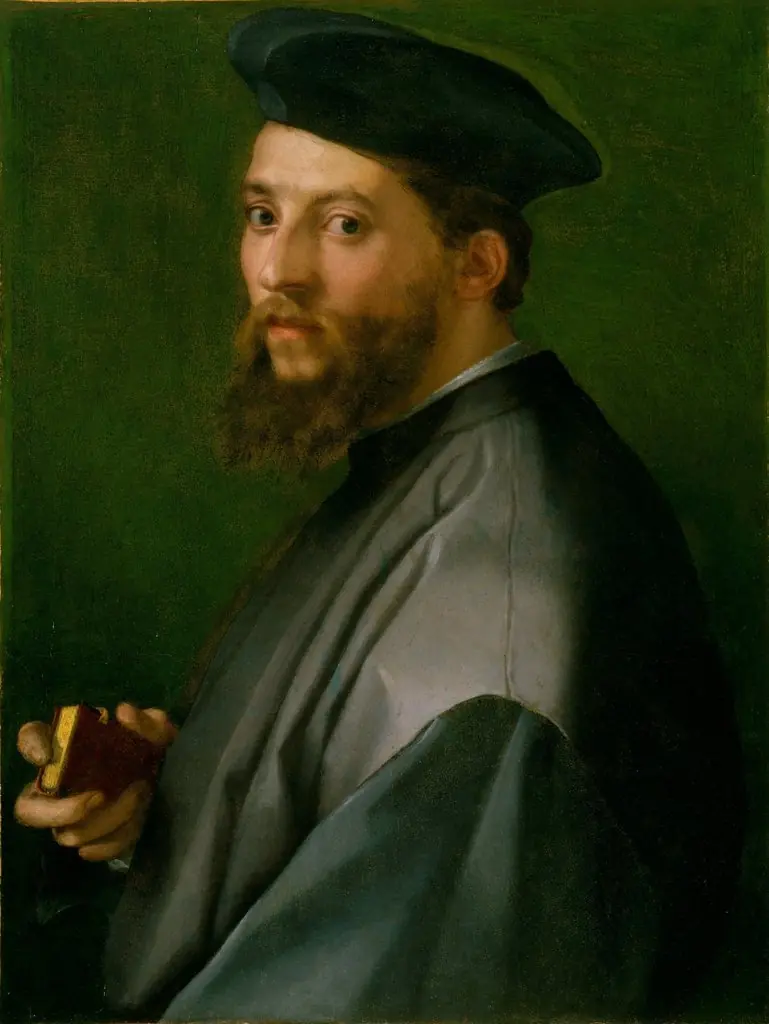
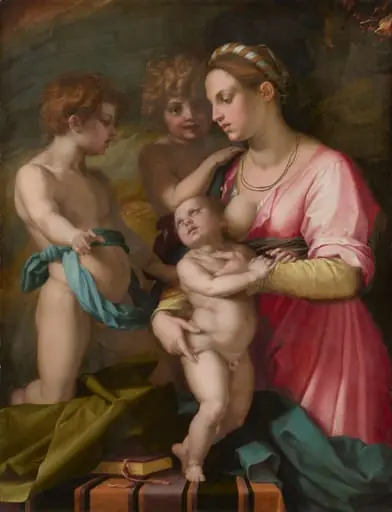
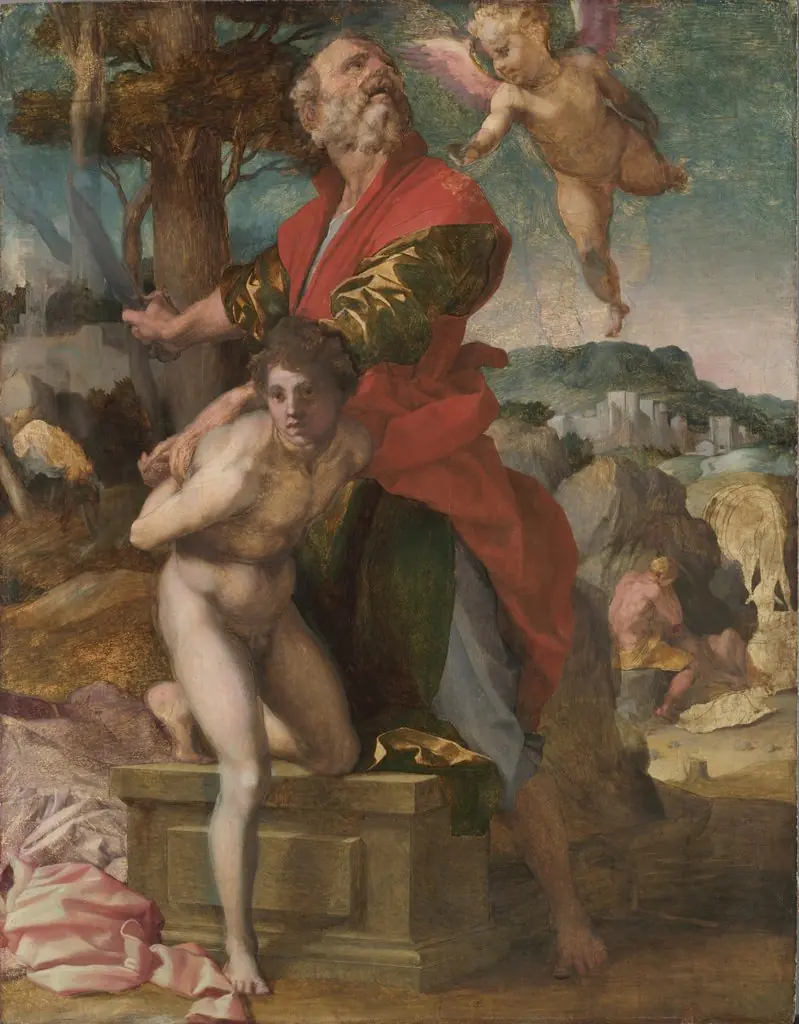
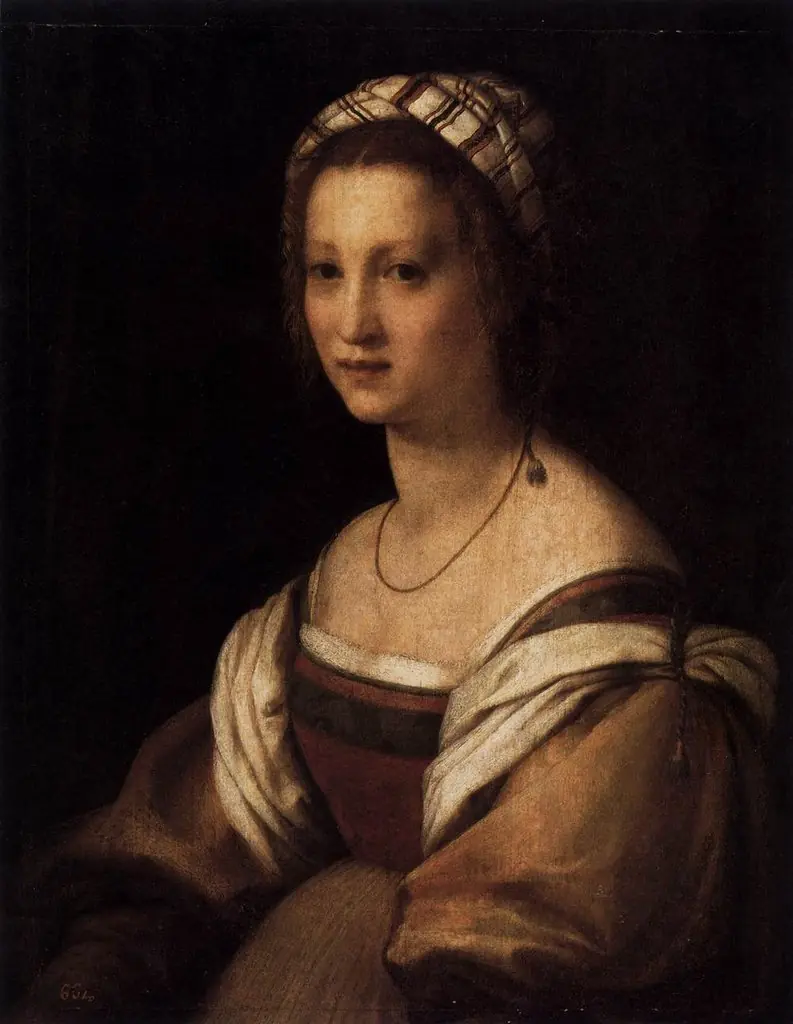
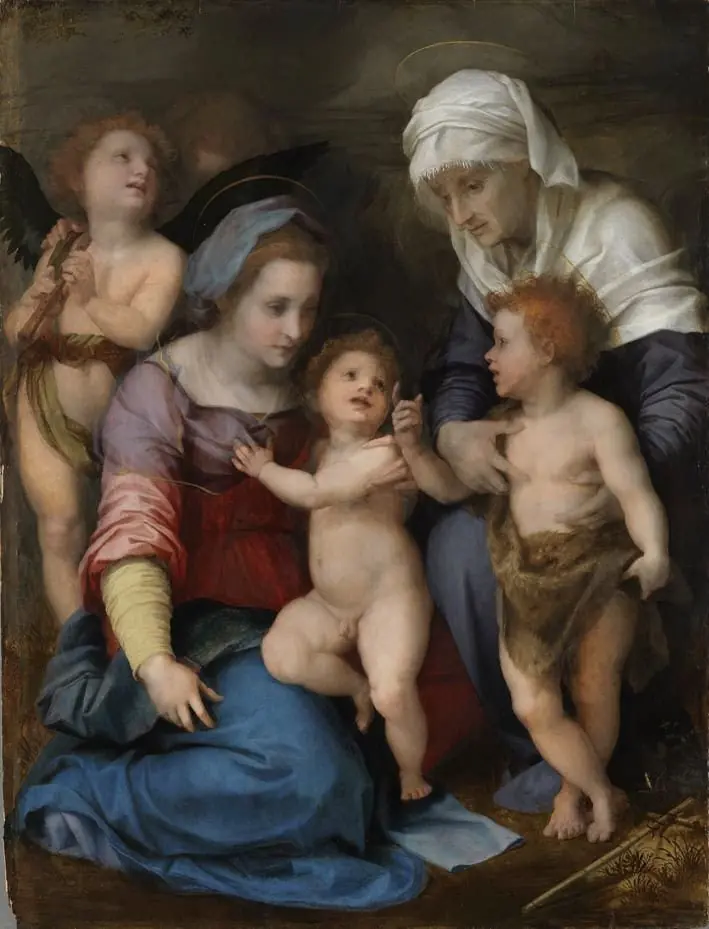
- The Holy Family
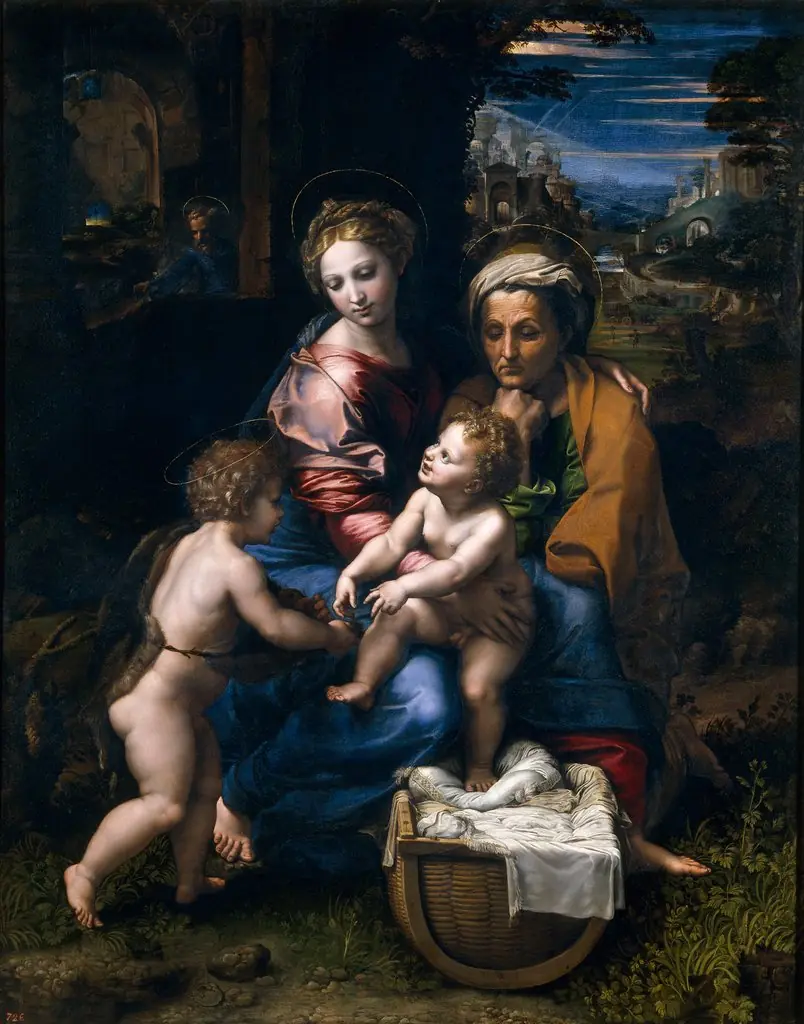 The Holy Family
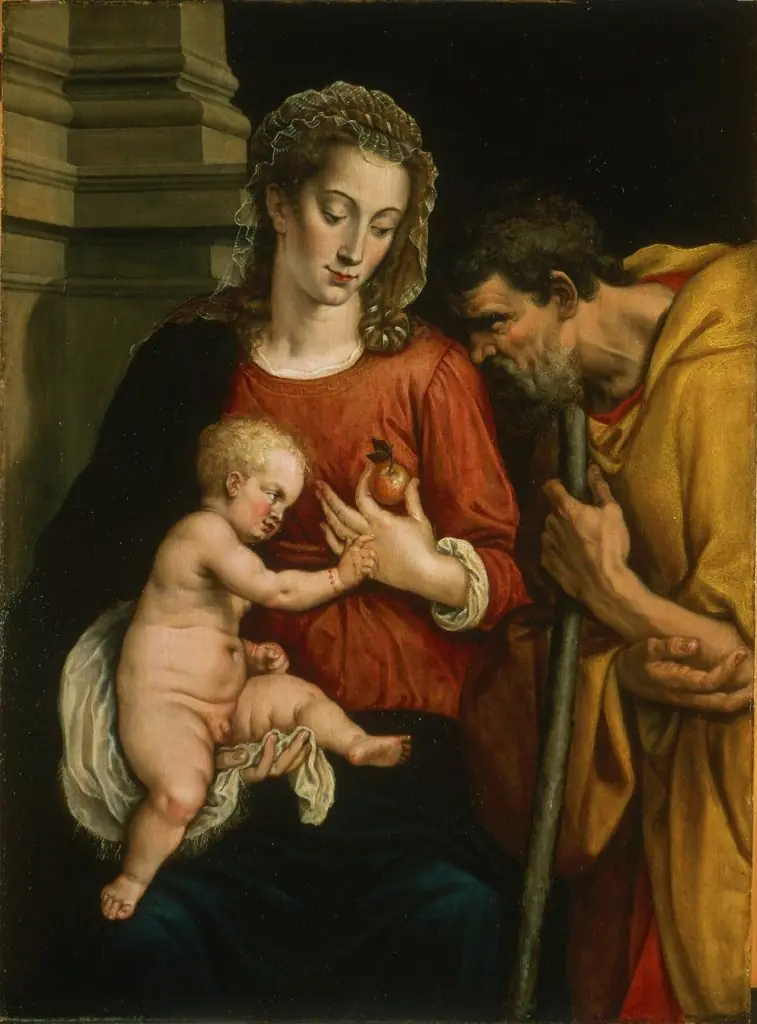 The Holy Family
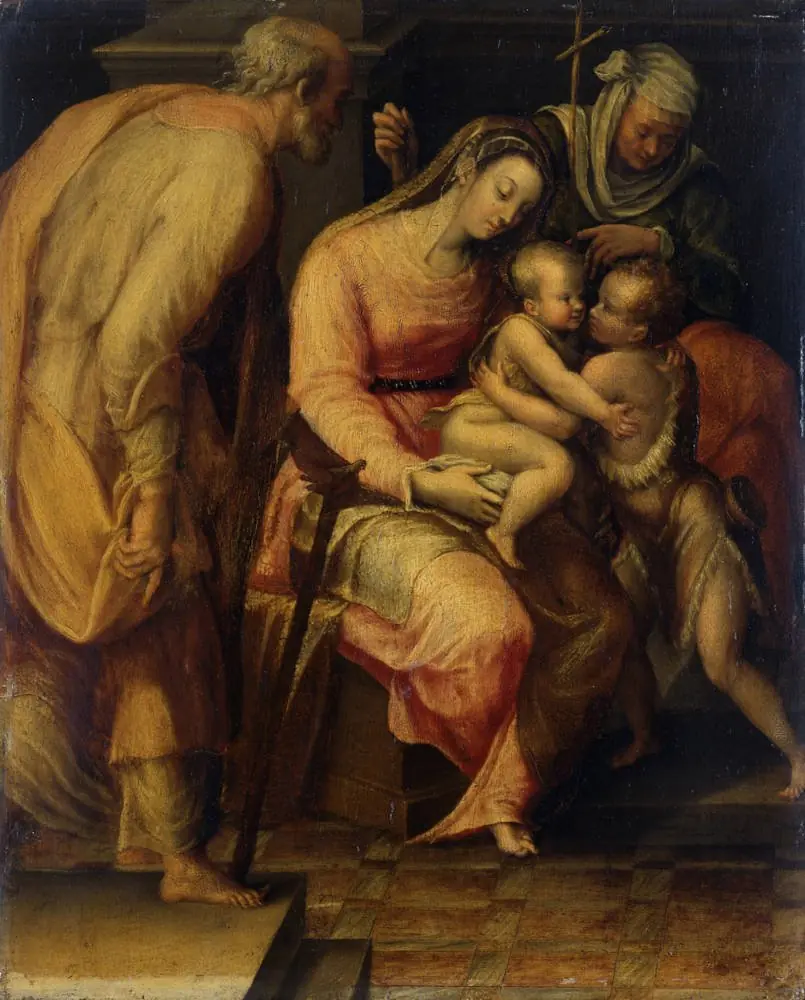 The Holy Family
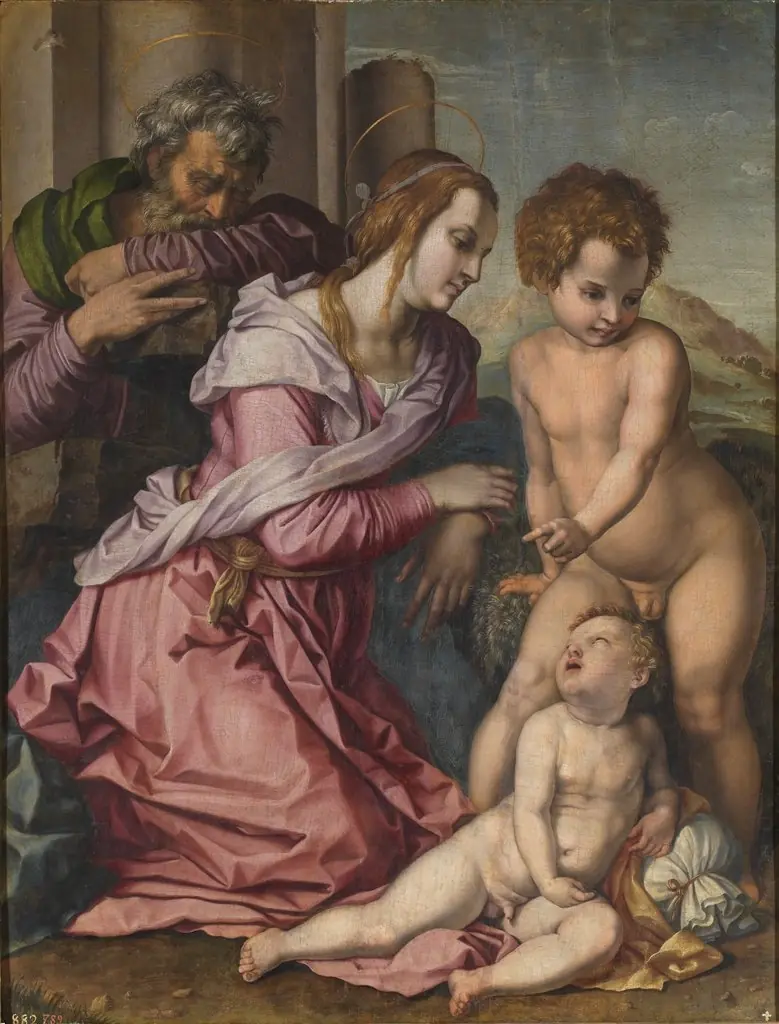 The Holy Family with the Infant Saint John the Baptist
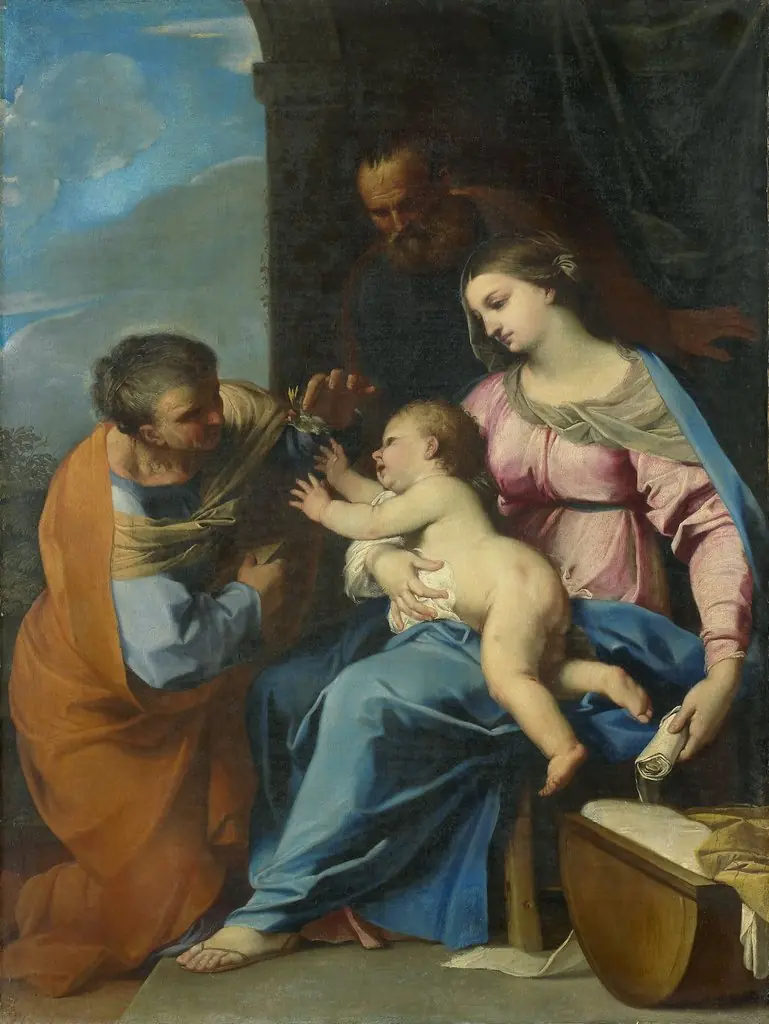 Holy Family
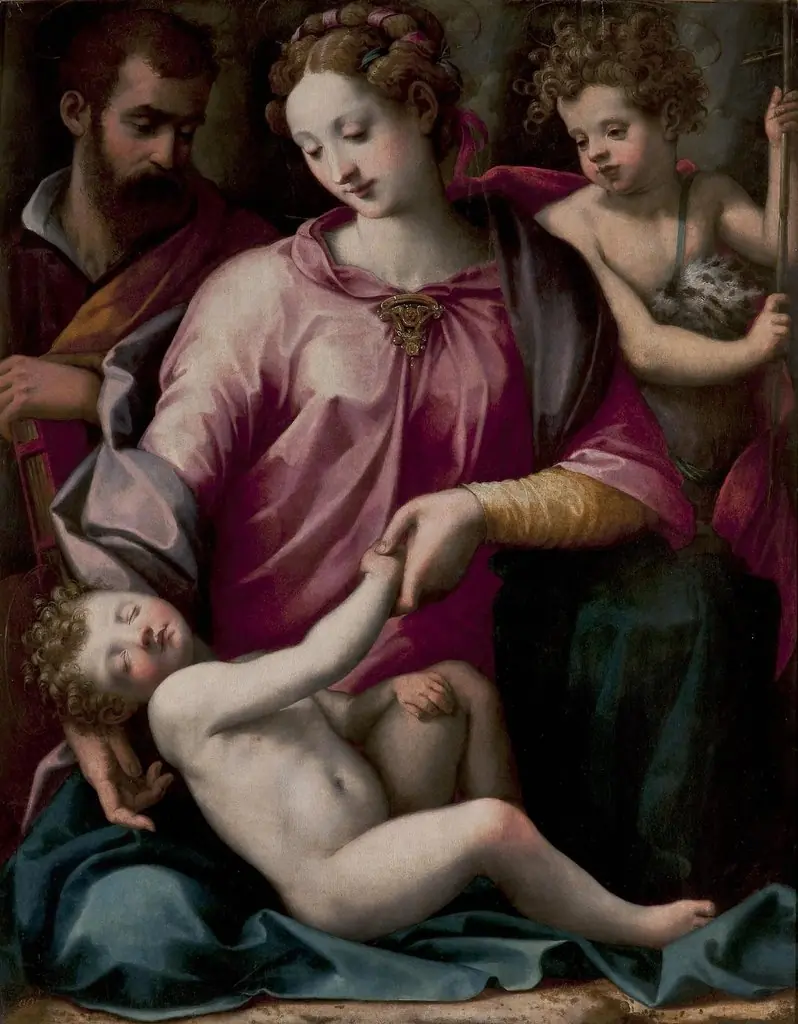 Holy Family with St John the Baptist
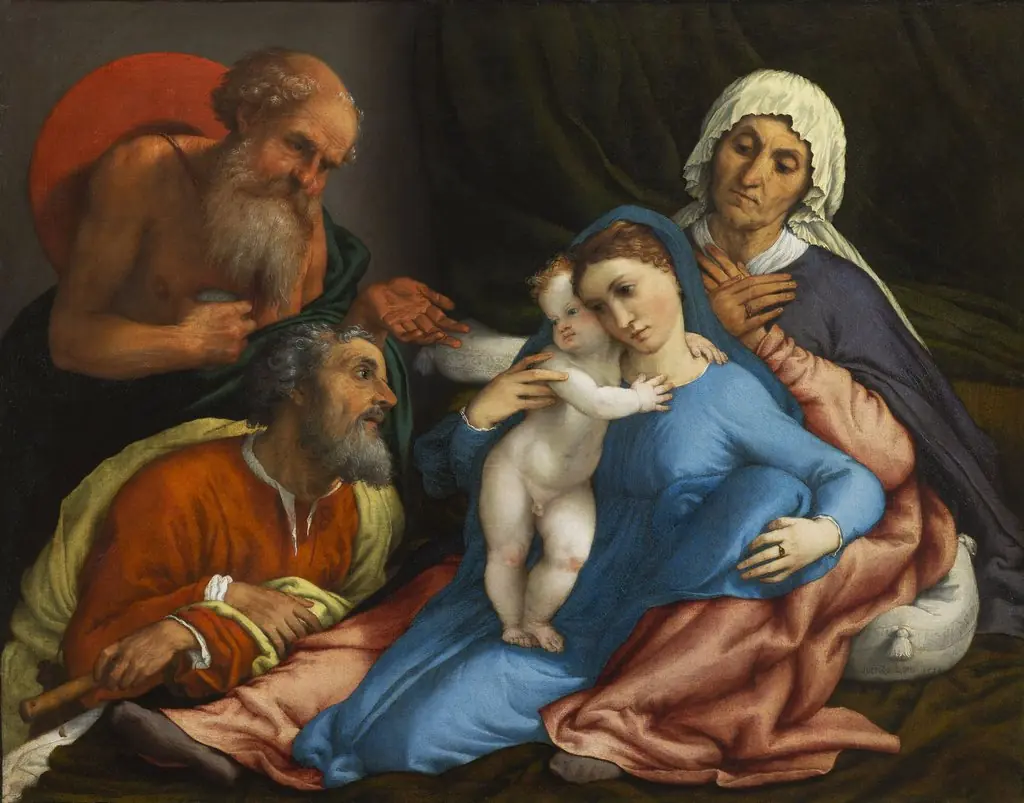 Madonna and Child with Saints
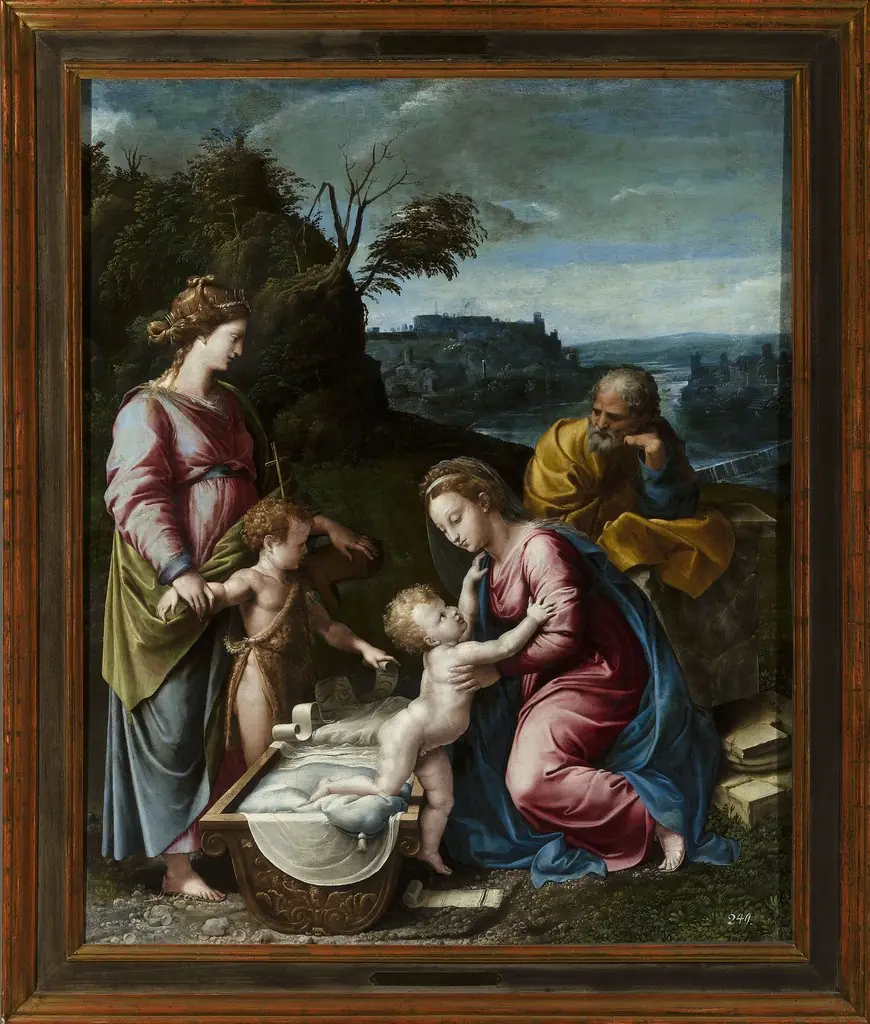 Holy Family with St. John the Baptist and St. Catherine of Alexandria
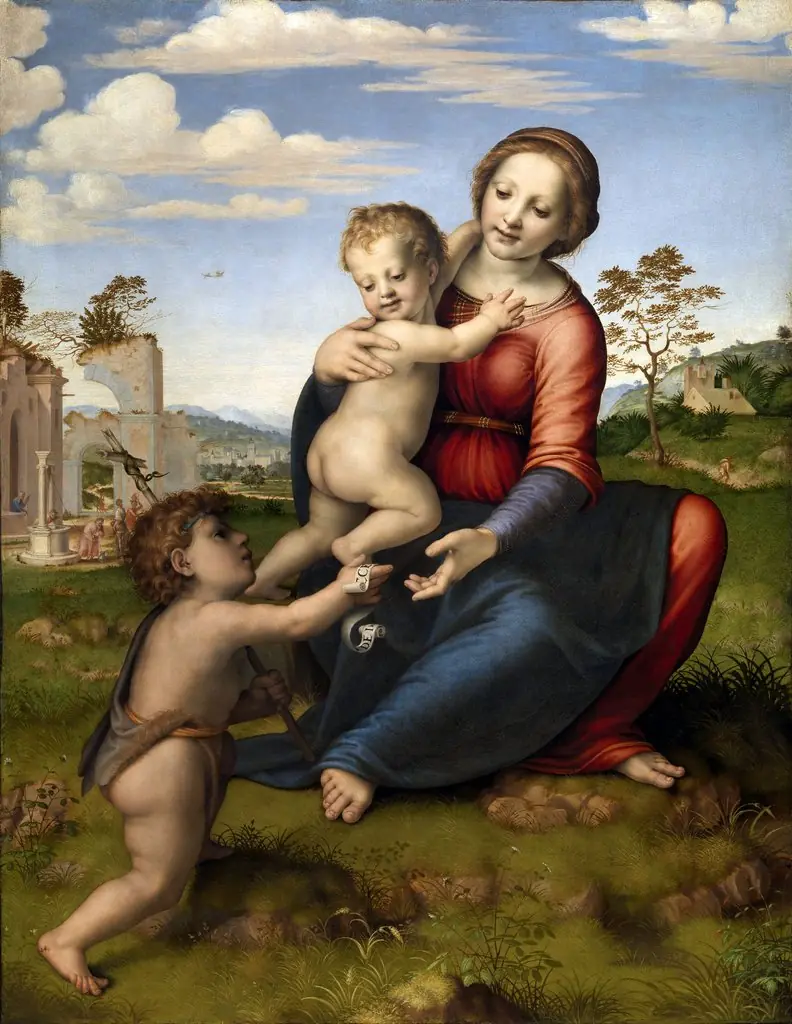 Madonna of the Well or Madonna and Child with the young St. John the Baptist