Artwork
Porträt des Peter the Great (1672-1725)
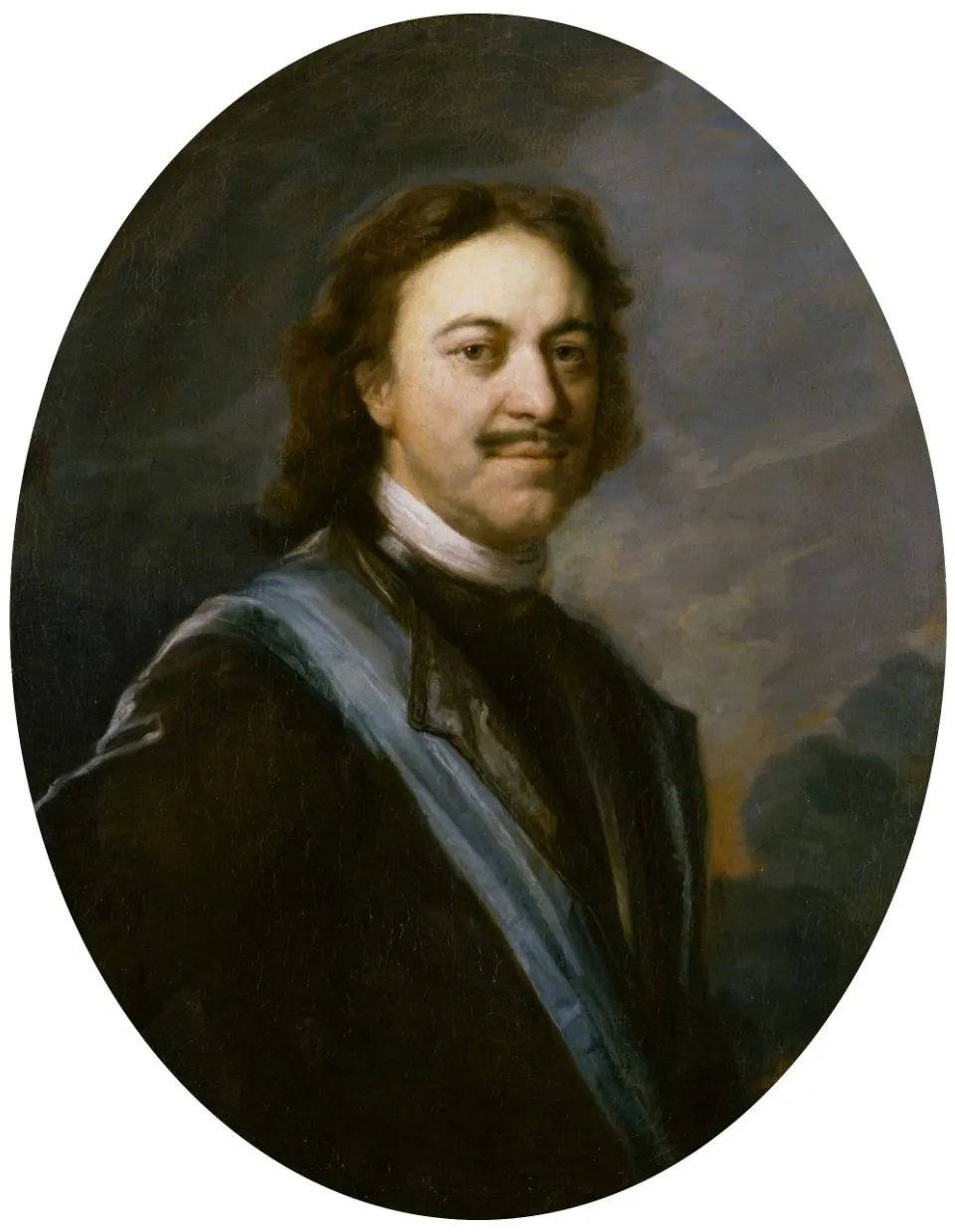
Porträt des Peter the Great (1672-1725) is an oil painting by the Rococo painting artist Andrey Matveyev. It dates from 1724 and is held in the collection of the Hermitage Museum.
About this work
Overview
Painted in 1724 by Andrey Matveyev, this oil portrait captures Peter the Great, ruler of Russia from 1682 to 1725. Matveyev, among the first Russian artists to adopt Western portraiture techniques, rendered the tsar with a sense of presence and authority. The work is part of the State Hermitage Museum’s permanent collection, where it remains a key example of early Russian secular painting.
Subject & Meaning
The composed expression and direct gaze convey determination, aligning with his reputation as a reformer who reshaped Russia’s political and cultural landscape.
The portrait presents Peter the Great in formal attire, emphasizing his role as a modernizing monarch. The light blue sash, likely a symbol of the Order of St. Andrew, signals his imperial status. His dark, wavy hair and mustache reflect personal style and contemporary European fashion.
The composed expression and direct gaze convey determination, aligning with his reputation as a reformer who reshaped Russia’s political and cultural landscape.
Technique & Style
Matveyev employed chiaroscuro to model the tsar’s face and torso, creating subtle volume against a dark, indistinct background. The brushwork is precise yet restrained, avoiding excessive ornamentation. The dark jacket and contrasting sash establish a clear tonal hierarchy, directing focus to the figure.
While influenced by Western portraiture, the composition retains a certain solemnity, reflecting Russian courtly traditions rather than the ornamental tendencies of Rococo.
History & Provenance
Commissioned during the final year of Peter’s life, the portrait was likely intended to affirm his legacy. It entered the imperial collection shortly after completion and remained in royal hands until the Bolshevik Revolution. In 1918, it was transferred to the State Hermitage Museum, where it has been publicly displayed ever since.
Its continuous presence in state collections underscores its significance as a visual record of Russia’s transformation under Peter’s rule.
Context
Matveyev painted this portrait amid Peter’s efforts to align Russia with European powers. Western artistic conventions were actively promoted in the Russian court, and Matveyev, trained in England and the Netherlands, became a leading figure in this cultural shift. The portrait reflects a deliberate move away from traditional iconography toward secular, lifelike representation, mirroring Peter’s broader reforms in administration, military, and society.
Legacy
As one of the earliest naturalistic portraits of a Russian ruler, this work helped establish a new visual language for imperial representation. It influenced later court painters and set a precedent for depicting rulers as individuals rather than symbolic figures. The portrait remains a reference point in Russian art history, illustrating the fusion of Western technique with domestic political identity during a pivotal era.
Artist & collection
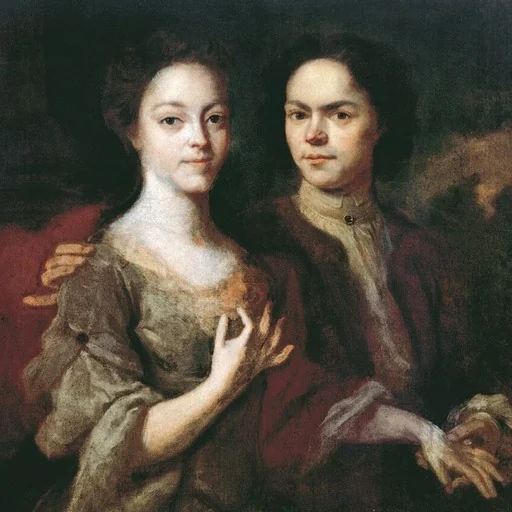
Artist
Andrey Matveyev (Russian: Андрей Матвеевич Матвеев. 1701 – 23 April 1739) was a Russian artist. He was one of that nation's earliest modern-style portrait painters and helped to establish the genre.

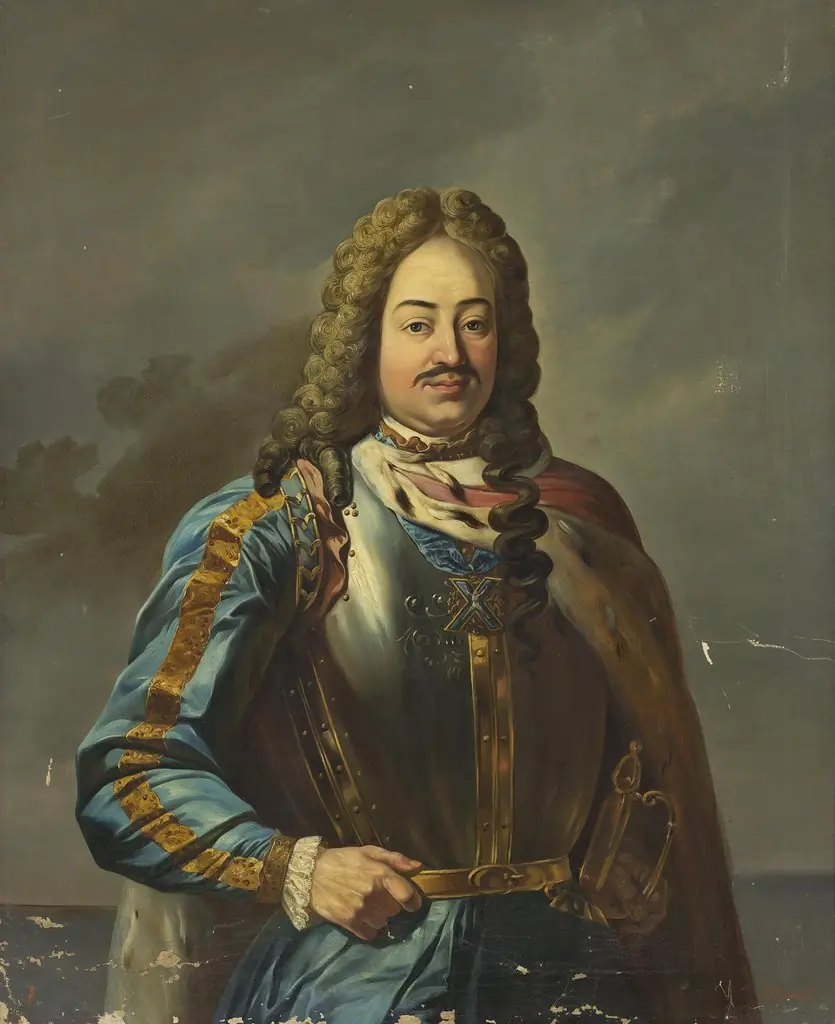 Portrait of Franz Lefort
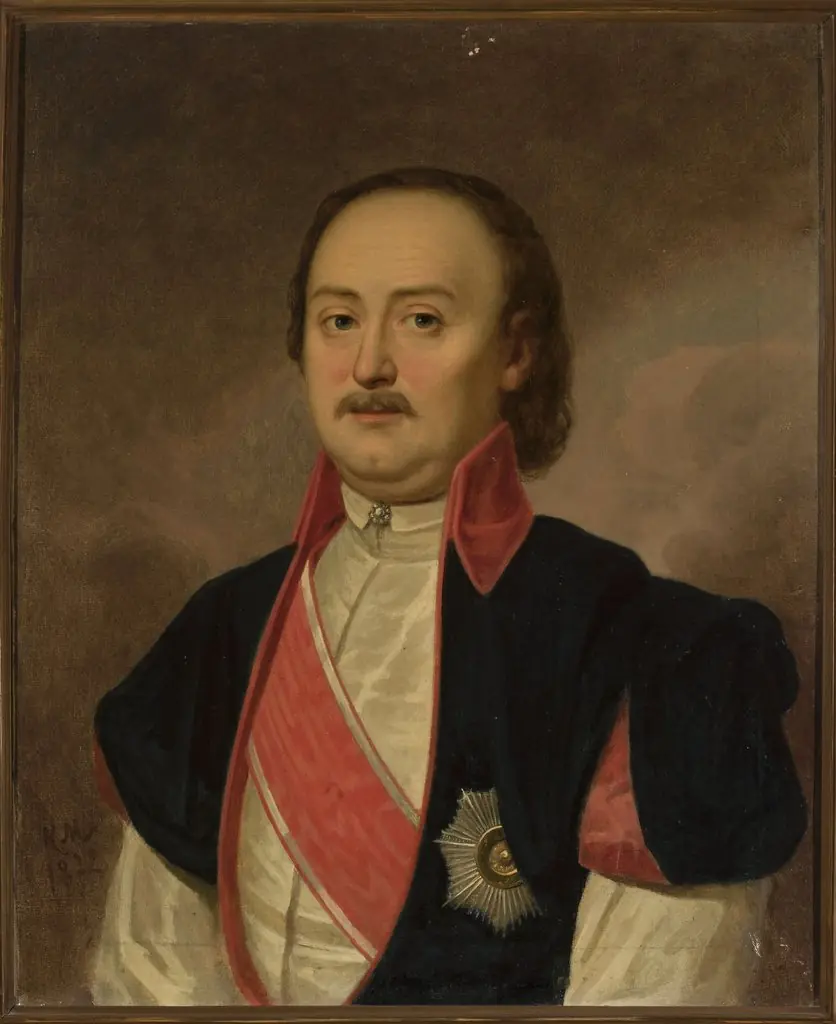 Portrait of Jan Nepomucen Stadnicki
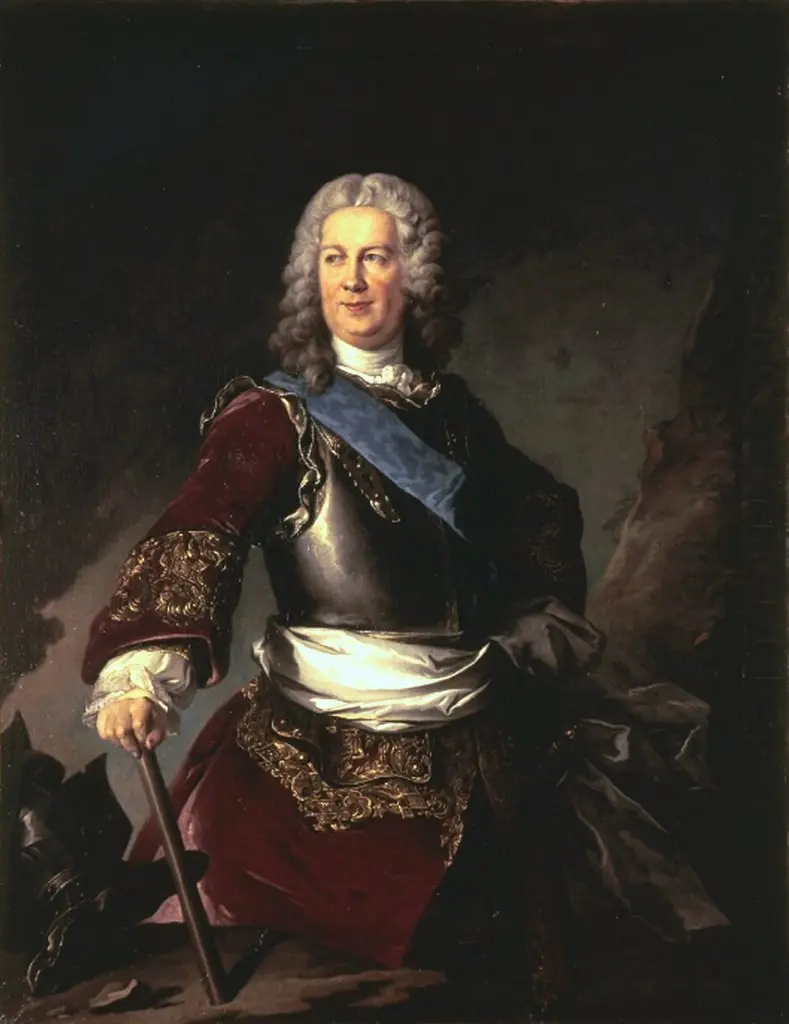 Thomas Goyon de Matignon (1684-1766), comte de Gacé, seigneur de Briquebec, Brigadier des armées du Roi en 1719.
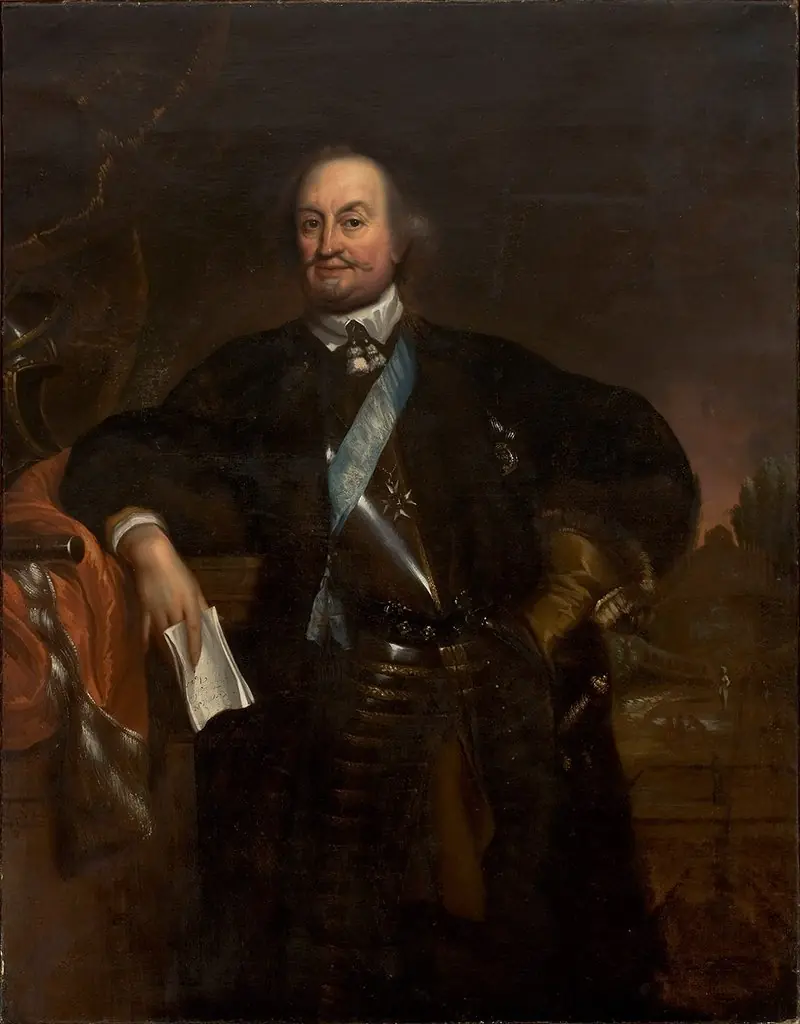 Portrait of Prince Johan Maurits van Nassau-Siegen
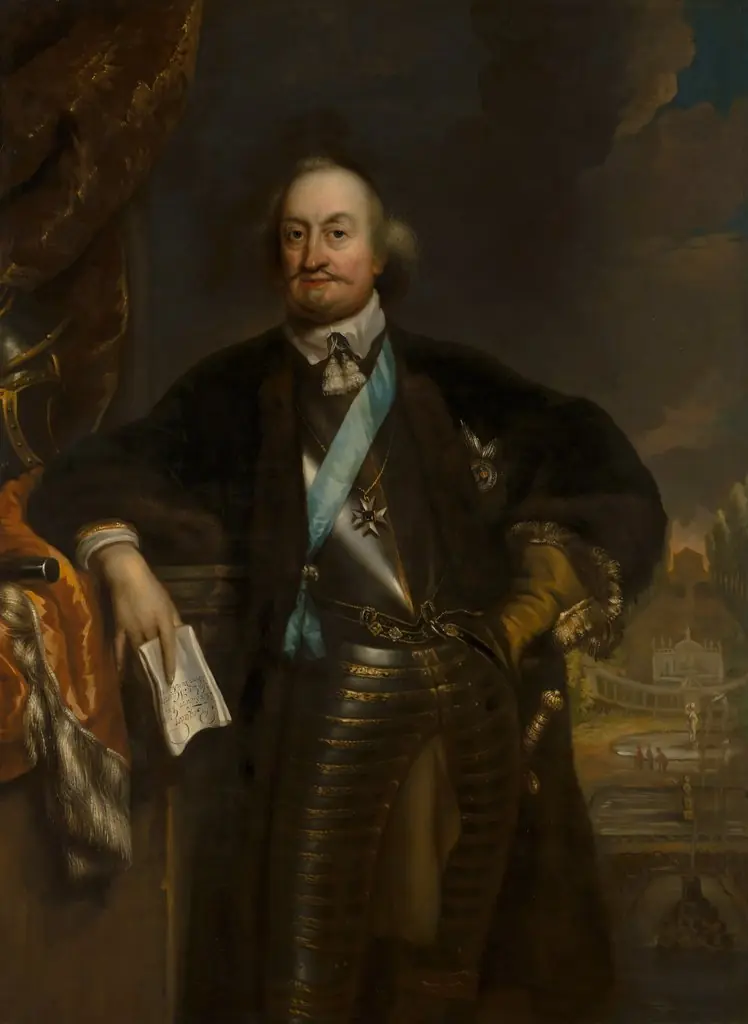 Portrait of Johan Maurits (1604-1679), Count of Nassau-Siegen, Founder of the Mauritshuis
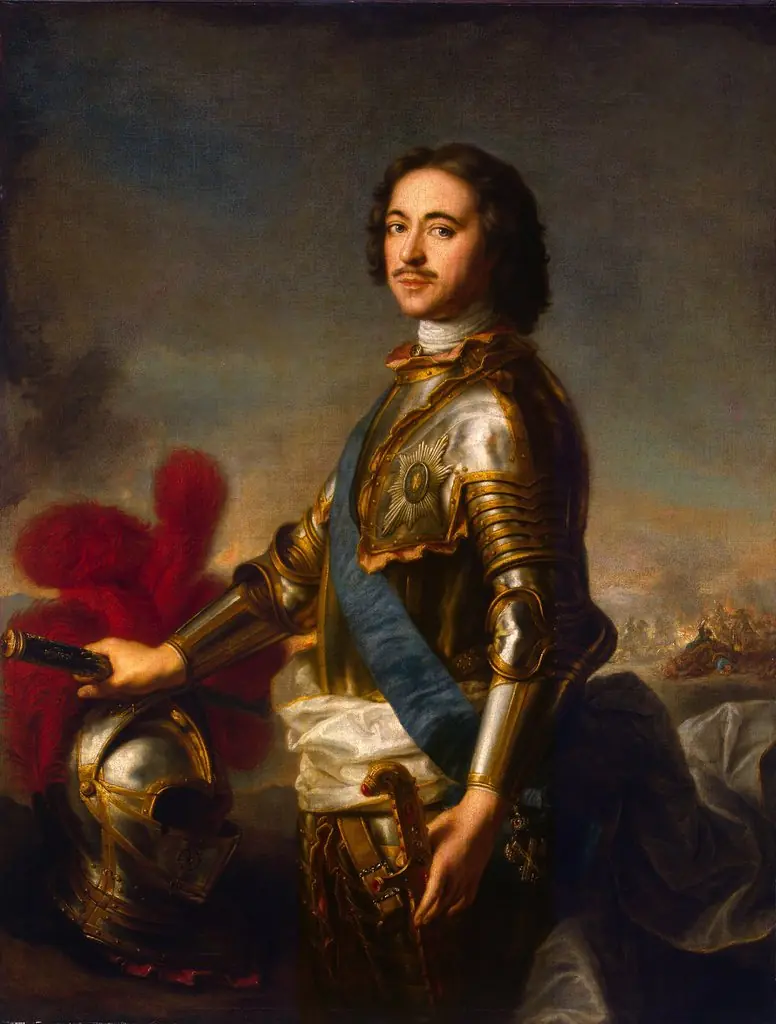 Portrait of Peter I
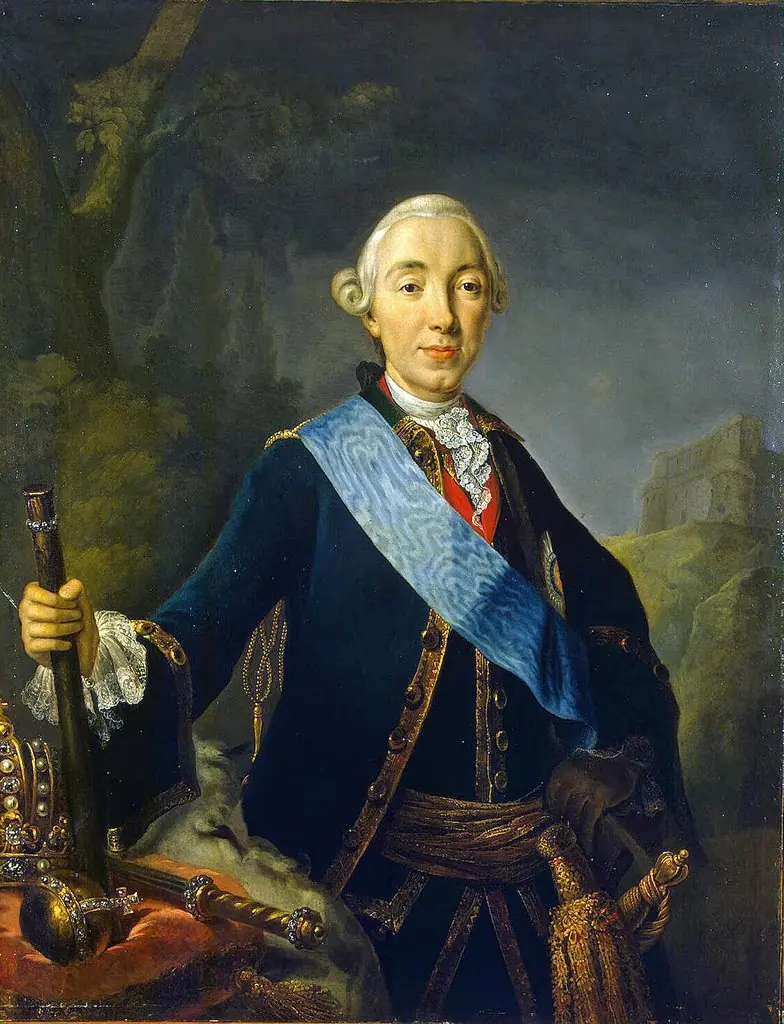 Coronation portrait of Emperor Peter III of Russia
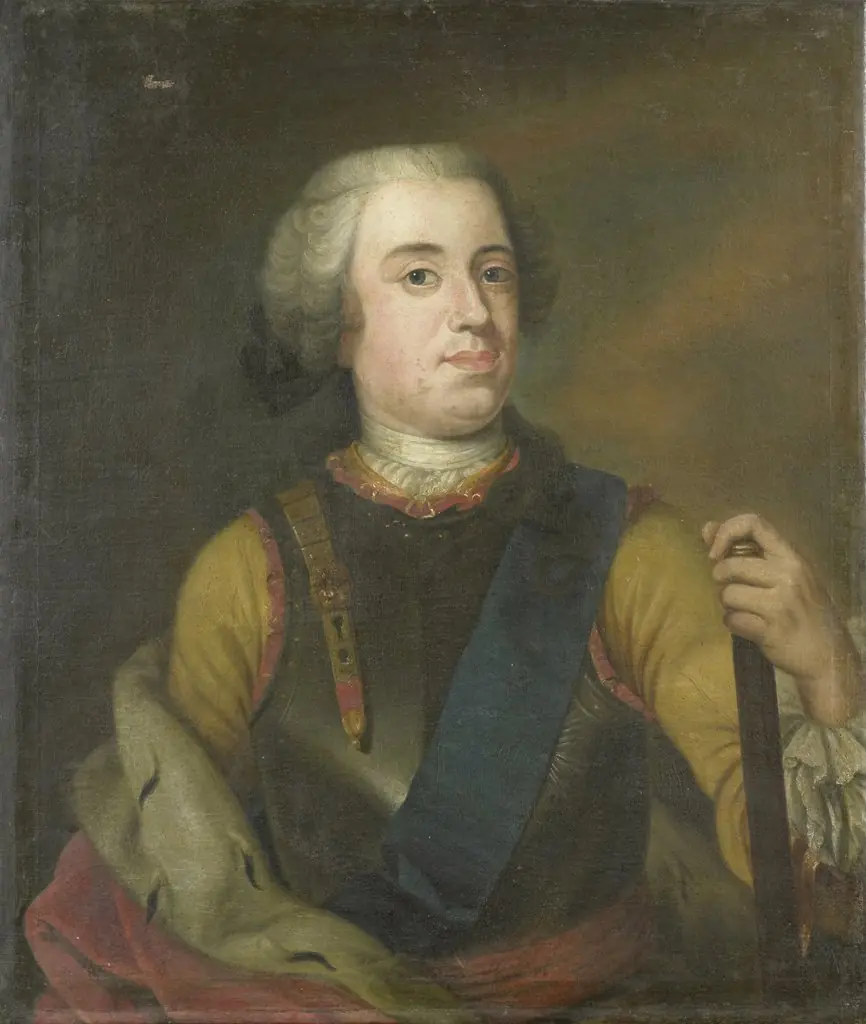 Portrait of William IV, Prince of Orange
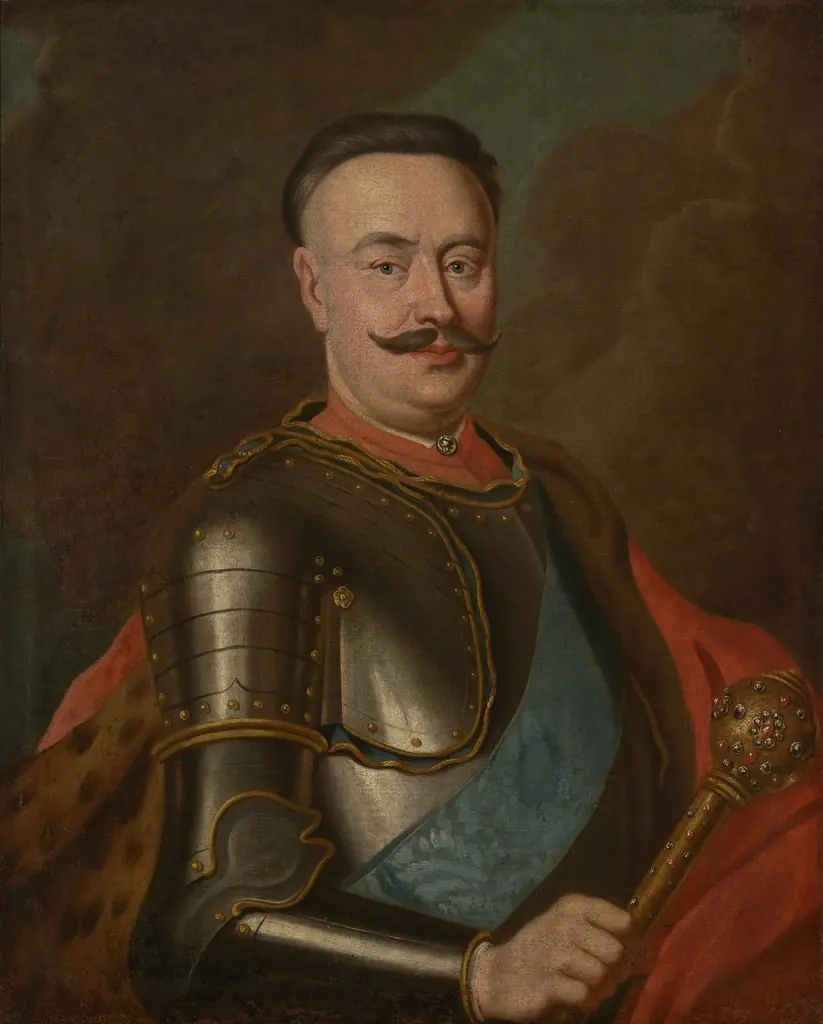 Portrait of Jan Klemens Branicki (1689–1771)