Artwork
Portrait of Peter I
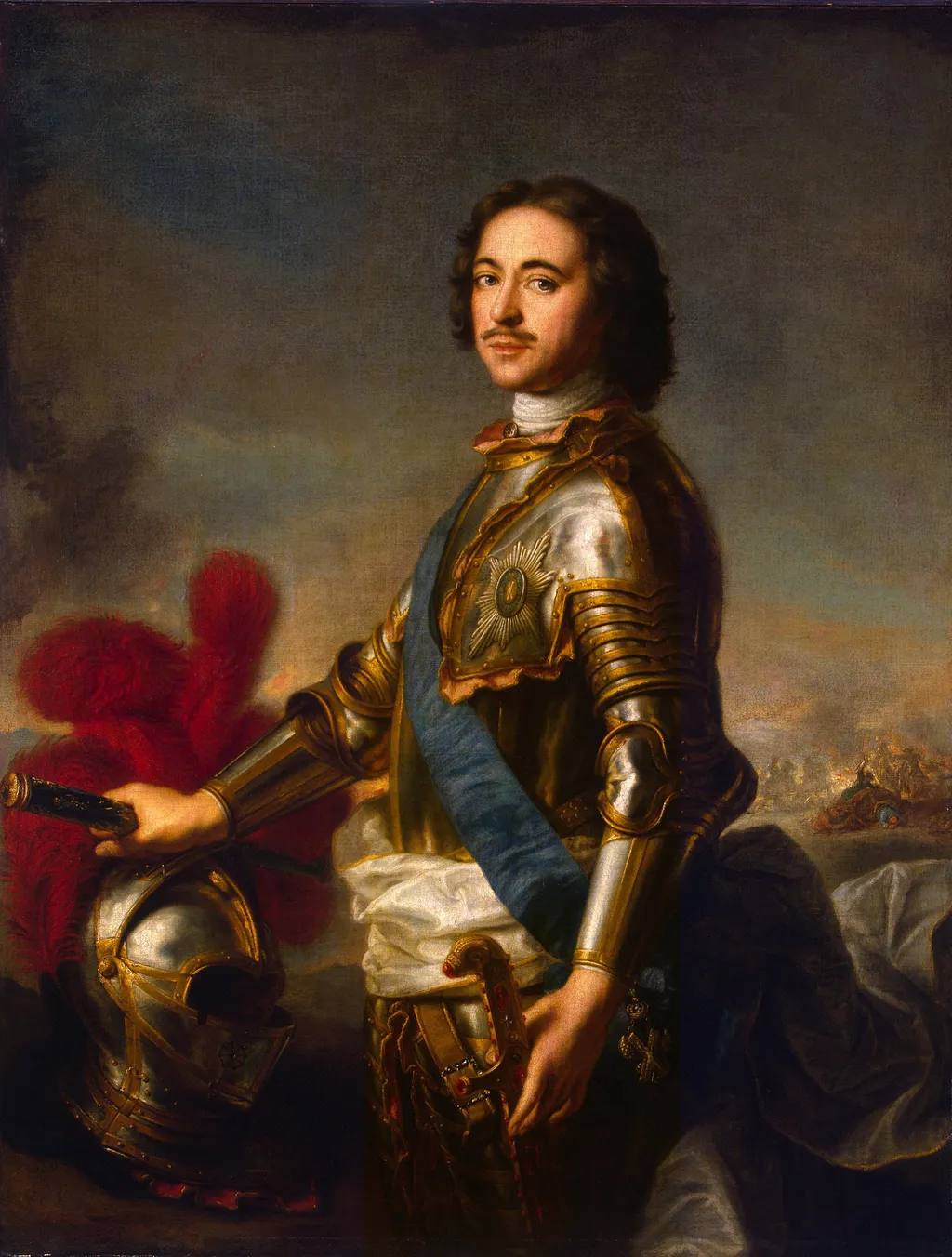
Portrait of Peter I is an oil painting by the Rococo painting artist Jean-Marc Nattier. It dates from 1717 and is held in the collection of the Hermitage Museum.
About this work
Overview
The Portrait of Peter I is an oil on canvas painting by the French artist Jean-Marc Nattier, executed in 1717 during the Russian tsar's visit to Paris.
The Portrait of Peter I is an oil on canvas painting by the French artist Jean-Marc Nattier, executed in 1717 during the Russian tsar's visit to Paris. Measuring 142.5 by 110 centimeters, the work depicts Peter the Great at three-quarter length in polished steel armor with gold trim, a blue sash, and a star-shaped medal, holding a baton against a background of dark clouds parting to reveal ships and fire on the horizon. The painting is held in the collection of the State Hermitage Museum in Saint Petersburg, having been transferred there in 1947 from the State Tretyakov Gallery. It stands as a significant document of European diplomatic portraiture and of Peter's self-presentation as a modernizing military monarch, though its attribution has been debated since the nineteenth century.
Subject & Meaning
The portrait depicts Peter I of Russia, who ruled from 1682 to 1725 and whose reign transformed the nation through sweeping governmental, military, and cultural reforms aimed at elevating Russia to major European power status. Nattier presents Peter as an active military commander rather than a passive ruler: his right hand grips a baton resting on a plumed helmet, while his left hand holds a sword hilt at his hip. The star-shaped medal on his breastplate and the blue sash across his chest signify royal and chivalric honors. The most striking symbolic element is the background, where dark clouds part to reveal a distant naval engagement, ships and fire on the right horizon, alluding to Peter's establishment of the Russian navy and his maritime ambitions. The direct outward gaze and slightly turned posture convey determination and authority, while the overall composition balances commanding presence with a degree of accessibility. The palette of silvery grays, deep blues, golds, and crimson accents reinforces both the opulence of the Russian court and the martial character of the subject.
Technique & Style
Nattier executed the portrait in oil on canvas with smooth, refined brushwork that demonstrates particular skill in rendering metallic reflections and fabric textures. Light falls strongly from the left, illuminating the armor and face while casting deep shadows across the lower portion of the composition, a dramatic lighting scheme that reveals Baroque influence. The handling of the polished steel armor with gold trim, the white cravat, and the dark drapery swirling at the lower right shows meticulous attention to material surfaces. The composition is generally described as combining French Rococo elegance with Baroque grandeur, though the visual evidence suggests a relatively restrained palette dominated by silvery grays and deep blues rather than the vibrant colors sometimes claimed. The atmospheric treatment of the background, with its muted tones and distant action, creates depth while keeping focus on the figure. The surface condition and conservation history have required expert attention to maintain the painting's integrity, though specific conservation treatments are not documented in the available sources.
History & Provenance
Nattier painted this portrait from life in Paris in 1717, during Peter the Great's visit to France. It served as a companion piece to a portrait of Catherine I that was highly praised by the tsar. The provenance traces back to the Academy of Arts until 1850, then to the Winter Palace (Romanov Gallery) from 1850, followed by transfer to the State Tretyakov Gallery in 1931, and finally to the State Hermitage Museum in Saint Petersburg in 1947, where it remains today. The attribution of the Hermitage version has been questioned since the nineteenth century; a signed and dated variant is housed in the Munich Residenz. In 1872, the Hermitage painting was installed in the former living room of Empress Elizabeth Alexeyevna in the Grand Palace at Tsarskoye Selo. The existence of multiple similar versions complicates the attribution history, with the Munich version carrying the definitive signature and date while the Hermitage version's authorship has remained under scholarly discussion.
Context
Jean-Marc Nattier, born in 1685, was a prominent French portrait painter whose work typically featured members of the French aristocracy. The commission to paint Peter the Great represented a significant extension of his practice to international rulers and demonstrated the cultural diplomacy of Peter's European tour. The portrait belongs to a broader tradition of Russian imperial portraiture that served propagandistic functions, shaping public perception and reinforcing authority. Contemporary comparisons can be drawn with Ivan Nikitin's more rugged and realistic portrayals of Peter, which captured raw energy rather than Nattier's refined elegance. Nattier's approach also differs from Rembrandt's psychologically penetrating portraits, favoring instead an idealized representation of strength and authority. The 1717 date places the work during Peter's active efforts to modernize Russia, including the founding of Saint Petersburg as a symbol of his European-oriented vision. The portrait thus participates in a shift in Peter's visual representation from warrior to statesman and modernizer.
Legacy
Nattier's portrait established conventions for the depiction of Russian monarchs that influenced subsequent generations of royal portraiture, particularly the emphasis on regal attire and authoritative posture. The work remains embedded in Russian historical narratives and cultural memory as an image of Peter's strength and modernizing vision. Its influence extends through reproductions and variants, including a work derived from the composition that appeared in the 1866 inventory of the Monrepos estate near Vyborg, which had connections to the Russian imperial family through Grand Duchess Maria Feodorovna and Emperor Paul I. The painting's continued presence in major museum collections and its reproduction in scholarly and popular contexts underscore its persistent significance. The attribution debates surrounding the Hermitage version and the existence of the Munich Residenz variant have themselves contributed to scholarly discussion about workshop practice, replication, and the circulation of diplomatic portraits in early eighteenth-century Europe. As a document of Franco-Russian cultural exchange and of Peter's self-fashioning as a European monarch, the portrait maintains its relevance for historians of art, politics, and international relations.
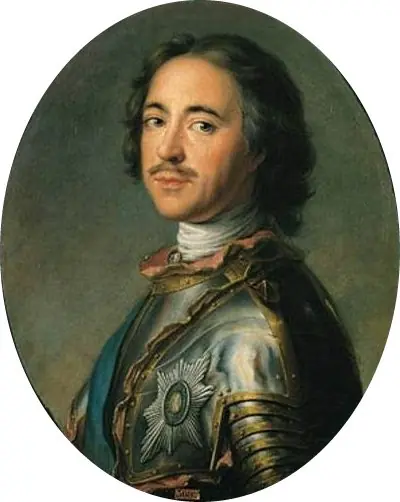
Own this work as a print
Artist & collection
Artist
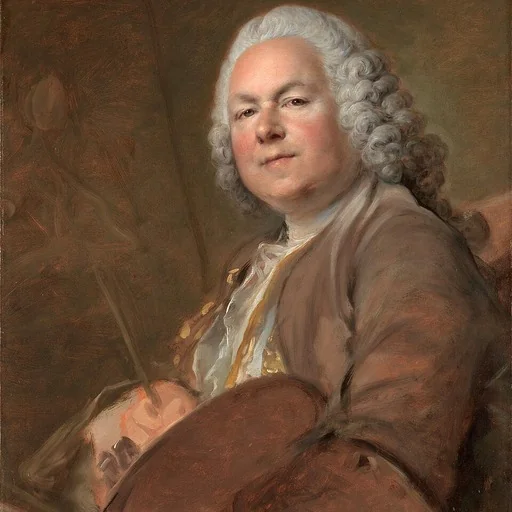
Jean-Marc Nattier (French pronunciation:; 17 March 1685 – 7 November 1766) was a French painter.

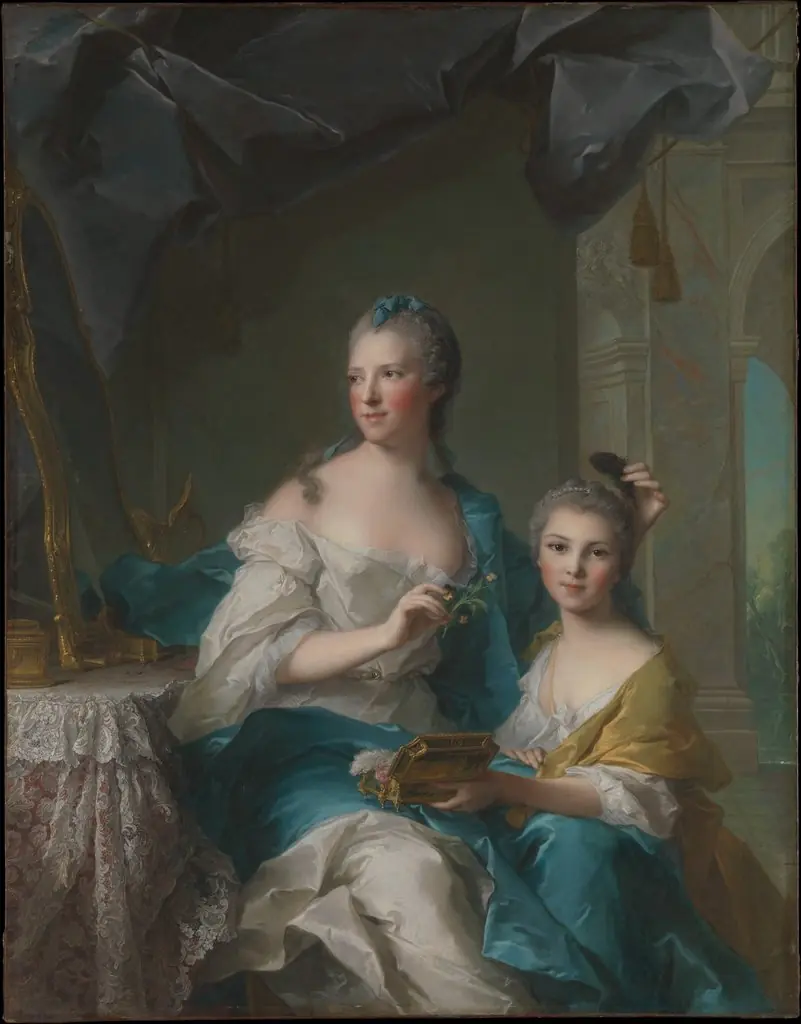 Madame Marsollier and Her Daughter
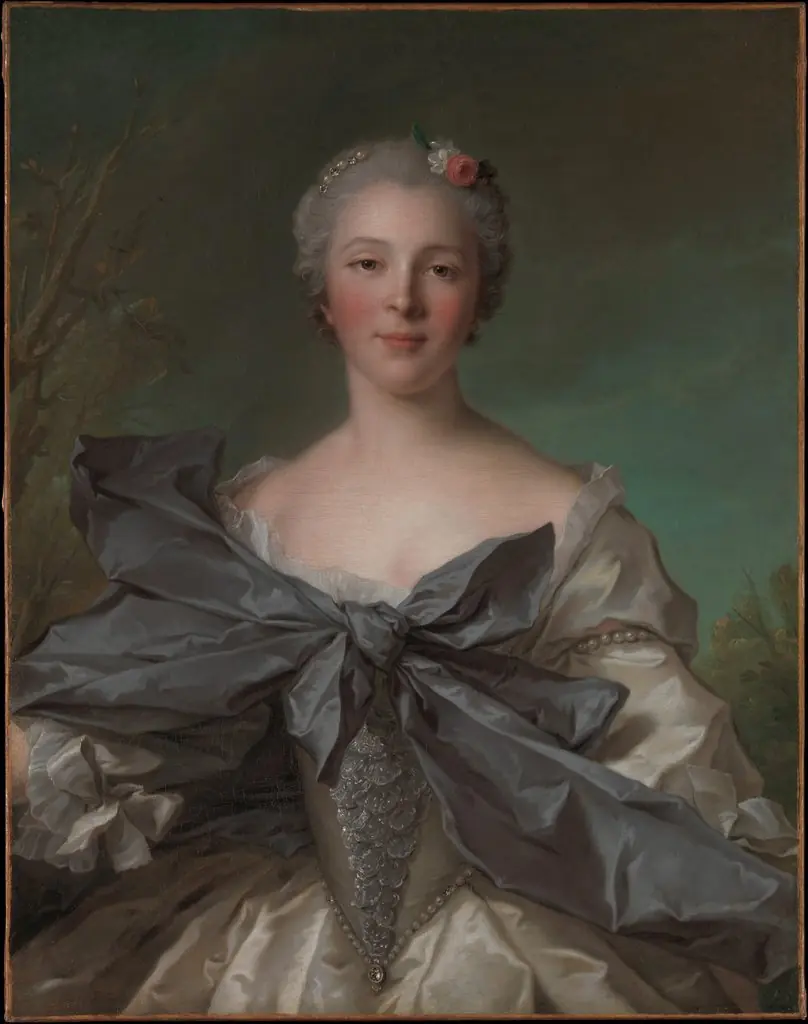 Marie Françoise de La Cropte de St. Abre, Marquise d'Argence
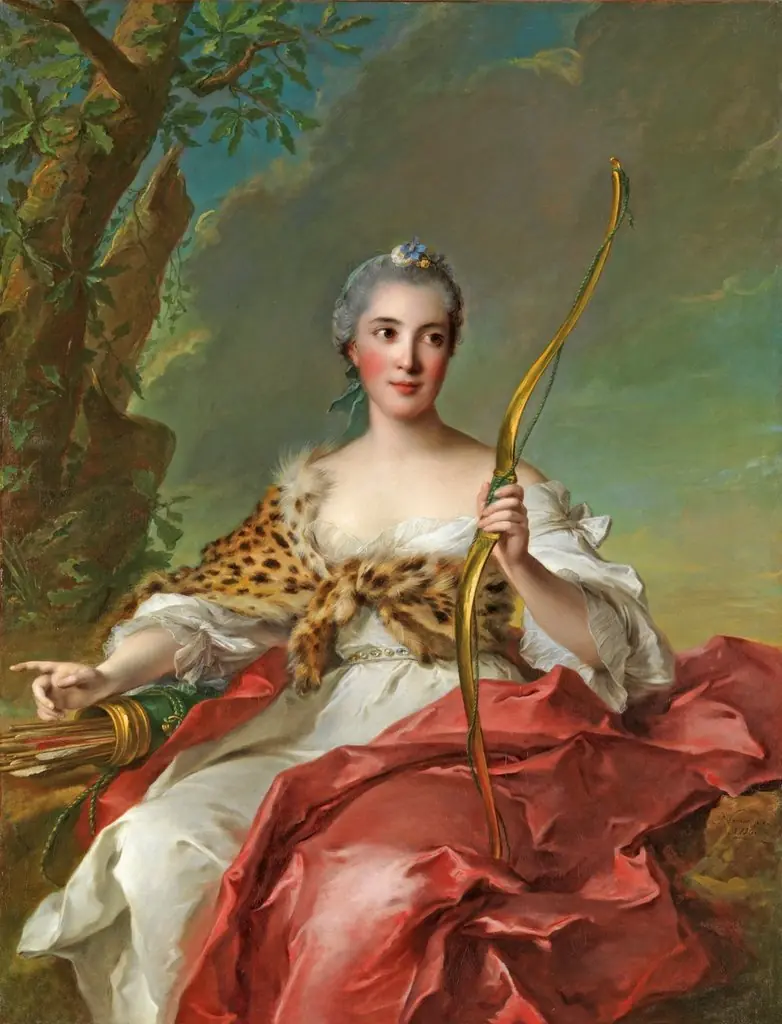 Madame Bergeret de Frouville as Diana
 Madame Le Fèvre de Caumartin as Hebe
 Joseph Bonnier de la Mosson
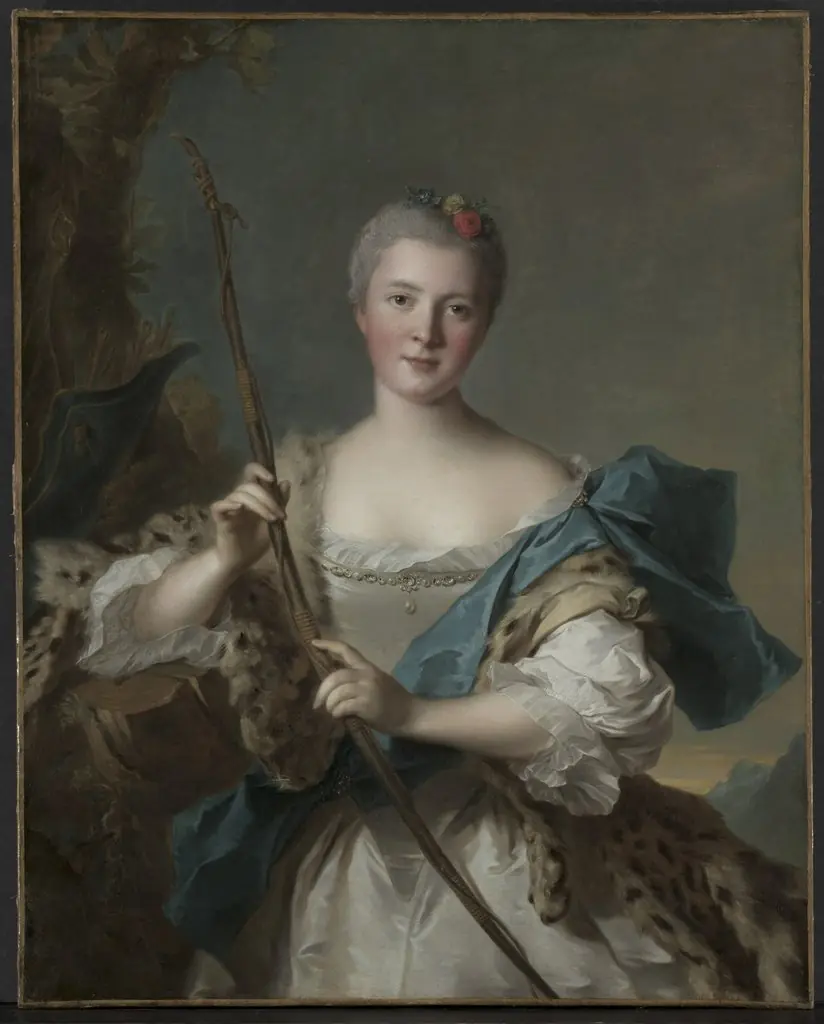 Portrait of a Woman as Diana
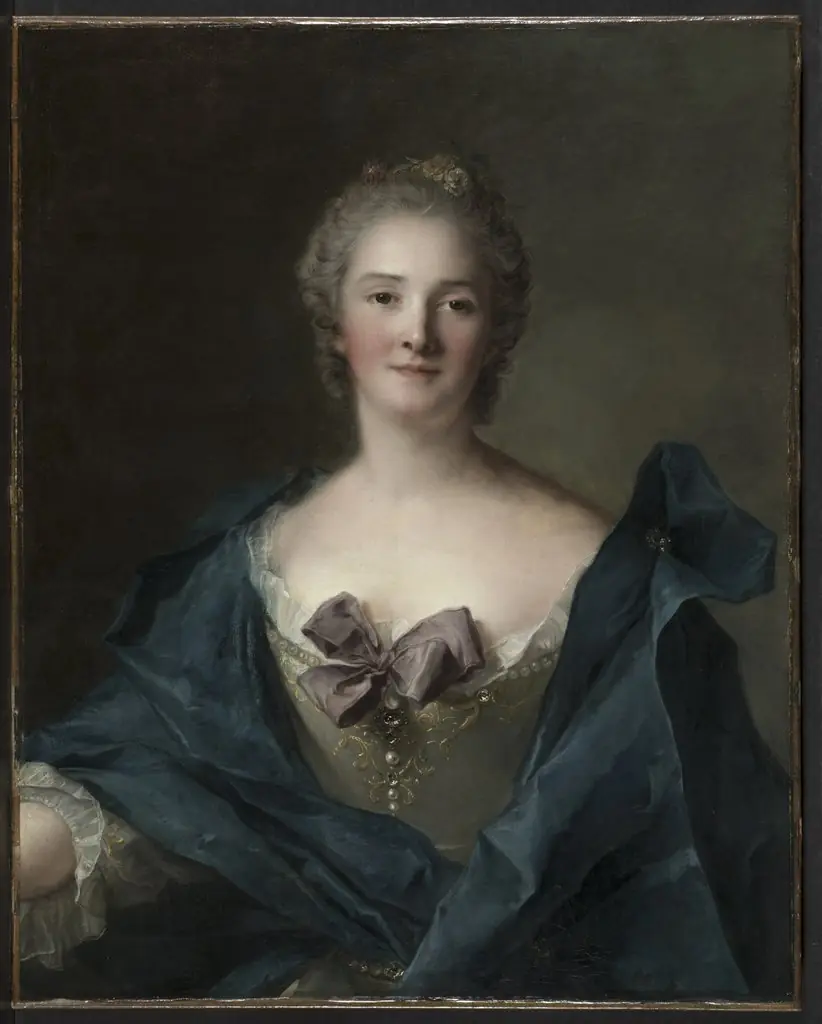 Portrait of a Woman
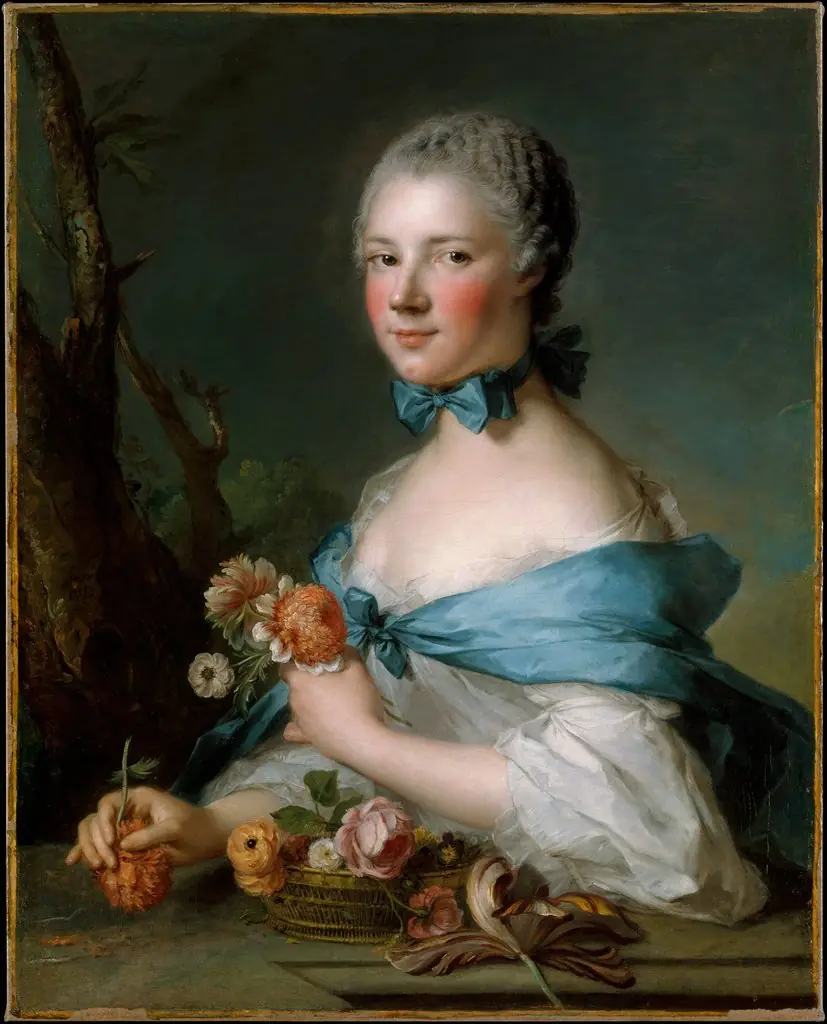 Portrait of a Woman, Called the Marquise Perrin de Cypierre
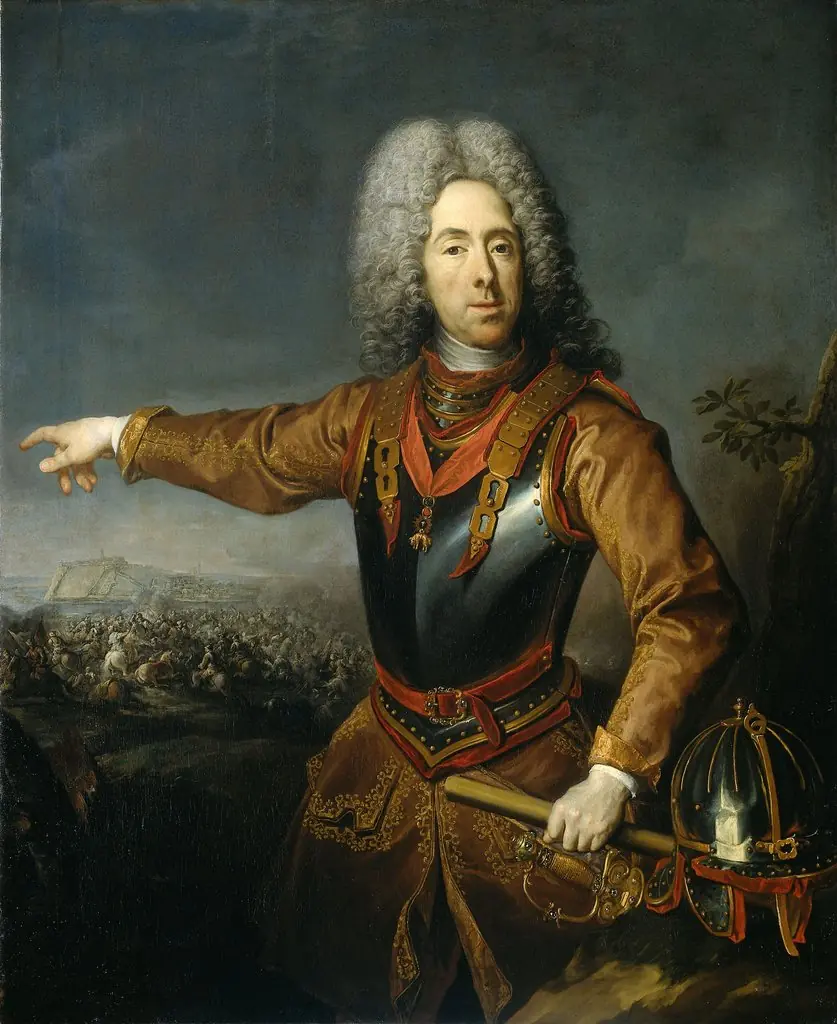 Portrait of Eugene, Prince of Savoy
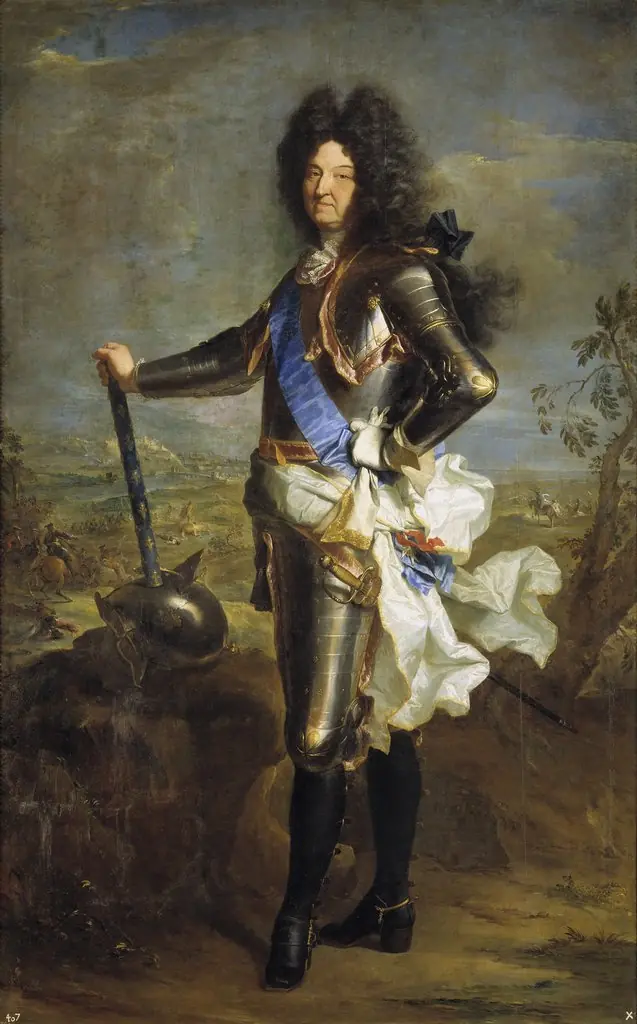 Louis XIV
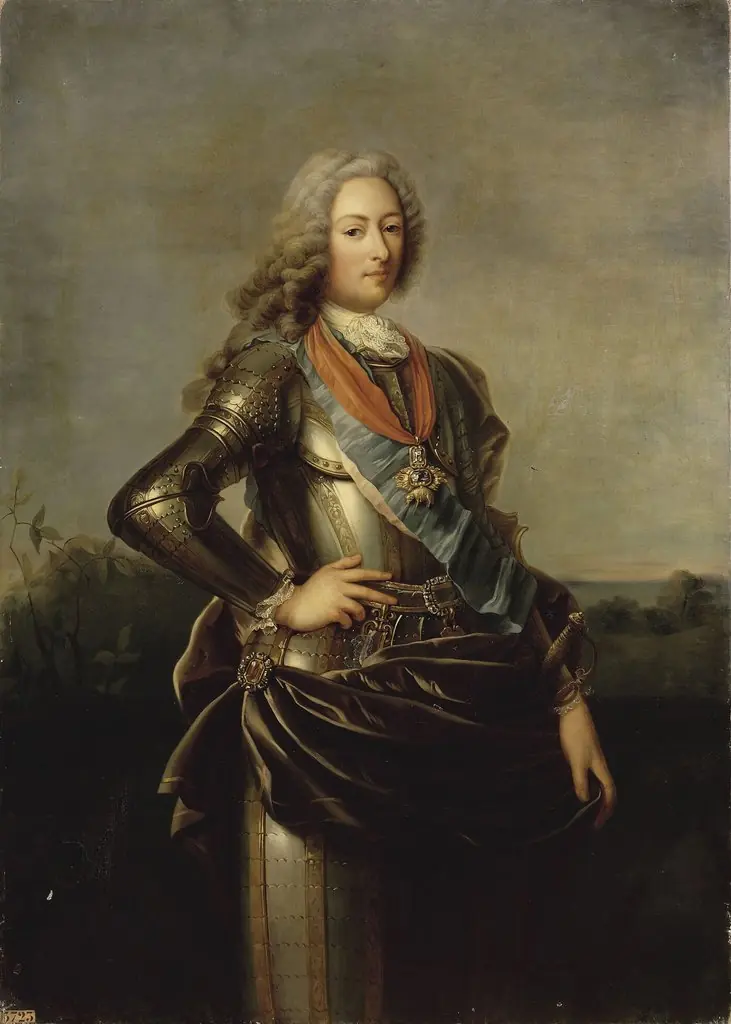 Louis of Orleans, Duke of Orleans
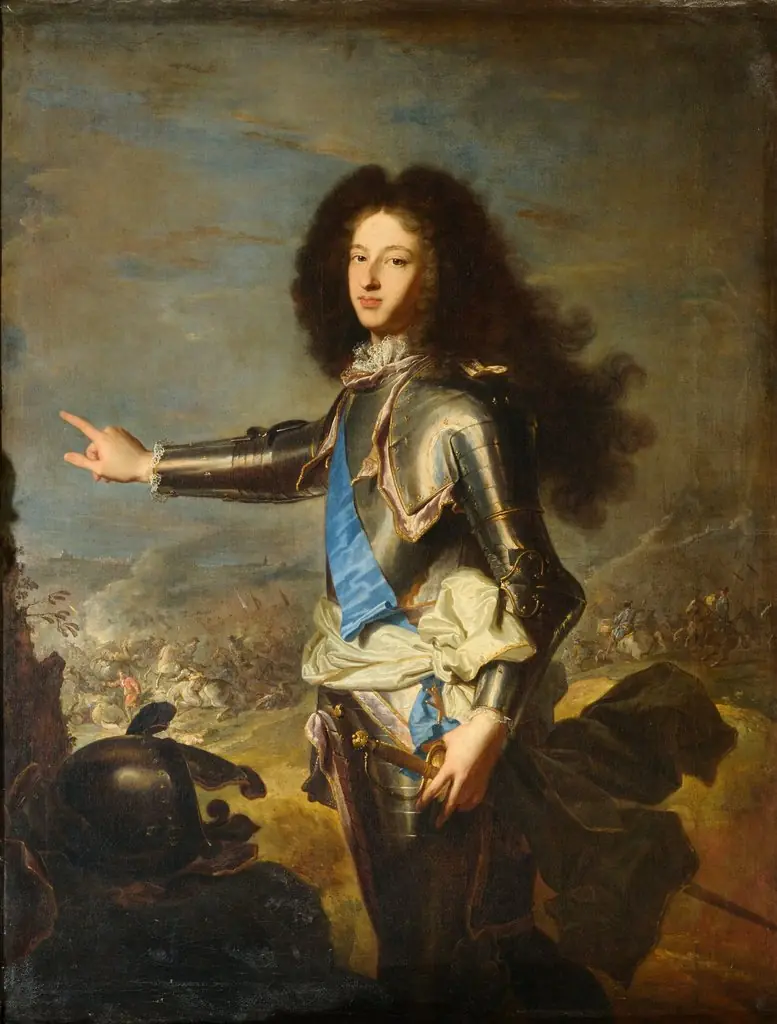 Louis de France, Duke of Burgundy
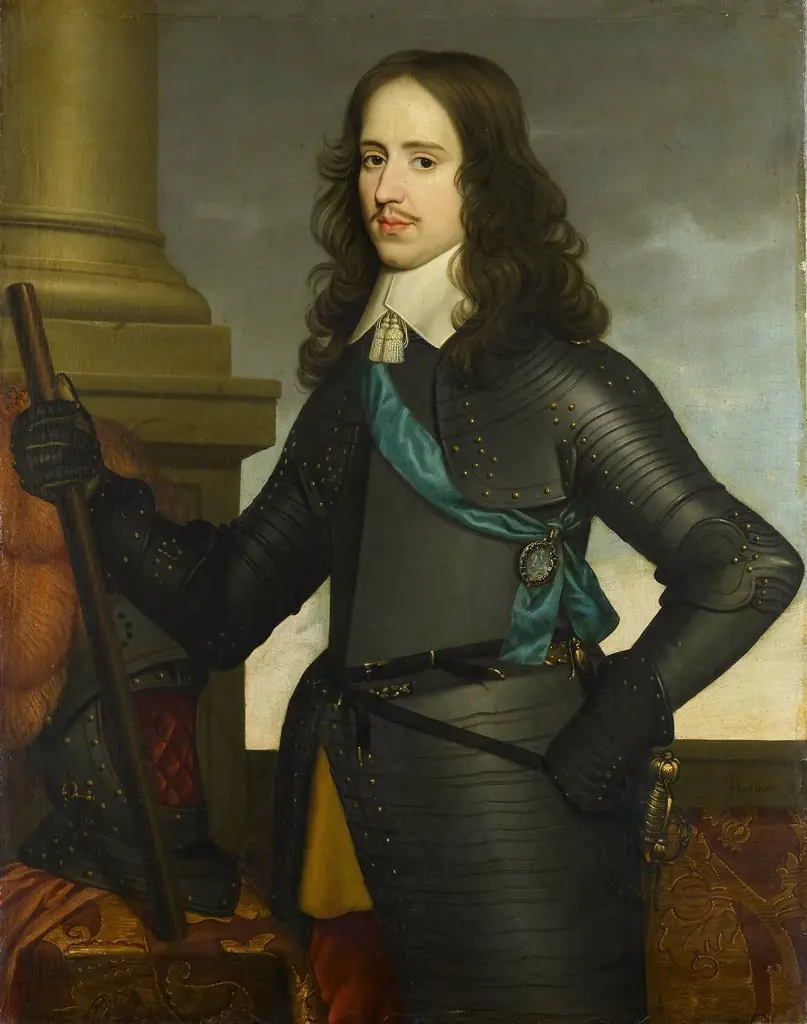 Portrait of Willem II (1626-50), Prince of Orange
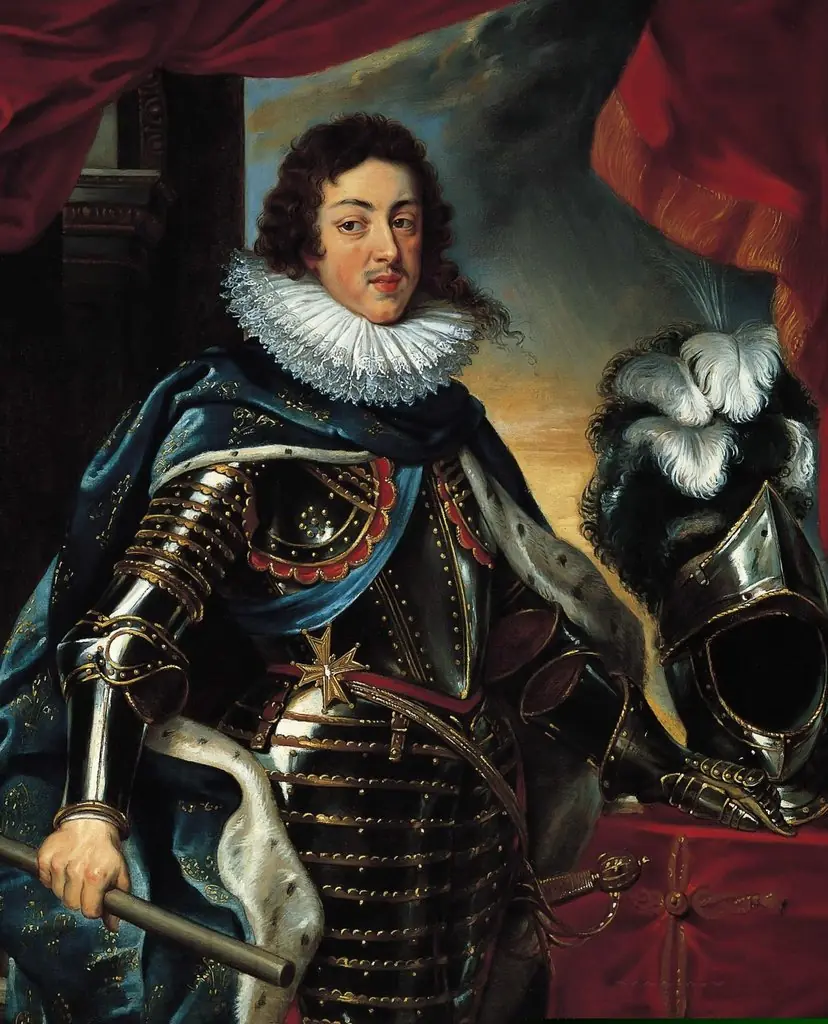 Portrait of Louis XIII in Armour
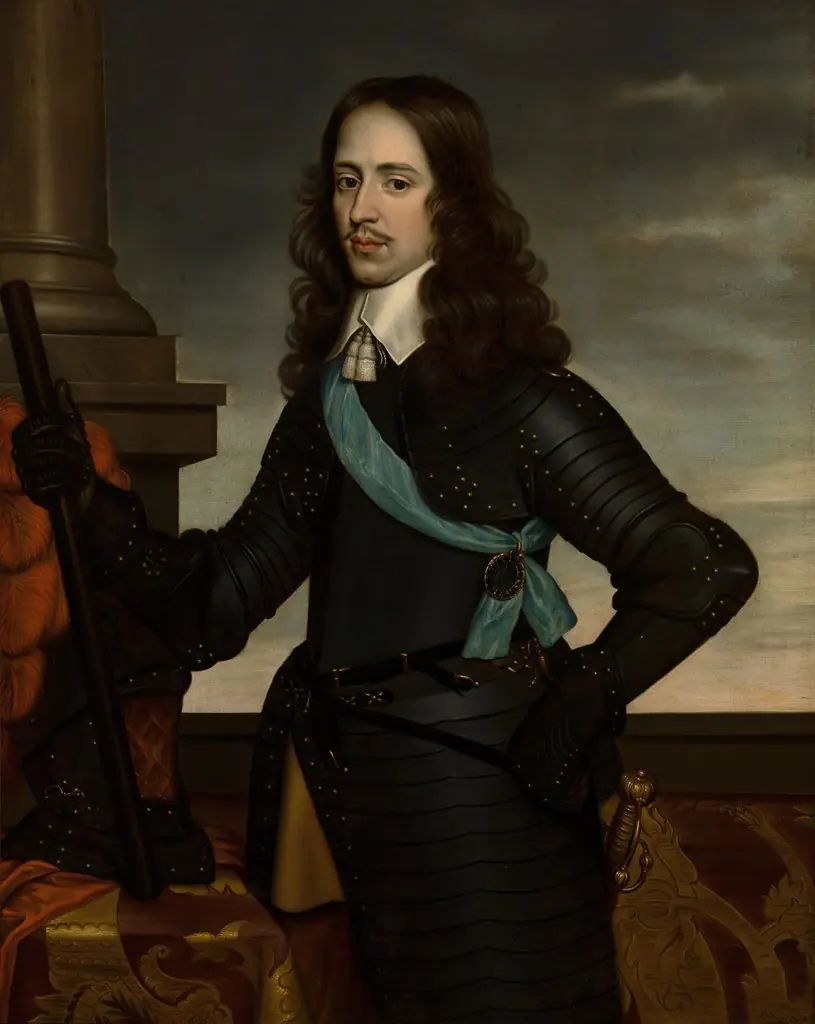 Portrait of Prince Willem II (1626-1650)
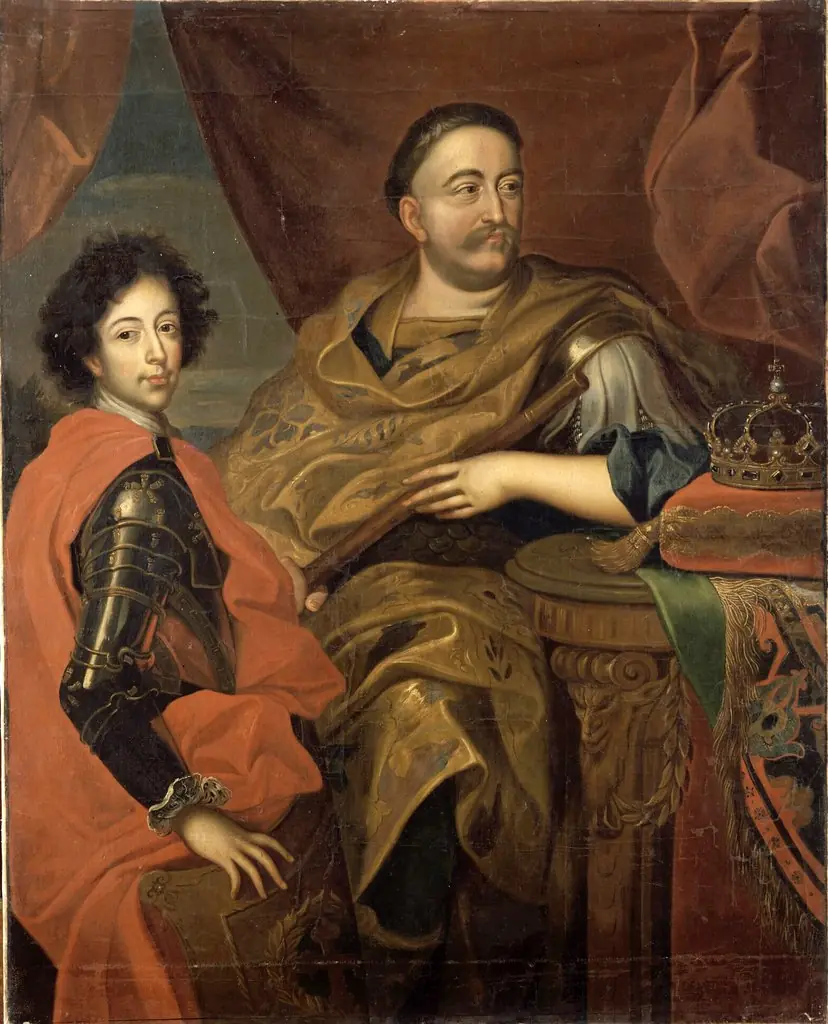 John III Sobieski, King of Poland (1624-1696) with one of his children
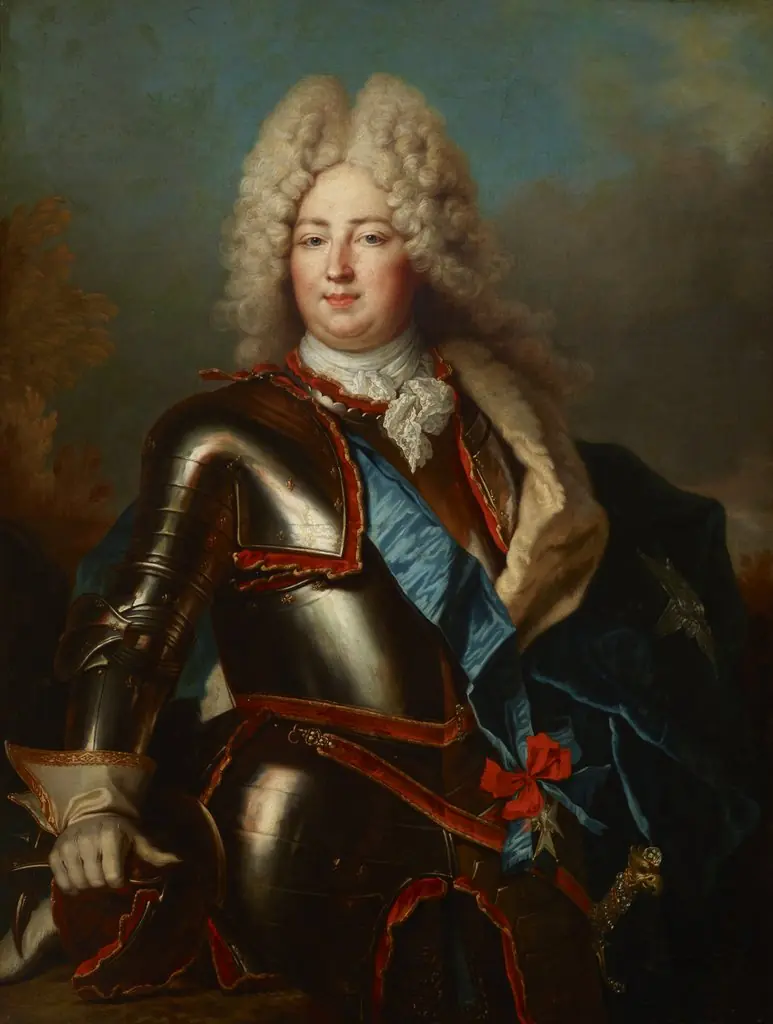 Portrait of Charles de France (1686–1714)
 Portrait of Louis XV of France
 Portrait of Jan Klemens Branicki (1689–1771)
- Portrait of Peter I (1672–1725)