Artwork
Mars, Minerva and Venus
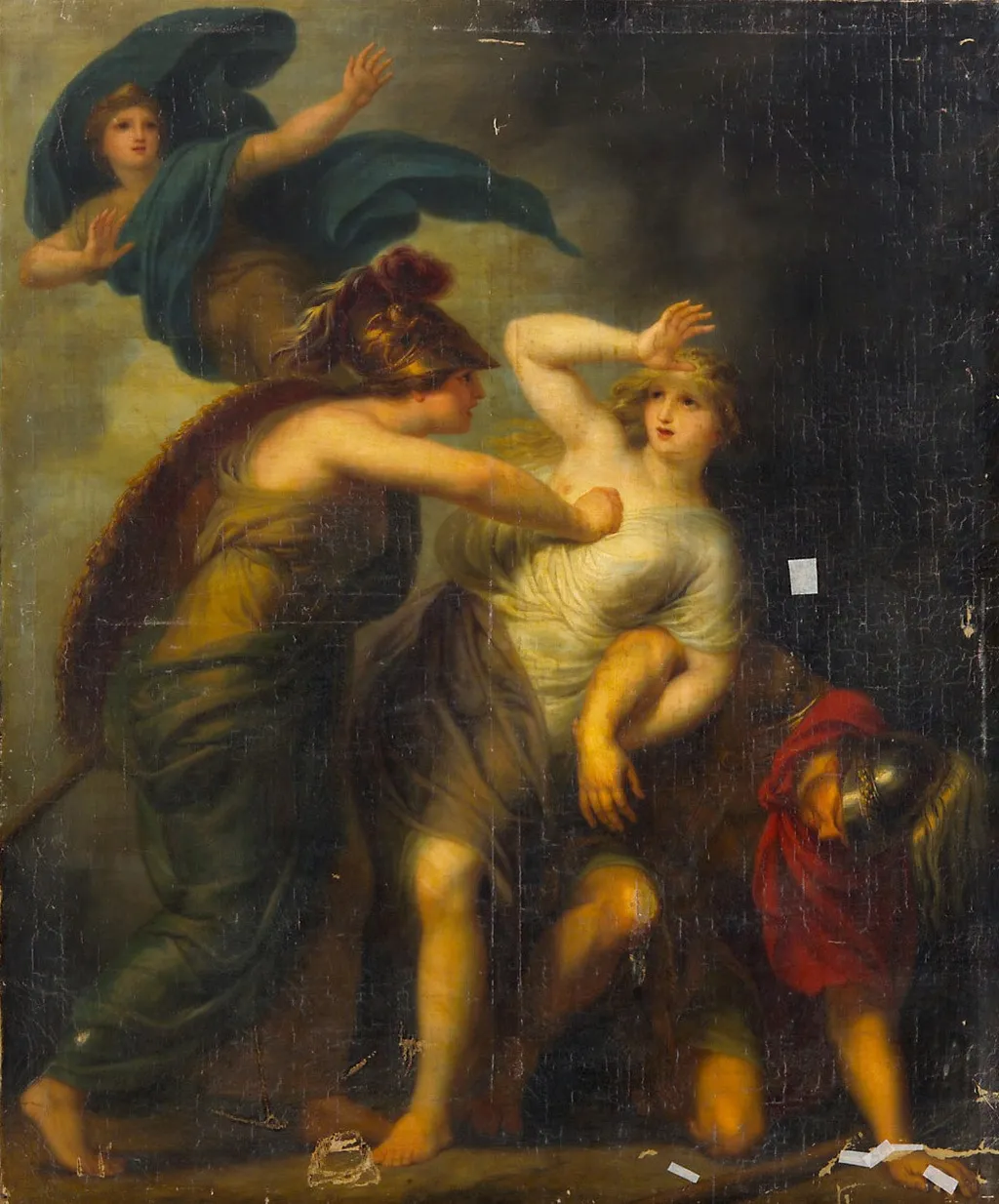
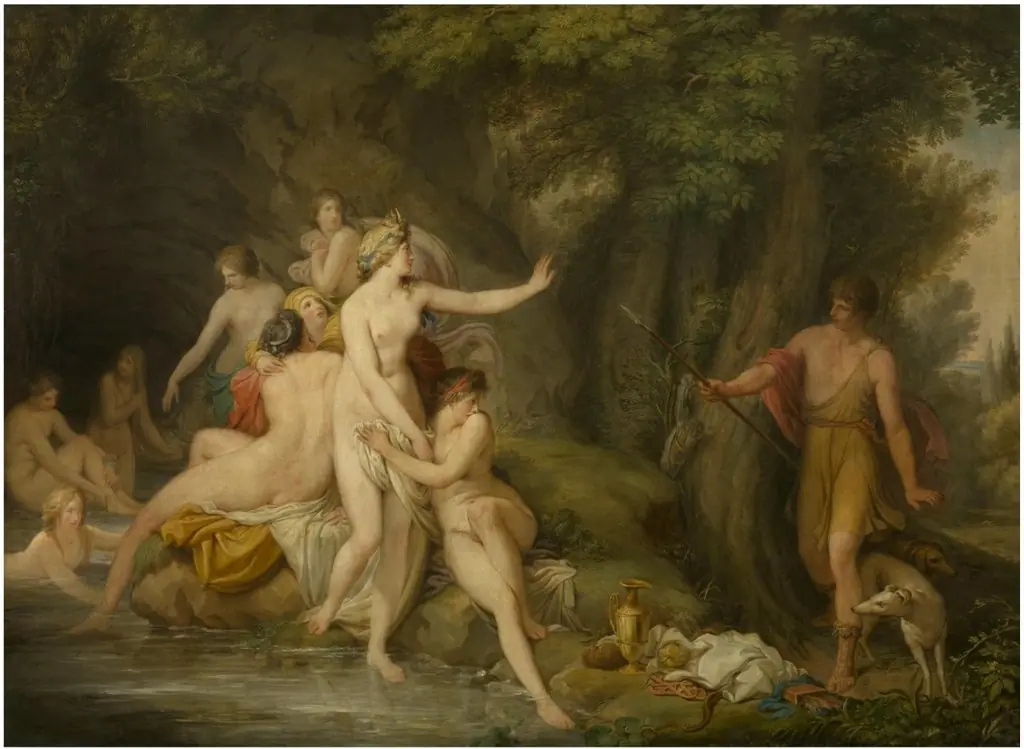
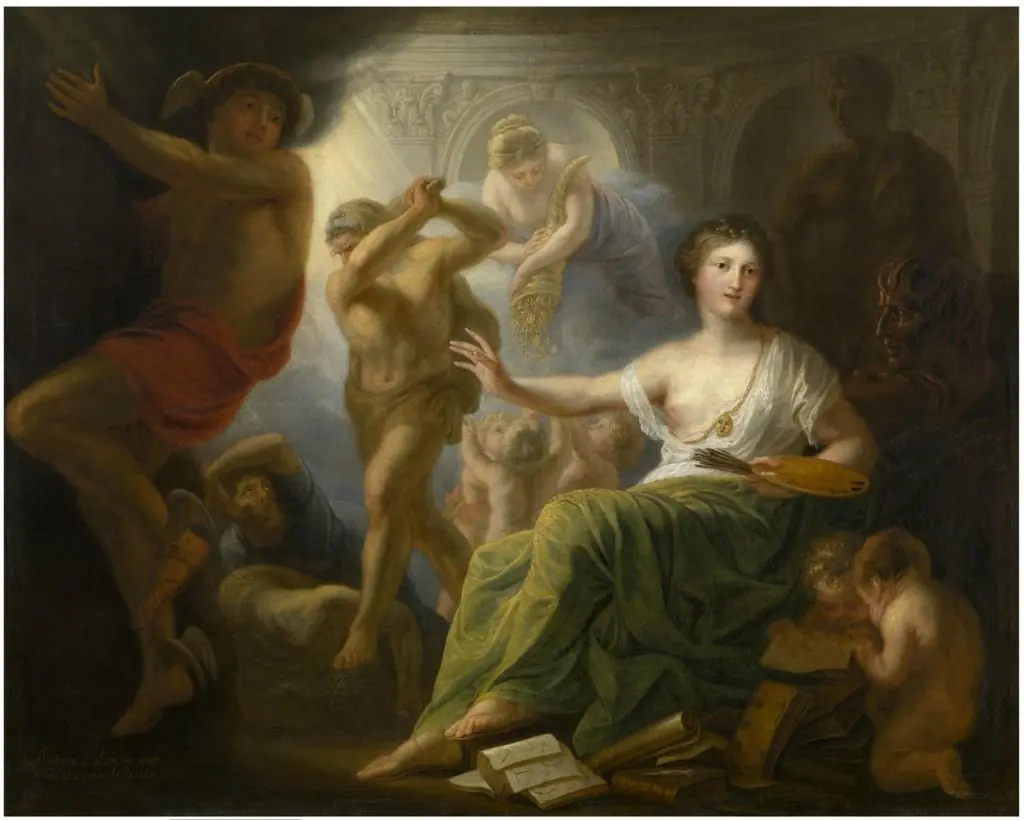
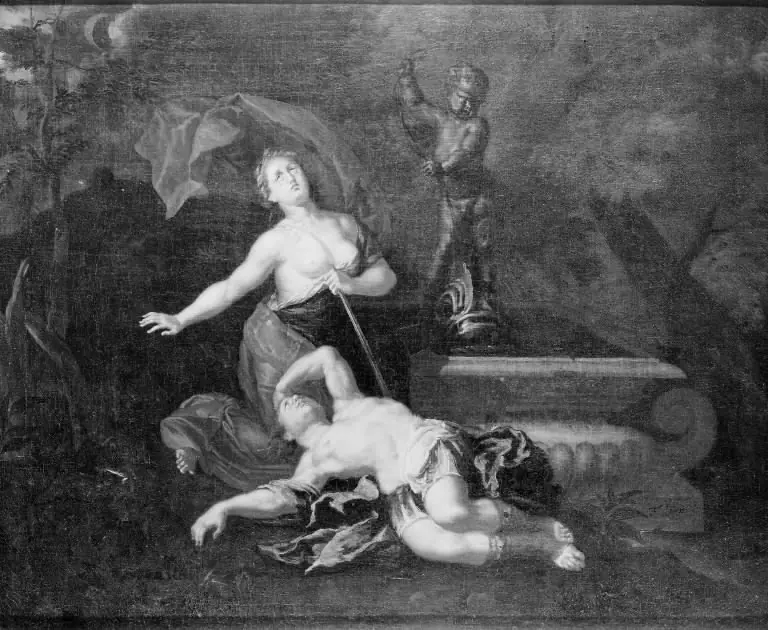
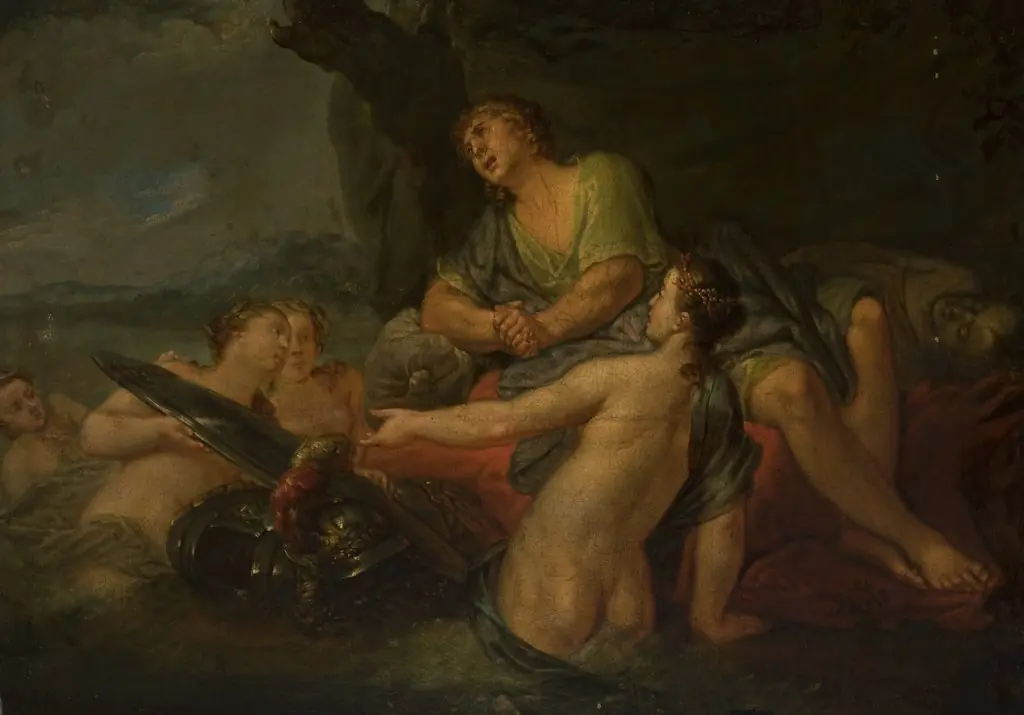
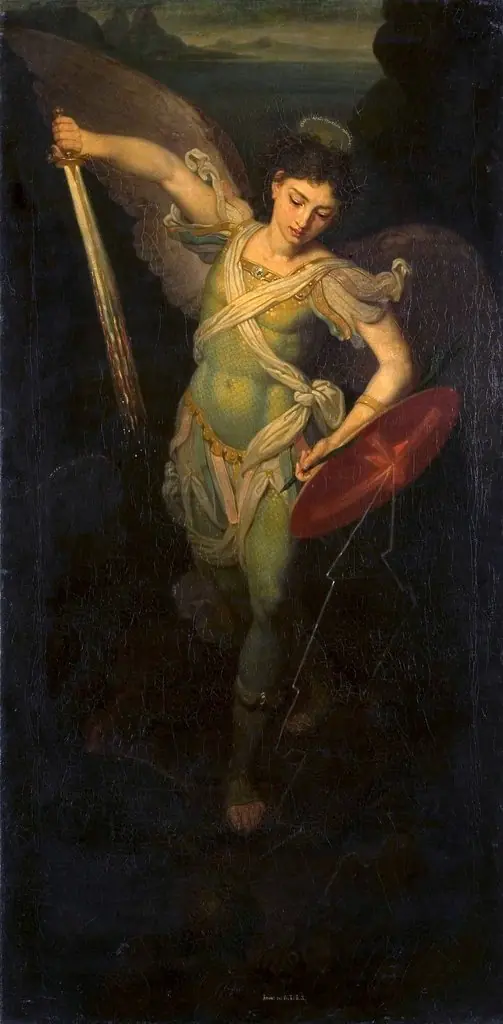
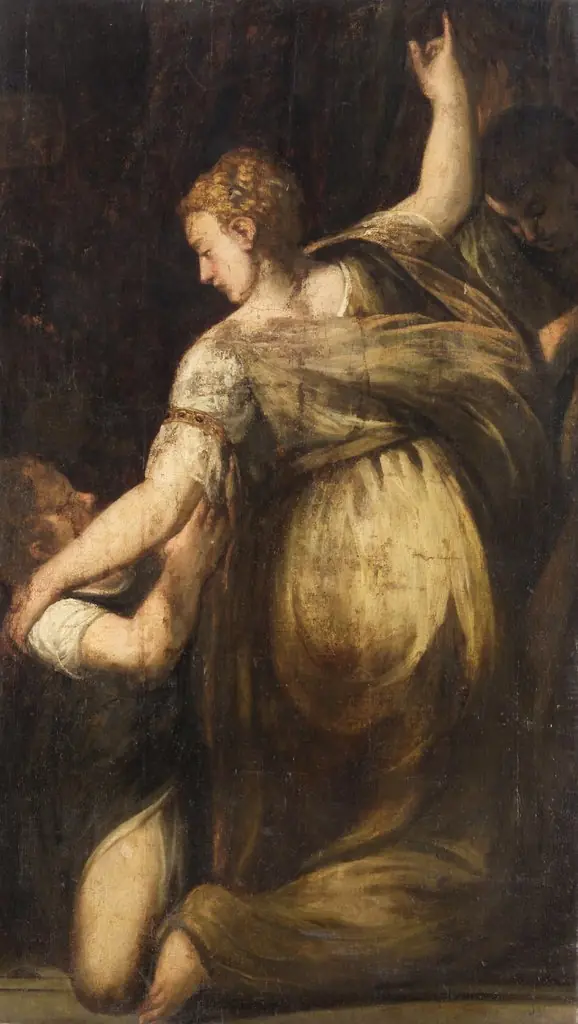
Mars, Minerva and Venus is an oil painting by the Rococo painting artist Andries Cornelis Lens. It dates from 1774 and is held in the collection of the Kunsthistorisches Museum.
About this work
Technique & Style
The work is dated to 1774 and is part of the collection of the Kunsthistorisches Museum in Vienna.
The painting is executed in oil paint on canvas, measuring approximately 141.5 cm in height and 118 cm in width. It is classified as a mythological work depicting Venus, Mars, and Minerva. The sources do not specify the artist’s handling technique, the current condition of the surface, or any particular stylistic characteristics beyond its genre and medium.
The work is dated to 1774 and is part of the collection of the Kunsthistorisches Museum in Vienna.
Legacy
The painting has been cited as an influential example of 18th-century mythological composition, particularly noted for its integration of classical themes with emerging neoclassical aesthetics. Scholars have referenced its handling of the figures as a precedent for later academic treatments of mythological subjects, especially in the way it balances narrative clarity with compositional harmony. Its presence in a major institutional collection has contributed to sustained scholarly discussion of its stylistic significance.
The work is held in the collection of the Kunsthistorisches Museum, where it remains part of the museum's displayed holdings.
The painting was created in 1774.
Overview
Andries Cornelis Lens completed the oil painting Mars, Minerva and Venus in 1774. Executed in a Rococo manner, the work brings together three mythological deities in a single, dramatic tableau. The canvas now belongs to the Kunsthistorisches Museum, where it is displayed as part of the museum’s European painting collection.
Subject & Meaning
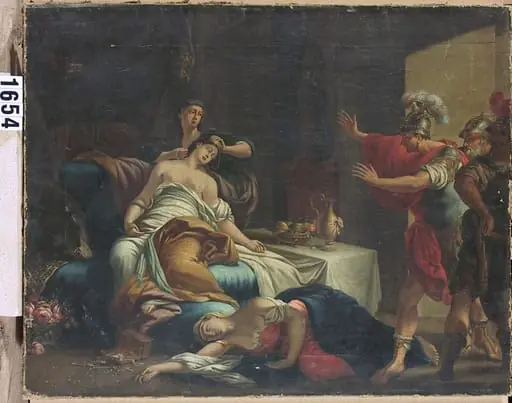
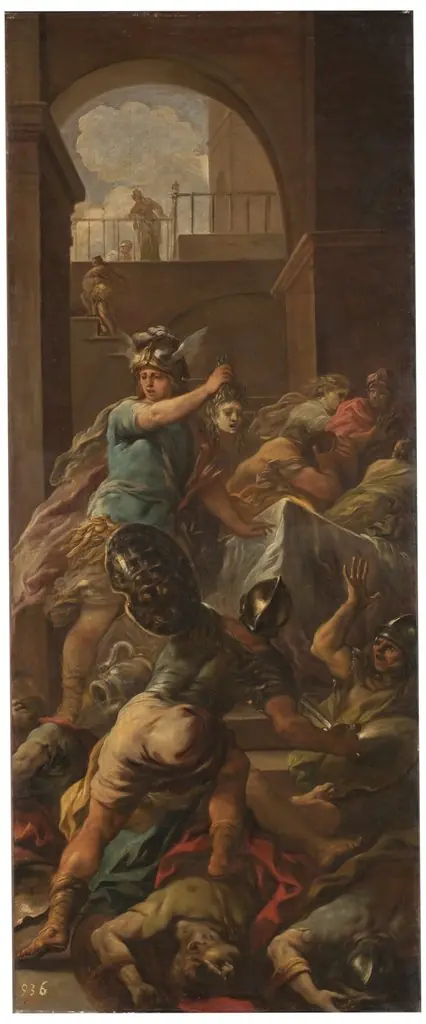
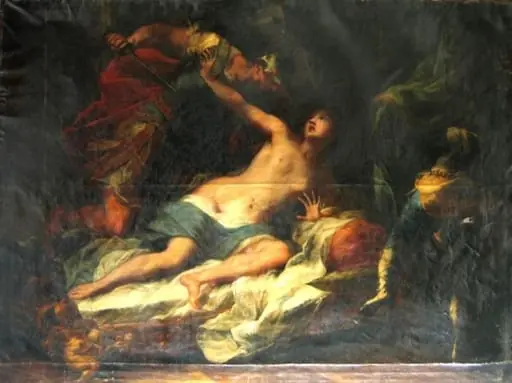
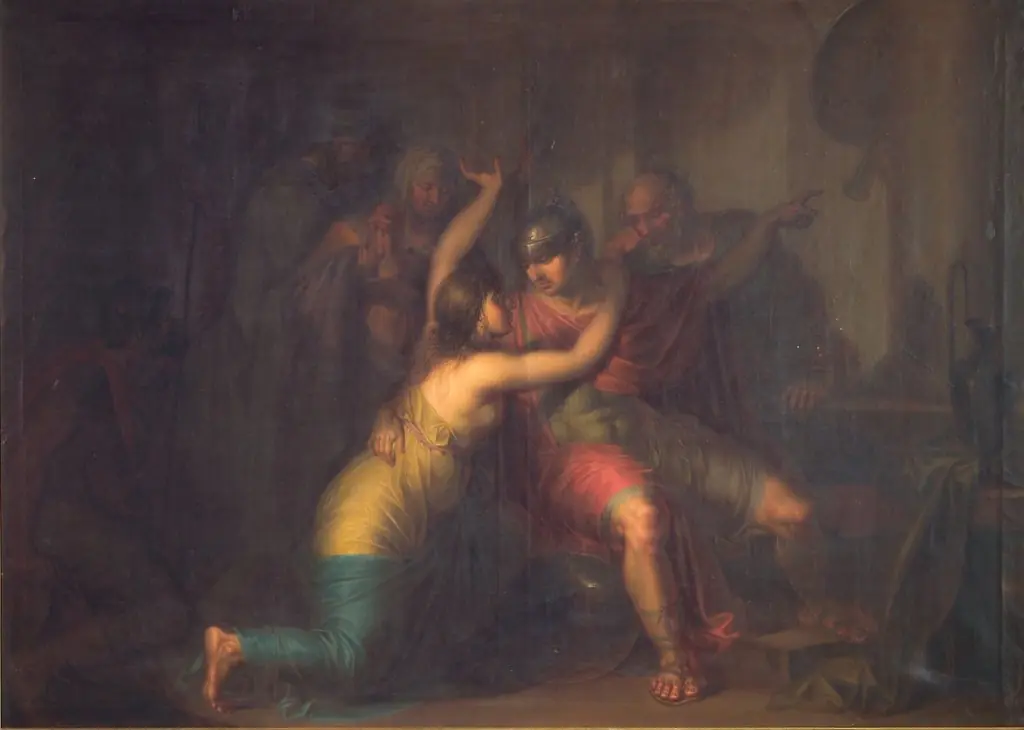
The composition centers on a woman in a white garment, identified as Venus, who is restrained by another female figure, likely Minerva. A kneeling male figure in red, representing Mars, occupies the foreground, while a blue‑clad figure hovers above, adding a sense of divine intervention. The arrangement suggests a narrative of conflict and negotiation among the gods.
History & Provenance
Born in Antwerp in 1739, Lens built a career as a history painter and portraitist before becoming director of the Academy of Fine Arts in his native city. His reputation earned him the position of court painter to the governor‑general. Mars, Minerva and Venus entered the Kunsthistorisches Museum’s holdings sometime after its creation, where it remains in the Flemish collection.
Context
Lens’s work bridges the late Rococo taste for decorative mythological scenes and the emerging Neoclassical emphasis on classical antiquity. Influenced by Raphael and the 16th‑century tradition, he advocated a return to classical ideals within Flemish art, a stance reflected in the disciplined composition and mythic subject of this painting.
Artist & collection
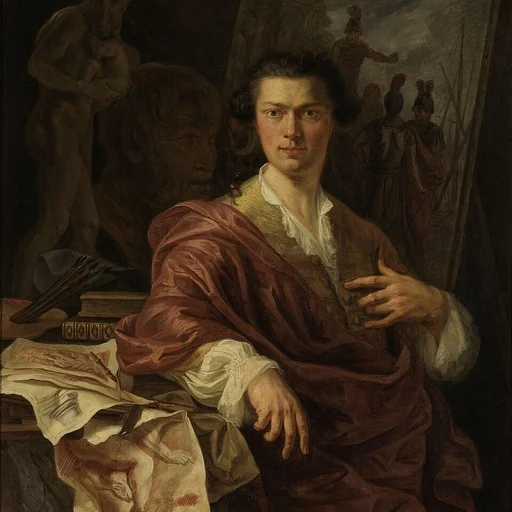
Artist
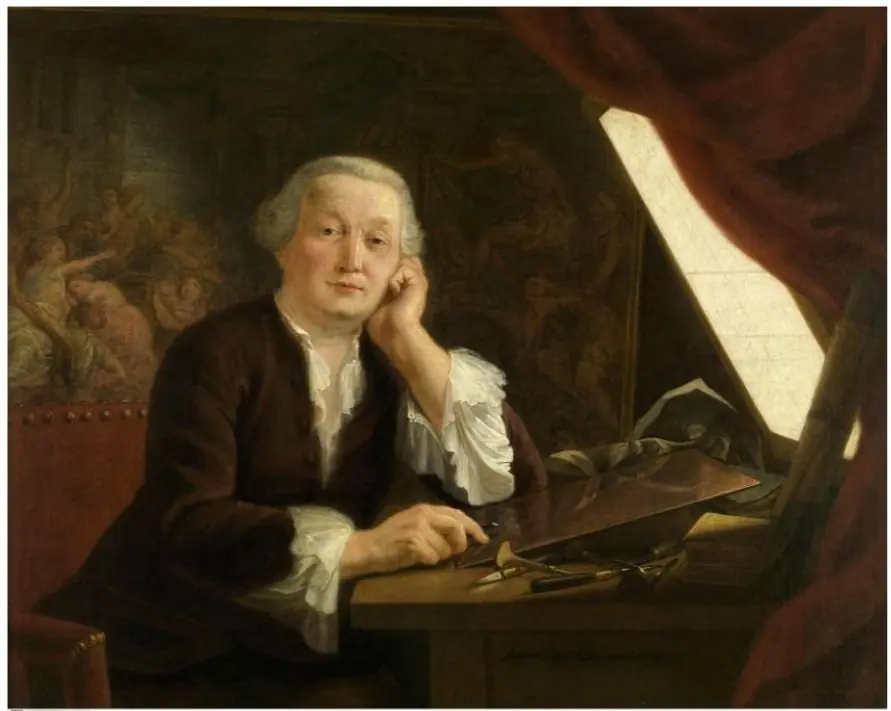
Andries Cornelis Lens or André Corneille Lens (Antwerp, 31 March 1739 – Brussels, 30 March 1822) was a Flemish painter, illustrator, art theoretician and art educator.