Artwork
Miss Jean Christie
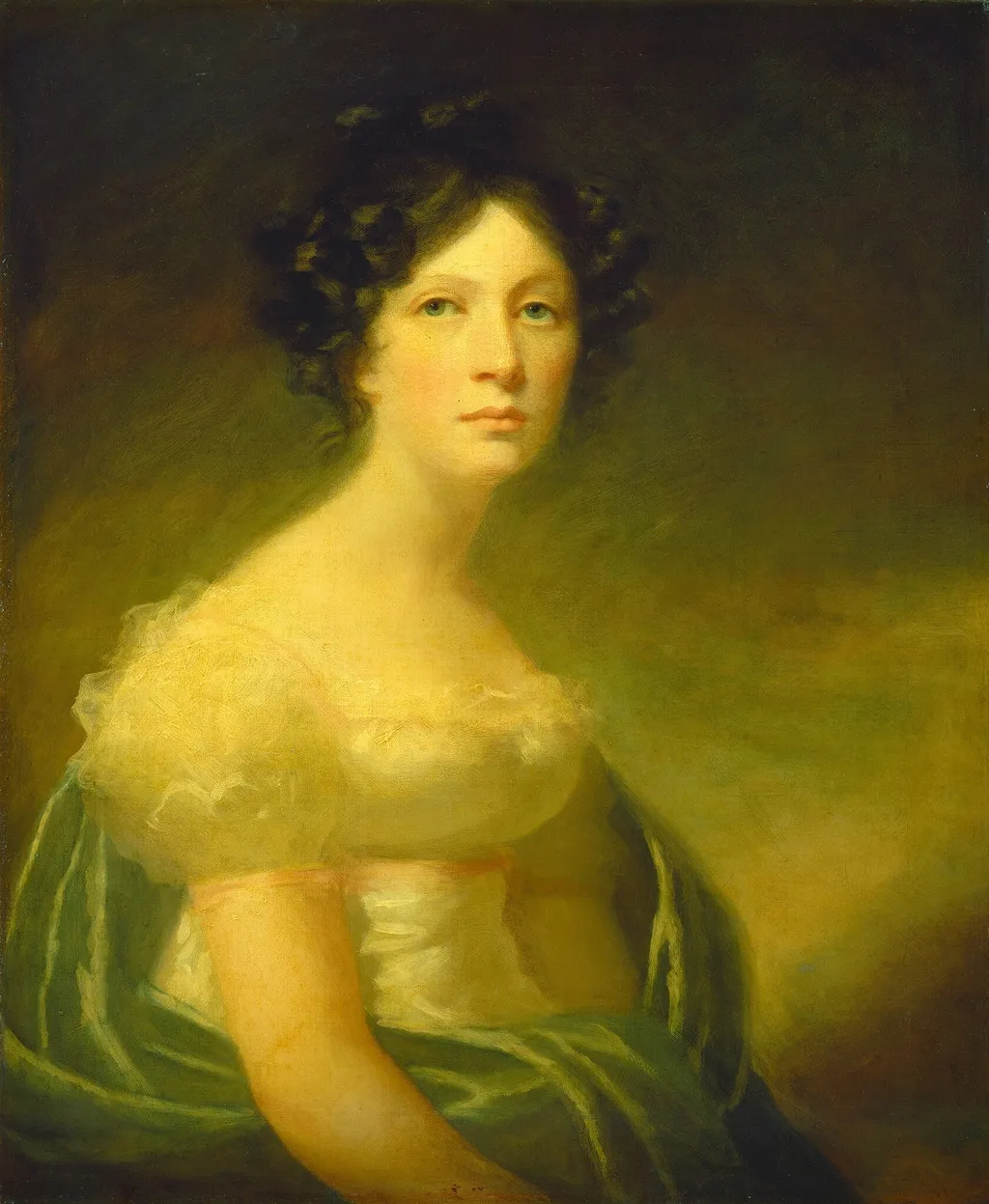
Miss Jean Christie is an oil painting by the Biedermeier artist Style of Sir Henry Raeburn. It dates from 1820 and is held in the collection of the National Gallery of Art.
About this work
History & Provenance
No specific exhibition records are documented in the available sources, and an official accession number has not been provided in the cited documentation.
Executed in 1810, this oil portrait was originally held by Elizabeth, the 5th Duchess of Gordon. Upon her death in 1864, the work passed by descent to the sitter's half-brother, Adam Gordon. It subsequently transferred to his widow, who later married a Mr. Reid, and eventually to her grandson, Major Duggan of Newton Garrie, Scotland.
Following Duggan's death prior to 1918, his widow sold the painting in 1929 to the New York dealer P. Jackson Higgs. In December of that same year, Mrs. William H. Moore of New York acquired the piece from Higgs. The artwork remained within the Moore family, passing to their son Edward Small Moore and then to his wife, Jean McGuinley Moore. In 1954, Jean McGuinley Moore bequeathed the painting to the National Gallery of Art in Washington, D.C.
Miss Jean Christie is held by the National Gallery of Art in Washington, D.C. The work entered the museum by bequest in 1954 from Jean McGuinley Moore, who inherited it through a chain of descents from the sitter’s half‑brother Adam Gordon to Major Duggan and later to the Moore family. The painting is listed in the National Gallery of Art’s collection and is catalogued as part of the museum’s holdings. No specific exhibition records are documented in the available sources, and an official accession number has not been provided in the cited documentation.
Legacy
Miss Jean Christie, an early‑19th‑century oil portrait, entered the National Gallery of Art in 1954 through the bequest of Jean McGuinley Moore, whose family lineage traces back to the sitter’s half‑brother Adam Gordon and ultimately to Major Duggan; the work passed through several Scottish and American owners before this donation. Scholarly catalogues record it as an anonymous piece associated with Sir Henry Raeburn, noting its 1810 inception and dimensions. Its presence in a major U.S. museum and documented provenance have contributed to renewed interest in Scottish portraiture of the period, positioning the painting as a representative example of transatlantic art collecting in the early 20th century.
Overview
Miss Jean Christie is an oil on canvas painting that captures a woman seated in a chair. The artist rendered her with considerable detail, particularly in her attire and facial features, creating a realistic portrayal. The work's aesthetic qualities suggest an earlier period of art history, though the specific origins and the identity of its creator are not definitively known at present.
Subject & Meaning
The sitter, known as Miss Jean Christie, is depicted wearing an elegant dress and a fashionable hat. Her elaborate clothing suggests a degree of prosperity, indicating that she likely belonged to a family of significant means. The artist's focus on these sartorial elements conveys her social standing, offering a glimpse into the societal expectations and presentation of wealth during the period.
Technique & Style
The painting demonstrates a meticulous approach to rendering detail, evident in the lifelike quality of the sitter's face and the intricate textures of her garments. Although the artist remains unidentified, the work's visual characteristics align with historical artistic traditions. The sophisticated application of paint, possibly incorporating techniques like glazing, contributes to the depth and realistic finish observed in the portrait.
Artist & collection
Artist

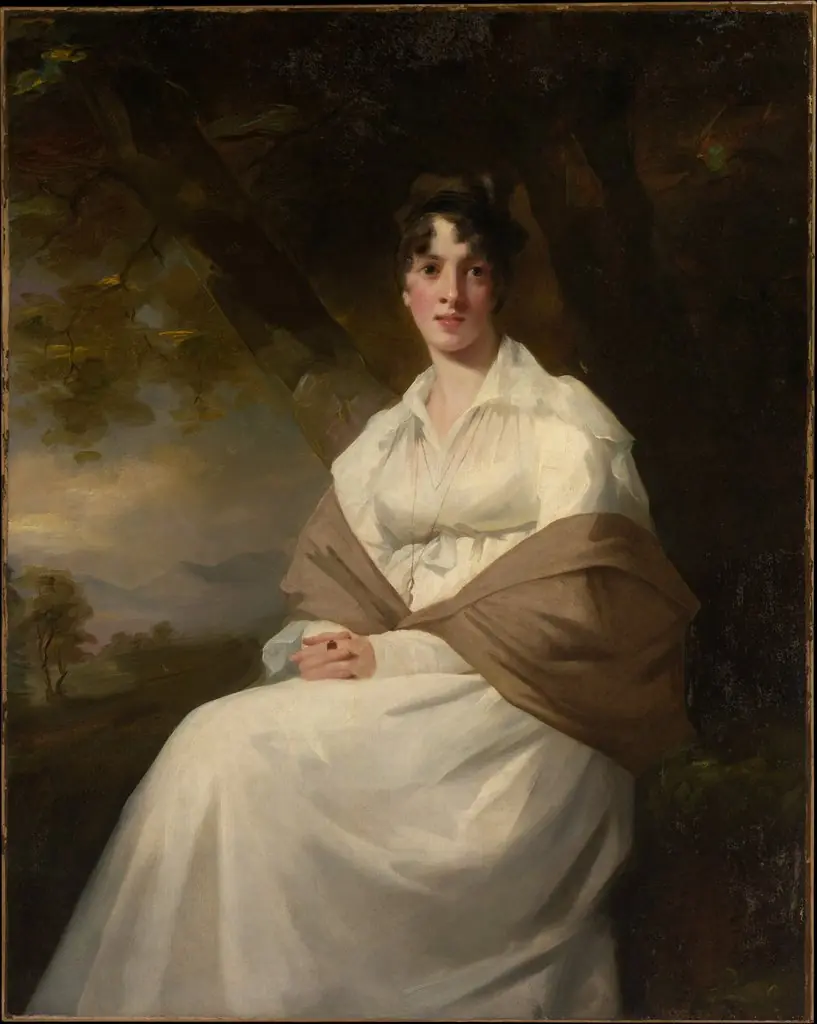
- Lady Maitland (Catherine Connor, died 1865)
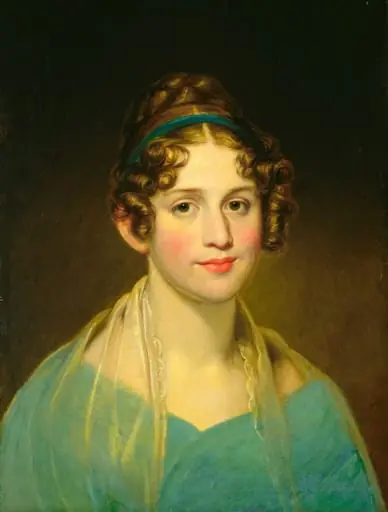 Sarah Blake Sturgis
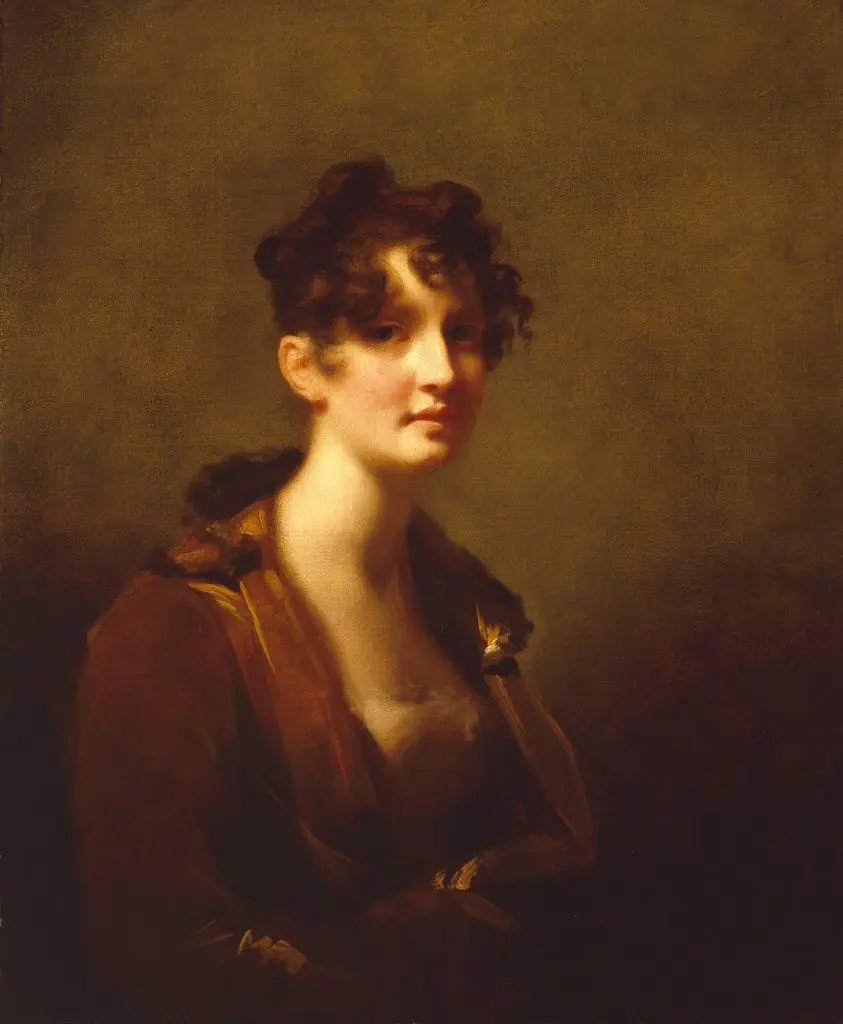 Mrs. Irvine J. Boswell
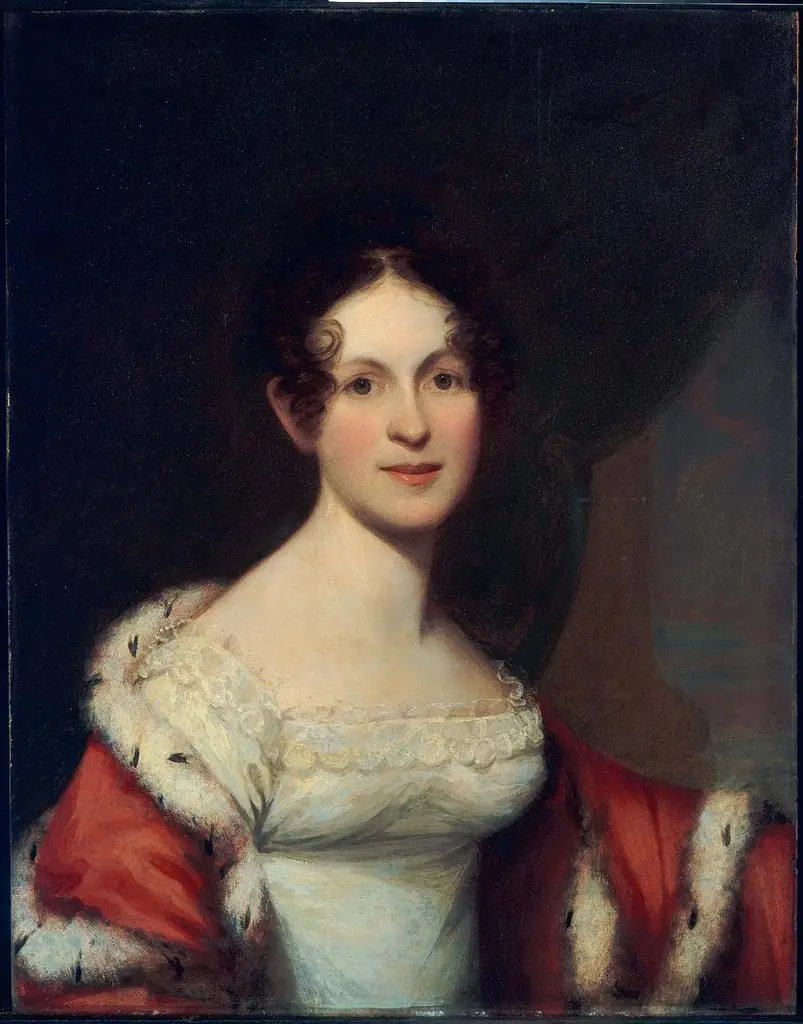 Mrs. Nathaniel West, Jr. (Mary White)
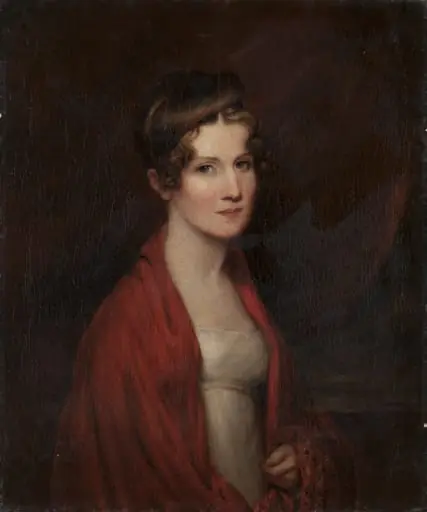 Mary Fairlie Cooper
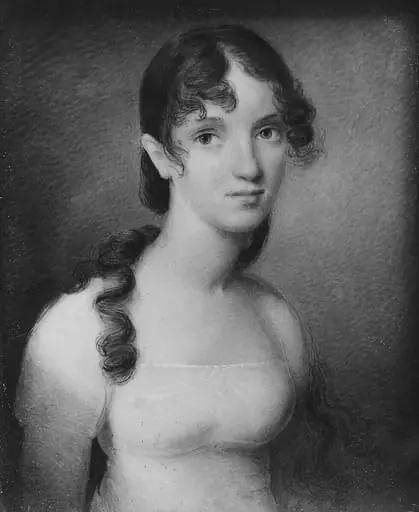 Mrs. Robert Watts (Matilda Ridley)
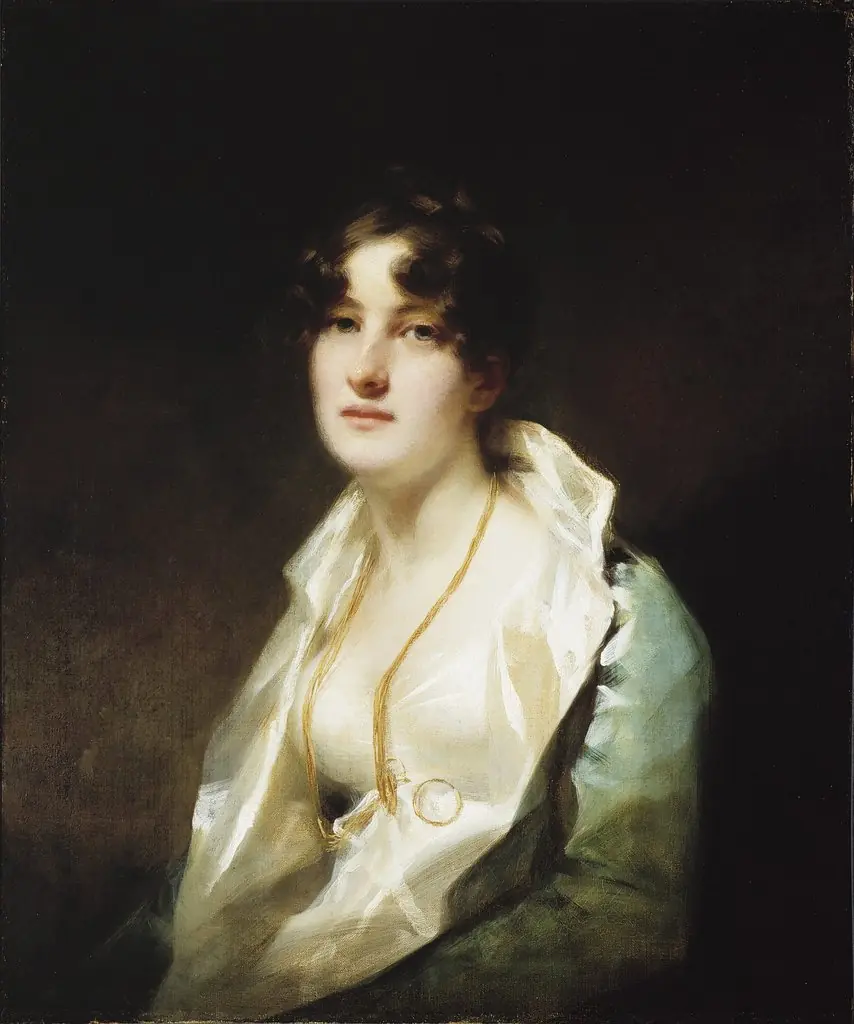 Mrs. Alexander Campbell of Possil
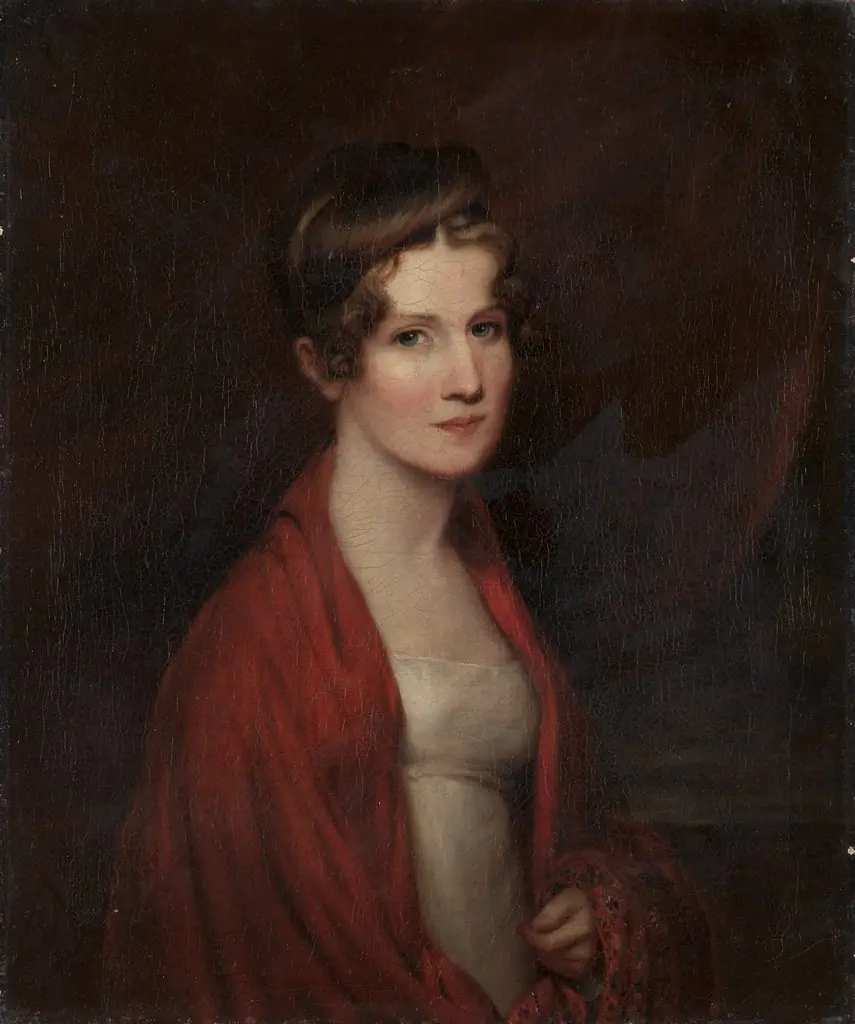 Mary Fairlie Cooper
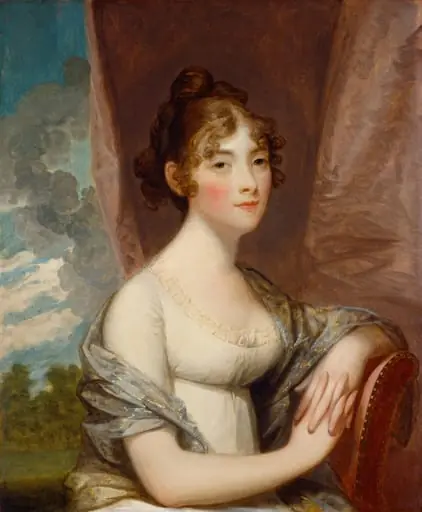 Ann Barry
 Maria Bartlett (Mrs. Joseph Hall, Jr.)
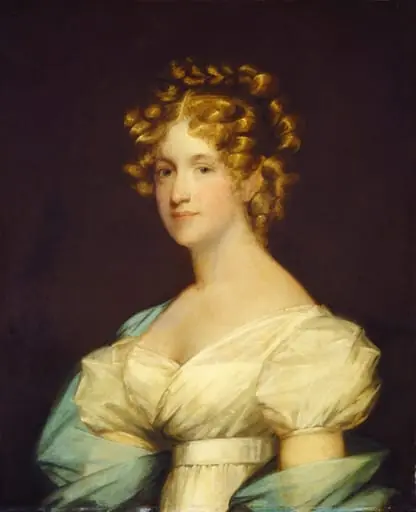 Charlotte Morton Dexter (Mrs. Andrew Dexter)
 Miss Eleanor Urquhart