Artwork
Queen Elizabeth
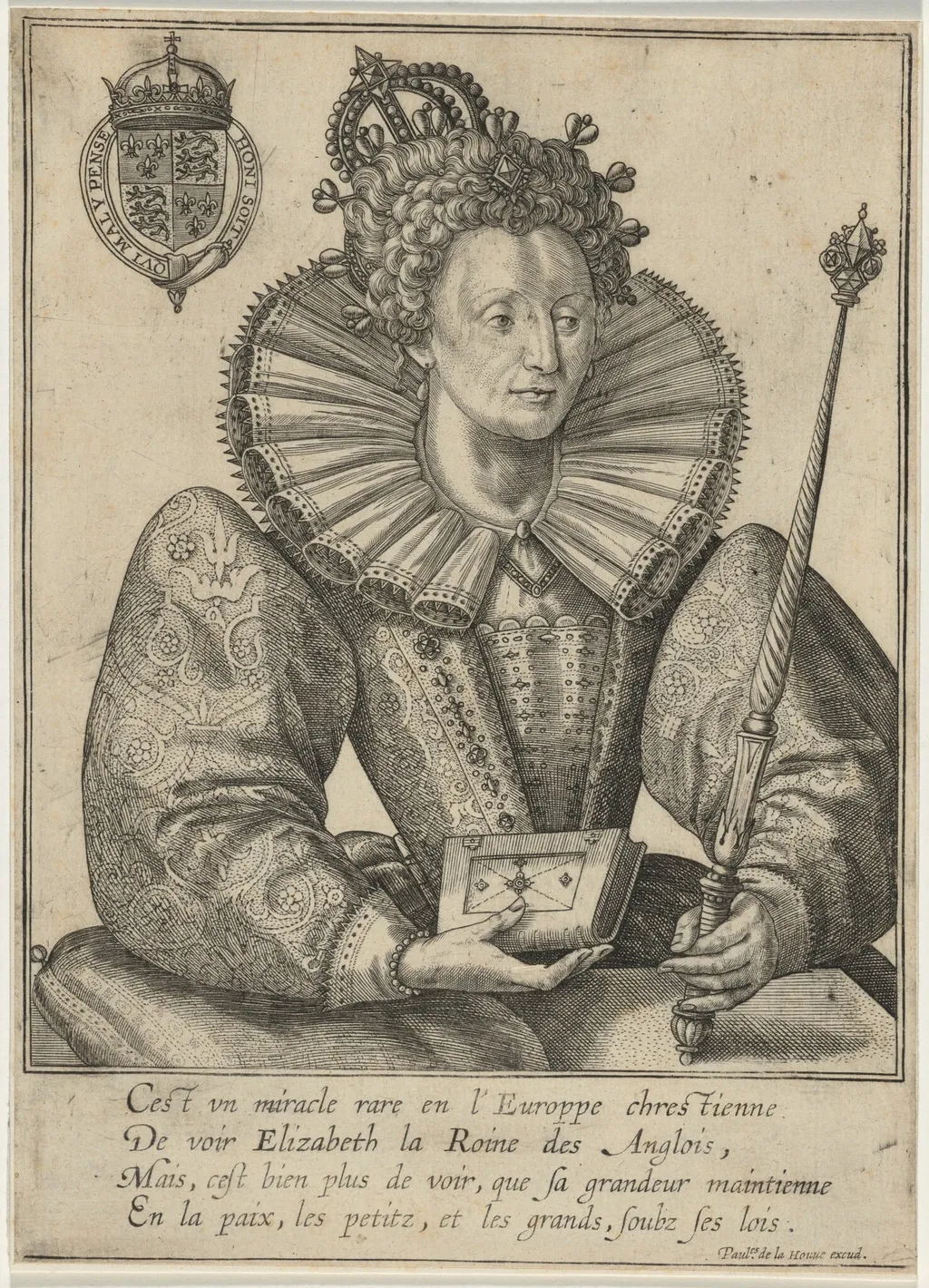
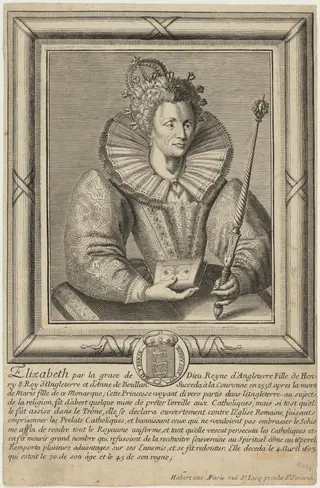
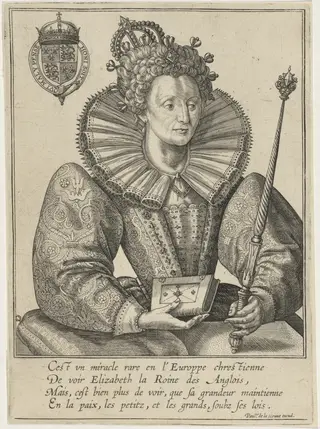
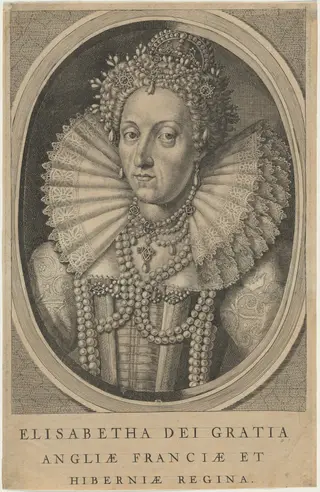
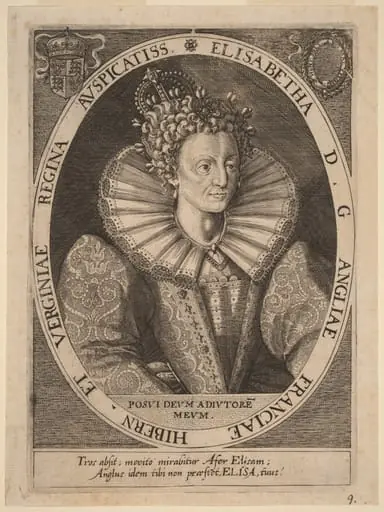
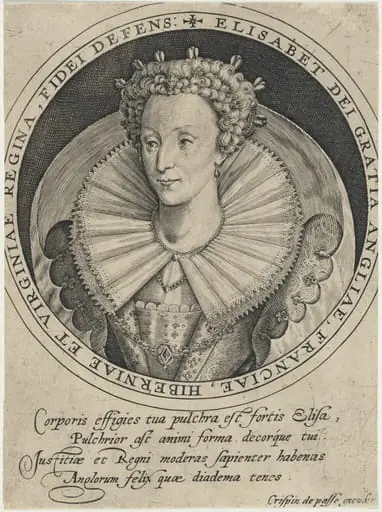
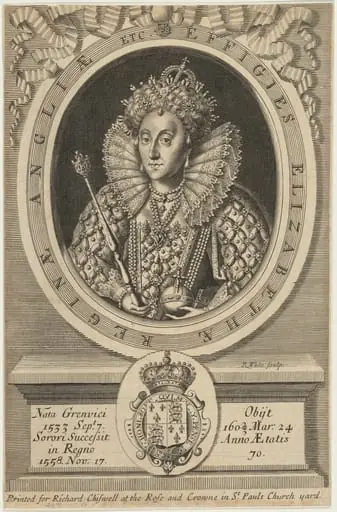
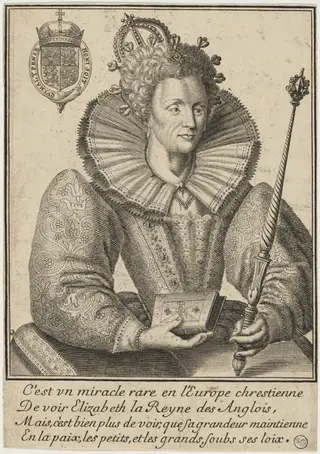
Queen Elizabeth is an ink print by the Renaissance artist after Crispijn de Passe I. It dates from 1601 and is held in the collection of the National Gallery of Art.
About this work
Overview
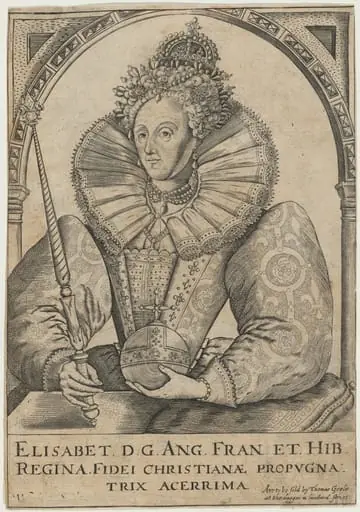
This 16th-century engraving depicts Queen Elizabeth in regal attire, surrounded by symbols of power and nobility, including a globe, scepter, and heraldic shield featuring a lion and crown.
Subject & Meaning
The subject, Queen Elizabeth, is portrayed as a figure of Christian European distinction, described in the accompanying text as a 'rare miracle'. The globe and scepter signify her worldly authority and royal power.
Technique & Style
The engraving showcases meticulous craftsmanship through the use of fine lines to achieve detailed textures and shading, characteristic of the medium's capabilities.
History & Provenance
Specific historical provenance details for this engraving are not provided, though its style and subject suggest it was created during Queen Elizabeth's reign (1558-1603).
Context
Produced within the context of Elizabethan England, the work reflects the era's artistic and political climate, where such images served to reinforce the monarch's image and authority.
Legacy
The engraving's legacy lies in its representation of Elizabethan iconography and the evolution of printmaking techniques during this period, though its individual impact or influence on later art is not explicitly documented here.
Artist & collection
Artist