Subject
Sceptre
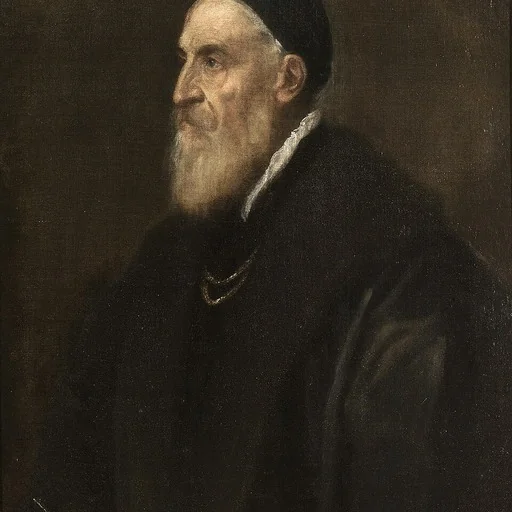
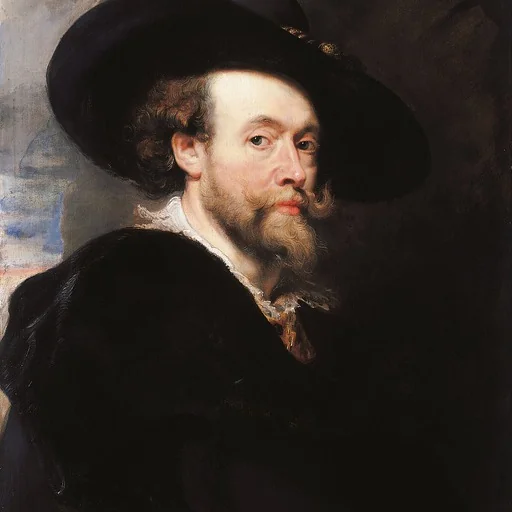
Sceptre is a subject in art. The gallery holds 57 works in this subject in art, including works by Titian, Peter Paul Rubens and François Gérard.
Sceptre is an imprint of Hodder & Stoughton, a British publishing house that is a division of Hachette UK. Founded in 1986 as the literary imprint of Hodder & Stoughton, Sceptre’s remit is to publish original fiction and non-fiction that aims not just to entertain and absorb but also to stretch the mind: to be thought-provoking, stimulating, surprising and enlightening.
Key artists
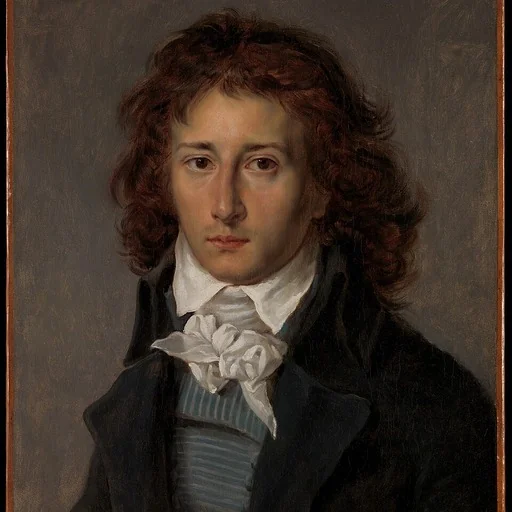

Overview
A sceptre is a ceremonial staff or rod held by a ruling monarch or deity as a visual attribute of sovereign authority and power. Recurring across diverse cultures and historical periods, the motif appears in art and material culture as a potent shorthand for legitimacy, divine right, and temporal rule. From ancient Egyptian temple equipment to medieval European regalia and Chinese hardstone carvings, the sceptre functions as a consistent symbol of might and governance, bridging the human and divine realms.
Iconography & meaning
The iconography of the sceptre is rooted in its association with power and legitimacy. In ancient Egypt, the uas sceptre featured the head of the god Seth and terminated in vestigial legs. The hieroglyphic sign for this staff equated to the Egyptian word w3s, meaning power, and it was typically placed in the hands of gods as a symbol of their might. In medieval France, the sceptre of Charles V communicated dynastic legitimacy by featuring a statuette of Charlemagne seated atop a fleur-de-lis, directly referencing the Valois dynasty's Carolingian ancestry. The inclusion of the lily further anchored the object to French royal iconography, while inscriptions named Charlemagne as the emperor of Italy, Rome, and Gaul.
Across movements & periods
The treatment and form of the sceptre vary significantly across periods and cultures. In New Kingdom Egypt during the reign of Amenhotep II, monumental ritual uas sceptres were crafted from turquoise-glazed faience and painted with royal titulary, functioning as temple equipment. In Gothic medieval Europe, exemplified by the French regalia created before 1380, goldsmiths constructed sceptres of gold and vermeil, incorporating precious stones, pearls, and enamelwork to project dynastic continuity. By the 18th century in China, the form was interpreted through rock crystal carving, reflecting different aesthetic and symbolic traditions. Later, in the 19th century, European portraiture used the sceptre as a standard attribute of coronation iconography.
Notable depictions
Notable historical depictions of the sceptre exist as both physical regalia and artistic representations. The Sceptre of Charles V, created in Paris before 1380, is a seminal piece of French royal regalia. Attributed to the goldsmith Hennequin Du Vivier, it features a shaft engraved with fleurs-de-lis and a pommel depicting scenes from the legend of Charlemagne. It was restored in 1804 by Martin-Guillaume Biennais for the coronation of Napoleon I, and was also used in the coronation of Charles X in 1825. Another significant object is the monumental uas sceptre of Amenhotep II from Naqada, a blue-green faience staff bearing the Seth animal head and the king's full titulary. Additionally, an 18th-century Chinese rock crystal sceptre demonstrates the motif's reach, while a portrait of a woman in a silver dress holding a sceptre illustrates its role in later European iconography.
Legacy
The sceptre's legacy extends from its original ceremonial function into museum collections and modern cultural heritage. The Sceptre of Charles V, initially placed in the treasury of the Abbey of Saint-Denis in 1380, was seized during the French Revolution and transferred to the museum in 1795. It subsequently entered the Louvre in 1852, where it remains in the Department of Medieval, Renaissance, and Modern Art Objects. The Egyptian uas sceptre of Amenhotep II, excavated in fragments by Flinders Petrie in 1894, was donated to the Victoria and Albert Museum, preserving its legacy as an emblem of divine power. These objects continue to be studied for their political and art historical significance, with the Louvre sceptre featured in recent exhibitions exploring the theater of power.
Works
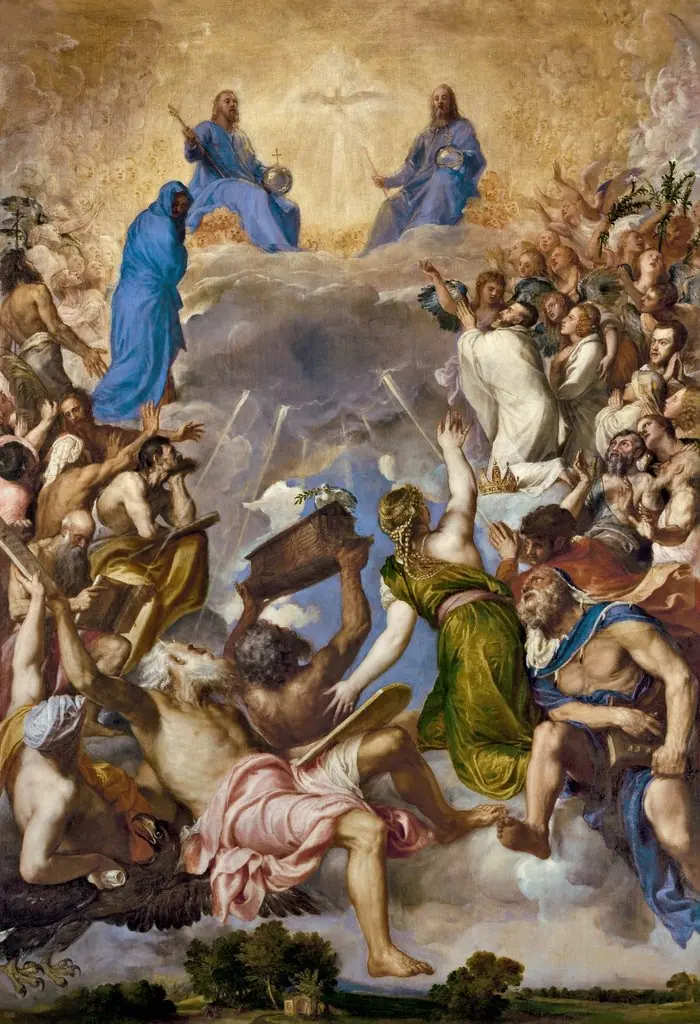 La Gloria
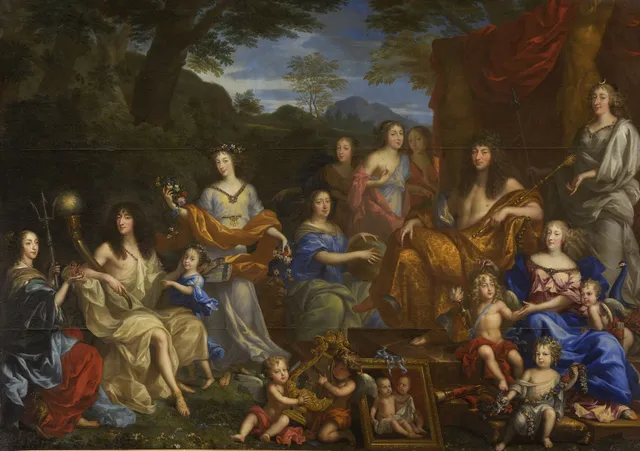
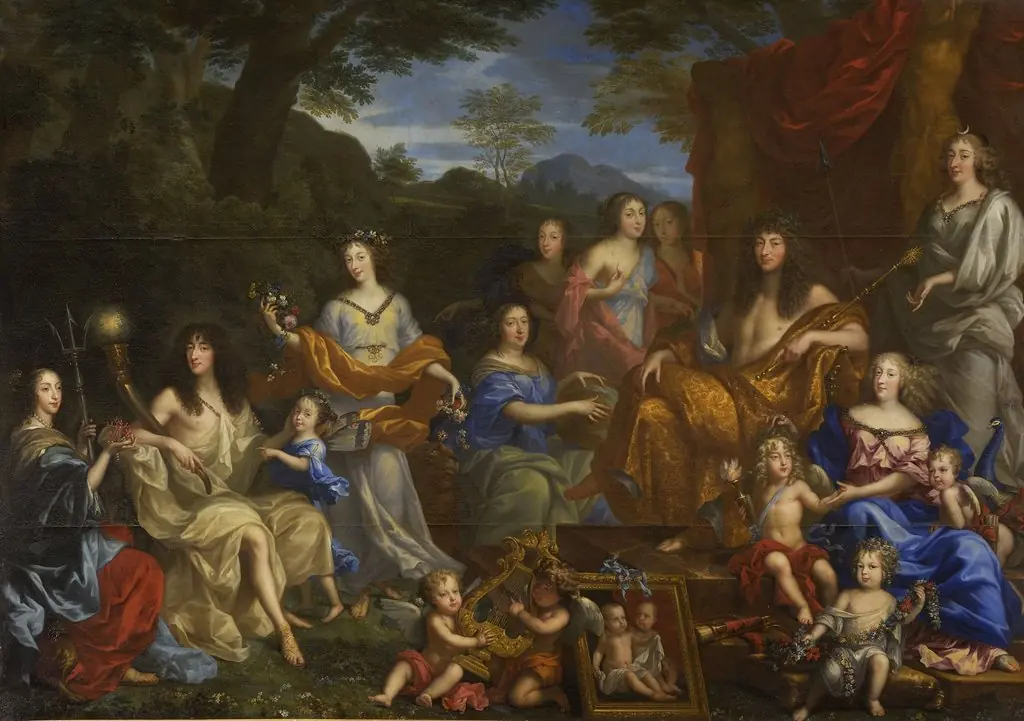 Mythological portrait of Louis XIV and the royal family
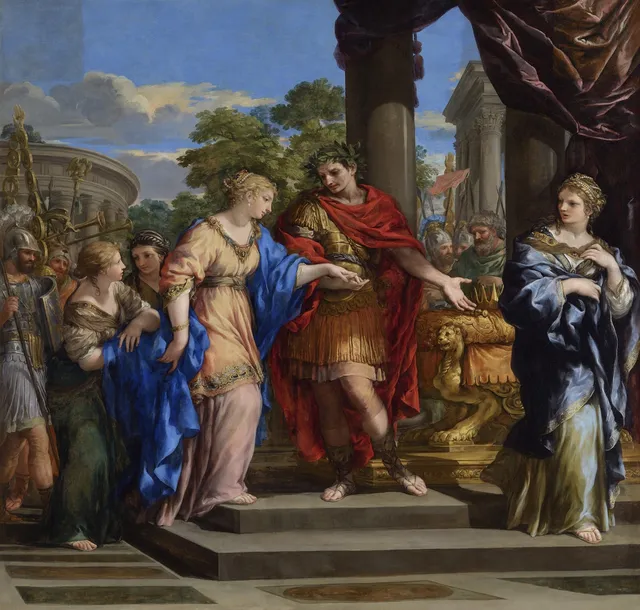
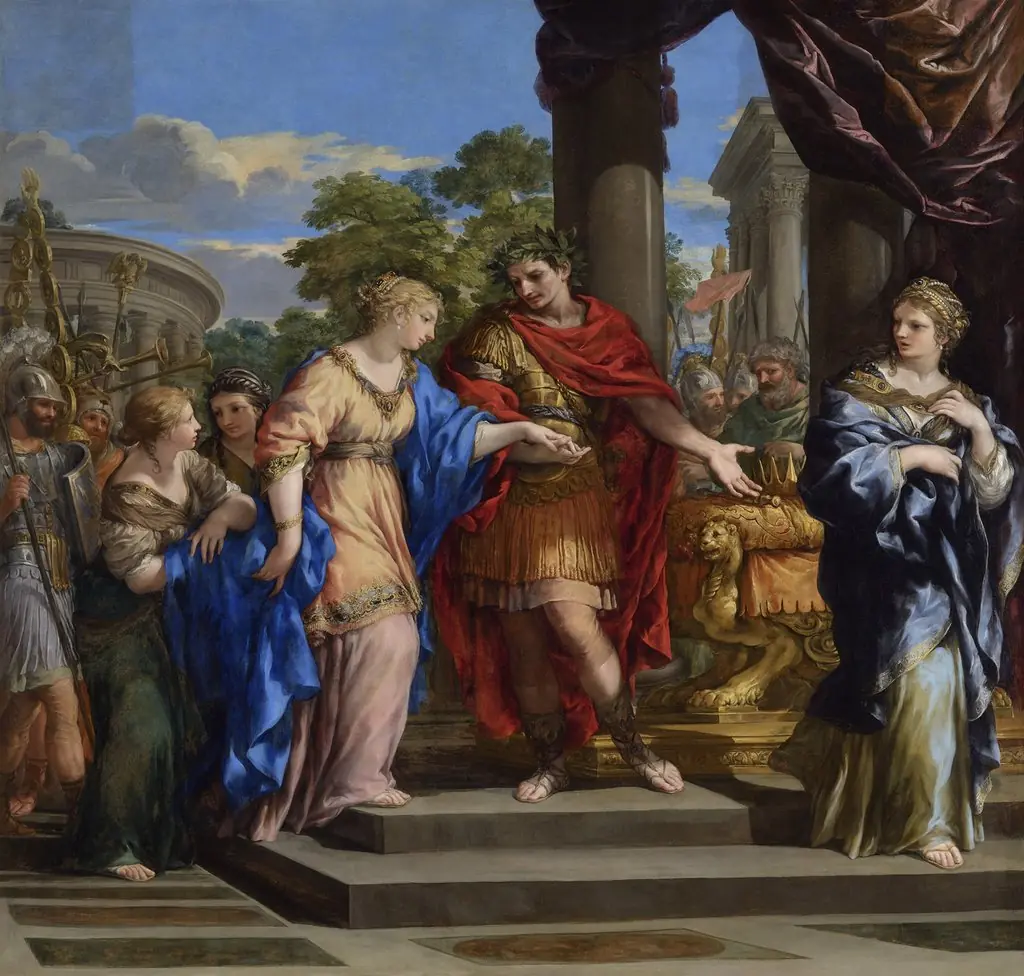 Caesar Giving Cleopatra the Throne of Egypt
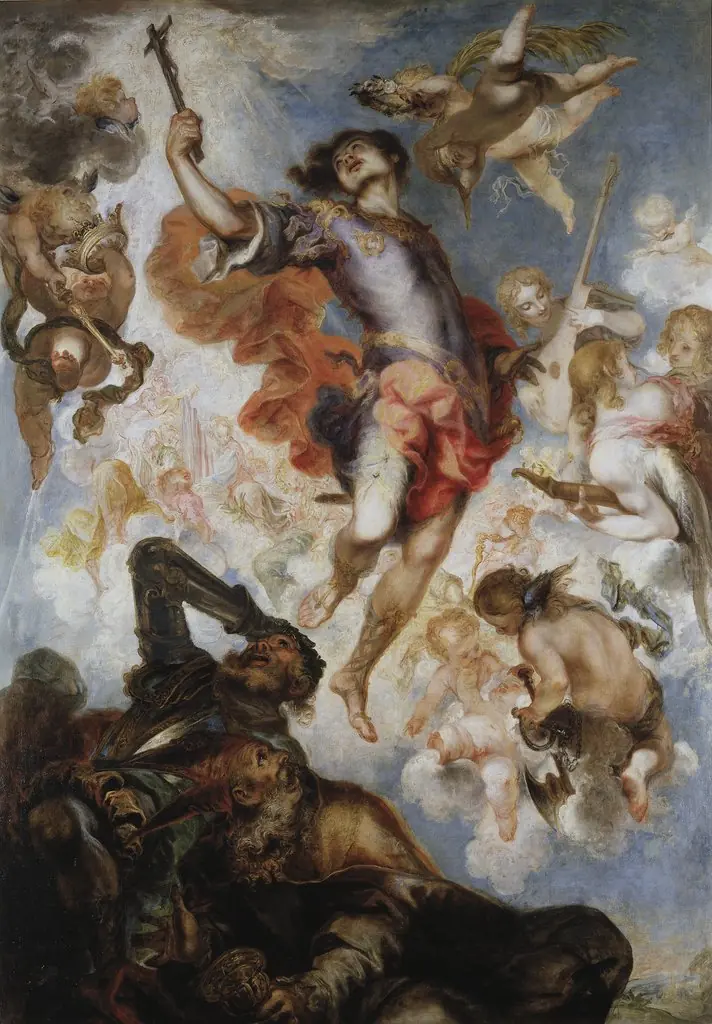 The Triumph of Saint Hermenegildo
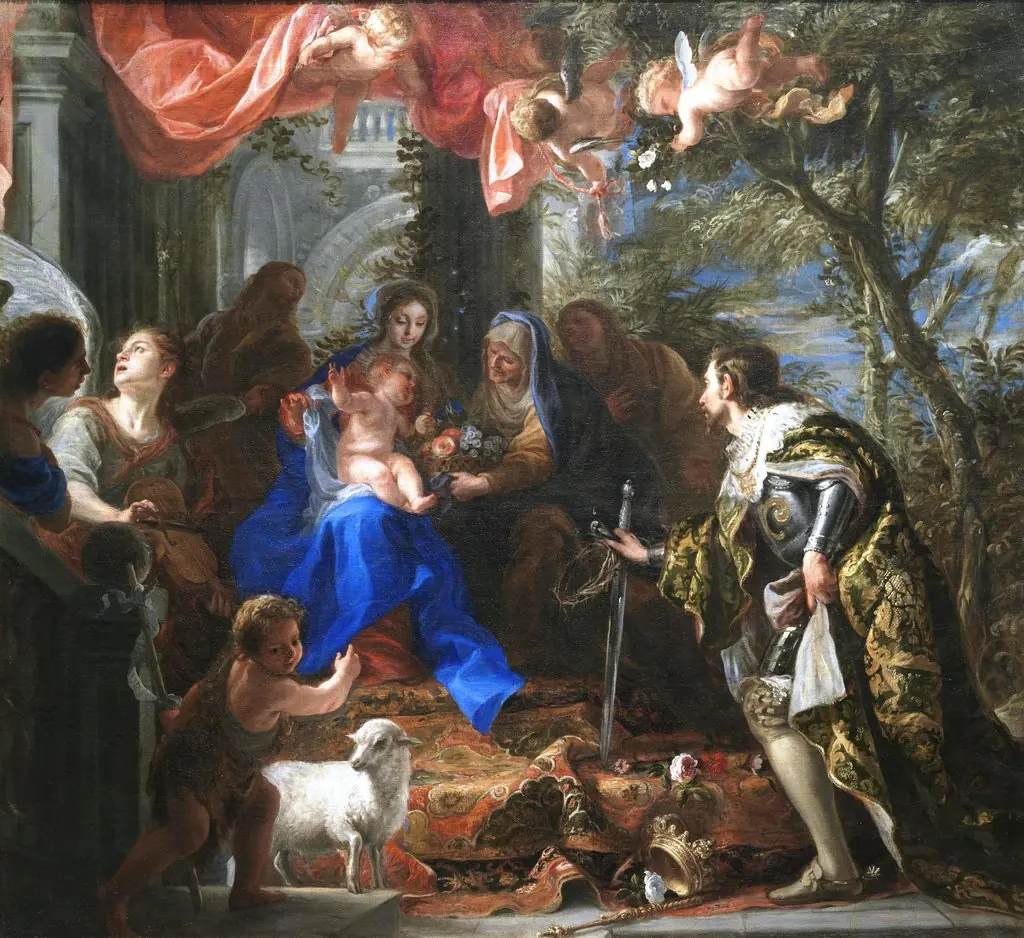 The Virgin and Child adored by Saint Louis, King of France
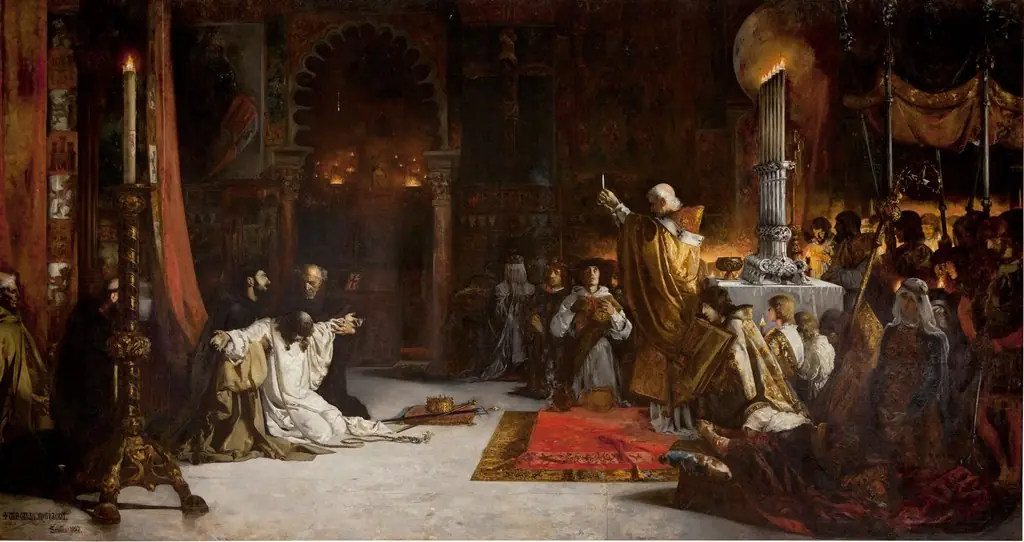 Las postrimerías de Fernando III el Santo
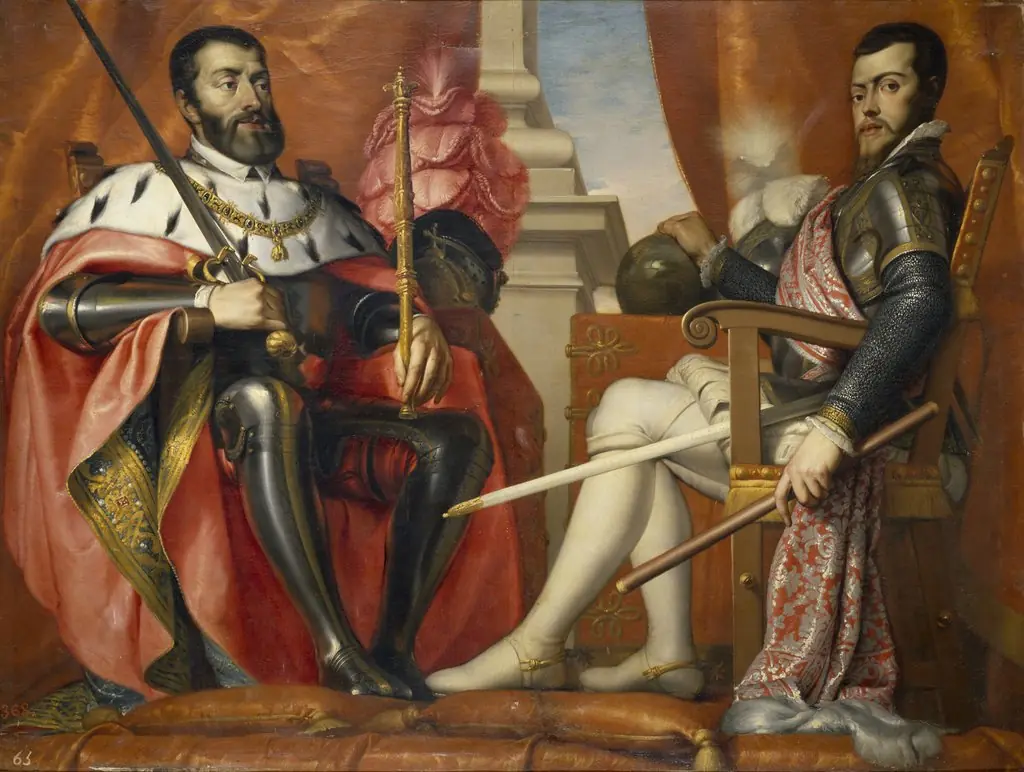 Charles V and Philip II
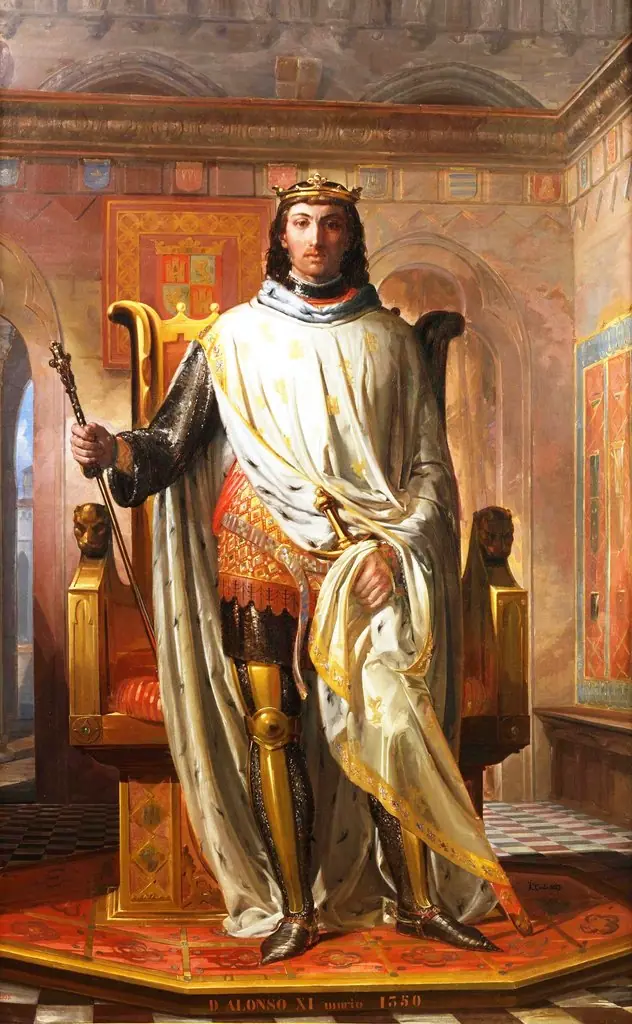 Alfonso XI
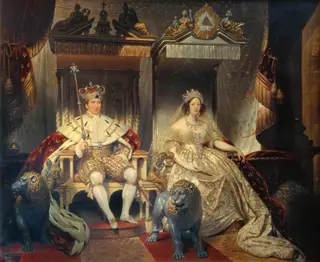 Christian VIII (1786-1848) and Queen Caroline Amalie (1796-1881) in Coronation Robes
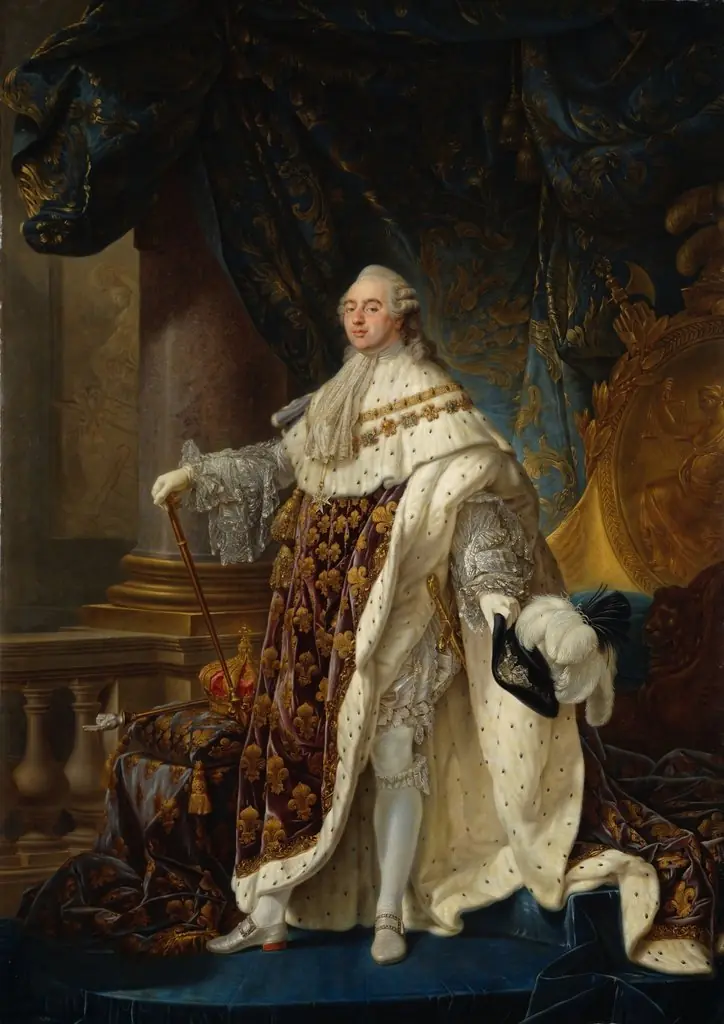 Louis XVI
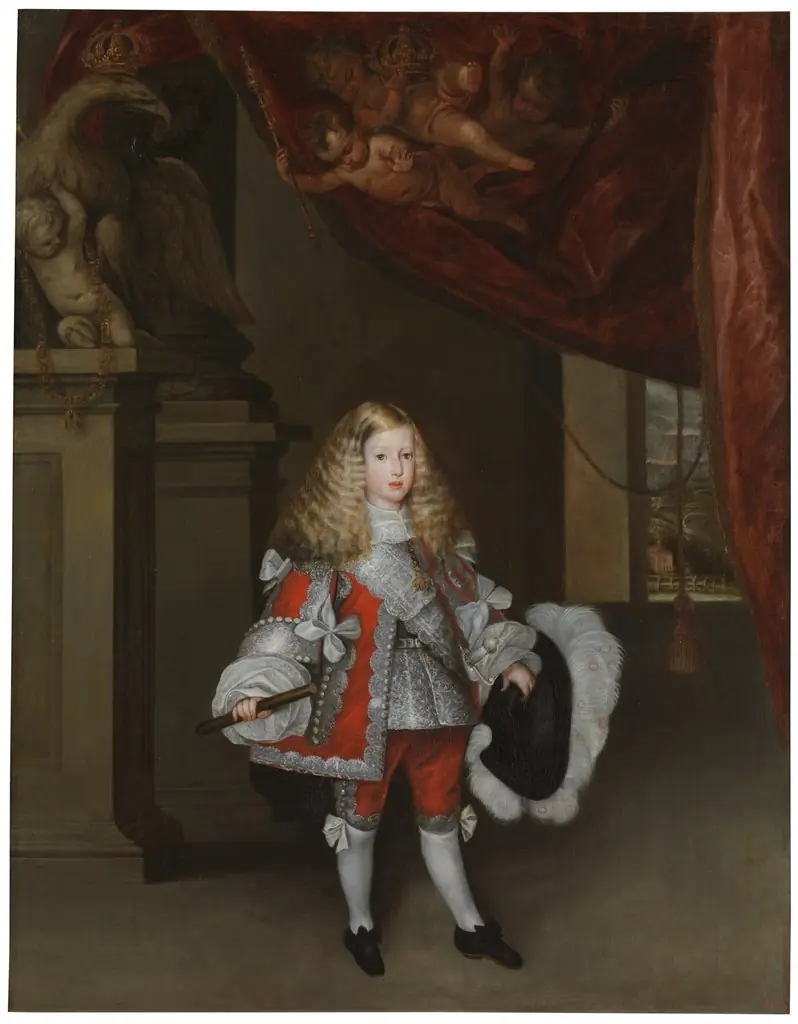 Charles II as a Child
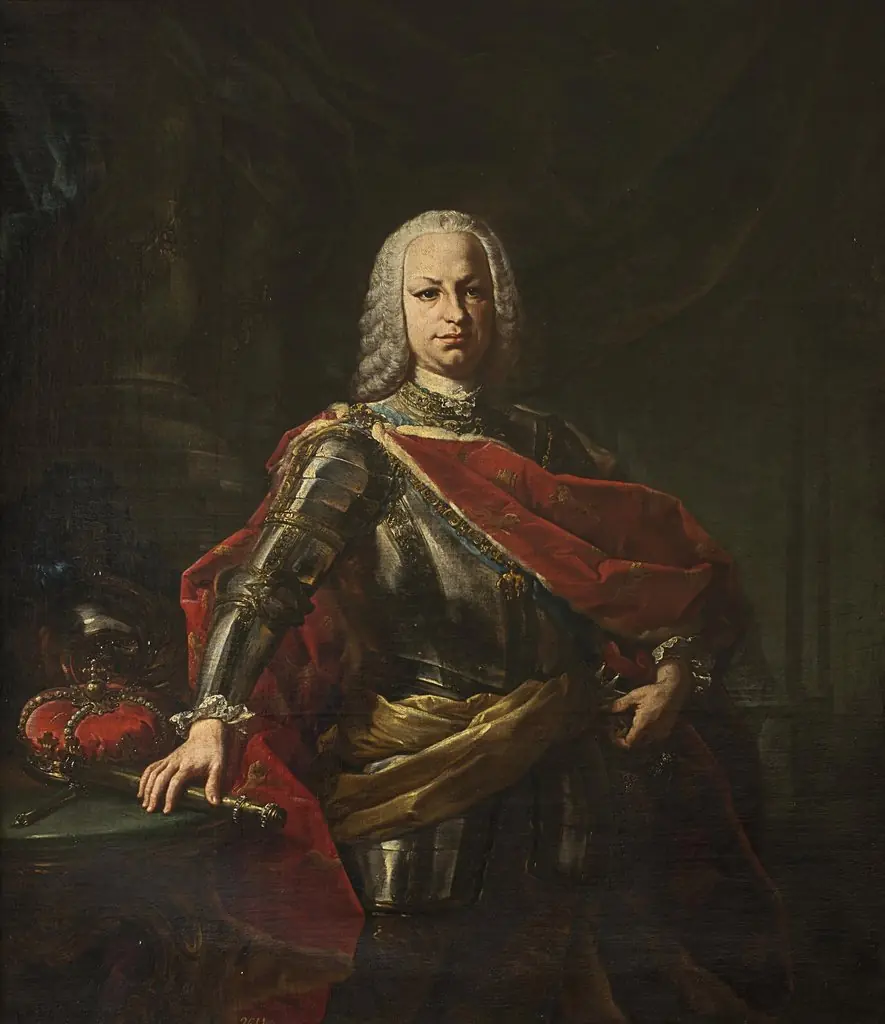 Fernando VI rey de España
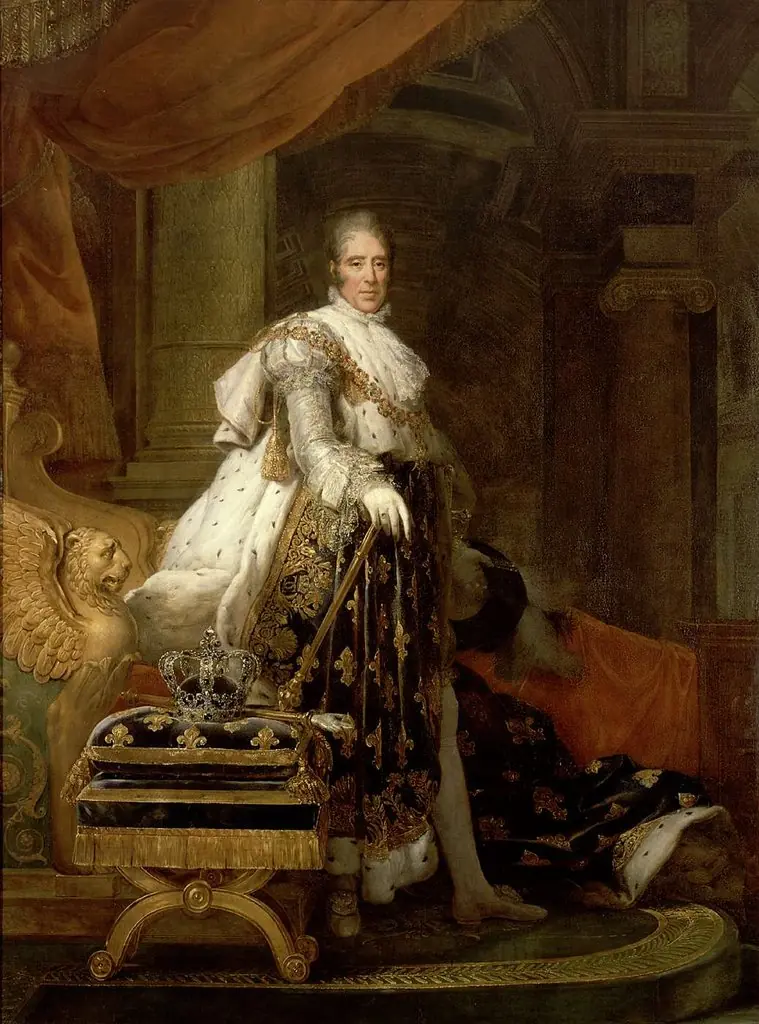 Charles X of France
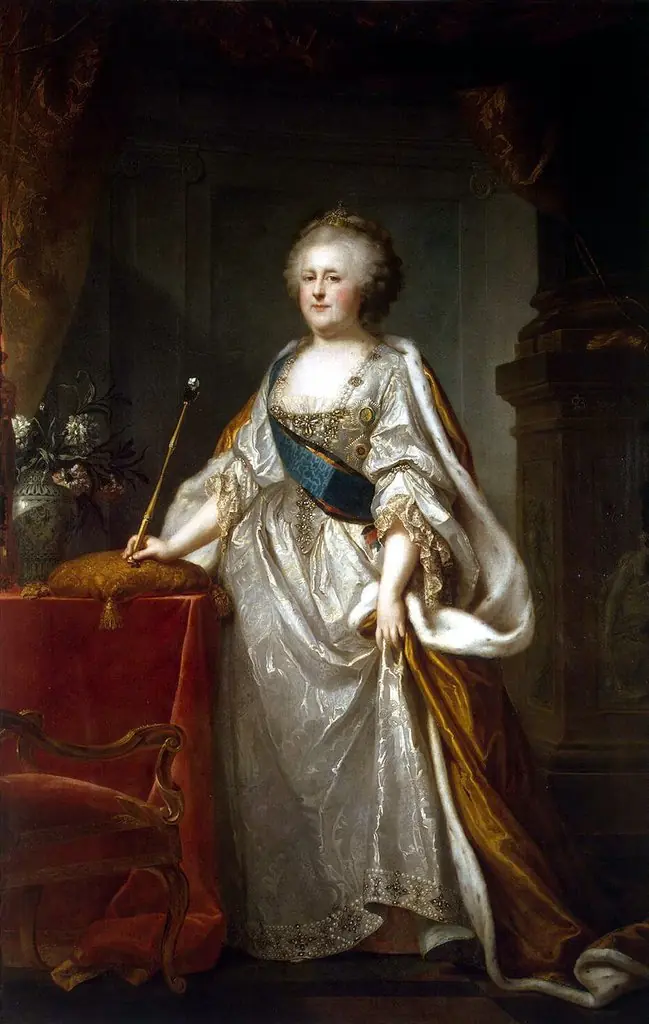 Portrait of Catherine II
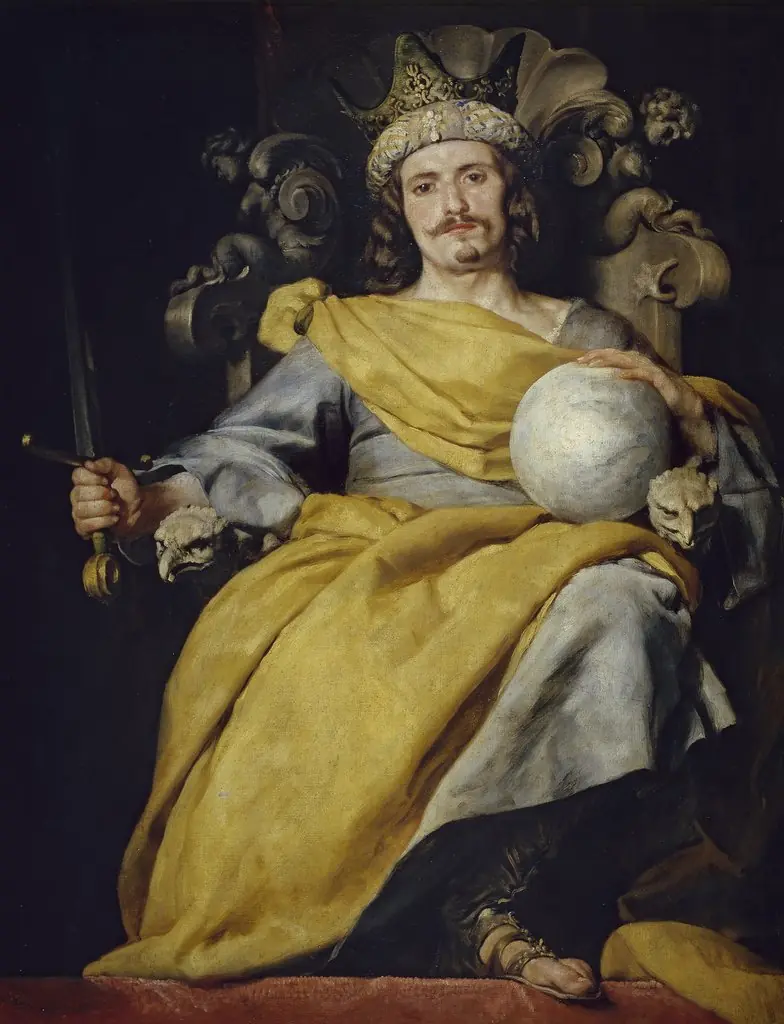 A king of Spain
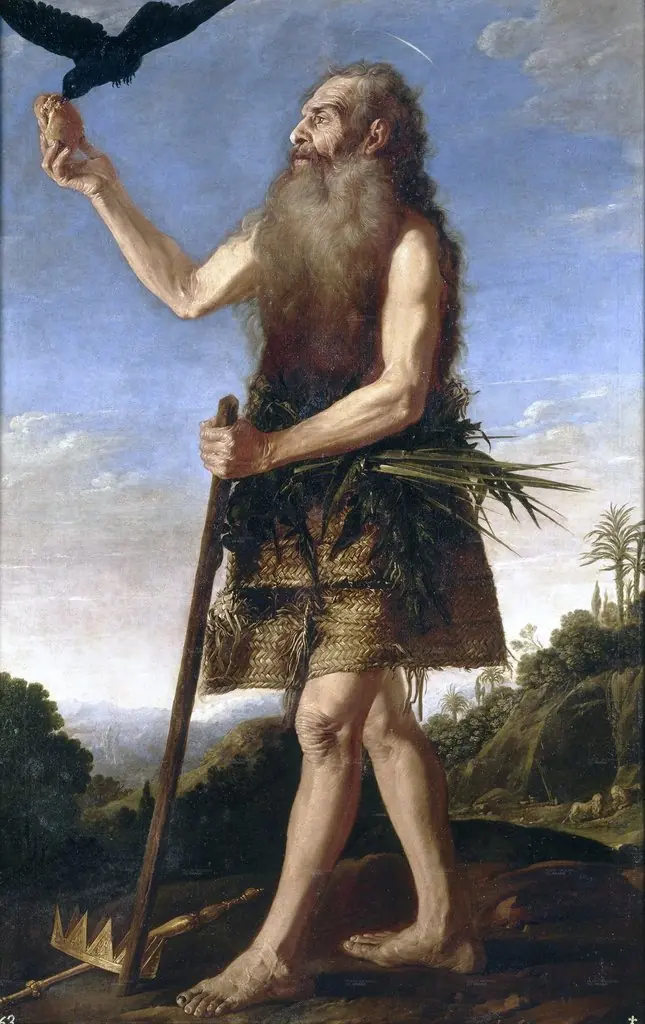 Saint Onuphrius
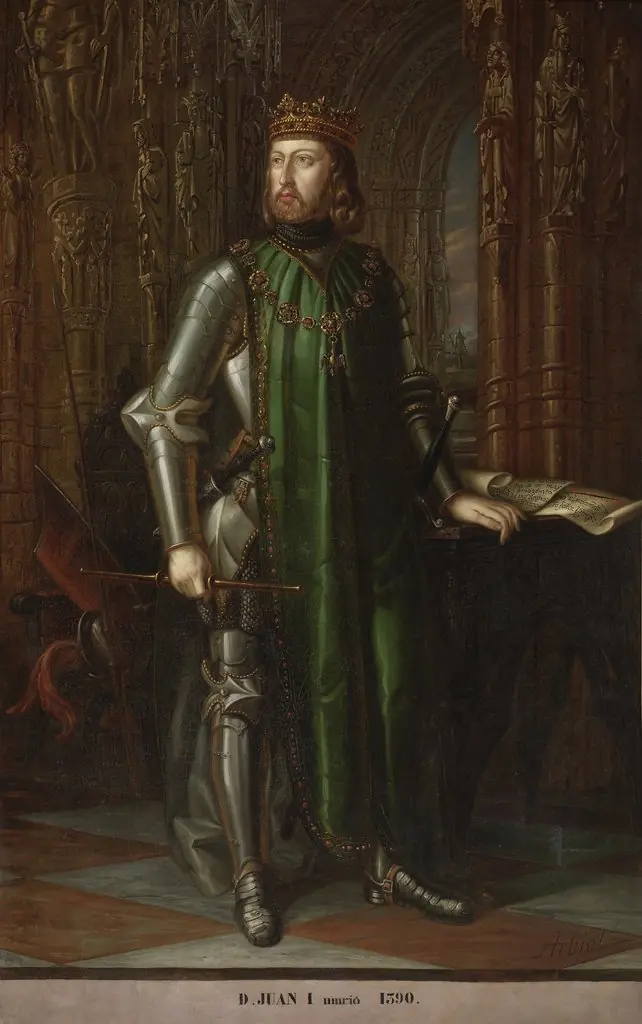 Portrait of John I of Castile
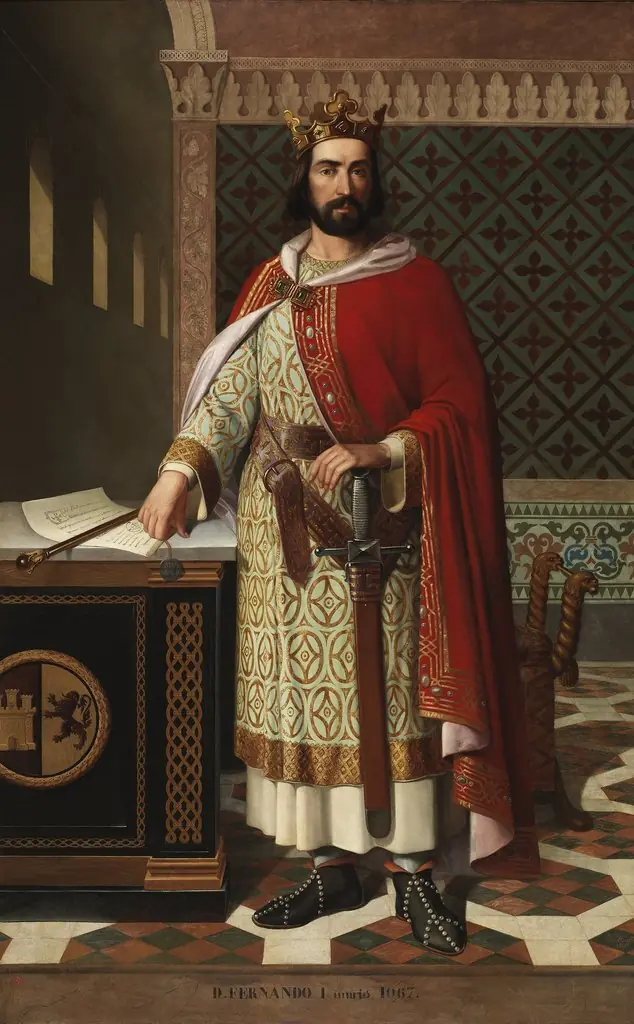 Fernando I rey de León
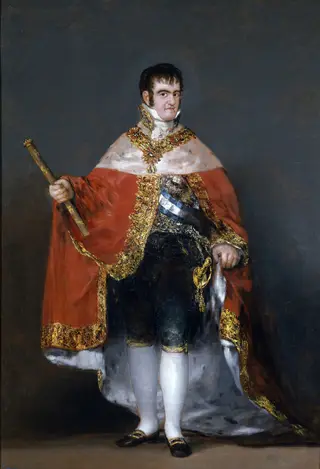 Ferdinand VII in Court Dress
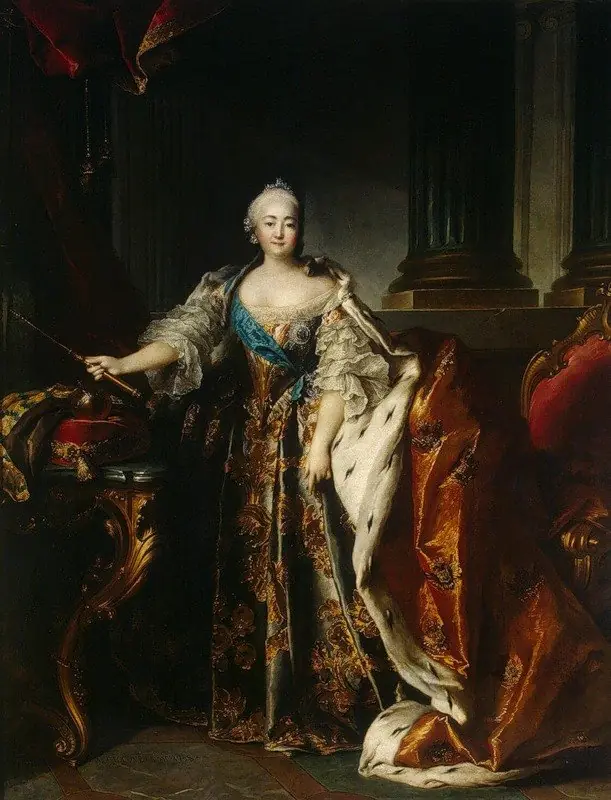 Portrait of Empress Elizabeth Petrovna
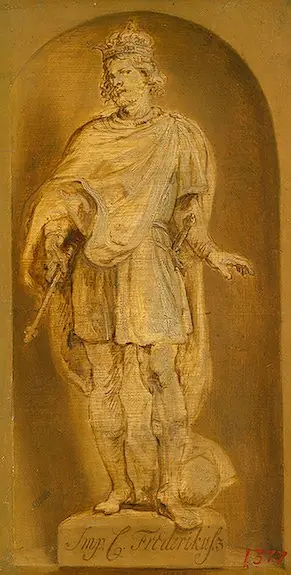 Statue of Frederick III in a niche
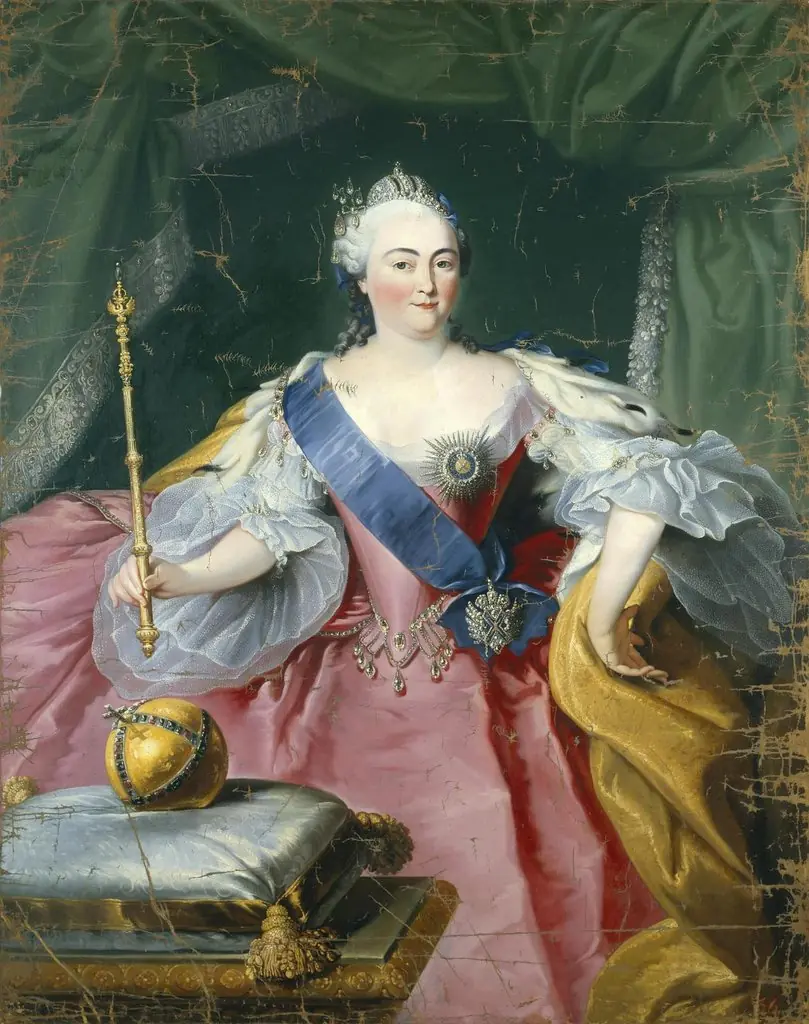 Portrait of Empress Elizabeth Petrovna
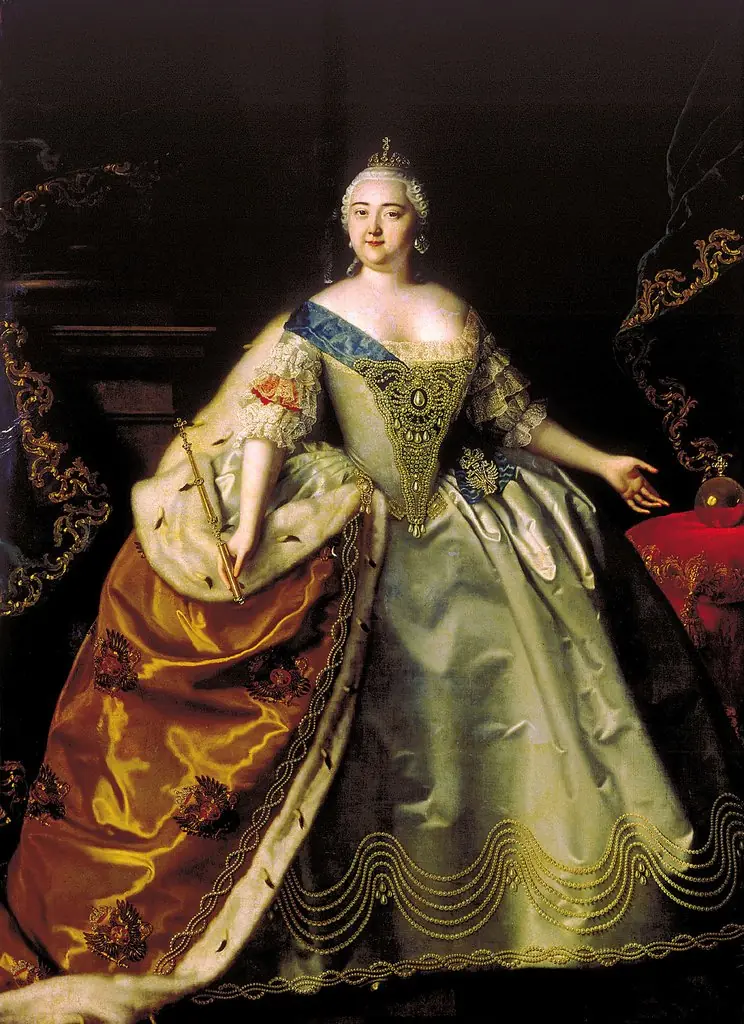 Portrait of Elizabeth of Russia
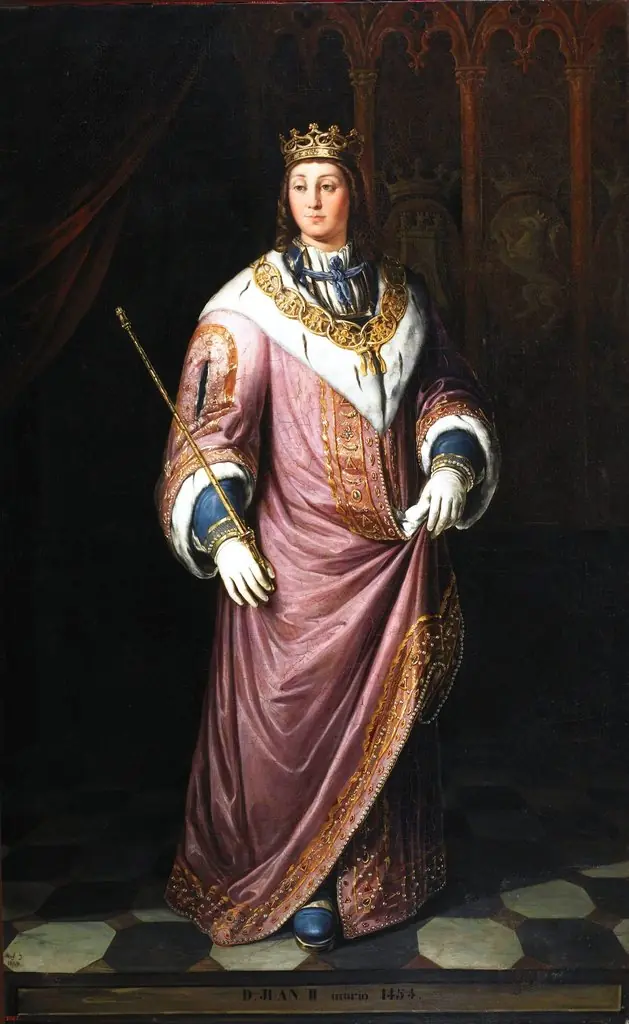 Juan II de Castilla
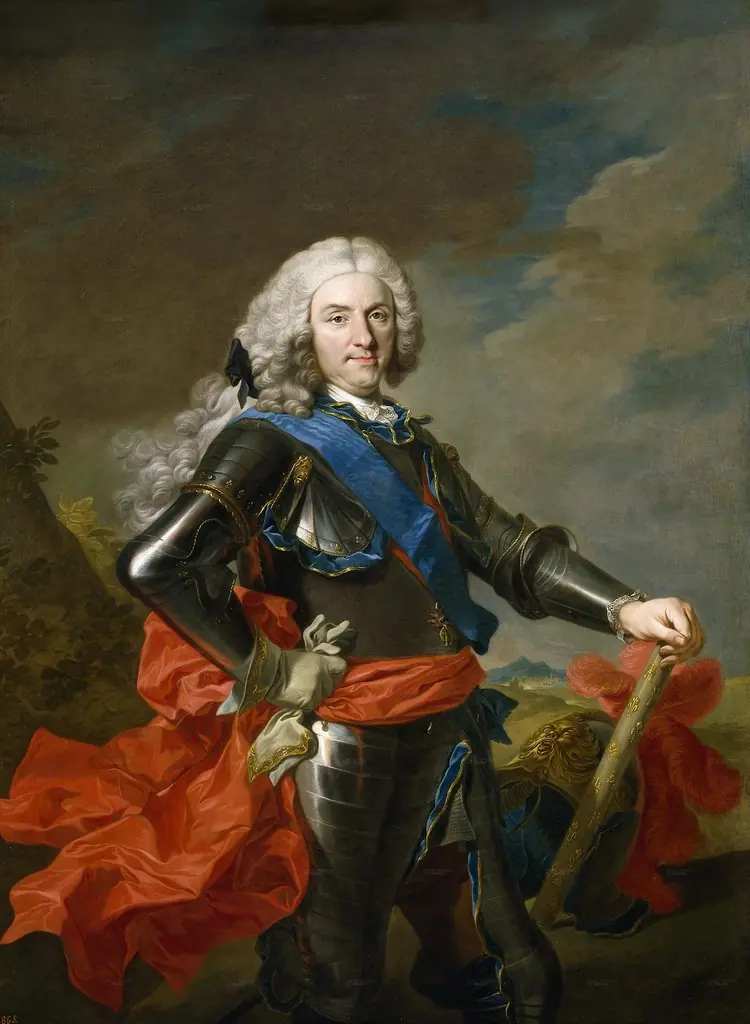 Felipe V, King of Spain
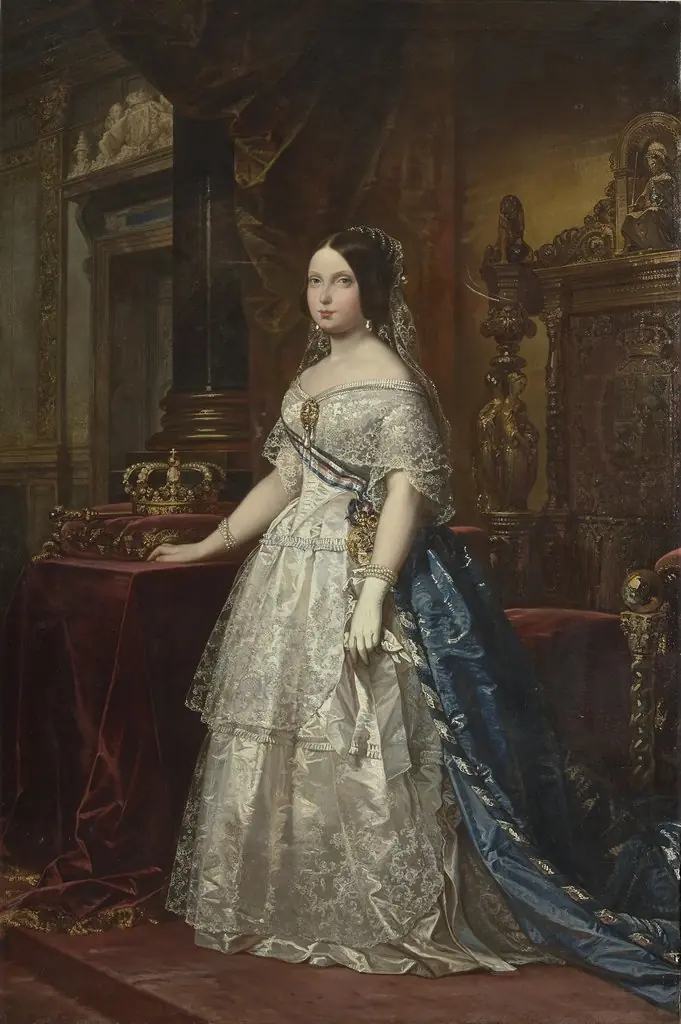 Isabel II
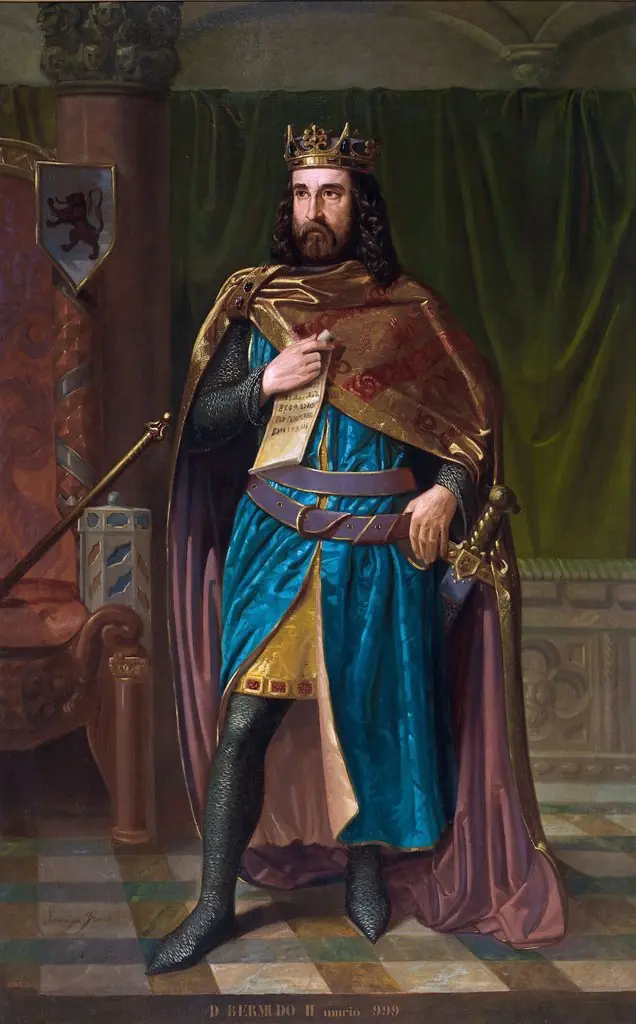 Bermudo II
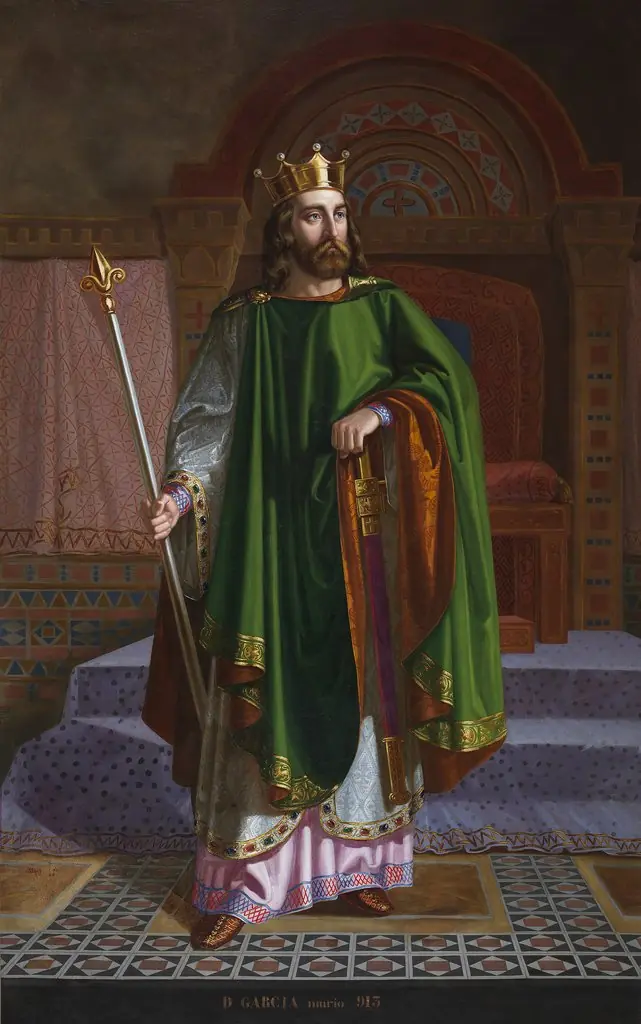 García I, rey de León
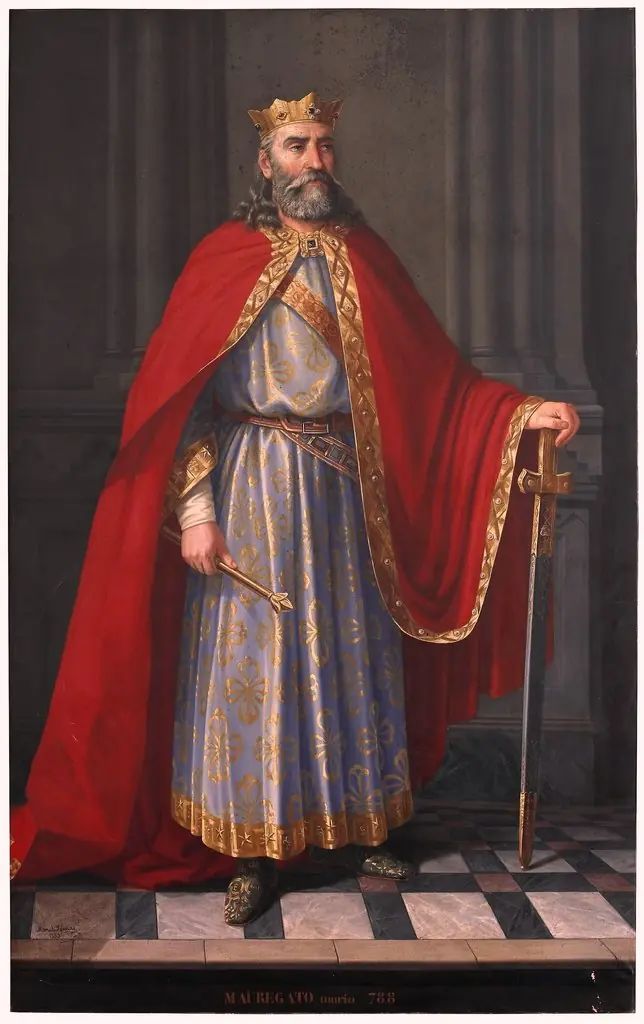 Mauregato
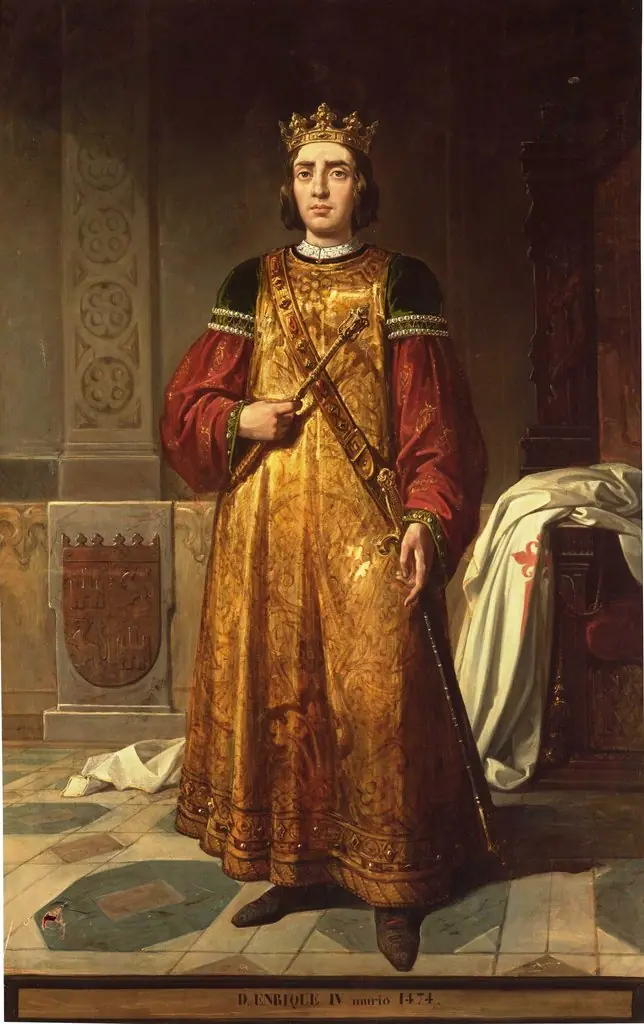 Enrique IV
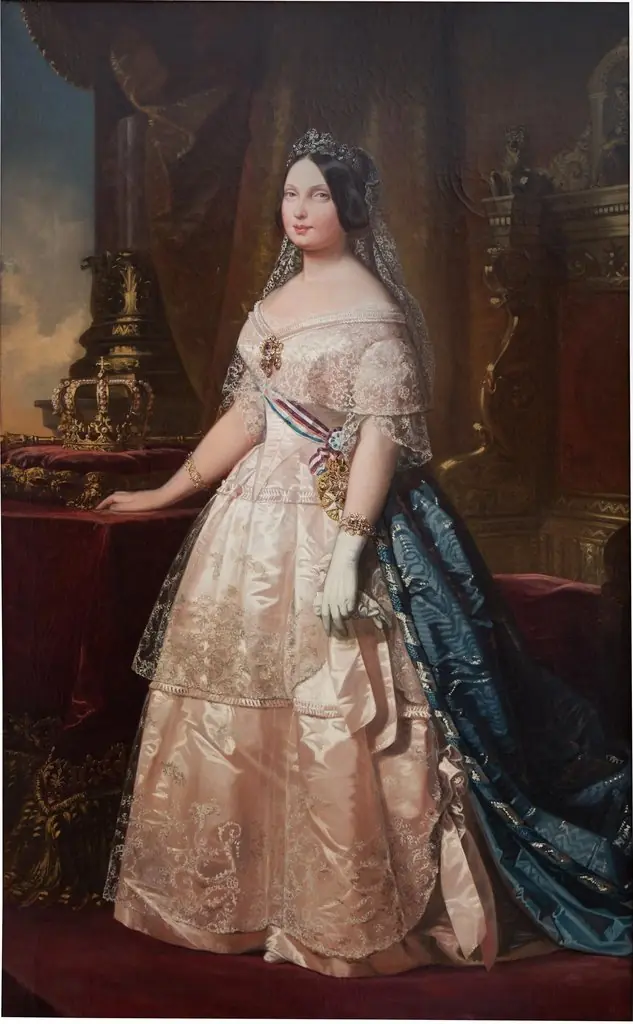 Isabel II
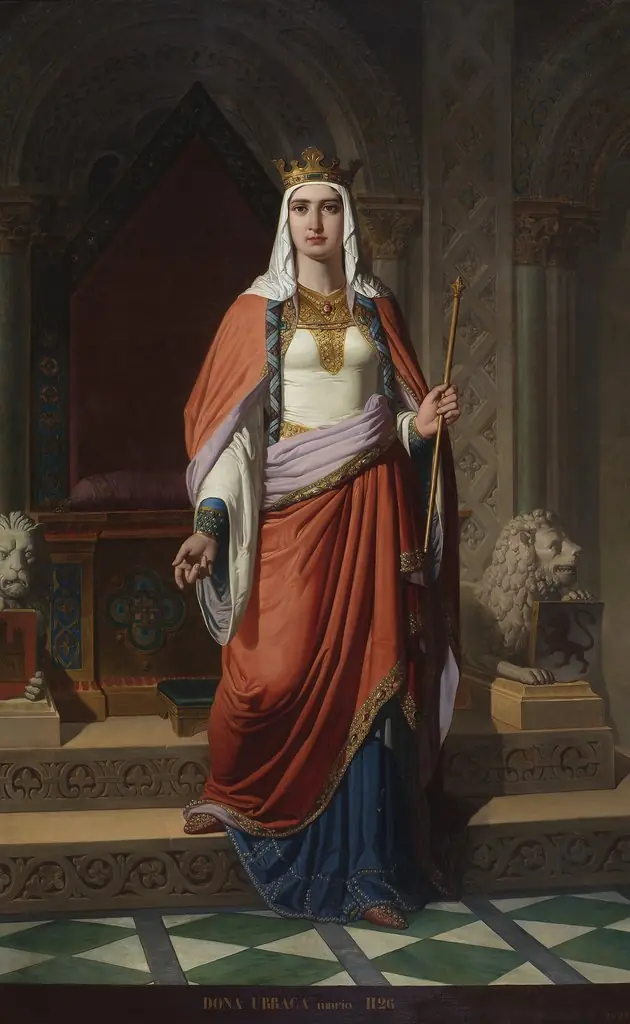 Doña Urraca
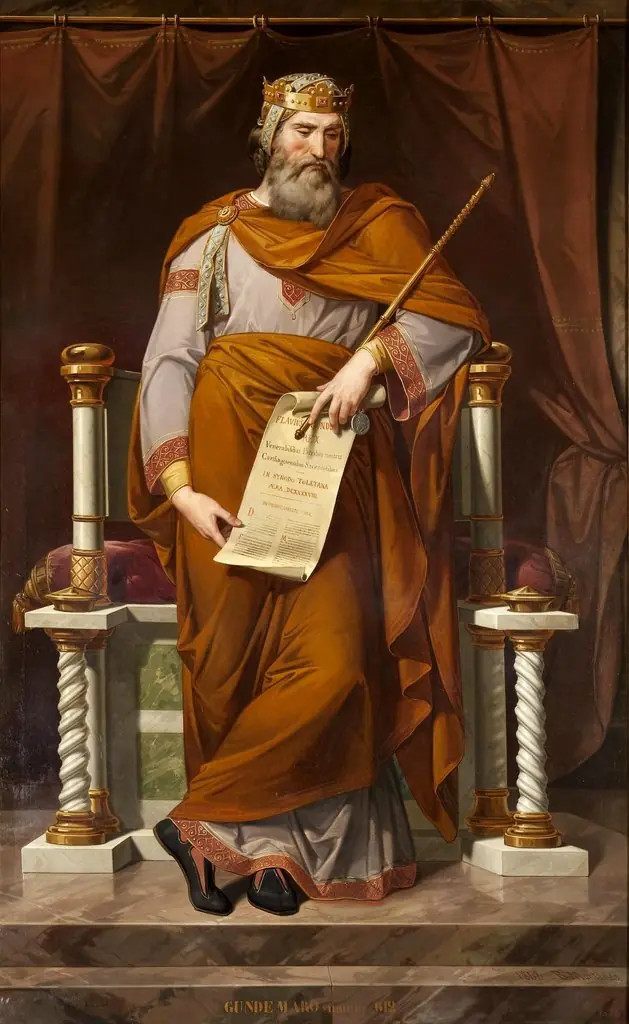 Gundemaro
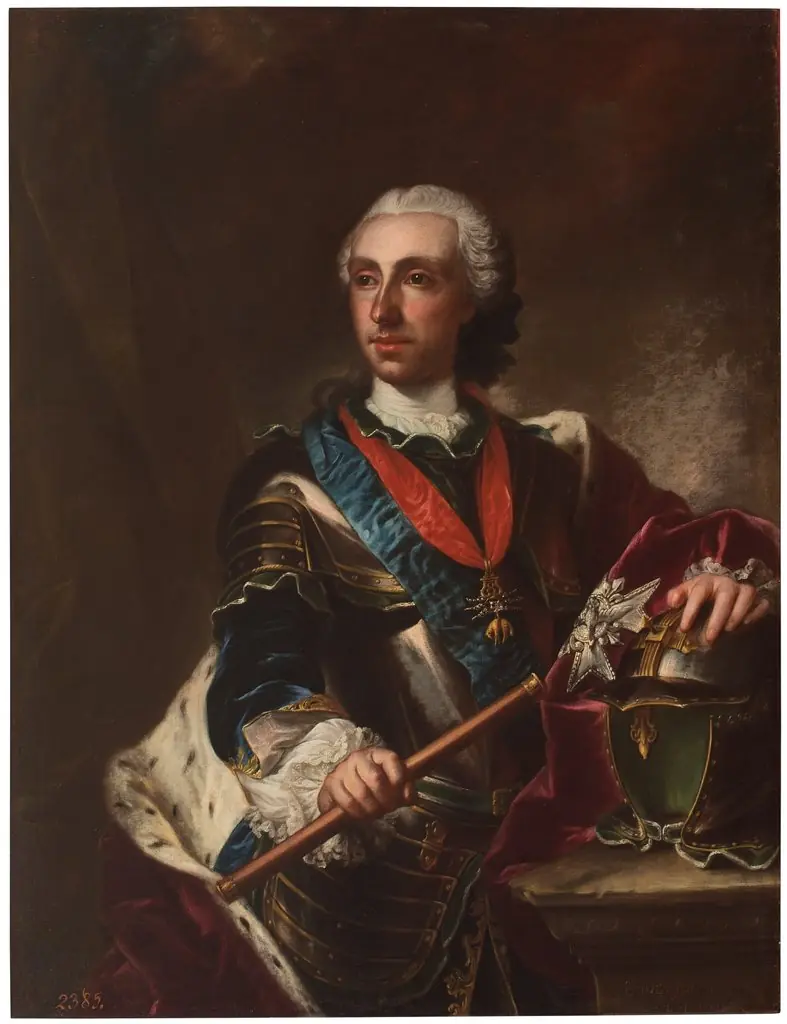 Felipe de Borbón duque de Parma
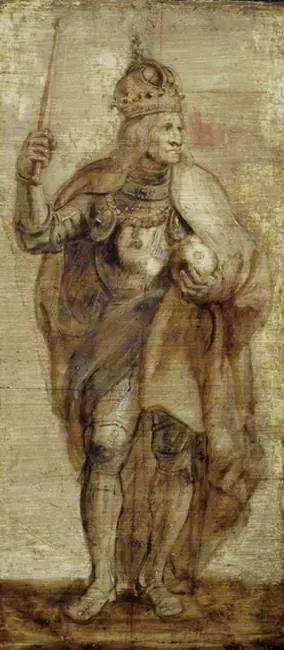 The Emperor Maximilian I
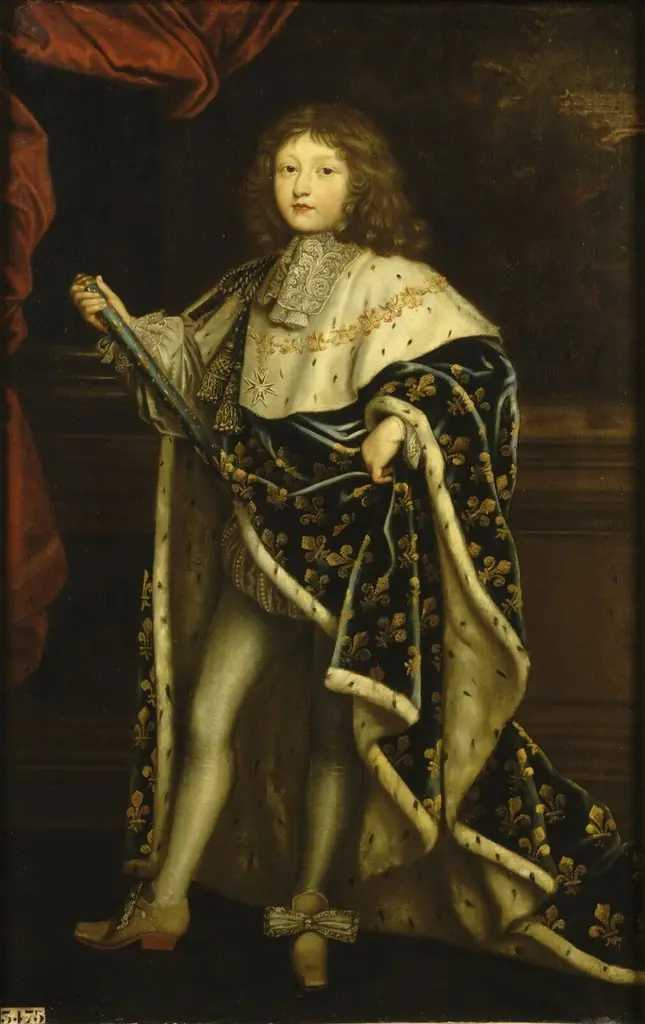 Louis XIV child in Coronation Robes
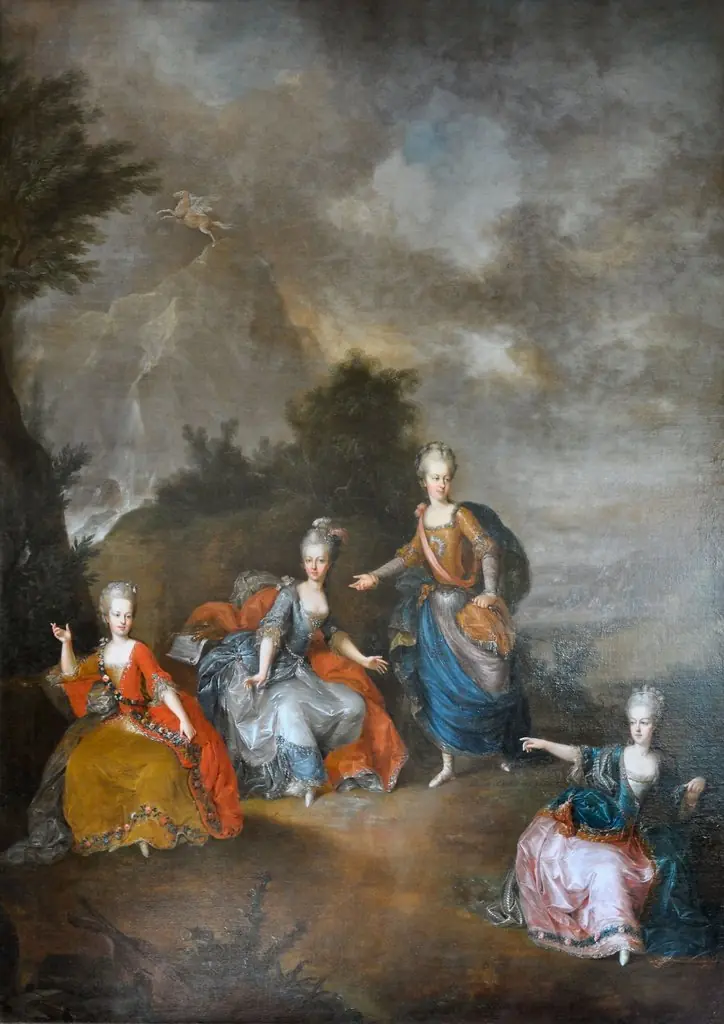 Representation in Schönbrunn by the Archduchesses of Austria of the entertainment Il Parnasso confuso, January 24, 1765
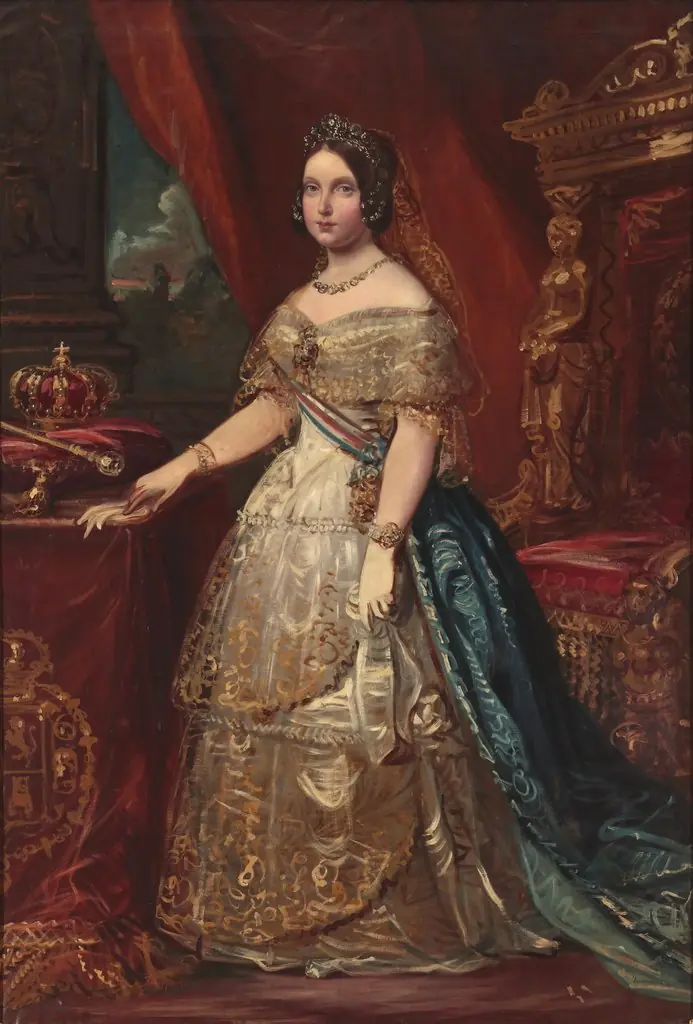 Isabel II
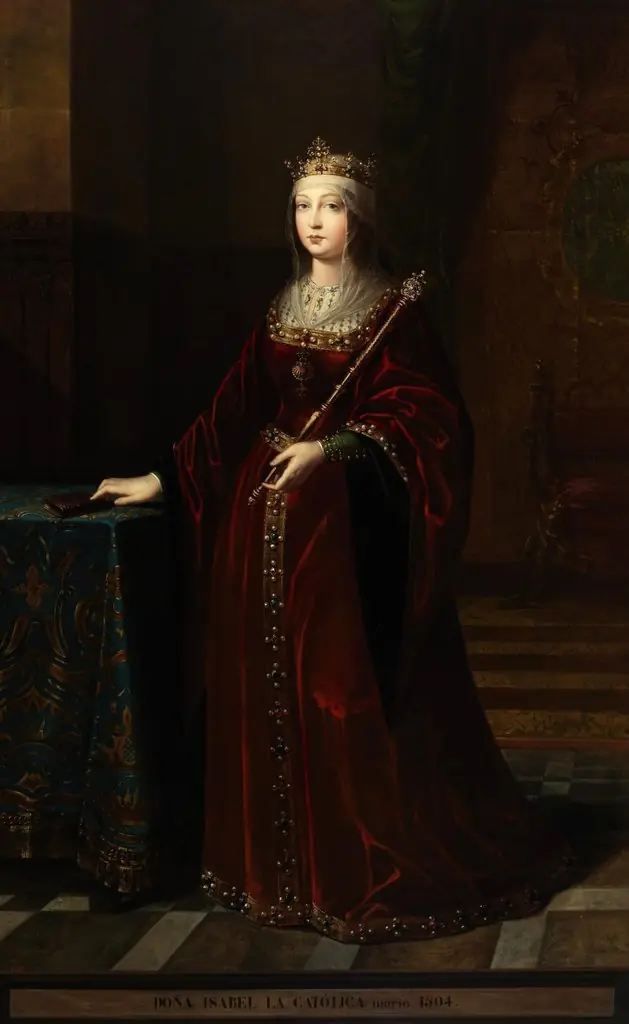 Isabel la Católica, de Luis de Madrazo
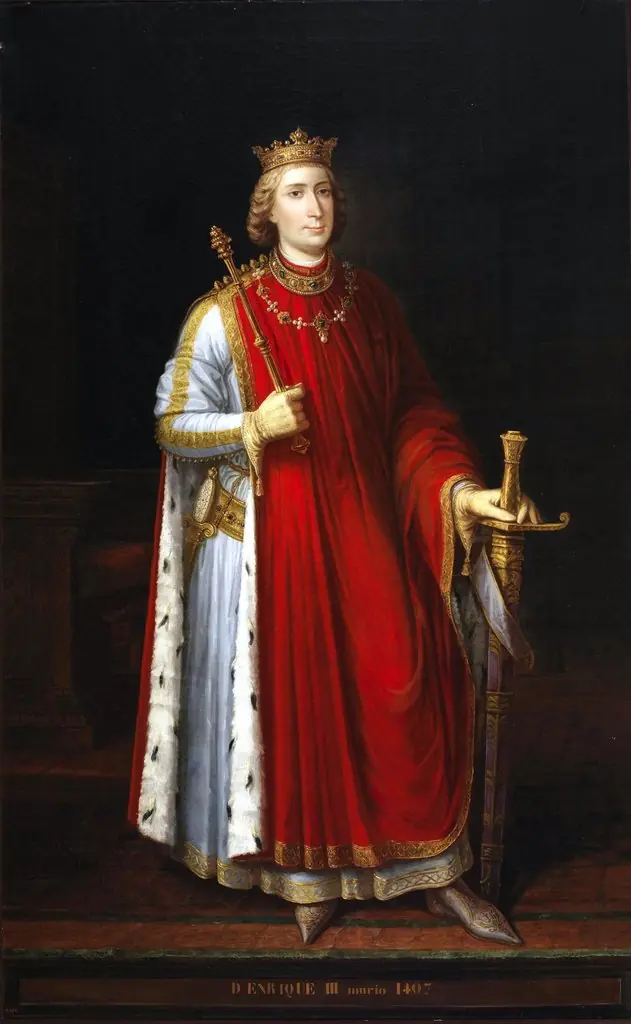 Enrique III el Doliente
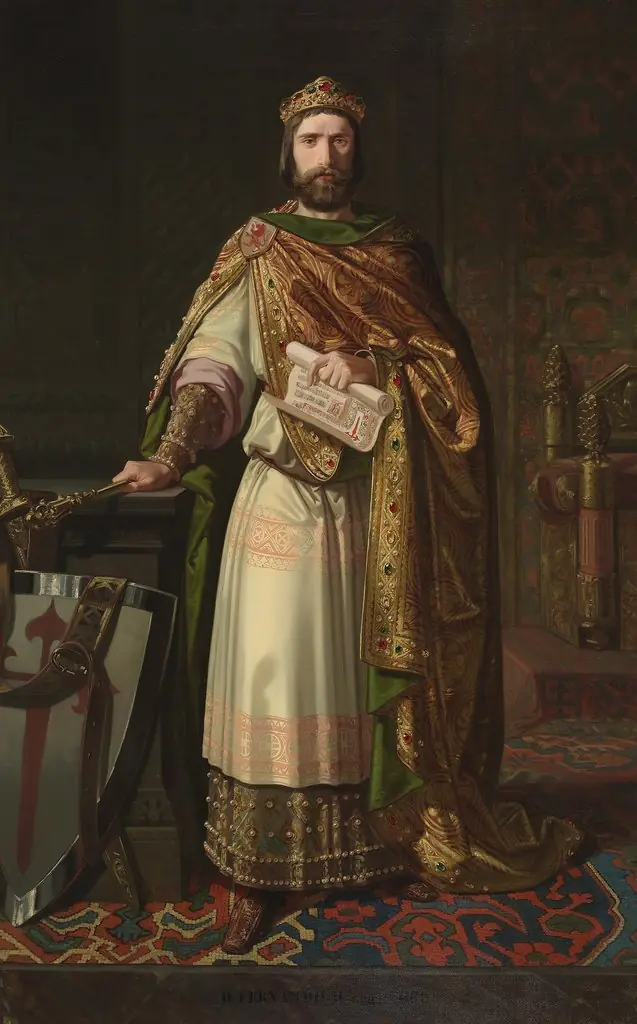 Fernando II rey de León
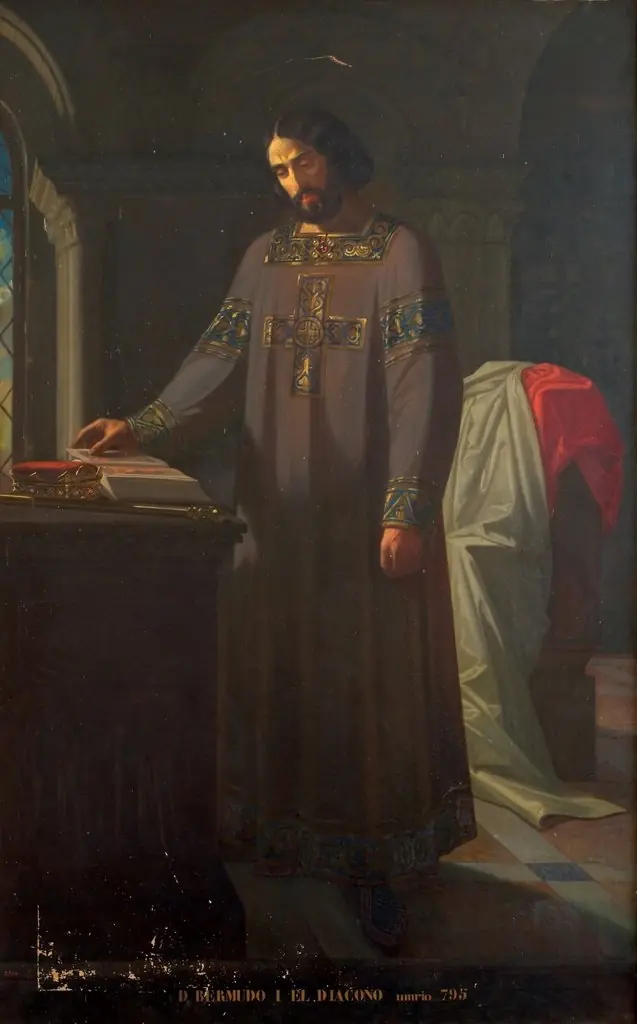 Bermudo I el Diácono rey de Asturias
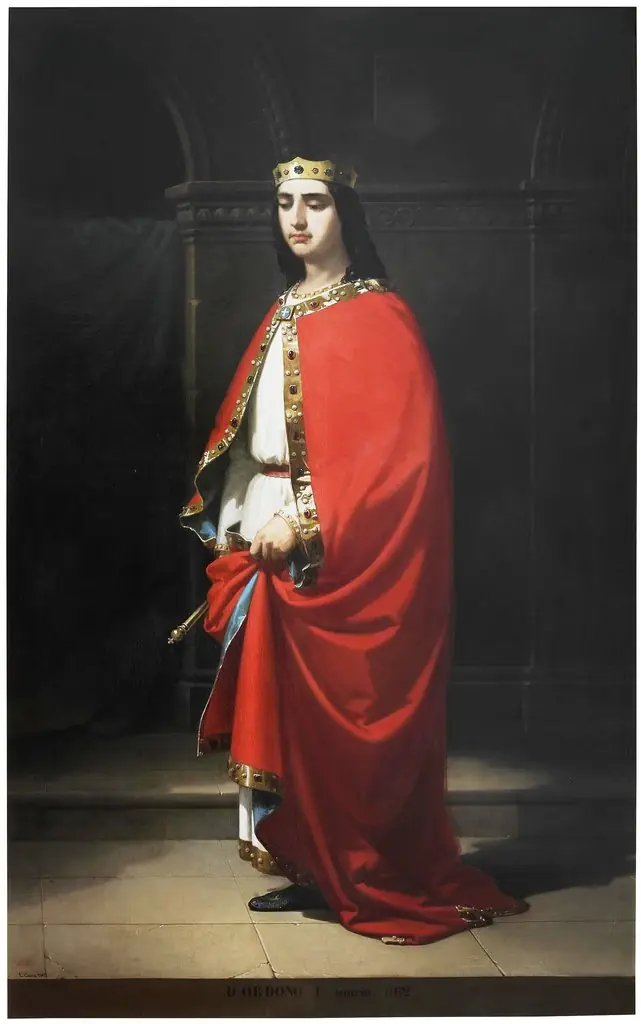 Ordoño I
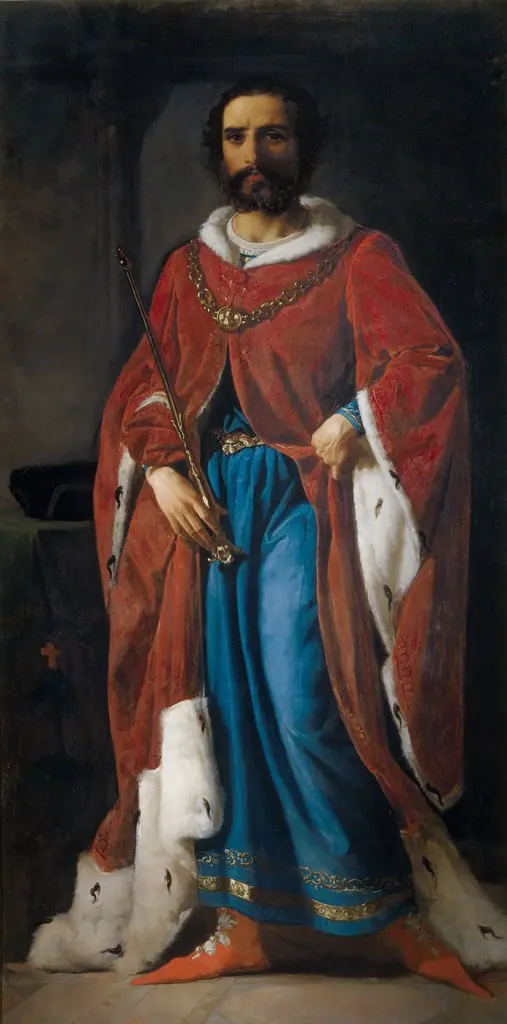 Don García Aznar; conde de Aragón
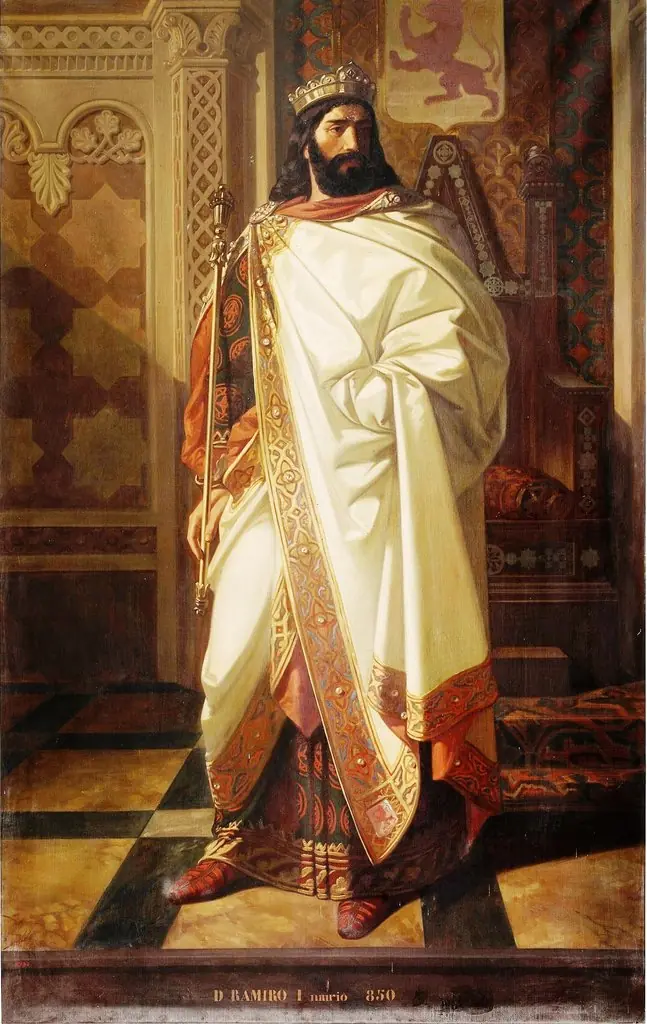 Ramiro I rey de Asturias
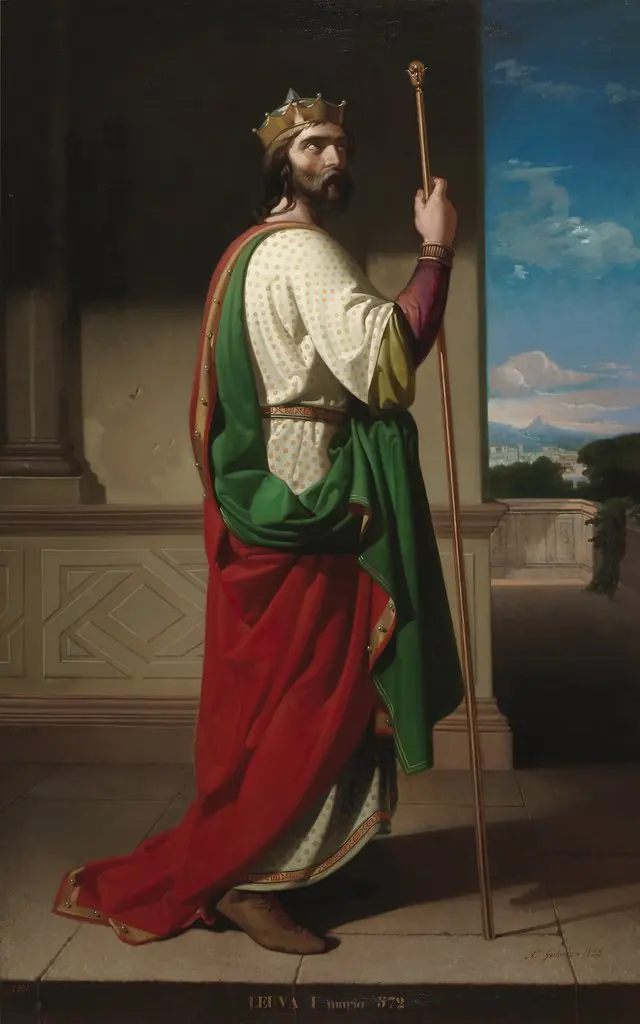 Liuva I
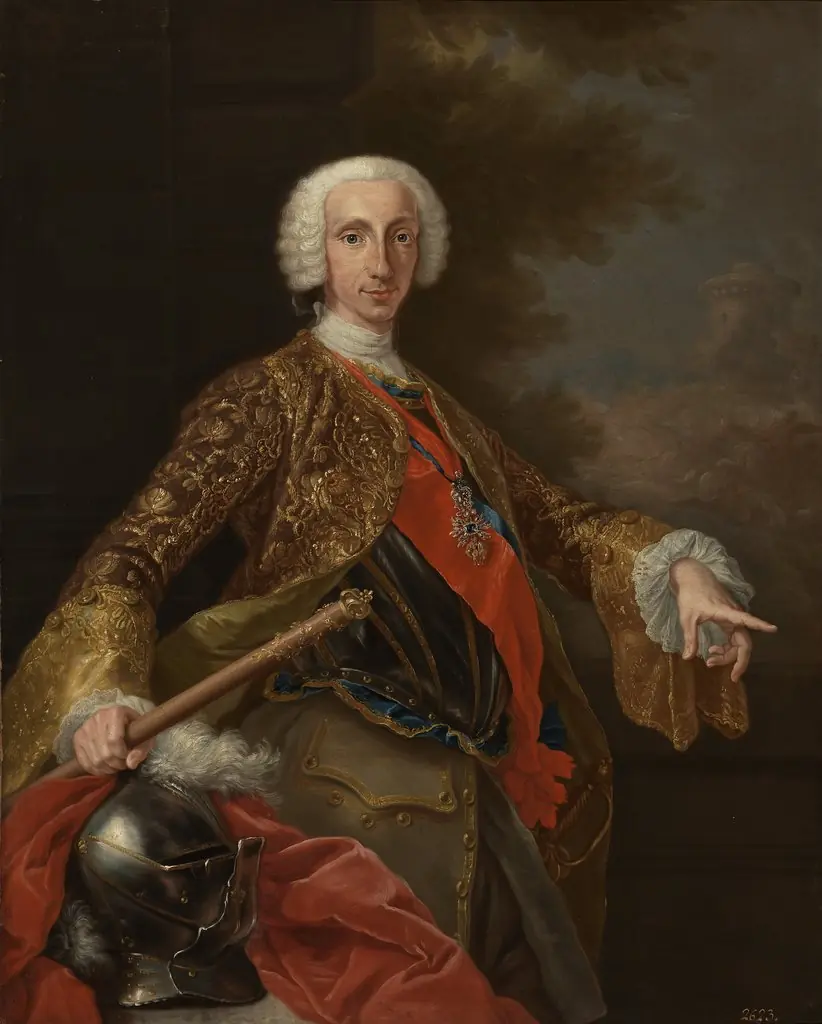 Carlos de Borbón rey de las Dos Sicilias
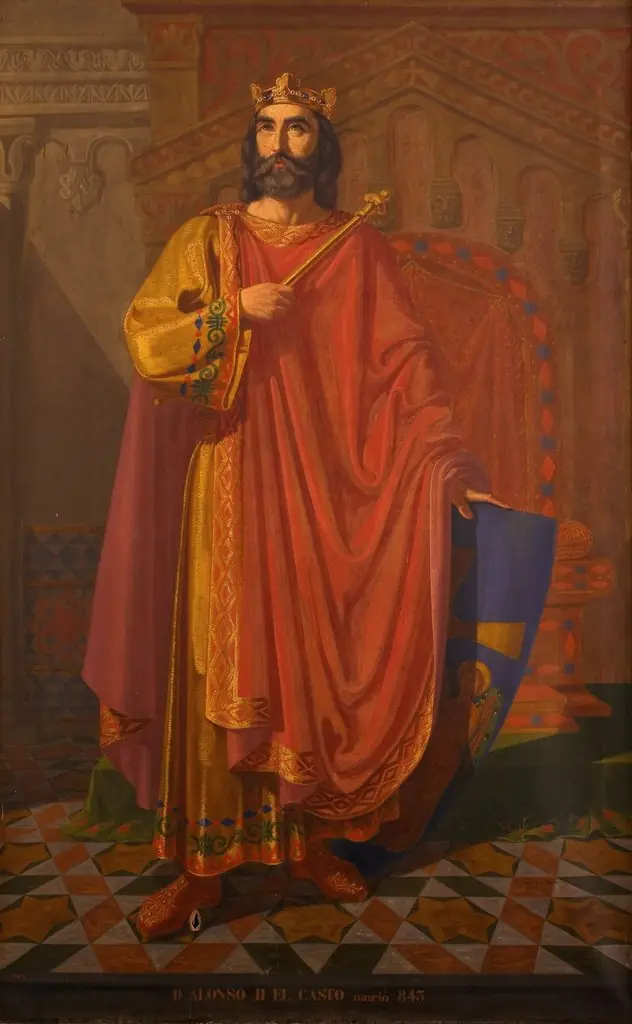 Alfonso II el Casto
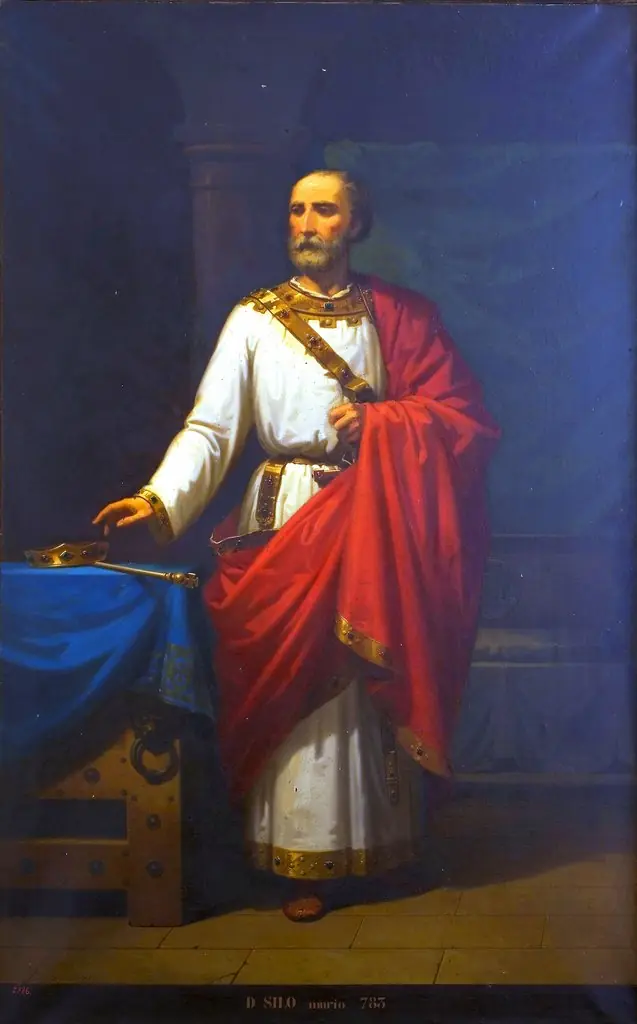 Silo
Silo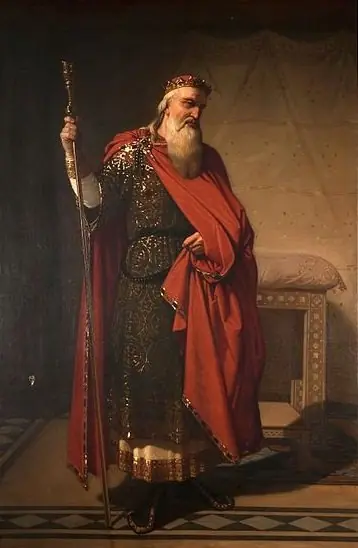 Chindasvinto
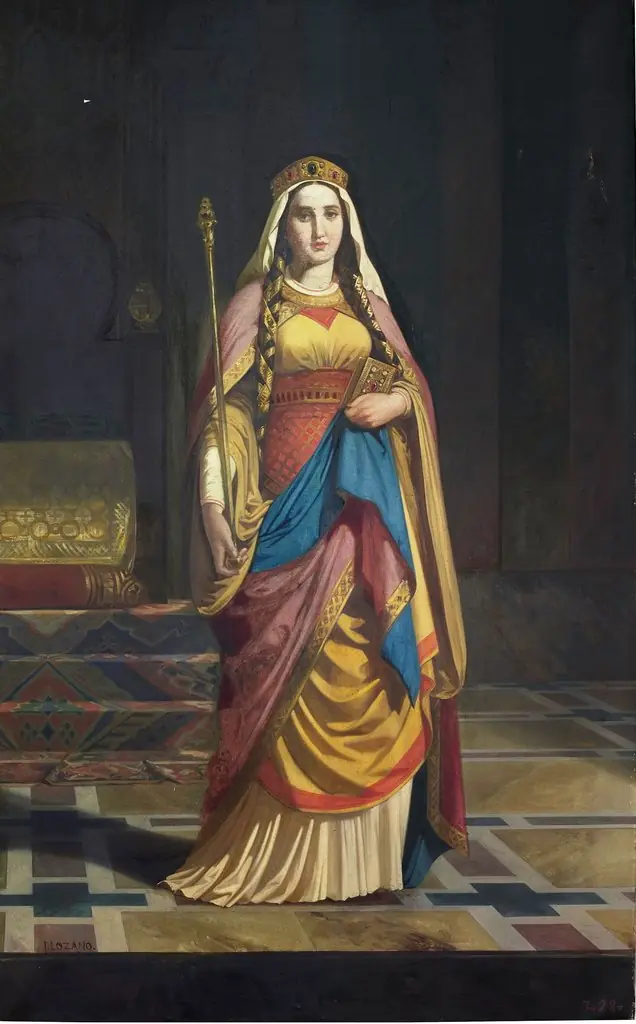 Usenda reina de Asturias
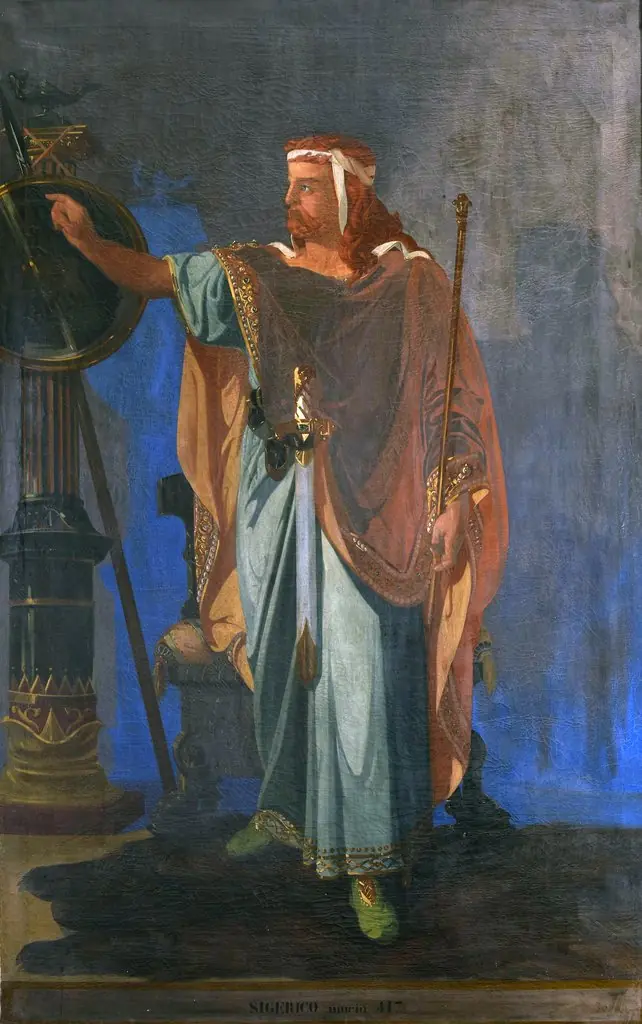 Sigerico
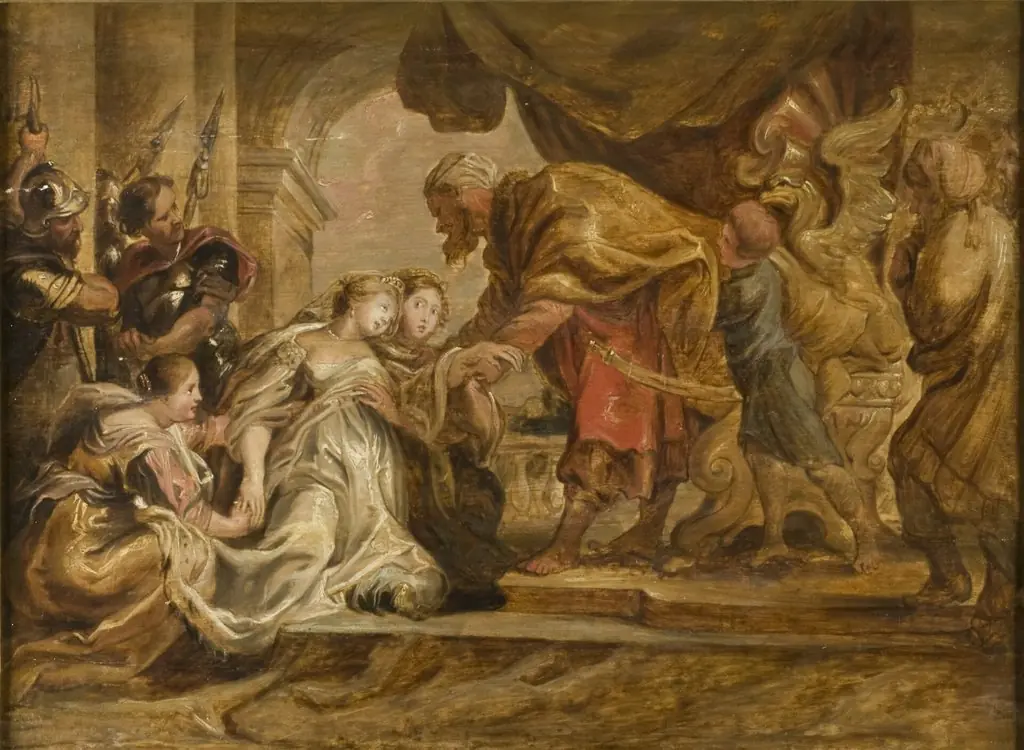 Esther and Ahasuerus
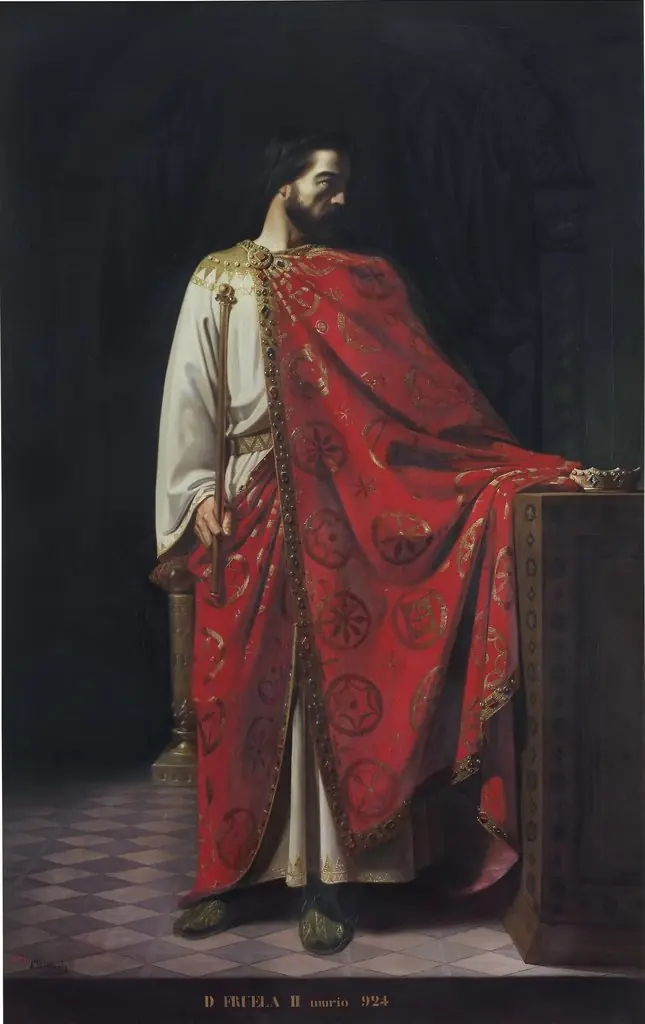 Fruela II of Asturias (king of Asturias from 910 to 925)
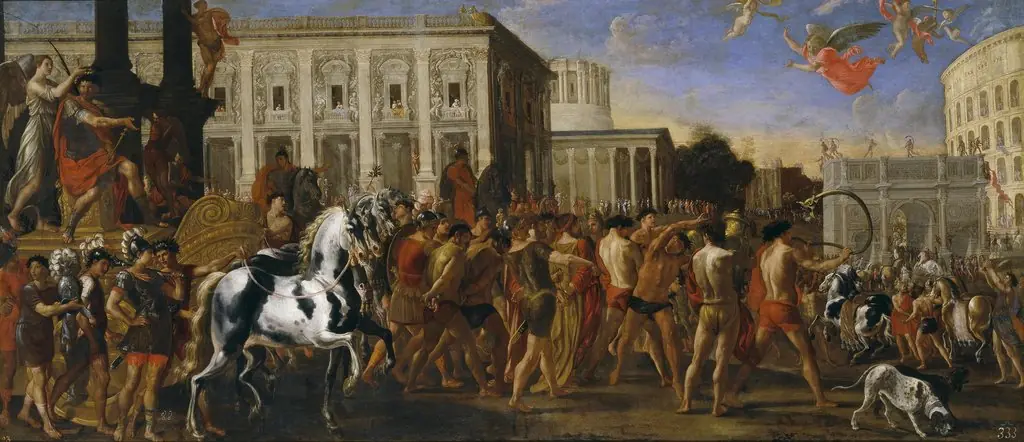 Triumphal Entry of Constantine in Rome
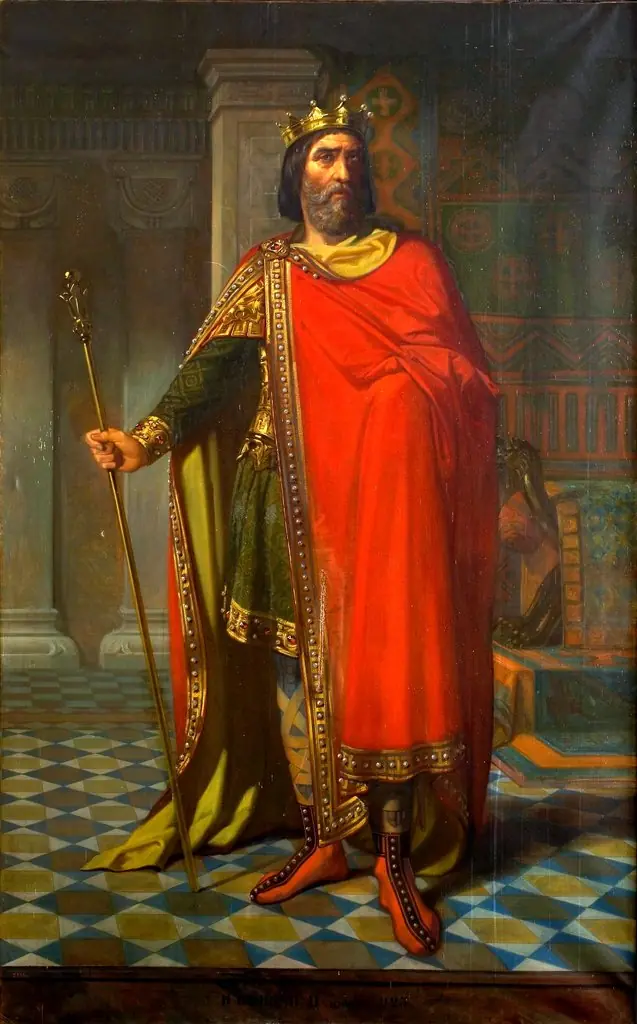 Ordoño II rey de León
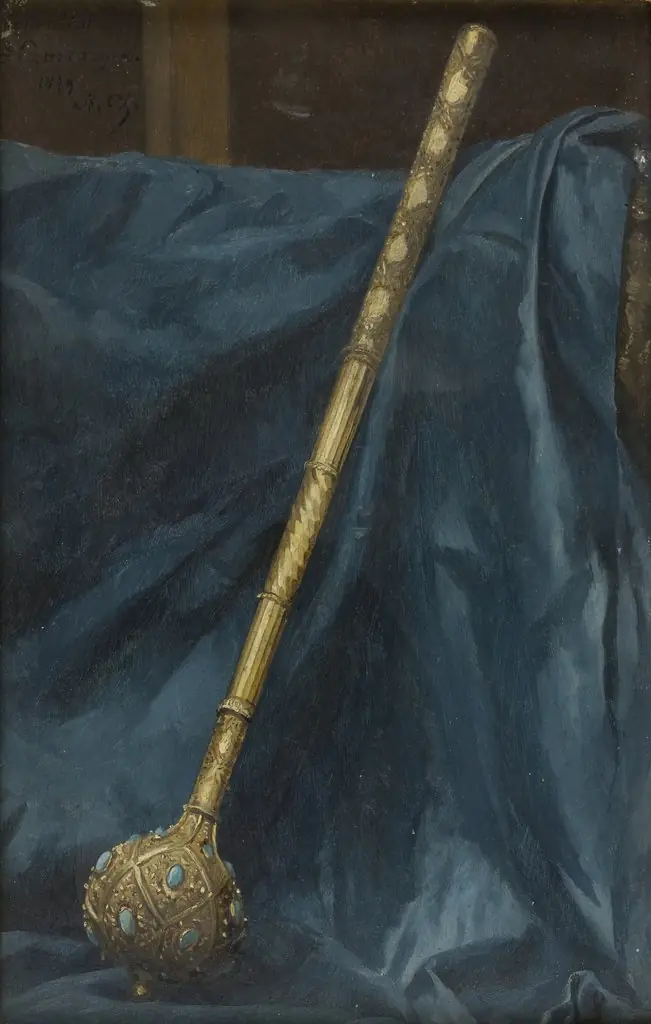 Study of a Turkish Mace from the 17th C.
Frequently asked questions
What is Sceptre?
Sceptre is an imprint of Hodder & Stoughton, a British publishing house that is a division of Hachette UK.
How many Sceptre works does Artifact World Gallery have?
Artifact World Gallery holds 57 public-domain Sceptre works, all free to view and download.
Who are the key Sceptre artists?
Key Sceptre artists in the collection include Titian, Peter Paul Rubens and François Gérard.
Where can I see Sceptre works?
Sceptre works in the collection are held by Museo del Prado, Hermitage Museum and Palace of Versailles.