Artwork
The Great Assembly of 1651
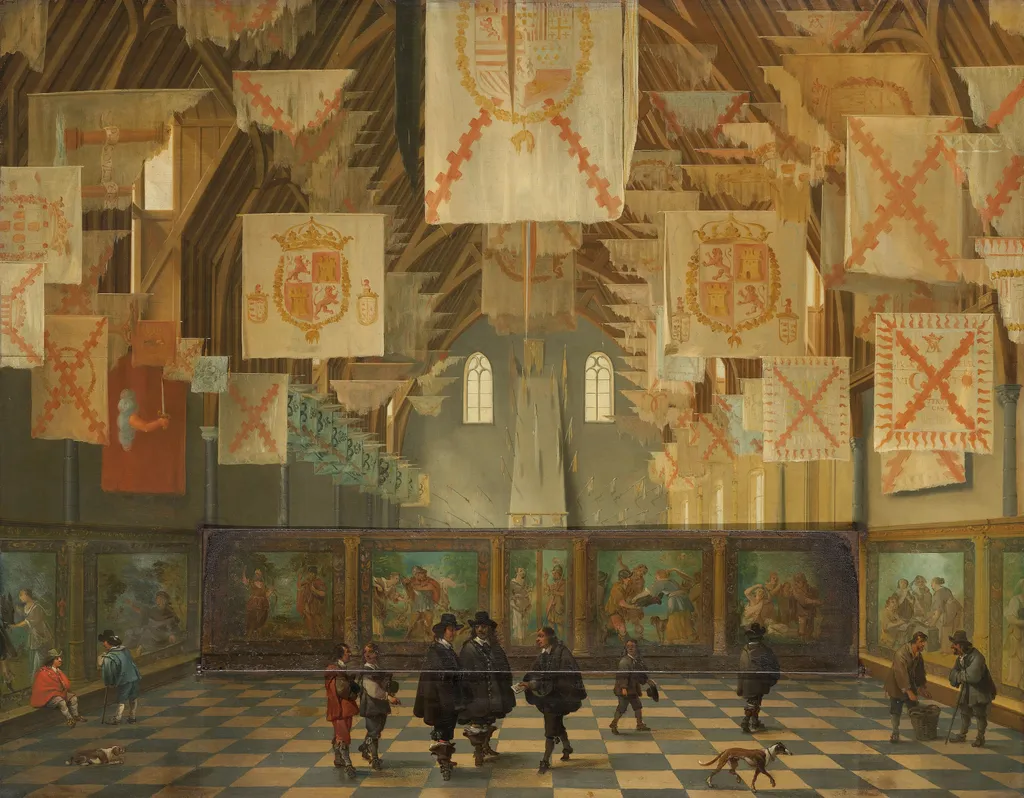
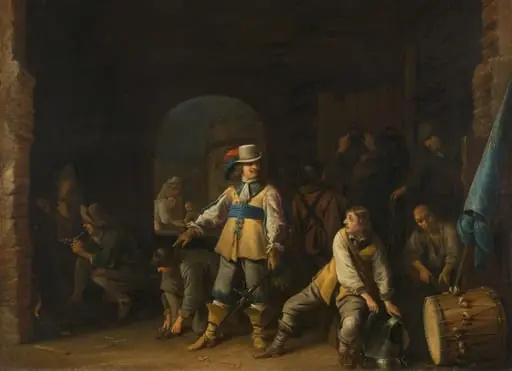
The Great Assembly of 1651 is an oil painting by the Dutch Golden Age artist Anthonie Palamedesz. It dates from 1651 and is held in the collection of the Mauritshuis.
About this work
Overview
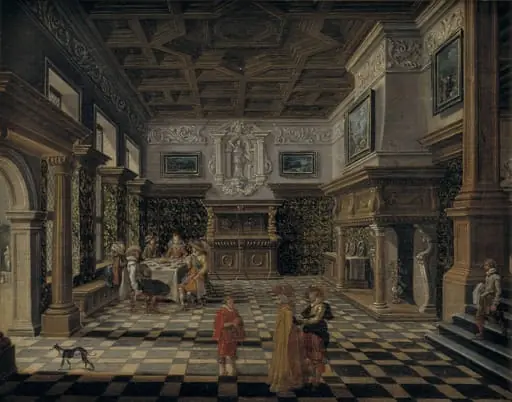
Painted in 1651 by Anthonie Palamedesz, this oil-on-canvas work depicts an interior gathering of civic leaders in a grand, dimly lit hall. The scene is rendered with careful attention to architectural detail and atmospheric lighting. It resides in the Mauritshuis collection in The Hague, where it has been held since the 19th century.
Subject & Meaning
The painting portrays a formal assembly of men in dark, refined attire, likely members of a municipal or civic body.
The painting portrays a formal assembly of men in dark, refined attire, likely members of a municipal or civic body. Their posture and grouping suggest deliberation rather than celebration. The presence of flags and wall-mounted artworks implies institutional authority, while the subdued tones and quiet interactions convey solemnity and restraint, reflecting the values of Dutch civic life in the mid-17th century.
Technique & Style
Palamedesz employs a muted palette dominated by browns, grays, and deep reds, enhancing the room’s somber gravity. The checkerboard floor and vaulted ceiling are rendered with precise linear perspective, guiding the viewer’s eye toward the central group. Subtle variations in light suggest candle or window illumination, while the textures of fabric and wood are rendered with quiet realism, avoiding theatricality.
History & Provenance
The painting entered the Mauritshuis collection in the 1800s, likely through the acquisition of private Dutch holdings. Its early ownership is undocumented, but its subject matter aligns with other civic portraits from the period commissioned by urban elites. It has remained in public hands since its museum acquisition, with no evidence of significant alteration or restoration.
Context
Created during the Dutch Golden Age, the work reflects the growing importance of civic institutions in the Republic. Unlike religious or mythological scenes, this painting elevates the mundane act of governance, signaling a cultural shift toward secular authority. Similar gatherings appear in other Dutch interiors, but few combine such architectural grandeur with restrained human presence.
Legacy
The painting stands as a quiet testament to the dignity of civic duty in 17th-century Holland. It influenced later genre scenes depicting institutional life, though it remains less known than contemporaneous portraits. Its enduring value lies in its unembellished documentation of a moment when power was exercised through dialogue, not spectacle.
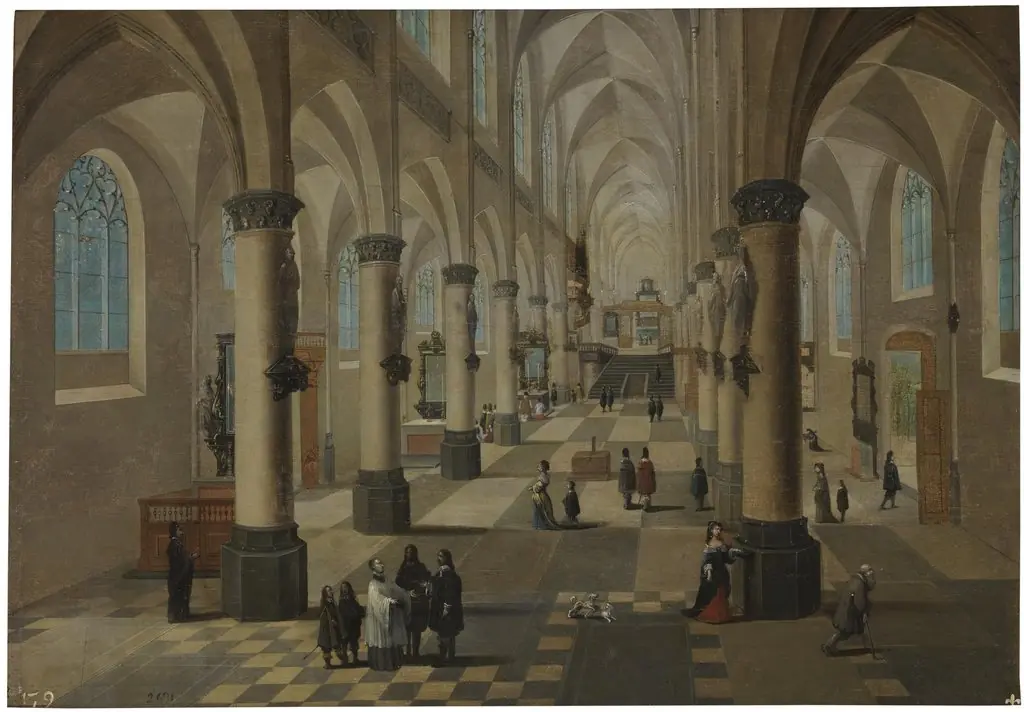
Own this work as a print
Artist & collection
Artist
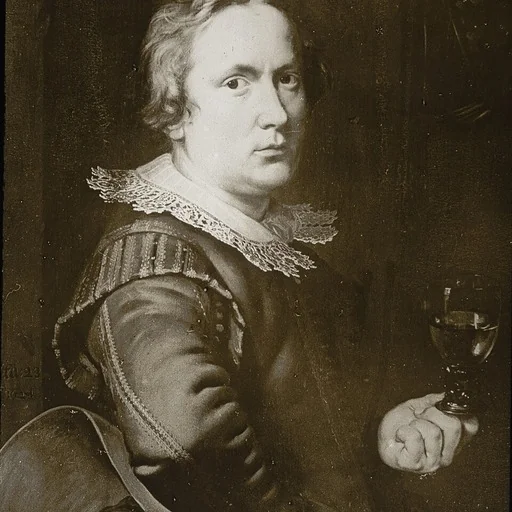
Anthonie Palamedesz., also Antonie Palamedesz, birth name Antonius Stevens, was a Dutch portrait and genre painter.

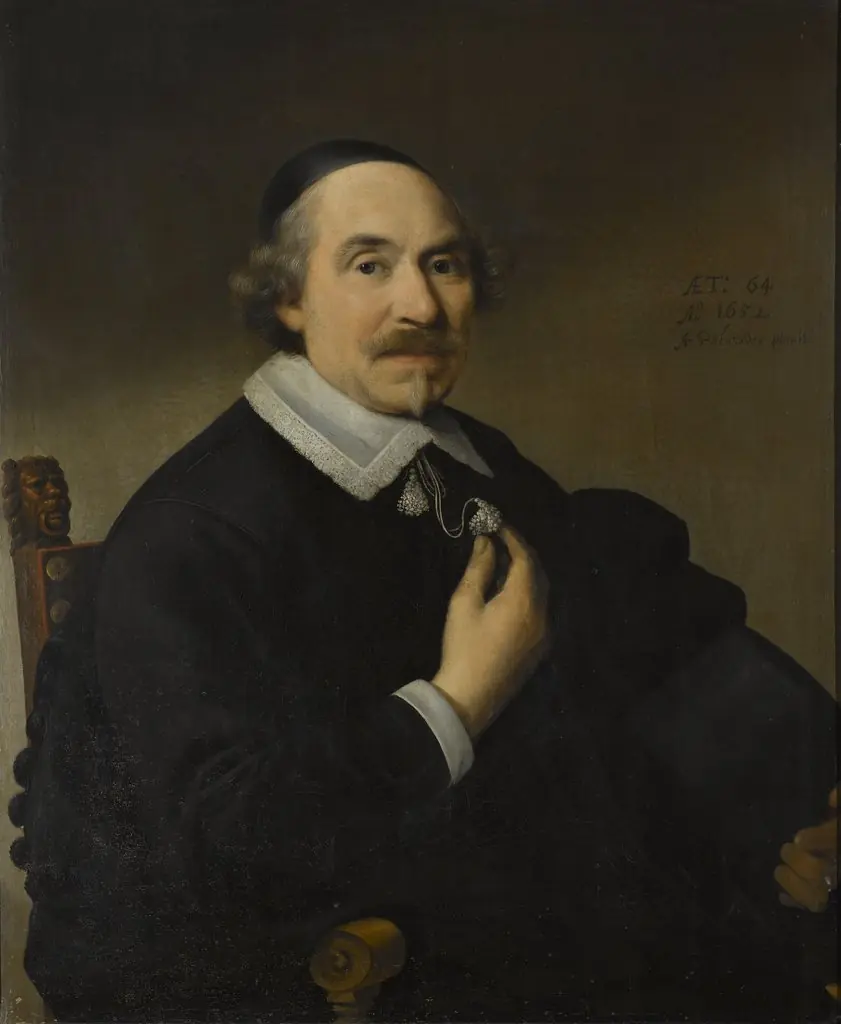
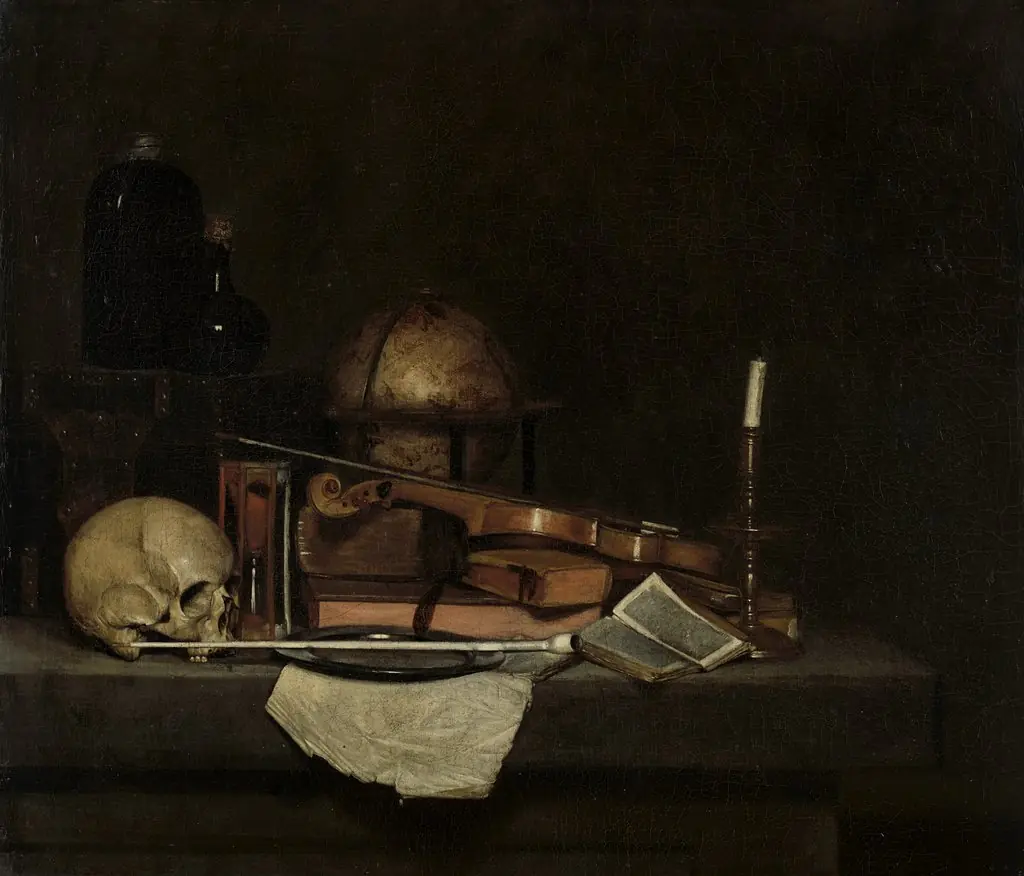
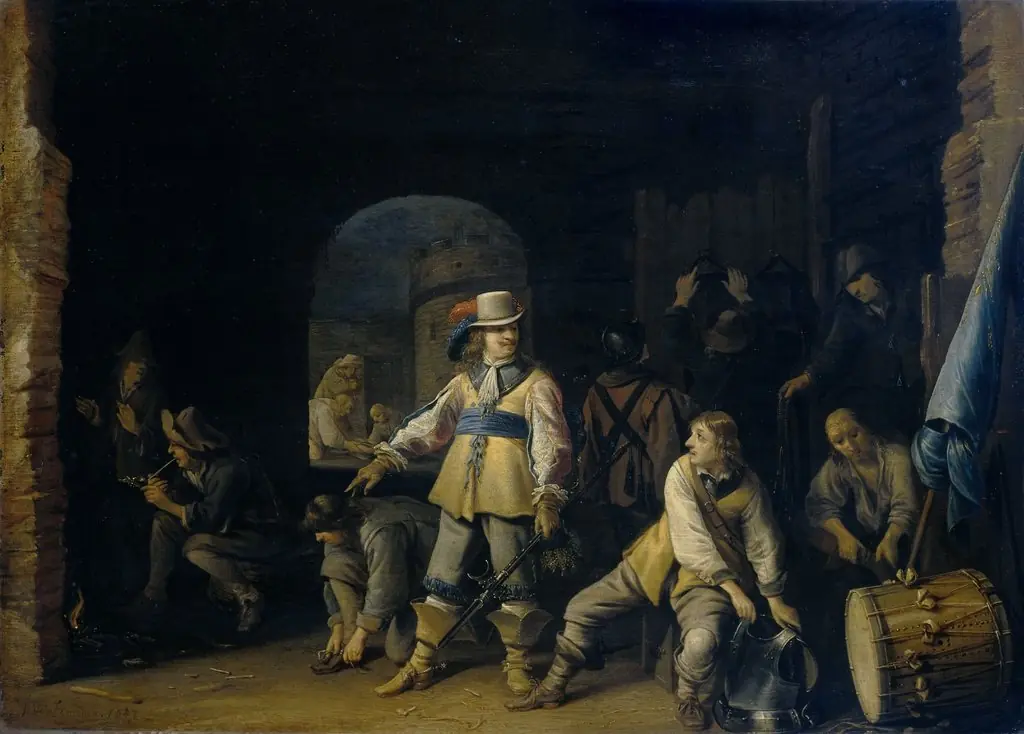
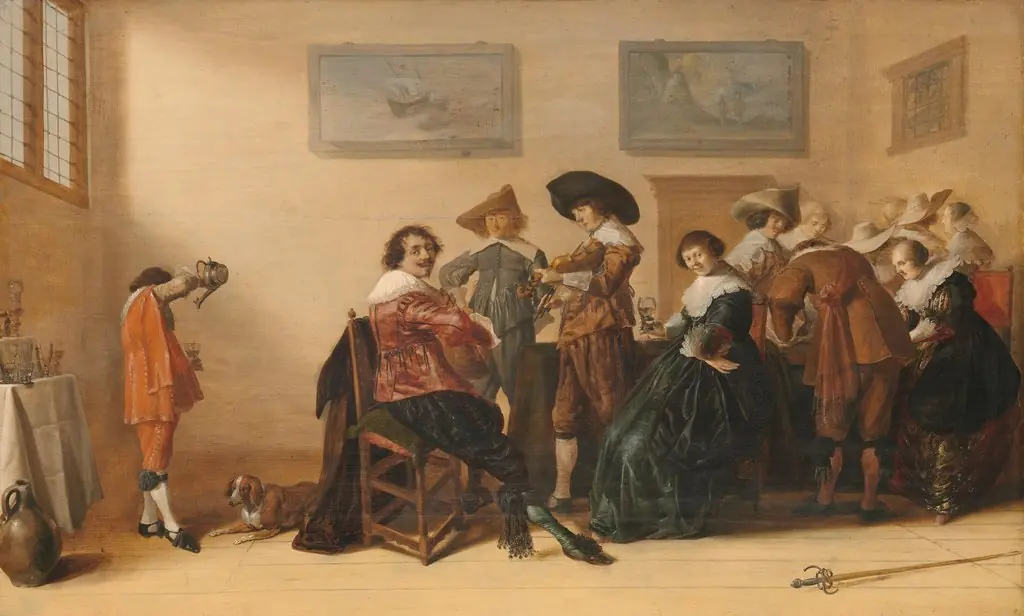
- Interior of a church in Flanders
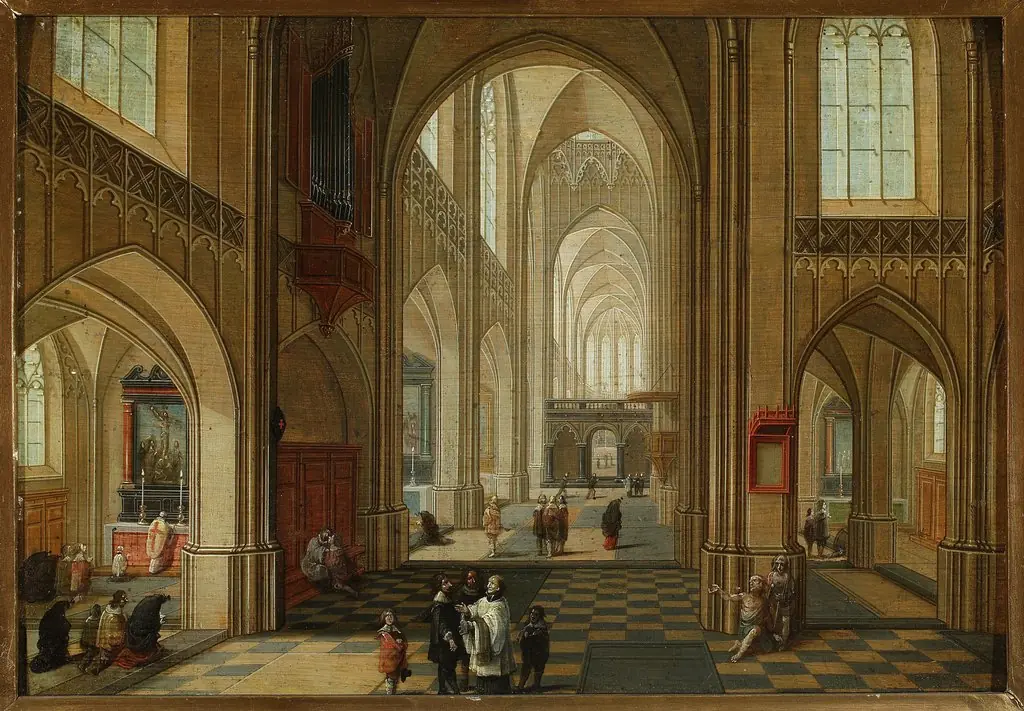 Church interior
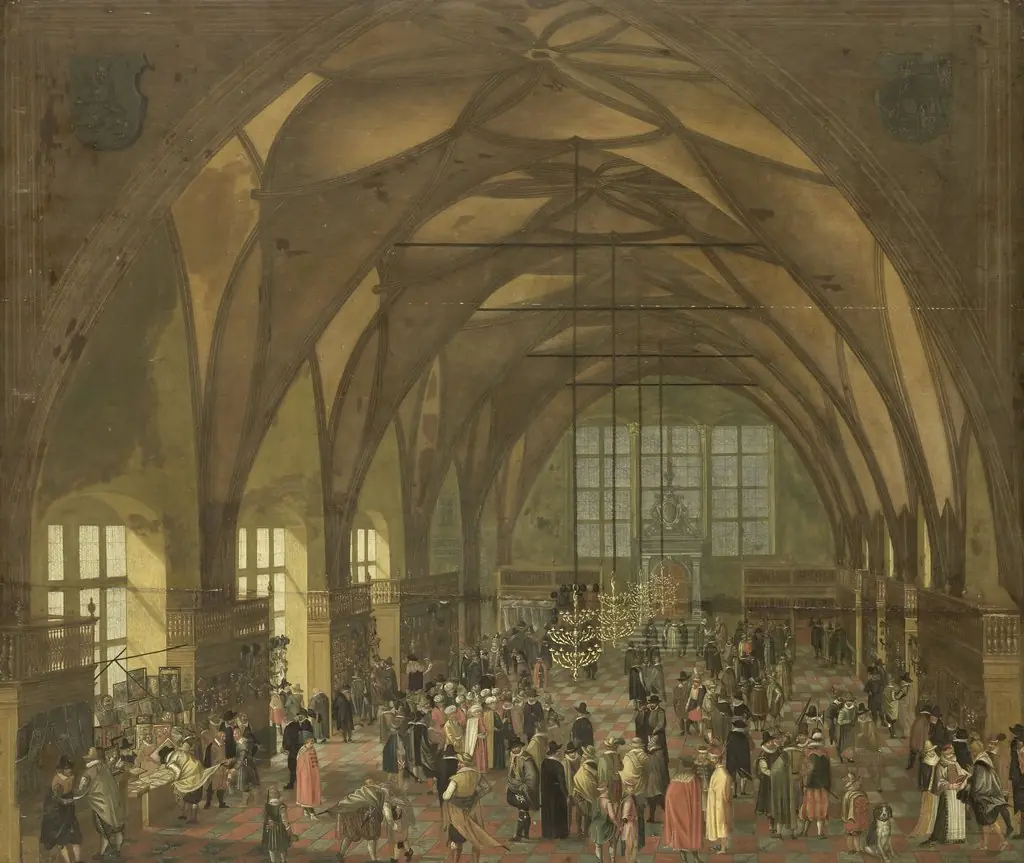 The great hall in the Hradschin in Prague
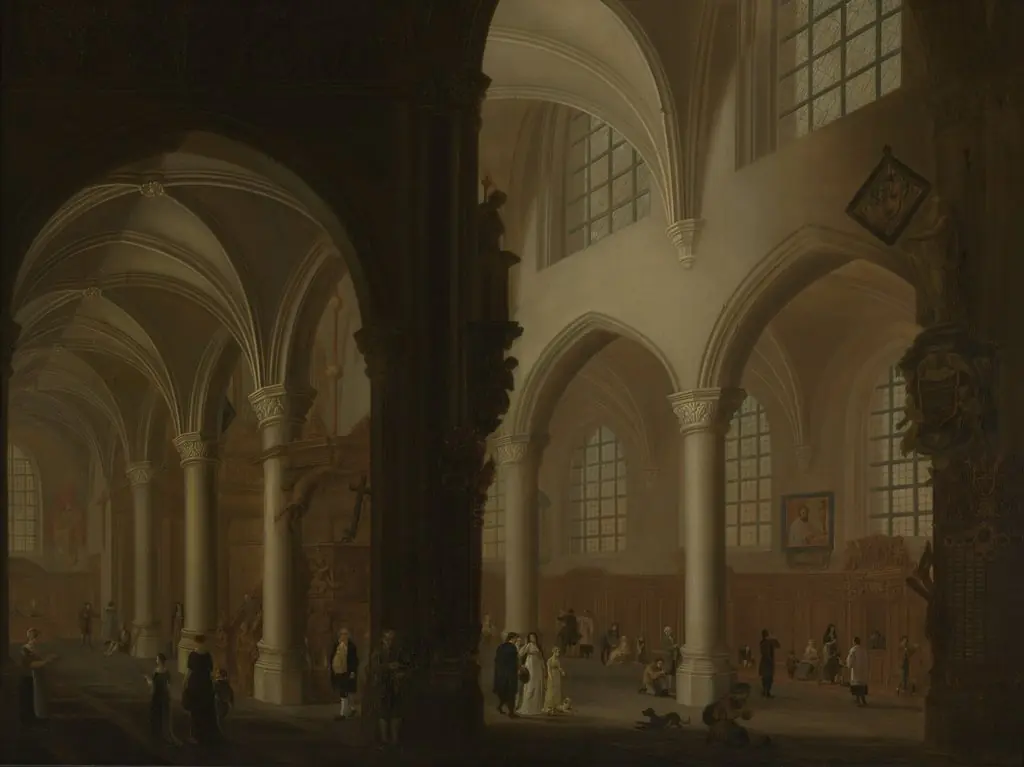 Interior of the Former Church of Saint George in Antwerp
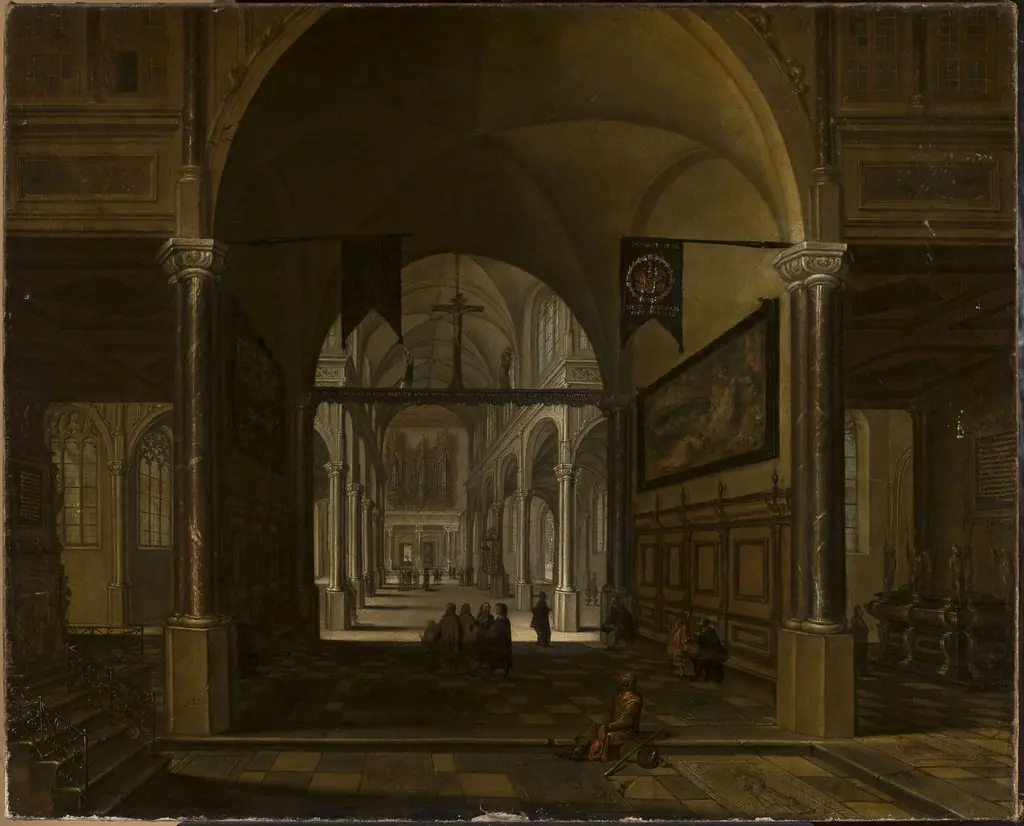 Church interior
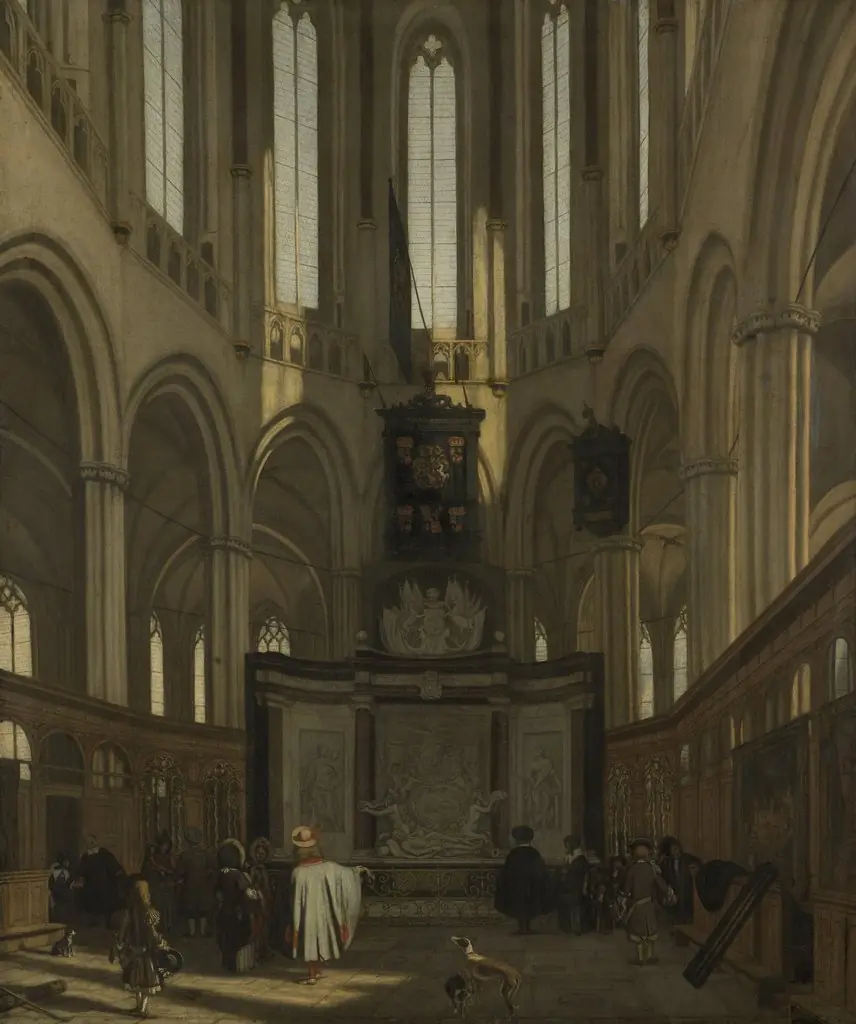 The Tomb of Michiel de Ruyter in the Nieuwe Kerk, Amsterdam
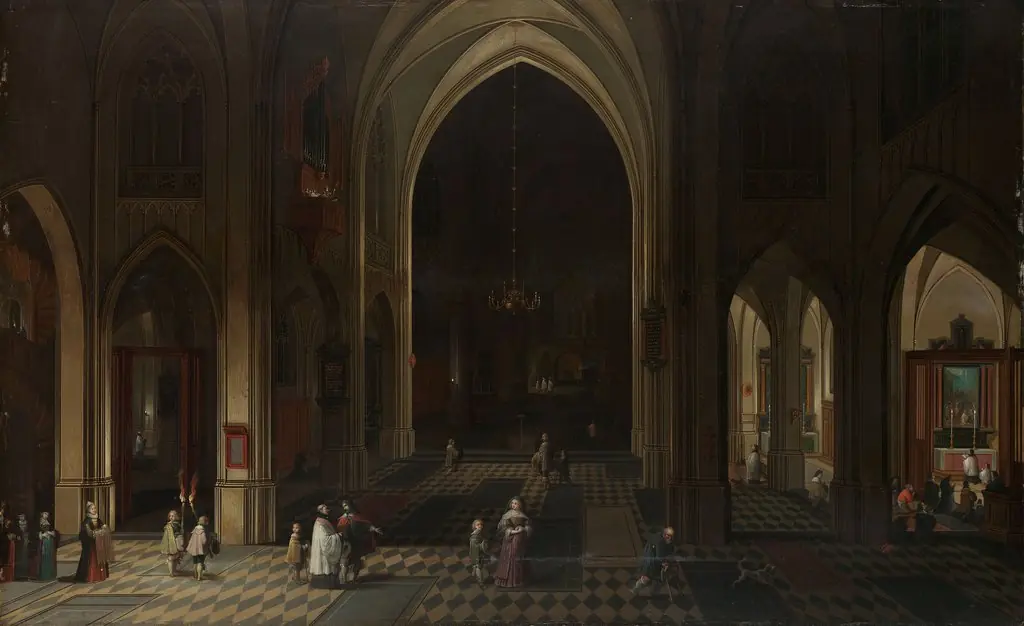 A church interior by candlelight
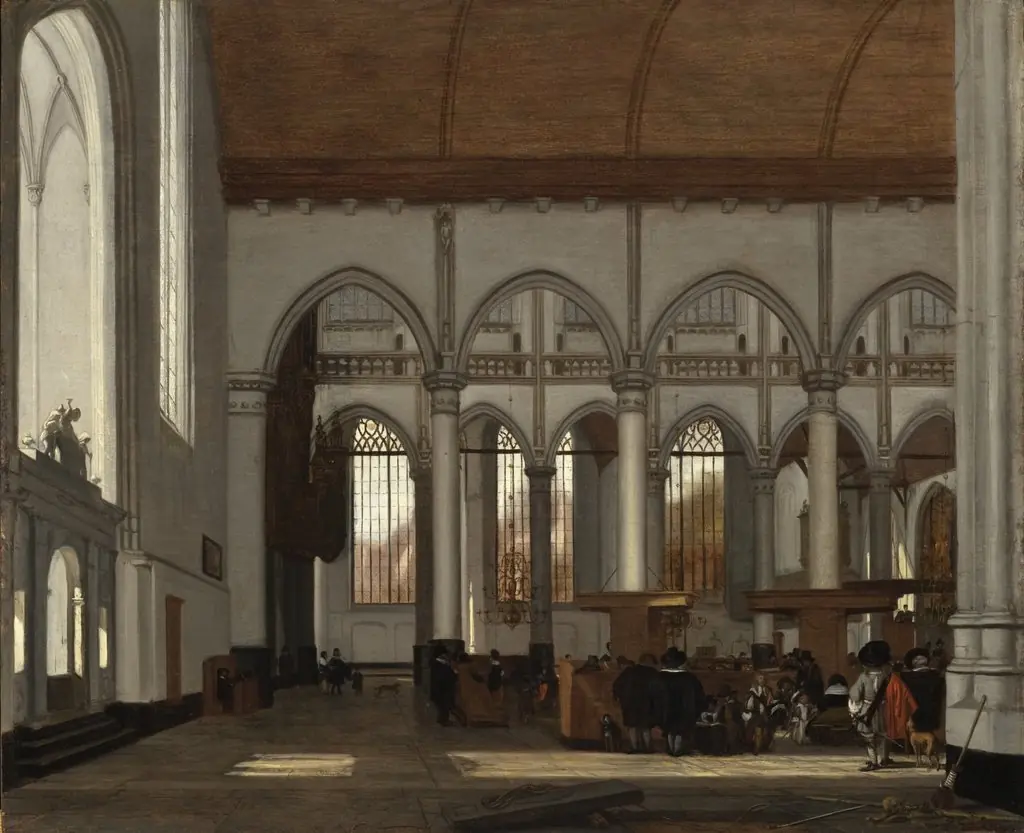 Interior of the Oude Kerk, Amsterdam
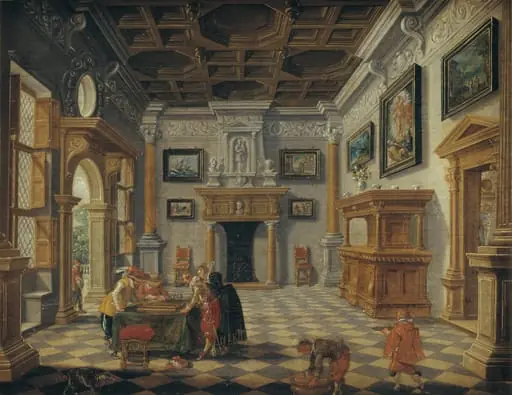 Sumptuous Renaissance Interior with Tric-Trac Players
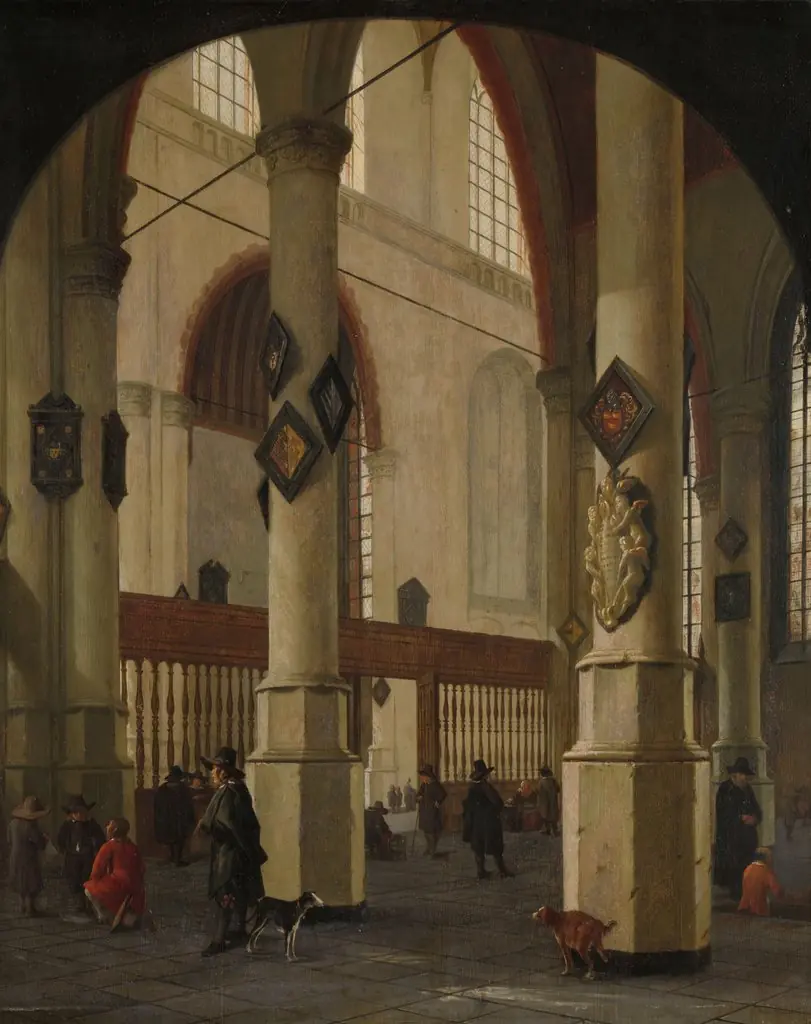 View in the Oude Kerk, Delft
 Sumptuous renaissance interior with a banquet
 Gezelschap in een interieur