Artwork
Mary Magdalene
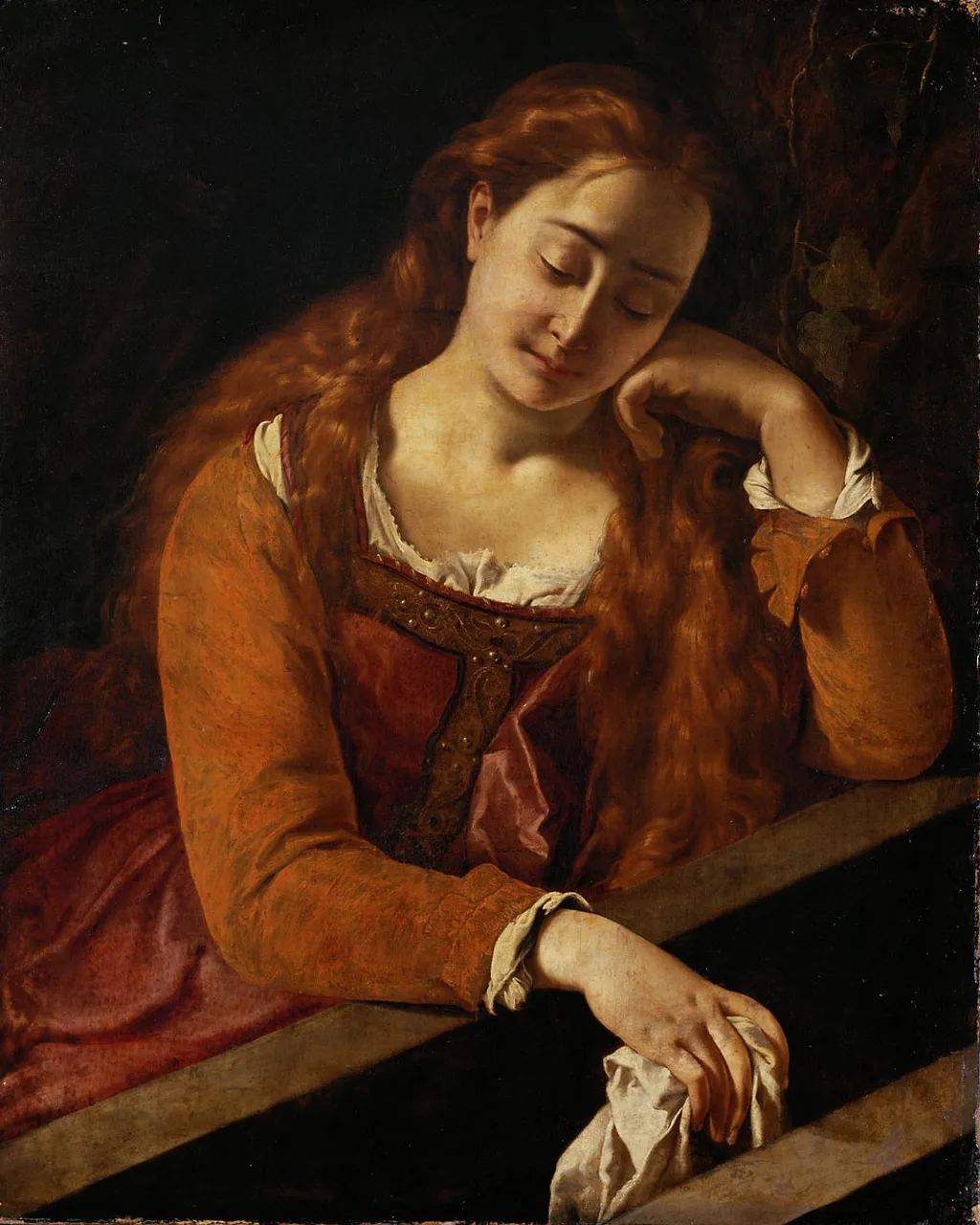
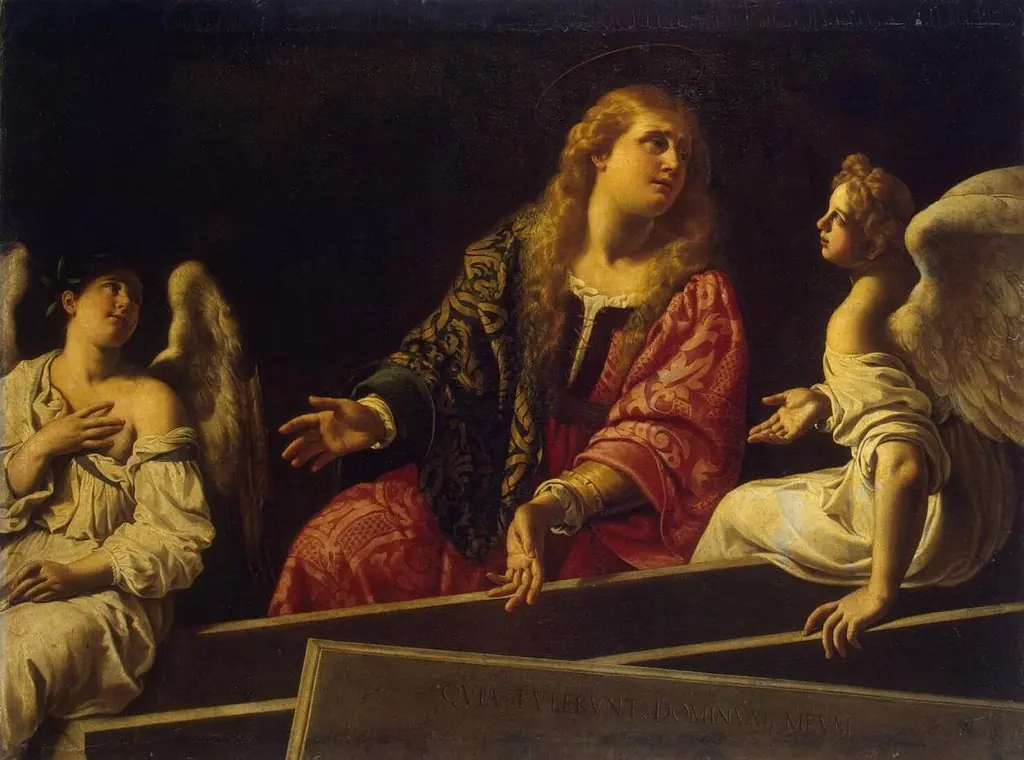
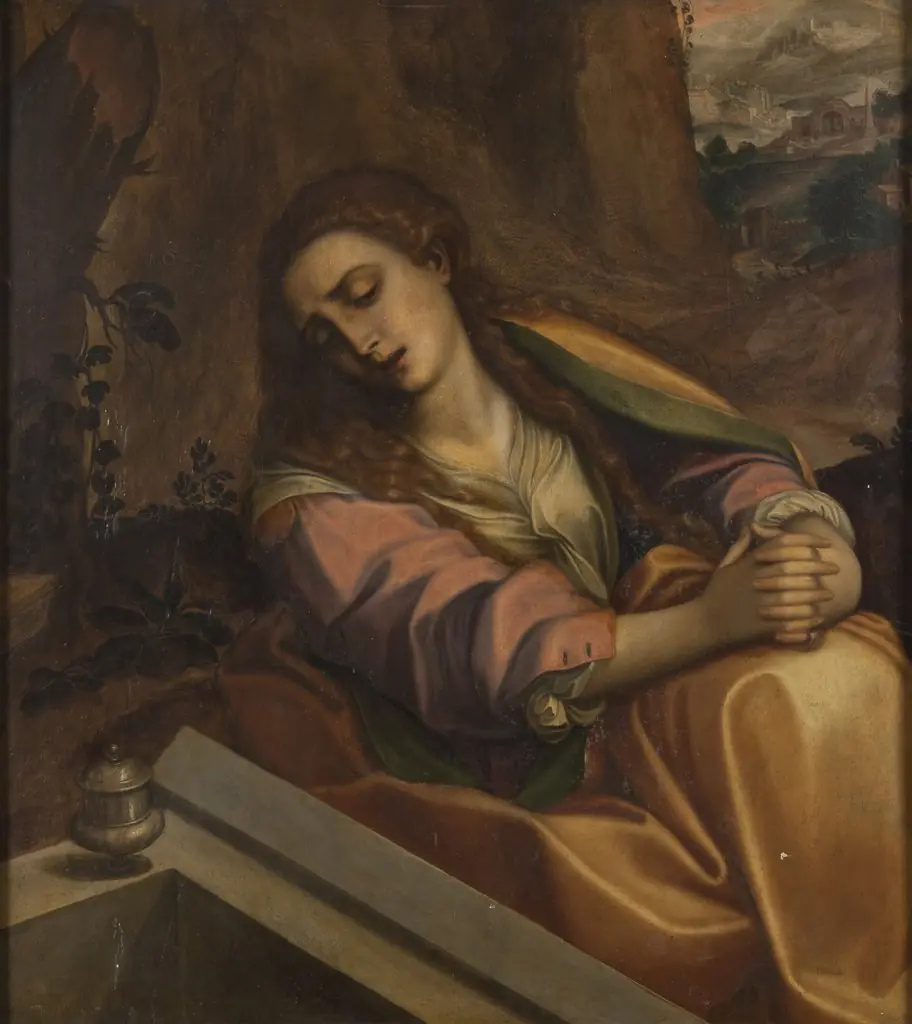
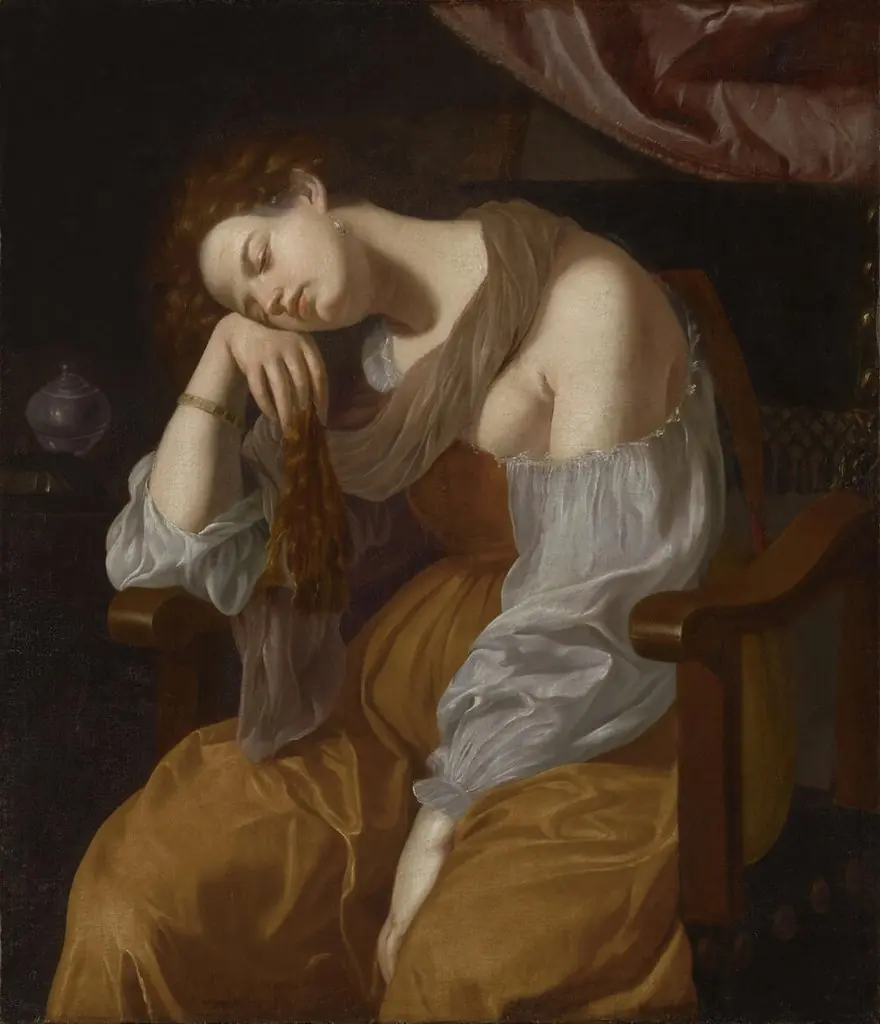
Mary Magdalene is an unspecified painting by the Early Baroque Italian artist Antiveduto Grammatica. It dates from 1615 and is held in the collection of the Kunsthistorisches Museum.
About this work
Subject & Meaning
5 cm in width, depicting Mary Magdalene in a half-length format that underscores her intimate, reflective presence within the sacred narrative.
The painting shows Mary Magdalene in a devotional context, emphasizing her role as a repentant saint through traditional iconography of contemplation and penitence. Her portrayal aligns with Counter-Reformation ideals of personal devotion, reflecting the subject's symbolic significance as a model of conversion and spiritual awakening.
The work measures 97 cm in height and 78.5 cm in width, depicting Mary Magdalene in a half-length format that underscores her intimate, reflective presence within the sacred narrative.
History & Provenance
The painting Mary Magdalene by Antiveduto Grammatica dates to 1615 and is classified as a religious work.
It entered the collection of the Kunsthistorisches Museum, where it remains held. The work is attributed solely to Grammatica, with no evidence supporting Artemisia Gentileschi’s involvement in its creation.
The painting is held at the Kunsthistorisches Museum, Vienna. Its inventory/accession number is not specified in the cited sources. The work is recorded as having entered the museum’s collection by 2024, where it remains held as part of the institution’s holdings of religious art.
It is recorded as having been exhibited at the Kunsthistorisches Museum in the context of its permanent collection display of Italian Baroque paintings, including works attributed to Antiveduto Grammatica.
Context
The painting Mary Magdalene, dated to 1615, is primarily attributed to the Italian Baroque artist Antiveduto Grammatica, though some scholarship has suggested a possible connection to Artemisia Gentileschi. As a religious work, it reflects the Counter-Reformation emphasis on emotive, penitential figures common in early seventeenth-century Rome. The piece is currently held in the collection of the Kunsthistorisches Museum in Vienna, where it serves as an example of Grammatica's contribution to the genre of religious art during this period.
Its dimensions and subject matter align with contemporary devotional practices, situating it within the broader context of Baroque religious painting.
Overview
Antiveduto Grammatica’s Mary Magdalene (1615) is a small‑scale oil painting on copper that exemplifies the early Baroque sensibility emerging around Rome. The work portrays the biblical figure in a moment of quiet contemplation, rendered with a restrained palette and focused lighting that foregrounds her serene expression.
Technique & Style
Grammatica employs chiaroscuro to model the figure, using a dark, subtly graded background that enhances the sense of volume. The smooth transitions of tone on the copper surface create a delicate sfumato effect, giving the skin and fabric a tactile quality and directing attention to the face and hands.
Artist & collection

Artist
Antiveduto Grammatica (December 1569 – April 1626) was a proto-Baroque Italian painter, active near Rome.