Artwork
St Cecilia with Two Angels
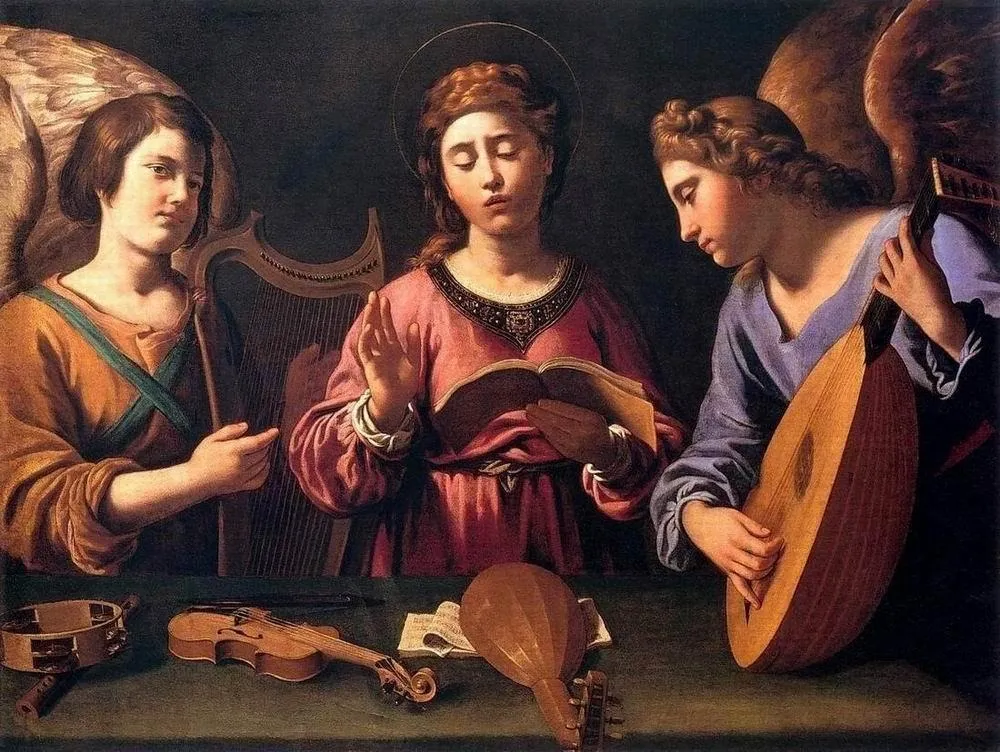
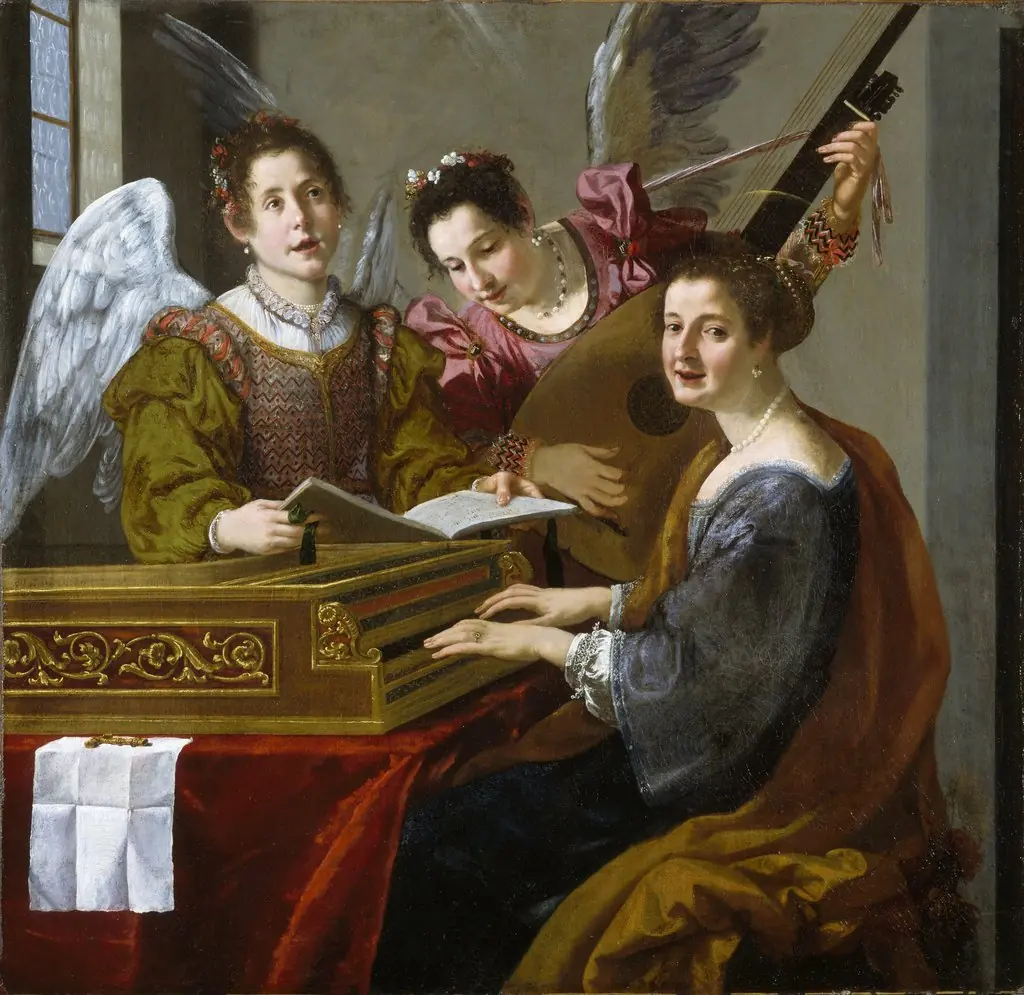
St Cecilia with Two Angels is an oil painting by the Early Baroque Italian artist Antiveduto Grammatica. It dates from 1620 and is held in the collection of the Kunsthistorisches Museum.
About this work
Subject & Meaning
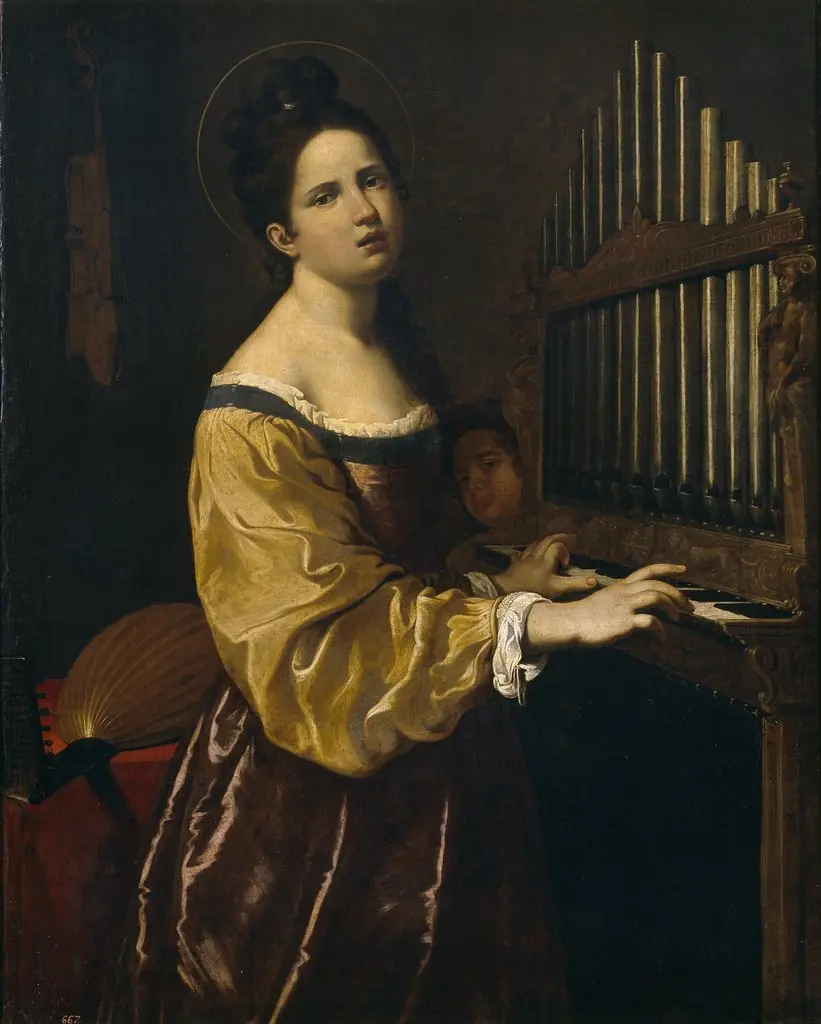
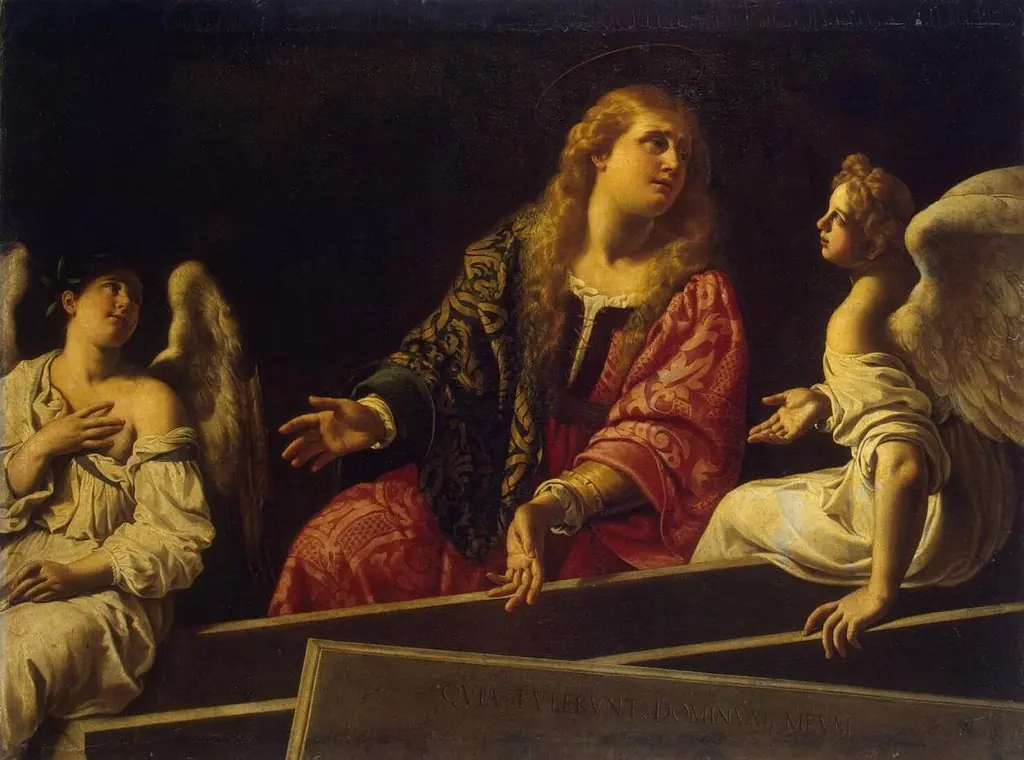
The painting portrays Saint Cecilia, a Christian martyr, accompanied by two angels. Her presence as a saint signifies divine inspiration and the harmony of music in Christian tradition. The work is classified as religious art, reflecting Counter-Reformation themes of devotion and spiritual guidance.
Technique & Style
The work St Cecilia with Two Angels was executed in oil paint on canvas, a technique typical of early‑17th‑century religious painting.
The work St Cecilia with Two Angels was executed in oil paint on canvas, a technique typical of early‑17th‑century religious painting. The surface bears the handling marks of a work intended for devotional use, and its present condition reflects careful preservation within the museum's collection. Formal analysis reveals a balanced composition, restrained coloration, and a naturalistic rendering of the saint and attendant angels that exemplifies the stylistic concerns of Antiveduto Grammatica's output.
History & Provenance
St Cecilia with Two Angels is a religious oil painting on canvas created in 1620 by Antiveduto Grammatica. The work depicts Saint Cecilia and was originally painted for a private patron, though specific commissioning details are not recorded. It entered the collection of the Kunsthistorisches Museum, where it remains on view.
The painting measures 91 cm in height and 120 cm in width, and its creation is dated to the year 1620 based on stylistic analysis and documented inception.
The provenance chain traces the artwork from its creation in Rome to its acquisition by the Kunsthistorisches Museum in Vienna, where it has been part of the permanent collection since the early 18th century. There is no evidence of private ownership or resale prior to museum accession, indicating a direct transfer from the artist’s estate or workshop to the institution.
St Cecilia with Two Angels is held in the collection of the Kunsthistorisches Museum. The painting, an oil on canvas measuring 91 by 120 cm, was created by Antiveduto Grammatica in 1620 and depicts Saint Cecilia. No specific inventory or accession number is recorded in the available sources, and no exhibition history is documented.
Overview
St Cecilia with Two Angels is a 1620 oil painting by Antiveduto Grammatica, a proto-Baroque artist from Rome. The work features three figures in a dimly lit setting, with Saint Cecilia centrally positioned, distinguished by a red dress and gold necklace, surrounded by angels engaged in music.
Context
As a proto-Baroque piece, St Cecilia with Two Angels reflects the transitional period from the High Renaissance to the Baroque, characterized by increased dramatic lighting and emotional depth. The choice of Saint Cecilia as the subject aligns with the Catholic Church's continued promotion of saints during the Counter-Reformation.
Legacy
While specific influences of St Cecilia with Two Angels on later artists are not widely documented, the painting contributes to the broader legacy of proto-Baroque stylistic developments, particularly in its use of chiaroscuro to evoke religious devotion and emotional response.
Artist & collection

Artist
Antiveduto Grammatica (December 1569 – April 1626) was a proto-Baroque Italian painter, active near Rome.