Artwork
General Jean-Baptiste Kléber and Egyptian Family (Sketches for "The Battle of the Pyramids")
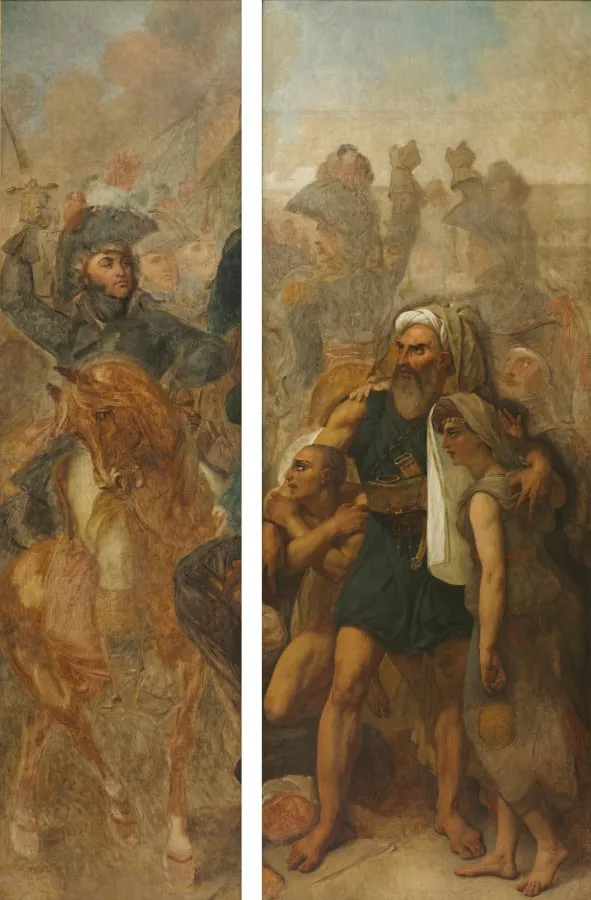
General Jean-Baptiste Kléber and Egyptian Family (Sketches for "The Battle of the Pyramids") is an unspecified painting by the Romanticist artist Antoine-Jean Gros. It dates from 1835 and is held in the collection of the Cleveland Museum of Art.
- Accession no.
- 1972.17
- Credit line
- John L. Severance Fund
About this work
Overview
This work is a preparatory study by Antoine-Jean Gros for a larger commissioned painting depicting Napoleon’s 1798 victory at the Battle of the Pyramids.
This work is a preparatory study by Antoine-Jean Gros for a larger commissioned painting depicting Napoleon’s 1798 victory at the Battle of the Pyramids. Created around 1810, it was later revised in the 1830s under royal commission to include General Jean-Baptiste Kléber, whose role in the Egyptian campaign had been omitted from the original. The addition aimed to broaden the narrative beyond Napoleon, reflecting shifting political priorities after the Bourbon Restoration.
Subject & Meaning
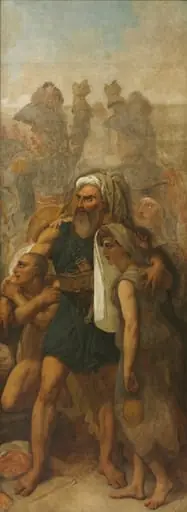
The scene portrays General Kléber in a red military coat, standing beside an Egyptian family dressed in traditional robes. The family gazes upward, their posture suggesting deference or awe. Rather than celebrating conquest, the composition emphasizes a moment of human encounter, subtly framing French military presence as paternal or civilizing.
Kléber’s lowered sword and calm demeanor contrast with the typical glorification of battle, hinting at a more nuanced imperial narrative.
Technique & Style
Gros employs dramatic chiaroscuro to isolate the figures, directing light onto their faces and clothing to heighten emotional presence. The brushwork is loose yet precise, capturing texture in fabric and skin with immediacy. The background remains indistinct, focusing attention on the interaction between the general and the family. This approach reflects Gros’s Romantic sensibility, prioritizing psychological realism over topographical accuracy.
History & Provenance
The original 1810 painting of Napoleon’s victory was stored after the emperor’s 1814 abdication, deemed politically inconvenient. In the 1830s, King Louis-Philippe commissioned Gros to expand it for the Musée Historique at Versailles, adding figures to dilute Napoleon’s centrality. Kléber, a respected but non-imperial commander, was inserted at one end. This study likely served as a model for the revised composition, later incorporated into the enlarged canvas.
Context
The French campaign in Egypt (1798–1801) ended in failure, yet its cultural impact endured. Artistic representations were later repurposed to serve new regimes: Napoleon’s image was suppressed under the Bourbons, then selectively revived under Louis-Philippe to legitimize a constitutional monarchy by invoking revolutionary glory without direct imperial association. Kléber’s inclusion acknowledged military merit beyond the emperor’s circle.
Legacy
Gros’s revisions reflect how historical art was manipulated for political messaging in 19th-century France. The study remains significant as evidence of the artist’s process and the state’s role in shaping national memory. Though the expanded painting is now less known, this sketch preserves the human dimension of imperial encounters, offering a quieter, more complex counterpoint to grand battle narratives.
Artist & collection
Artist
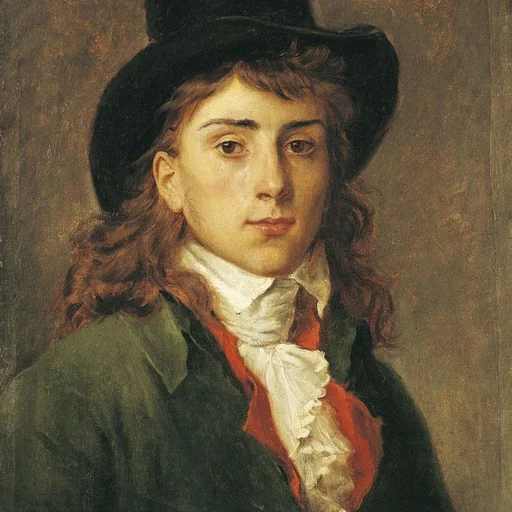
Antoine-Jean Gros (French pronunciation:; 16 March 1771 – 25 June 1835) was a French painter of historical subjects.

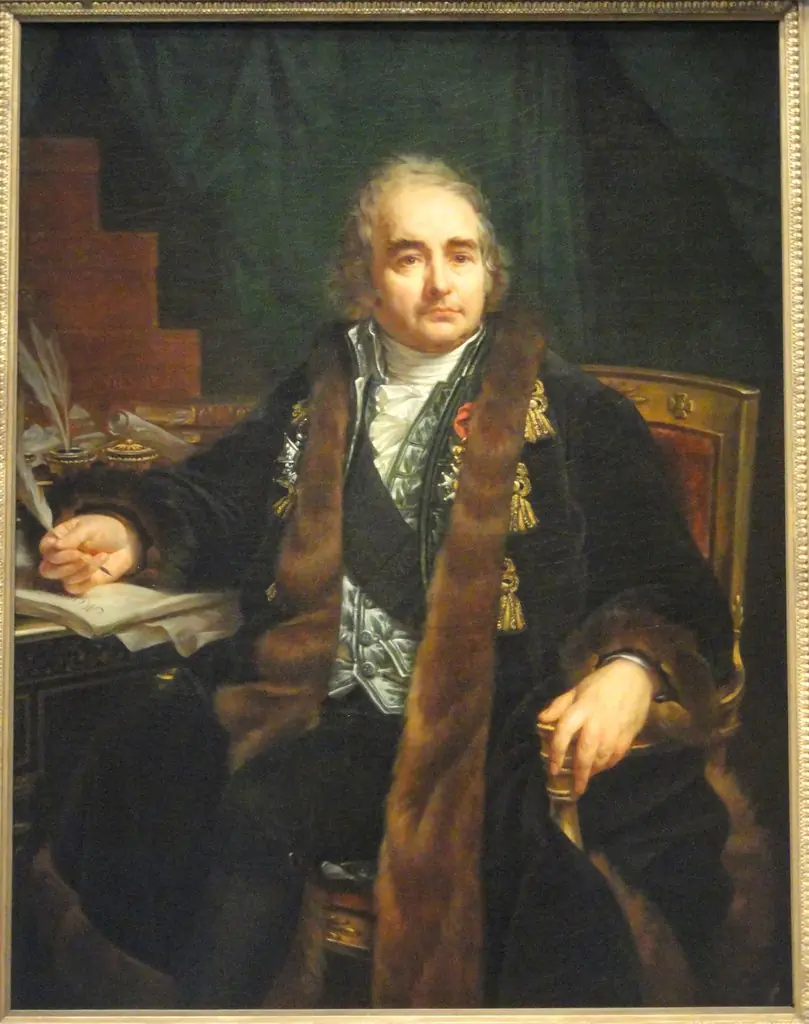 portrait of Jean-Antoine Chaptal
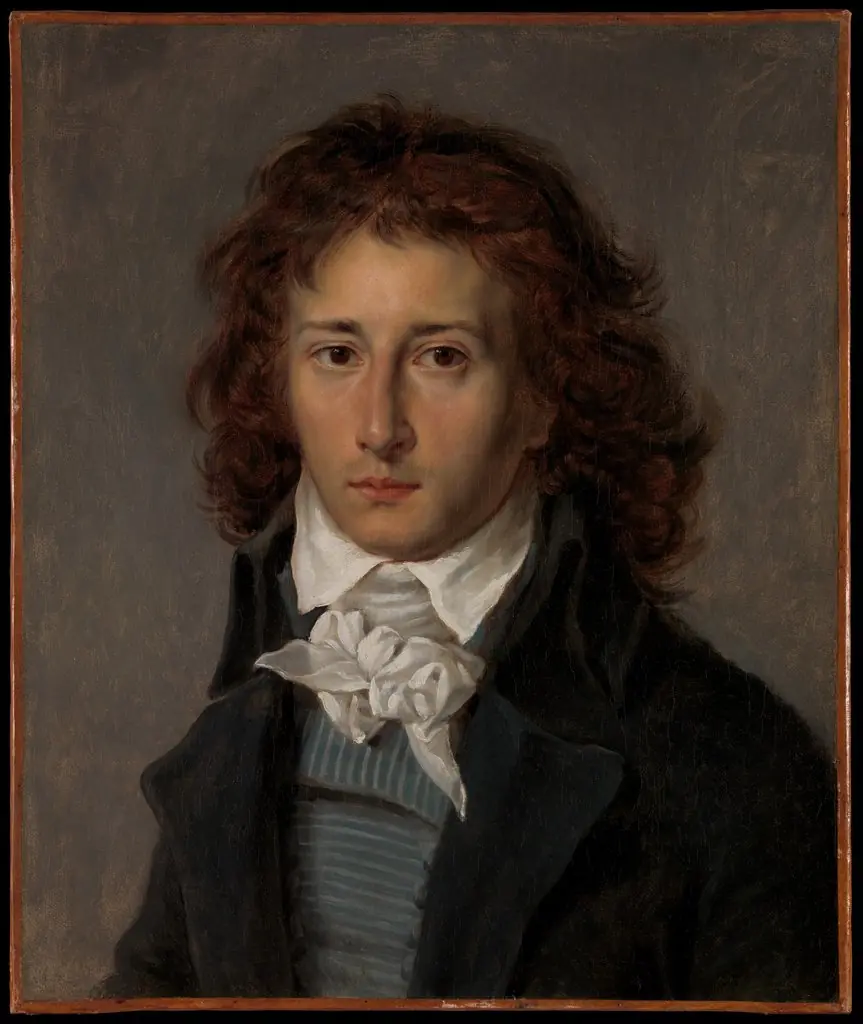 François Gérard (1770–1837), later Baron Gérard
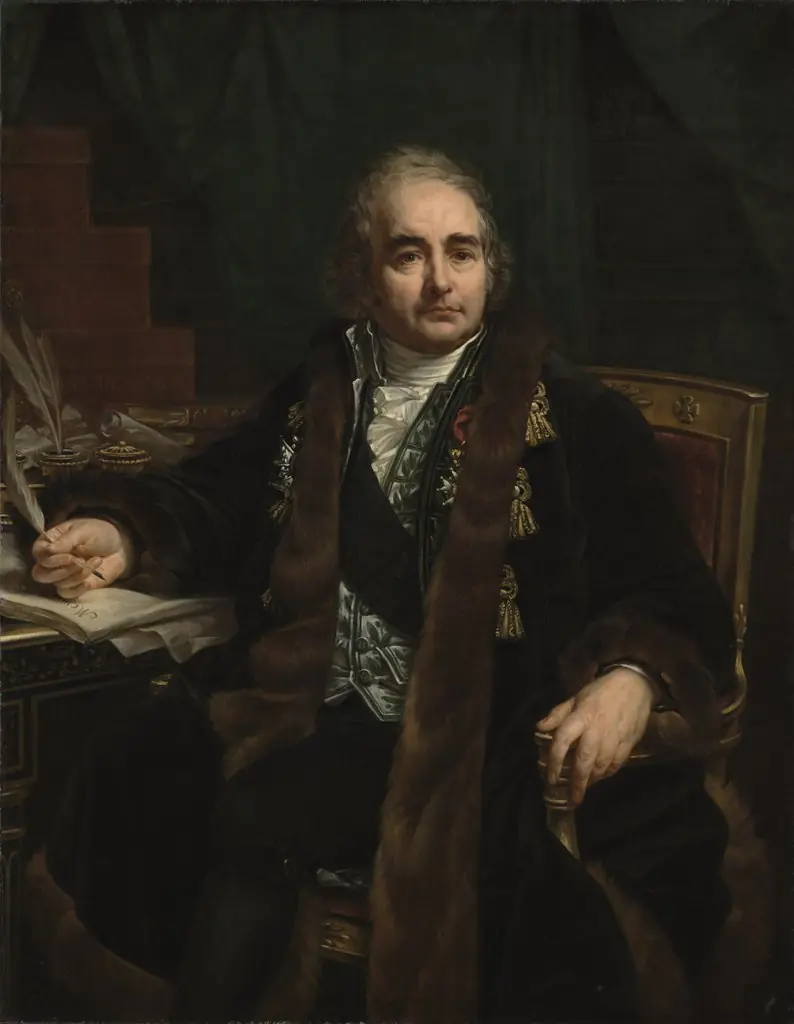 Portrait of Count Jean-Antoine Chaptal
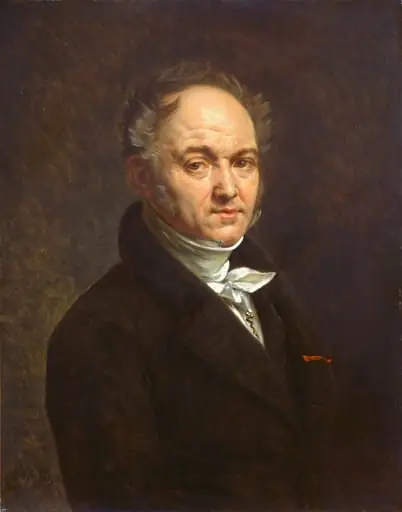 Dr. Vignardonne
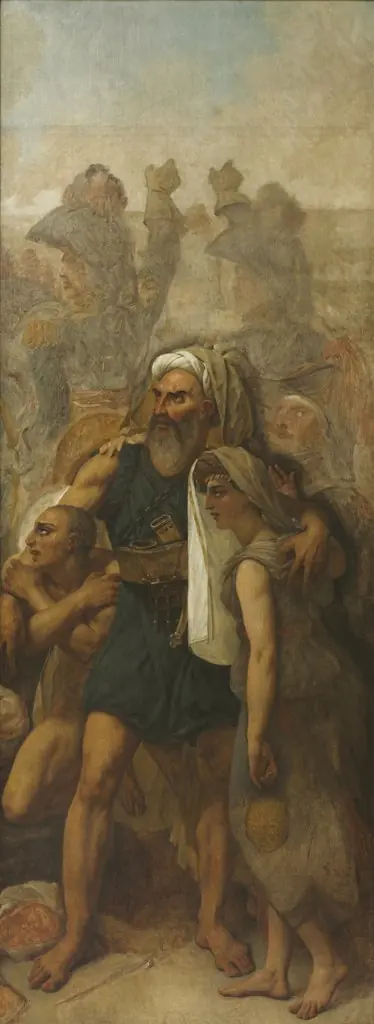 Egyptian Family (Sketch for "The Battle of the Pyramids")
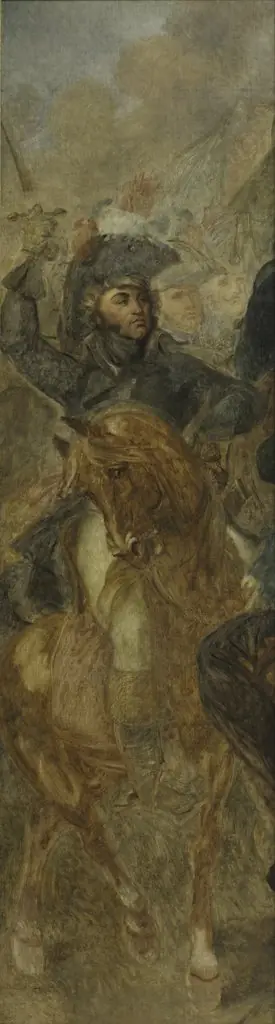 General Jean-Baptiste Kléber (Sketch for "The Battle of the Pyramids")
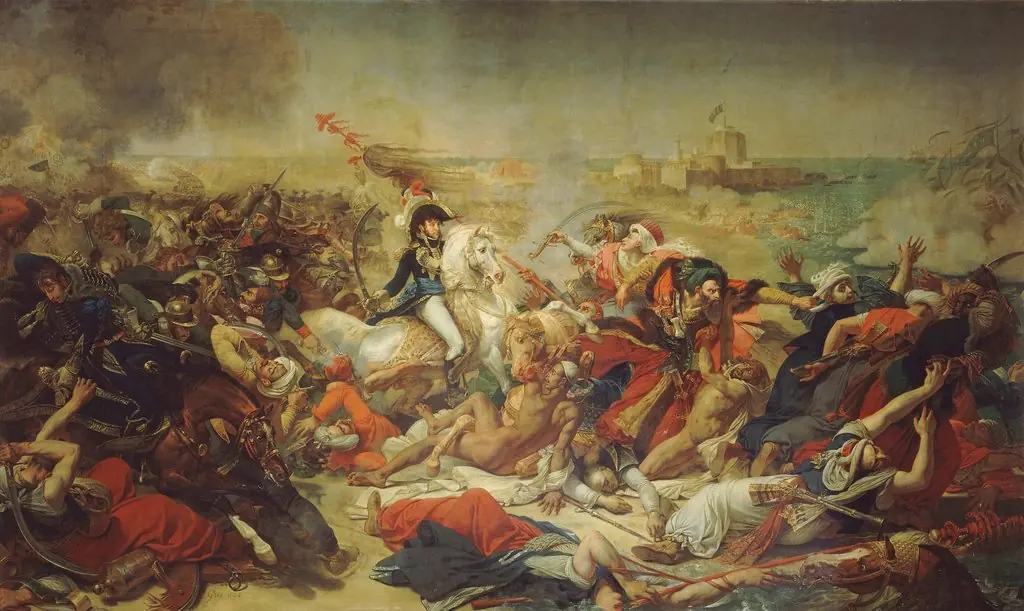 Bataille d'Aboukir, 25 Juillet 1799
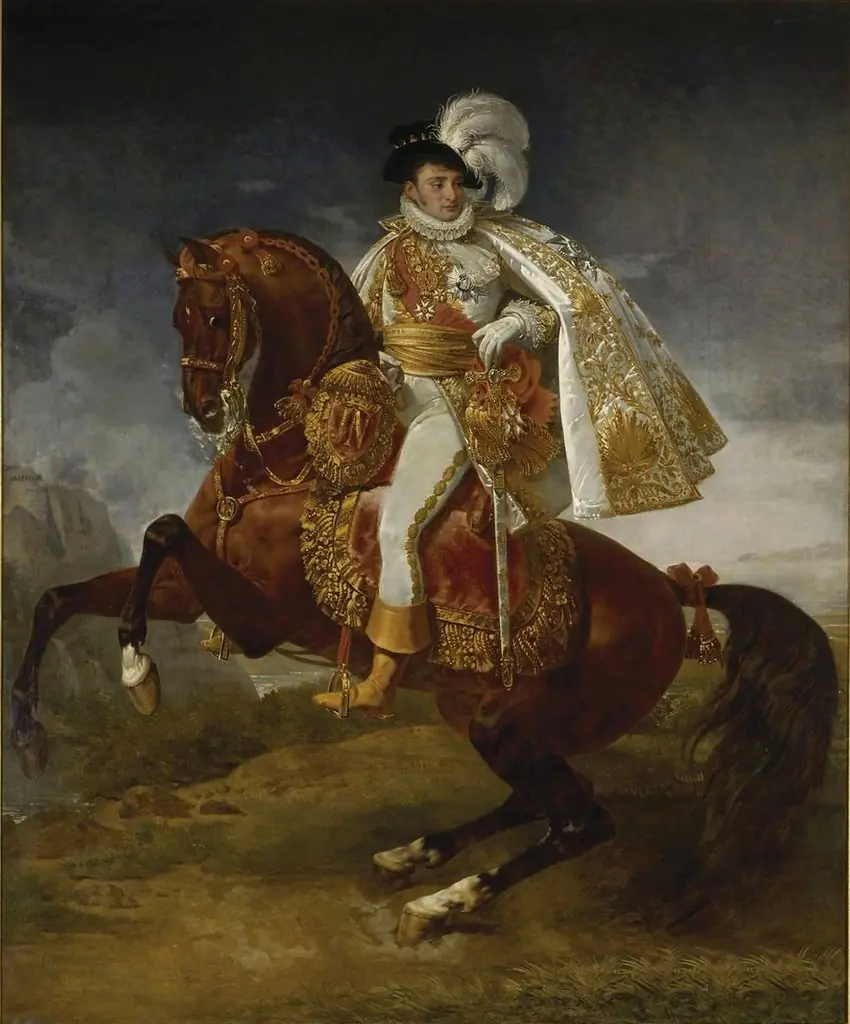 Jérôme Bonaparte, King of Westphalia
 Heilige Lucas verschijnt in de kerk van Onze Lieve Vrouw van Tripoli
 Intrarea lui Traian în Sarmizegetusa
 Legendary Battle of the Torriani and Visconti - the Capture
 Battle Charge
 Römischer Triumphzug
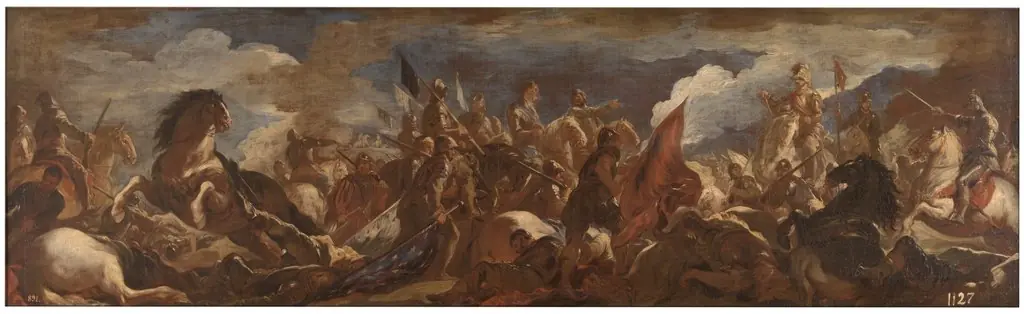 Prisión del condestable de Montmorency, en la Batalla de San Quintín
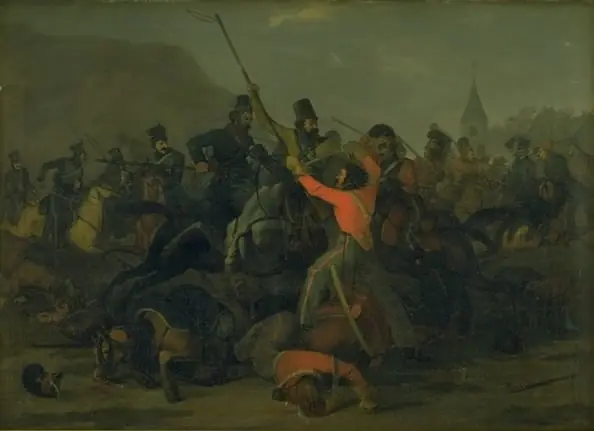 Oberst Boncke Bönnichsens fald den 6. december 1813 under en fægtning mellem jyske dragoner og kosakker
 Corturi
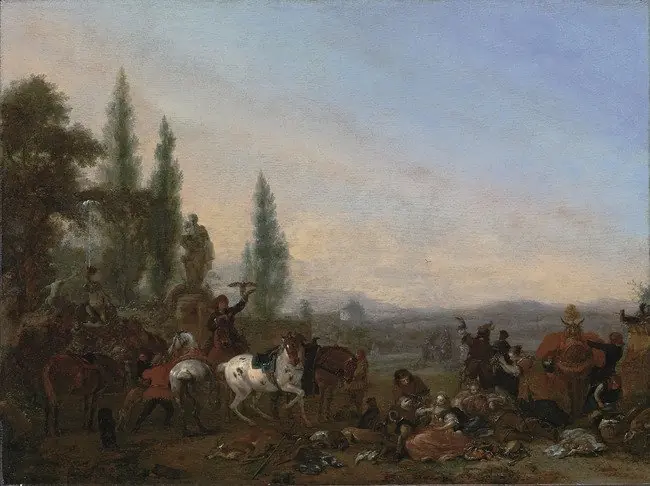 Hawking party resting by a fountain
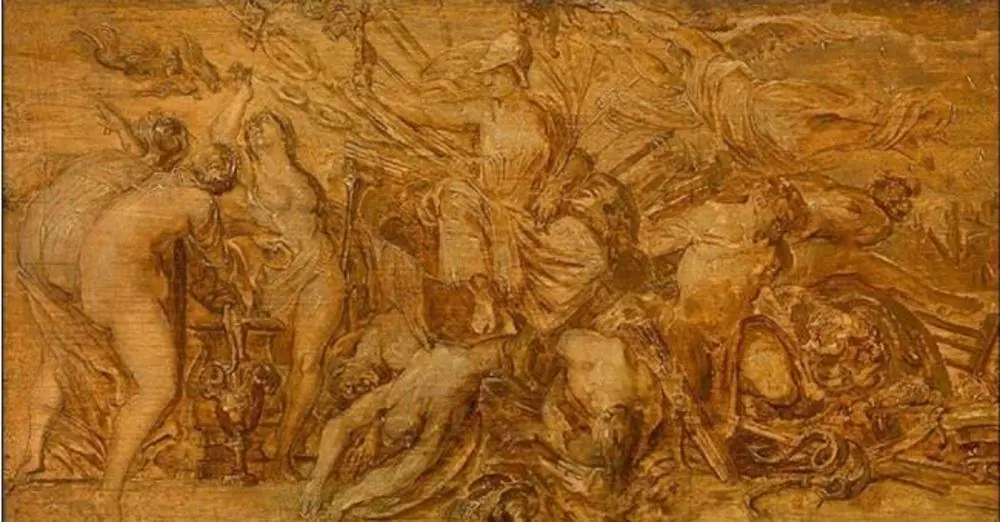 Bellona
- Egyptian Family (Sketch for "The Battle of the Pyramids")