Artwork
Jérôme Bonaparte, King of Westphalia
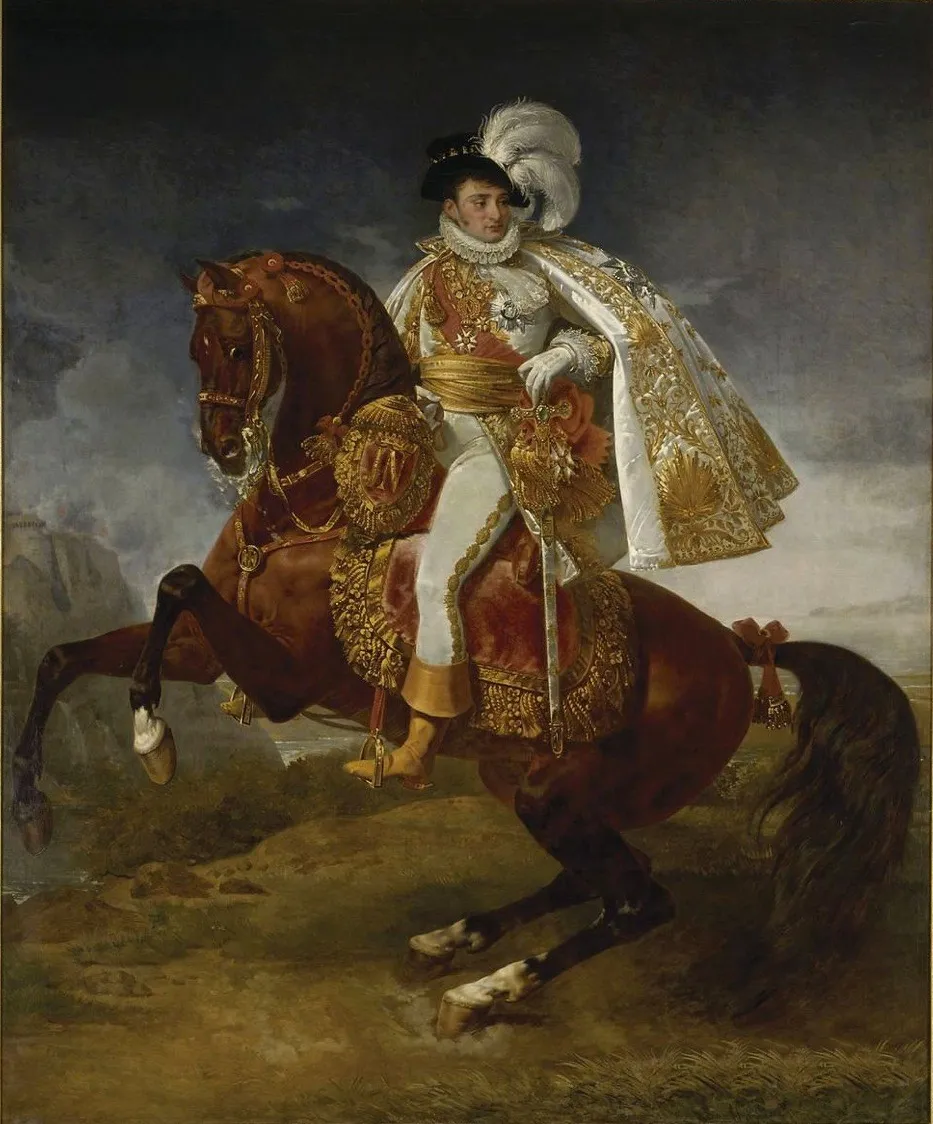
Jérôme Bonaparte, King of Westphalia is an oil painting by the Neoclassicist artist Antoine-Jean Gros. It dates from 1808 and is held in the collection of the Museum of the History of France. Antoine‑Jean Gros painted this portrait of Jérôme Bonaparte in 1808.
About this work
Subject & Meaning
The portrait depicts Jérôme Bonaparte mounted on a rearing horse, an equestrian posture traditionally signifying military command and regal authority.
The portrait depicts Jérôme Bonaparte mounted on a rearing horse, an equestrian posture traditionally signifying military command and regal authority. Jérôme is shown in the insignia of a Westphalian king, uniform with gold embroidery and a sash, alongside attributes such as a sword and admiral’s baton, indicating both martial and sovereign roles. The composition was exhibited at the Salon of 1808, aligning with Napoleonic propaganda that promoted Jérôme’s status as ruler of the newly created Kingdom of Westphalia.
The work thus functions as a visual assertion of dynastic legitimacy and imperial power during the early nineteenth century.
Technique & Style
Created in 1808 by Antoine-Jean Gros, this work is an oil painting executed on canvas. The piece functions as a large-scale equestrian portrait, measuring 321 cm in height and 265 cm in width. The artist depicts Jérôme Bonaparte mounted on a horse, incorporating specific details such as the subject's attire as a general and king, complete with a sword, embroidery, and references to his role as an admiral.
The composition was originally presented at the Salon of 1808, establishing its formal presence as a significant state commission of the Napoleonic era.
History & Provenance
The portrait was commissioned by Jérôme Bonaparte and painted by Antoine-Jean Gros in 1808, the same year it was exhibited at the Salon. It depicts Jérôme Bonaparte as King of Westphalia in equestrian attire.
The work entered the collection of the French State and has been held by the Museum of the History of France at the Palace of Versailles since its acquisition. Its inventory numbers at Versailles are MV 4708 (Joconde), INV 5072, and AC 1790.
Legacy
The painting of Jérôme Bonaparte, King of Westphalia, created by Antoine-Jean Gros in 1808, has been recognized for its historical significance as an equestrian portrait commissioned during the Napoleonic era. It was exhibited at the Salon of 1808 and is part of the French State's collection, reflecting its enduring cultural value. The work remains housed at the Palace of Versailles, where it is preserved as a symbol of imperial symbolism and Napoleonic-era portraiture.
Overview
Antoine‑Jean Gros painted this portrait of Jérôme Bonaparte in 1808. Executed in oil on canvas, the work presents the younger brother of Napoleon in a regal, martial pose, mounted on a galloping horse. The composition combines elements of portraiture and equestrian display, emphasizing the sitter’s dual status as a monarch and a military figure.
Context
Created at a time when Napoleon was consolidating his empire, the portrait reflects the broader practice of using art to legitimize newly established monarchies. Gros, a pupil of Jacques‑Louis David, applied his academic training to convey both the personal prestige of Jérôme and the political narrative of the French‑aligned kingdom of Westphalia.
Artist & collection
Artist
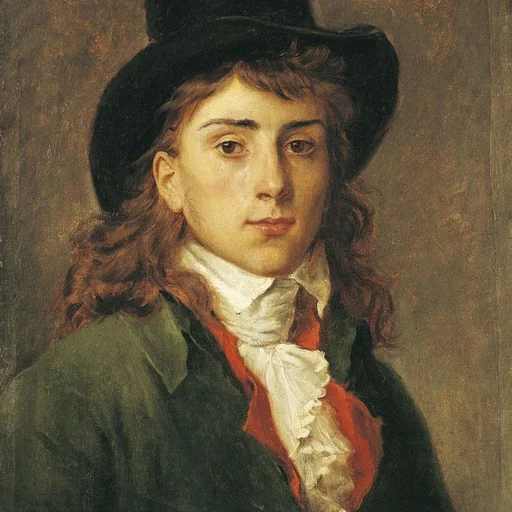
Antoine-Jean Gros (French pronunciation:; 16 March 1771 – 25 June 1835) was a French painter of historical subjects.

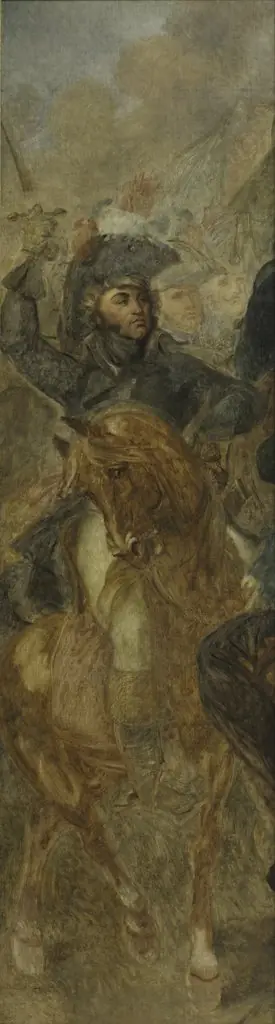
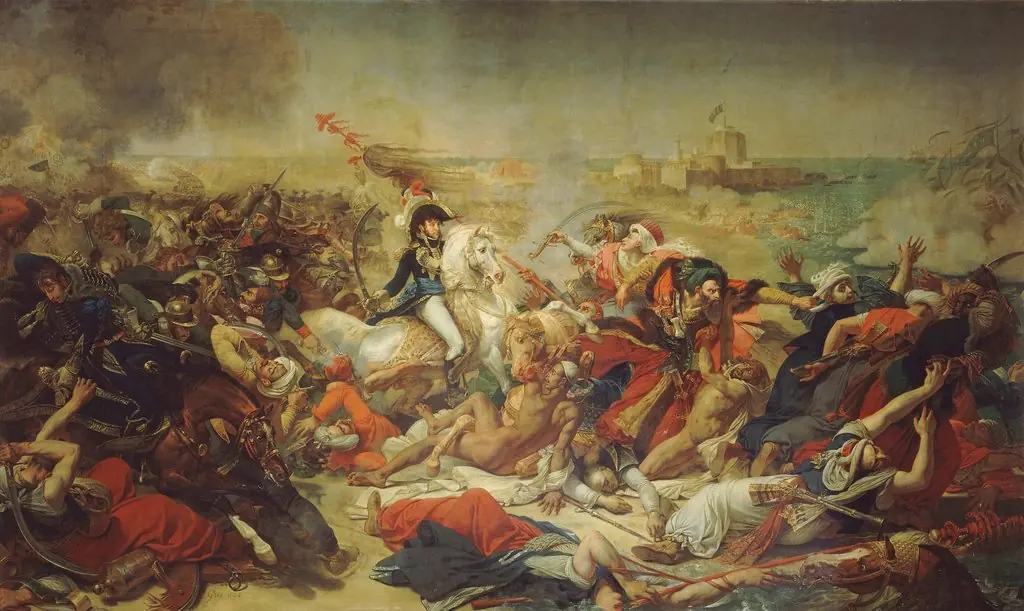
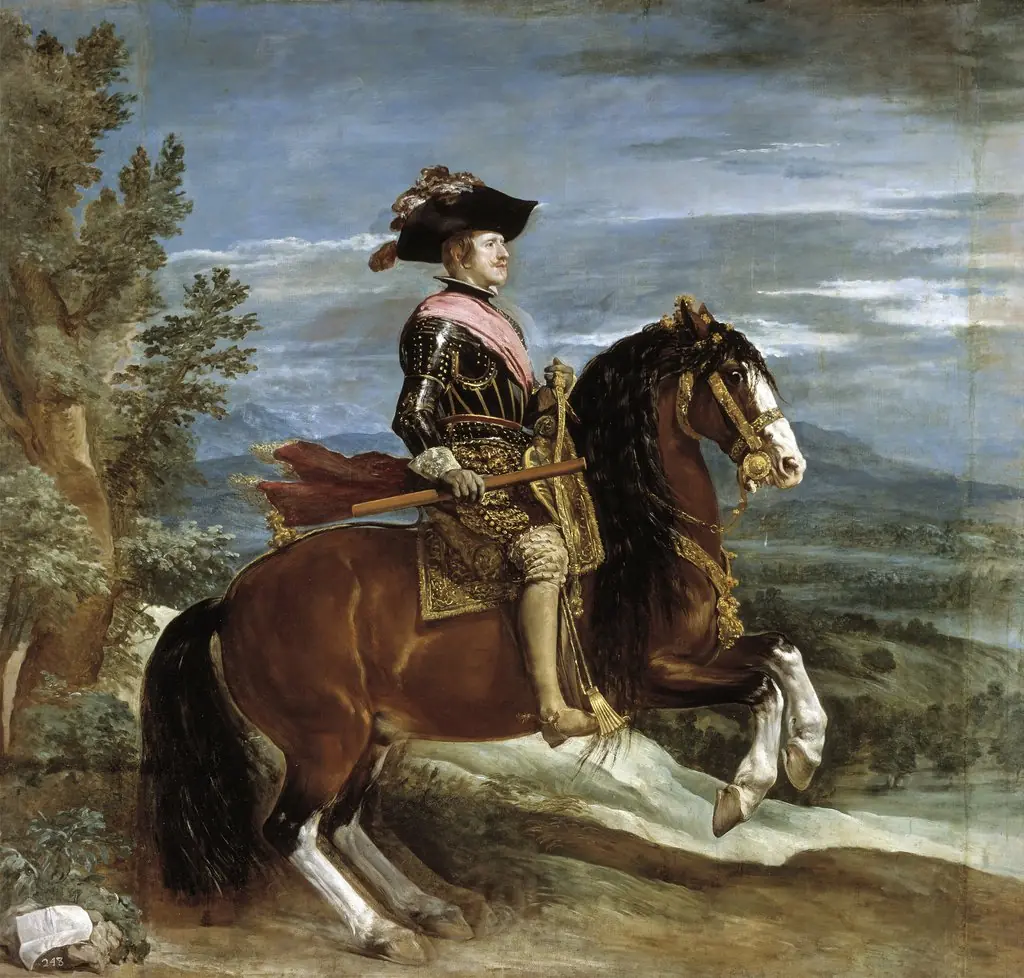 Equestrian Portrait of Philip IV
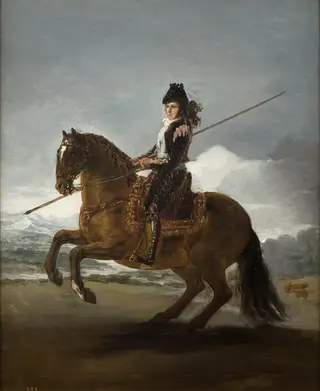 A spearman
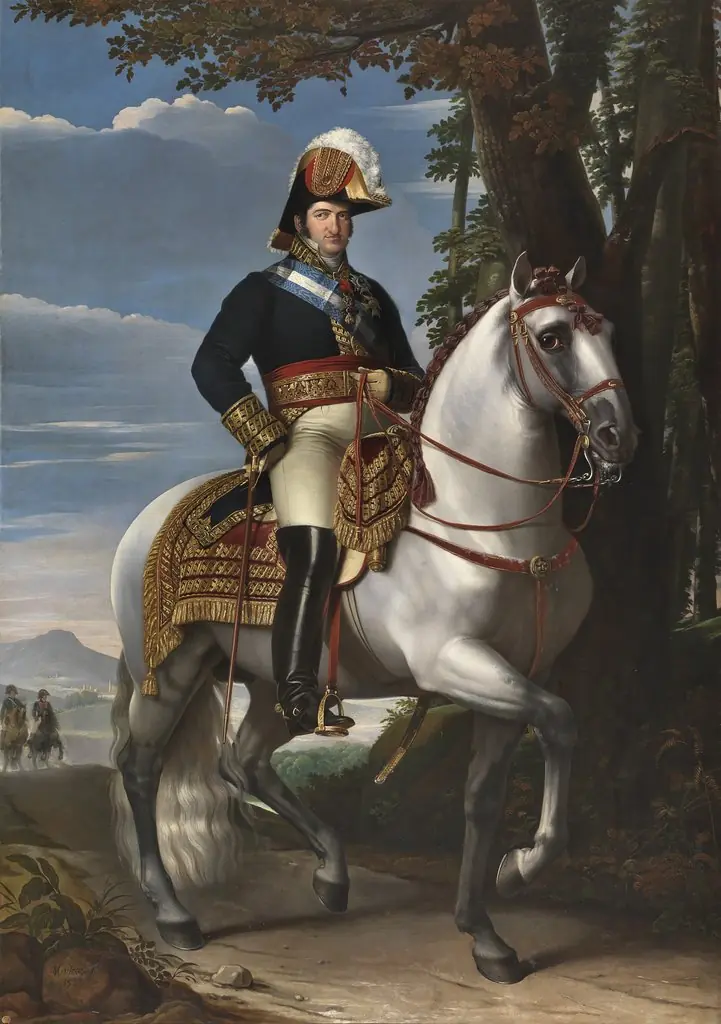 Ferdinand VII of Spain on Horseback
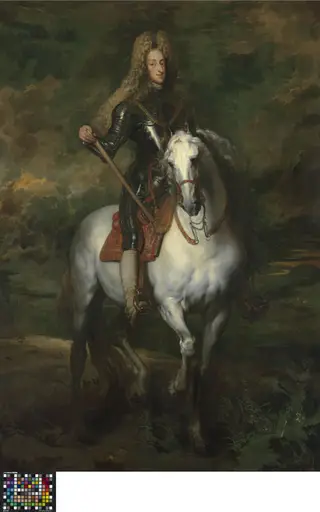 Ruiterportret van Maximiliaan Emmanuel van Beieren
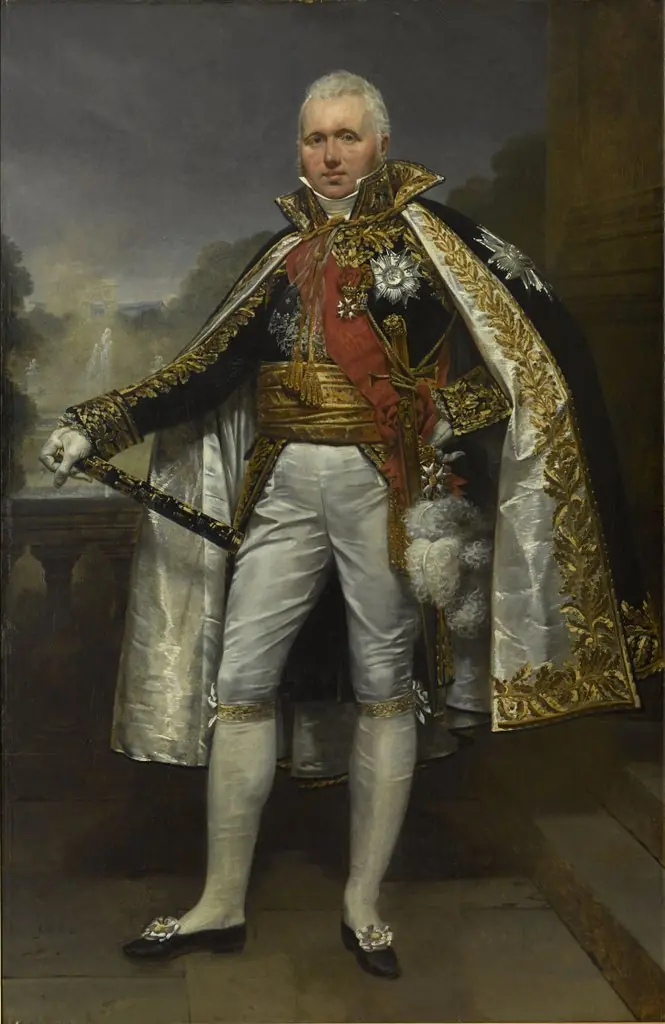 Claude-Victor Perrin, Duke of Bellune, Marshal of France
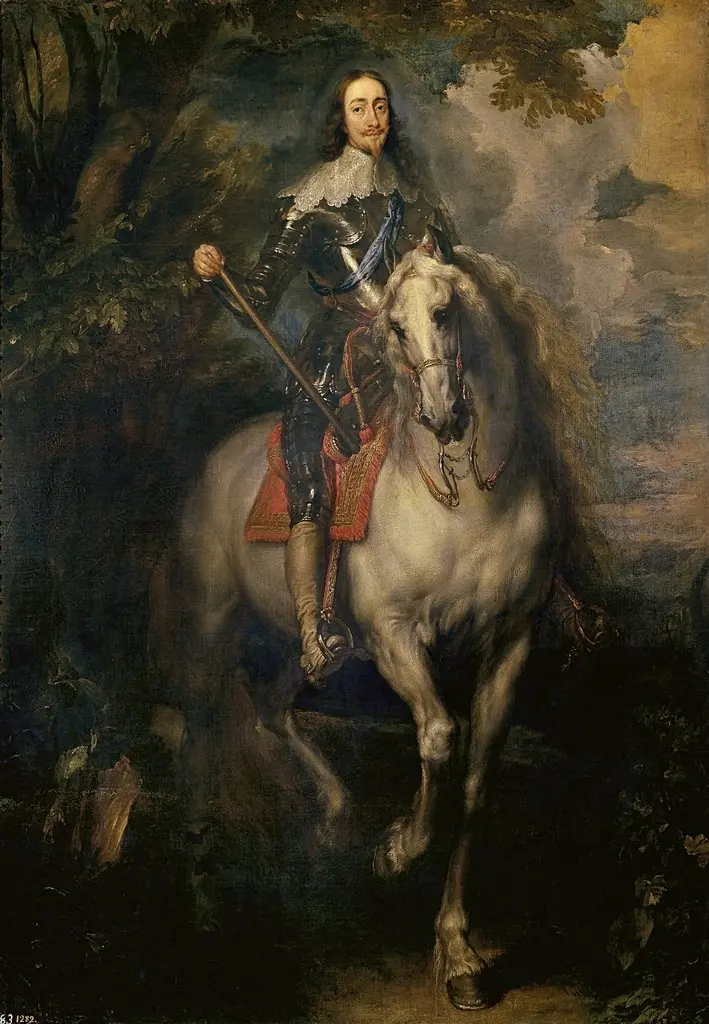 Equestrian portrait of Charles I of England
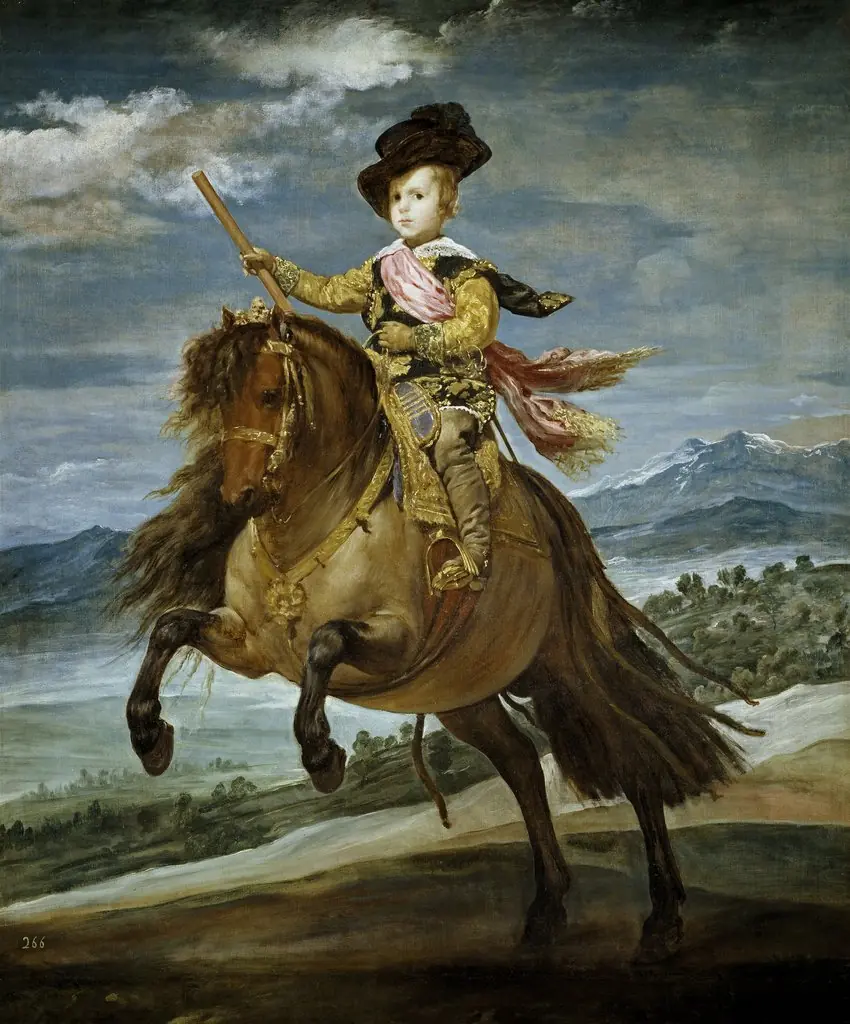 Equestrian Portrait of Prince Balthasar Charles
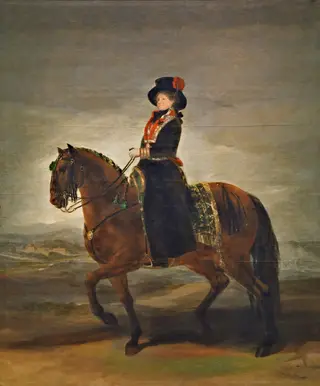 Queen María Luisa on horseback
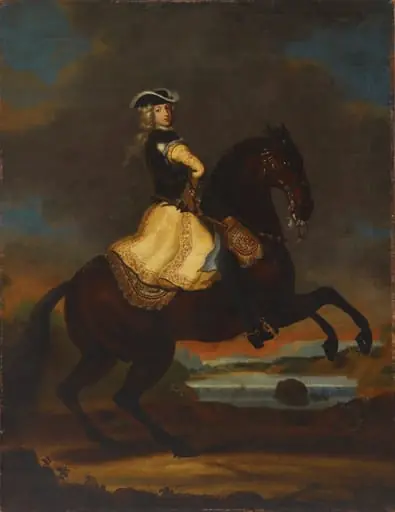 Kuningas Kaarle XII
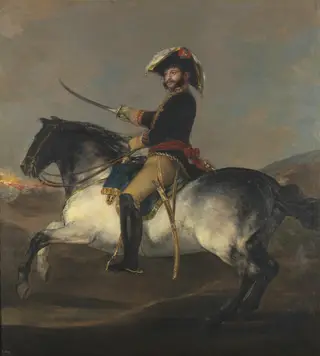 General José de Palafox on Horseback