Artwork
January and February (part of a set illustrating the months of the year)
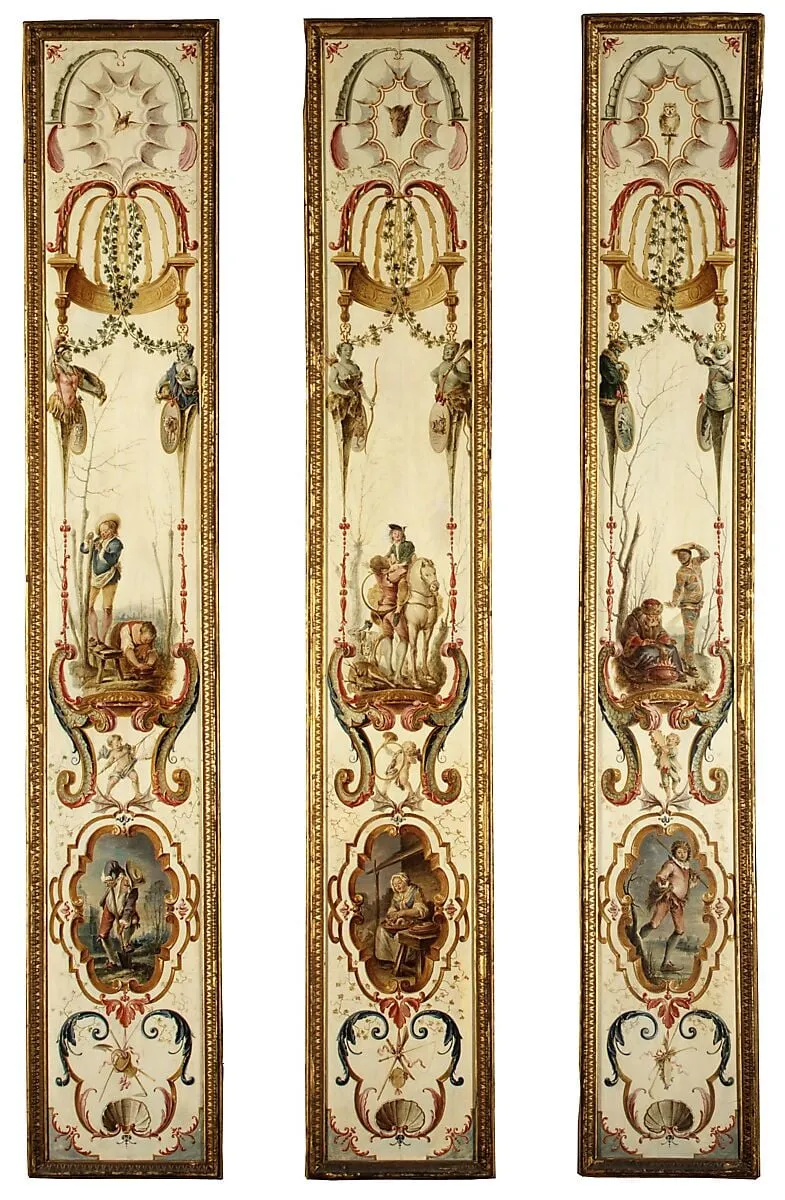
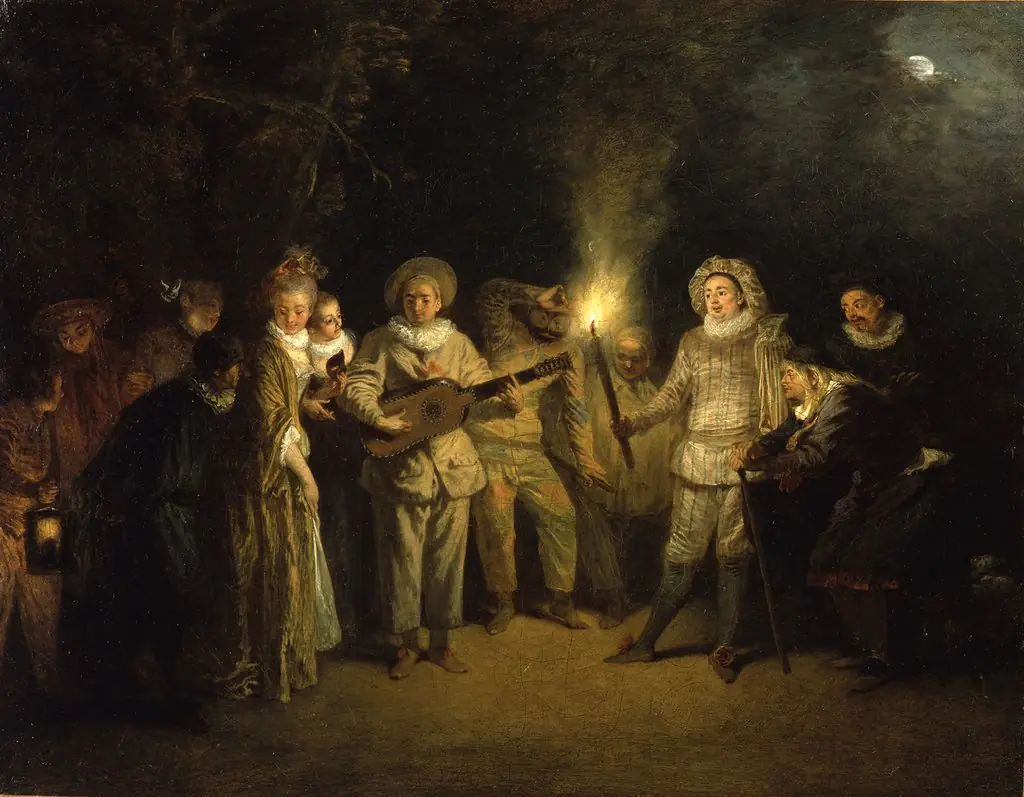
January and February (part of a set illustrating the months of the year) is an oil painting by the Baroque artist Jean Antoine Watteau. It is held in the collection of the Metropolitan Museum of Art. Created in 1738, this oil on panel forms part of a series that personifies the months of the year.
About this work
Technique & Style
The painting is housed within a wood frame that has been painted yellow and gilded, integrating the support into the overall decorative scheme.
Executed in oil on a wooden panel, this work dates to the second quarter of the 18th century. The painting is housed within a wood frame that has been painted yellow and gilded, integrating the support into the overall decorative scheme. Classified as both a painting and a piece of woodwork, the piece functions as an allegorical representation.
The application of oil paint on panel reflects standard practices for small-scale decorative cycles of this period, while the specific finish of the frame suggests it was designed as part of a unified interior ensemble rather than a standalone easel picture.
History & Provenance
Antoine Watteau created January and February, a panel belonging to a set illustrating the months of the year, during the second quarter of the 18th century. Executed in oil on a wood frame that was painted yellow and gilded, the work falls under the genre of allegory. The panel eventually entered the collection of the Metropolitan Museum of Art, where it is cataloged with the accession number 22.225.6.
Overview
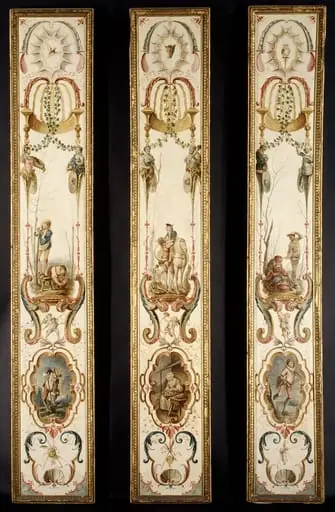
Created in 1738, this oil on panel forms part of a series that personifies the months of the year. The work is set within a wooden frame painted yellow and edged with gilded ornamentation, presenting three slender panels that together depict the themes of January and February. The composition combines modest pastel tones with touches of gold and red, giving the scenes a delicate, decorative quality.
Subject & Meaning
Each panel portrays a small vignette of figures in period costume engaged in quiet activities, riding, reading, or simply seated, under a decorative arch of foliage and scrollwork. The scenes function as allegorical representations of the early winter months, suggesting the restrained leisure and introspection associated with the cold season while maintaining a poetic, almost dreamlike atmosphere.
Context
The work reflects Watteau’s role in reinterpreting Baroque motifs through a lighter, more intimate lens, a shift that helped lay the groundwork for the Rococo movement. By integrating theatrical charm and refined leisure into allegorical imagery, the panels embody the cultural taste of early eighteenth‑century France for elegant, poetic decoration.
Artist & collection

Artist
Jean-Antoine Watteau was a French painter and draughtsman whose brief career spurred the revival of interest in colour and movement, as seen in the tradition of Correggio and Rubens.

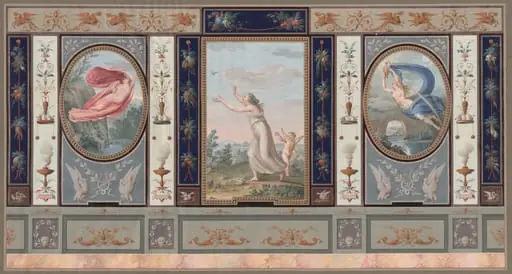 Elaborate Wall Decoration with Endymion and Hebe
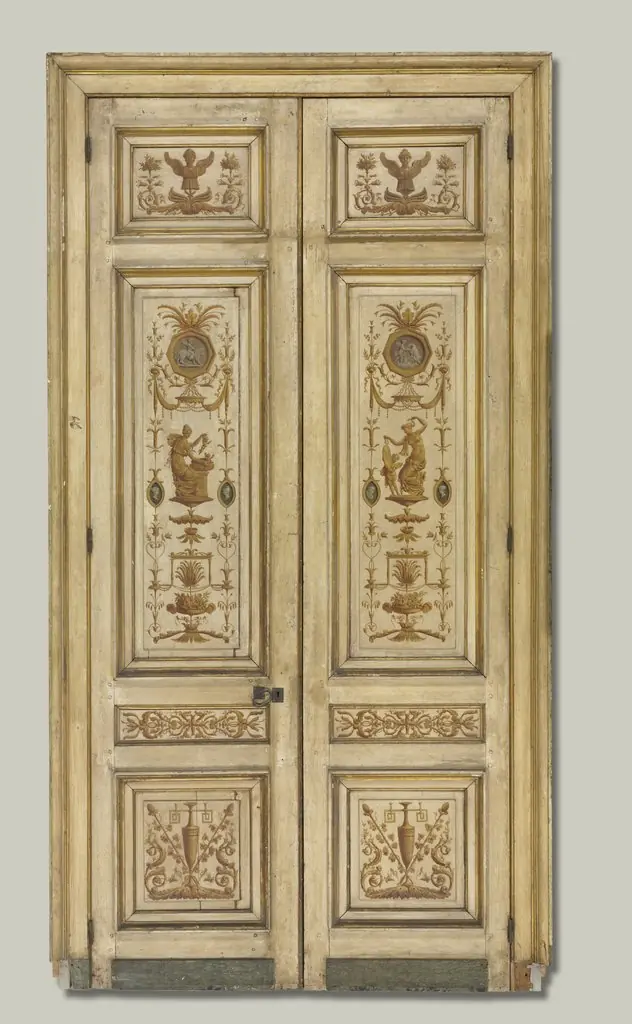 Double-Leaf Doors
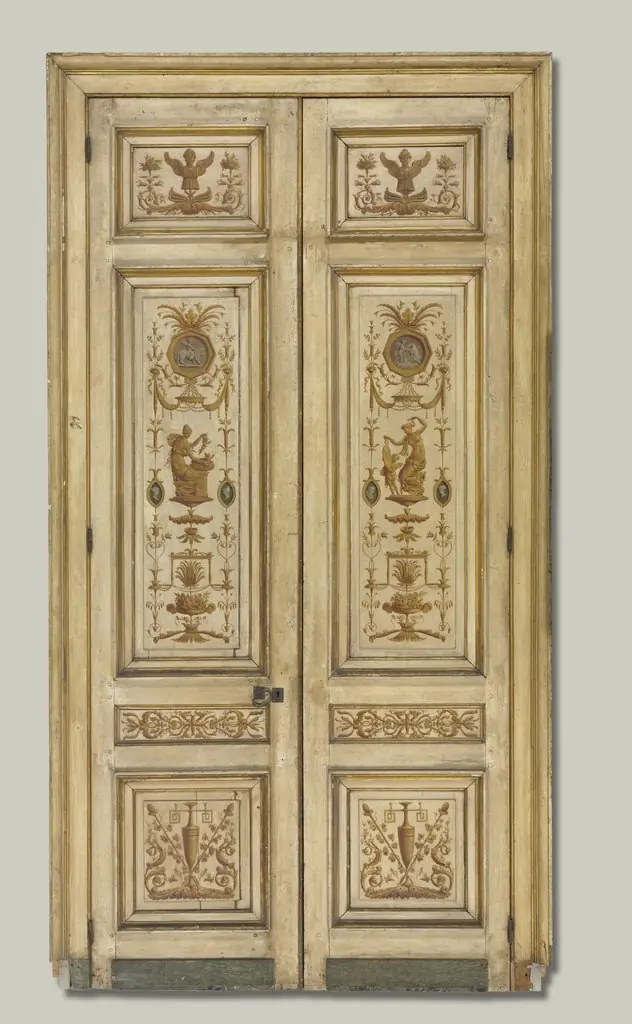 Double-Leaf Door
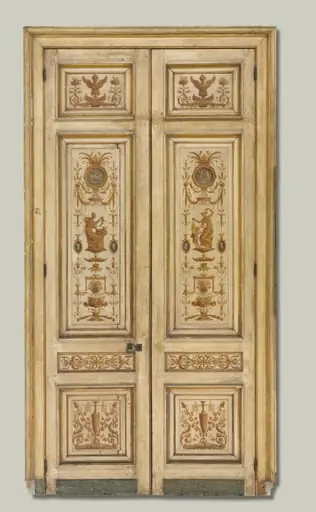 Double-Leaf Door
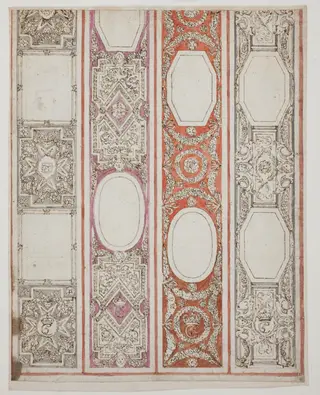 Udkast til stukdekoration i gangen til audienshuset paa Frederiksborg
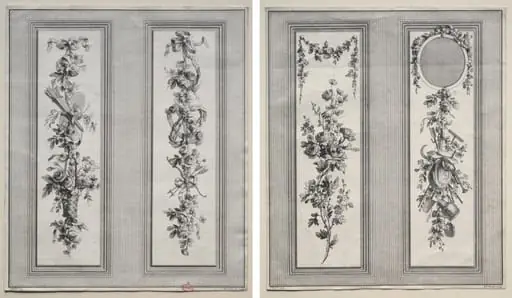 Garden Ornament
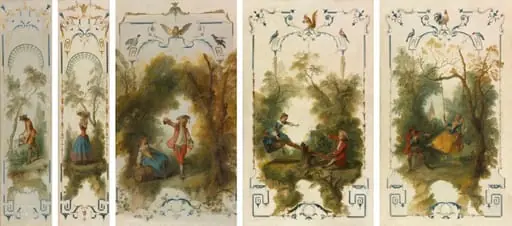 Wall Panels: The Gardener, Horticulture, The Vineyard, The See-Saw, The Swing
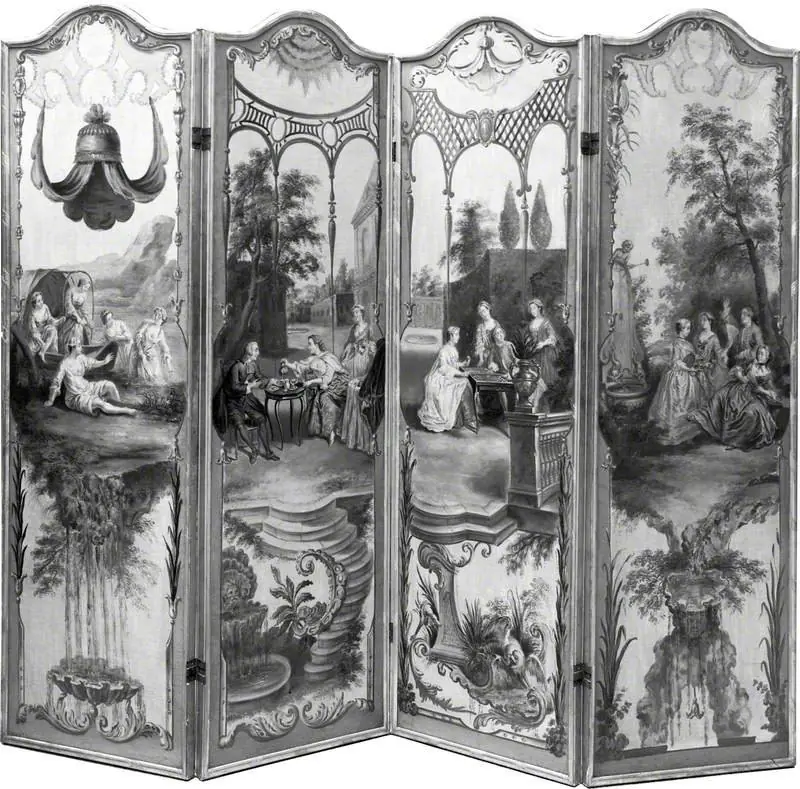 'Les quatre heures de jour' (folding screen)
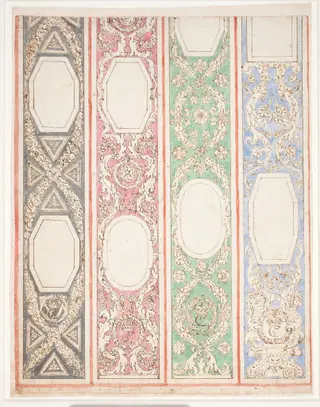 Udkast til stukdekoration i gangen i audienshuset, Frederiksborg
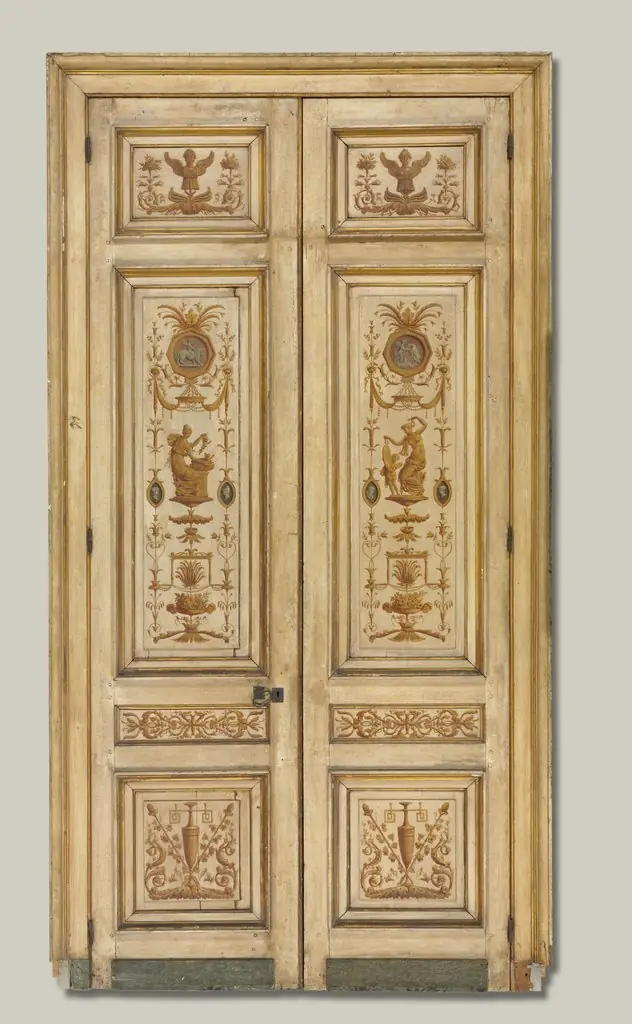 Overdoor Painting