Artwork
Portrait of Jan Krasiński (1756–1790), starosta of Opinogóra
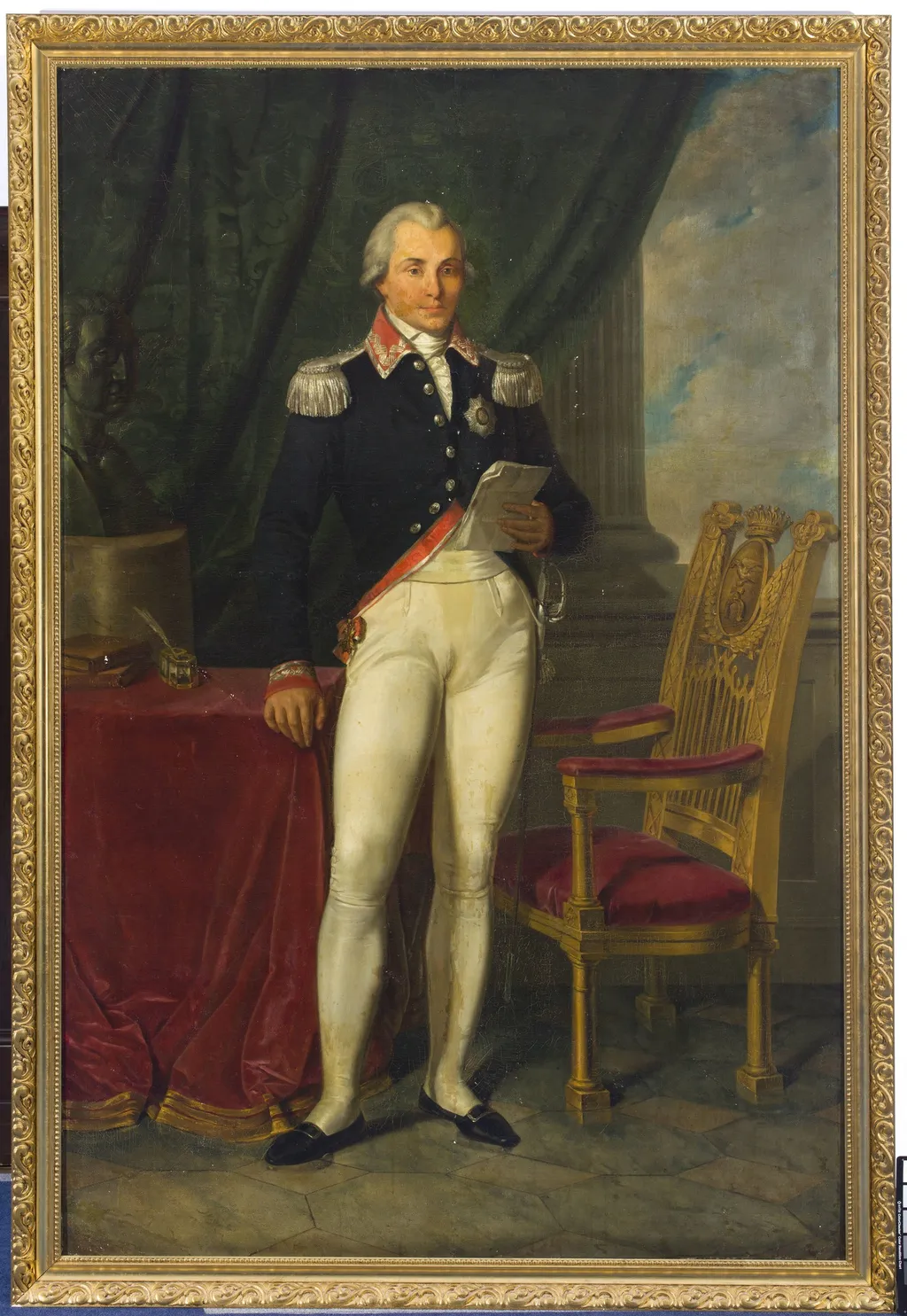
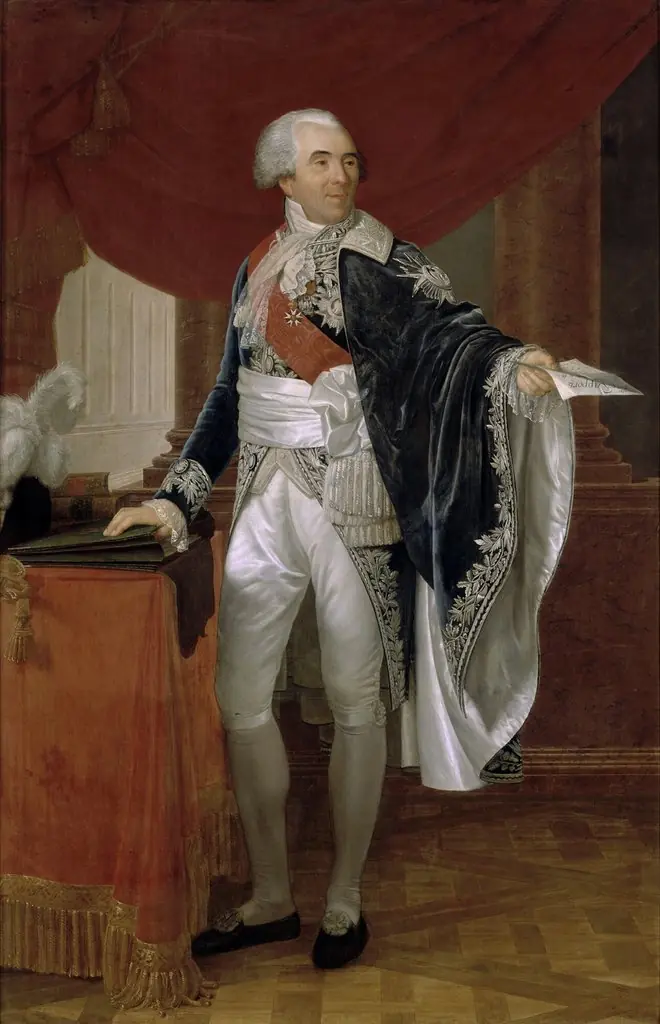
Portrait of Jan Krasiński (1756–1790), starosta of Opinogóra is an oil painting by the Neoclassicist artist Antoni Brodowski. It dates from 1832 and is held in the collection of the National Museum in Warsaw. This 1832 oil painting is a portrait of Jan Krasiński, a Polish nobleman who held the office of starosta of Opinogóra.
About this work
Overview
Measuring 221 by 147 centimetres, the full-length portrait is held in the collection of the National Museum in Warsaw, where it is accessioned as MP 559 MNW.
The Portrait of Jan Krasiński (1756-1790), starosta of Opinogóra is an oil-on-canvas painting by the Polish Neoclassical artist Antoni Brodowski, completed in 1832. Measuring 221 by 147 centimetres, the full-length portrait is held in the collection of the National Museum in Warsaw, where it is accessioned as MP 559 MNW. The work is a significant example of Brodowski's mature portraiture, produced during a period when he was the leading portrait painter in Congress Poland, and it exemplifies the Classical style that dominated Polish elite portraiture in the early nineteenth century. The painting depicts a deceased noble administrator and military figure, executed decades after the subject's death, making it a posthumous commemoration rather than a life study.
Subject & Meaning
Jan Krasiński (1756-1790) was a member of the distinguished Krasiński family, a Polish noble house, and served as starosta, or royal administrator, of Opinogóra. The portrait presents him as a figure of authority and civic responsibility. He stands in formal military dress, wearing a dark blue coat with silver buttons and epaulettes with white fringe, a red collar with white trim, white breeches and stockings, and black shoes. A red sash crosses his torso, signalling official or military rank. In his left hand he holds a folded paper, interpreted as official correspondence or legal documents, while his right hand rests on a table draped with red cloth edged with gold fringe. The table bears a book, quill, and inkwell, emblems of administrative duty and intellectual pursuit. Behind him, an giltwood chair with red velvet upholstery features a back carved with a crown and oval medallion, reinforcing his status. The background includes dark green curtains, a classical column, and a cloudy sky, combining interior and exterior elements to create a sense of grandeur. The overall iconography conveys not merely individual likeness but social standing, military service, and governance within the Polish-Lithuanian Commonwealth.
Technique & Style
Brodowski executed the portrait in oil on canvas, working in the Classical style for which he was renowned. The painting's large scale, 221 by 147 centimetres, demands a commanding vertical composition with the figure centred and standing. The artist employed smooth finish and precise rendering for fabrics and metal, particularly evident in the detailed treatment of the silver buttons, epaulettes, and the ornate giltwood chair. The figure is lit from the left, casting soft shadows to the right that model the face and costume with a flattering, diffused effect. Background elements, the drapery, and the sky are handled with looser brushwork, creating a hierarchical distinction between the meticulously finished subject and his surroundings. The paint surface exhibits fine craquelure throughout, consistent with its age and medium. The colour palette balances cool tones, blues, greens, and whites, against the warmth of the red tablecloth, sash, and collar, with subtle highlights on the subject's face. The floor is rendered in gray stone tiles, grounding the figure in a plausible if idealised space. The work is presented in an elaborate gold frame that complements its monumental character.
Context
Antoni Brodowski (1784-1832) was the preeminent portrait painter in Warsaw during the early nineteenth century. His training combined Polish and French influences, beginning with Marcello Bacciarelli in Warsaw, continuing with the miniaturist Jean-Baptiste Jacques Augustin in Paris from 1805 to 1808, and culminating in lessons with Jacques-Louis David and later François Gérard, who became his patron. This French Classical formation shaped his approach to portraiture, which he adapted to the needs of the Polish nobility and political elite under Russian partition. The Portrait of Jan Krasiński belongs to a broader body of work in which Brodowski commemorated significant figures of Polish public life, including Julian Ursyn Niemcewicz, Józef Poniatowski, and Wojciech Bogusławski. The posthumous nature of the Krasiński portrait, produced in the same year as the artist's own death, suggests the continued demand for his services and the importance of visual lineage for noble families seeking to preserve their heritage during a period of political subjugation. The work has received limited focused scholarly attention but is documented in museum catalogues and digital humanities projects, including Wikidata and Wikimedia Commons, which establish its place within Brodowski's securely attributed oeuvre.
Legacy
The Portrait of Jan Krasiński remains in the public domain and serves as a significant document of Polish Neoclassical portraiture and noble self-representation. As a work by Brodowski, who trained notable students including Rafał Hadziewicz and Jakub Tatarkiewicz, it exemplifies the transmission of French Classical ideals into Polish visual culture. The painting's afterlife has been primarily institutional, preserved and disseminated through the National Museum in Warsaw's collection and its digital reproduction. Its presence in stock image databases and art historical websites has made it accessible for educational and research purposes, though often without extensive contextual analysis. The portrait stands as evidence of how posthumous commemoration functioned for the Polish szlachta during the partitions, allowing families to construct and maintain visual pedigrees even when direct likenesses from life were unavailable. Brodowski's own legacy as a portraitist of the Polish elite, consolidated through works such as this, has ensured his position in histories of Polish art, even as his mythological and biblical compositions have received less attention.
Own this work as a print
Artist & collection
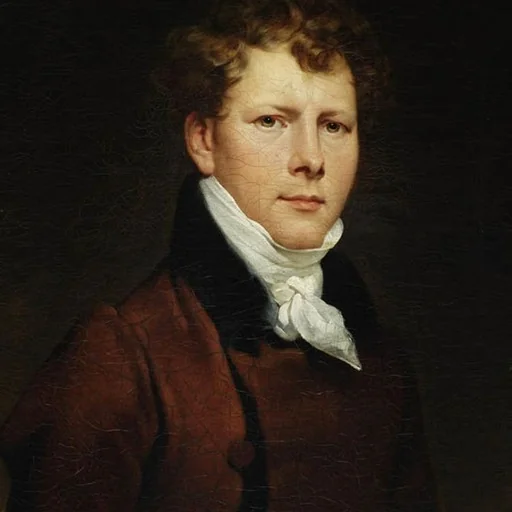
Artist
Antoni Stanisław Brodowski (26 December 1784, Warsaw – 31 March 1832, Warsaw) was a Polish painter in the Classical style.

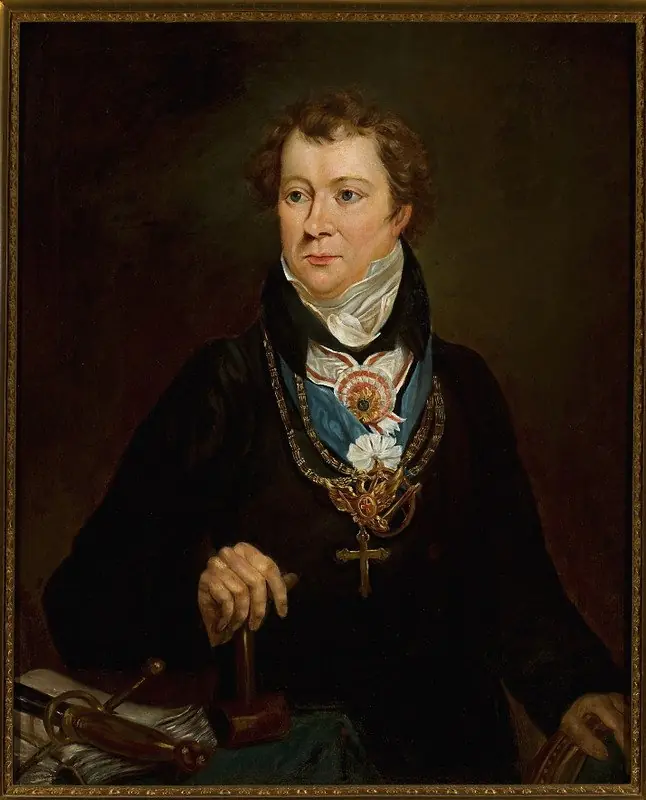
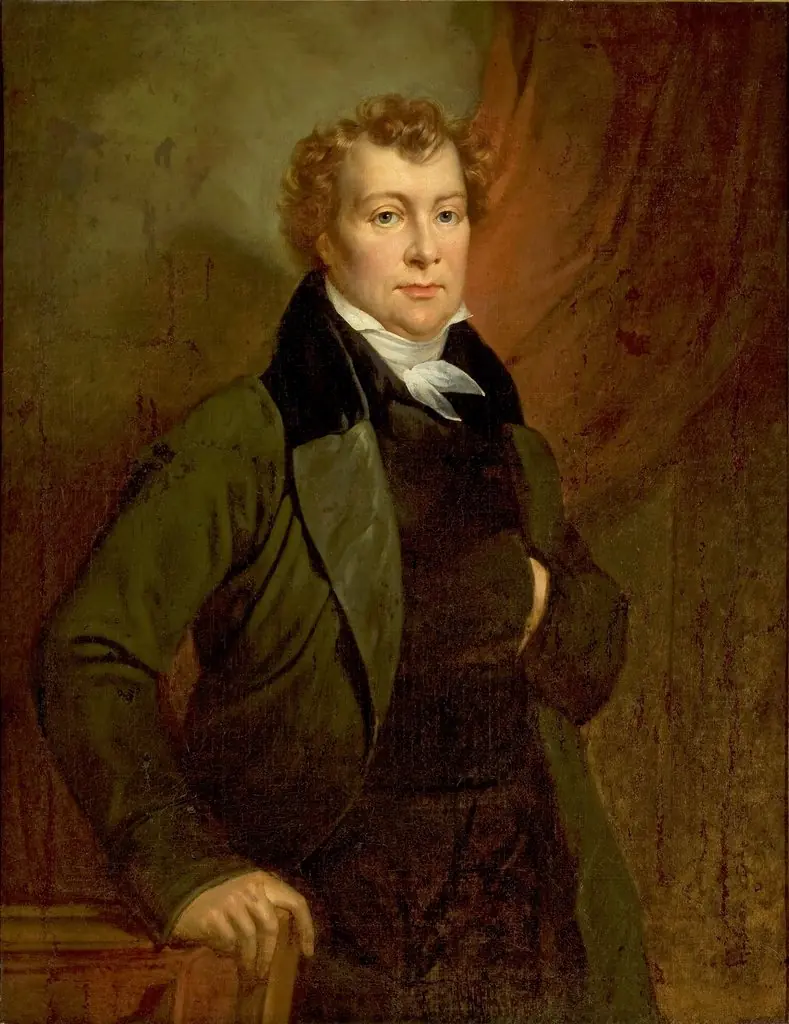
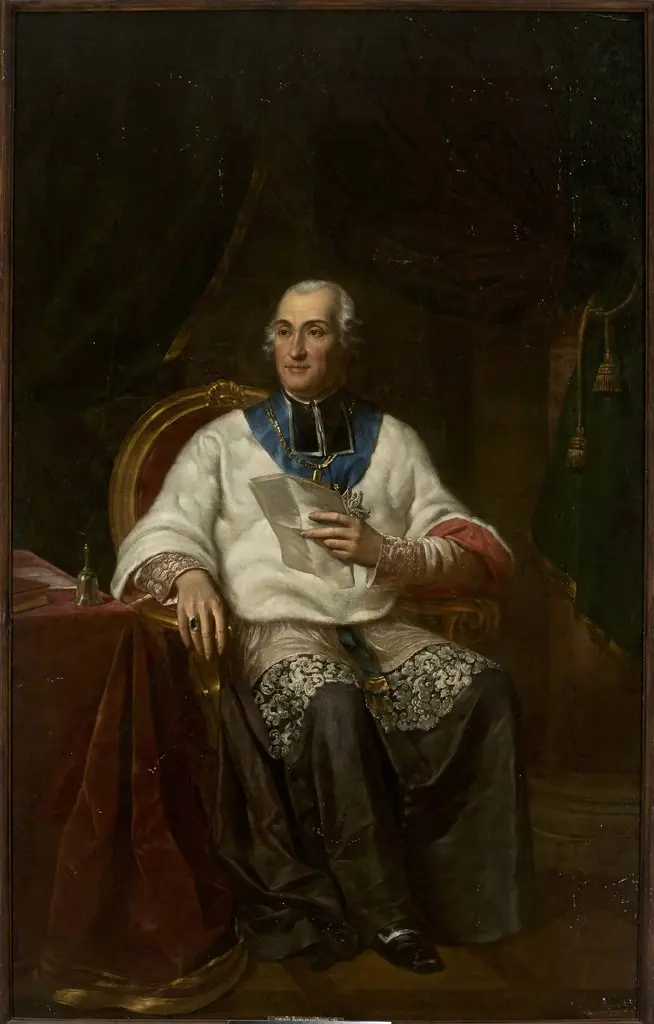
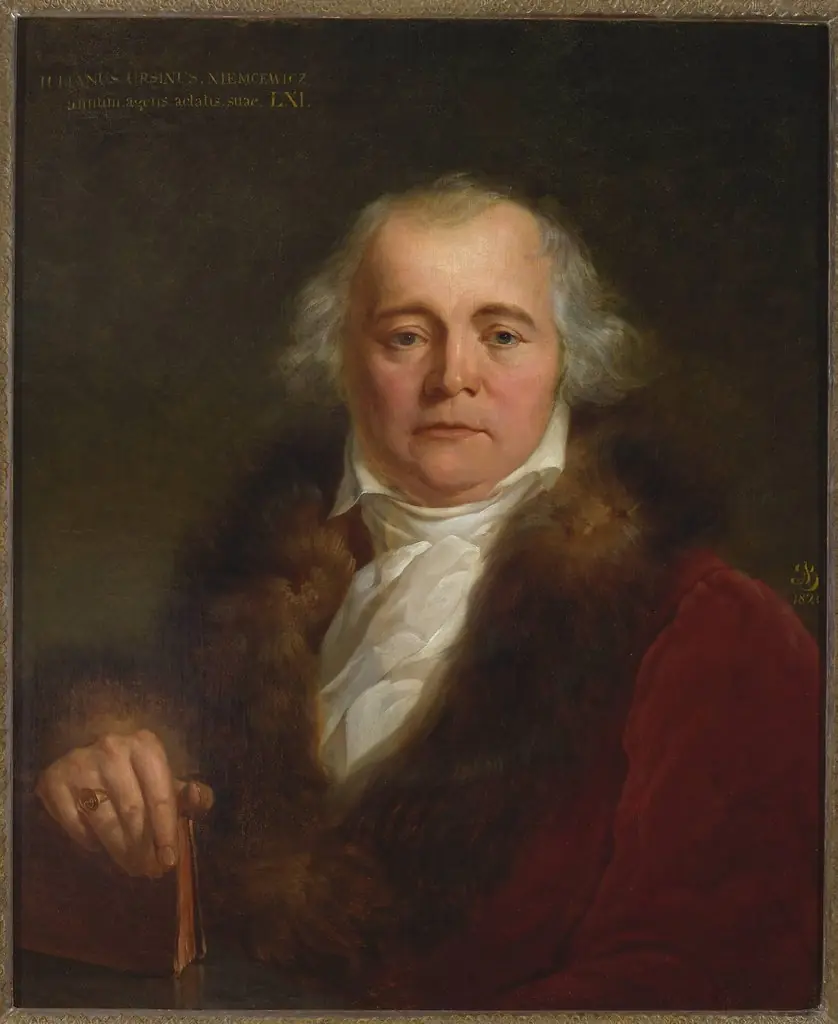
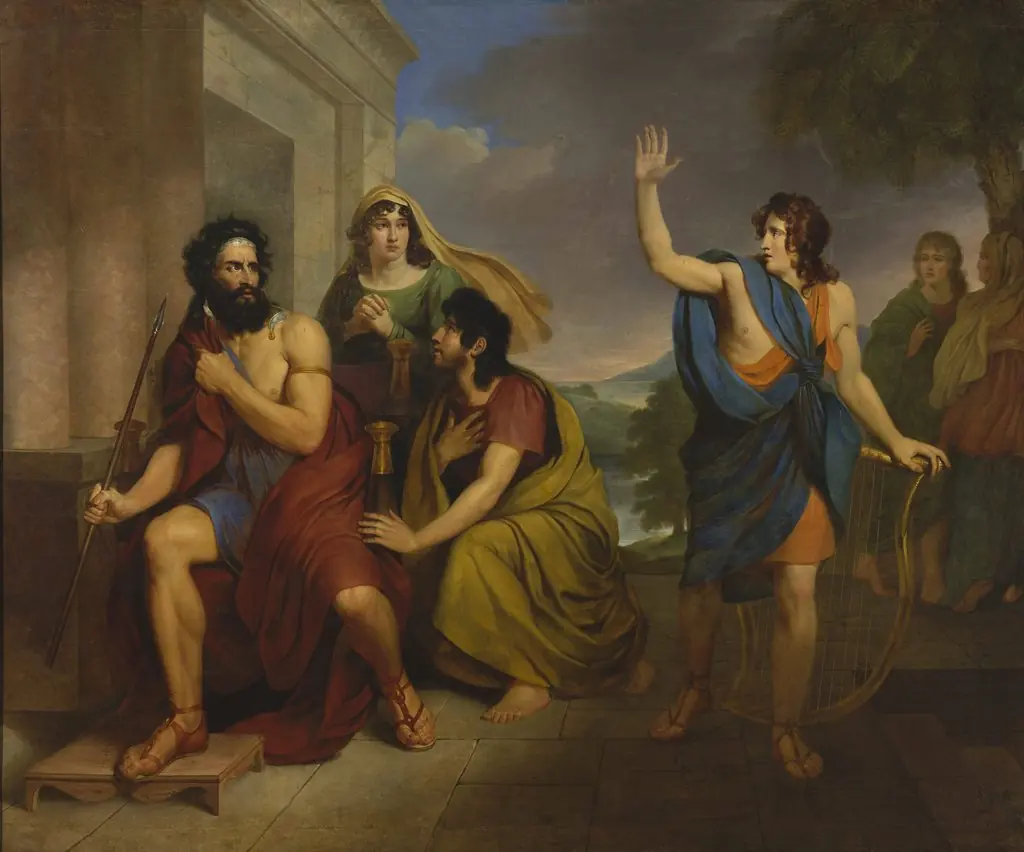
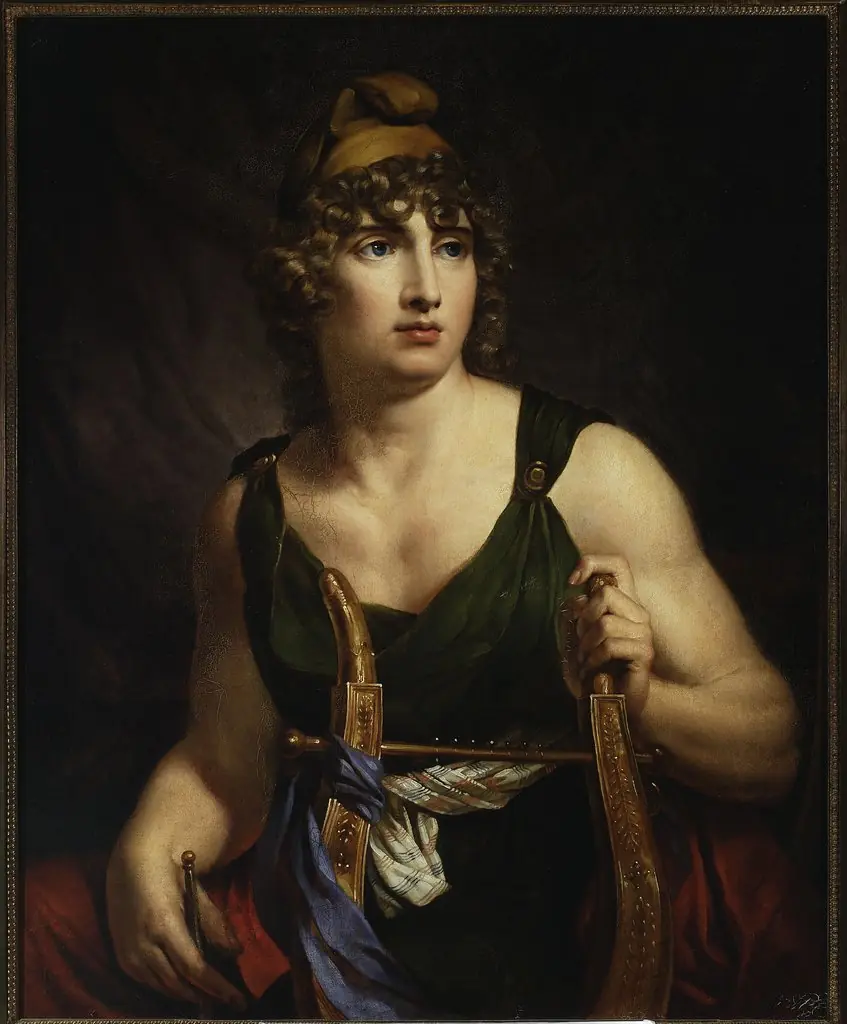
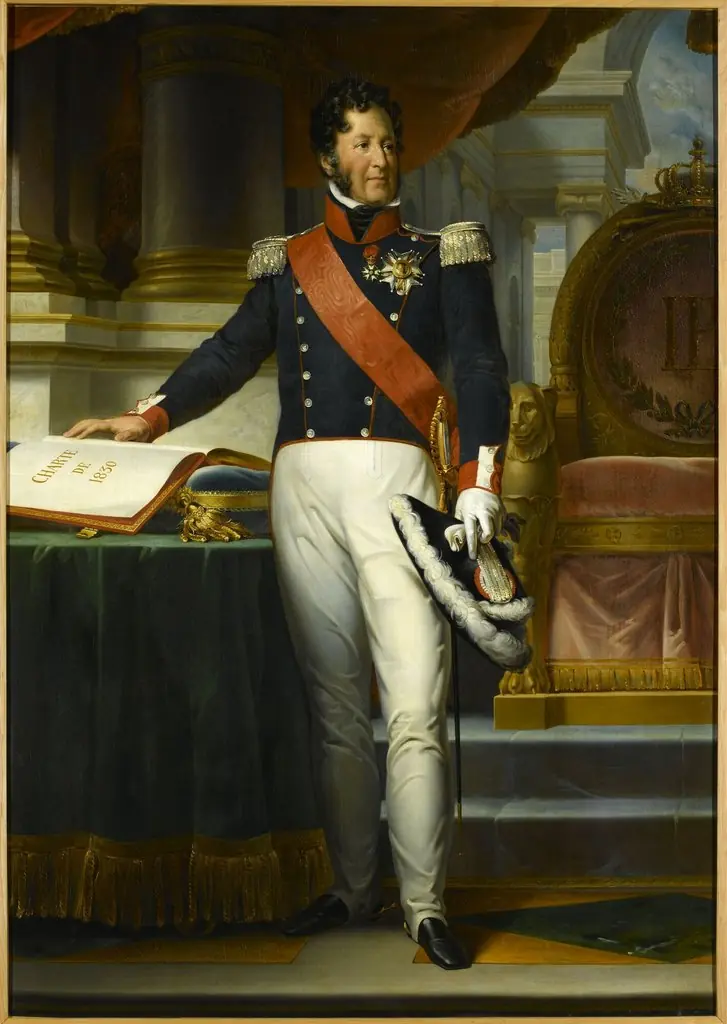
- Portrait of Louis Philippe I
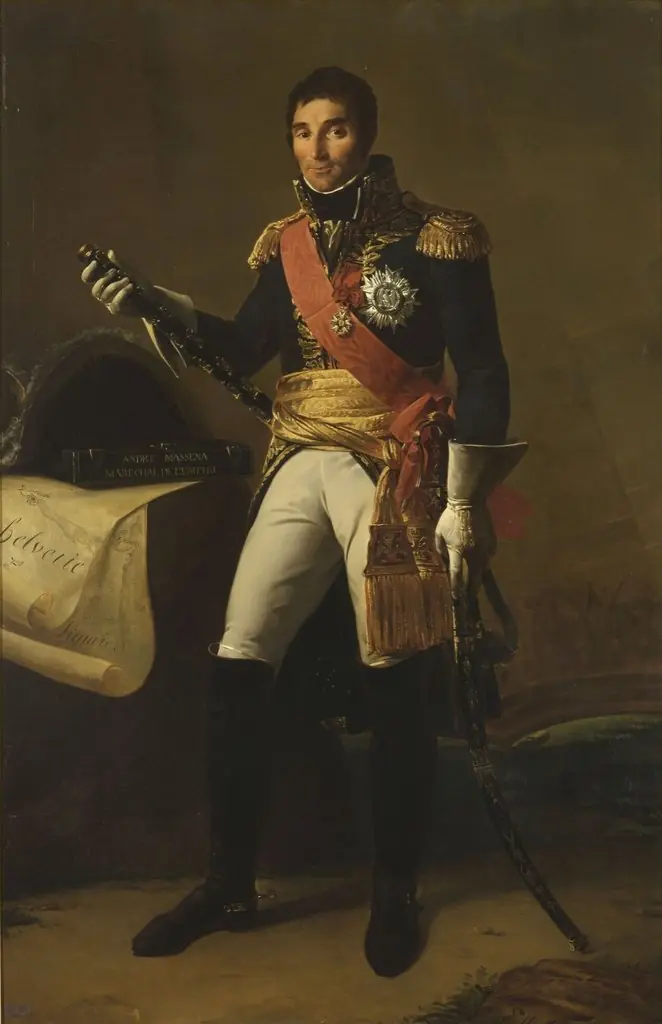 Le maréchal André Masséna (1758-1817), duc de Rivoli et prince d'Essling.
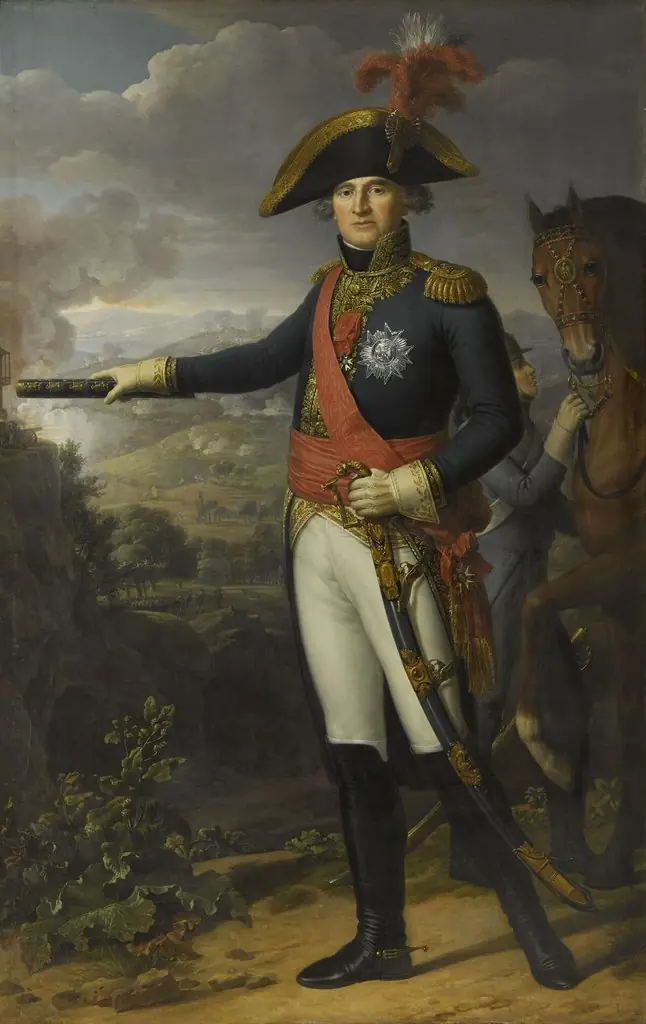 Jean Mathieu Philibert Serurier (1742-1819)
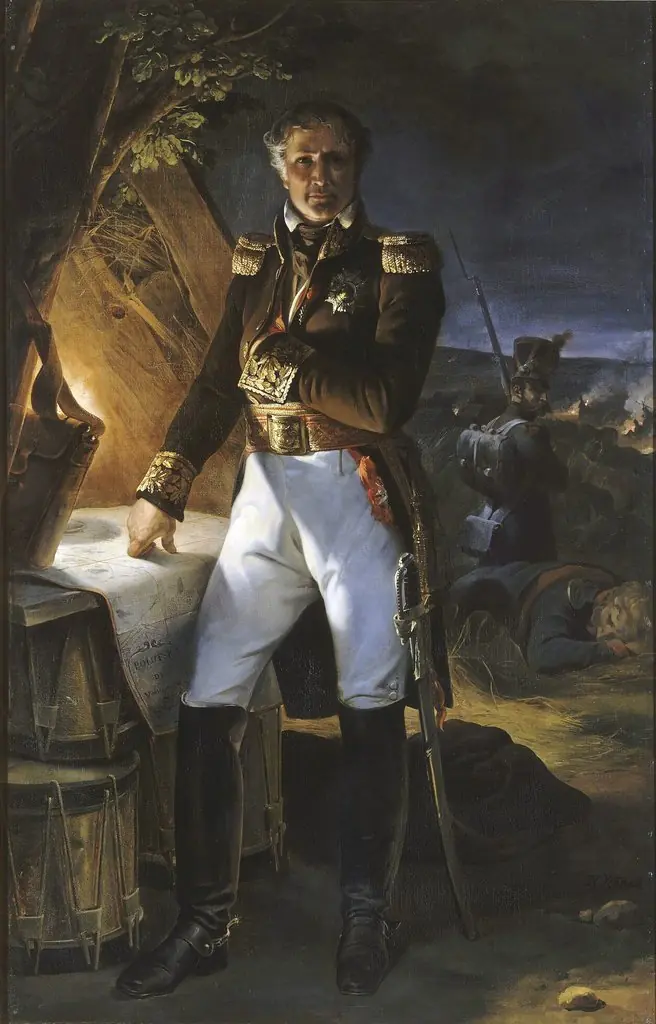 Laurent, Marquis of Gouvion Saint-Cyr
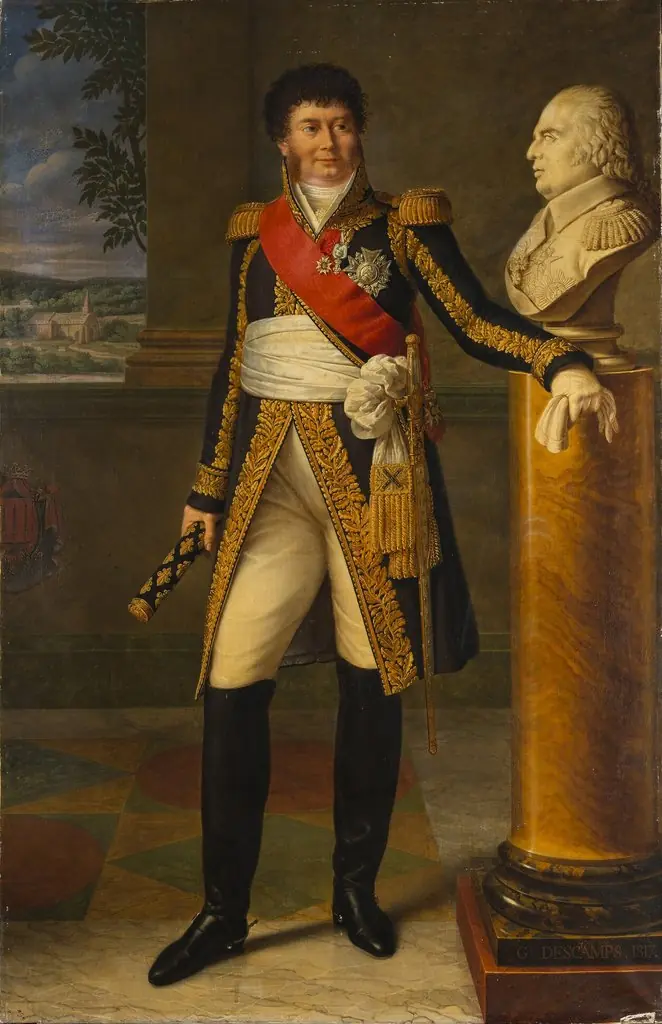 Henri-Jacques-Guillaume Clarke, Count of Hunebourg, Duke of Feltre, Marshal of France (1765-1818)
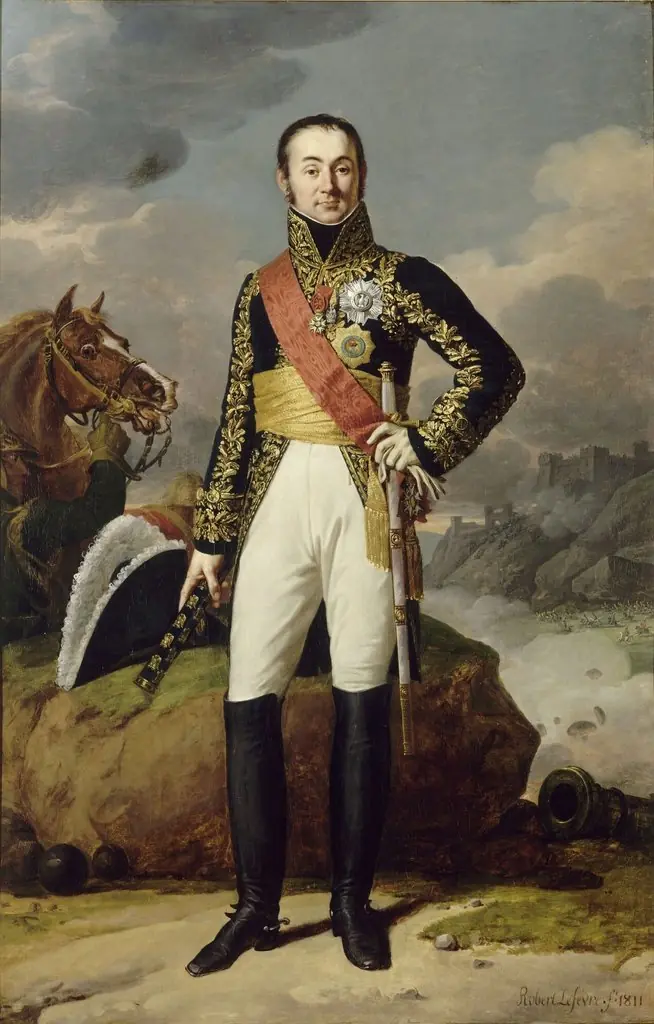 Nicolas-Charles Oudinot, Duke of Reggio, Marshal of France (1767-1847)
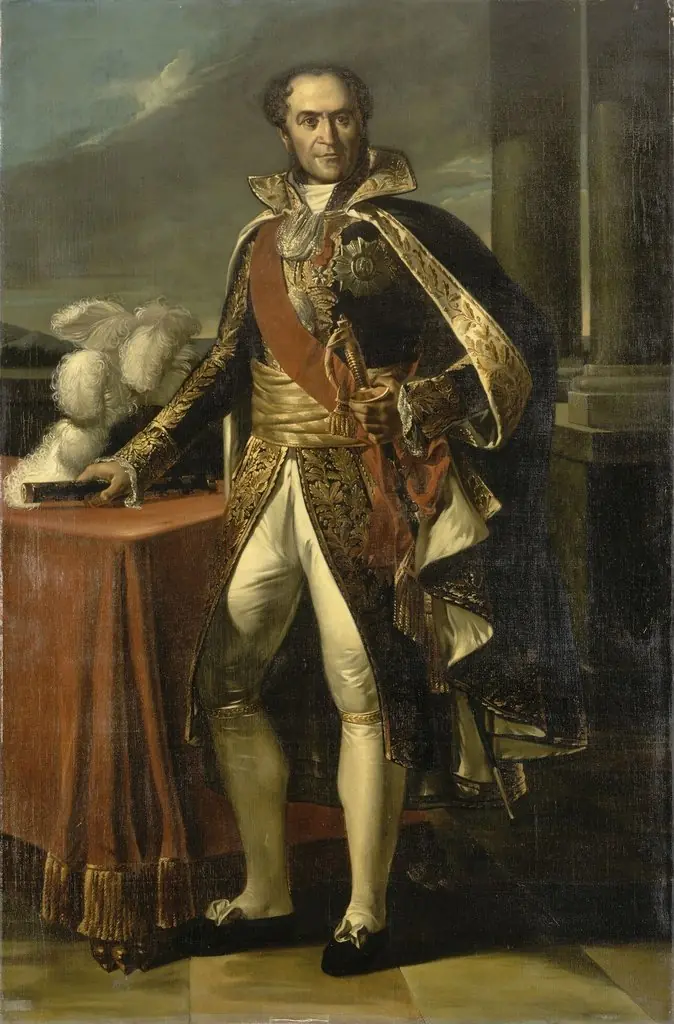 Guillaume-Marie-Anne, maréchal Brune
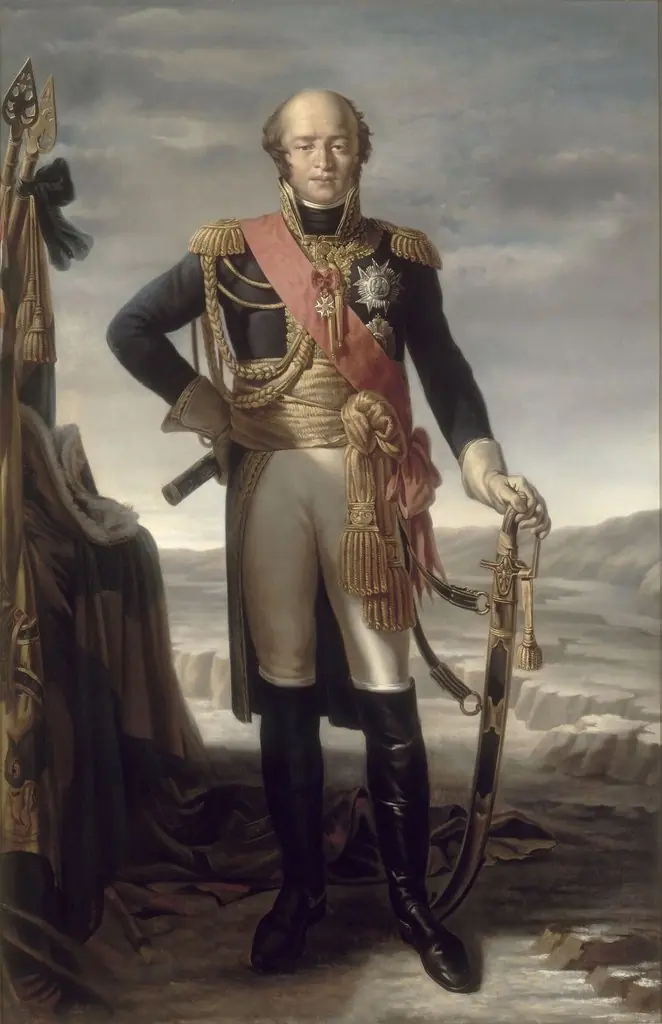 Portrait de Louis Nicolas Davout
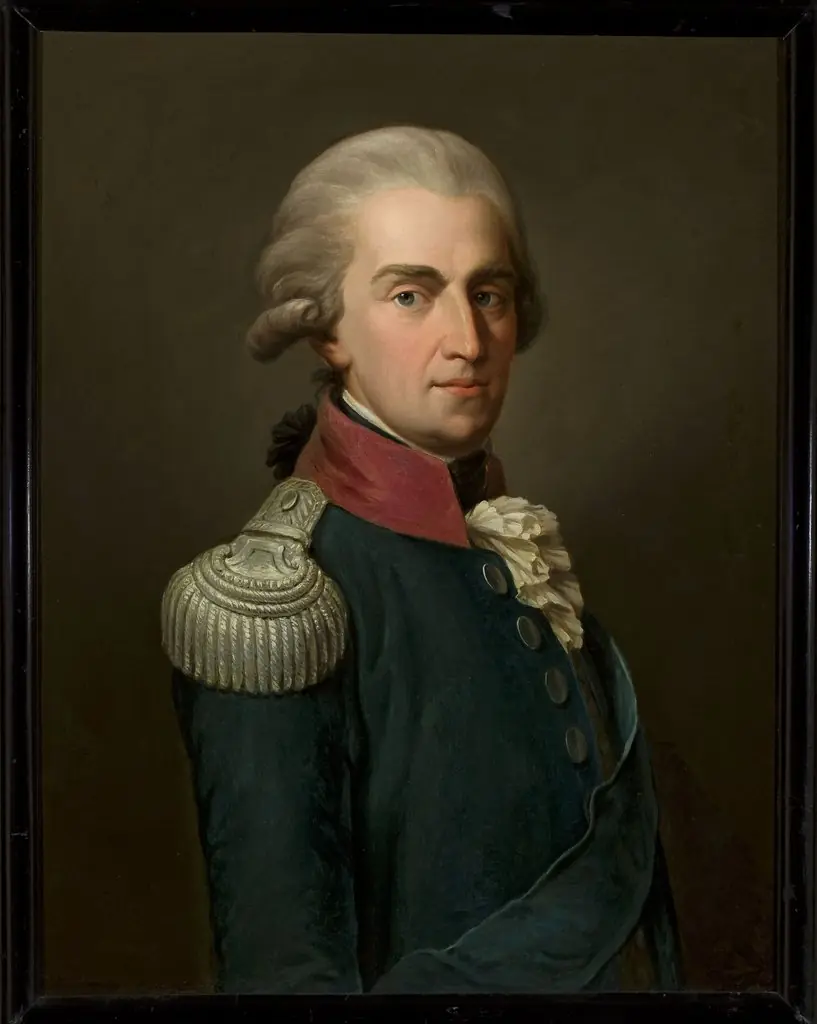 Portrait of Frederick Augustus, Duke of Warsaw
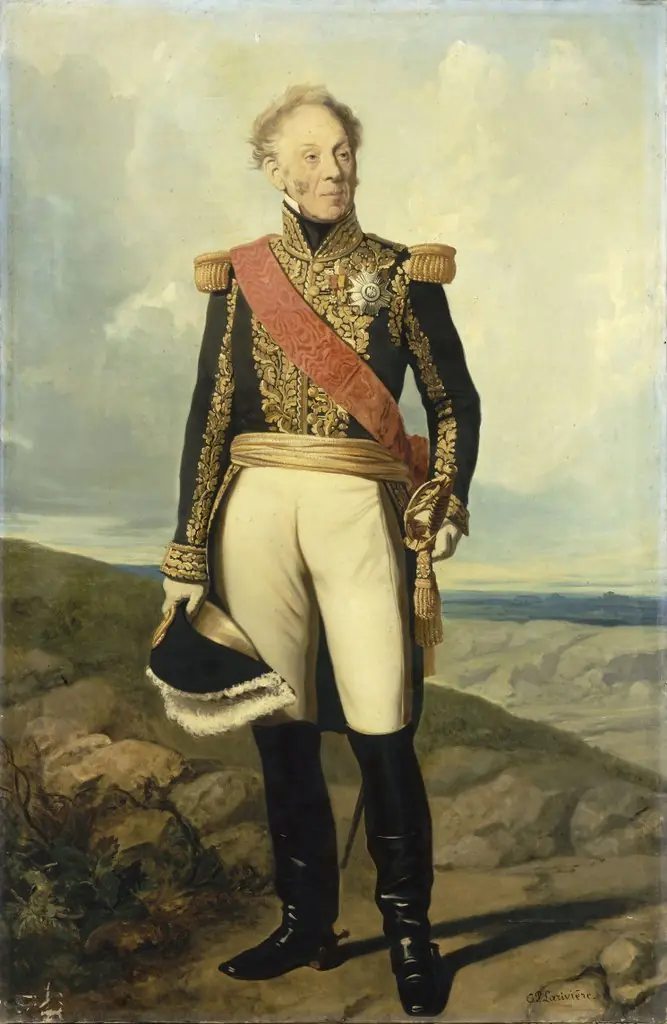 Porträt des Rémi Joseph Isidore Exelmans, Marechal De France (1775-1852)
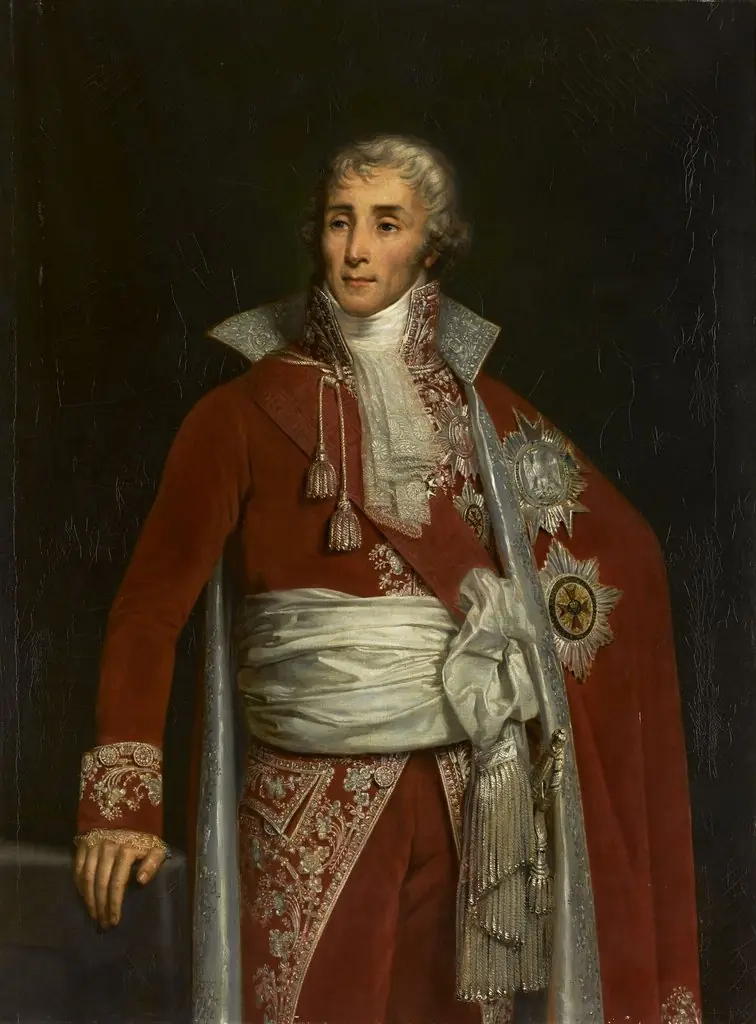 Joseph Fouché, Duke of Otranto
 Jean-Gérard Lacués, count of Cessac (1752-1841)