Artwork
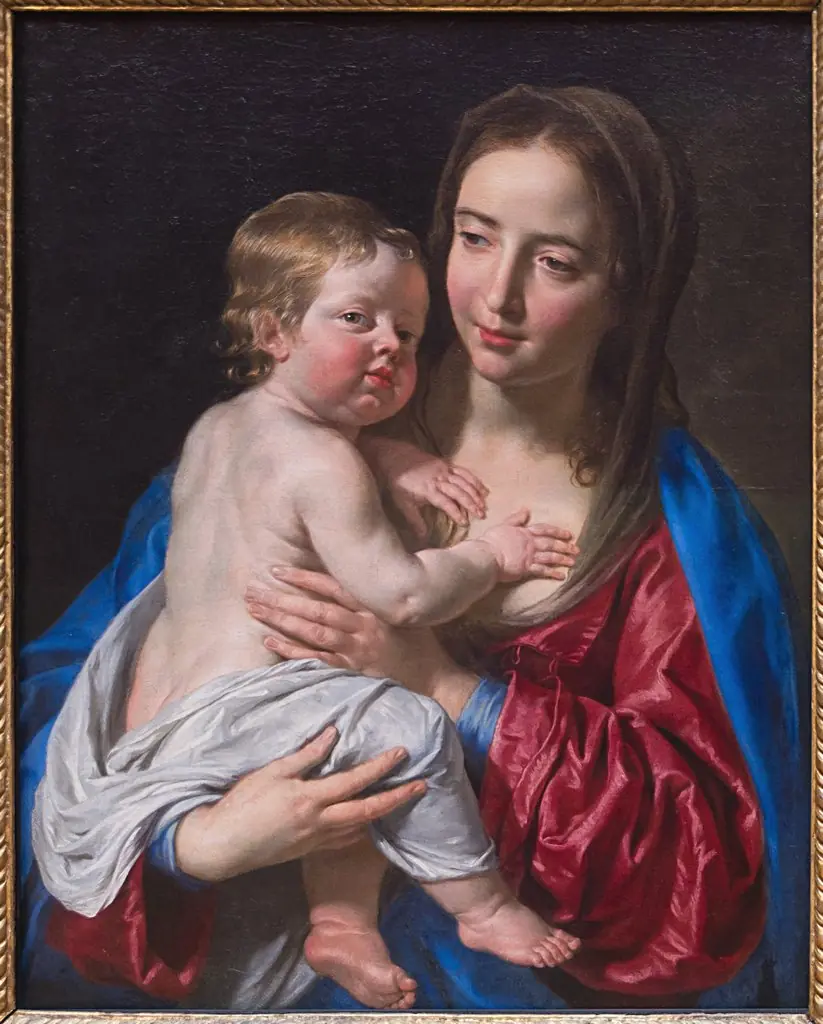
The Virgin and Child
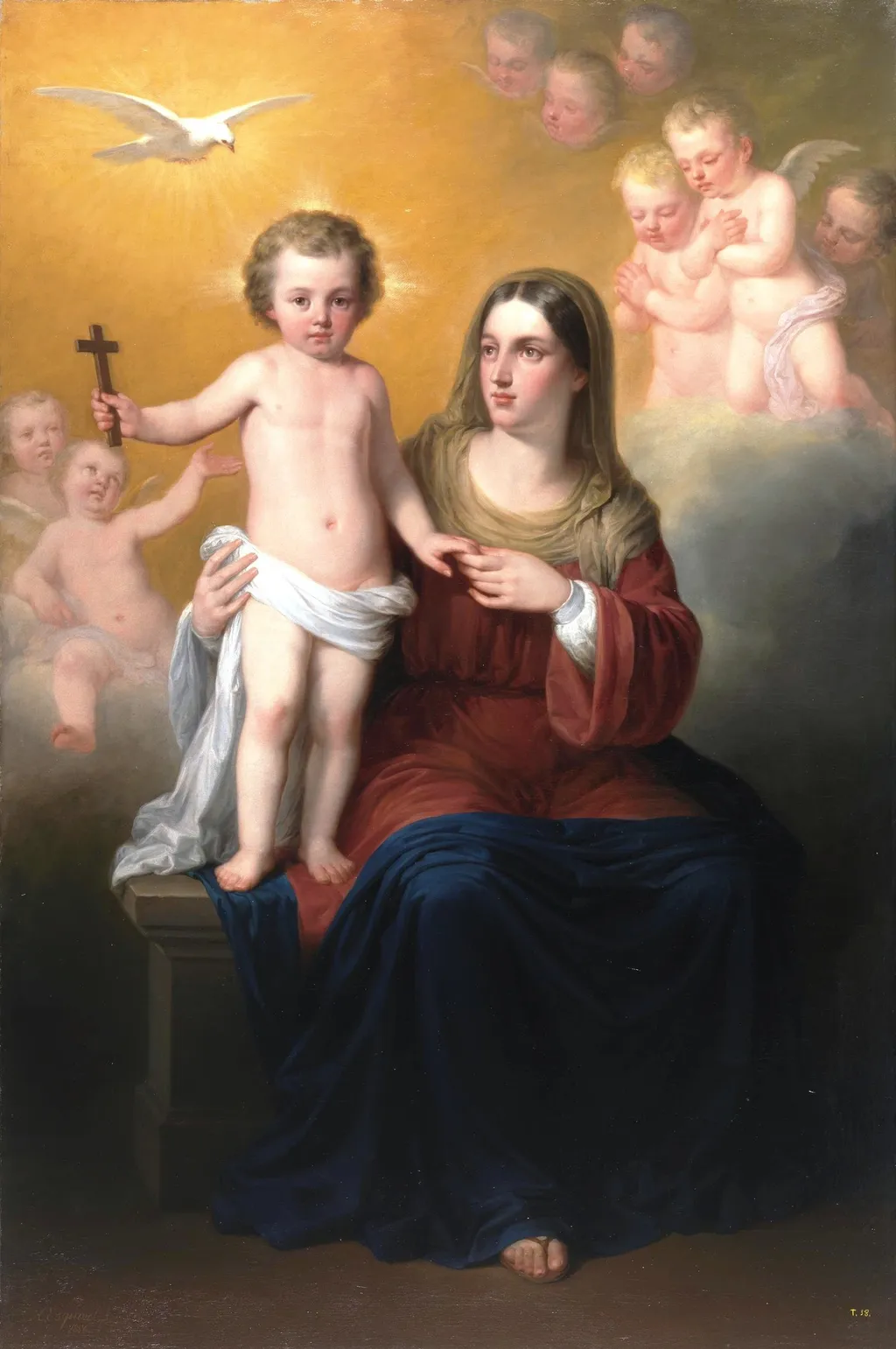
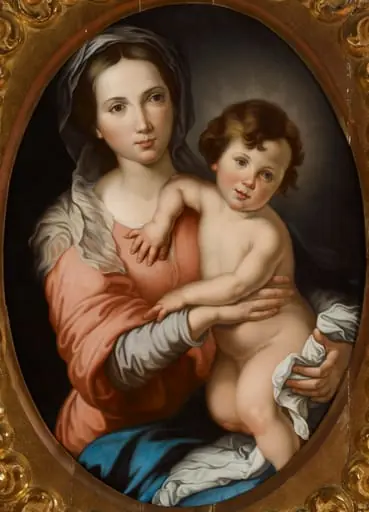
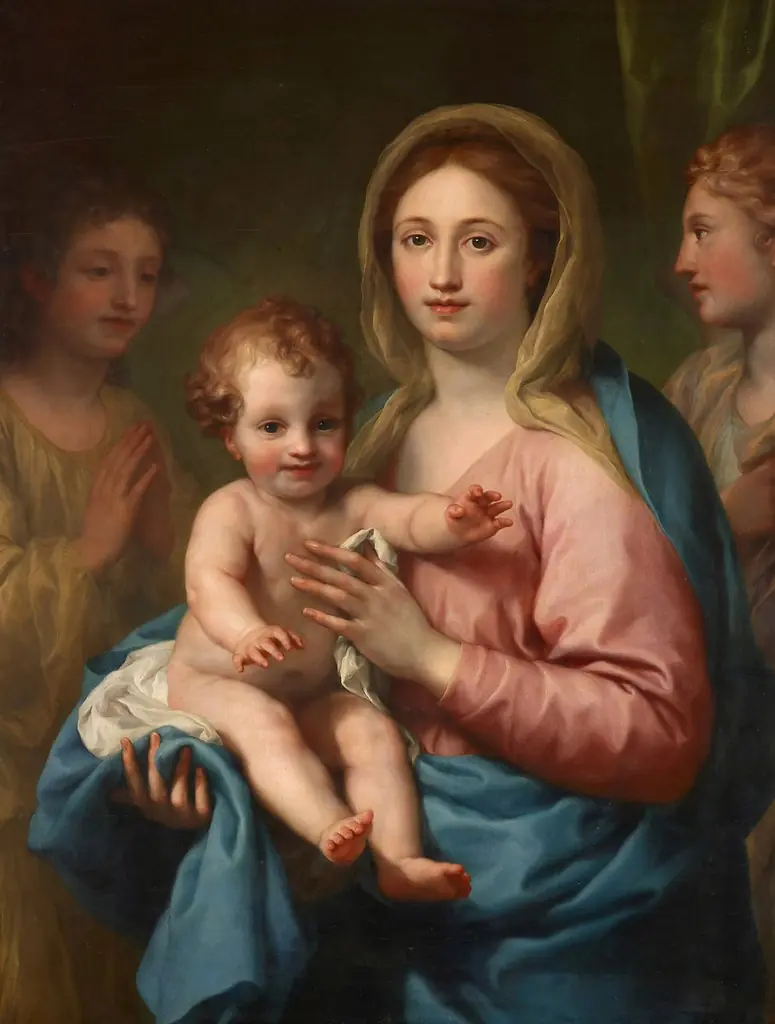
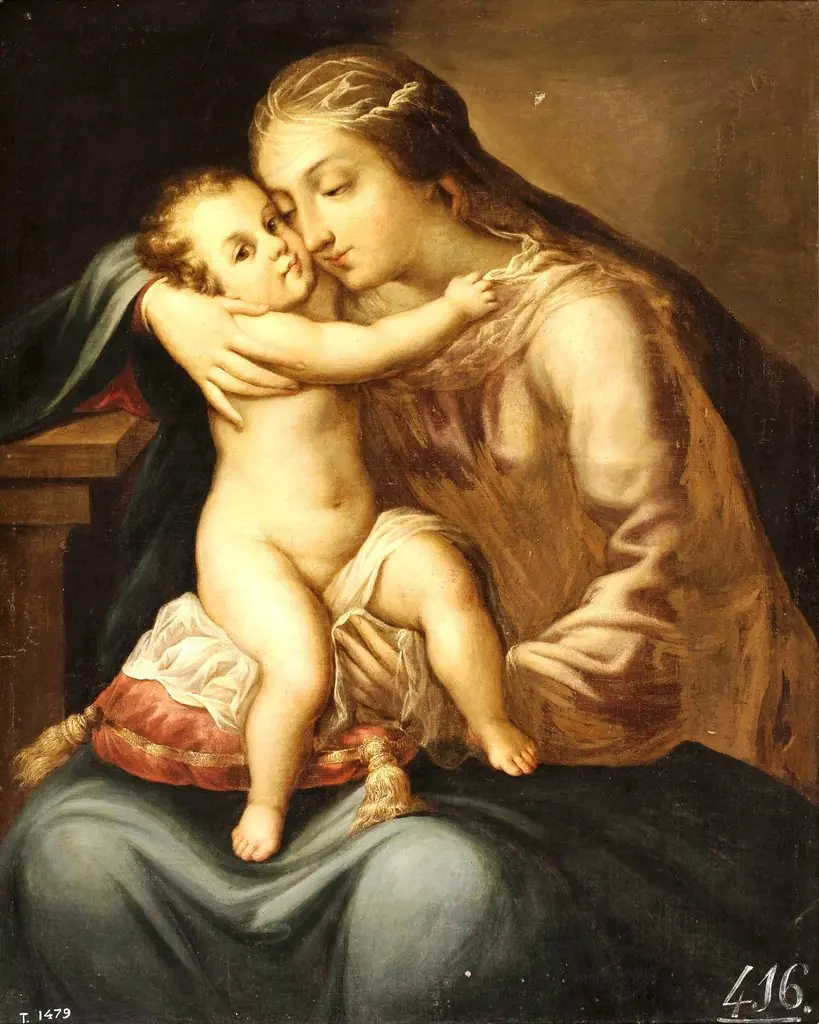
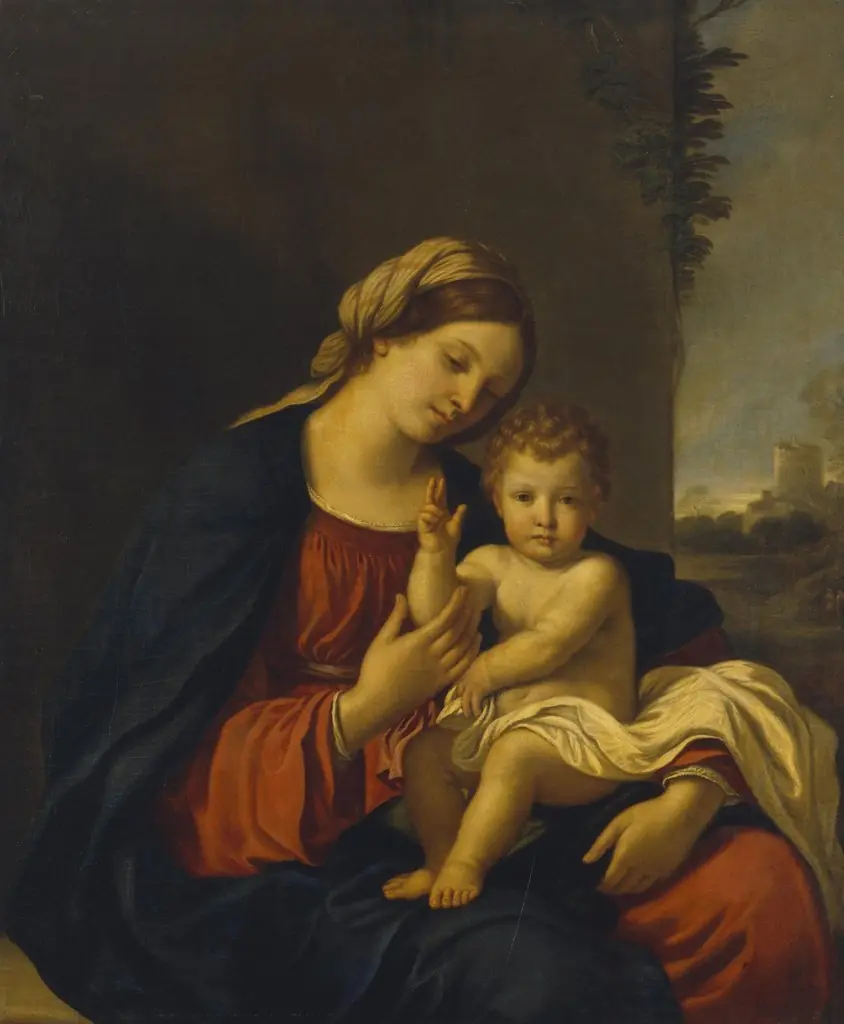
The Virgin and Child is an oil painting by Antonio María Esquivel. It dates from 1856 and is held in the collection of the Museo del Prado.
About this work
Subject & Meaning
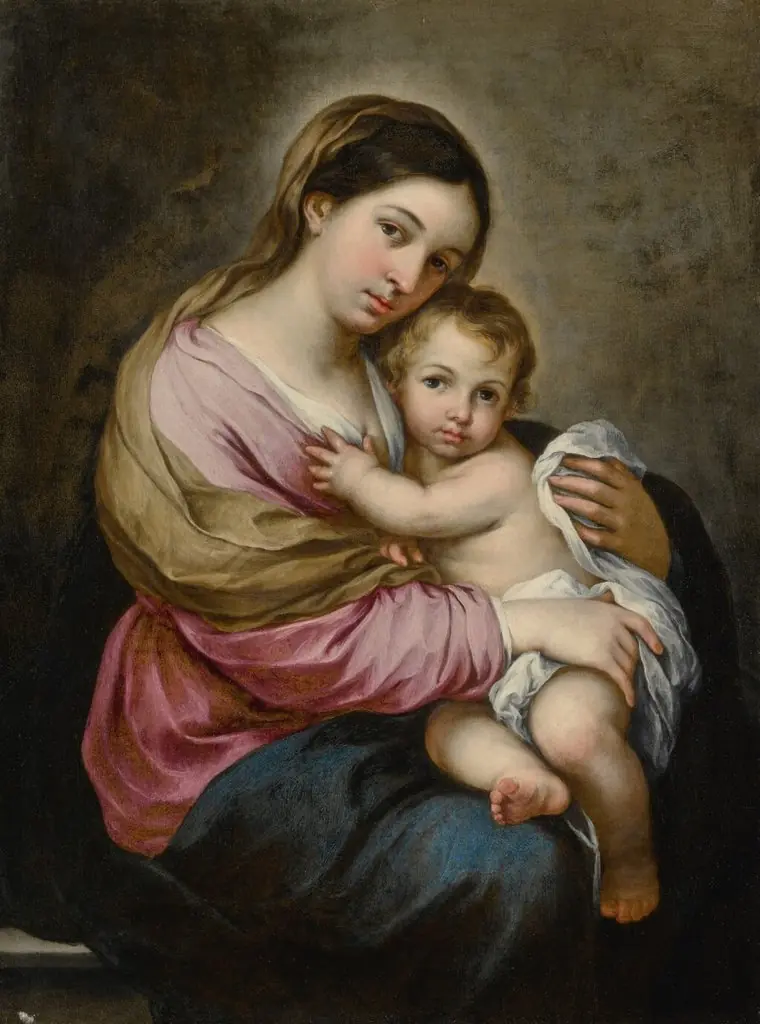
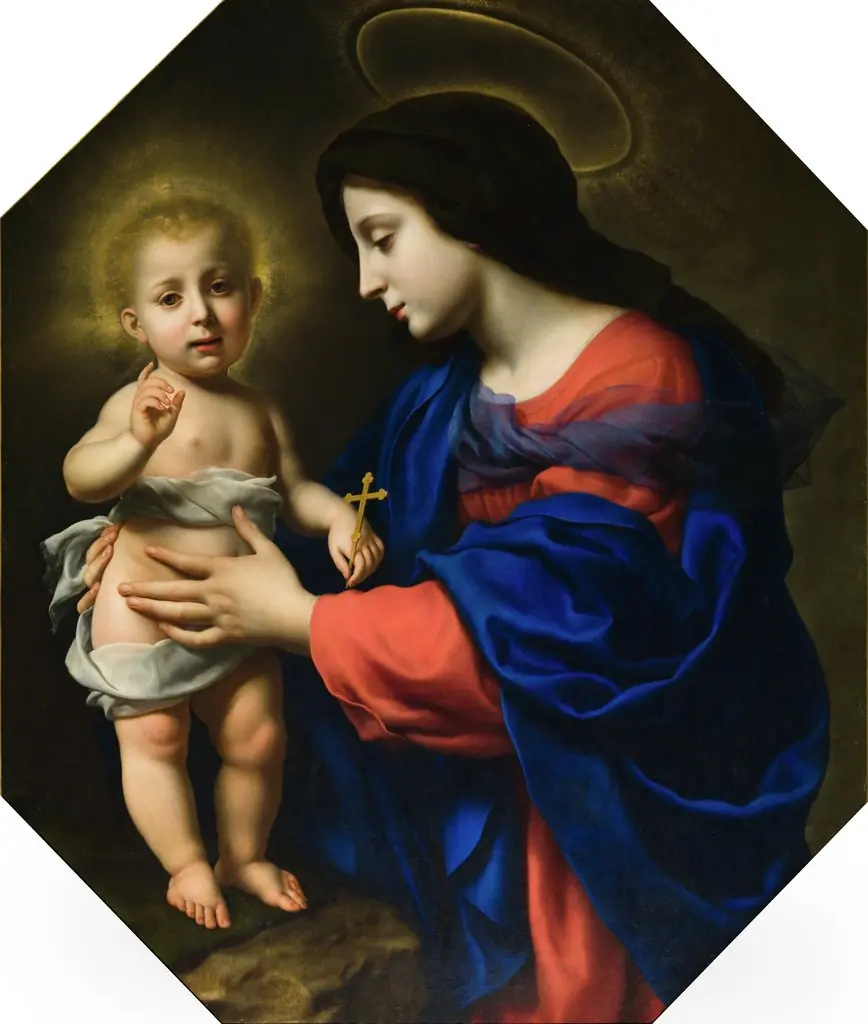
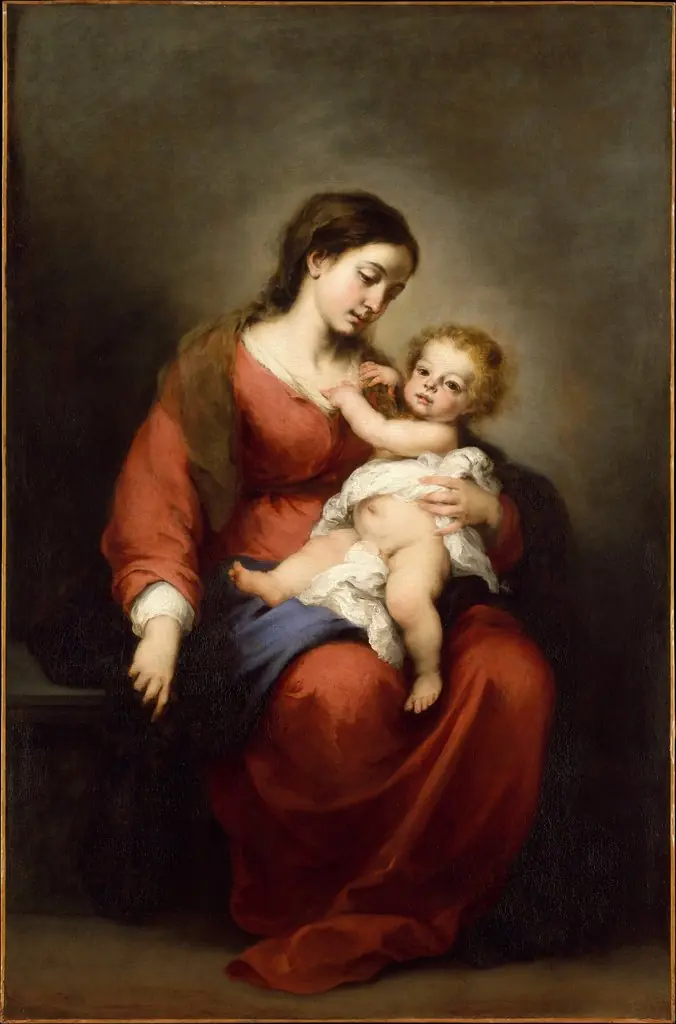
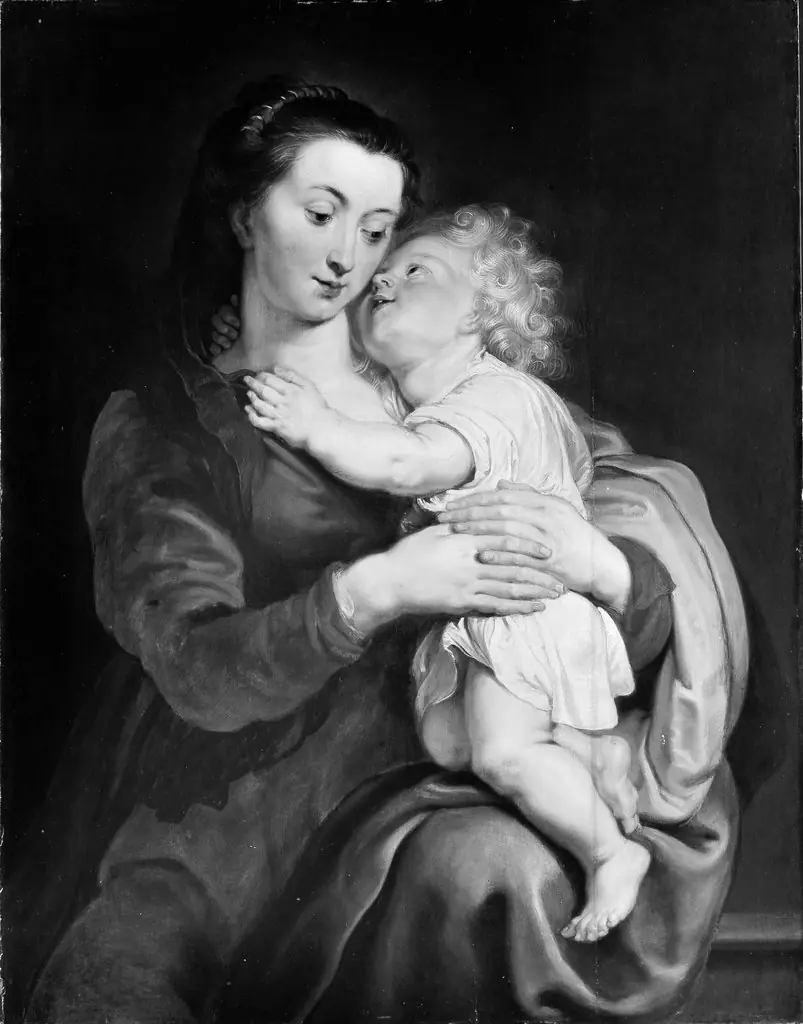
The painting portrays the biblical Madonna and Child, with the Virgin Mary cradling the infant Jesus alongside symbolic elements such as a crucifix.
The painting portrays the biblical Madonna and Child, with the Virgin Mary cradling the infant Jesus alongside symbolic elements such as a crucifix. The iconography emphasizes devotional themes of maternal tenderness and divine sacrifice within a religious context. The work is housed in the Museo del Prado and exemplifies 19th‑century Spanish religious art.
The visual composition reinforces theological narratives through careful arrangement of figures and objects, inviting contemplation of Mary’s role as intercessor and protector. This representation aligns with broader devotional practices in Spanish Catholic tradition during the 1800s.
Technique & Style
The work is painted in oil on canvas, a medium consistent with Esquivel’s practice for mid-nineteenth-century Spanish religious compositions. The support measures approximately 173.2 cm in height by 114.5 cm in width, indicating a vertical format suited to devotional display.
Stylistically, the handling emphasizes smooth modeling and controlled chiaroscuro to articulate the Virgin’s draped mantle and the Christ Child’s form, aligning with Esquivel’s academic approach. The composition centers the seated Virgin holding the Christ Child, framed by a restrained architectural setting that directs focus to the figures’ serene interaction. Subtle tonal gradations and refined detailing characterize the execution, underscoring Esquivel’s technical command within the period’s religious iconography.
History & Provenance
The painting was created in 1856 as a religious work by Antonio María Esquivel, a Spanish artist known for his devotional subjects. It was produced as an oil on canvas composition depicting the Virgin Mary holding the Christ Child, with dimensions of 173.2 cm by 114.5 cm. The work entered the collection of the Museo del Prado and was also associated with the Museo de la Trinidad, where it was recorded as part of their holdings. Its creation corresponds to the mid-19th century Spanish religious art tradition, and it remains classified within the genre of religious painting.
Antonio María Esquivel's 1856 oil painting The Virgin and Child is currently held in the collection of the Museo del Prado in Madrid. The work was previously part of the Museo de la Trinidad before its transfer to the Prado. While the specific inventory or accession number is not provided in the available records, the painting remains a fixture of the Prado's religious art holdings.
The provided sources do not contain information regarding specific exhibition histories or past display dates for this work.
Overview
Antonio María Esquivel’s 1856 oil painting titled The Virgin and Child presents a devotional scene typical of Spanish Romantic religious art. The composition centers on a woman in a deep red mantle holding a barefoot infant, who clutches a small cross and a round object. The work is part of the Museo del Prado’s collection.
Own this work as a print
Artist & collection
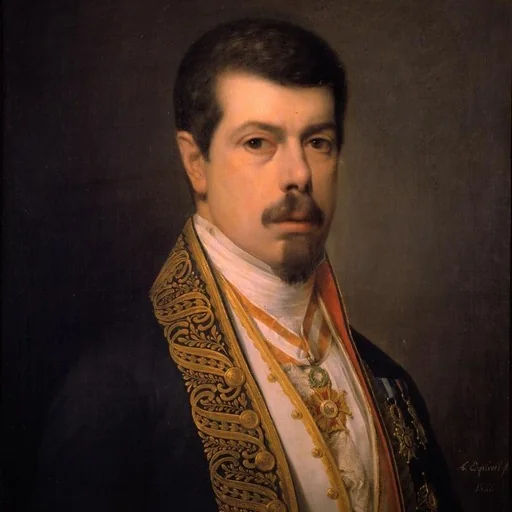
Artist
Antonio María Esquivel y Suárez de Urbina (8 March 1806 – 9 April 1857) was a Spanish painter in the Romantic style who specialized in portraits.