Artwork
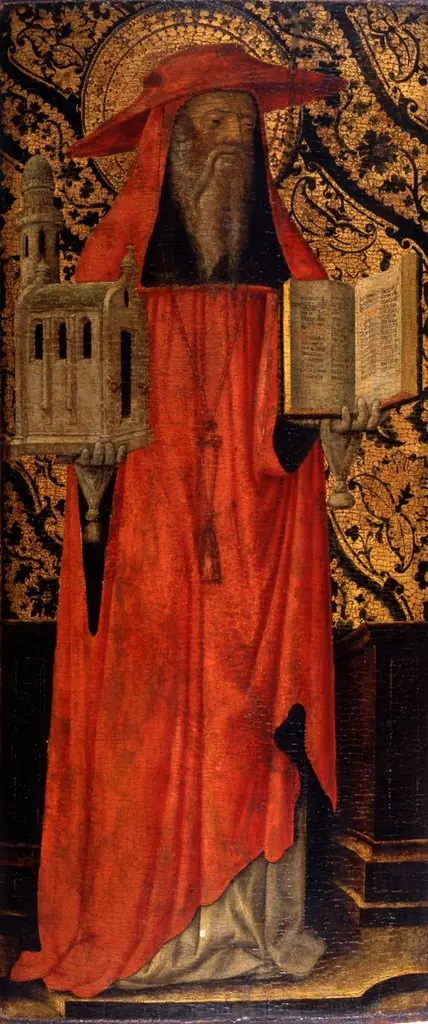
Hieronymusaltar von Santo Stefano in Venedig: Der heilige Hieronymus
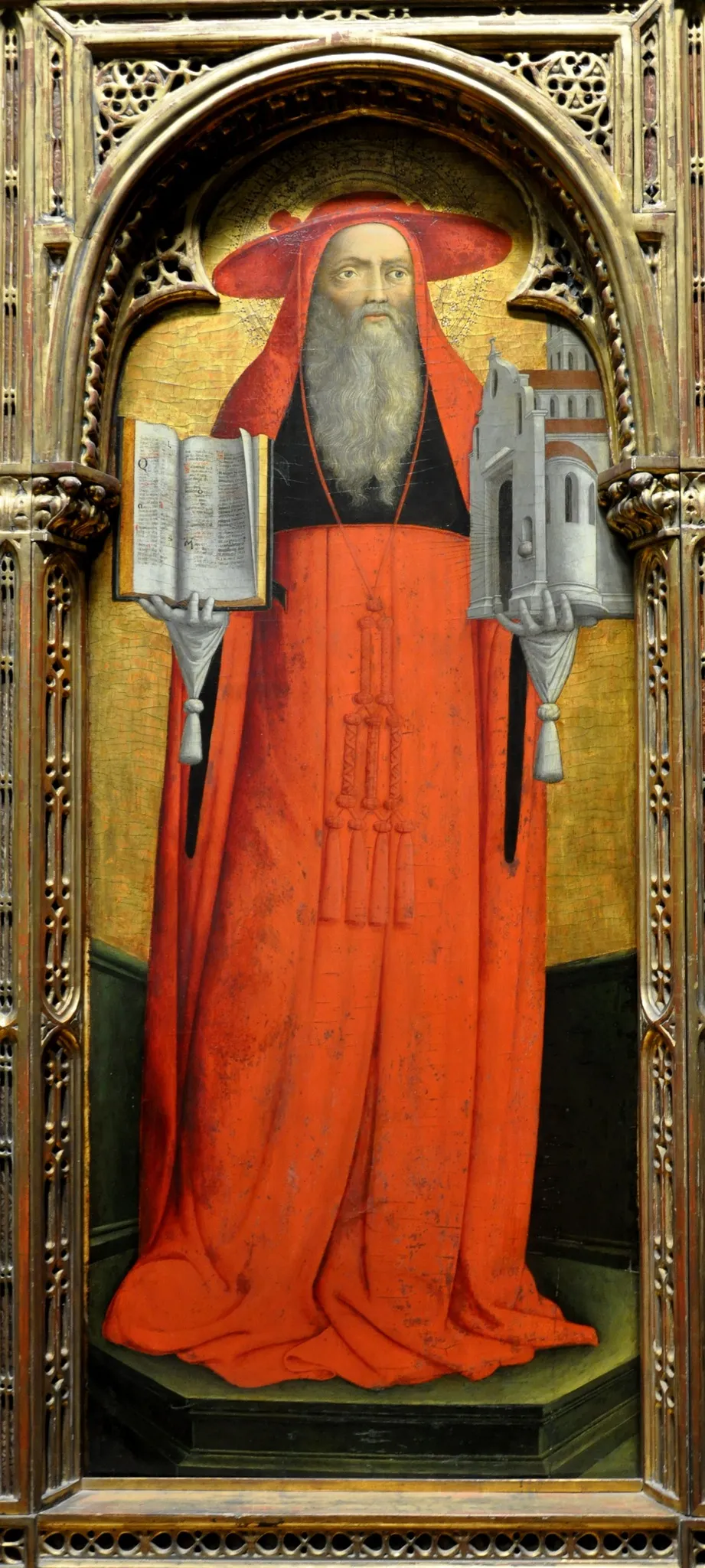
Hieronymusaltar von Santo Stefano in Venedig: Der heilige Hieronymus is an oil painting by the Early Renaissance artist Antonio Vivarini. It dates from 1441 and is held in the collection of the Kunsthistorisches Museum.
About this work
Subject & Meaning
Its inclusion in a major altarpiece underscores the saint's significance to the patron and the religious community of fifteenth-century Venice.
Created in 1441 by Antonio Vivarini, this religious panel painting depicts Saint Jerome as its sole subject. The work functions as a devotional image within the genre of religious art, originally serving as part of the Hieronymusaltar for the church of Santo Stefano in Venice. While the specific attributes or symbolic actions of the saint are not detailed in the available records, the piece represents the veneration of Jerome, a prominent Doctor of the Church, through the medium of oil paint on panel.
Its inclusion in a major altarpiece underscores the saint's significance to the patron and the religious community of fifteenth-century Venice.
Technique & Style
Created in 1441 by Antonio Vivarini, this religious painting depicts Saint Jerome. The work is executed in oil paint on a panel support. Measuring 155 cm in height and 63 cm in width, the piece represents a mid-15th-century approach to devotional imagery.
The combination of oil medium and wooden panel was characteristic of the period's technical practices for altar components. The vertical format suggests its original function as part of a larger altarpiece structure.
History & Provenance
The altarpiece known as Hieronymusaltar von Santo Stefano in Venedig, depicting Saint Jerome, was created in 1441 by Antonio Vivarini using oil paint on panel. It was commissioned for the church of San Stefano in Venice and now resides in the Kunsthistorisches Museum, where it remains part of the institution's collection. The work measures 155 cm in height and 63 cm in width.
The painting is held in the Kunsthistorisches Museum, Vienna, where it is inventoried as part of the museum’s holdings. It has been exhibited there as a key work within the collection’s Italian early Renaissance holdings, including displays dedicated to Venetian panel painting of the mid-15th century.
No separate exhibition history beyond the museum’s permanent presentation is documented in the cited sources.
Overview
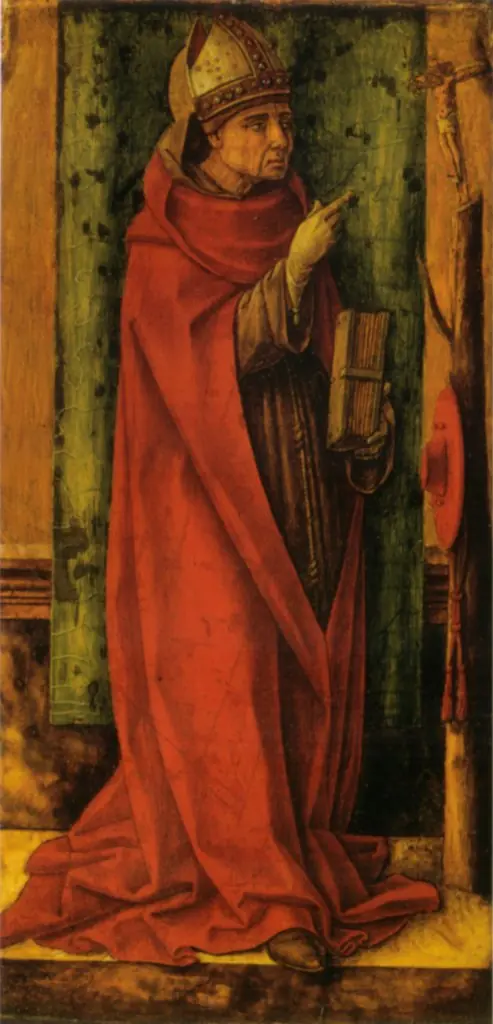
This 1441 oil painting by Antonio Vivarini portrays Saint Jerome in a detailed, realistic manner. The work is characterized by its vivid colors, intricate textures, and ornate frame carvings, set against a yellow background.
Context
Commissioned for a Venetian church, the work reflects the religious and artistic trends of 15th-century Venice, blending traditional religious iconography with the emerging techniques of the Renaissance.
Legacy
As a work by Antonio Vivarini, it contributes to the understanding of the artist's oeuvre and the development of Venetian Renaissance art, though its specific impact or influence on later artists is not prominently documented.
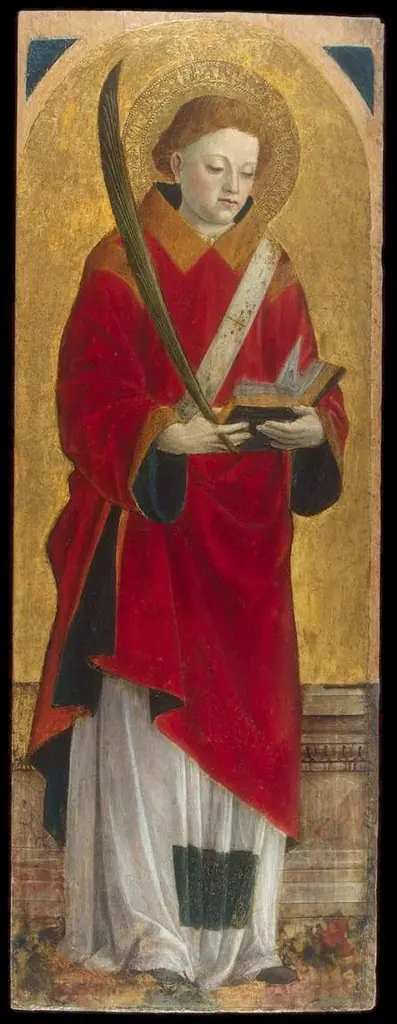
Artist & collection

Artist
Antonio Vivarini was an Italian painter of the early Renaissance-late Gothic period, who worked mostly in the Republic of Venice.

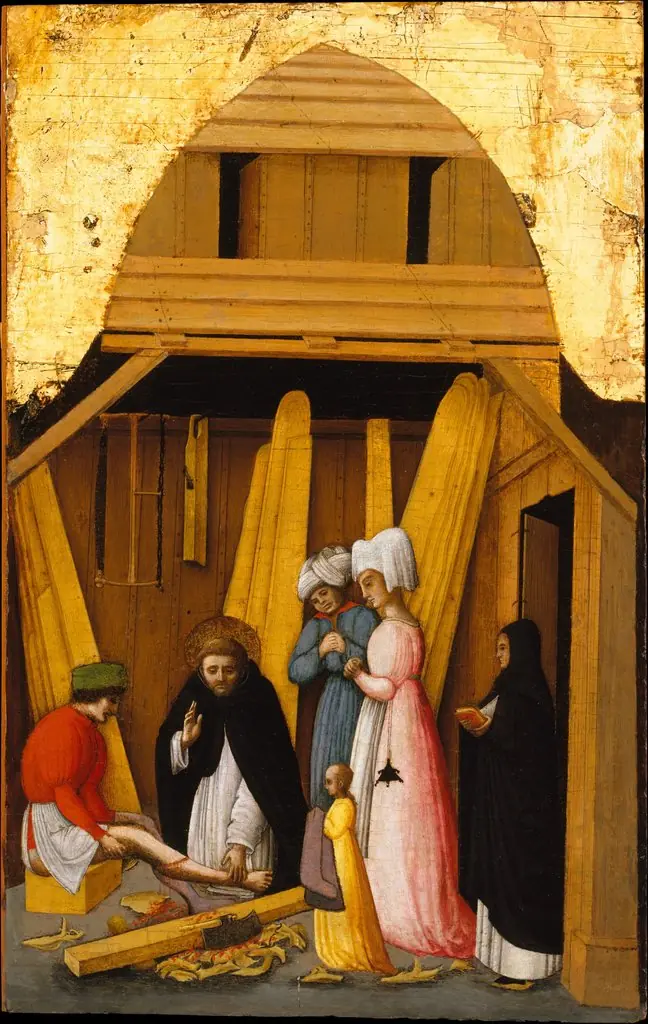 Saint Peter Martyr Healing the Leg of a Young Man
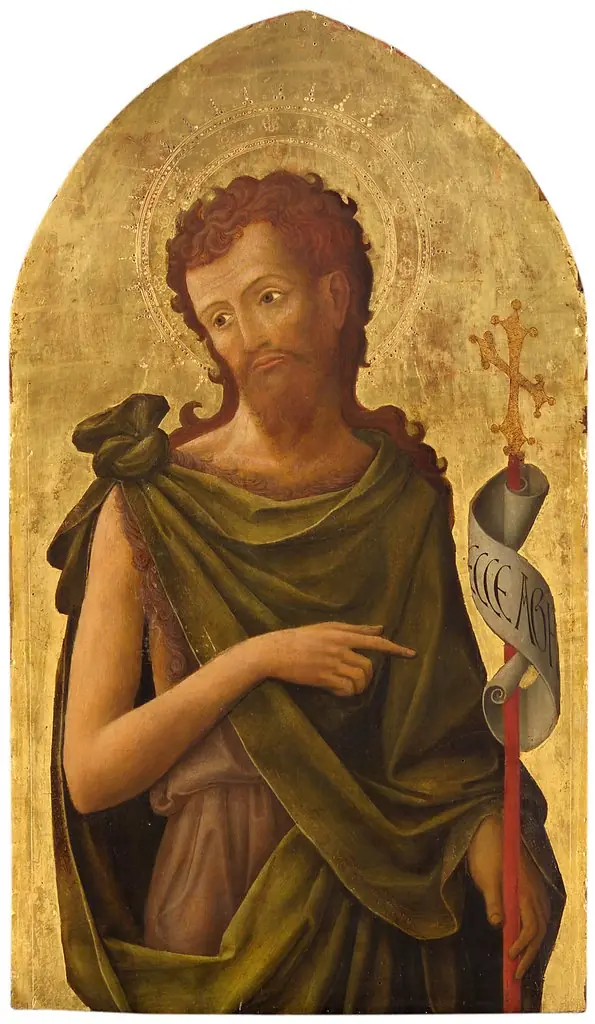 John the Baptist
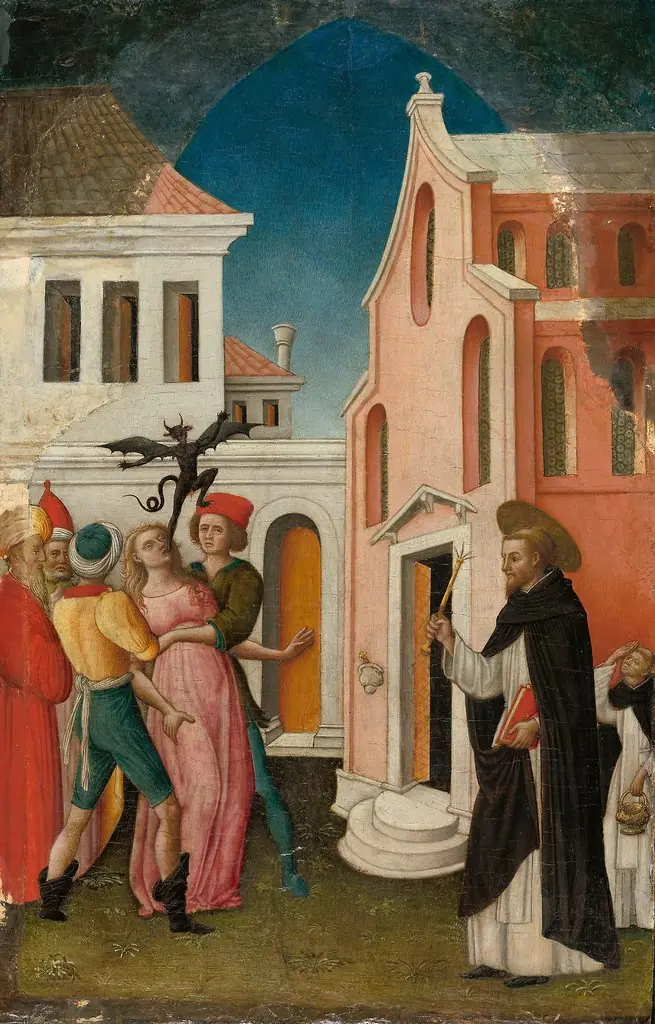 Saint Peter Martyr Exorcizing a Woman Possessed by a Devil
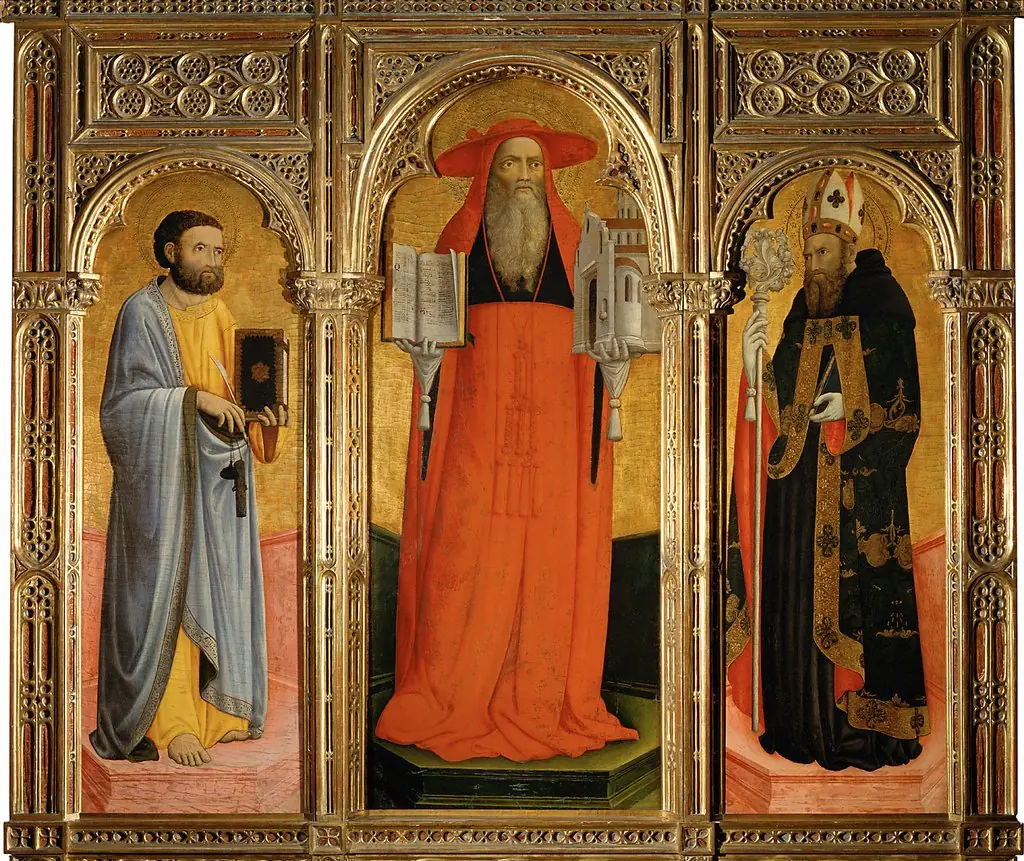 Hieronymusaltar von Santo Stefano in Venedig: Der heilige Markus
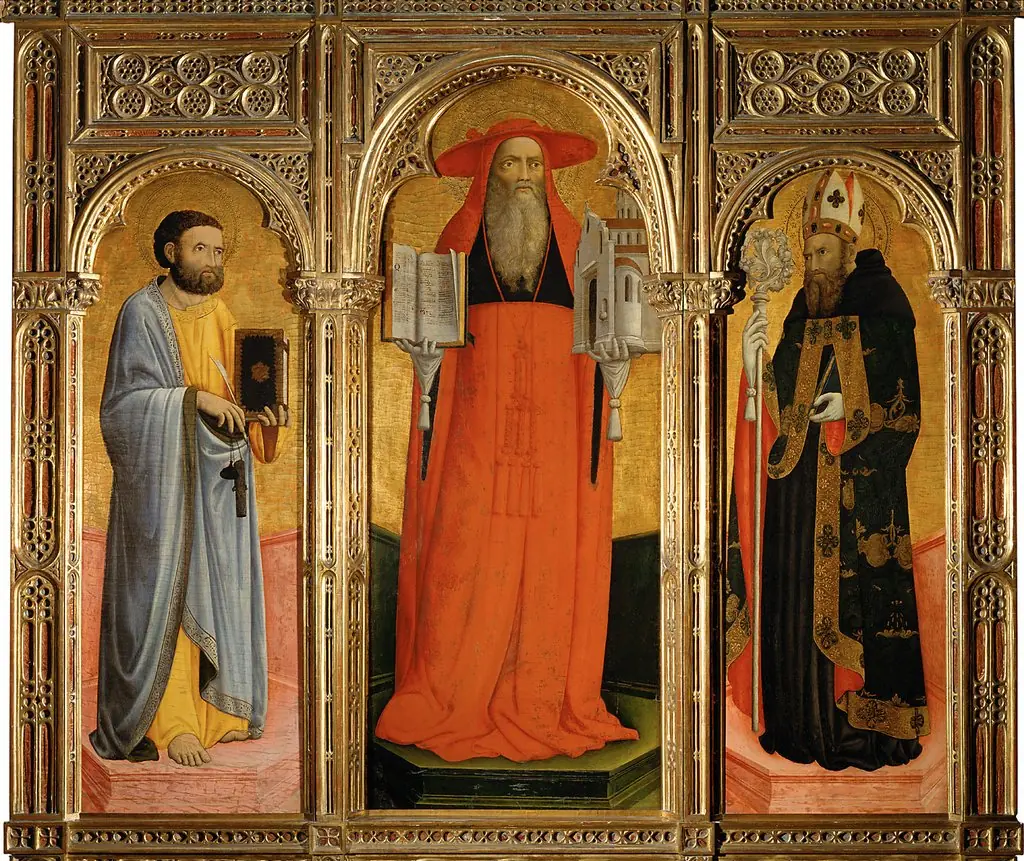 Altar of Saint Jerome
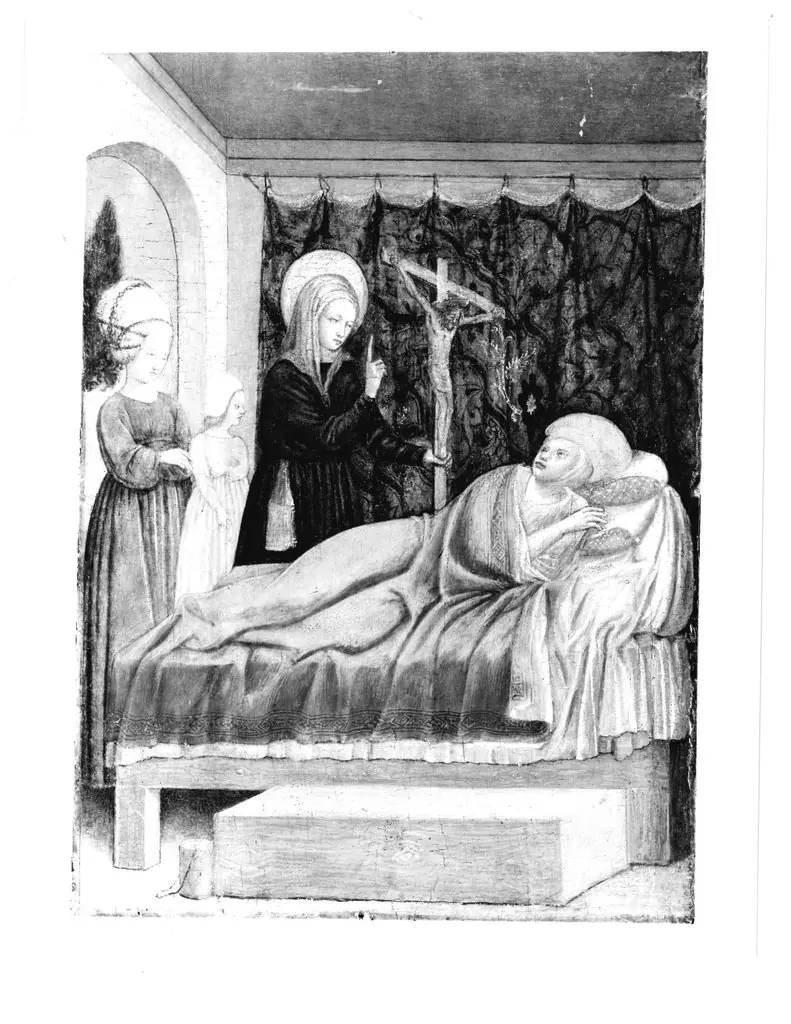 Scene from the Life of a Female Saint
 The Saint's Investiture upon His Entry into the Dominican Order
 Virgin and Child
- St Stephen (wing of a polyptych)
 St. Jerome
 Holy Bishop
 St Benedict (wing of a polyptych)
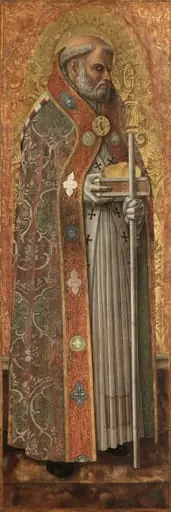 Saint Nicholas of Bari
 St Peter.
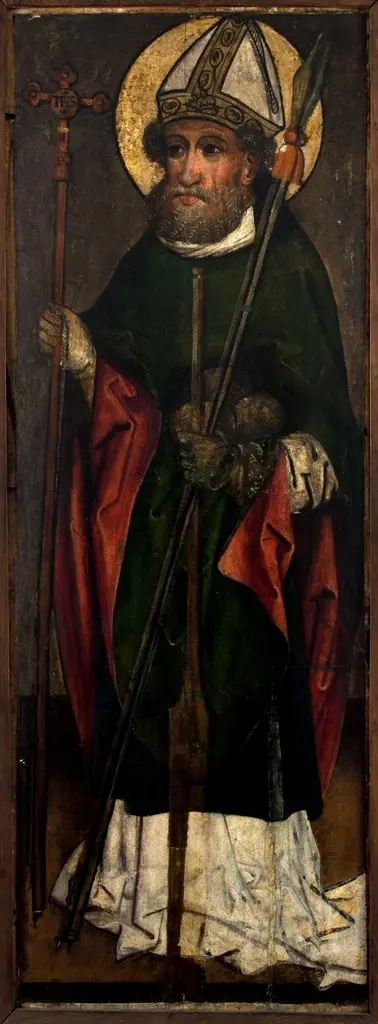 St Adalbert (obverse); Mary from the scene of the Annunciation (reverse). Wing of the altar retable from Snoza
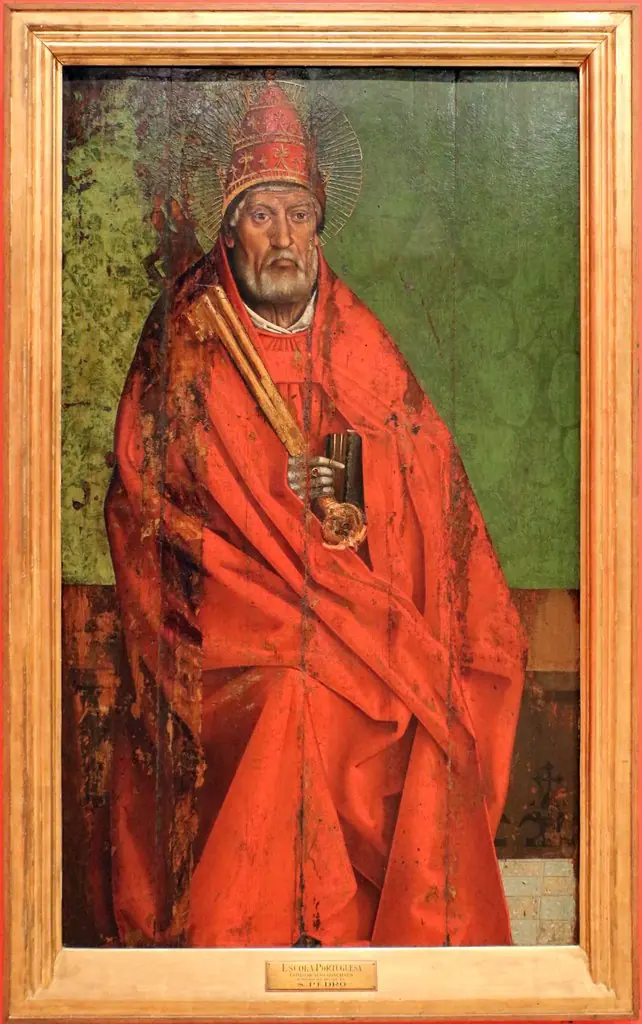 São Pedro
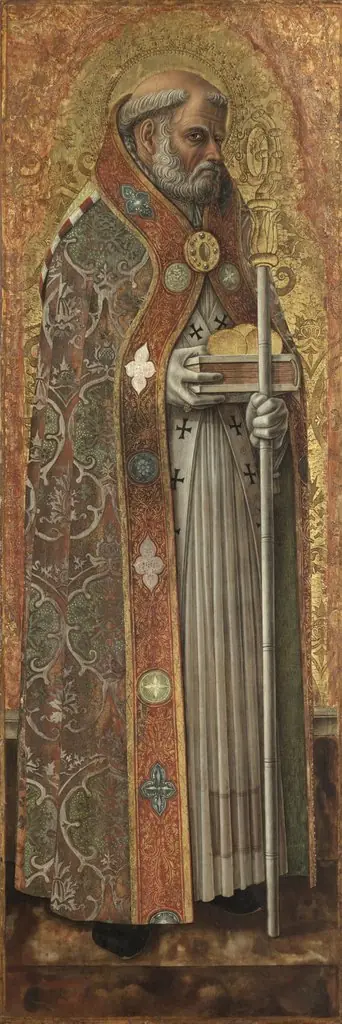 Saint Nicholas of Bari
 Bonaventure
 Saint Peter
 Bishop Saint from an Augustinian altarpiece