Artwork
Saint Peter Martyr Healing the Leg of a Young Man
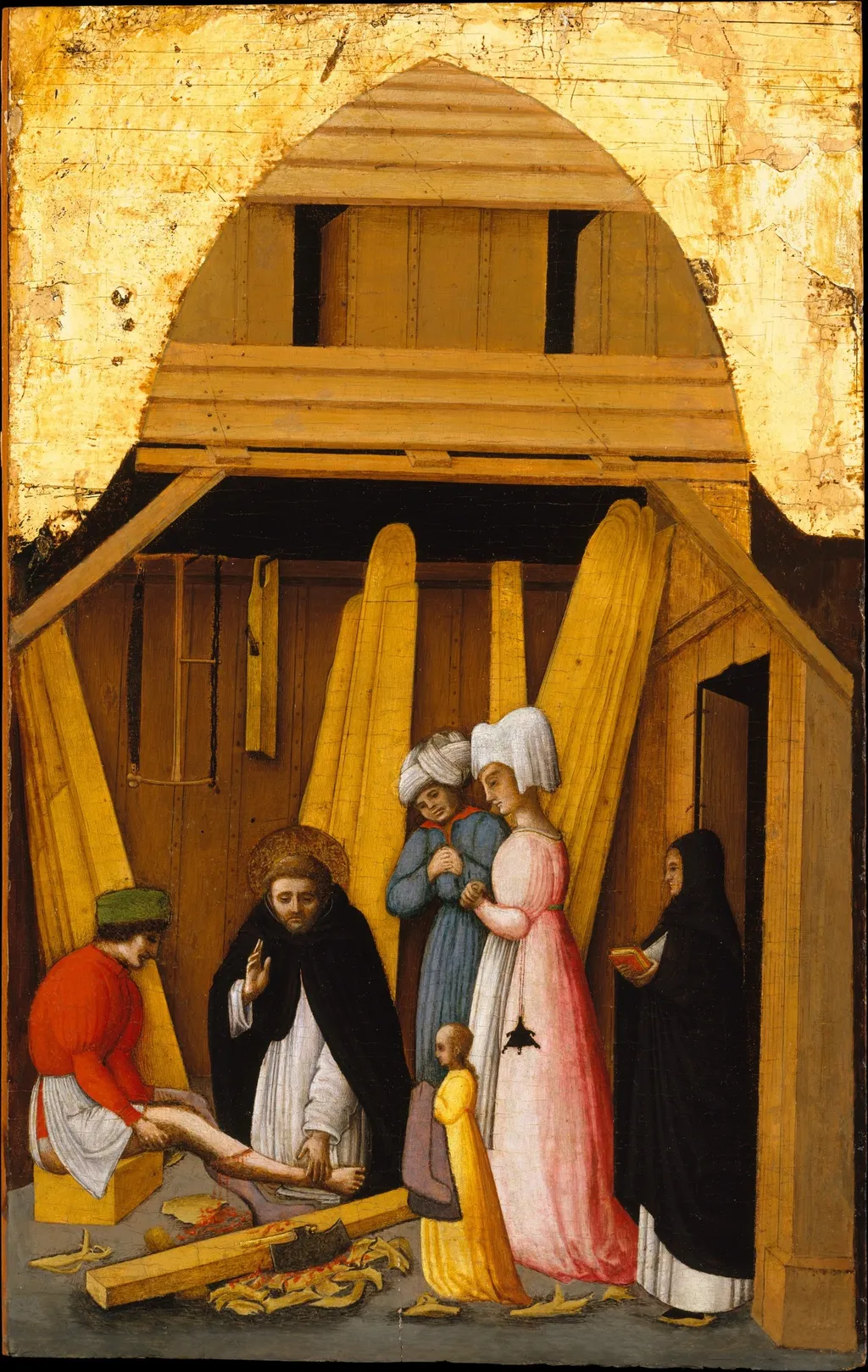
Saint Peter Martyr Healing the Leg of a Young Man is a tempera painting by the Early Renaissance artist Antonio Vivarini. It dates from 1450 and is held in the collection of the Metropolitan Museum of Art.
About this work
Subject & Meaning
The composition includes the figures of Peter of Verona, a woman, and a man, as recorded in the work's cataloguing.
The painting depicts the miracle of Saint Peter Martyr (Peter of Verona), a Dominican friar and martyr venerated for his healing powers and defense of the faith. According to the iconography, the scene shows the saint restoring or healing the leg of a young man, a miracle frequently attributed to him in hagiographic tradition. The composition includes the figures of Peter of Verona, a woman, and a man, as recorded in the work's cataloguing.
Rendered in tempera and gold leaf on panel, the use of gold grounds and devotional format situates the image within the conventions of mid-fifteenth-century Venetian religious painting, emphasizing the saint's intercessory role and the spiritual benefits sought by the supplicants shown alongside him. The work functions as a visual testament to the curative miracles associated with the Dominican saint, presenting him as an active agent of divine healing for the faithful.
Technique & Style
Created in 1450, this religious painting by Antonio Vivarini is executed in tempera with gold leaf applied to a wooden panel support. The work measures 53 cm in height and 33.3 cm in width, reflecting the intimate scale typical of mid-15th-century devotional objects. The artist utilized traditional tempera techniques to render the figures of Saint Peter, a woman, and a man within a narrative scene of miraculous healing.
The inclusion of gold leaf suggests a deliberate emphasis on the sacred nature of the depicted event, a common stylistic choice in Venetian painting of this period. The panel construction and material combination indicate a careful handling of pigments and gilding to achieve both durability and visual luminosity, characteristic of the artist's workshop practices during the 1450s.
History & Provenance
The panel Saint Peter Martyr Healing the Leg of a Young Man is dated by internal records to 1450, placing it in the mid-fifteenth century during Antonio Vivarini’s period of activity. The work entered the collection of the Metropolitan Museum of Art, where it remains, as confirmed by its Wikidata entry and institutional classification. The painting’s provenance prior to the twentieth century is not documented in the provided sources, which identify it solely as part of the Metropolitan Museum’s holdings and list its medium as tempera with gold leaf on panel, consistent with Venetian painting practices of the period.
The painting Saint Peter Martyr Healing the Leg of a Young Man, created by Antonio Vivarini around 1450, is held in the collection of the Metropolitan Museum of Art in New York. While the specific inventory or accession number is not detailed in the provided records, the work is cataloged as a tempera and gold leaf on panel piece measuring 53 cm in height and 33.3 cm in width. The sources confirm the artwork's presence within the museum's holdings but do not provide a documented exhibition history or specific accession identifiers for this entry.
Overview
Painted in 1450 by Antonio Vivarini, Saint Peter Martyr Healing the Leg of a Young Man is a tempera work depicting a specific miracle attributed to the Dominican saint. The composition is set within a confined, wooden interior, focusing on the interaction between the kneeling saint and a young man lying on the floor. Vivarini arranges six figures to frame the central act of healing: the saint, dressed in black, attends to the injured leg, while a man in red leans against a table of tools in the background.
Two women, one in pink and one in blue, and a child in yellow observe the scene, creating a narrative circle around the miracle. This work exemplifies Vivarini's mid-15th-century style, characterized by clear spatial organization and a focus on human interaction within a domestic setting. Created during a period when the artist was active in Venice and the Veneto region, the painting reflects the devotional needs of the time, illustrating the saint's intercessory power through a grounded, realistic portrayal of the event rather than abstract symbolism.
Own this work as a print
Artist & collection

Artist
Antonio Vivarini was an Italian painter of the early Renaissance-late Gothic period, who worked mostly in the Republic of Venice.

- Saint Catherine of Siena Beseeching Christ to Resuscitate Her Mother
 The Adoration of the Magi
 Saint Anthony Distributing His Wealth to the Poor
 Marienaltar: Vermählung Mariae
 The Nativity
 The Nativity
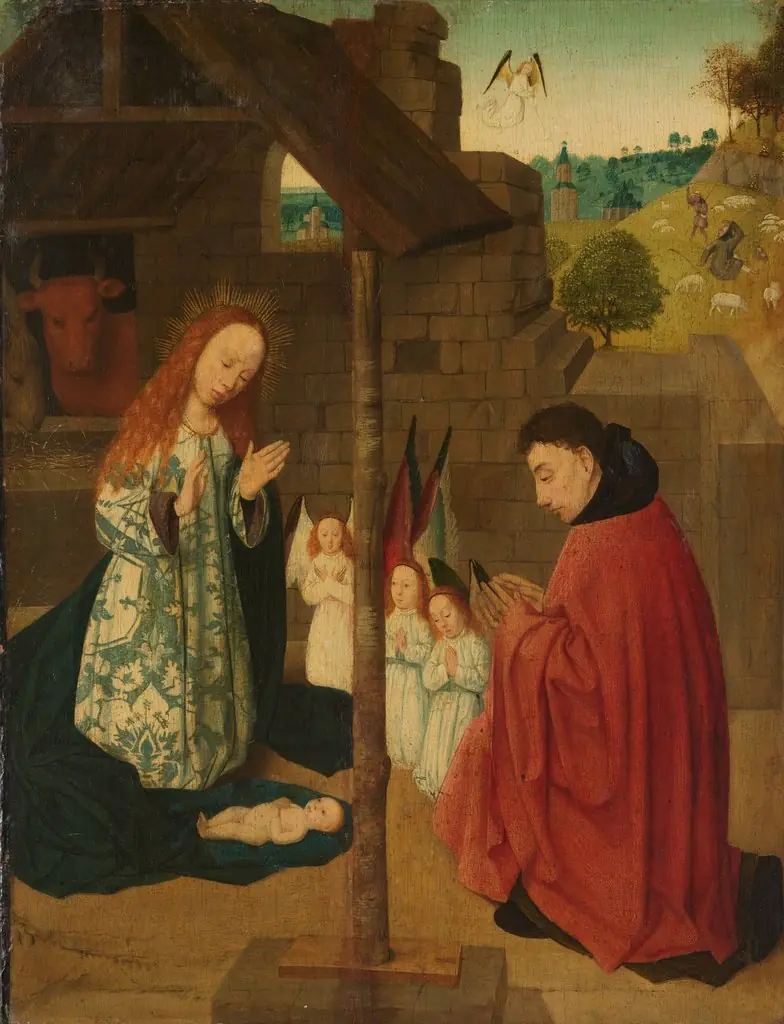 The nativity
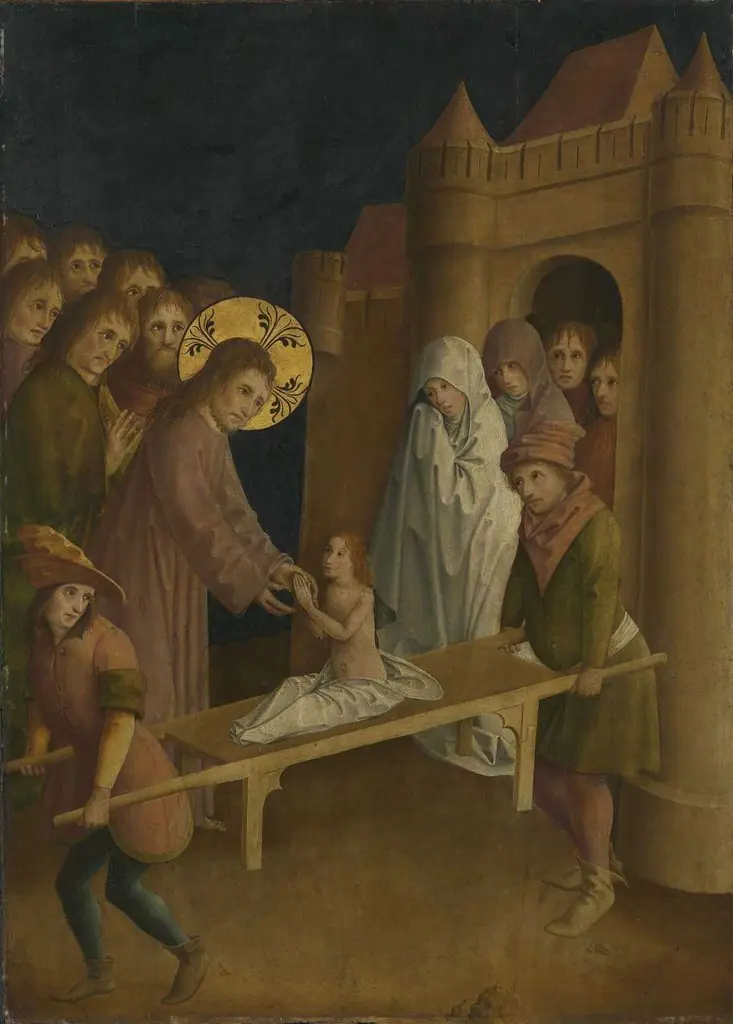 Die Erweckung des Jünglings von Nain
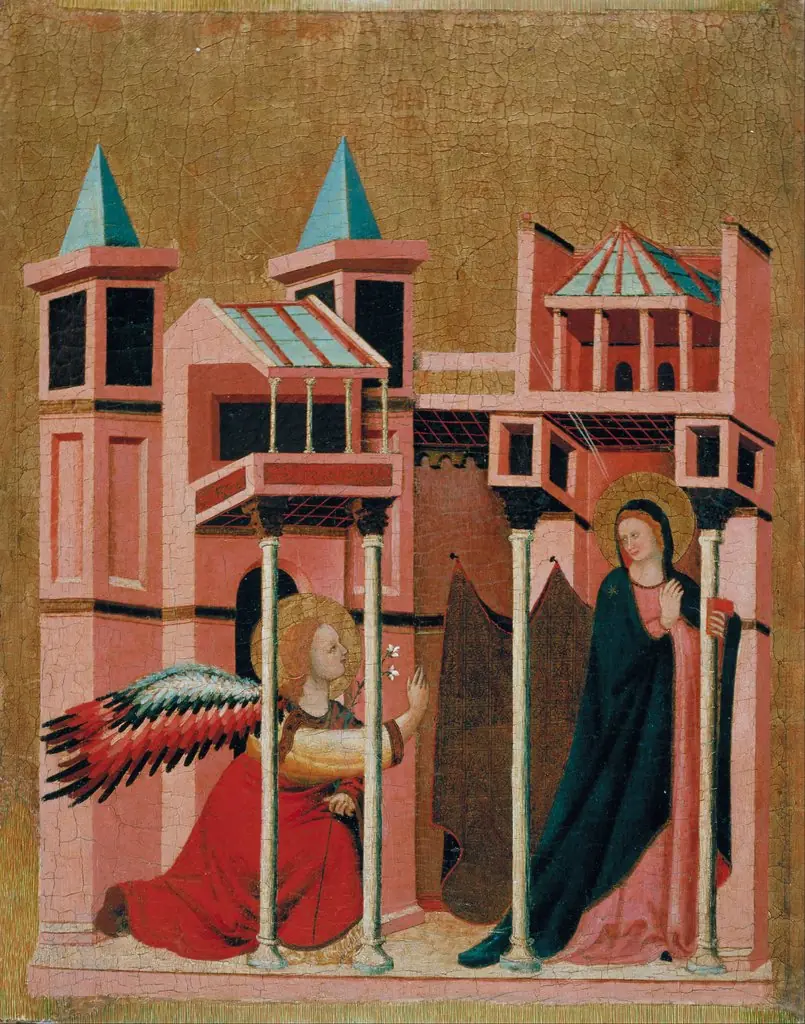 Annunciation
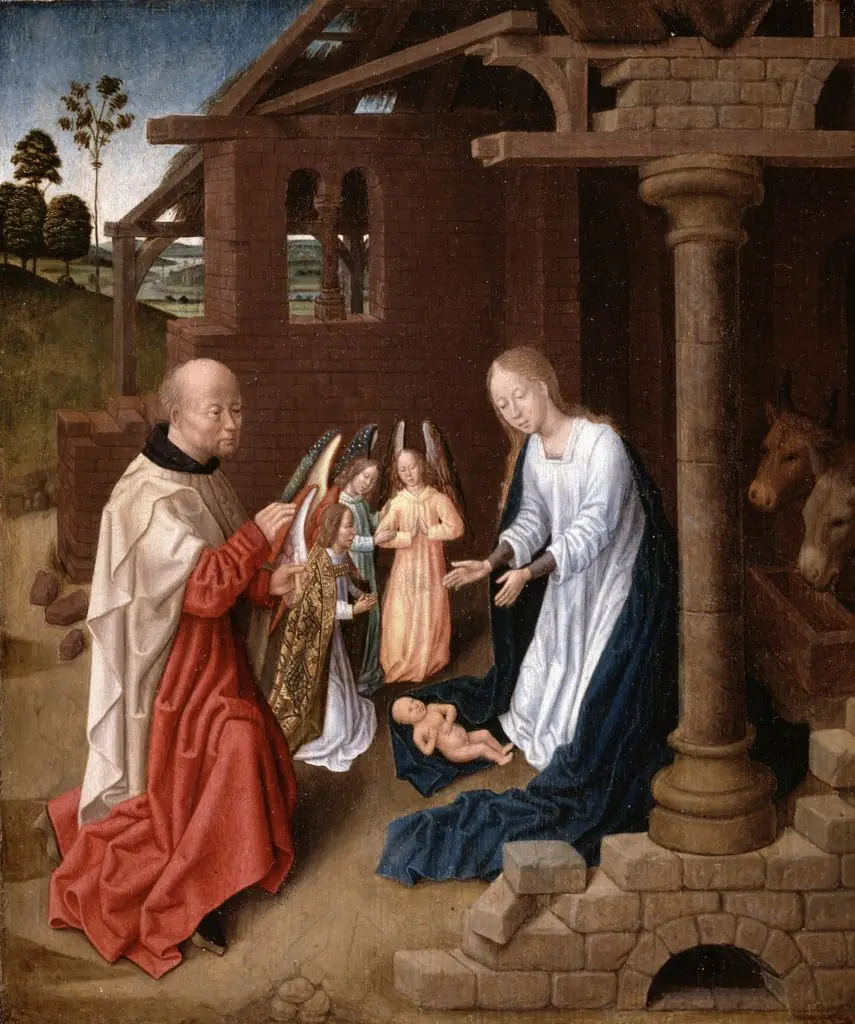 Adoration of the Christ Child
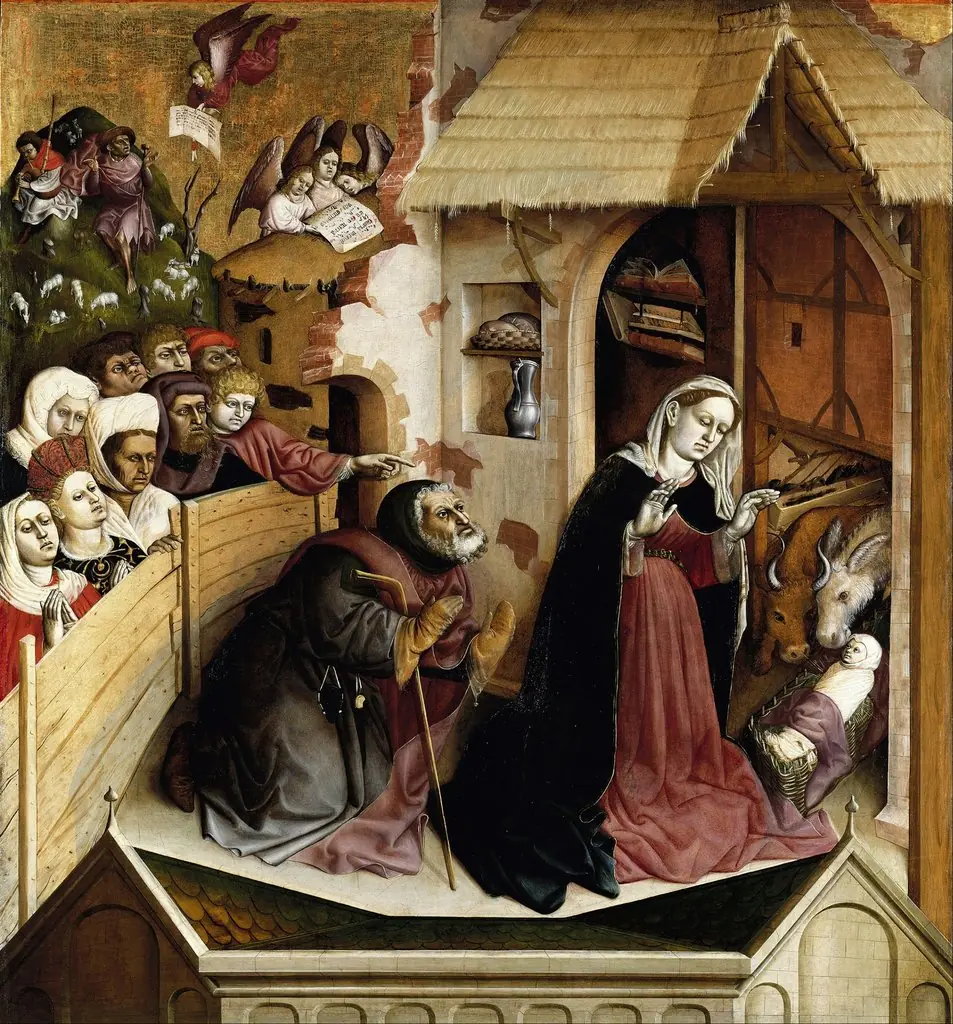 Birth of Christ (Wurzach altarpiece)
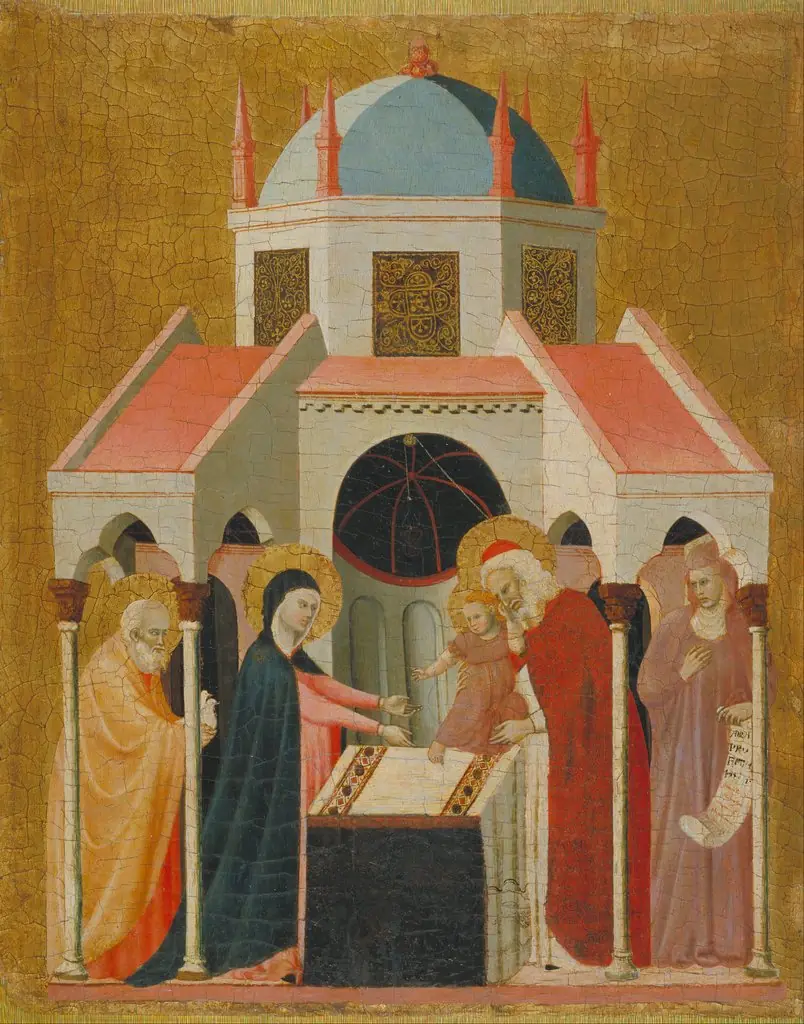 Presentation of Jesus at the Temple