Artwork
Virgin and Child
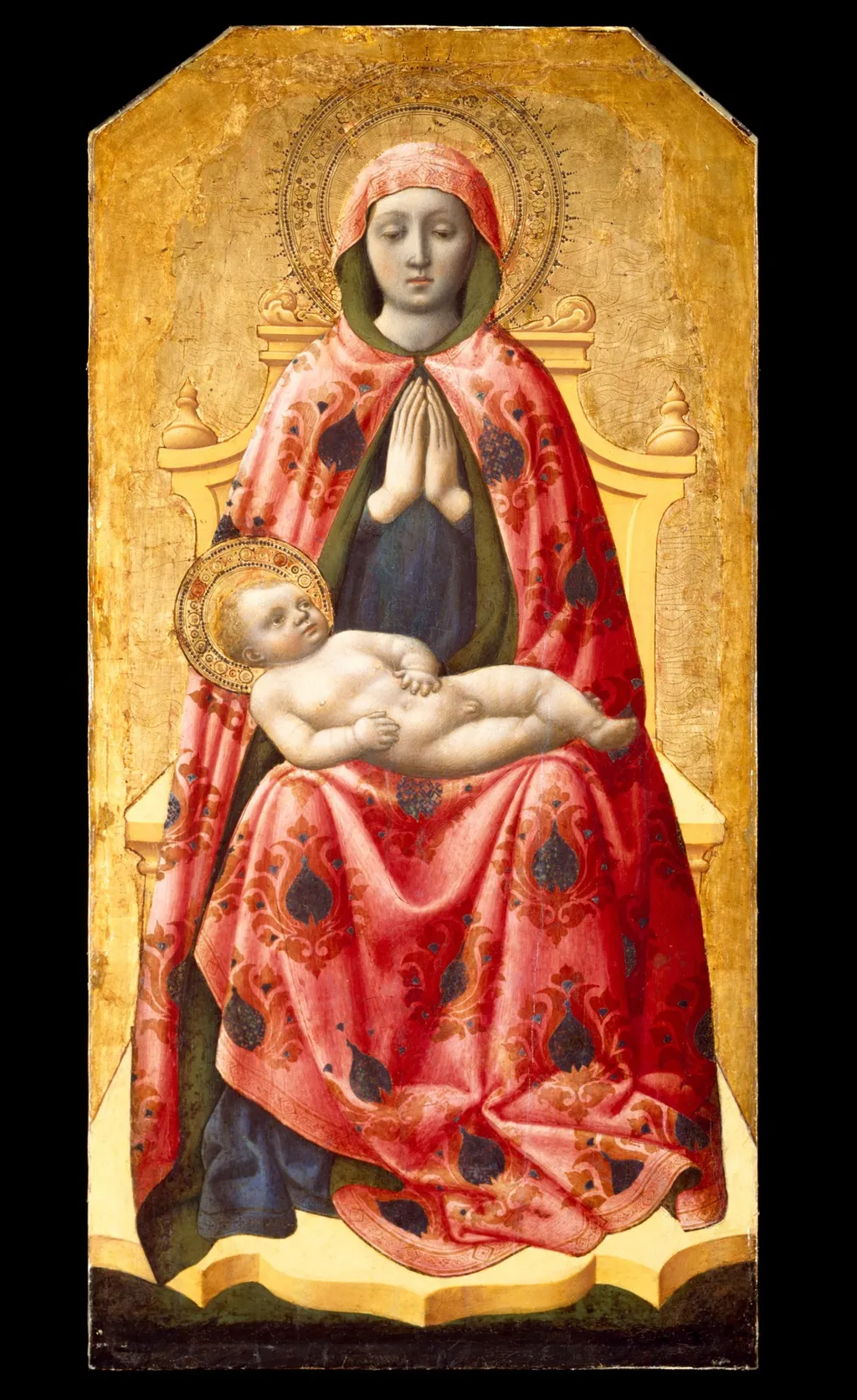
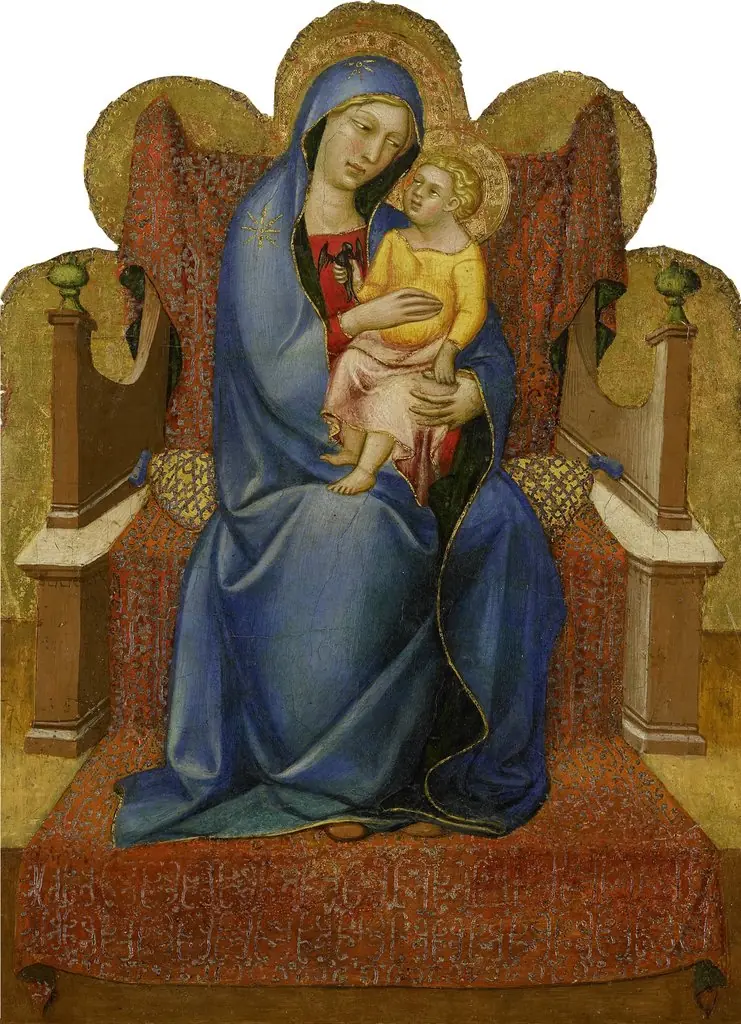
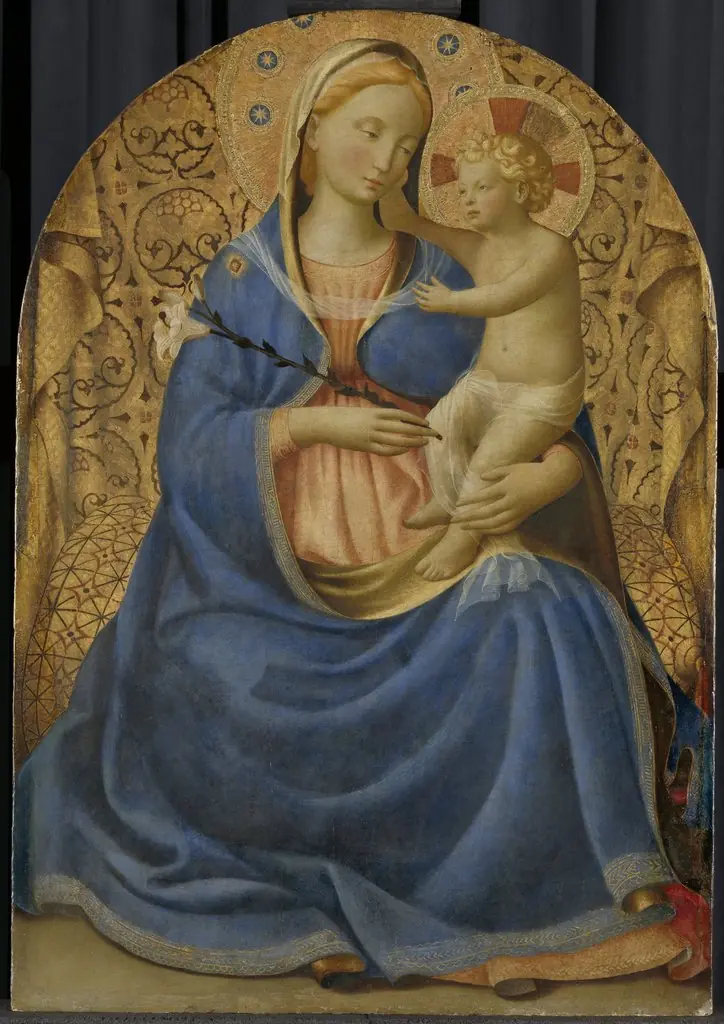
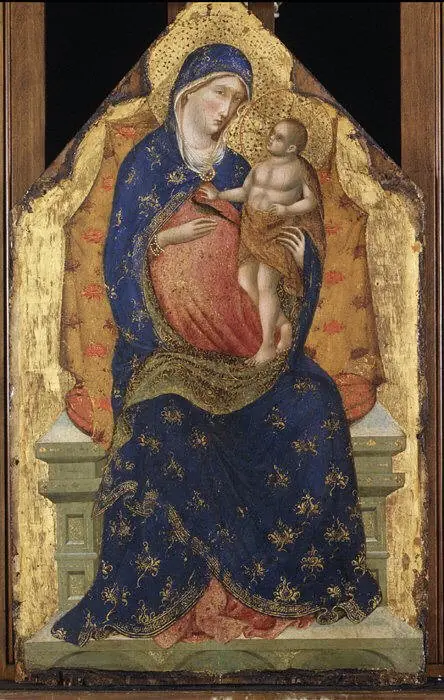
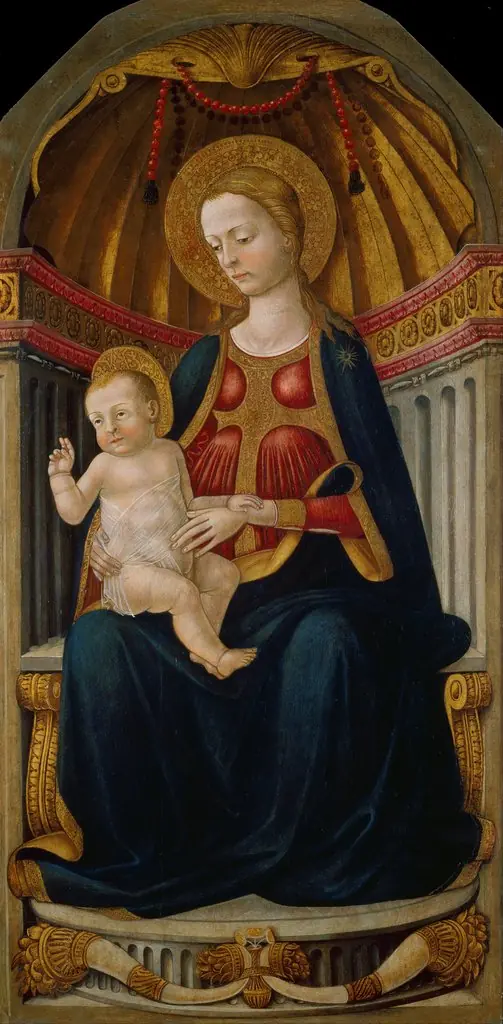
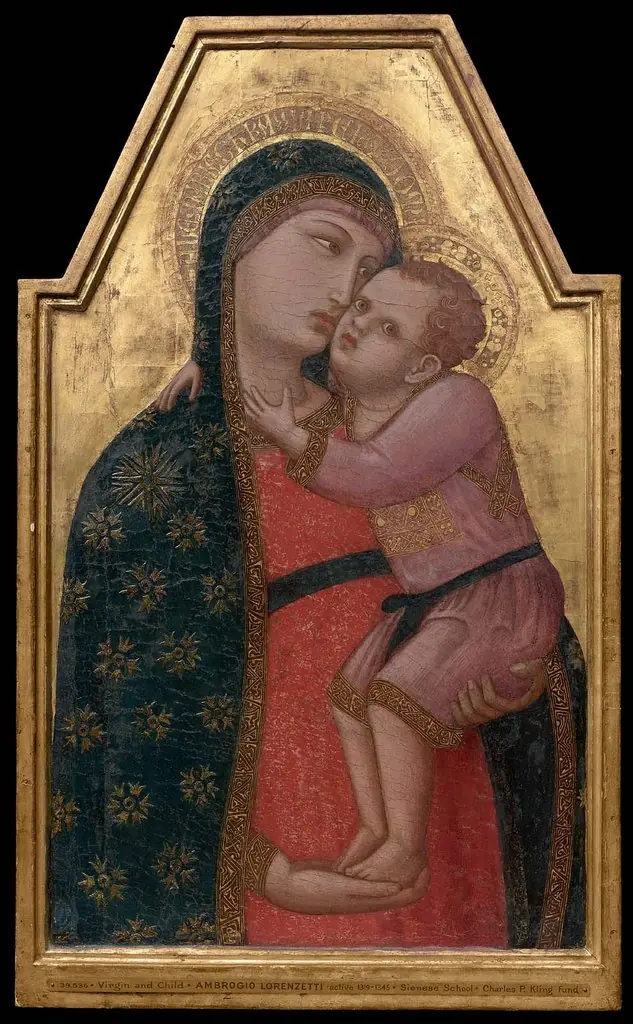
Virgin and Child is an unspecified painting by the Venetian Renaissance artist Antonio Vivarini. It dates from 1440 and is held in the collection of the Museum of Fine Arts, Houston.
About this work
Overview
Antonio Vivarini's Virgin and Child, dated to 1440, is a religious painting featuring the central figures of the Virgin Mary and the Christ Child. The work is currently part of the collection at the Museum of Fine Arts, Houston.
Subject & Meaning
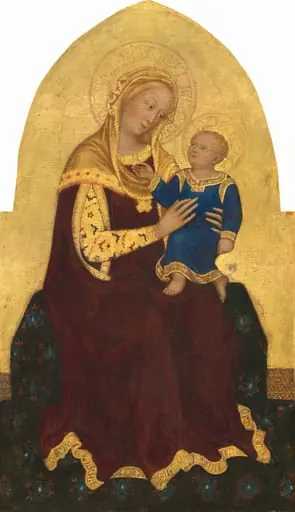
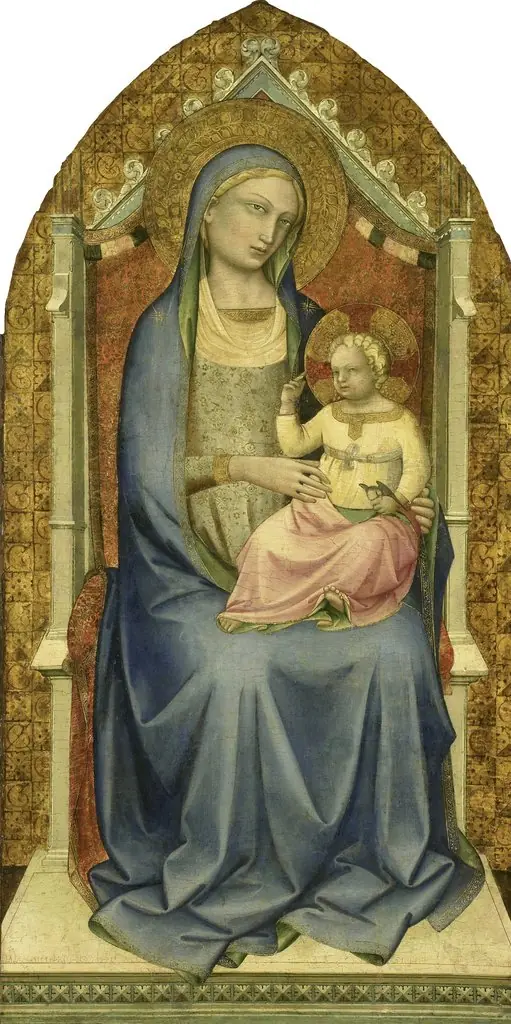
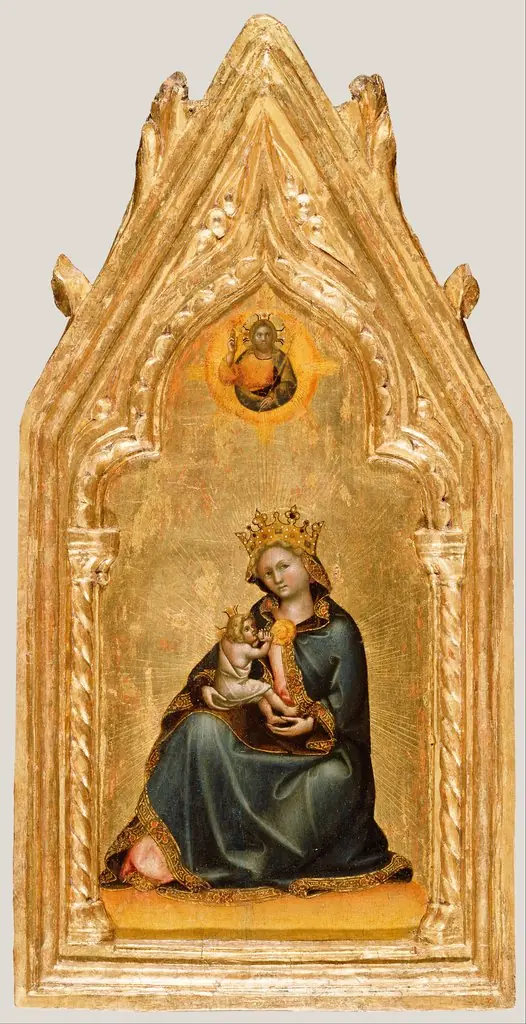
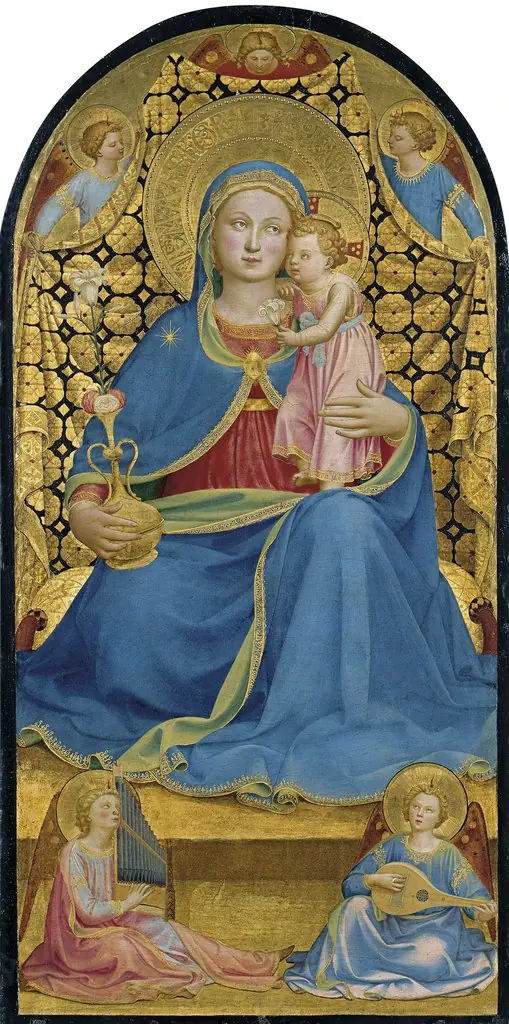
The painting portrays the Virgin Mary seated on a throne, devoutly praying with clasped hands, while cradling the naked Christ Child, who is adorned with a golden halo. This composition conveys a scene of maternal devotion and spiritual reverence.
Technique & Style
Characterized by a gold background and halos around both the Virgin and the Christ Child, the painting showcases Vivarini's use of traditional religious iconography. The Virgin's attire, consisting of a red, floral-patterned cloak over a blue dress and a matching head covering, reflects the artistic detailing of the period.
History & Provenance
Created in 1440, the painting's historical trajectory culminates in its current residence at the Museum of Fine Arts, Houston, though specific details of its journey to the museum are not provided.
Context
Emerging from the early 15th-century artistic landscape, Virgin and Child situates itself within the broader tradition of religious art, particularly the depiction of the Virgin and Child, a common subject in Renaissance and pre-Renaissance European art.
Own this work as a print
Artist & collection

Artist
Antonio Vivarini was an Italian painter of the early Renaissance-late Gothic period, who worked mostly in the Republic of Venice.

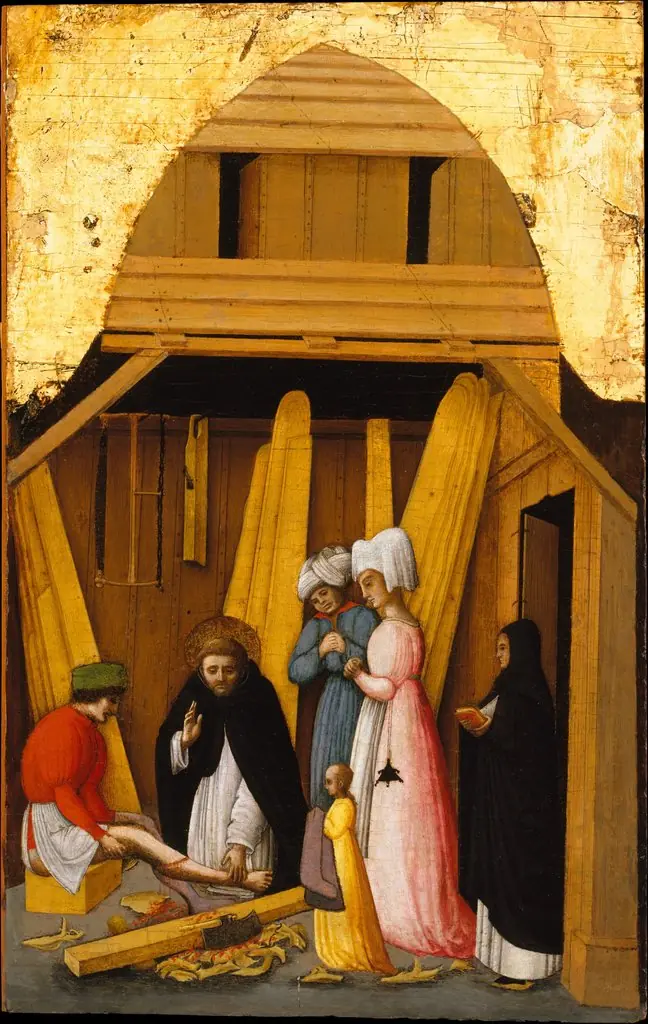 Saint Peter Martyr Healing the Leg of a Young Man
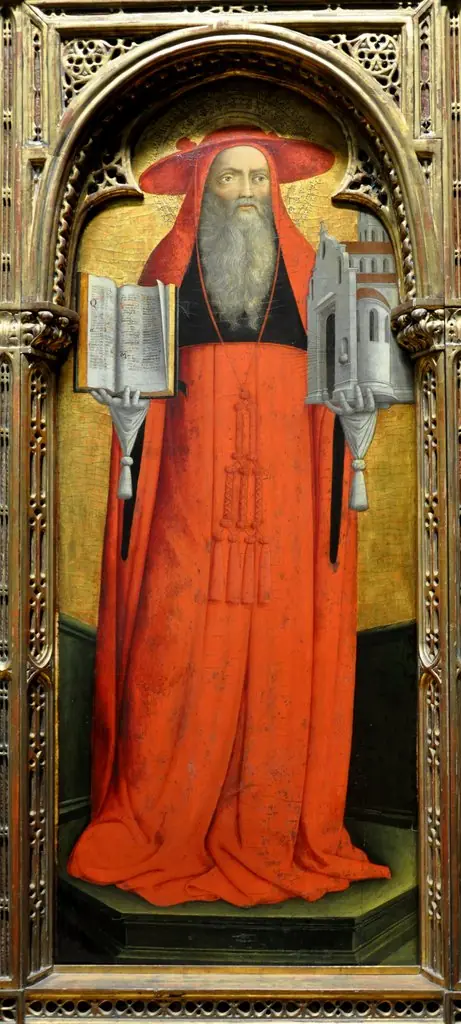 Hieronymusaltar von Santo Stefano in Venedig: Der heilige Hieronymus
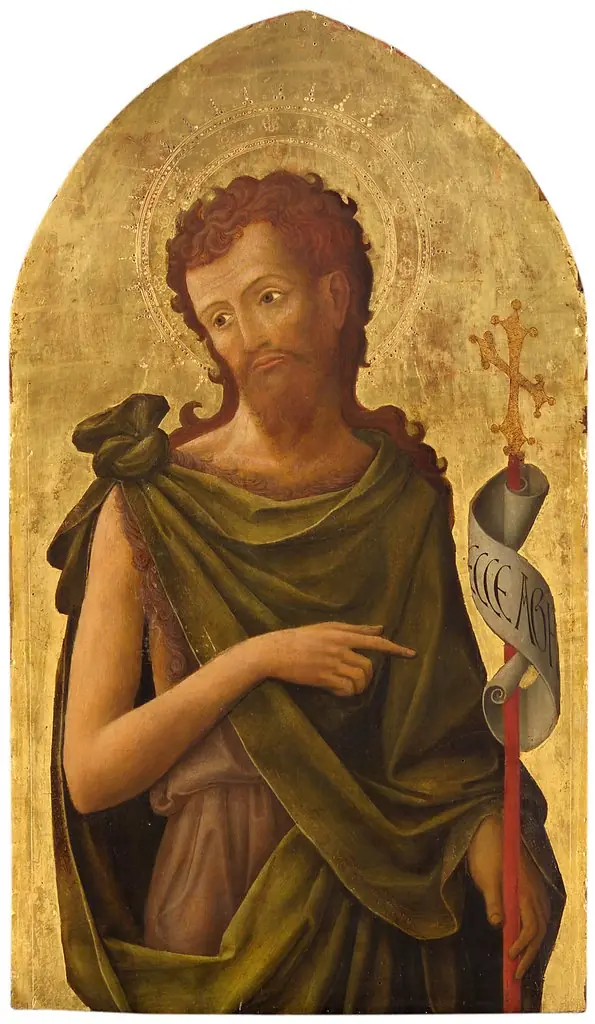 John the Baptist
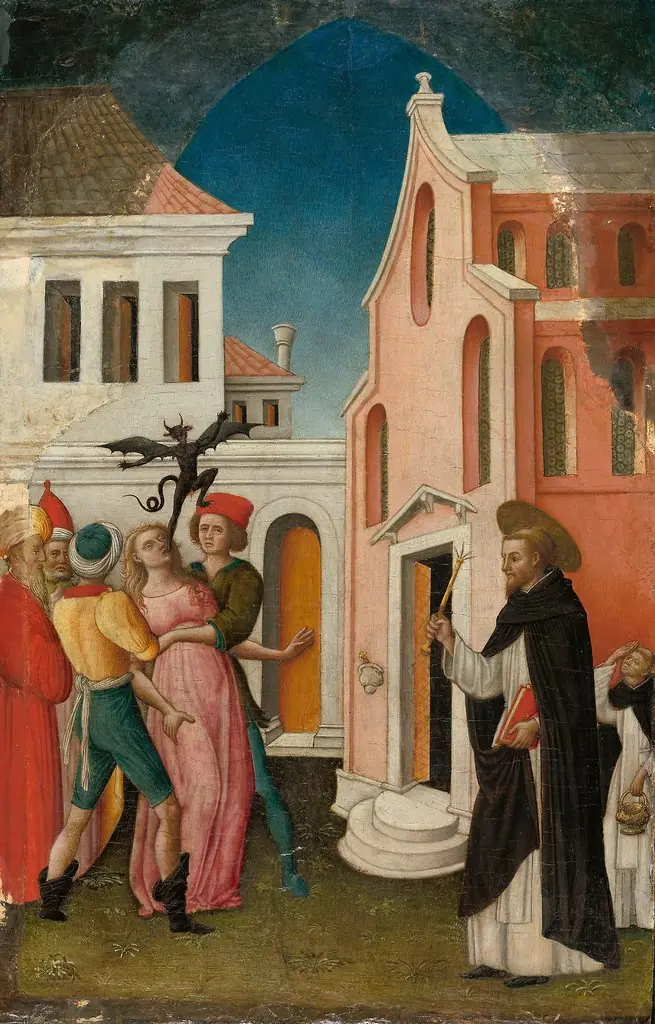 Saint Peter Martyr Exorcizing a Woman Possessed by a Devil
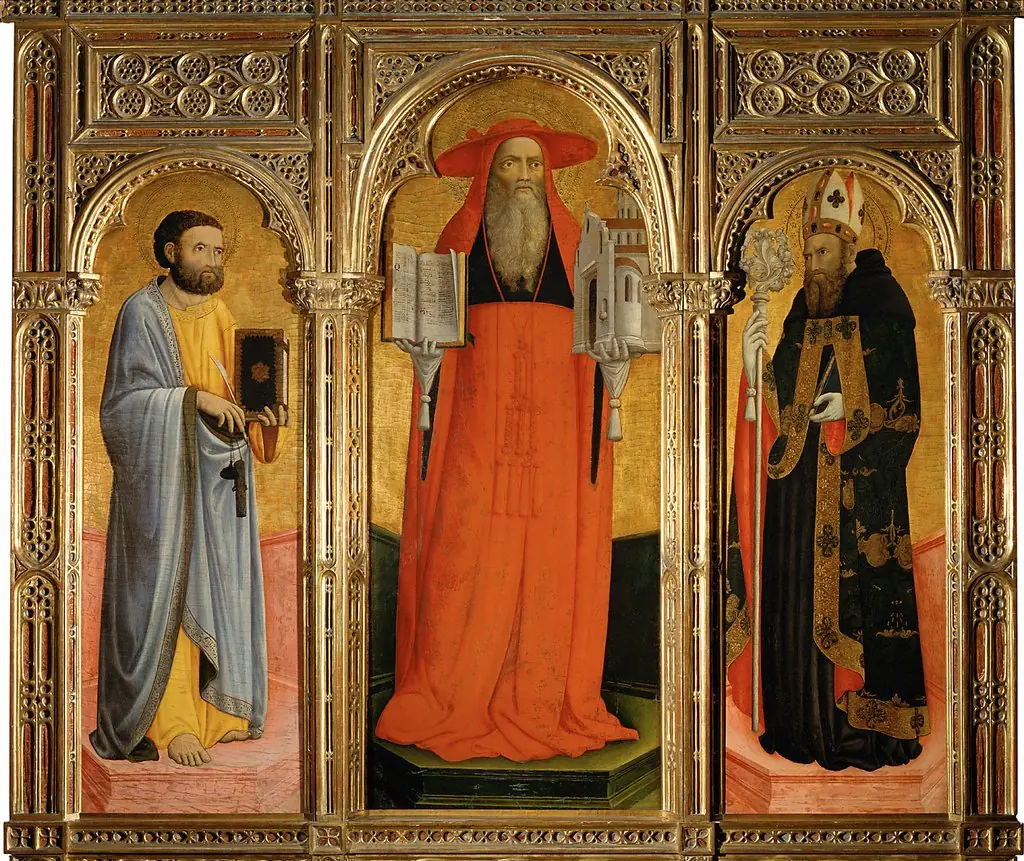 Hieronymusaltar von Santo Stefano in Venedig: Der heilige Markus
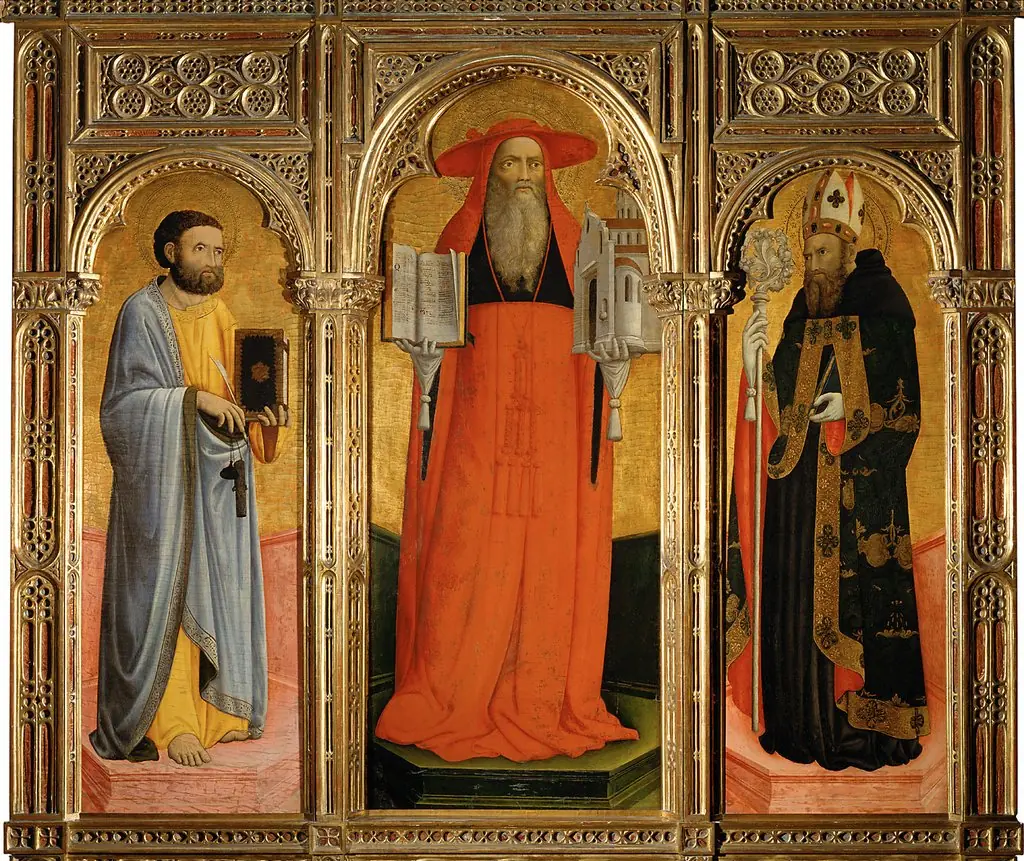 Altar of Saint Jerome
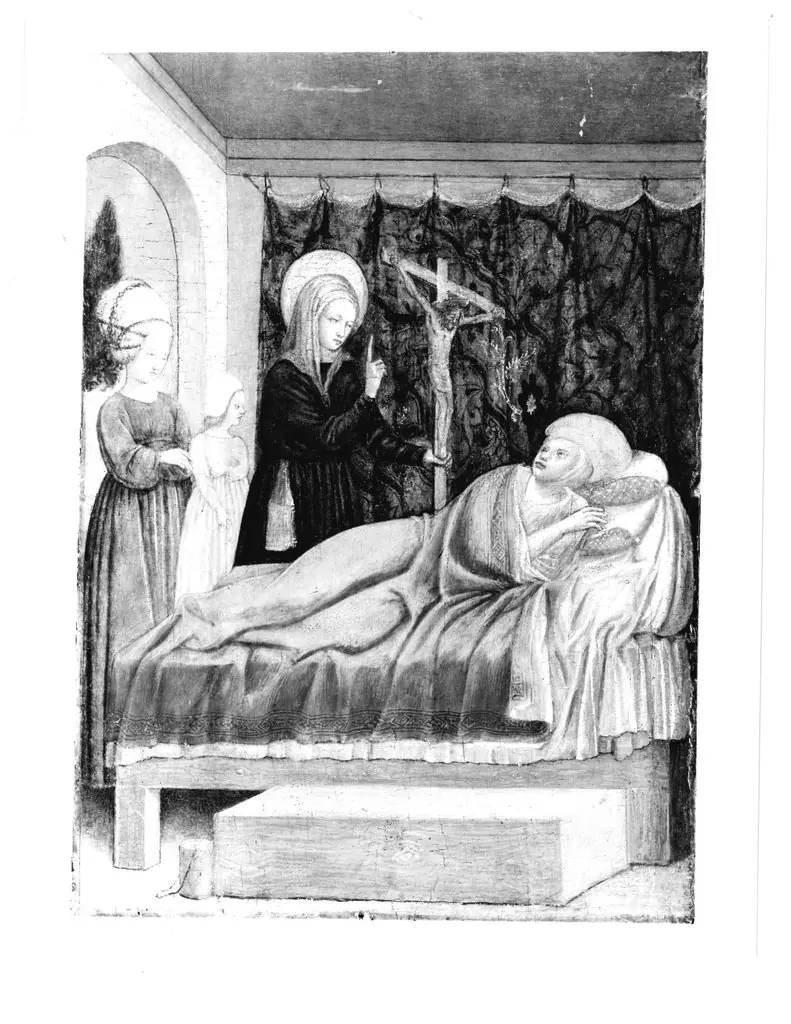 Scene from the Life of a Female Saint
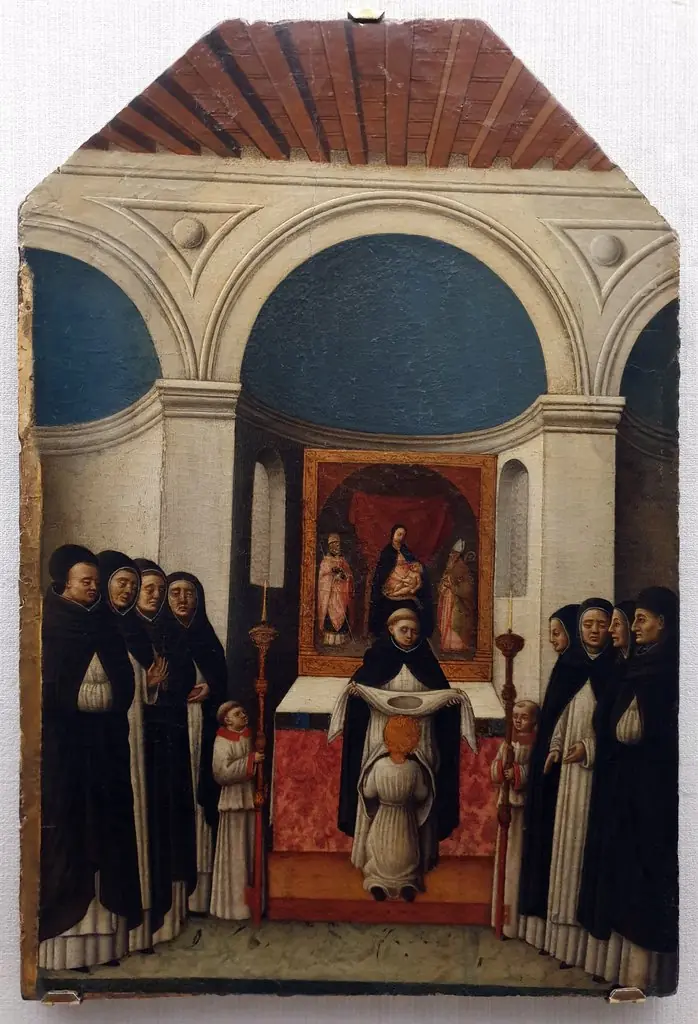 The Saint's Investiture upon His Entry into the Dominican Order