Artwork
John the Baptist
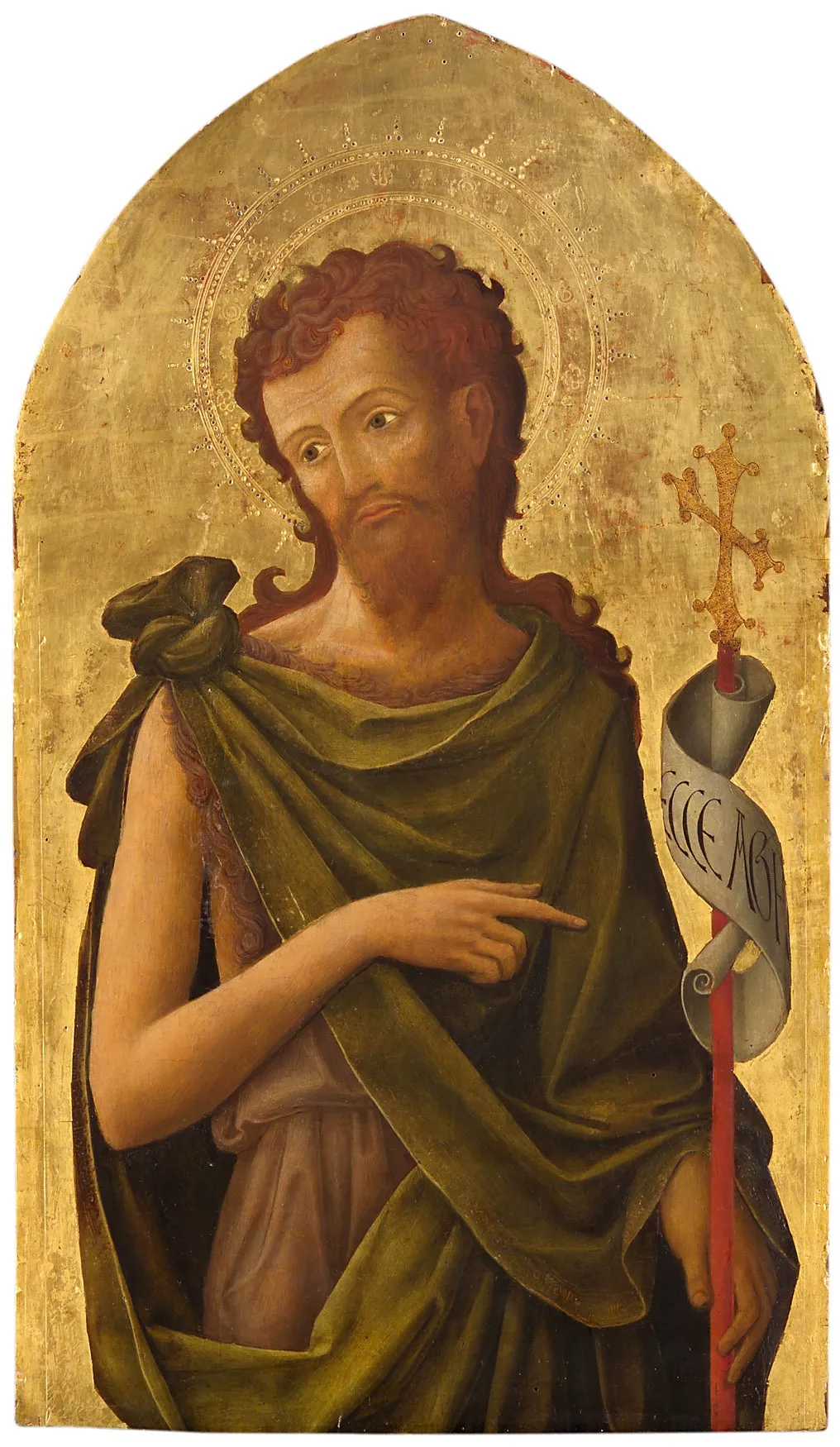
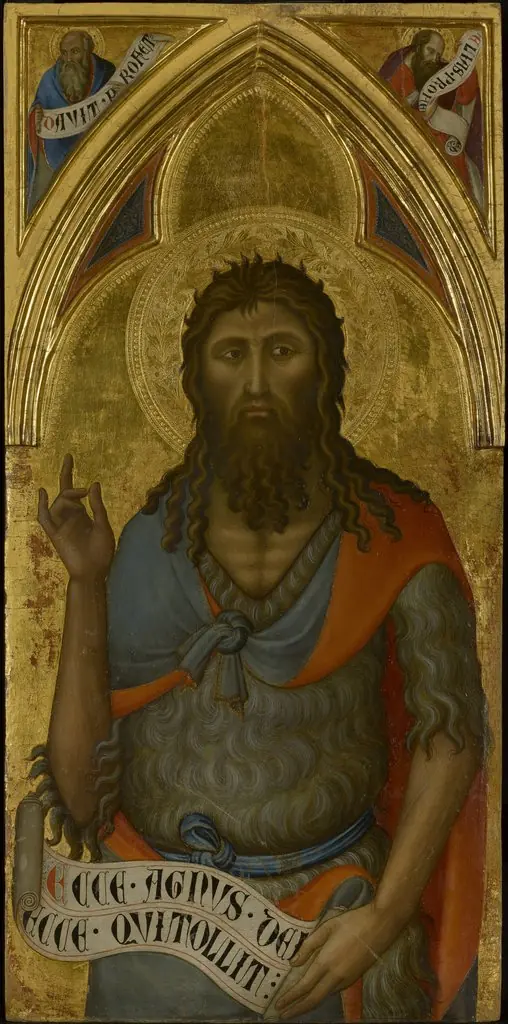
John the Baptist is an unspecified painting by the Early Renaissance artist Antonio Vivarini. It dates from 1451 and is held in the collection of the Kunsthistorisches Museum.
About this work
Subject & Meaning
Antonio Vivarini emphasizes the saint's contemplative presence through precise detailing, aligning with late‑medieval religious art conventions.
The work portrays John the Baptist in a devotional context, reflecting his role as a forerunner of Christ within Christian iconography. Antonio Vivarini emphasizes the saint's contemplative presence through precise detailing, aligning with late‑medieval religious art conventions. The painting forms part of the collection at the Kunsthistorisches Museum, preserving its function as a visual meditation on biblical narrative.
Technique & Style
The work depicts John the Baptist in a devotional composition rendered in tempera on panel, reflecting early Renaissance techniques characteristic of Antonio Vivarini's workshop. The formal treatment emphasizes crisp outlines and a restrained palette, aligning with the stylistic conventions of 15th‑century Venetian religious painting.
History & Provenance
Antonio Vivarini painted John the Baptist in 1451, a religious work now held by the Kunsthistorisches Museum in Vienna. The painting entered the museum's collection and has remained part of its permanent display since its acquisition. Its creation aligns with the mid‑15th‑century Venetian school activity documented in contemporary records.
John the Baptist by Antonio Vivarini, dated 1451, is held in the collection of the Kunsthistorisches Museum in Vienna. The work is documented as part of that institution's holdings, with its location confirmed at the Kunsthistorisches Museum.
No specific inventory or accession number is recorded in the available sources, and no exhibition history is documented.
Context
The painting John the Baptist by Antonio Vivarini was created in 1451 and is housed in the Kunsthistorisches Museum Wien, where it remains part of the museum's collection of religious artworks. As an early Renaissance piece, it exemplifies the devotional practices of the period and situates Vivarini within the broader Venetian school of painting, influencing later depictions of saintly figures. Scholarship highlights its role in understanding 15th-century interpretations of biblical narratives, reinforcing its significance within the artistic and religious context of the time.
Legacy
The painting John the Baptist by Antonio Vivarini, created in 1451, has been part of the Kunsthistorisches Museum Wien's collection since its acquisition, shaping scholarly discussions of Venetian Renaissance art. Its status as an early depiction of the saint contributed to renewed interest in devotional imagery during the 15th century and informed later interpretations of narrative painting in Northern Italy. The work's provenance within a major imperial collection elevated its visibility in art historical literature, linking it to broader patterns of patronage and religious expression in the late Middle Ages.
Contemporary assessments continue to reference its compositional influence on subsequent depictions of biblical figures, reinforcing its role in the development of devotional art.
Overview
Antonio Vivarini’s 1451 panel presents the biblical figure John the Baptist. Executed in tempera on wood, the work measures roughly a typical devotional size and is part of the collection of the Kunsthistorisches Museum in Vienna. The composition centers on a solitary saint against a luminous gold field, emphasizing his role as a prophetic herald.
Artist & collection

Artist
Antonio Vivarini was an Italian painter of the early Renaissance-late Gothic period, who worked mostly in the Republic of Venice.

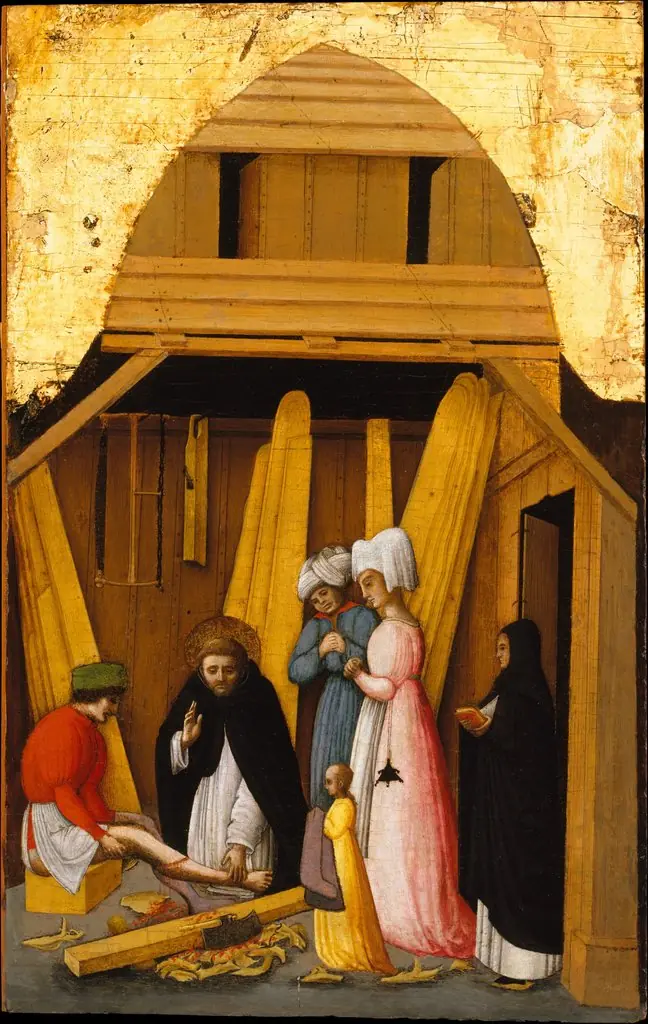 Saint Peter Martyr Healing the Leg of a Young Man
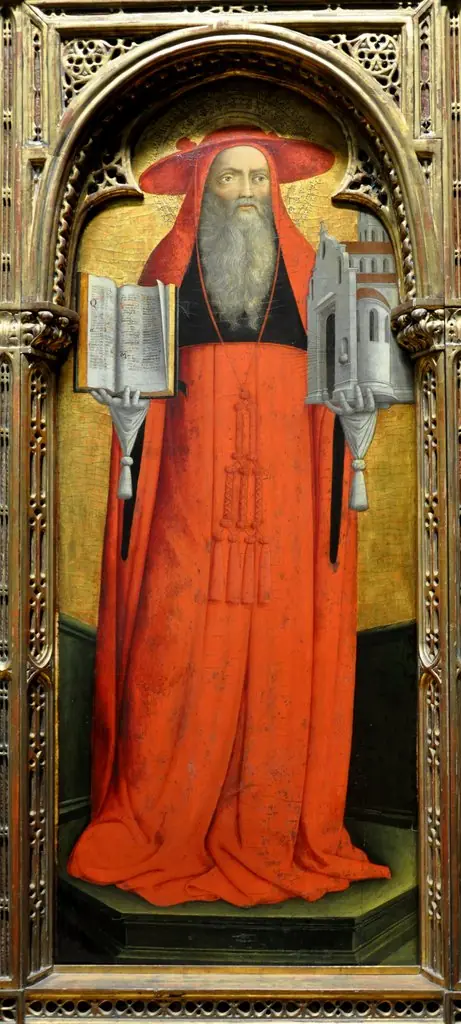 Hieronymusaltar von Santo Stefano in Venedig: Der heilige Hieronymus
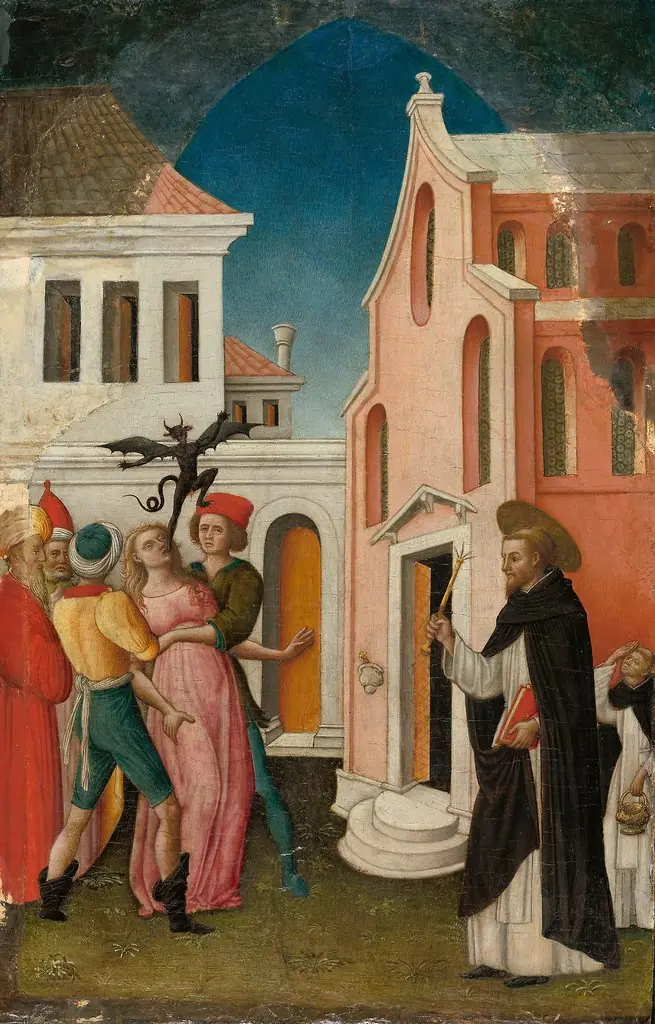 Saint Peter Martyr Exorcizing a Woman Possessed by a Devil
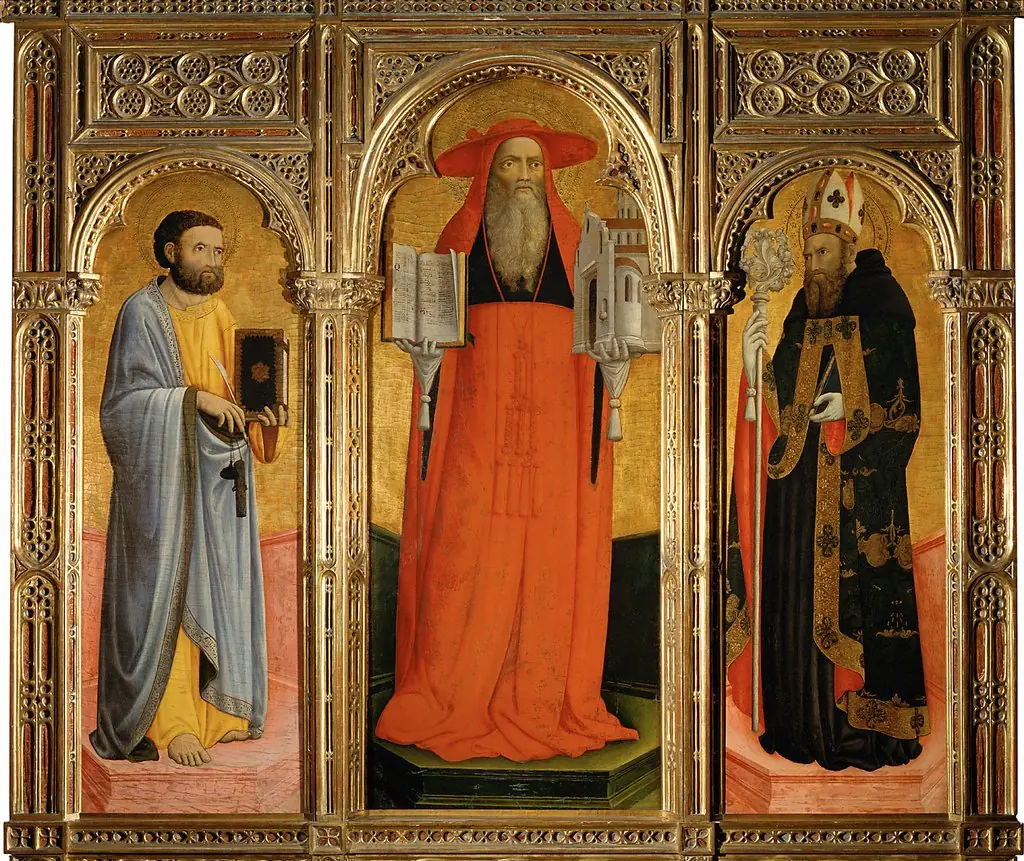 Hieronymusaltar von Santo Stefano in Venedig: Der heilige Markus
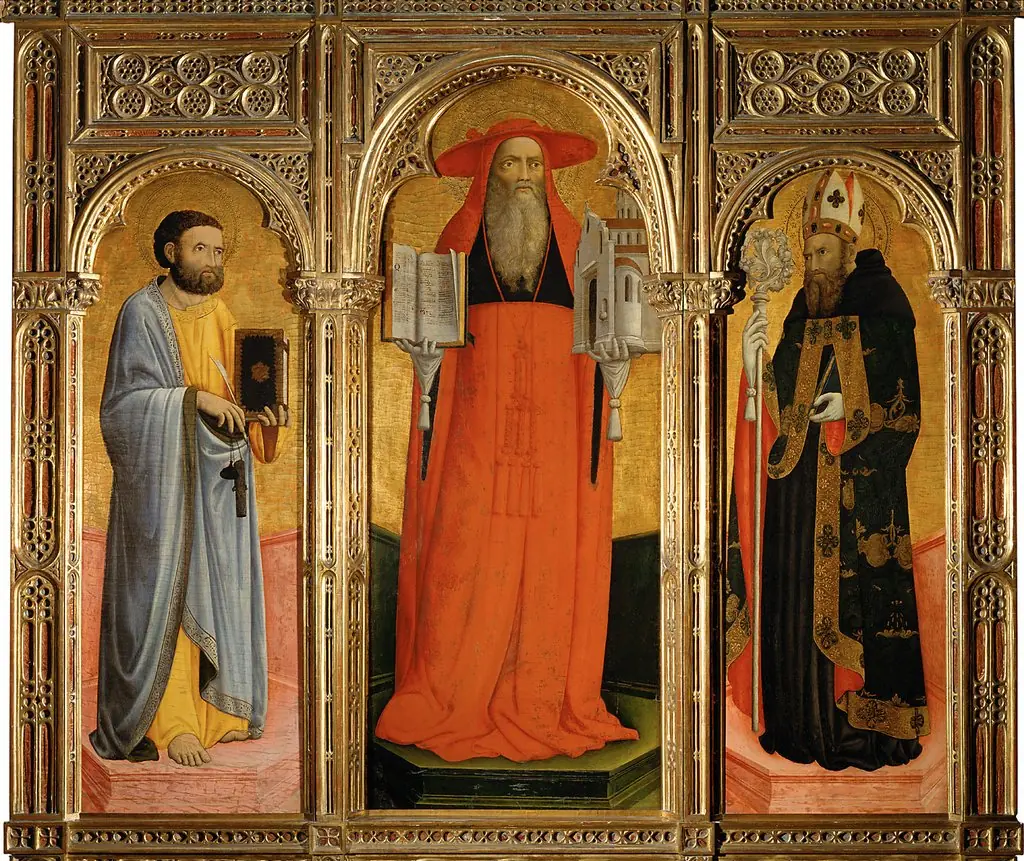 Altar of Saint Jerome
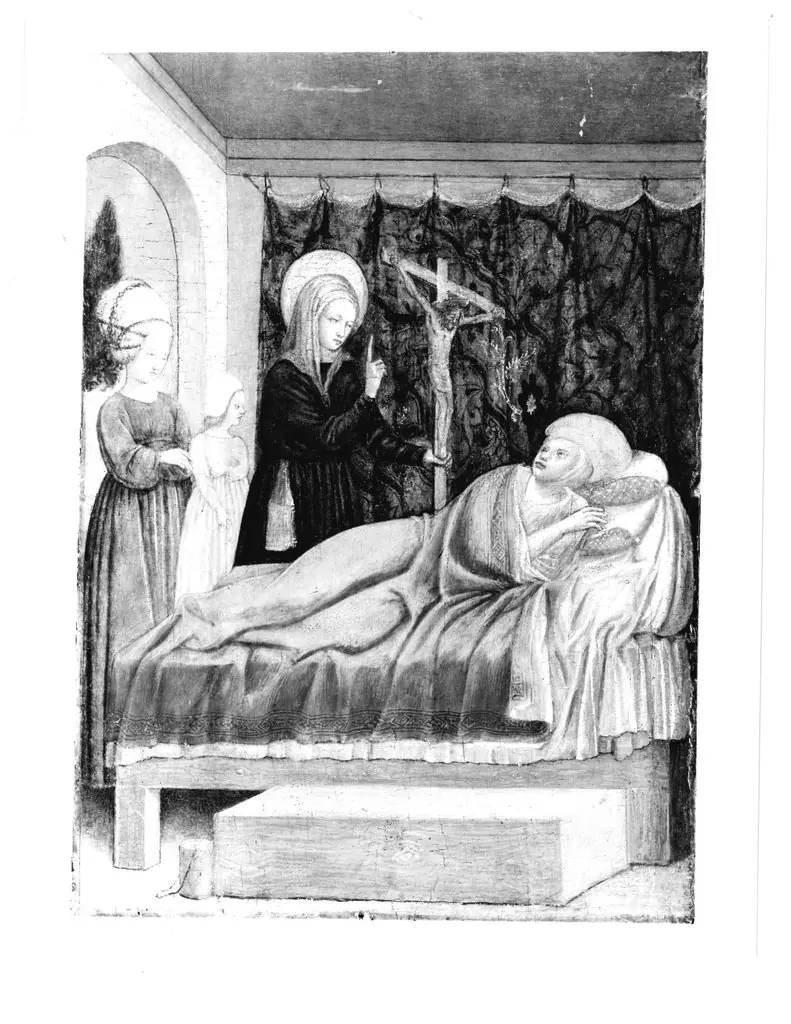 Scene from the Life of a Female Saint
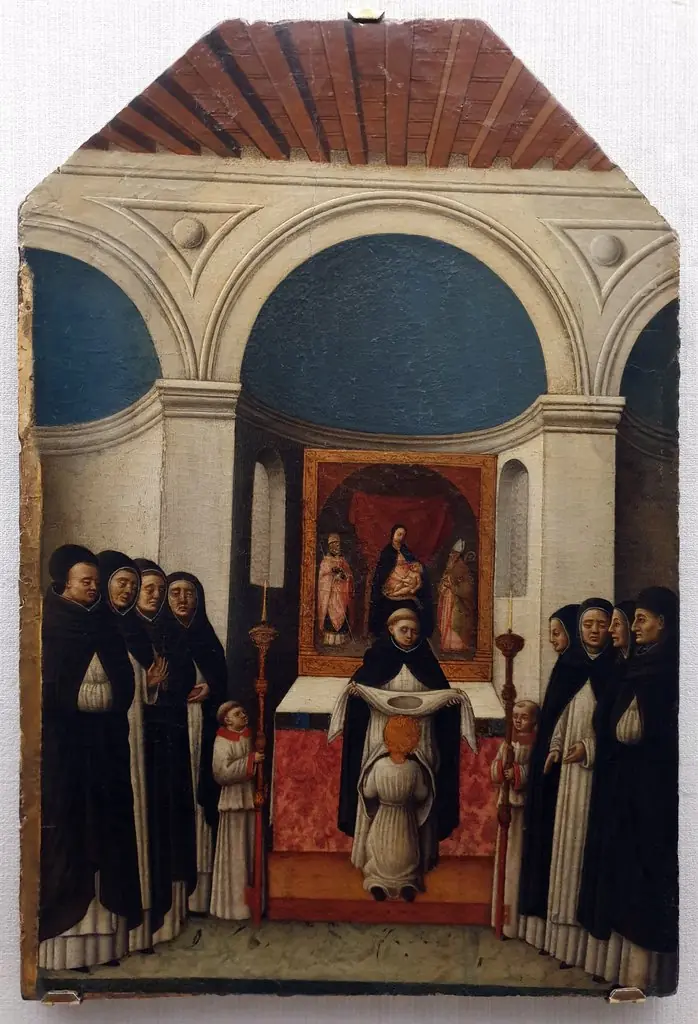 The Saint's Investiture upon His Entry into the Dominican Order
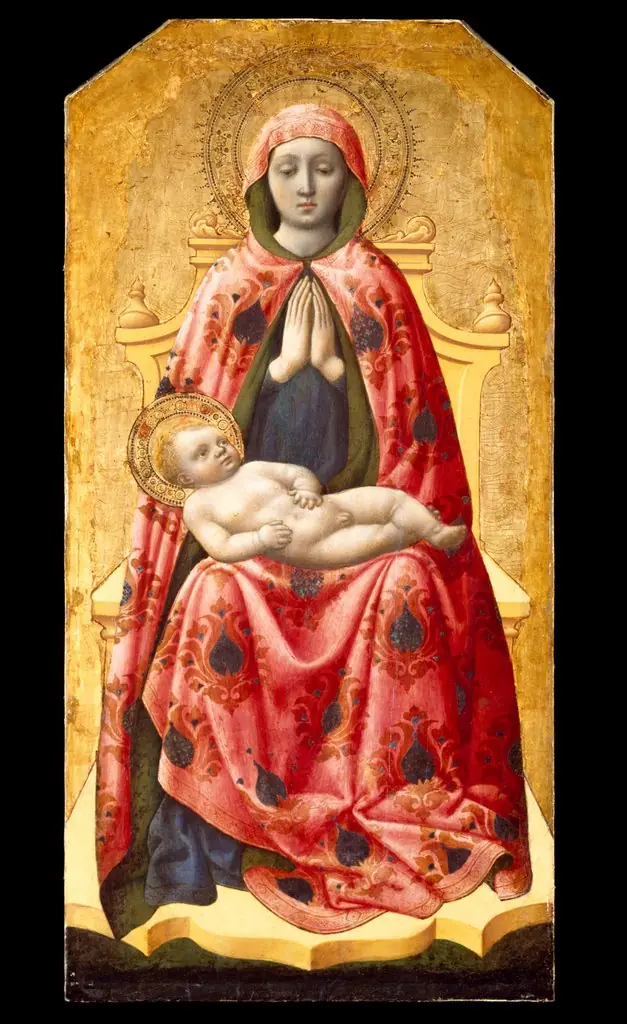 Virgin and Child
![Saint James Major [right panel], by Grifo di Tancredi](https://artifactworldgallery.com/img/grifo-di-tancredi--saint-james-major-right-panel--dc190378c0cddc8f-w320.webp)